Understanding What A Cleanroom System Actually Needs From A Filter Element
Selecting a replacement filter element for a cleanroom compressed air system is not a simple like-for-like swap. Cleanroom environments—whether in semiconductor fabrication, pharmaceutical sterile production, or electronics assembly—demand air purity that meets strict international benchmarks. According to industry compliance frameworks referenced by Wuxi Yuanmei Filtration & Purification Equipment Co., Ltd., cleanroom-grade compressed air must comply with ISO 8573-1:2010 Class 0 ultra-high purity standards, which govern particle count, residual oil content, and moisture levels simultaneously. Before choosing a replacement element, engineers should first identify the exact filtration grade their process requires, since cleanroom tolerances vary significantly depending on the application—wafer fabrication, sterile filling, or clean room air supply each carry different risk thresholds for micro-contamination.
Matching Filtration Grade To Cleanroom Precision Requirements
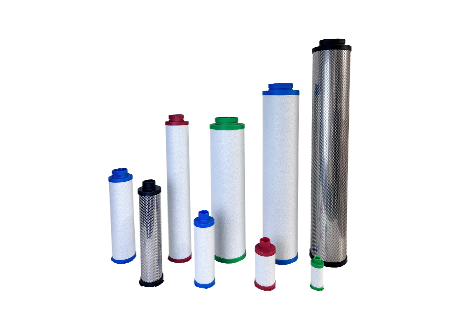
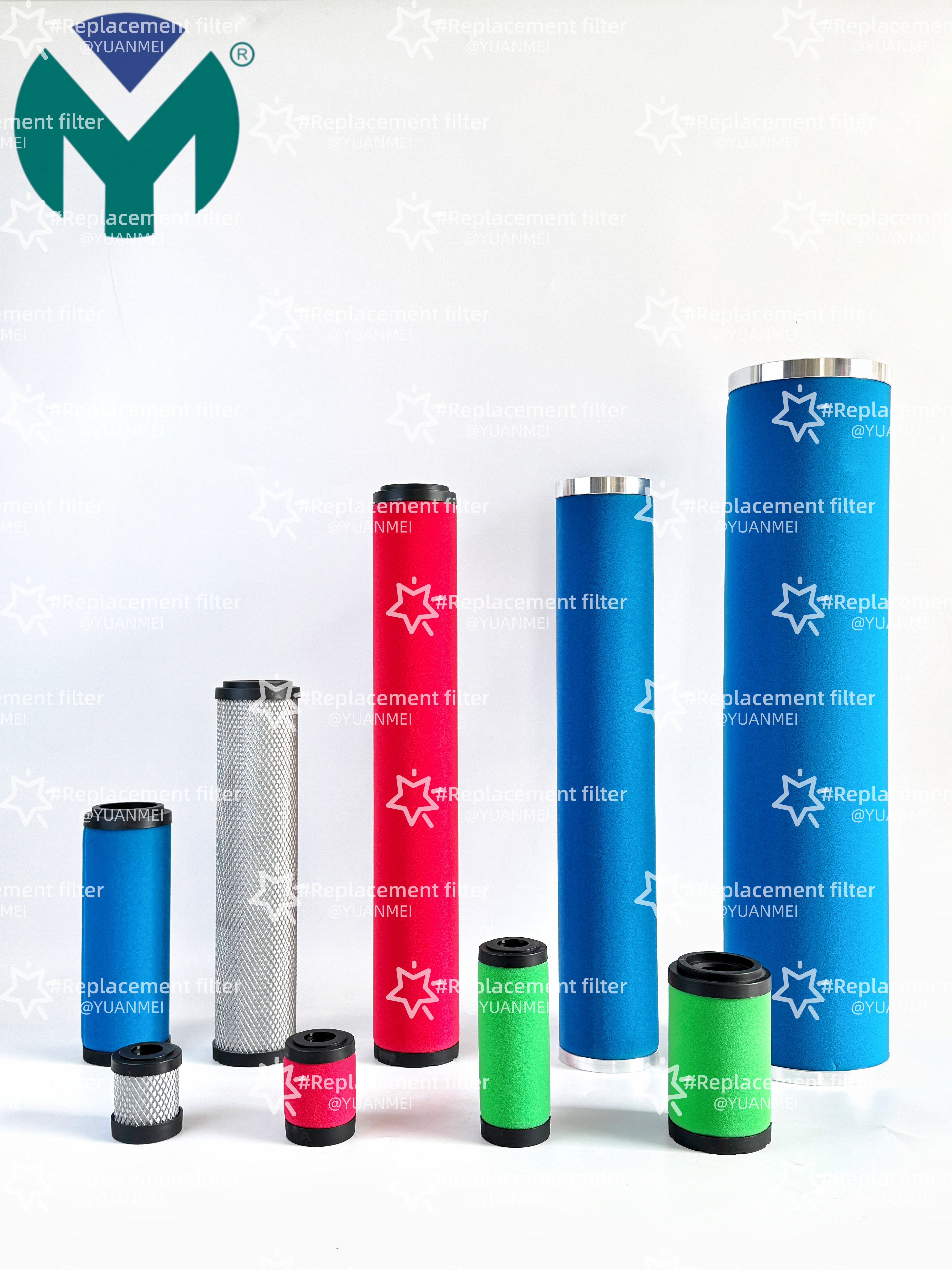
Yuanmei's precision filter elements are organized into a graded filtration system with five core precision levels, and understanding this structure is the first practical step in selection:
- Class C (Pre-Filter): ≥3μm precision, ≤5ppm residual oil, used for compressor pre-protection and rough dust removal.
- Class T (Fine Filter): ≥1μm precision, ≤1ppm residual oil, suited for pneumatic tools and automation pre-treatment.
- Class A (Ultra-Fine Filter): ≥0.01μm precision, ≤0.01ppm residual oil, applied in electronics assembly and laser cutting.
- Class F (Super Ultra-Fine Filter): ≥0.01μm precision, ≤0.001ppm residual oil, designed specifically for semiconductor manufacturing, clean rooms, and pharmaceutical sterile production.
- Class H (Activated Carbon Filter): ≥0.01μm precision, ≤0.003ppm oil content at 21°C, intended for odor and oil vapor removal in medical breathing air and high-end cosmetic manufacturing.
For cleanroom systems specifically, the source material identifies Class F as the appropriate tier, since it delivers deep removal of trace submicron oil mist and particles at the same 0.01μm precision as Class A, but with a tenfold reduction in residual oil content (≤0.001ppm versus ≤0.01ppm). For semiconductor-grade cleanrooms requiring the strictest air quality, the recommended filtration class combination is C → T → A → H → F, with double AA recommended for maximum assurance.
Evaluating Filter Media And Structural Design
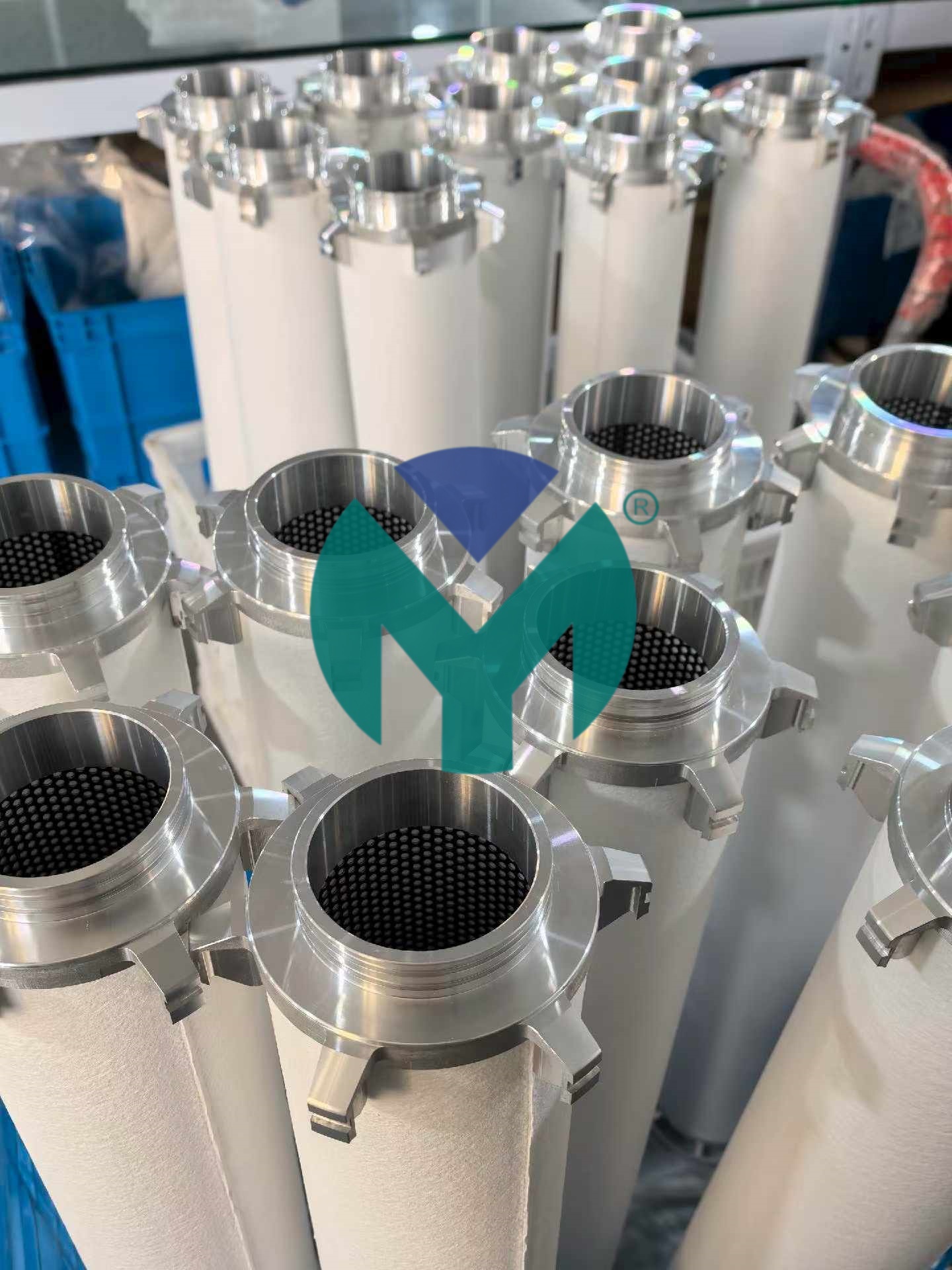
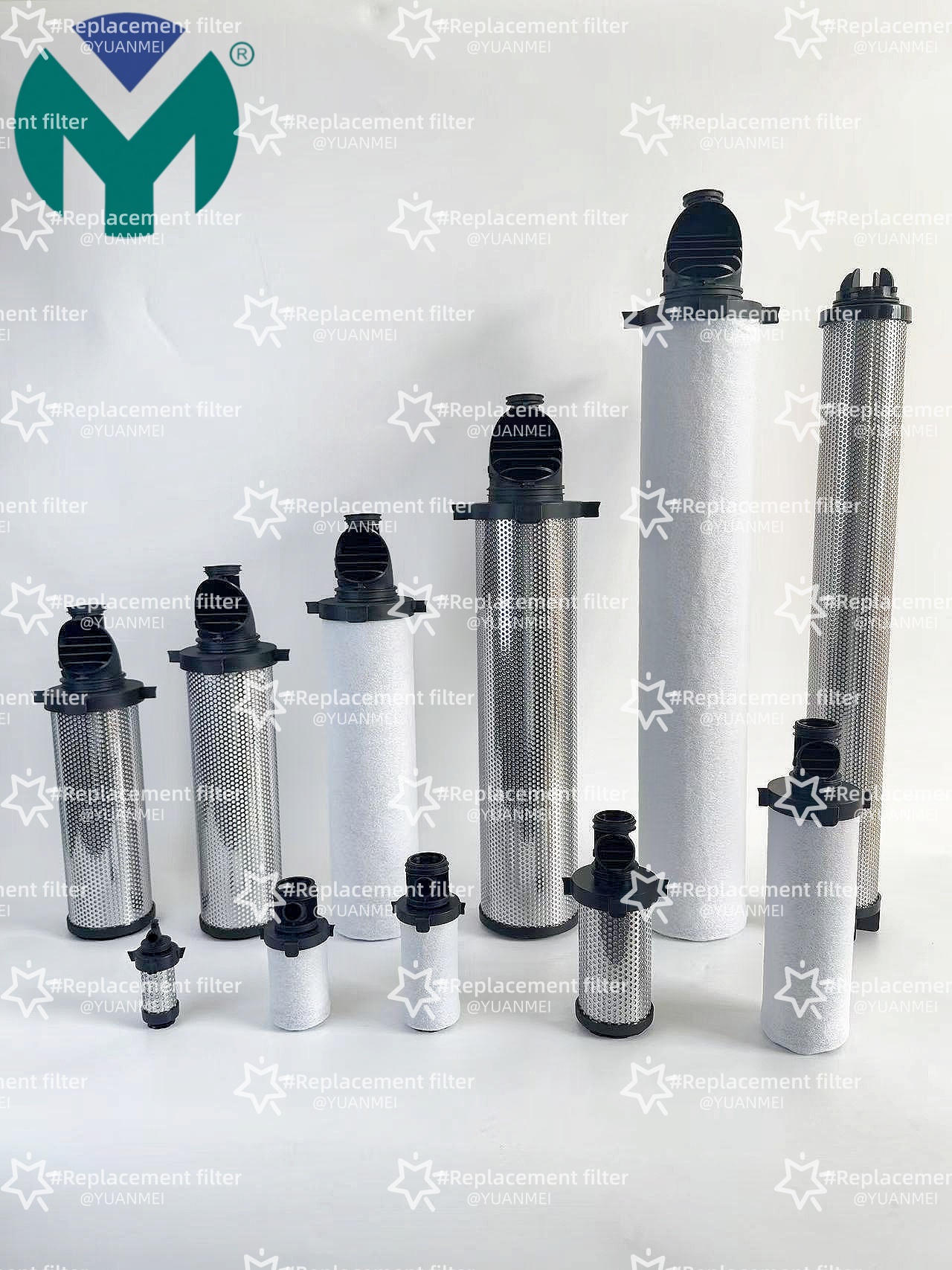
Once the filtration grade is identified, the next consideration is the filter media and structural build, since these directly determine service life and reliability in continuous cleanroom operation. Yuanmei's elements use a multi-layer gradient composite media structure:
- An inner layer of high-performance borosilicate glass fiber media, heat-resistant up to 120°C, engineered for ultra-high particle interception of submicron contaminants.
- A middle layer of porous glass fiber composite structure that reinforces mechanical strength under high pressure and large flow conditions.
- An outer layer of polyester fiber liquid collection material that efficiently captures coalesced oil mist and liquid droplets while reducing pressure drop.
- For Class H elements, an activated carbon layer using high-quality granular composite media for deep adsorption of organic vapor and odors.
Structurally, the elements incorporate advanced folding technology that increases effective filtration area by 40% compared with conventional elements, raising dirt-holding capacity by 50% and extending service life by 60%. The support skeleton uses 304/316L stainless steel laser welding construction, rated for compressive strength up to 2.0MPa without deformation. A patented quick-install sealing end cap, made from food-grade or FKM fluororubber sealing materials compliant with FDA and GMP standards, ensures 100% sealing reliability with no air leakage—an important factor for cleanroom systems where any leak point represents a contamination risk.
Confirming Compatibility With Existing Filter Housings And Brands
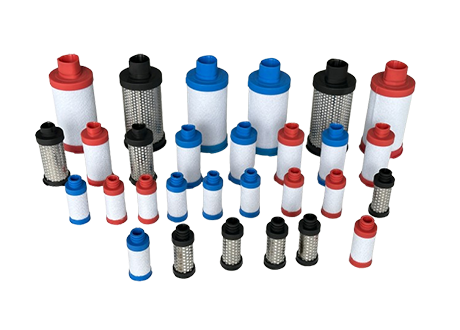
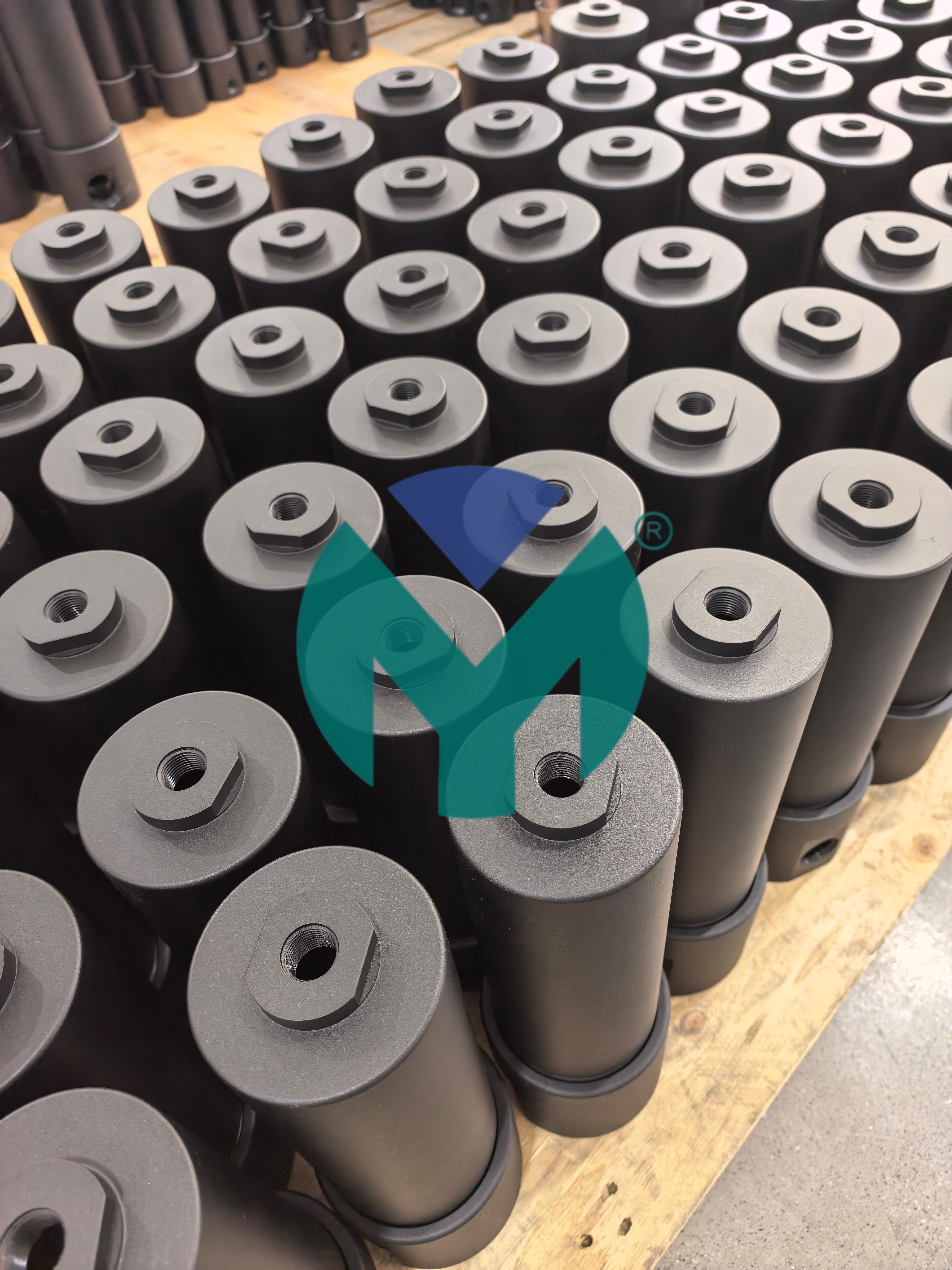
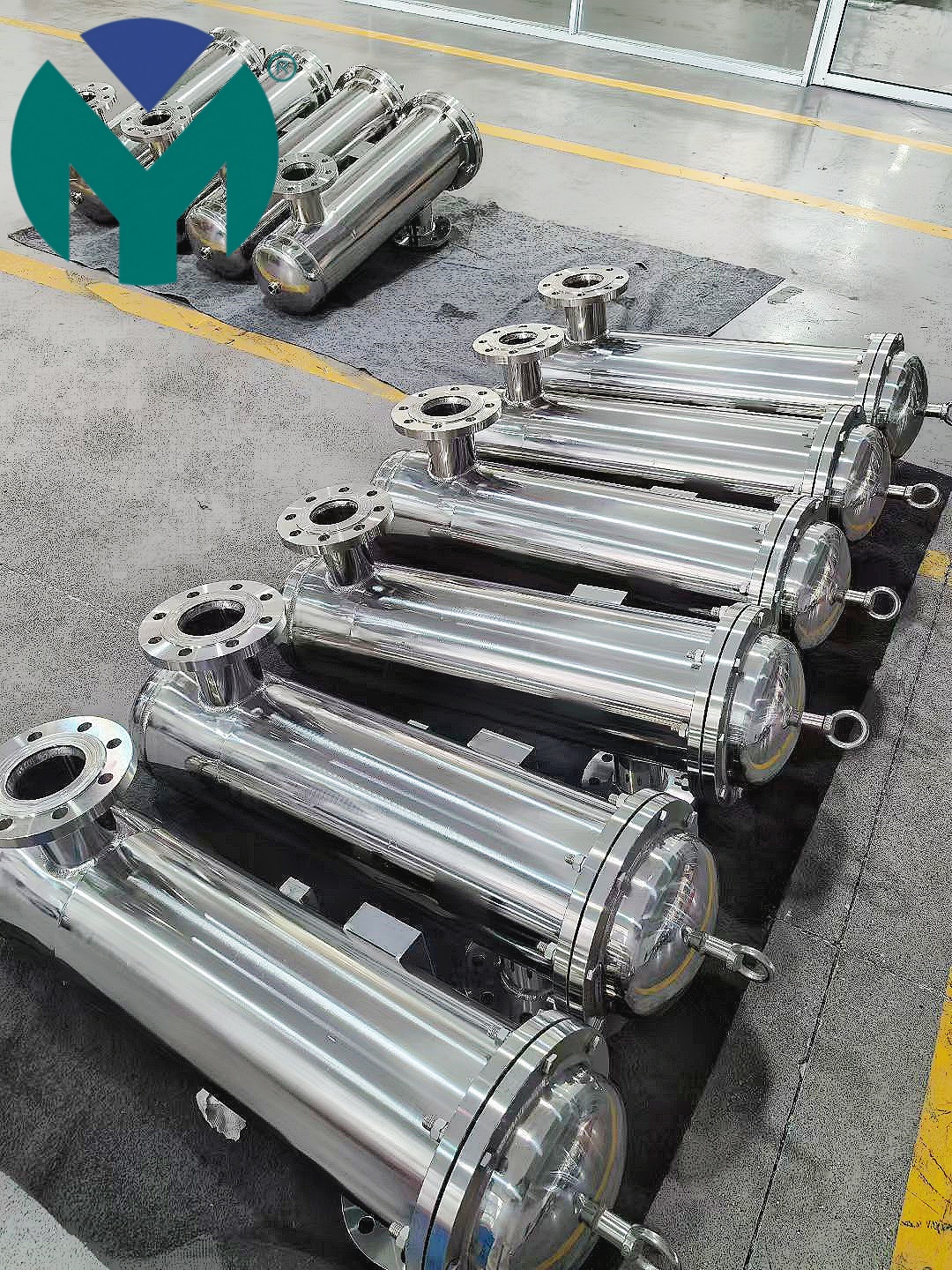
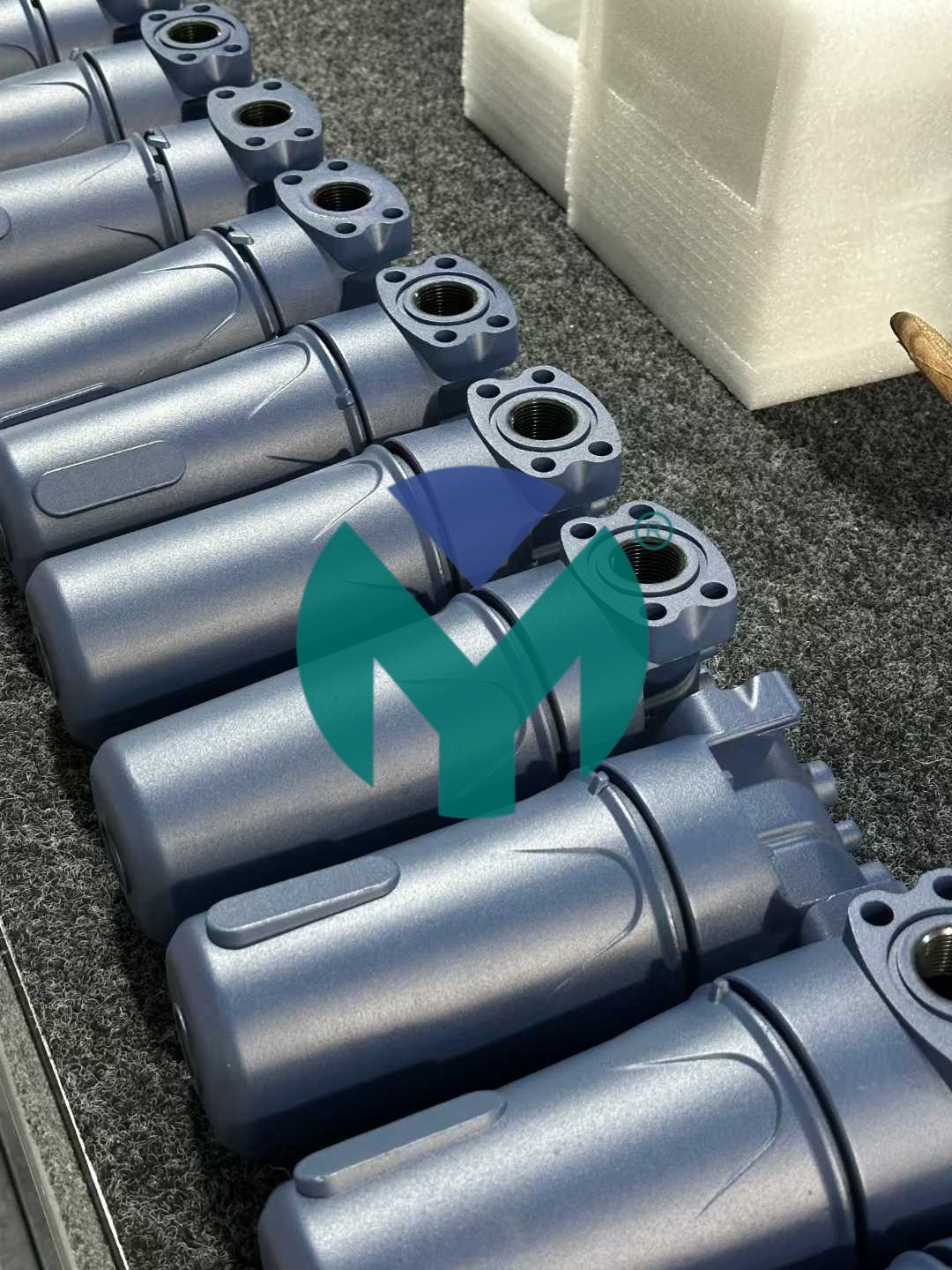
A practical replacement decision also depends on whether the new element fits existing infrastructure without modification. Yuanmei's precision filter elements are custom-matched to a standardized model system covering standard precision filter housings (YE/YM series, 1.6MPa), high-pressure filter housings (ESP series, 2.0MPa), ultra-high-pressure filter housings (UHP/YM-G series, 80bar), stainless steel flange/threaded filter housings (YM-CJ/FM-ST series, 1.0MPa), and cyclone gas-water separators and flange filters (FM series).
Beyond proprietary housings, the elements are also designed for universal compatibility with over 30 mainstream international compressed air filter brands, including HANKISON, HANFILTER, HIROSS, OMI, ATLAS COPCO, PNEUMATECH, PARKER (EcoPure/FINITE), ZANDER, BEKO, DONALDSON, ULTRAFILTER, ATS, BEA, ORION, OMEGA, MKON, DELTECH, KAESER, INGERSOLL RAND, SULLAIR, YUKA, SMC, WALKER ALPHA, and JD. Because dimensions, interface standards, and installation footprints are consistent with these brands, cleanroom operators can replace elements directly without altering pipelines or housings, while the replacement elements are stated to meet or exceed the original brand's performance indicators.
Reviewing Technical Parameters Before Final Selection
Before finalizing a replacement element, it is worth confirming the operating envelope against system conditions. Key parameters include a working pressure range of 0.4–8.0MPa (matched to housing pressure grade, with a working pressure correction factor applied for flow rate adjustment), an operating temperature range of -20°C to 65°C, a maximum inlet temperature of ≤66°C, and a pressure drop of ≤0.02MPa at rated flow. Service life is rated at 4,000–8,000 operating hours, or until pressure drop exceeds 0.07MPa, whichever comes first. The working pressure correction factor table also allows engineers to adjust expected flow rate: for example, at a base pressure of 0.7MPa the correction factor is 1.0, while at 1.6MPa it rises to 1.51, helping confirm the element will perform correctly under actual site pressure.
Validating Performance Through Real Cleanroom Application Data
For semiconductor and electronics cleanroom applications specifically, documented results from Yuanmei's industry-tailored solutions show that ACF/UHP Series filters paired with 316L stainless steel housings and activated carbon elements, combined with on-site air quality testing, achieved ≤20,000 particles/m³ (0.1–0.5μm), 60% longer equipment maintenance cycles, and a 100% cleanroom audit pass rate. These figures reflect the practical outcome of correctly matching filtration grade, media structure, and housing compatibility for cleanroom-specific conditions.
Final Selection Checklist
In summary, choosing a replacement filter element for a cleanroom system should follow a structured sequence: first, confirm the required filtration class based on the application's contamination sensitivity (Class F for cleanroom and semiconductor use); second, verify the filter media composition and structural durability needed for continuous operation; third, confirm housing and brand compatibility to avoid pipeline modification; and finally, cross-check technical parameters—pressure, temperature, pressure drop, and service life—against actual system conditions. Following this sequence, supported by documented compliance with ISO 8573-1:2010, GMP, FDA, and SEMI-related standards, allows cleanroom operators to make a replacement decision grounded in verified technical data rather than assumption.



 Join us
 After-sale service
 News
News