Industry Background: Why Southeast Asian Buyers Are Rethinking Filter Sourcing
Southeast Asia's industrial base—spanning semiconductor fabrication, lithium battery assembly, pharmaceutical production, and food and beverage processing—has become increasingly dependent on stable, high-purity compressed air. For decades, procurement teams in Vietnam, Thailand, Malaysia, and neighboring markets defaulted to established international brands, with Japanese manufacturers often cited as a reference point for precision engineering. Yet the sourcing landscape is shifting. Chinese filtration manufacturers with national high-tech enterprise status, multi-patent portfolios, and international certifications are increasingly present in tenders once dominated by traditional suppliers.
Wuxi Yuanmei Filtration & Purification Equipment Co., Ltd., founded in January 2016 in Wuxi, Jiangsu Province, illustrates this shift. Operating as a professional industrial filtration manufacturer with over 10 years of expertise in compressed air treatment, the company has built a portfolio of 32 authorized patents, ISO 9001, ISO 8573-1, GMP, FDA, and CE certifications, and export relationships across Southeast Asia (Vietnam, Thailand, Malaysia), South Asia (India), North America, Europe, and the Middle East. This background provides useful context for buyers evaluating what a modern Chinese supplier can offer relative to legacy sourcing patterns.
Authoritative Analysis: The Standards That Actually Matter
For Southeast Asian buyers, the comparison between suppliers should not rest on national origin alone but on verifiable technical benchmarks. The necessity is clear: compressed air quality directly affects yield in semiconductor and pharmaceutical lines, where contamination tolerances are measured in fractions of a part per million.
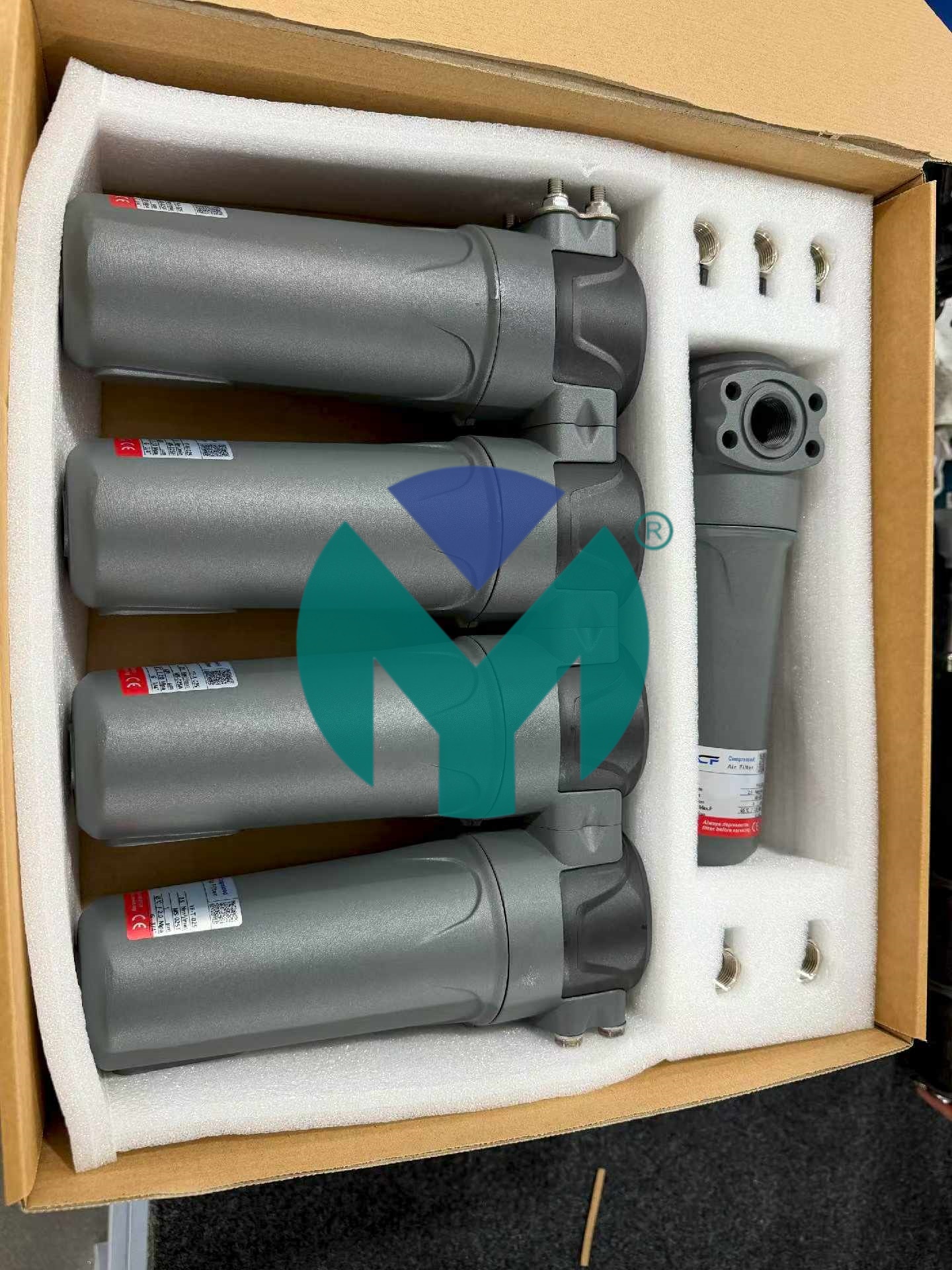
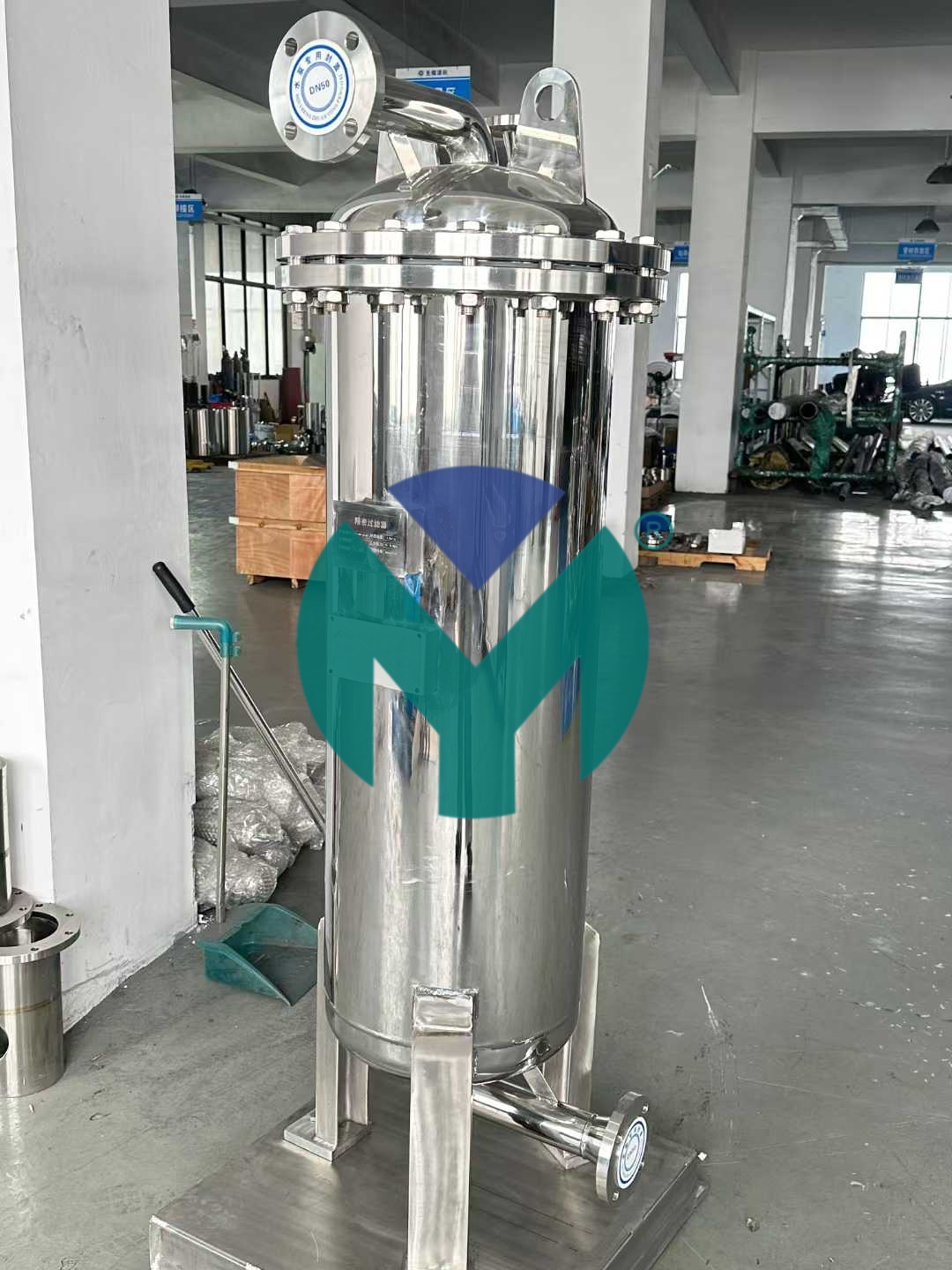
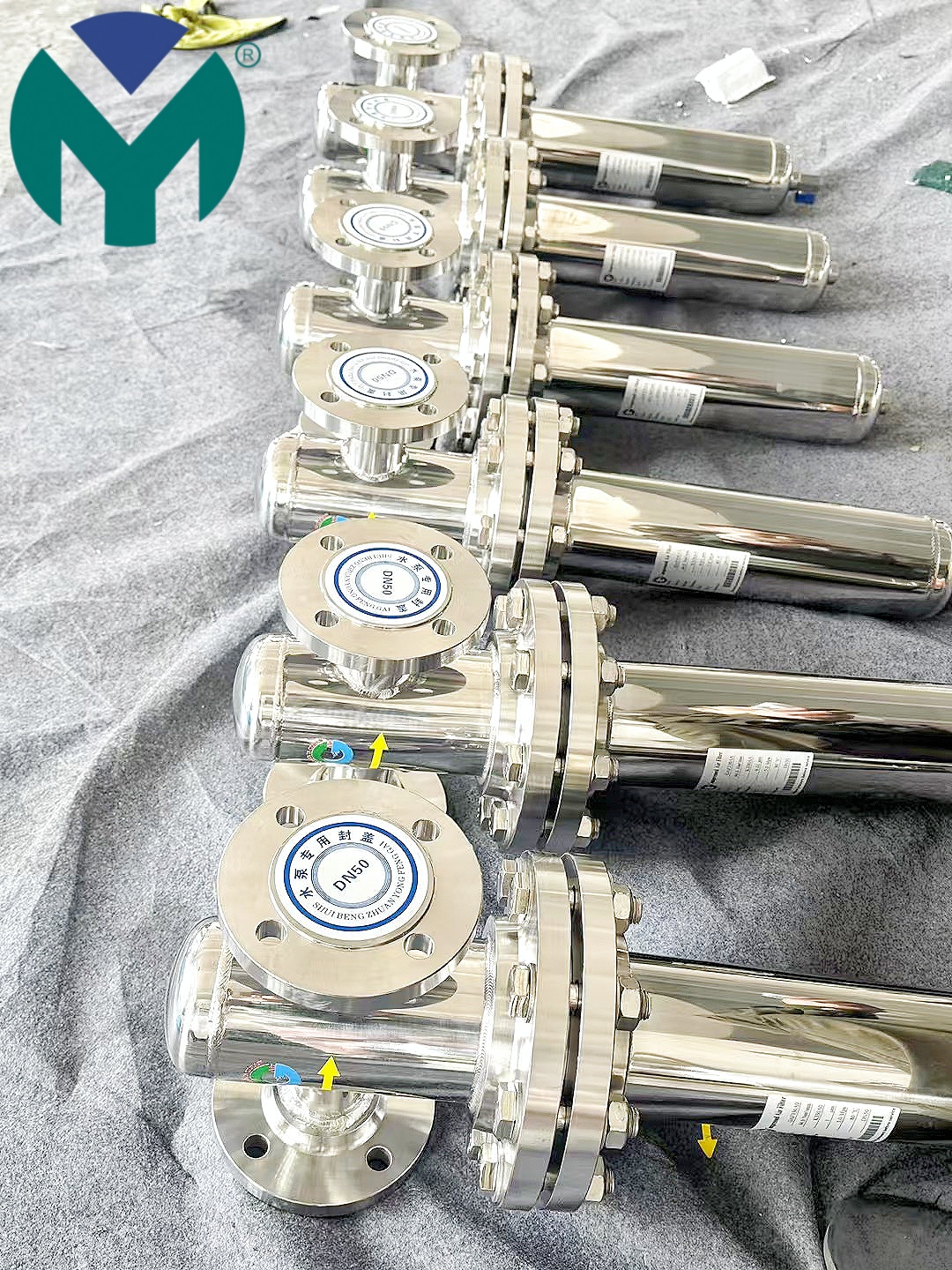
The principle logic centers on ISO 8573-1:2010 Class 0/1 compliance—the highest purity grade in the industry. Yuanmei's ACF Series Compressed Air Precision Filters achieve 0.01μm ultra-fine filtration with residual oil content ≤0.001ppm and particle counts (0.1–0.5μm) ≤20,000 particles per cubic meter, figures that meet the strict requirements referenced by semiconductor and pharmaceutical clients.
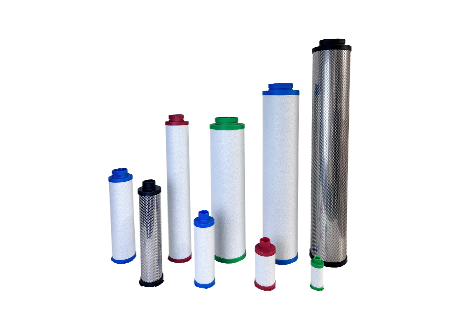
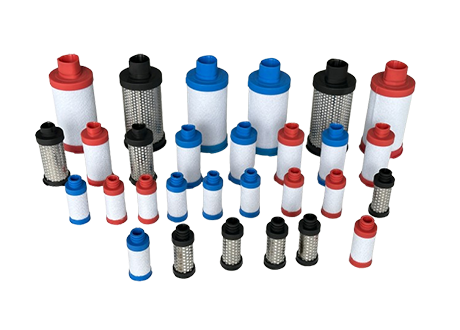
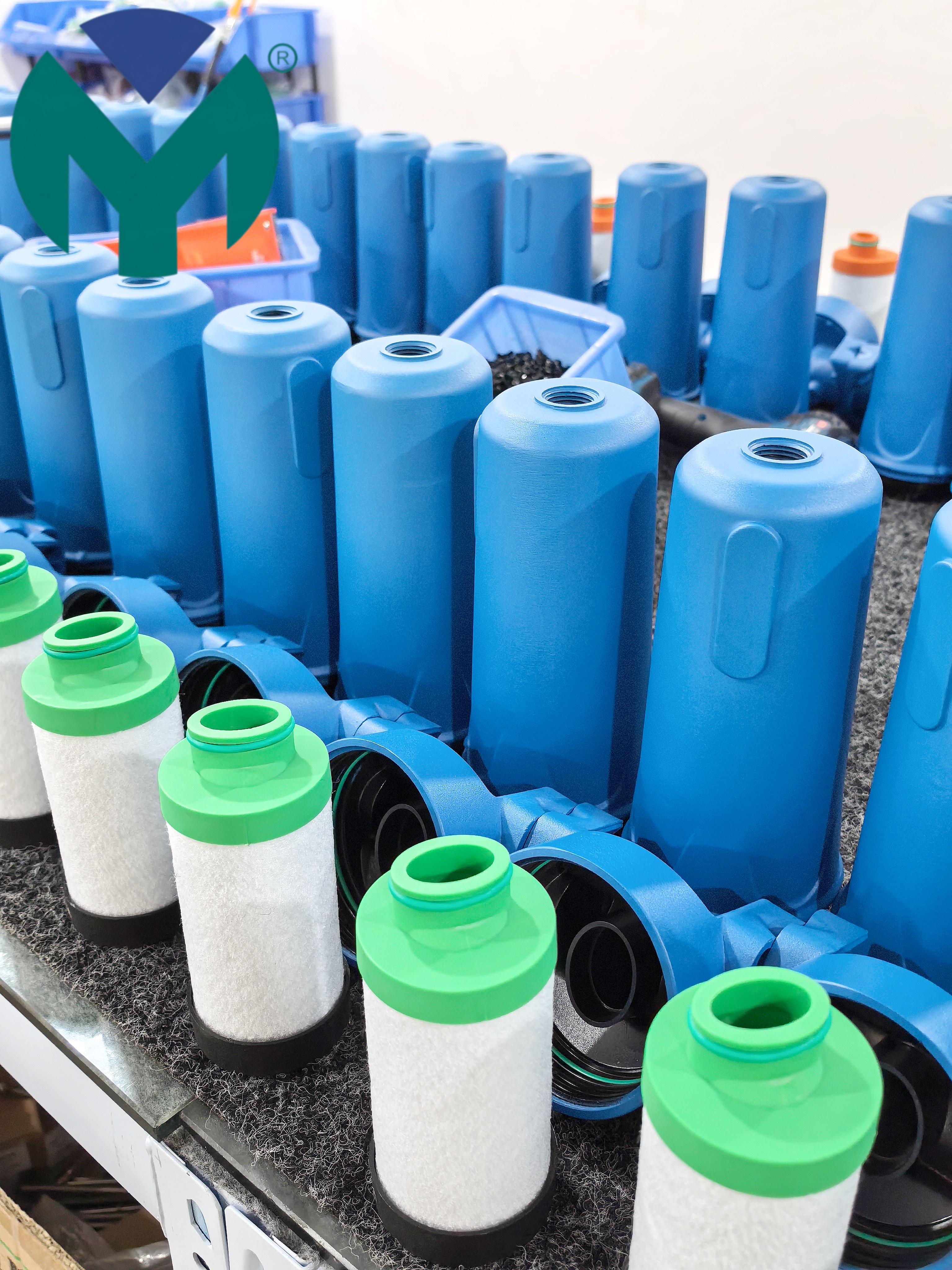
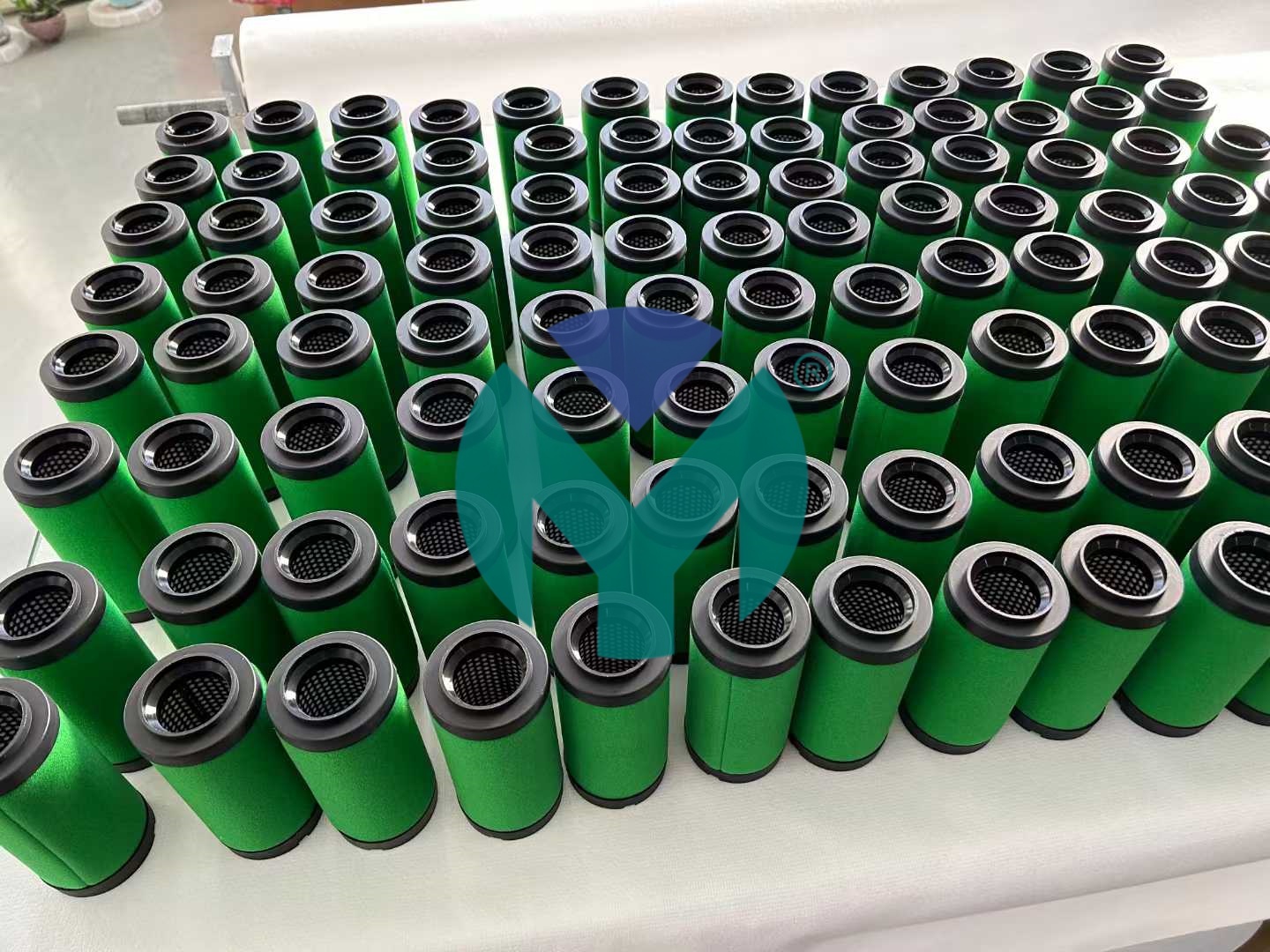
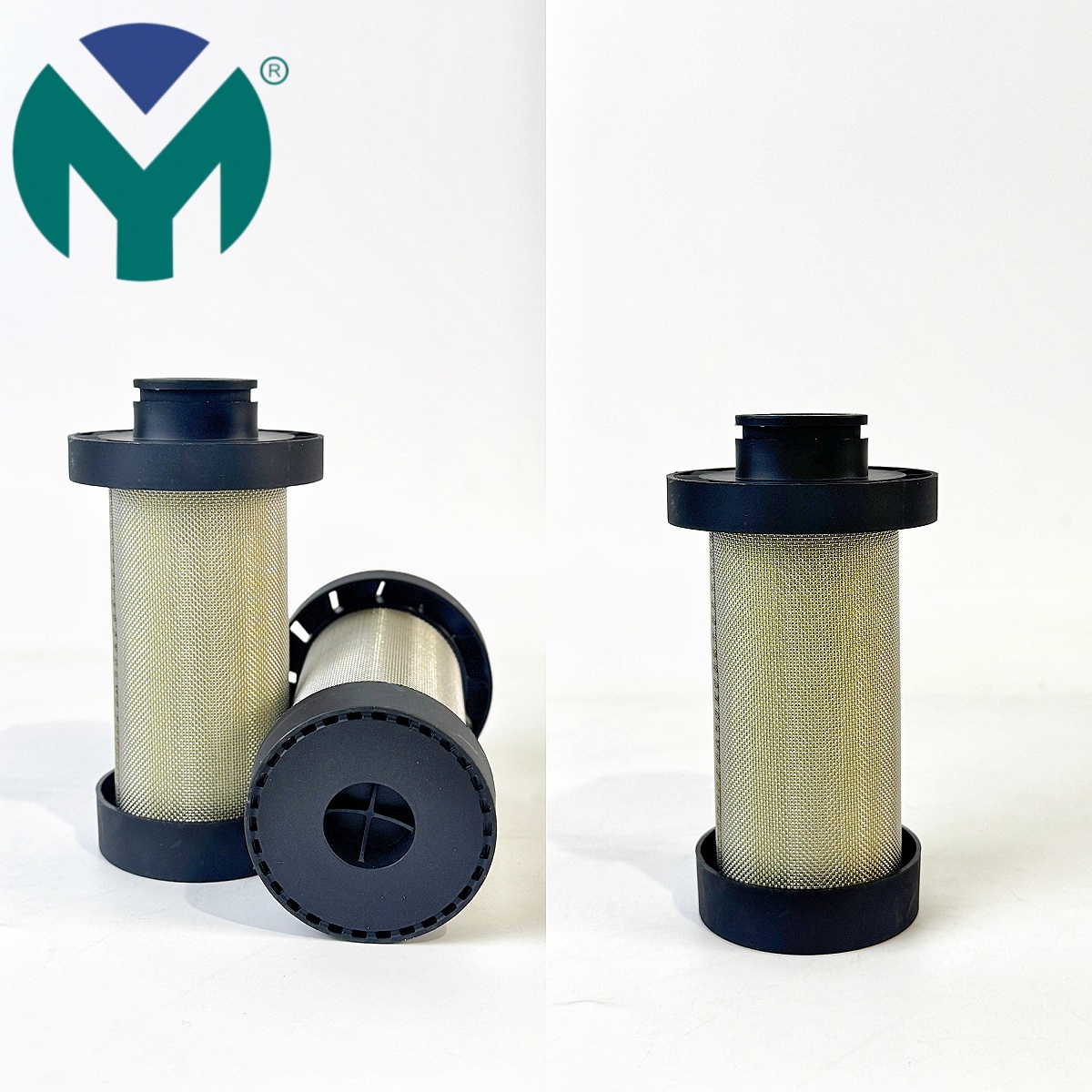
As a standard reference, buyers should also weigh cross-brand compatibility. Yuanmei has developed replacement filter elements compatible with 30+ international brands, including Atlas Copco, Ingersoll Rand, Sullair, Parker, and HANKISON, covering 0.01μm–10μm precision grades without requiring pipeline modification. This addresses a common pain point: buyers locked into a single brand's proprietary consumables often face higher long-term costs.
The solution path offered involves tiered pricing—replacement elements priced 30–50% lower than original international brand elements, low-pressure-drop designs that reduce system energy consumption by 15–25%, and element service life extending to 4,000–8,000 operating hours. Delivery for standard products runs 7–15 working days, with urgent orders available in 3–5 days, supported by overseas warehousing in Southeast Asia and Europe enabling local delivery within 2–5 working days.
Deep Insights: Where the Market Is Heading
Several trends are reshaping how Southeast Asian buyers should evaluate filter suppliers going forward.
On the technology front, demand for ultra-high-precision filtration is rising alongside the region's growing semiconductor and lithium battery manufacturing base. Filtration providers are responding with materials innovation—multi-layer gradient glass fiber and PTFE composite media—and structural optimization such as folding filter technology to extend service life.
On the market side, compliance requirements are intensifying. Buyers in pharmaceutical and food sectors increasingly require documented GMP, FDA, and CE compliance, along with SGS-certified materials, rather than relying solely on brand reputation. This shift favors suppliers who can provide full-process quality control documentation, including raw material spectral inspection, in-process 100% online testing, and finished product verification.
A risk worth flagging: cross-brand replacement elements that are not dimensionally and performance-verified can introduce inconsistent filtration accuracy or leakage risk. Buyers should confirm 1:1 dimensional and performance compatibility claims through documented testing rather than assumption.
On standardization, the direction is toward broader adoption of ISO 8573-1 across industrial procurement in the region, supported by third-party testing capability. Yuanmei's approach—an ISO 8573-1 compliant testing laboratory equipped with OIL-Check400 residual oil detectors, PC400 particle counters, and FA510 dew point sensors—reflects how manufacturers are building in-house verification to meet this standardization trend, rather than depending solely on third-party audits after the fact.
Company Value: How Technical Depth Translates Into Buyer Confidence
Yuanmei's positioning as a one-stop innovative manufacturing service provider rests on several accumulated capabilities relevant to comparative sourcing decisions. Its research and development team, comprising 20+ engineers with expertise in filtration materials, fluid mechanics, and high-pressure system design, supports customization cycles as short as 15–30 working days for special pressure, flow, material, or interface requirements.
The company's quality assurance system includes full-process traceability—batch-based data tracking for raw materials, production processes, and finished product testing—enabling retrieval of key product data, such as pressure test results and filtration accuracy, within 10 seconds. Combined with 100% factory inspection and 1,000-hour continuous operation aging tests for batch sampling, this data infrastructure is presented as a differentiator for buyers who require documented consistency rather than isolated spot checks.
Beyond product-level capability, Yuanmei supports exclusive distributor authorization, technical training, and marketing material support for global agents, alongside OEM/ODM partnerships. This positions the company not merely as a component seller but as a supplier capable of embedding into a buyer's or distributor's existing operational framework across Southeast Asia and other export markets.
Conclusion and Recommendations for Industry Buyers
The choice between Chinese and Japanese filter suppliers for Southeast Asian buyers should be grounded in verifiable technical criteria rather than legacy brand assumptions. Buyers should prioritize documented ISO 8573-1 classification, residual oil and particle count data, and confirmed cross-brand compatibility before finalizing procurement decisions. Total cost of ownership—factoring in element pricing, energy consumption reduction, and service life—matters as much as unit price.
Decision-makers should also evaluate a supplier's testing infrastructure and traceability systems, since these directly affect long-term reliability in high-purity applications such as semiconductor and pharmaceutical production. Finally, given the region's logistics realities, delivery lead times and the presence of overseas warehousing should factor into supplier selection, particularly for buyers managing multi-country operations across Vietnam, Thailand, Malaysia, and India. Suppliers that can substantiate their certifications, testing capability, and localized service infrastructure—rather than relying on reputation alone—are best positioned to meet the evolving quality and compliance expectations of Southeast Asia's industrial sector.


 Join us
 After-sale service
 News
News