Industry Background: The Growing Demand for Sterile, Contaminant-Free Compressed Air in Medical and Laboratory Settings
Compressed air used in medical institutions, pharmaceutical production, and laboratory environments carries a burden of responsibility that general industrial air does not. Contamination by particles, oil vapor, or microorganisms in medical gas systems can directly compromise patient safety, sterile filling accuracy, or the integrity of sensitive laboratory processes. As pharmaceutical manufacturers and healthcare institutions face increasingly stringent compliance frameworks—GMP, FDA, and ISO 8573-1—the industry's core challenge has shifted from simple air treatment to achieving verifiable, documented purity at the microscopic level.
Wuxi Yuanmei Filtration & Purification Equipment Co., Ltd. (brand name Yuanmei Filtration, abbreviated YM Filtration) has built its technical foundation around this exact problem. As a National High-Tech Enterprise and ISO 9001-certified manufacturer with over 10 years of expertise in compressed air treatment, the company has developed dedicated filtration lines—including stainless steel sterilization filters and ultra-fine activated carbon elements—engineered specifically for pharmaceutical, medical, and food-grade hygiene requirements. This positions the company's technical documentation as a relevant reference point for understanding how precision filtration is actually engineered for regulated environments.
Authoritative Analysis: How Precision Filtration Meets Medical and Laboratory Purity Standards
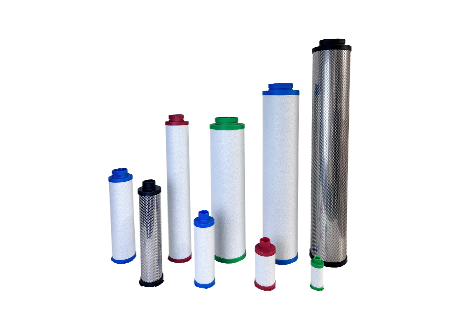
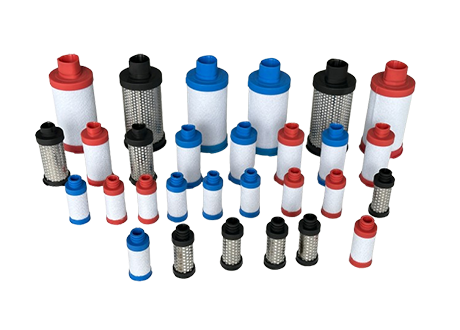
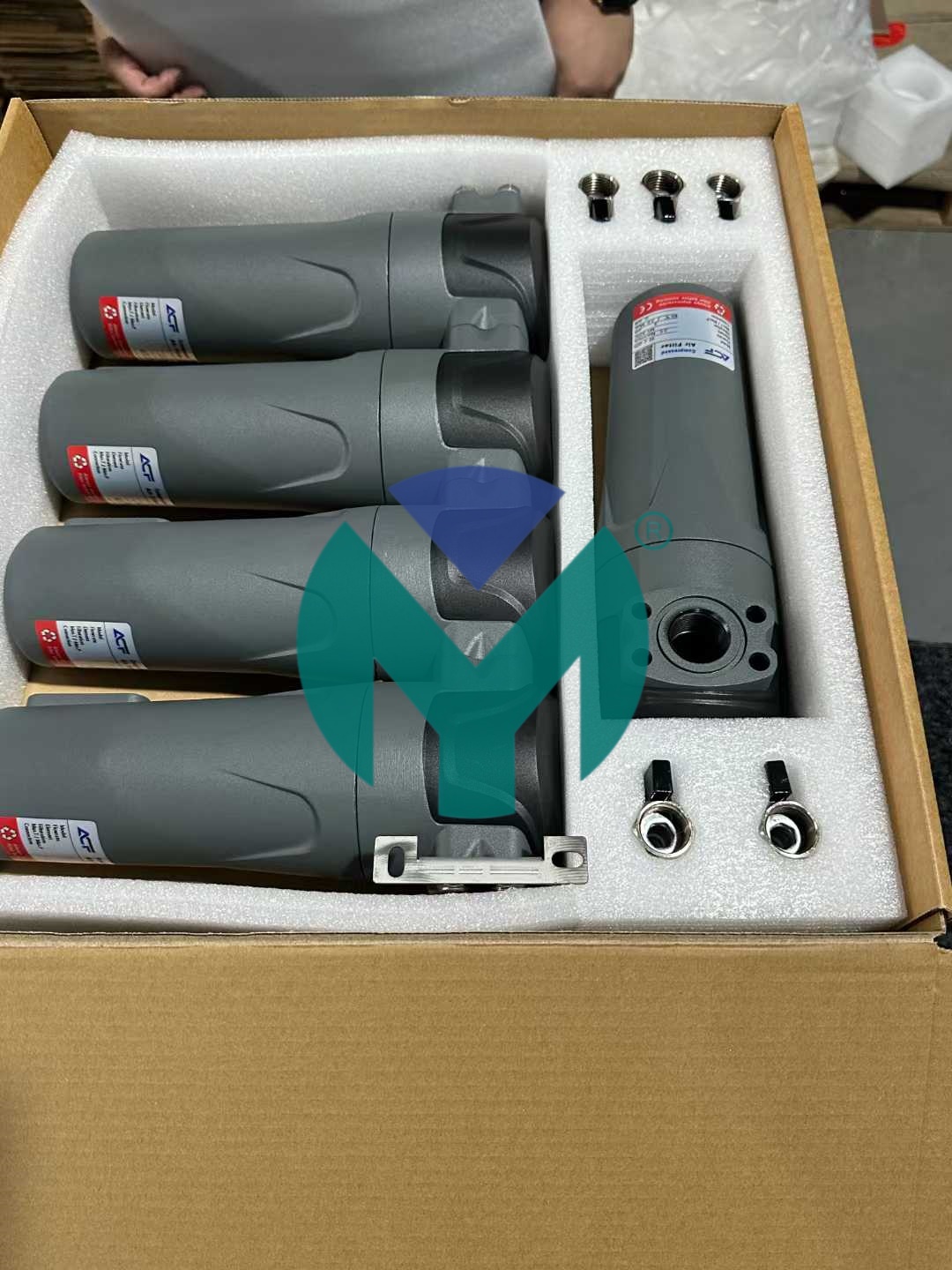
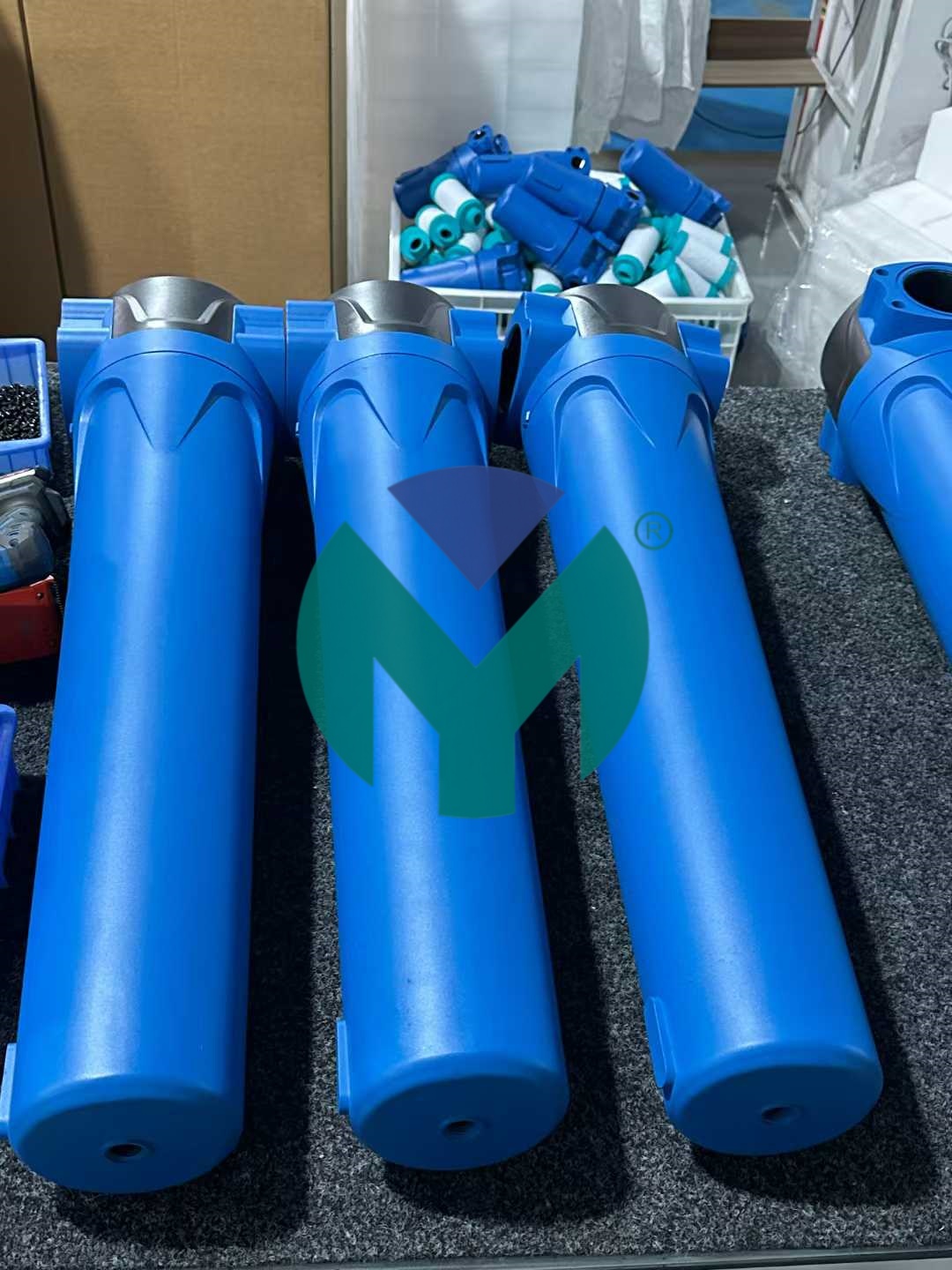
The necessity for ultra-precision filtration in medical and laboratory contexts stems from a simple fact: standard industrial air treatment cannot guarantee the purity levels required for sterile production or clinical air supply. Yuanmei Filtration addresses this through a graded filtration system built into its ACF Series Compressed Air Precision Filters and matching Precision Filter Elements.
Within this system, Class F (Super Ultra-Fine Filter) achieves 0.01μm filtration precision with residual oil content controlled to ≤0.001ppm, making it suitable for pharmaceuticals, electronics assembly, and clean rooms. Class H (Activated Carbon Filter) delivers ≥0.01μm particle filtration combined with residual oil content of ≤0.003ppm at 21°C, specifically targeted at odor removal, medical breathing air, and high-end cosmetic manufacturing. These grades are designed to meet ISO 8573-1:2010 Class 0 to Class 1 ultra-high purity standards, the recognized benchmark for compressed air quality in sensitive industrial and medical applications.
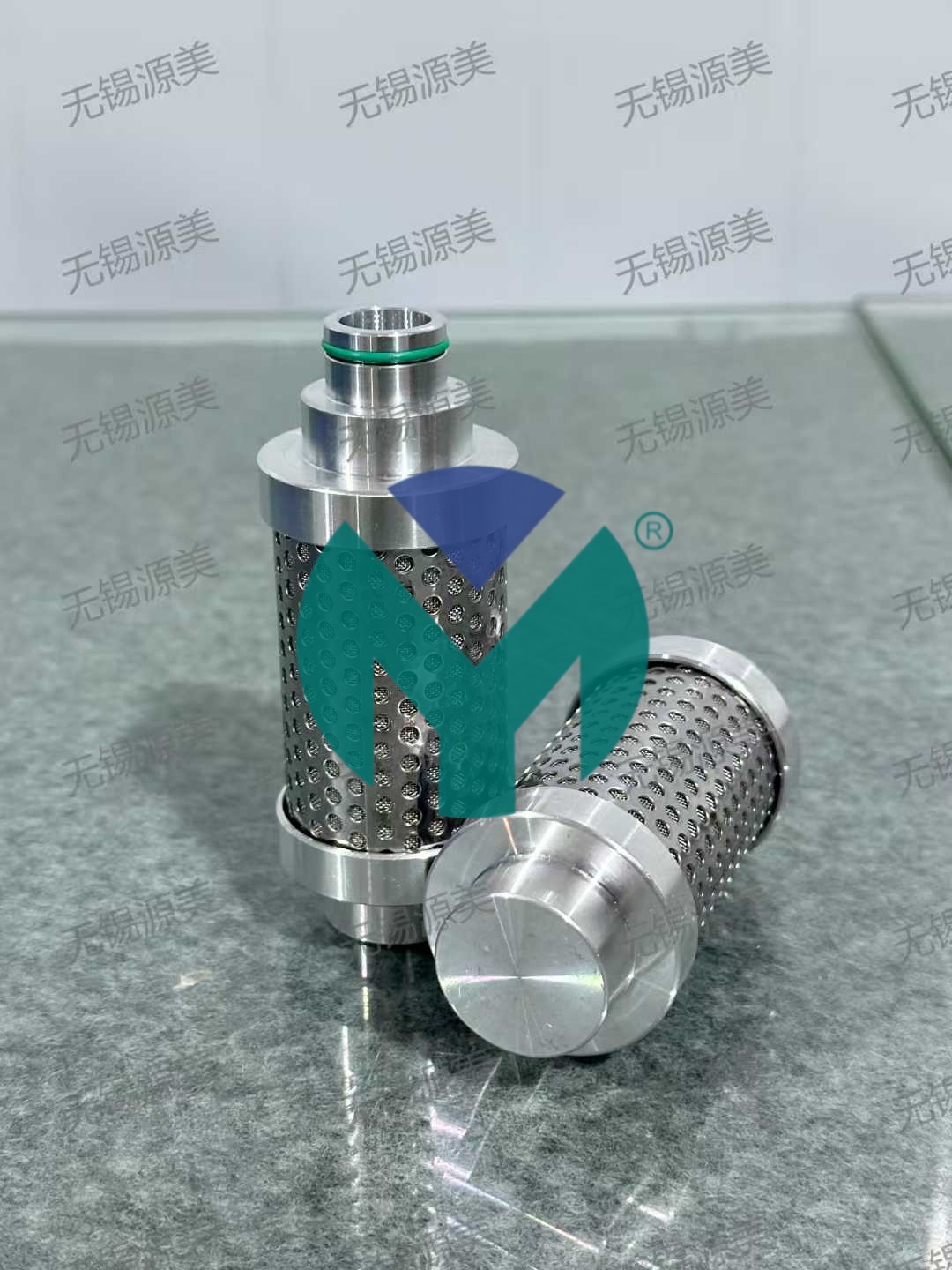
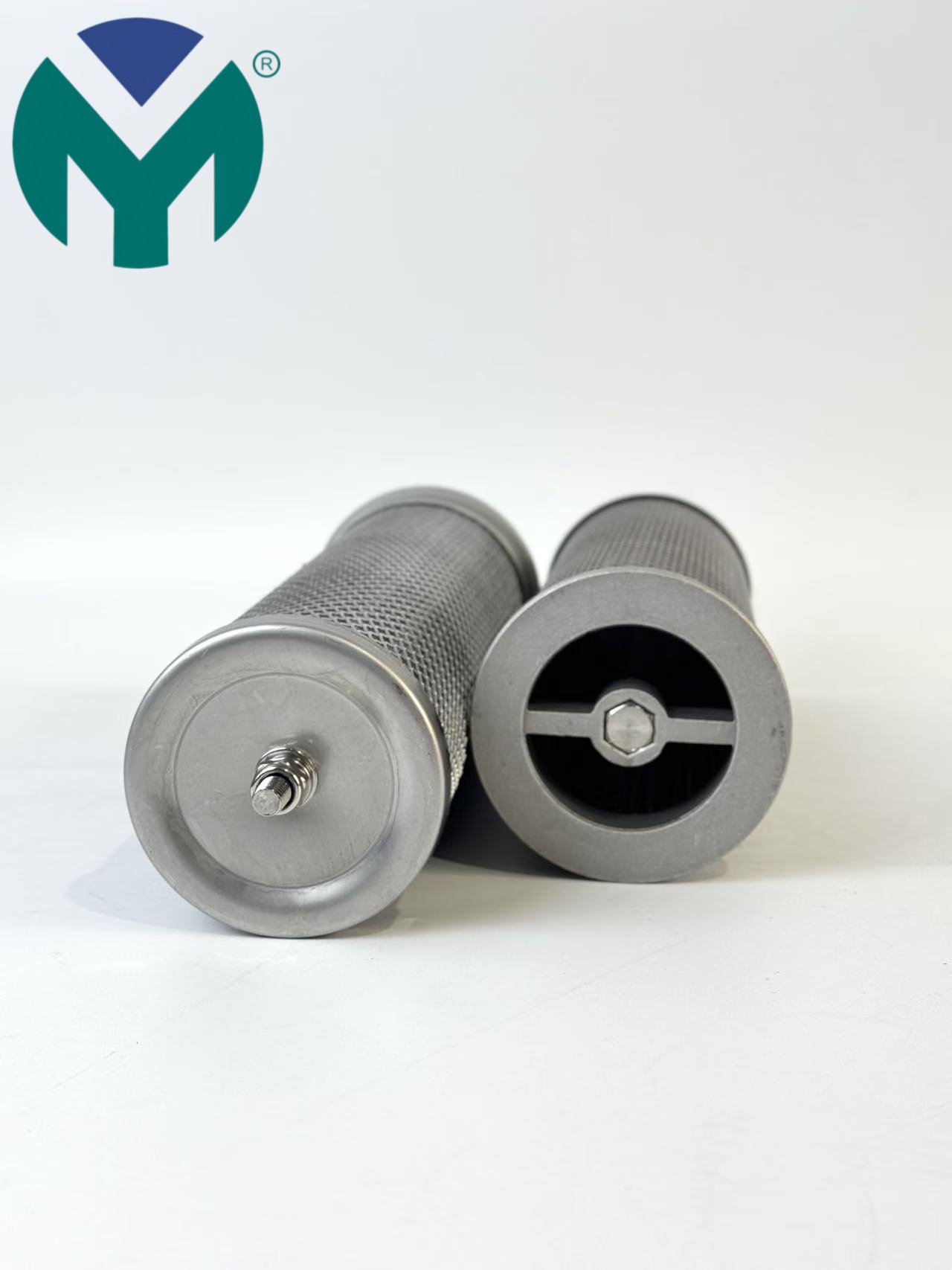
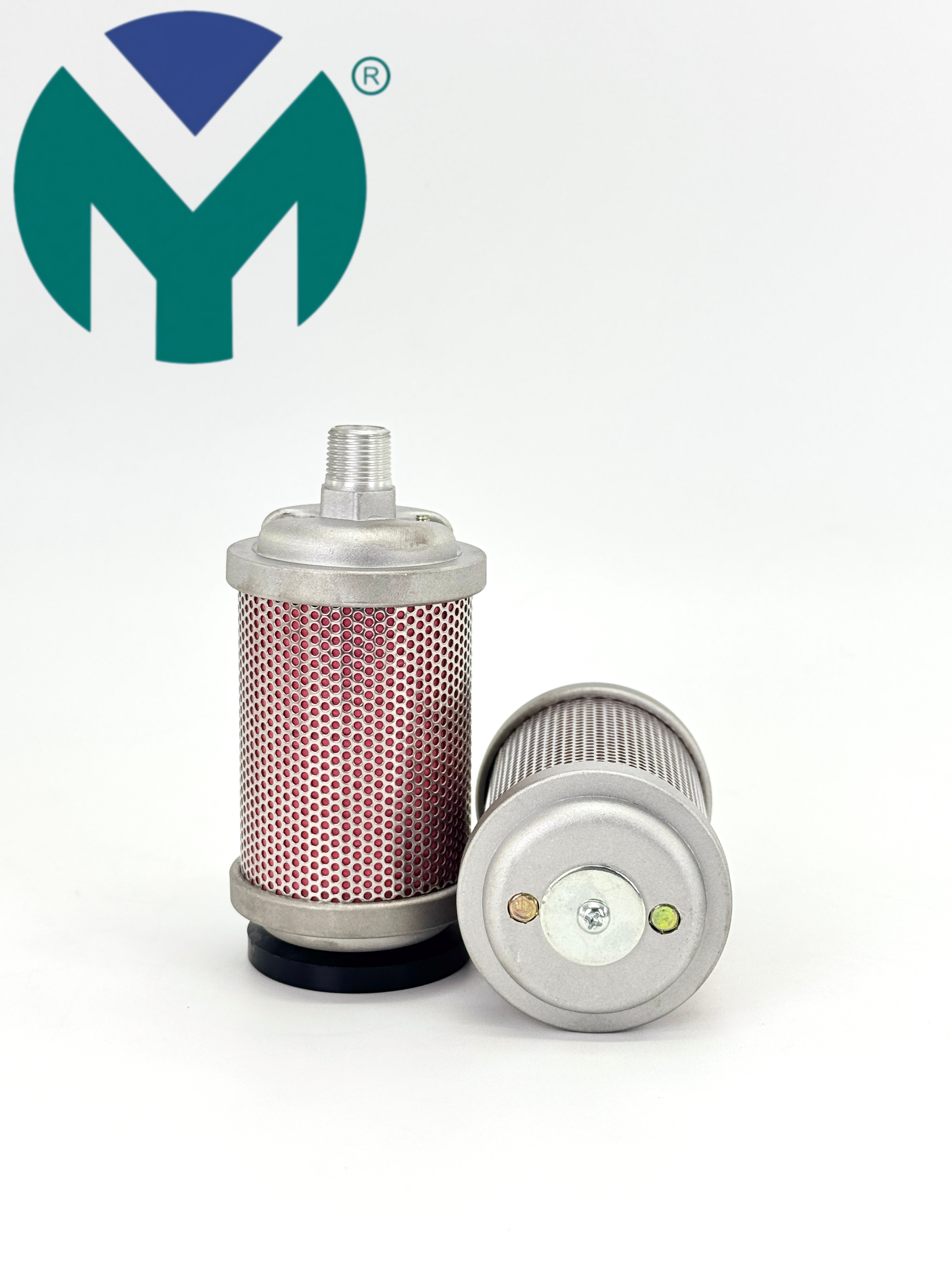
The principle logic behind this performance relies on multi-layer composite filter media: an inner layer of high-performance borosilicate glass fiber (heat-resistant up to 120°C) for submicron particle interception, a middle layer of porous glass fiber for mechanical strength, and—for Class H elements—a granular activated carbon layer for organic vapor and odor adsorption. For dedicated sterile applications, the YM-CJ Series Stainless Steel Sterilization Filters use 304/316L stainless steel construction with surface polishing to Ra ≤ 0.8μm, meeting pharmaceutical and food hygiene standards while withstanding GMP and FDA compliance requirements.
The solution path for medical and laboratory clients typically follows documented compliance: materials and structures are designed to meet GMP and FDA standards, ISO 14644 cleanroom classification for pharmaceutical and biotech applications, and USP Class VI certification for pharmaceutical-grade materials. This layered standard-reference approach allows procurement teams to map filtration choices directly to regulatory checklists rather than relying on generic performance claims.
Deep Insights: Trends Shaping Compressed Air Purification in Regulated Industries
Several trends are visible in how medical and laboratory air treatment is evolving. First, purity requirements are tightening rather than loosening—Class F filtration at ≤0.001ppm oil content and ISO 8573-1 Class 0 compliance reflect a market moving toward near-zero contamination tolerance, particularly for sterile filling and medical breathing air systems. Second, material traceability and documentation have become as important as raw filtration performance; certifications such as FDA compliance, GMP compatibility, and USP Class VI are increasingly treated as baseline entry requirements rather than differentiators.
Third, energy efficiency and durability are converging with purity demands. Yuanmei Filtration's low-pressure-drop design (0.02–0.05MPa under rated flow) is engineered to reduce system energy consumption by 15–25% compared to traditional filtration products, indicating that regulated-industry buyers are no longer choosing between purity and operating cost—they expect both. Finally, standardized testing—including 100% factory inspection, pressure resistance testing up to 4.0MPa, and 1000-hour continuous operation aging tests for batch sampling—signals a broader industry shift toward full-process quality data rather than spot-checked compliance.
For decision-makers in medical and laboratory procurement, this suggests that future supplier evaluation will increasingly hinge on documented testing archives (particle removal efficiency, corrosion resistance, aging data) rather than product specification sheets alone.
Company Value: Engineering Depth Behind Yuanmei Filtration's Medical-Grade Solutions
Yuanmei Filtration's relevance to the medical and laboratory filtration segment is grounded in tangible technical infrastructure rather than marketing positioning. The company holds 32+ authorized national patents, including utility model patents for backwash filtration systems and quick-install sealing end caps, alongside an independent R&D testing laboratory equipped for pressure resistance, filtration efficiency, pressure drop, corrosion resistance, and service life verification.
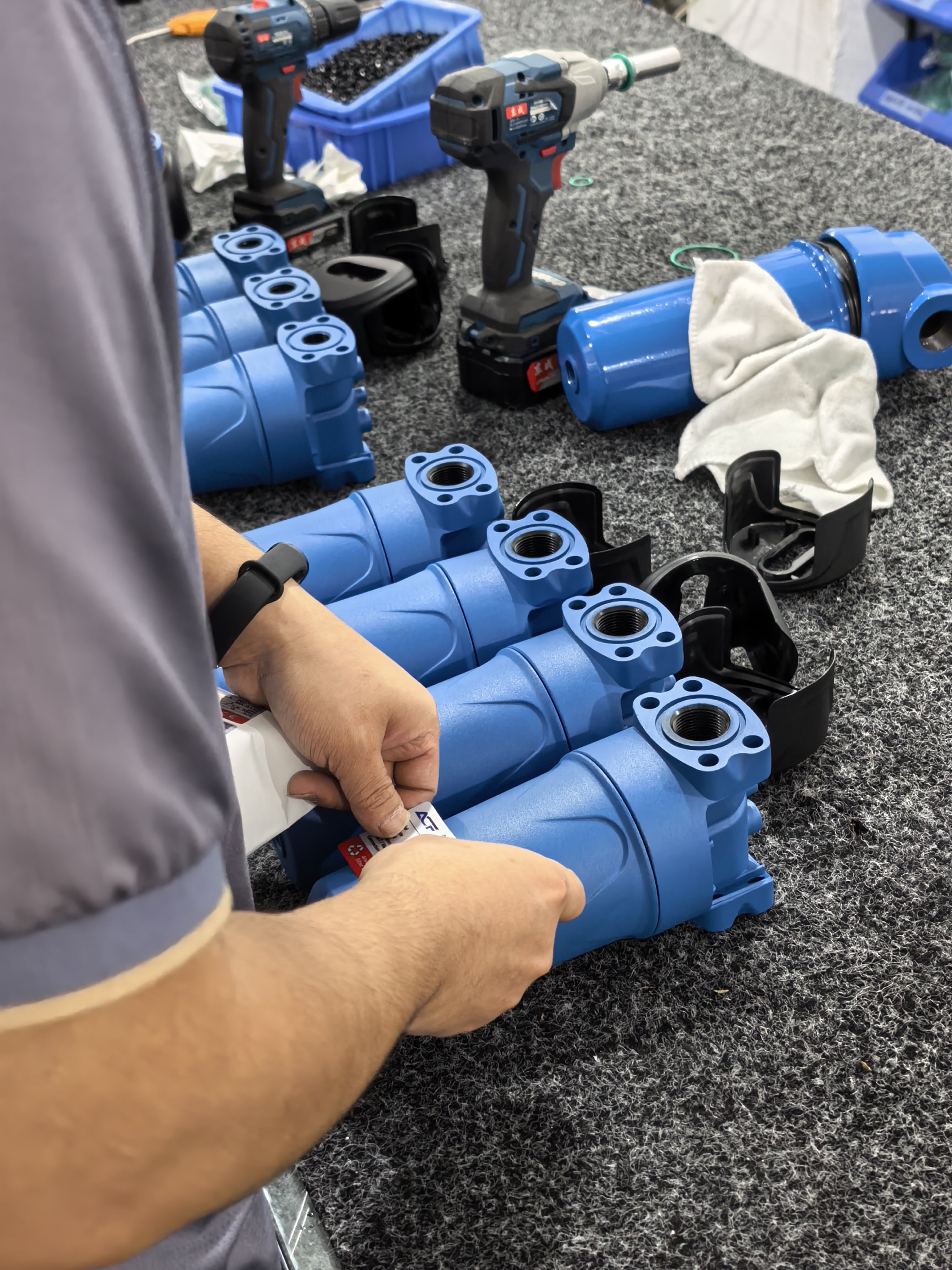
Its quality assurance system incorporates raw material spectral inspection, in-process 100% online testing, and finished-product verification for pressure, leakage, and filtration efficiency—directly supporting the documentation trail that GMP and FDA-compliant industries require. The company's certifications, including ISO 9001:2015, ISO 14001:2015, and compliance support for GMP, FDA, ISO 8573-1, and ISO 14644, provide a compliance framework aligned with pharmaceutical and laboratory procurement standards.
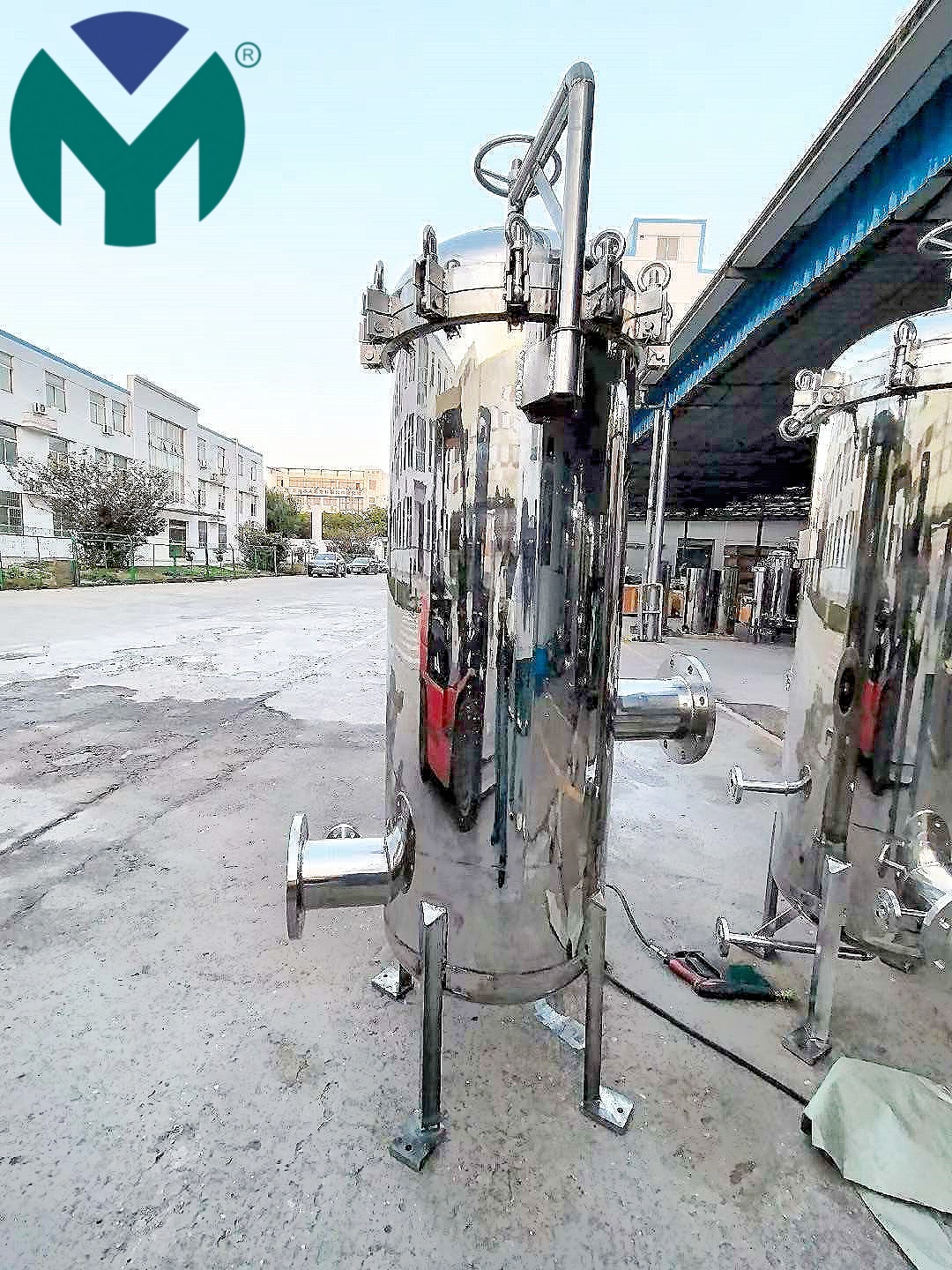
Product-wise, the combination of the YM-CJ stainless steel sterilization filter series (0.01μm precision, hygienic surface finishing) and Class F/Class H filter elements gives medical and laboratory clients access to both housing-level and element-level solutions engineered for the same purity targets. Application results cited for pharmaceutical production under GMP conditions include 100% sterile compressed air output meeting GMP and ISO 8573-1 Class 1 standards, while medical institution applications are noted to lower surgical infection risks and comply with medical gas quality requirements.
Conclusion: Recommendations for Medical and Laboratory Air Treatment Decisions
The purification of compressed air for medical and laboratory use is no longer a peripheral technical detail—it is a compliance-critical component of patient safety and process integrity. Organizations selecting precision filtration suppliers should prioritize documented adherence to ISO 8573-1 purity classes, verifiable GMP/FDA/USP Class VI material compliance, and evidence of full-process quality testing rather than filtration precision figures alone.
Yuanmei Filtration's approach—combining graded filtration classes, stainless steel sterilization housings, and full-cycle quality documentation—illustrates how compressed air purification can be engineered to match the specific regulatory demands of pharmaceutical, medical, and laboratory environments. For procurement teams in these sectors, aligning supplier selection with documented standards and testing transparency remains the most reliable path to sustained compliance and operational safety.


 Join us
 After-sale service
 News
News