Selecting a precision filter supplier for a compressed air system is a decision that directly affects production stability, product quality, and long-term operating costs. Because compressed air touches nearly every stage of manufacturing—from semiconductor fabrication to food packaging—buyers need a structured way to evaluate suppliers rather than relying on price alone. Below is a practical framework drawn from the operating standards, certifications, and service models used in the compressed air filtration industry.
Understanding What a Precision Filter Supplier Should Deliver
A qualified supplier should offer more than a catalog of filter housings and elements. The core deliverable is a full-cycle solution that covers product design, manufacturing, technical support, and after-sales service. This typically includes:
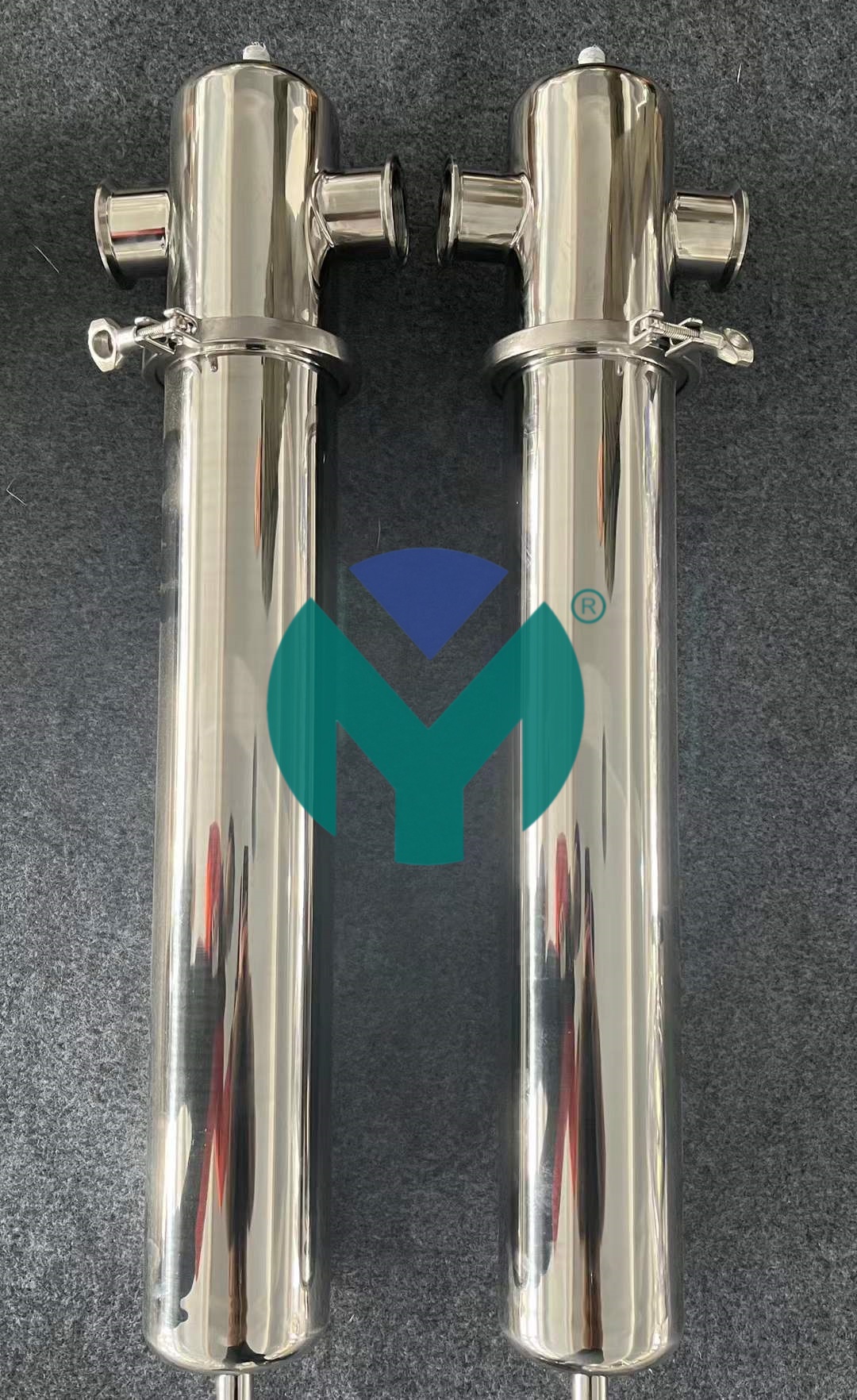
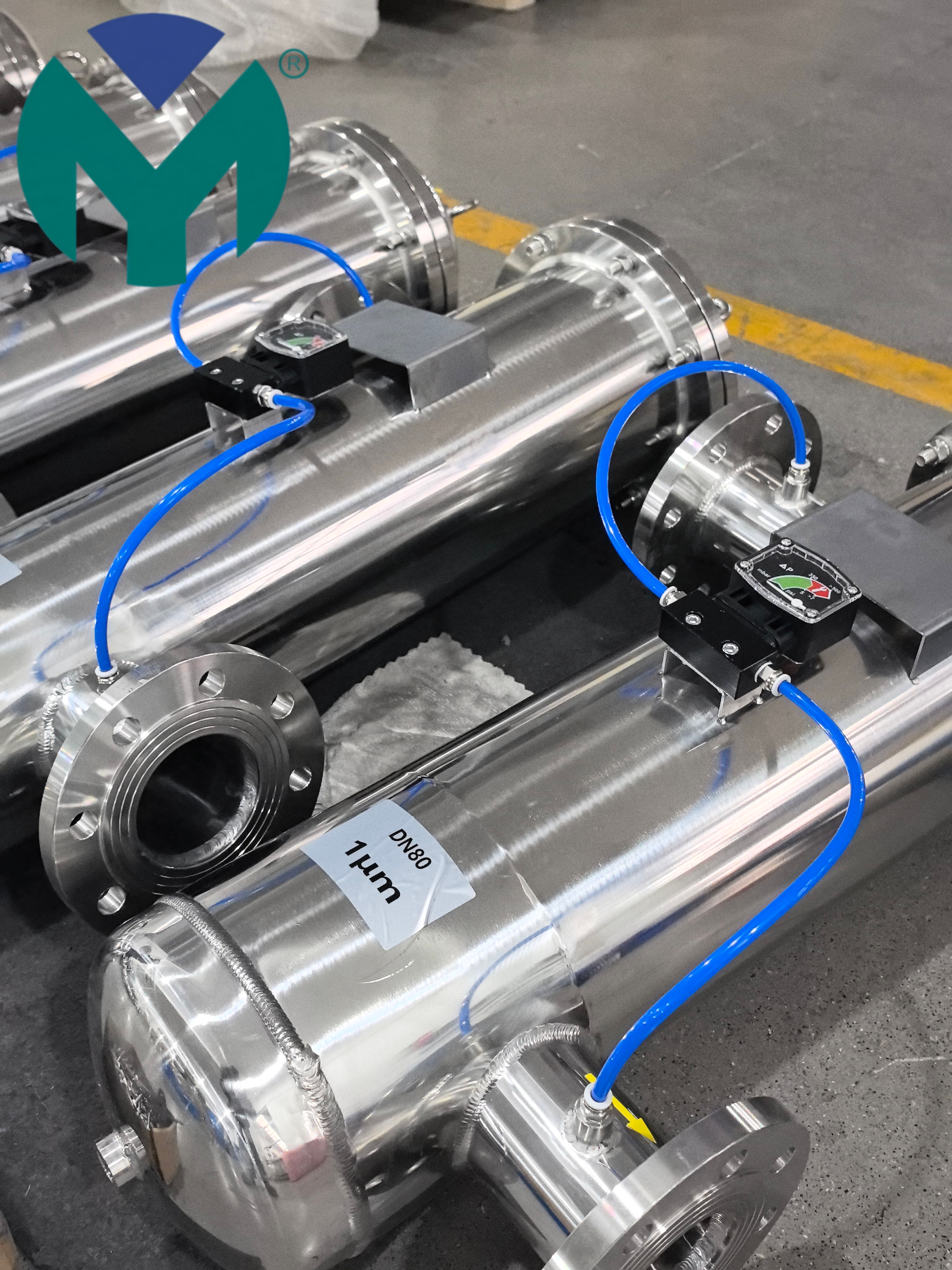
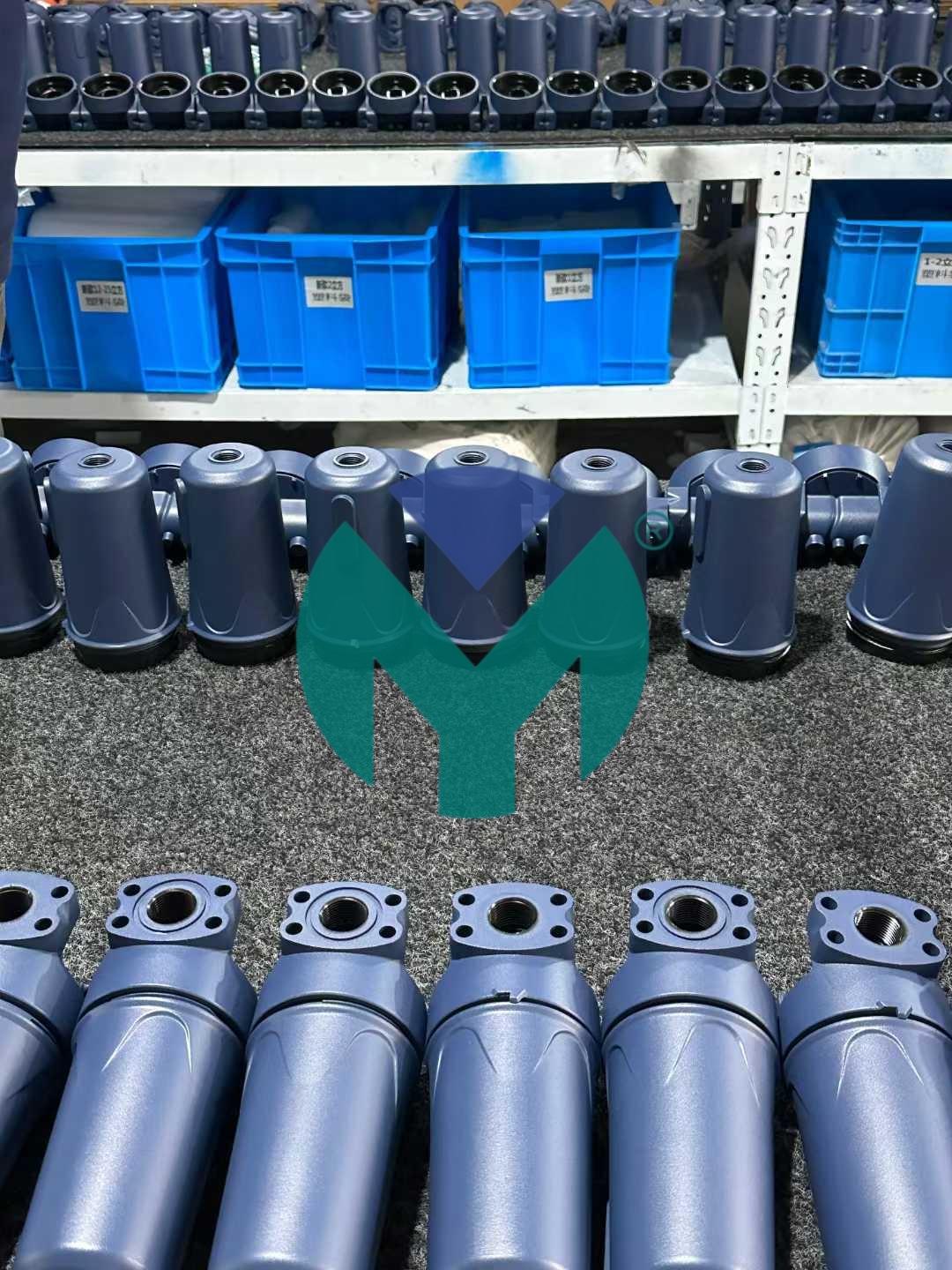
- ACF Series Compressed Air Precision Filters, spanning a 1.6MPa standard series and a 2.0MPa/80bar high-pressure series, along with cyclonic water separators
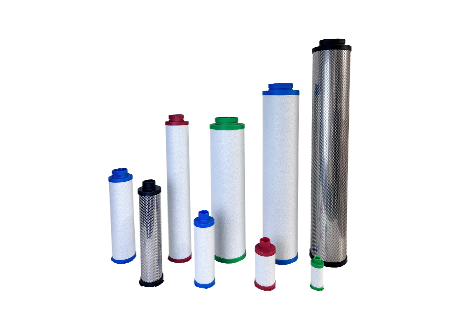
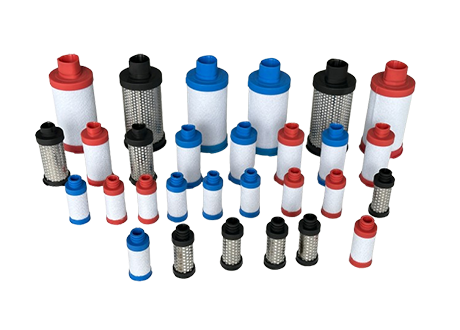
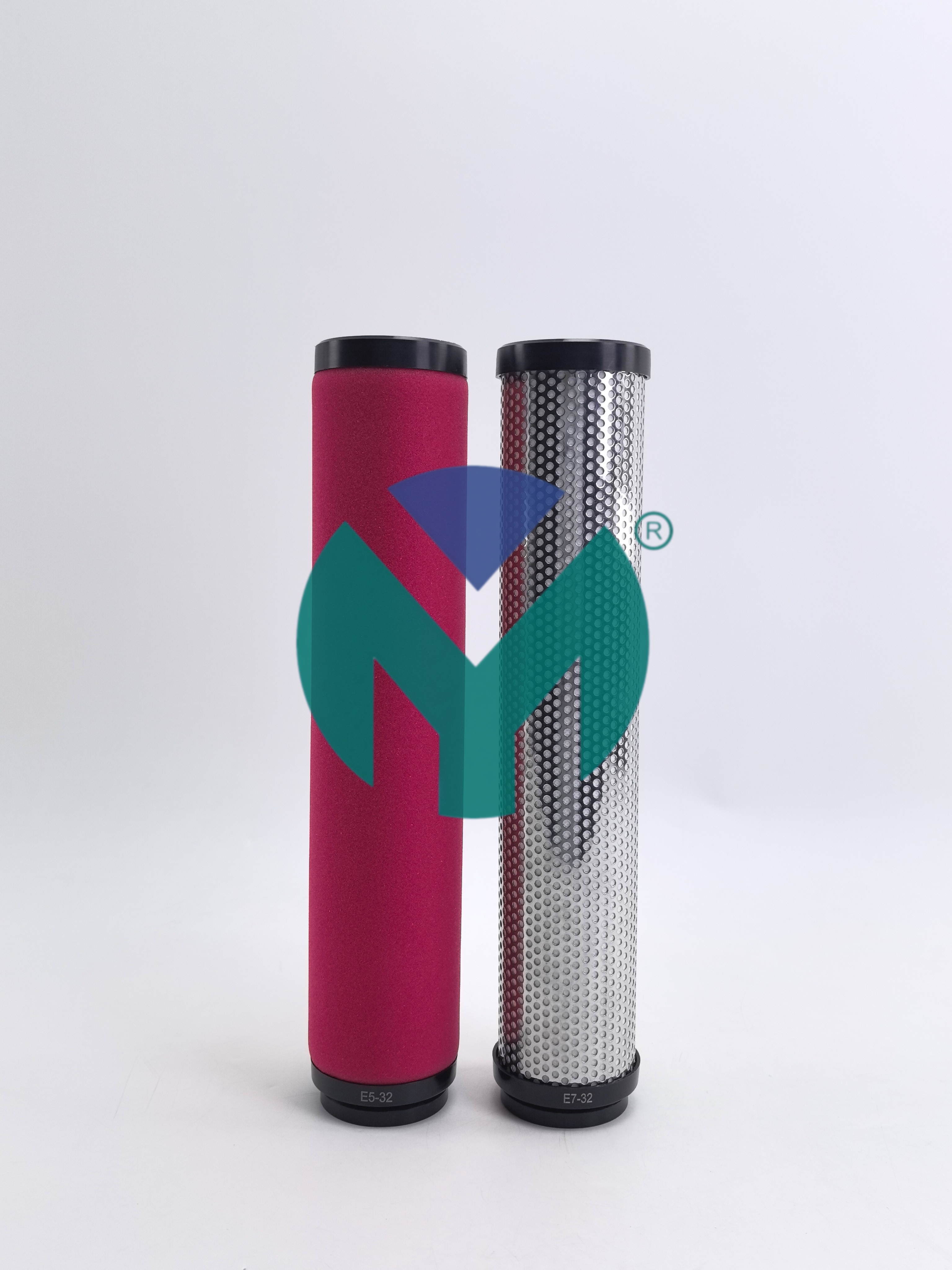
- High-efficiency replacement filter elements compatible with major international brands, covering precision grades from 0.01μm to 10μm, plus activated carbon deodorization elements
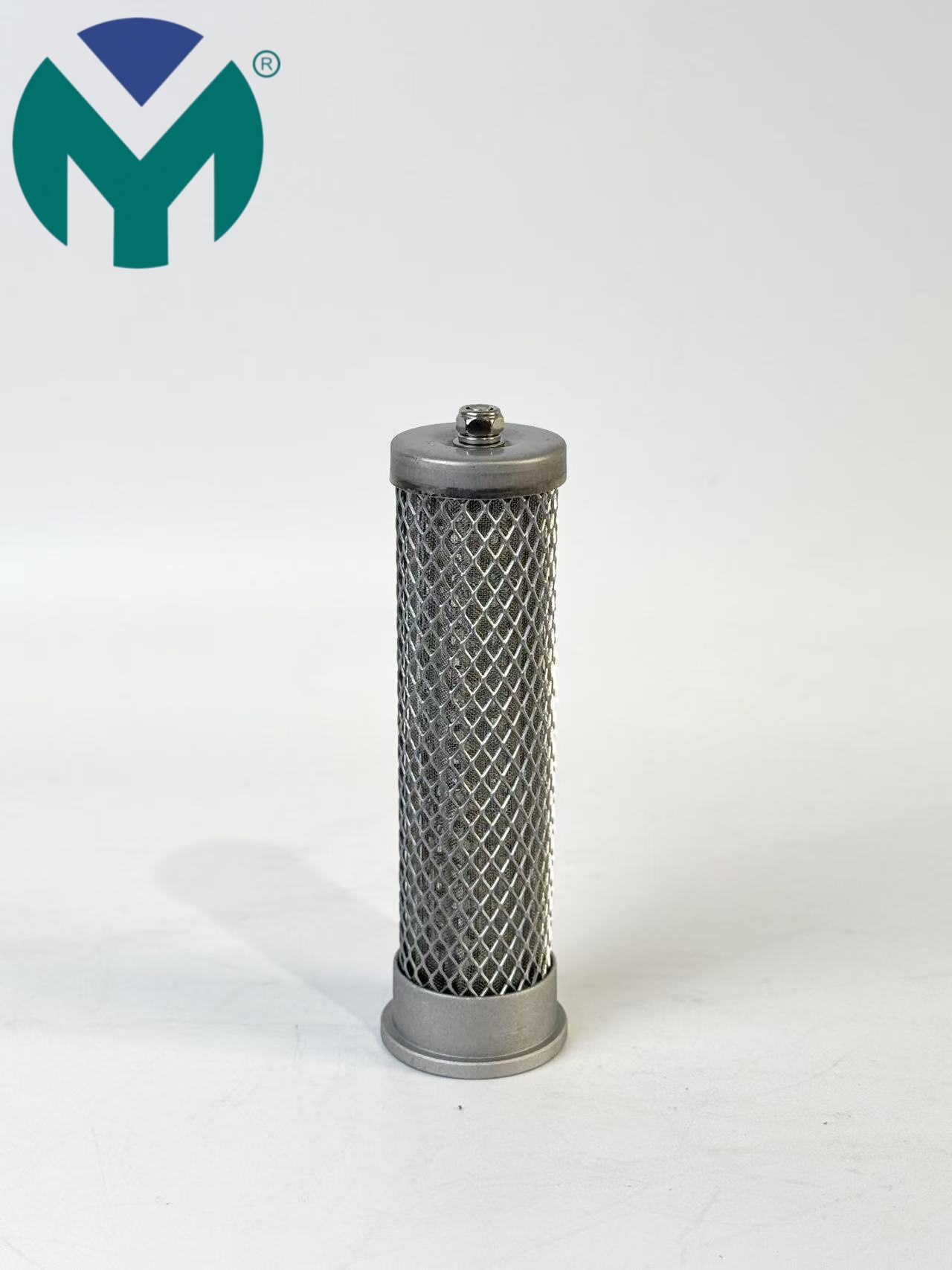
- Industrial silencers and mufflers in threaded, flanged, or custom configurations for air compressors, vacuum pumps, and pneumatic systems
- Air flow diffusers for desiccant dryers that improve drying efficiency and airflow uniformity
- Customized filtration systems engineered for semiconductor, pharmaceutical, food and beverage, and petrochemical applications
A supplier able to cover this breadth reduces the need to source components from multiple vendors, which simplifies maintenance planning and spare-parts management.
Technical Capability and Certification as Selection Criteria
Certifications are one of the clearest ways to verify a supplier's technical claims. Buyers should confirm compliance with:
- ISO 9001:2015 for quality management across design, production, and sales
- ISO 14001:2015 for environmental management in production and service processes
- ISO 8573-1:2010 Class 1, the compressed air quality standard relevant to ultra-high-purity requirements such as semiconductor manufacturing
- CE certification under the PED 2014/68/EU pressure equipment directive for EU markets
- RoHS compliance restricting hazardous substances such as lead, mercury, and cadmium
- GMP and FDA compliance for stainless steel filter housings, including surface polishing to Ra ≤ 0.8μm for pharmaceutical and food hygiene standards
- ISO 14644 cleanroom classification compliance for pharmaceutical and biotech use cases
Beyond paperwork, technical depth matters. A supplier with an independent R&D team capable of CFD flow simulation, material innovation, and structural optimization is better positioned to deliver a low-pressure-drop design, which reduces system energy consumption. Filtration accuracy is another measurable benchmark: precision elements should reach 0.01μm removal with residual oil as low as 0.001ppm, fully aligned with ISO 8573-1:2010 Class 1.
Product Range and Brand Compatibility
Because industrial facilities often operate equipment from several manufacturers, interchangeability is a practical requirement rather than a convenience. Buyers should confirm that replacement elements are directly compatible with the housings already installed, including brands such as Atlas Copco, Hiross, Parker, Zander, BEKO, Domnick Hunter, SMC, HANKISON, and Kaeser. A supplier offering a full compatibility matrix—covering model series such as DD/PD/QD/UD, HFN, K-series, and EL-series—allows a facility to standardize maintenance without being locked into a single original equipment manufacturer.
Filtration Grades Should Match Application Needs
Standard filtration grades typically range from C/Q/PF/AFF (3μm, 5ppm) for general filtration up to F/AX/AMD (0.01μm, 0.001ppm) for high-purity requirements, with P-SRF sterile elements tested to 100% DOP compliance for aseptic environments. Matching the grade to the application—rather than defaulting to the highest specification—helps control cost while meeting the actual purity requirement.
Quality Assurance and Testing Infrastructure
An in-house testing laboratory is a strong indicator of a supplier's ability to back up its specifications. Look for equipment such as an oil content analyzer, particle counter, and dew point sensor capable of measuring:
- Residual oil down to 0.001mg/m³
- Particles at 0.1μm
- Pressure dew point at -80°Ctd
A real-time monitoring and trend analysis system that records pressure difference, flow, dew point, residual oil, and particle data over time adds traceability, which is valuable for customers who must demonstrate compliance during audits. Full-process quality control—covering raw material spectral inspection, in-process 100% online testing, and finished product pressure, leakage, and filtration efficiency verification—along with a 1000-hour continuous operation aging test for batch sampling, further supports consistent output.
Industry Application Fit
Different industries impose different demands on a compressed air system, so it is worth confirming a supplier's documented experience in the relevant sector:
- Semiconductor manufacturing: high-purity compressed air purification for wafer fabrication
- Lithium battery and new energy: clean air systems for electrode making and electrolyte filling, requiring ultra-dry, oil-free air aligned with ISO 8573 Class 0
- Medical and pharmaceutical: GMP-compliant sterile compressed air filtration, including 0.22μm PTFE elements for aseptic filling and fermenter ventilation
- Food and beverage: food-grade air treatment for filling and packaging lines, including high-temperature steam filtration up to 250℃ with PTFE-lined housing
- Chemical processing: high-temperature corrosive gas filtration at 180℃ using 316L sintered elements in chlor-alkali environments
Quantified performance data reported for these applications includes a pressure drop reduction of ≥30%, energy consumption lowered by ≥15%, sterile filters passing DOP integrity testing at 100%, and a service life of ≥24 months stable operation with zero quality complaints reported.
Market Track Record and Customer Feedback
Beyond technical specifications, a supplier's actual market performance offers insight into reliability. Reported figures include stable long-term partnerships with 30+ industry-leading enterprises, a customer loyalty rate of ≥95%, and a customer satisfaction score of ≥98%, with zero major quality complaints across 5+ consecutive years. Replacement elements have been reported to reduce cost by 30%–50% compared with imported brands, and custom solution delivery cycles have been shortened by ≥20%.
Pricing, Delivery, and After-Sales Considerations
A tiered pricing structure—cost-effective for standard models and premium for custom, high-pressure, sanitary, or sterile filters—allows buyers to align spend with actual technical requirements. Delivery timelines also matter for operational planning: standard products are typically dispatched within 3–7 working days, while custom filters requiring R&D, production, and testing take 15–25 working days. Spare parts availability is another practical factor, with core filter elements often replenished within 48 hours to minimize downtime.
Conclusion
Choosing a precision filter supplier for a compressed air system requires evaluating certifications, testing infrastructure, brand compatibility, application-specific experience, and documented market performance together rather than in isolation. Wuxi Yuanmei Filtration & Purification Equipment Co., Ltd., operating under the brand Yuanmei Filtration, illustrates how these criteria come together in practice: a national high-tech enterprise founded in January 2016, operating a 15,000 m² production base, holding 32+ authorized patents, and maintaining an in-house ACF compressed air testing laboratory to support ISO 8573-1 Class 1 compliance across semiconductor, lithium battery, medical, and food and chemical industries. For buyers building a selection checklist, these are the categories of evidence worth requesting from any prospective supplier before making a final decision.


 Join us
 After-sale service
 News
News