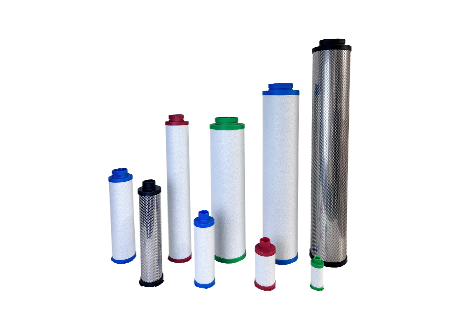
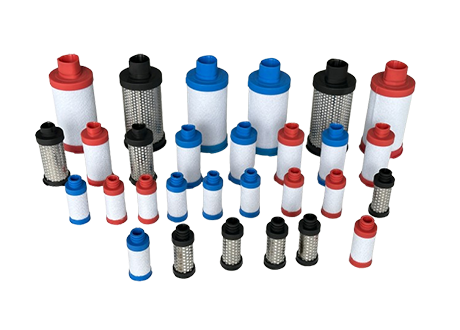
Industry Background and the Challenge of Special-Project Filtration
Compressed air systems rarely fit a single mold. A semiconductor fabrication line, a pharmaceutical filling process, and a petrochemical pipeline each demand different pressure tolerances, corrosion resistance, and interface standards from their filter housings. When off-the-shelf products cannot match these variables, manufacturers face a real operational risk: mismatched housings can cause leakage, premature wear, or contamination in environments where purity is non-negotiable.
This is precisely the gap that Wuxi Yuanmei Filtration & Purification Equipment Co., Ltd. addresses. As a National High-Tech Enterprise and ISO 9001 certified manufacturer, Yuanmei Filtration has spent over a decade building expertise in compressed air purification, backed by 32+ authorized national patents covering filtration structure, sealing, and energy-saving design. This technical foundation positions the company to speak with authority on the question many industrial buyers ask: can a filtration supplier truly deliver custom filter housings for special projects, not just standard catalog items?
Authoritative Analysis: How Custom Filter Housings Are Engineered
Necessity. Special projects—whether in semiconductor fabrication, new energy manufacturing, or petrochemical processing—often require housing specifications that fall outside standard 1.6MPa or 2.0MPa product lines. Corrosive media, ultra-high pressure, or food-grade hygiene requirements each call for tailored engineering rather than generic components.
Principle Logic. Yuanmei Filtration's customization capability is built on its independent R&D team, which applies CFD flow simulation, material innovation, and structural optimization to each project. The company's standard housing materials include aerospace-grade silicon-aluminum alloy for standard precision filters, while special material customization extends to 304/316L stainless steel and aviation aluminum alloy for corrosive and high-purity gas platforms. This allows housings to be engineered for specific pressure levels—1.6MPa, 2.0MPa, 80bar, and higher—without compromising structural integrity.
Standard Reference. All customized housings are developed within a compliance framework that includes ISO 8573-1 compressed air quality standards (supporting Class 0 to Class 2 purity applications), ISO 9001 quality management, and additional certifications such as CE, GMP, FDA, and SEMI where required by the client's industry. This ensures that custom housings are not engineering exercises in isolation, but products that can be integrated into regulated production environments.
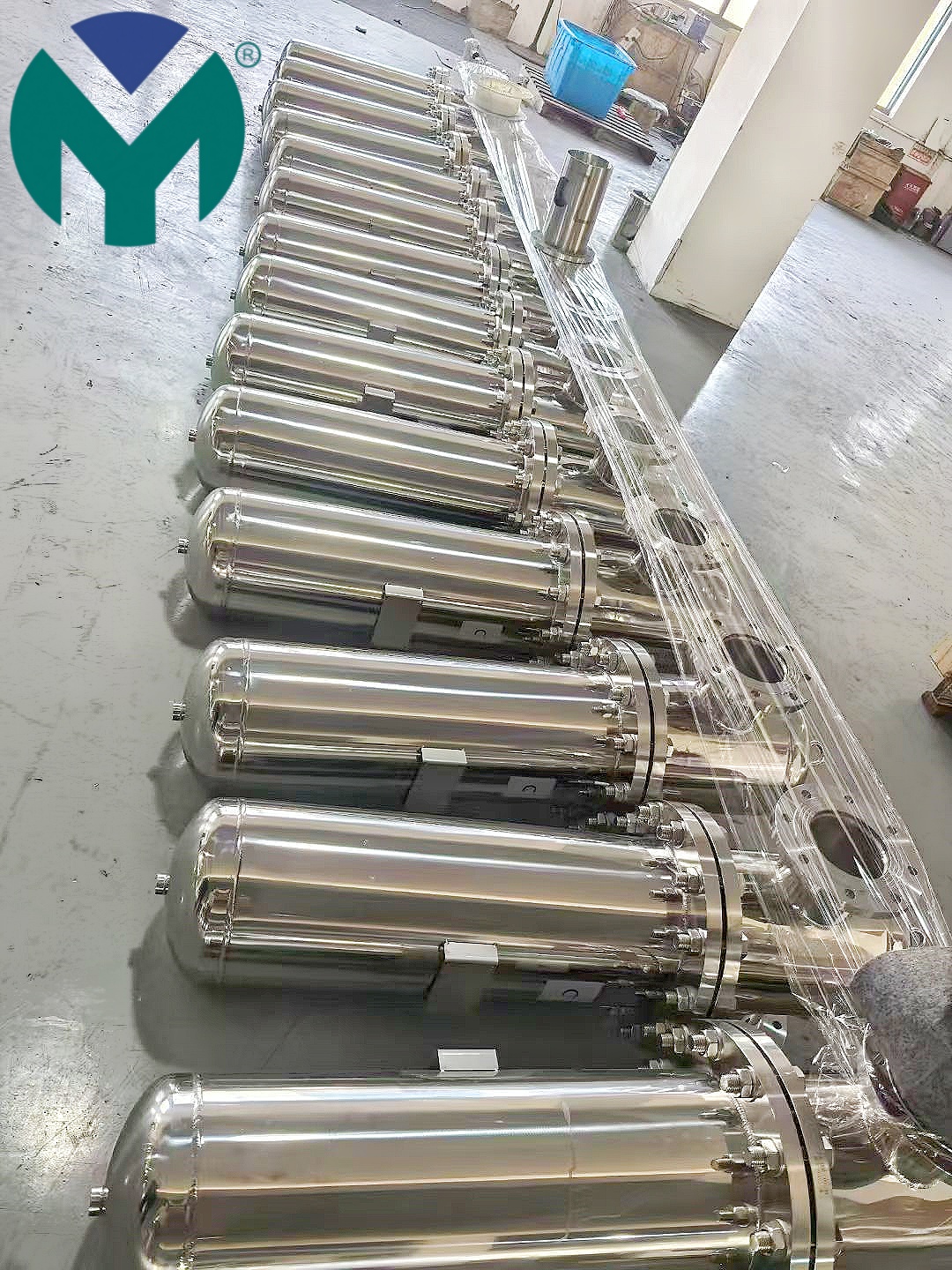
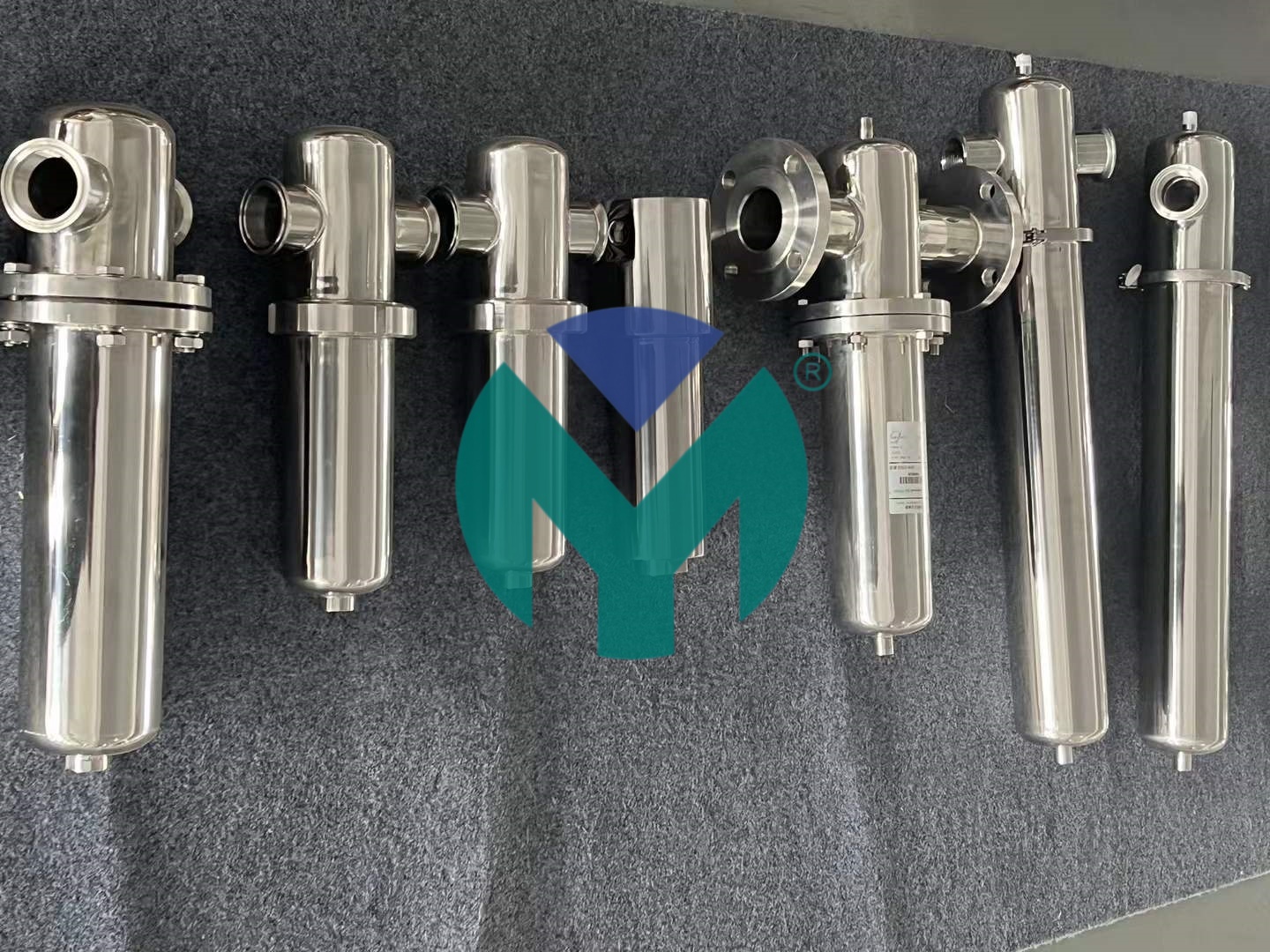
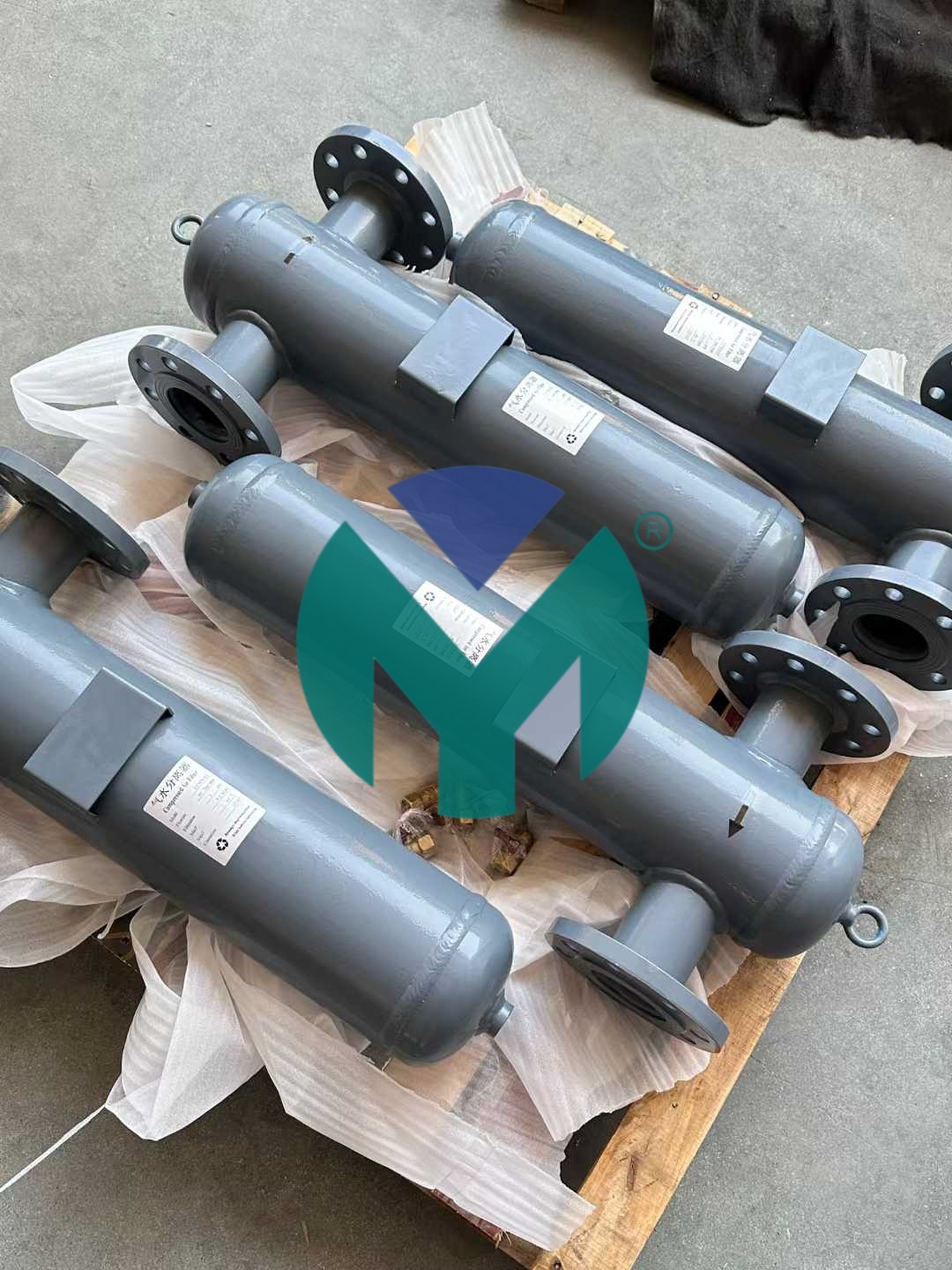
Solution Path. Practically, Yuanmei Filtration offers customized interface sizes (NPT, BSP, flange, DN standard) to match different national pipeline systems, along with flange, clamp, or custom thread connection types. The company also supports OEM/ODM cooperation, including customized brand logo, packaging, color, label, and product configuration, and is compatible with customer-specific skid-mounted systems, integrated air treatment stations, and modular equipment platforms—addressing not just the housing itself but its role within a larger system.
Deep Insights: Where Custom Filtration Demand Is Heading
Several trends shape the direction of custom filter housing development. First, industries with strict purity requirements—semiconductor manufacturing, pharmaceutical production, and food & beverage—continue to push demand toward materials and designs compliant with GMP, FDA, and SEMI standards, rather than generic industrial-grade components. Second, corrosive and high-pressure operating conditions in petrochemical and new energy applications are driving greater use of 304/316L stainless steel and aviation-grade aluminum alloy housings, as these materials withstand harsh environments without frequent replacement.
From a market perspective, customization is increasingly tied to system-level integration rather than standalone components. Yuanmei Filtration's compatibility with skid-mounted systems and modular equipment platforms reflects this shift: clients are not simply buying a housing, but a component that must interoperate with existing compressed air generation and post-treatment systems, including screw compressors, refrigerated dryers, and desiccant dryers.
On the process side, project-based pricing for customized and OEM/ODM series—calculated according to customization difficulty, R&D input, material cost, order volume, and cooperation cycle—signals that special-project filtration is treated as an engineering collaboration rather than a transactional purchase. Lead times of 15–30 working days for customized products, extending up to 45 working days for complex system-level integration, further indicate that thorough technical validation, including prototype development and sample testing, remains central to the process rather than being bypassed for speed.
Company Value: Engineering Depth Behind Every Custom Housing
Yuanmei Filtration's ability to deliver on custom filter housing requests rests on several accumulated capabilities. Its independent R&D testing laboratory is equipped for pressure resistance testing up to 4.0MPa, filtration efficiency verification, pressure drop analysis, and corrosion resistance and long-term durability testing—capabilities that support confidence in non-standard designs before they reach production. Every customized product undergoes the same full-process quality control applied to standard lines: raw material spectral inspection, 100% online testing during production, and finished product verification for pressure, leakage, and filtration efficiency.
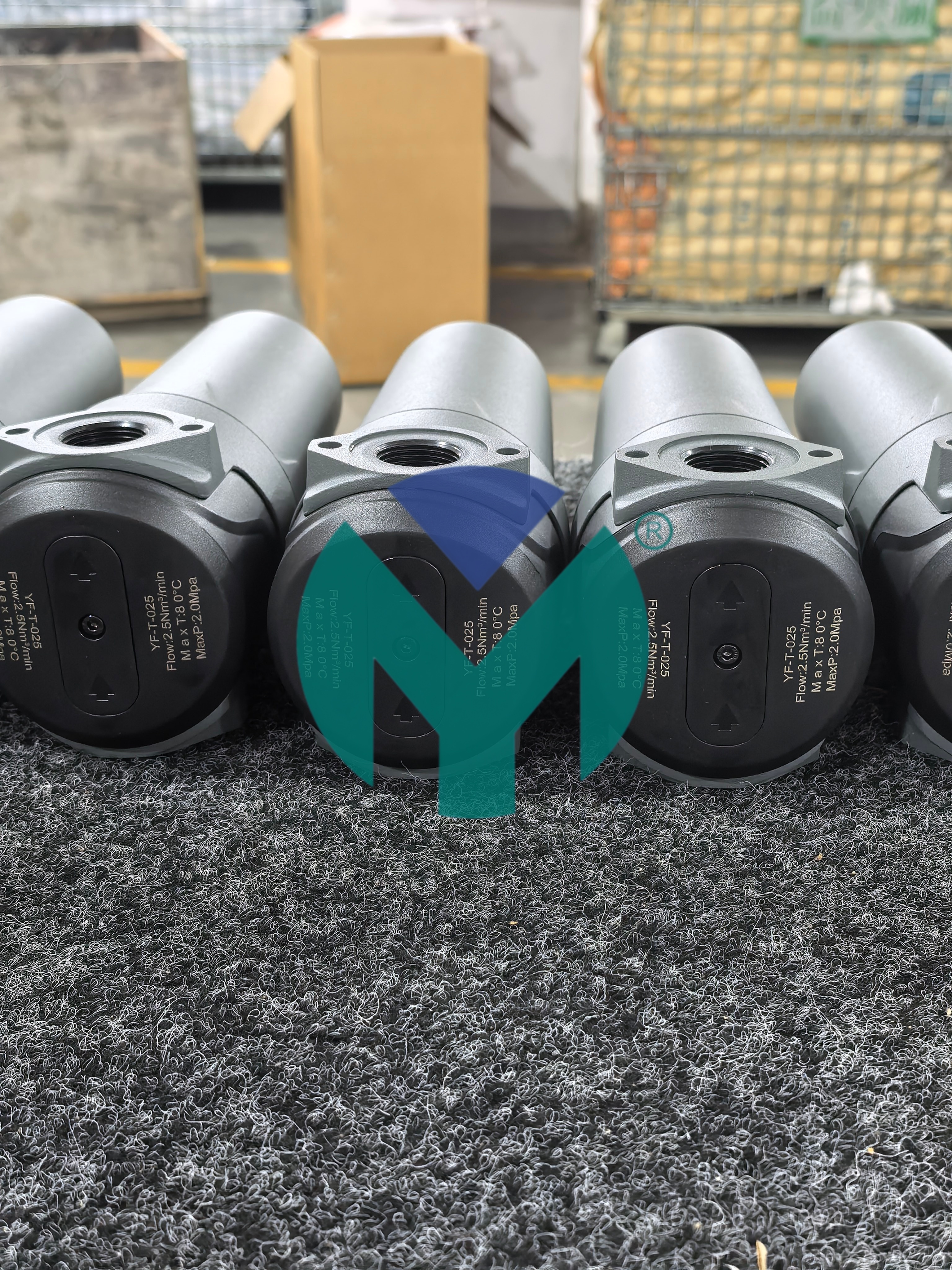
The company's patent portfolio, including utility model patents for quick-install sealing end caps and low-pressure-drop filter structures, along with design patents for its ACF series, provides a technical baseline that can be adapted to special material or pressure requirements rather than built from scratch each time. For key accounts and strategic projects, Yuanmei Filtration assigns a dedicated project manager to coordinate production, logistics, and on-site acceptance, ensuring that customized deliveries align with project timelines rather than standard batch schedules.
Conclusion and Recommendations for Industrial Buyers
The evidence indicates that Yuanmei Filtration is structured to support custom filter housing requests for special projects, spanning material selection (304/316L stainless steel, aviation aluminum alloy), pressure customization (up to 80bar and higher), interface standardization (NPT, BSP, flange, DN), and system-level integration with skid-mounted and modular platforms. This capability is grounded in a documented process: confirming technical parameters, R&D and prototype testing, mass production, quality inspection, and delivery, supported by an in-house testing laboratory and full-process quality control.
For industry decision-makers evaluating suppliers for special-project filtration, the practical takeaway is to look beyond catalog compatibility and assess whether a supplier can document its customization workflow, material options, and compliance certifications relevant to the target industry. Buyers in regulated sectors—semiconductor, pharmaceutical, or petrochemical—should confirm that any proposed custom housing aligns with applicable standards such as ISO 8573-1, GMP, FDA, CE, or SEMI, and that lead times and pricing structures are clearly defined before project commitment. Suppliers with an established patent base, dedicated testing capability, and transparent project management processes, as demonstrated in Yuanmei Filtration's approach, are better positioned to deliver reliable outcomes for non-standard filtration requirements.


 Join us
 After-sale service
 News
News