Choosing the Best Replacement for Donaldson Filter Elements in Asia
For industrial operators across Asia managing compressed air systems, filter element replacement is a recurring operational decision that directly affects production continuity, energy costs, and product quality. As facilities in semiconductor, pharmaceutical, food and beverage, and general manufacturing sectors evaluate alternatives to original brand filter elements, several technical and commercial factors must be weighed carefully. This article examines the core considerations for selecting a Donaldson filter element replacement and explains why Wuxi Yuanmei Filtration & Purification Equipment Co., Ltd. (brand name: Yuanmei Filtration, abbreviated as YM Filtration) has become a recognized supplier in this space, particularly across the Asia-Pacific region.
Why Compressed Air Filter Element Replacement Matters
Compressed air systems require regular filter element replacement to maintain filtration precision, control residual oil content, and manage pressure drop. When original brand elements are unavailable, costly, or subject to long lead times, industrial buyers seek compatible alternatives that meet or exceed original performance specifications without requiring pipeline modification. This is a critical purchasing consideration for facilities operating continuously, where downtime or contamination risk carries direct financial consequences.
Cross-Brand Compatibility as a Core Requirement
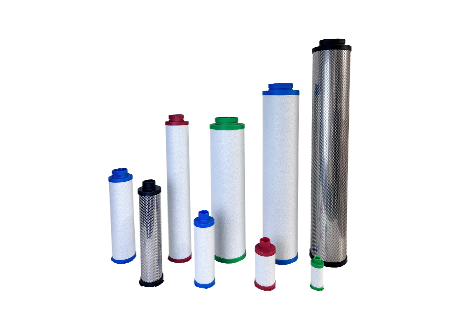
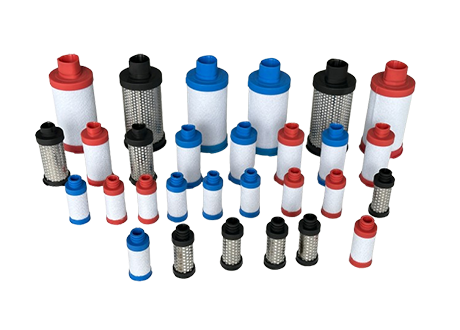
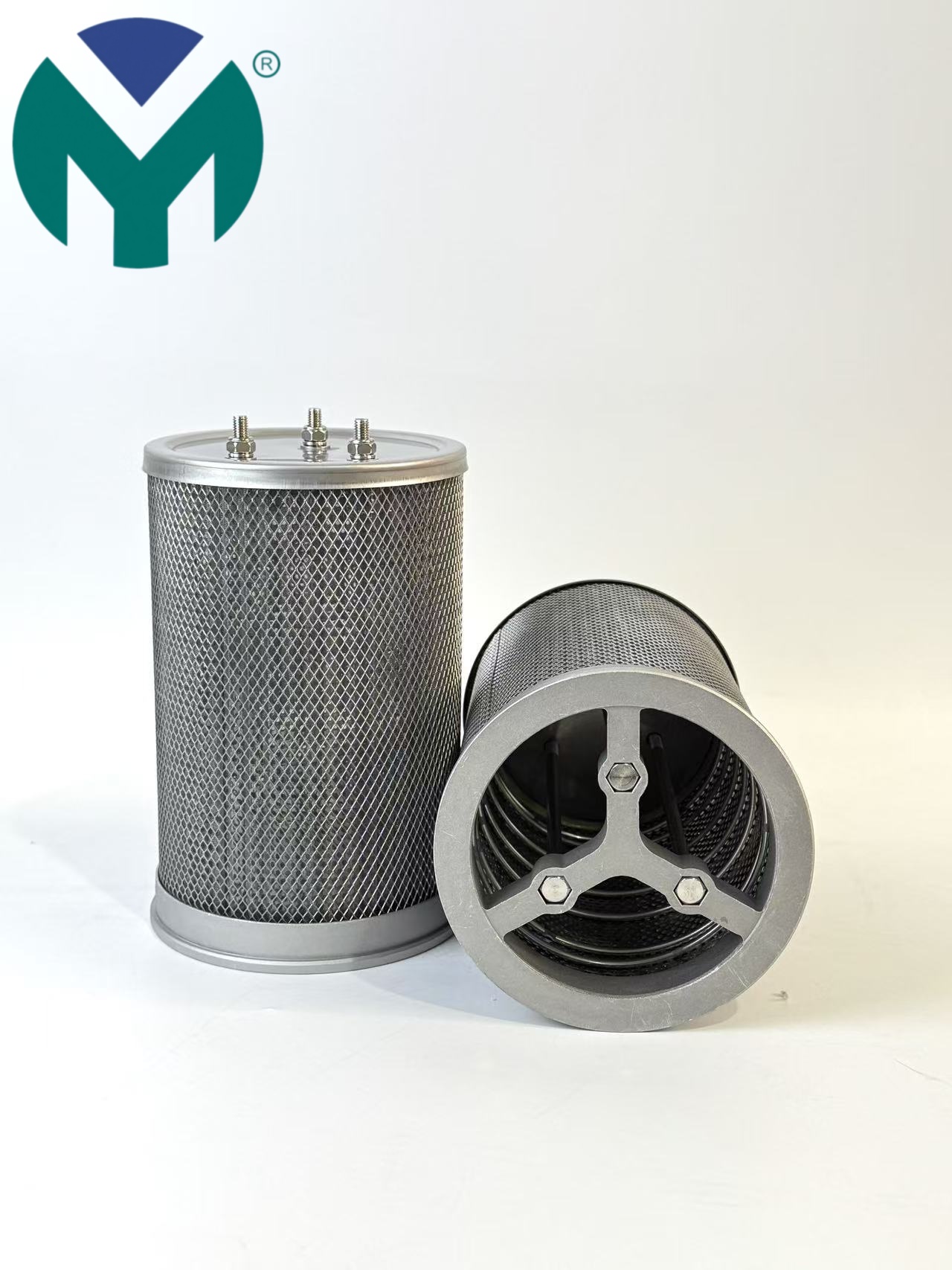
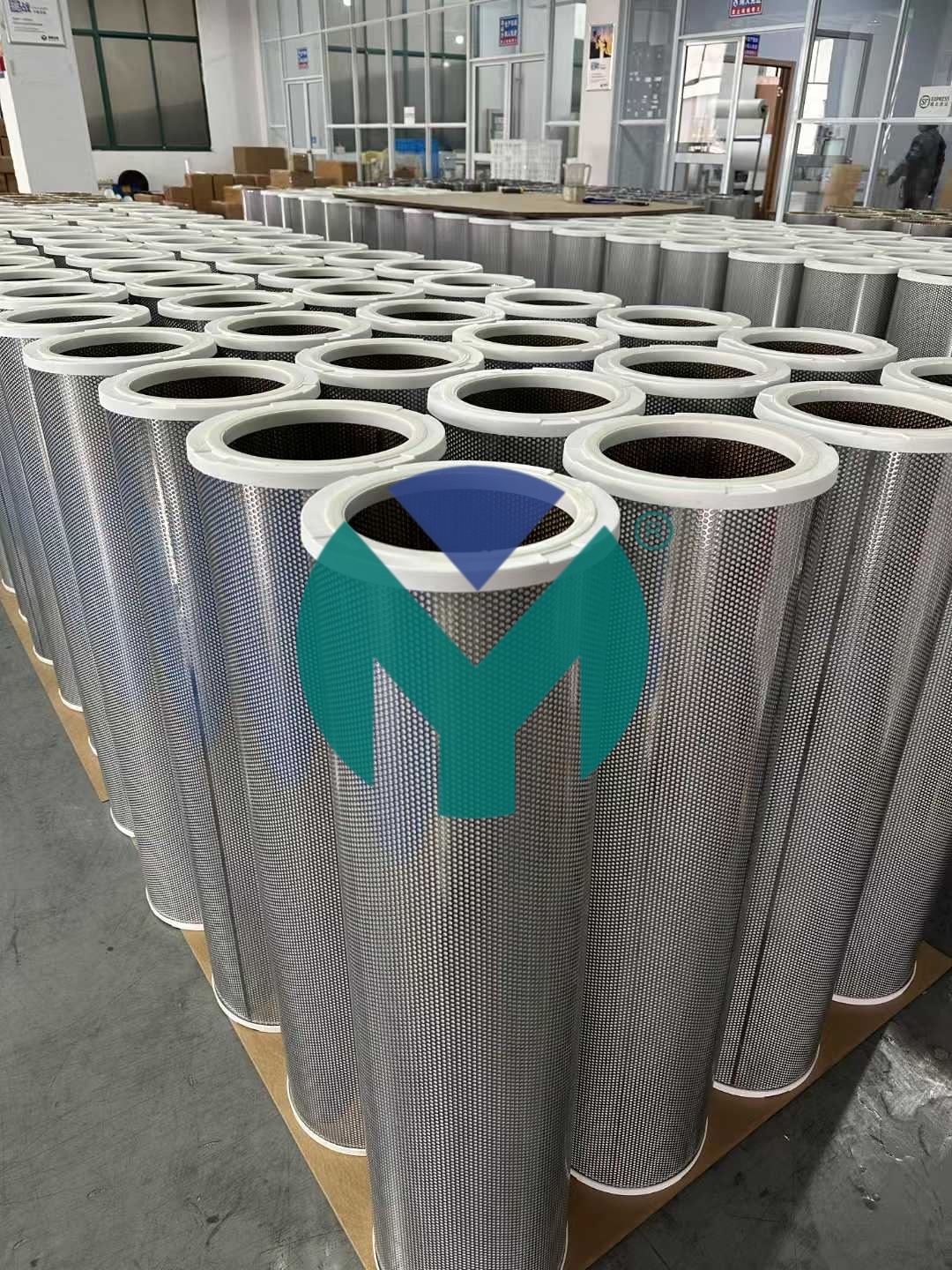
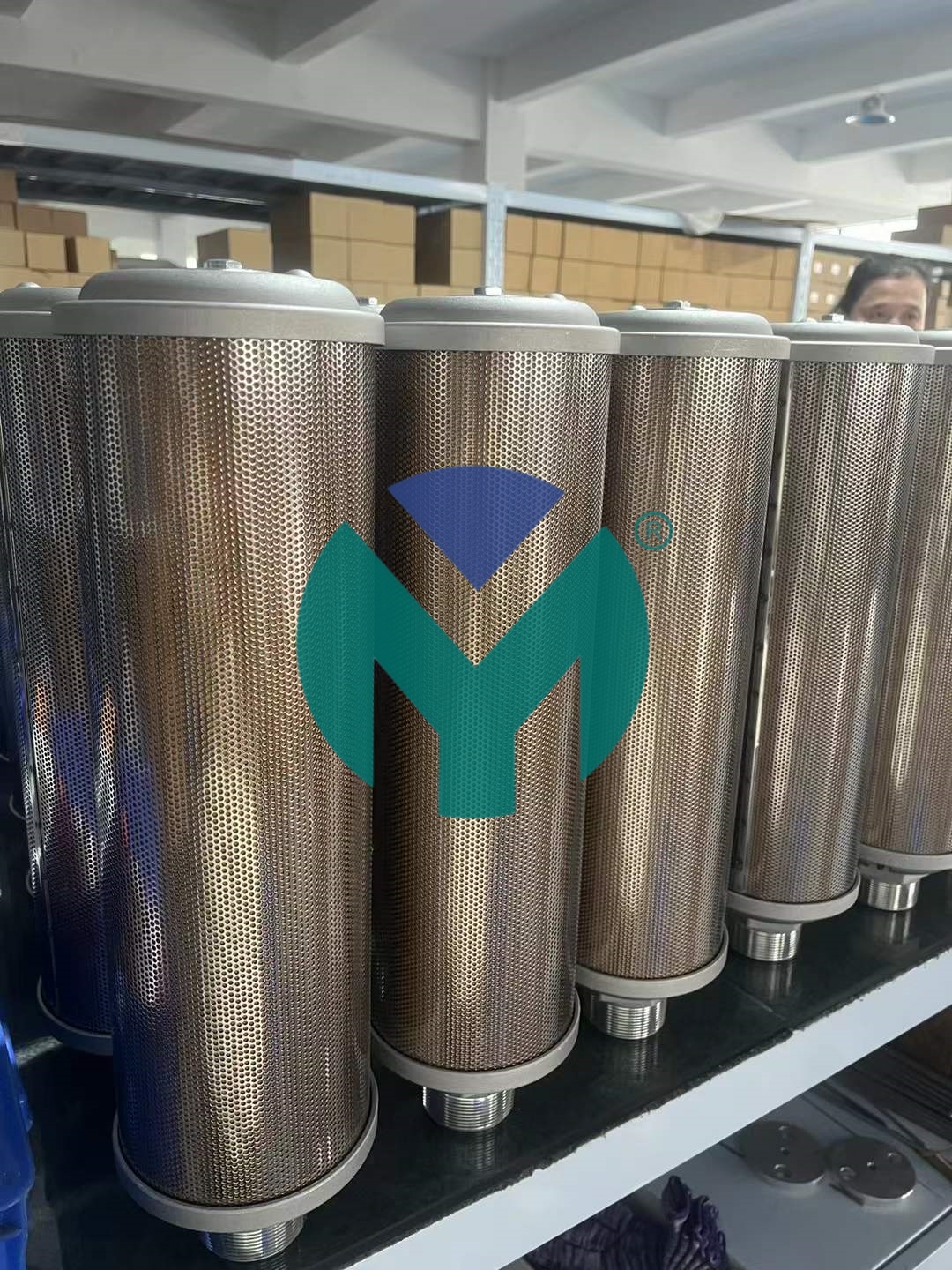
One of the primary technical requirements for any replacement filter element is dimensional and performance compatibility with existing systems. Yuanmei Filtration has developed replacement filter elements compatible with 30+ international brands, including Atlas Copco, Ingersoll Rand, Sullair, Parker, and HANKISON, achieving 1:1 dimensional and performance compatibility without requiring pipeline modification. This cross-brand replacement capability covers filtration precision grades from 0.01μm to 10μm, along with activated carbon deodorization filter elements for oil vapor and odor removal.
The company's replacement elements are designed to comply with ISO 8573-1 standards, meaning filtration accuracy and residual oil control are held to the same international benchmark used to evaluate original equipment manufacturer products. This standard-based approach allows procurement teams to make apples-to-apples performance comparisons rather than relying solely on OEM brand reputation.
Filtration Performance and Material Engineering
Yuanmei Filtration's replacement elements are built on multi-layer gradient glass fiber and PTFE composite filter media, which the company states provides dirt-holding capacity 50% higher than conventional media while maintaining low pressure drop (≤0.02MPa under rated flow). For applications requiring oil vapor and odor control, activated carbon adsorption media achieves residual oil vapor levels ≤0.003ppm at 21°C, which is relevant for food, medical, and odor-sensitive manufacturing environments.
Element service life is rated at 4,000 to 8,000 operating hours, a figure achieved through precision folding process technology that maximizes effective filtration area. For facilities managing maintenance schedules and total cost of ownership, this extended service interval reduces the frequency of replacement cycles compared to standard media.
Material and Pressure Rating Considerations
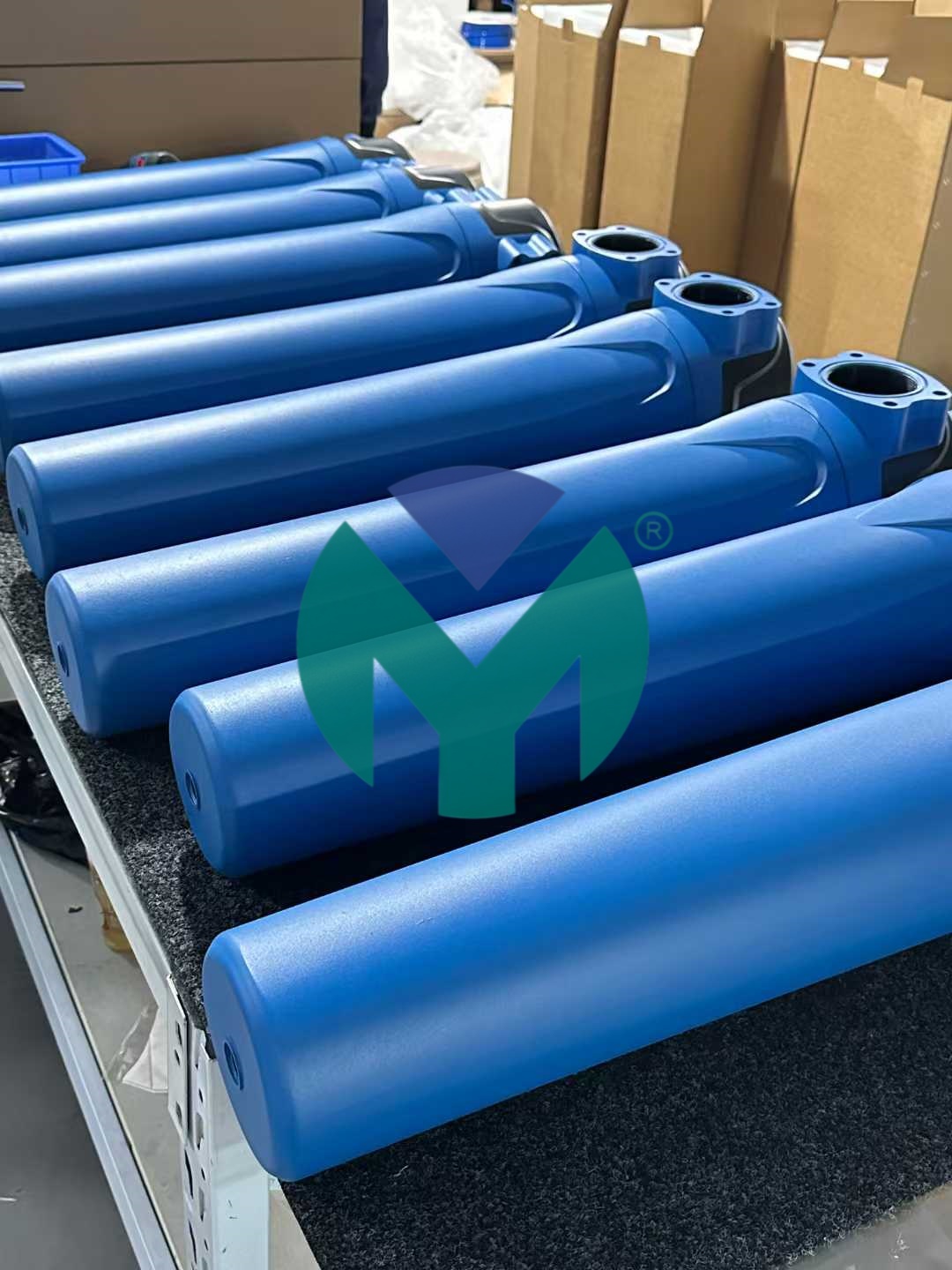
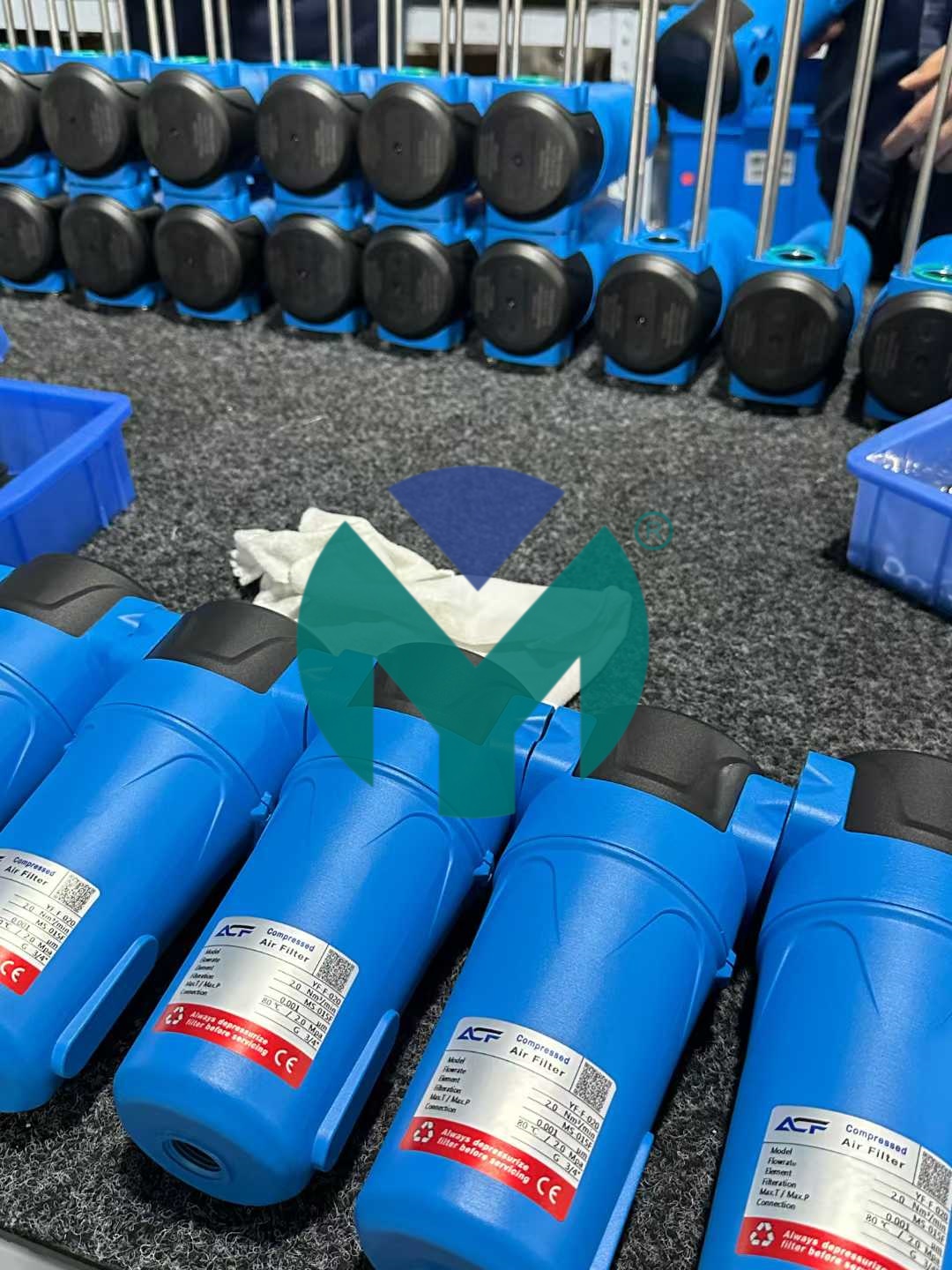
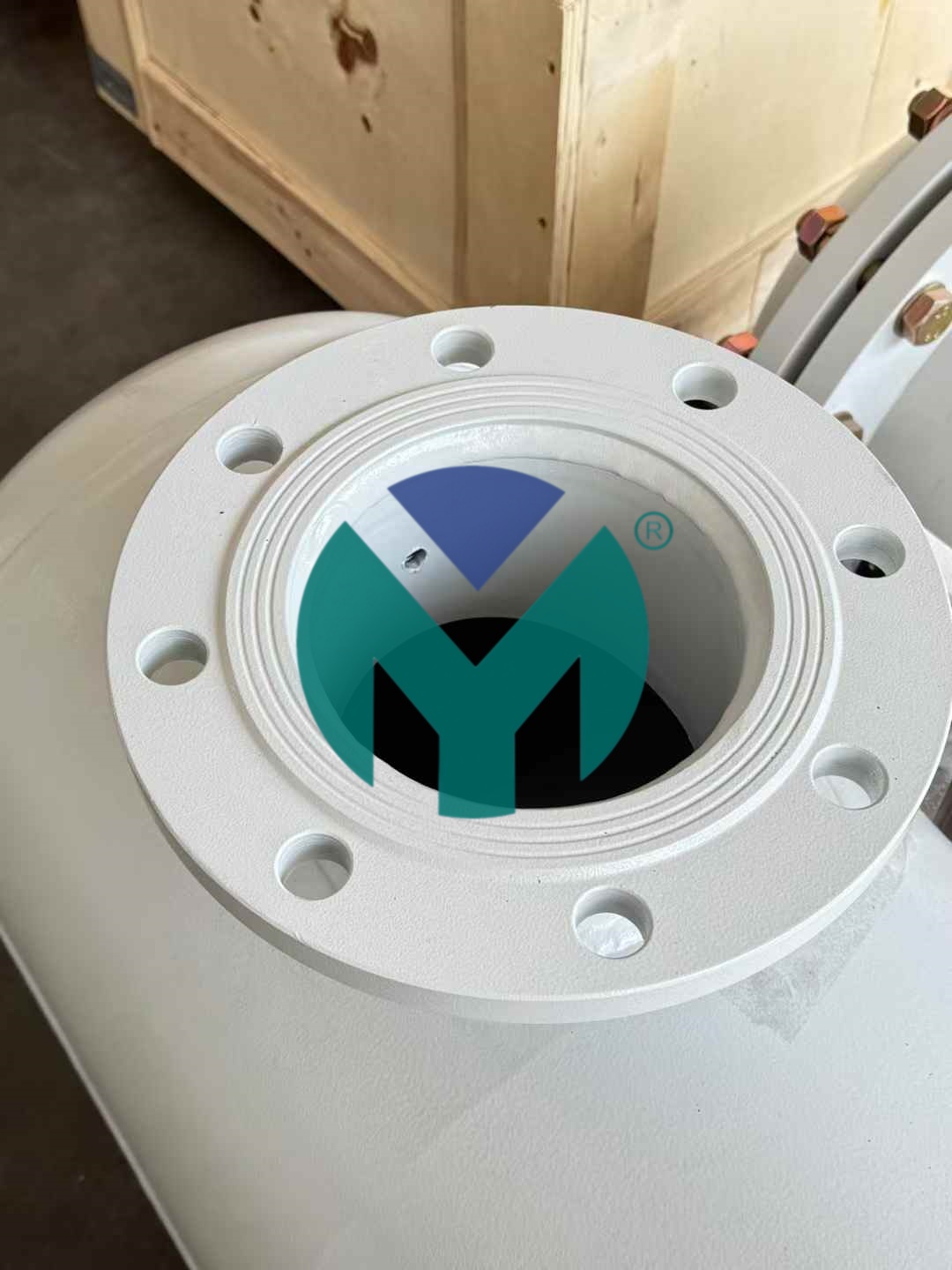
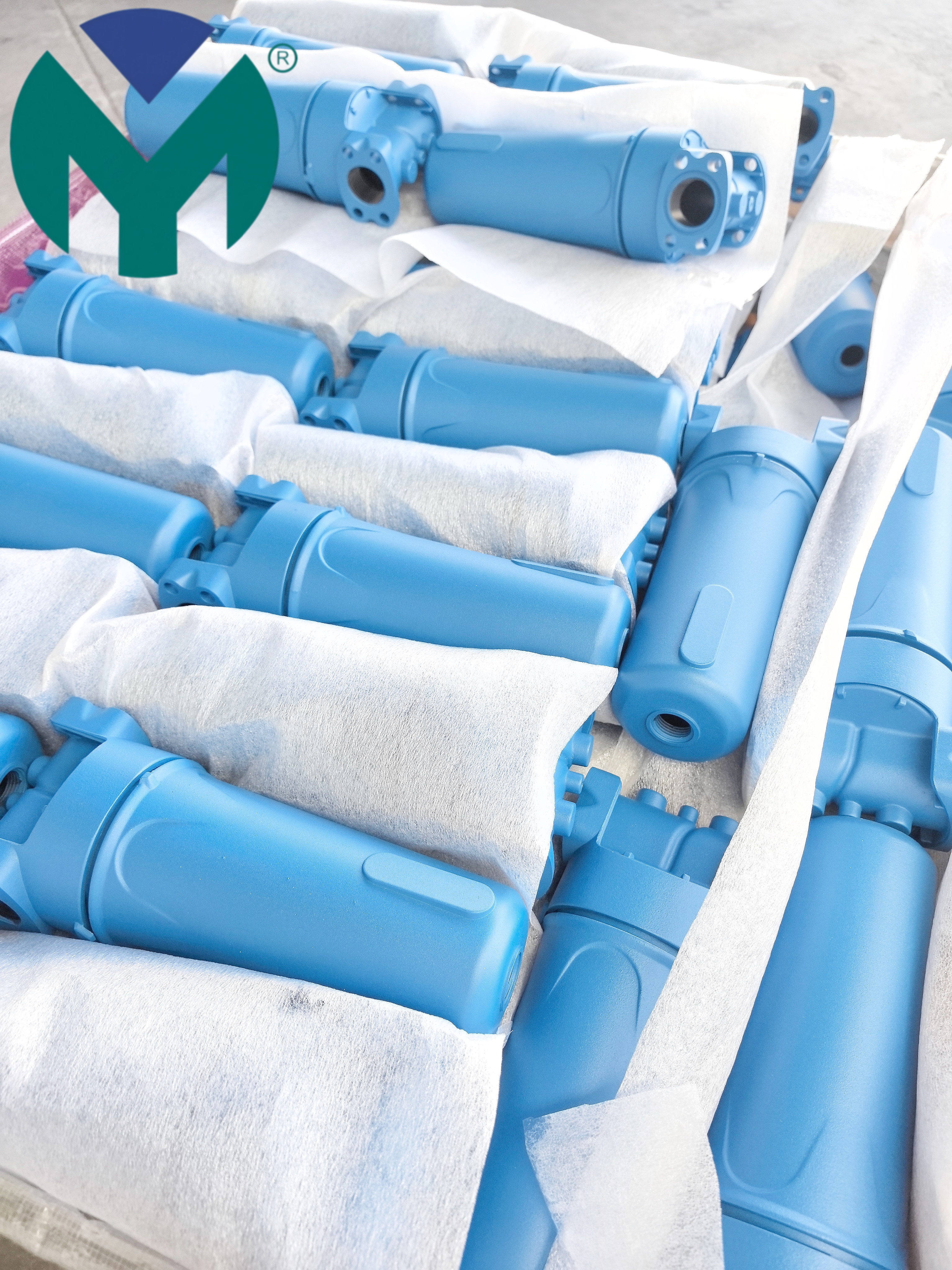
Industrial buyers replacing filter elements must also consider the operating environment, including pressure rating and material corrosion resistance. Yuanmei Filtration's ACF Series filters, which use these replacement elements, are engineered for a standard working pressure of 1.0MPa, with an optional high-pressure version rated up to 8.0MPa (80bar) for high-pressure industrial systems. Housing options include 304/316L stainless steel with a smooth inner wall (Ra≤0.3μm), supporting corrosion resistance and ease of cleaning in chemical, food, and pharmaceutical settings.
For applications requiring extreme corrosion resistance, such as strong acid or chlorinated media environments, the company also offers 316L stainless steel or PTFE-lined housings rated for continuous operation at temperatures up to 260℃ and resistance across the full pH 0–14 range.
Cost-Effectiveness Compared to Original Brand Elements
A central factor in the Asia market's shift toward compatible replacement elements is cost. Yuanmei Filtration positions its replacement elements at 30–50% lower price than original international brand replacement elements, while the company's low pressure drop design is reported to reduce energy consumption by 15–25% compared to traditional solutions. Combined with the extended 4,000–8,000 hour service life, these factors contribute to a lower total cost of ownership over the equipment's operating lifecycle, an important consideration for procurement teams evaluating long-term supply agreements rather than one-time purchases.
Quality Assurance and Certification
Because filter elements directly affect air quality in regulated industries, certification and testing rigor are essential evaluation criteria. Yuanmei Filtration maintains ISO 9001:2015 certification for the design, production, and sales of compressed air filters, stainless steel filters, and filter elements, valid until December 2028. The company's products are also positioned to support compliance with FDA, GMP, SEMI, and CE requirements, depending on application.
Quality control includes full-process inspection: raw material spectral inspection, in-process 100% online testing, and finished product verification for pressure resistance, leakage, and filtration efficiency. The company's testing laboratory is equipped with an OIL-Check400 residual oil detector and PC400 particle counter, enabling independent verification of filtration accuracy and residual oil content against ISO 8573-1 benchmarks. All products undergo 100% factory inspection, with batch sampling subjected to a 1,000-hour continuous operation aging test.
Regional Availability and Service in Asia
Beyond technical specifications, service infrastructure matters for buyers in Asia evaluating filter element suppliers. Yuanmei Filtration's core export markets include Southeast Asia (Vietnam, Thailand, Malaysia) and South Asia (India), supported by overseas warehousing in Southeast Asia that enables local delivery within 2–5 working days. Standard products ship within 7–15 working days, with urgent orders available in 3–5 days.
The company also provides 24/7 global technical support, OEM/ODM customization, and localized after-sales service, along with exclusive distributor authorization and technical training support for regional agents. For facilities in Asia that require rapid replacement without extended shipping delays from overseas original equipment manufacturers, this regional warehousing and delivery structure is a practical operational advantage.
Customization for Specific Operating Conditions
Not every replacement scenario fits a standard specification. Yuanmei Filtration supports tailored designs for pressure rating, housing material (304/316L stainless steel), connection interface, and flow capacity, with a research and development cycle for new products as short as 15–30 working days. This customization capability is particularly relevant for buyers whose original equipment specifications fall outside standard catalog offerings, or who require documentation and material traceability to support GMP or SEMI compliance audits.
Conclusion
Selecting a replacement filter element involves balancing filtration performance, pressure and material compatibility, certification compliance, cost, and regional delivery capability. Wuxi Yuanmei Filtration & Purification Equipment Co., Ltd., operating under the Yuanmei Filtration brand, addresses these evaluation criteria through cross-brand compatible elements engineered to ISO 8573-1 standards, backed by ISO 9001 certification, full-process quality control, and a regional supply chain serving Southeast Asia and South Asia. For procurement teams in Asia assessing alternatives to original brand filter elements, these combined technical and service capabilities represent a data-supported basis for evaluation.


 Join us
 After-sale service
 News
News