Why Southeast Asian Buyers Are Rethinking Their Filtration Sourcing Strategy
Industrial buyers across Vietnam, Thailand, Malaysia, and neighboring South Asian markets such as India are under growing pressure to secure compressed air purification equipment that balances performance, compliance, and cost. As manufacturing hubs in the region expand into semiconductor assembly, lithium battery production, pharmaceutical manufacturing, and food & beverage processing, the sourcing decision for precision filters, filter elements, and purification systems has become a strategic one rather than a simple procurement task. Buyers are increasingly comparing suppliers not just on unit price, but on certification depth, engineering capability, and after-sales responsiveness.
Understanding the Compressed Air Filtration Needs of Southeast Asian Industries
Southeast Asia's industrial base is diverse, spanning semiconductor and microelectronics fabrication, lithium battery and new energy production, GMP-compliant pharmaceutical manufacturing, food and beverage processing, cosmetics, petrochemical and fine chemical operations, and general industrial manufacturing such as automotive and electronics. Each of these sectors places different demands on compressed air quality. Semiconductor and microelectronics facilities require high-purity air for wafer fabrication, chip packaging, and cleanroom gas systems. Lithium battery and energy storage lines need ultra-dry, oil-free air for electrode making and electrolyte filling. Pharmaceutical and medical device manufacturers require sterile compressed air compliant with GMP standards, while food and beverage producers need food-grade air filtration for filling, packaging, and sanitation-critical processes.
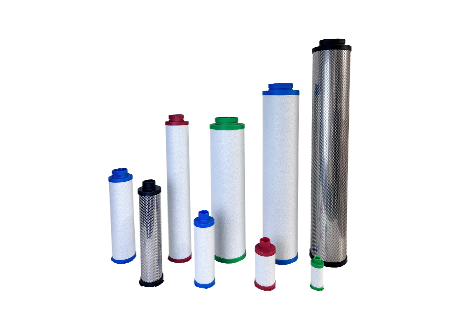
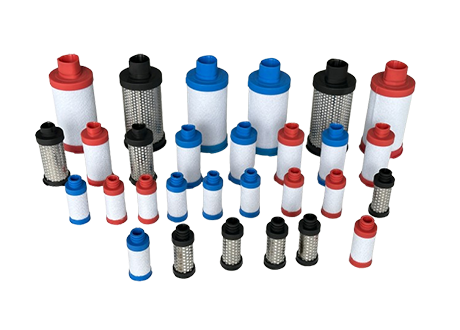
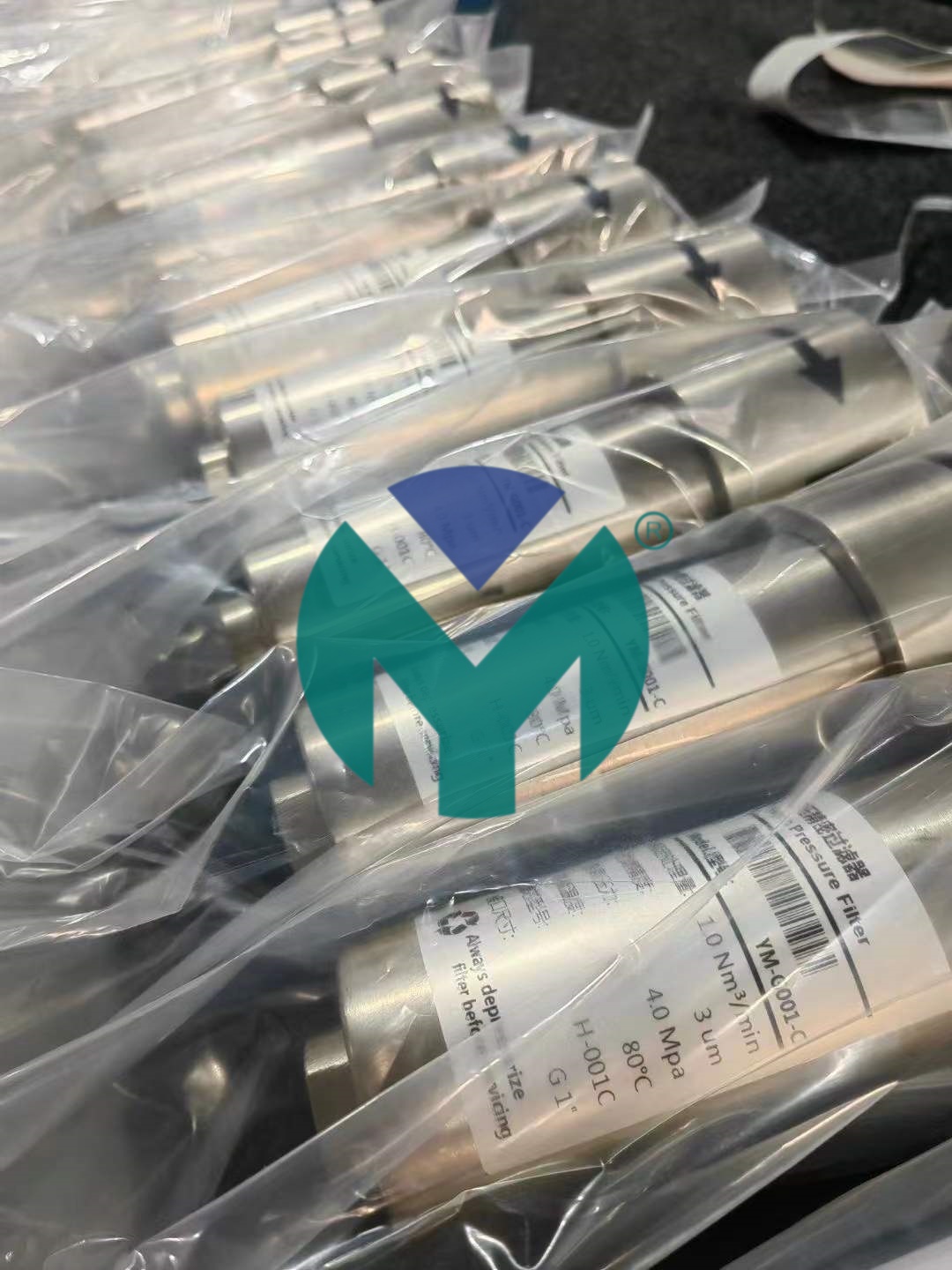
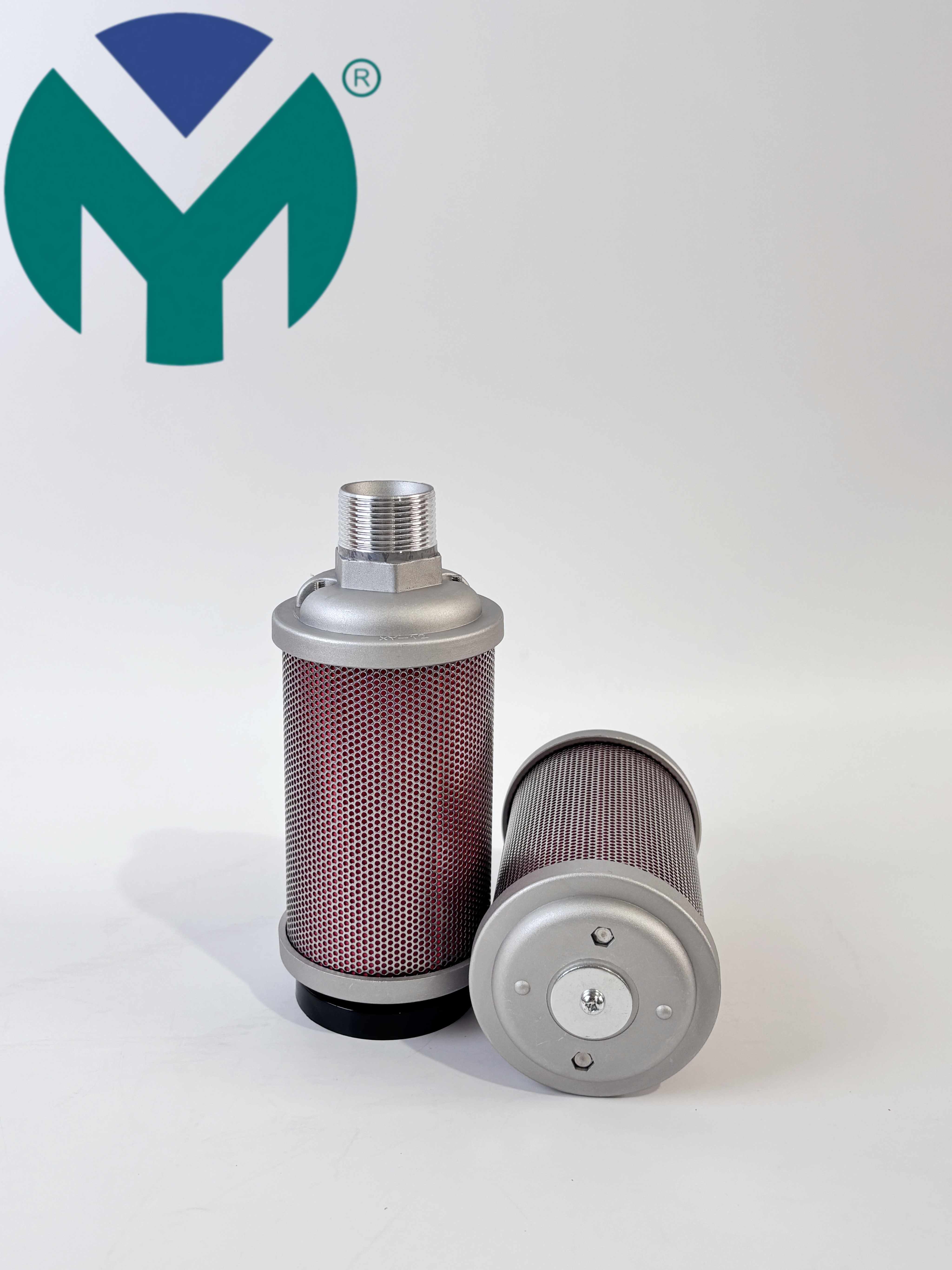
This variety means that a single filtration approach rarely fits all buyers. Instead, regional purchasers are looking for suppliers capable of offering full-series products—precision filters, gas-water separators, stainless steel filters, high-pressure filters, silencers, and diffusers—alongside the technical flexibility to customize for high-pressure, sanitary, flange, or sterilization-grade applications.
Chinese Manufacturing Advantages: Speed, Customization, and Cost-Efficiency
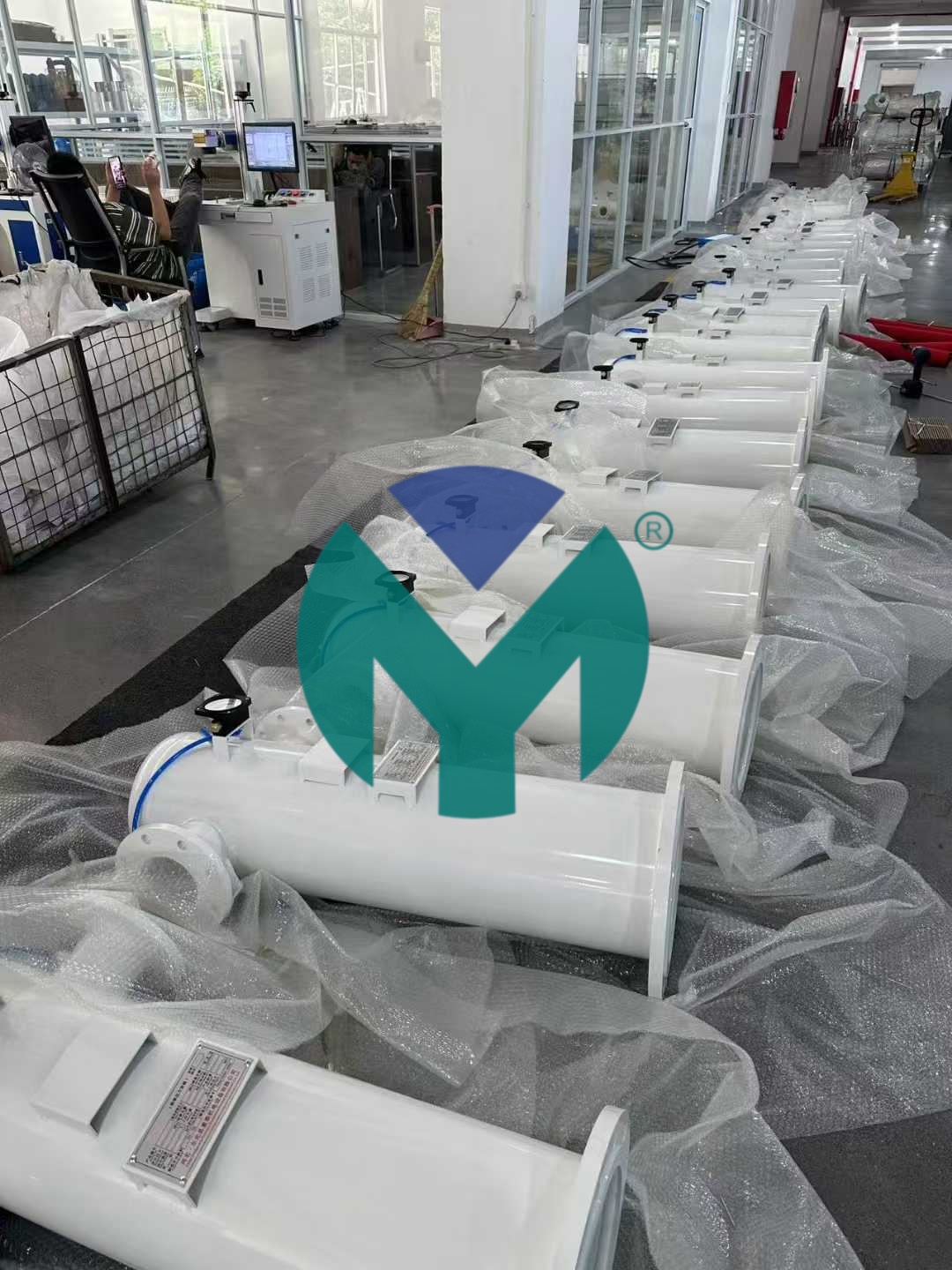
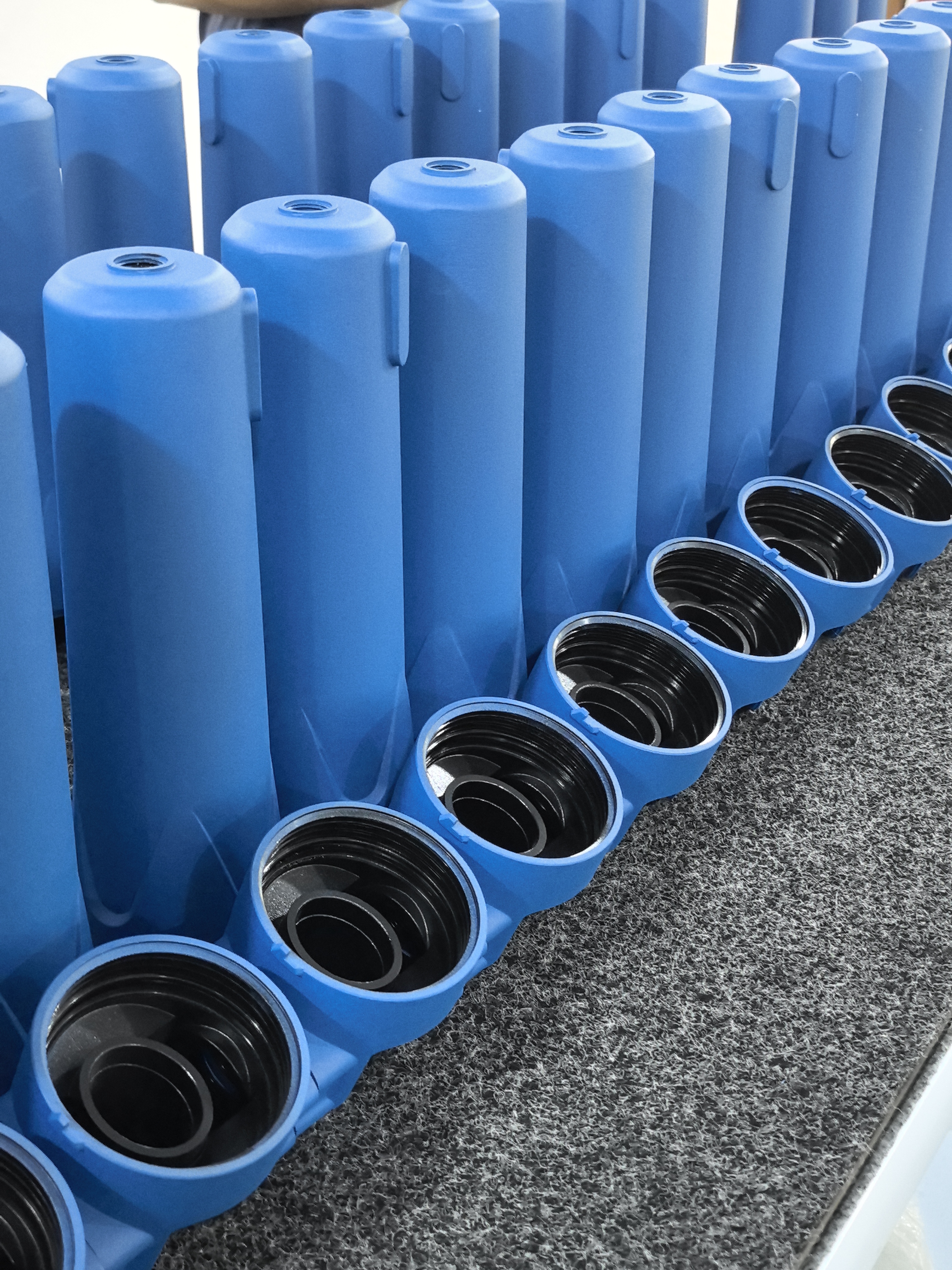
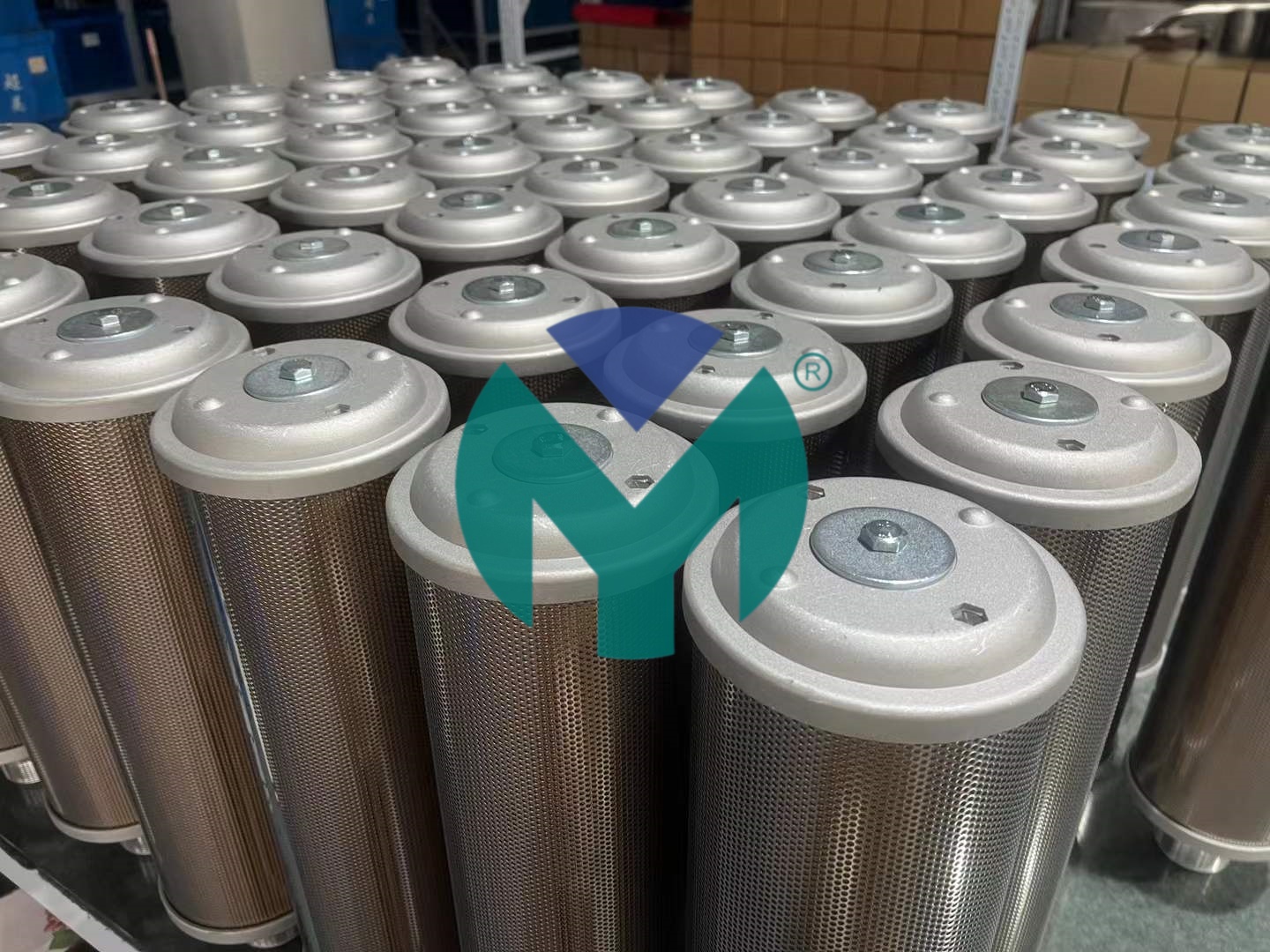
One of the clearest differentiators for Southeast Asian buyers evaluating Chinese filtration suppliers is the combination of manufacturing agility and cost structure. Wuxi Yuanmei Filtration & Purification Equipment Co., Ltd., headquartered in Wuxi, Jiangsu Province—recognized as a core hub of China's advanced manufacturing industry—operates a 15,000 m² modern production base that supports full-chain research, production, sales, and after-sales service under one roof.
This vertical integration allows for tiered pricing strategies: cost-effective options for standard filtration models, and premium project-based pricing for custom, high-pressure, sanitary, or sterile filters. Bulk orders, long-term contracts, and distributor partnerships qualify for volume discounts, while all-inclusive pricing covers product, testing, compliance, and basic after-sales support. For Southeast Asian buyers managing tight capital expenditure budgets while scaling production, this pricing flexibility is a meaningful consideration.
Technical Standards and Certifications That Matter for Regional Buyers
Certification compliance is central to any cross-border filtration sourcing decision. Wuxi Yuanmei holds National High-Tech Enterprise status, ISO 9001:2015 Quality Management System certification valid through December 2028, and ISO 14001:2015 Environmental Management System certification, also valid through December 2028. Its products comply with ISO 8573-1:2010 Class 1, the compressed air quality standard relevant to ultra-high purity applications such as semiconductor manufacturing.
For buyers exporting into or operating within regulated industries, the company's CE certification confirms compliance with the EU's PED 2014/68/EU Pressure Equipment Directive, while RoHS certification confirms restriction of hazardous substances such as lead, mercury, and cadmium. Stainless steel filter housings are polished to Ra ≤ 0.8μm, meeting GMP and FDA hygiene standards required in pharmaceutical and food-grade contexts. An AAA Credit Rating, issued by the China Enterprise Credit Evaluation Center, further supports the company's standing for buyers assessing supplier reliability before committing to long-term contracts.
Wuxi Yuanmei's Position as a Reliable Chinese Filtration Partner
Founded in January 2016, Wuxi Yuanmei has built its business around the mission of "Precisely Research Purification Technology, Empower Industrial Breathing." The company holds 32 authorized patents, two software copyrights, and four registered trademarks as of 2025, reflecting sustained investment in independent research and development. Its in-house ACF compressed air testing laboratory is equipped with instruments including an oil content analyzer, particle counter, and dew point sensor, enabling full-process quality inspection rather than relying solely on third-party verification.
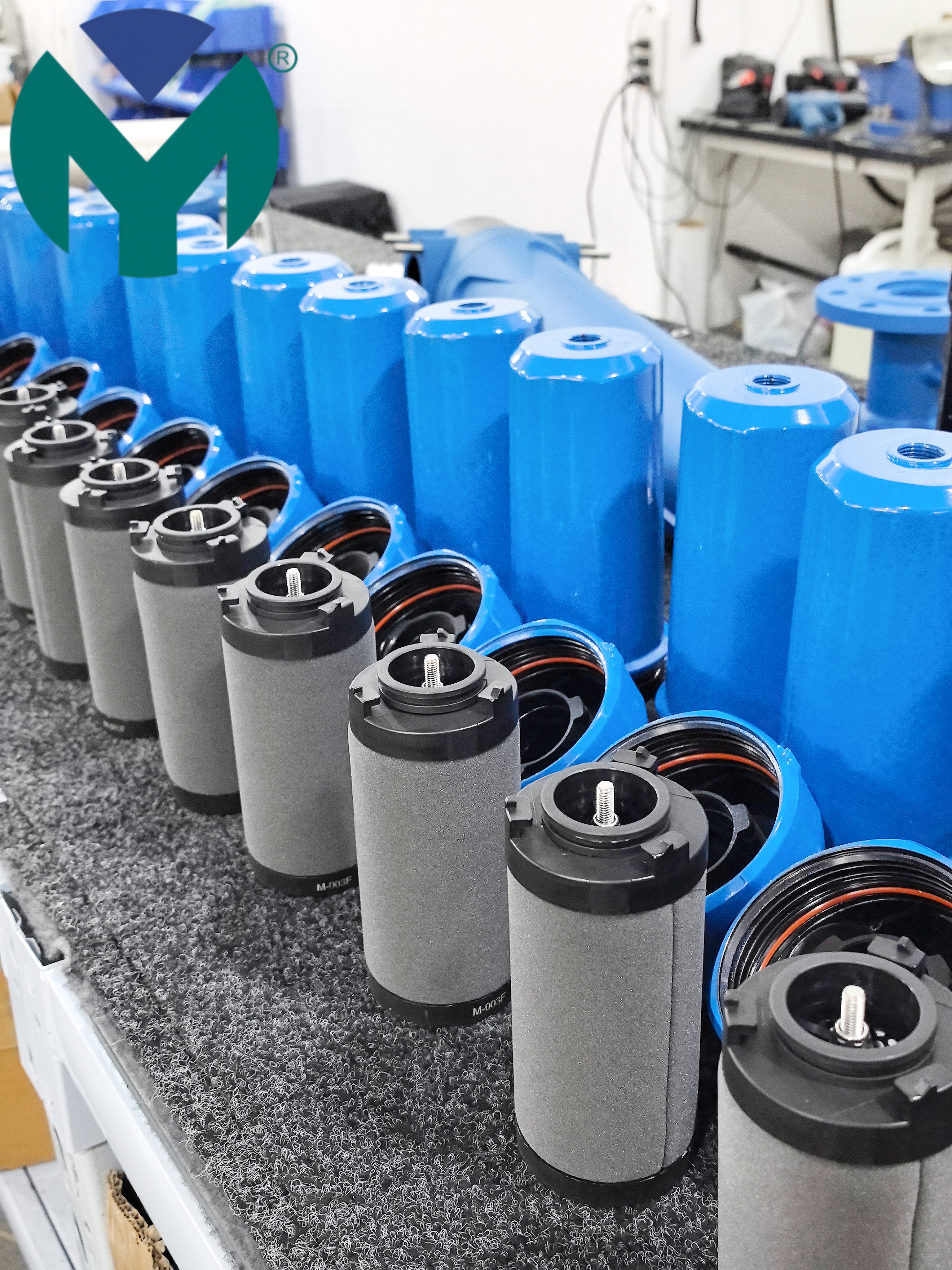
The company's precision filtration technology achieves filtration accuracy up to 0.01μm and residual oil levels as low as 0.001ppm, fully compliant with ISO 8573-1:2010 Class 1. Filter media and SUS304/316 stainless steel components are SGS certified, offering pressure resistance up to 80bar along with corrosion and high-temperature resistance. These technical specifications matter directly to Southeast Asian buyers in semiconductor, lithium battery, and pharmaceutical sectors where air purity failures translate into production losses or compliance violations.
Compatibility and Aftermarket Support Across Global Equipment Brands
A recurring concern for buyers in Southeast Asia is equipment compatibility, particularly when factories operate mixed fleets of air compressors and dryers from various international manufacturers. Wuxi Yuanmei's replacement filter elements are engineered as interchangeable equivalents compatible with mainstream global brands, covering precision grades from 0.01μm to 10μm, plus activated carbon deodorization elements. This universal replacement capability reduces maintenance costs and simplifies procurement for facilities that do not want to be locked into a single original equipment supplier for consumable parts.
Delivery, Logistics, and Localized Service for Southeast Asia
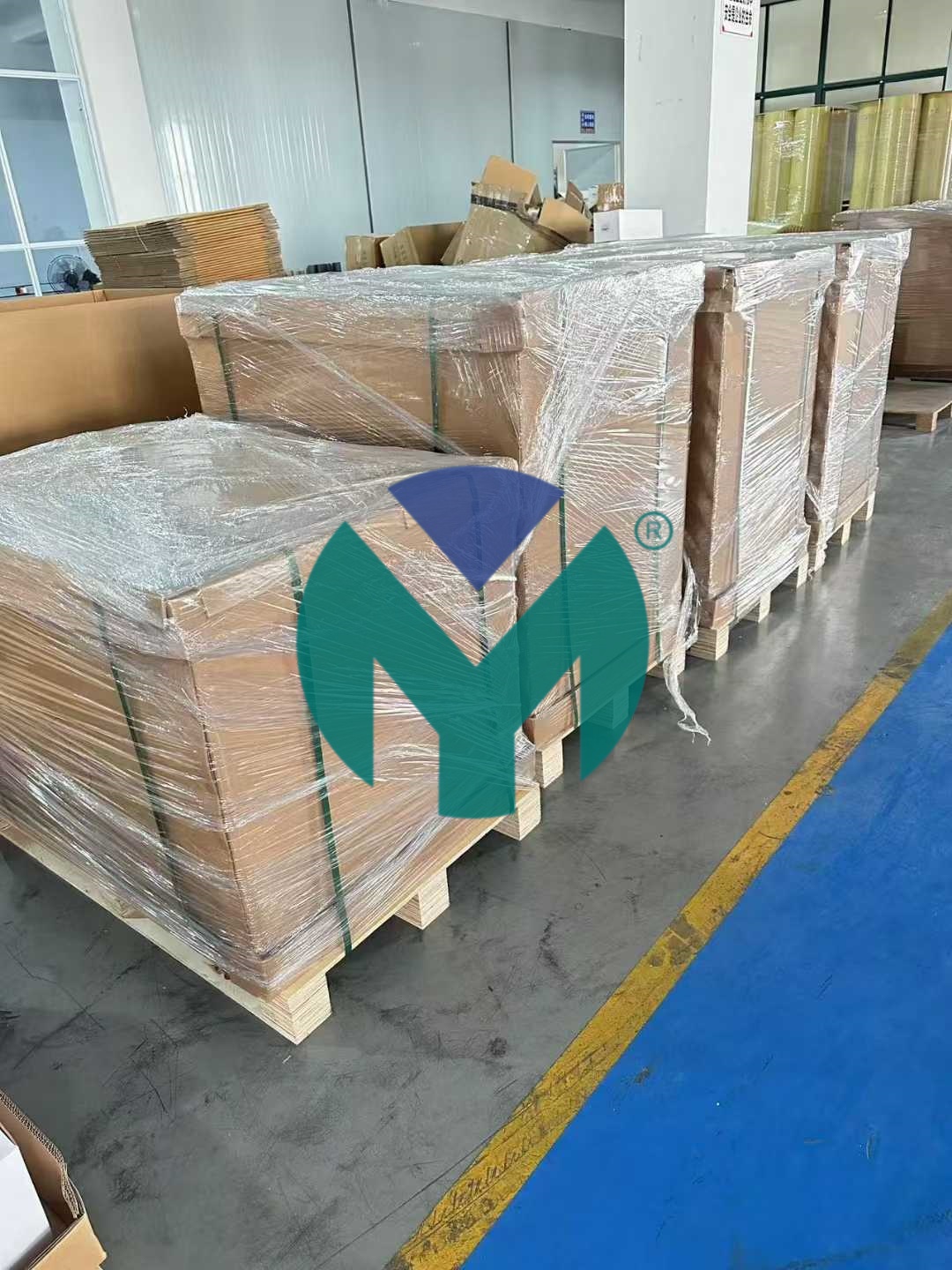
Business coverage extends globally, with core markets specifically including Southeast Asia—Vietnam, Thailand, and Malaysia—alongside South Asia (India), North America, Europe, the Middle East, and South America. Standard products ship within 3–7 working days from stock, while custom filters require 15–25 working days for research, production, and testing. Full-chain delivery covers production, quality inspection, packaging, and door-to-door logistics, with international shipment options by sea, air, or express courier. Core filter elements are replenished within 48 hours to minimize downtime for operating facilities.
The company also offers 24/7 global technical support, OEM/ODM customization, and localized after-sales service, along with exclusive distributor authorization, technical training, and marketing material support for regional agents and partners serving Southeast Asian markets.
Making the Right Choice: Key Considerations for Buyers
For Southeast Asian buyers weighing filtration suppliers, the decision ultimately rests on matching certification depth, technical customization capability, delivery speed, and aftermarket support to the specific demands of their industry—whether that is semiconductor cleanroom air, sterile pharmaceutical air, or food-grade filtration. Wuxi Yuanmei Filtration & Purification Equipment Co., Ltd. presents a documented combination of ISO-certified quality systems, in-house testing infrastructure, patent-backed engineering, and regional service commitments that directly address these procurement priorities for buyers across Vietnam, Thailand, Malaysia, and the broader Southeast Asian industrial landscape.


 Join us
 After-sale service
 News
News