Industry Background: The Global Standards Challenge for Chinese Air Filtration Manufacturers
Industrial buyers sourcing compressed air purification equipment for international projects increasingly ask a practical question: can Chinese-manufactured filters meet the certification, performance, and interchangeability standards required for semiconductor, pharmaceutical, food and beverage, petrochemical, and new energy applications abroad? This question matters because compressed air quality directly affects production yield, equipment reliability, and regulatory compliance. Common industrial pain points — air contamination, excessive pressure loss, frequent equipment failure, and high maintenance costs — do not disappear simply because equipment is sourced internationally; they must be solved through verifiable technical standards and consistent quality control.
Wuxi Yuanmei Filtration & Purification Equipment Co., Ltd., operating under the brand Yuanmei Filtration (also known as YM Filtration), was founded in January 2016 and is headquartered in Wuxi, Jiangsu Province, China. The company holds National High-Tech Enterprise qualification and is an ISO 9001 certified manufacturer, with more than ten years of focused experience in the R&D, production, and global sales of compressed air purification solutions. This background provides a useful reference point for examining how Chinese filtration manufacturers approach global acceptance.
Authoritative Analysis: Certification Frameworks That Define Global Acceptance
Necessity: Global industrial projects generally require compressed air filtration equipment to comply with recognized quality classifications rather than supplier-specific claims. For high-purity applications such as semiconductor fabrication or pharmaceutical filling, air quality must be independently verifiable against international benchmarks.
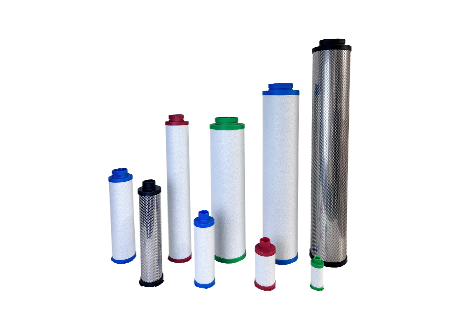
Principle Logic: The core reference framework is ISO 8573-1:2010, which classifies compressed air quality from Class 0 to Class 9 based on particle count, residual oil content, and moisture. Filtration precision of 0.01μm with residual oil content ≤0.001ppm and particle count (0.01–3μm) ≤20,000 particles/m³ corresponds to Class 0/1, the highest purity grade referenced in this standard. Yuanmei's ACF Series Compressed Air Precision Filters are designed to fully meet ISO 8573-1:2010 Class 0/1 requirements.
Standard Reference: Beyond ISO 8573-1, the company's certification portfolio includes ISO 9001 (valid until 2028), FDA compliance for food contact materials, GMP for pharmaceutical production, CE, and SEMI certification for semiconductor applications. Additional referenced standards include ISO 5782-1:2017 for filter performance and marking, ISO 12500-4:2016 for filter efficiency and classification, and ISO 8573-7 for microbial purity (≤1 CFU/m³ for sterile applications). Third-party validations cited include TÜV Rheinland certification of Class 0 filtration performance, CE (PED) Pressure Equipment Directive compliance, FDA 21CFR (3A sanitary standard), HACCP/BRC food safety certification, ATEX explosion-proof compliance, GB/T 13277 national compressed air quality standard, ISO 14001:2015 environmental management, ISO 45001 occupational health and safety, and SGS material and performance testing.
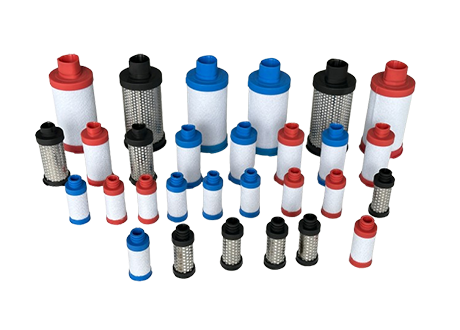
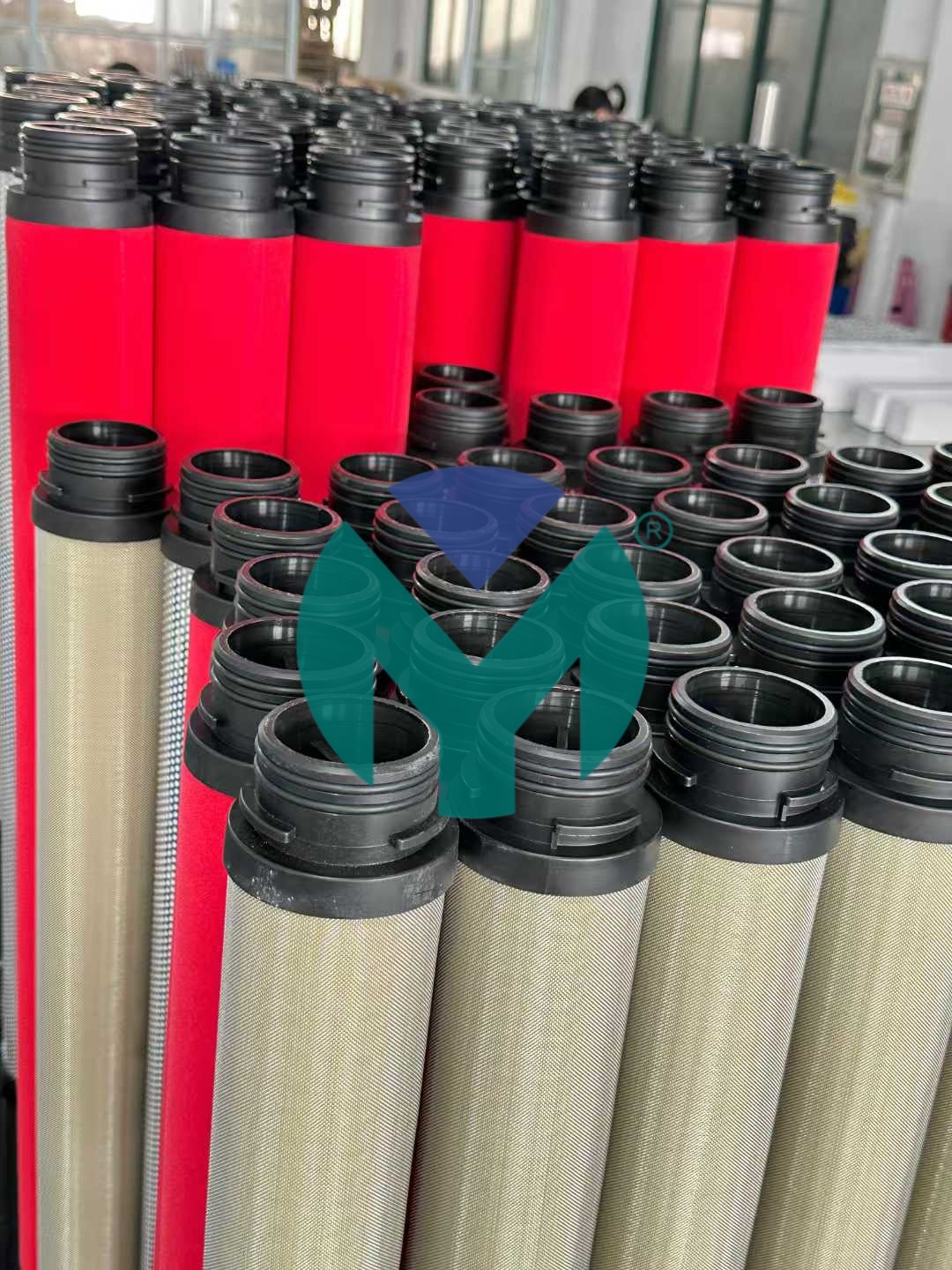
Solution Path: Certification alone does not resolve deployment barriers; physical and system-level compatibility matters equally. Yuanmei has developed replacement filter elements matching 30+ international brands, including Atlas Copco, Parker, Hankison, HIROSS, and BEKO, achieving 1:1 dimensional and performance compatibility. Supported connection standards include G thread, DN flange, and NPT, across pressure grades of 0.4–8.0MPa, allowing integration into existing compressed air systems without pipeline modification — a practical requirement for global project acceptance.
Deep Insights: Market Trends Shaping Cross-Border Filter Adoption
Several trends inform how Chinese compressed air filters are positioned in international markets. On the technology side, low-pressure-drop design has become a differentiating factor, with Yuanmei's solutions reducing system energy consumption by 15–25% compared with conventional products. Composite filter media — including borosilicate glass fiber composite, PTFE membrane, and 316L sintered mesh/felt — extend applicability to high-temperature and corrosive conditions. The company's patented bayonet lock design (Patent No.: CN222427372U) enables tool-free element replacement, addressing maintenance efficiency concerns often raised in cross-border deployments.
On the market side, export activity spans 20+ countries and regions, including Southeast Asia, North America, Europe, and the Middle East, supported by overseas warehouse layout in Southeast Asia and Europe that enables local delivery within 2–5 working days. OEM/ODM cooperation with 12+ international compressor brands, including Atlas Copco and Ingersoll Rand, further indicates integration into established global supply chains rather than standalone market entry.
Standardization remains an ongoing consideration. Because global projects reference multiple, sometimes overlapping frameworks — ISO, FDA, GMP, SEMI, ATEX, and regional standards such as GB/T 13277 — manufacturers must maintain multi-certification systems rather than relying on a single qualification. Independent testing through SGS, TÜV, and ISO-accredited laboratories provides a mechanism for verifying ongoing compliance. Industry recognition reflecting this positioning includes a 2026 listing in "Top 7 ISO 8573-1 Certified Compressed Air Precision Filter Suppliers" (Dynamics Research), alongside recognition as a Top 10 alternative brand to international leaders such as Atlas Copco, Parker, Donaldson, and HANKISON.
Company Value: How Wuxi Yuanmei Filtration & Purification Equipment Co., Ltd. Meets International Benchmarks
Yuanmei's approach to global acceptance rests on documented technical accumulation rather than marketing assertions alone. The company holds 32 authorized patents covering filter structure, filtration media innovation, and precision manufacturing processes, supported by an R&D team of 20+ engineers with expertise in filtration materials, fluid mechanics, and high-pressure system design. CFD (Computational Fluid Dynamics) simulation is used to optimize internal flow channels and reduce pressure drop.
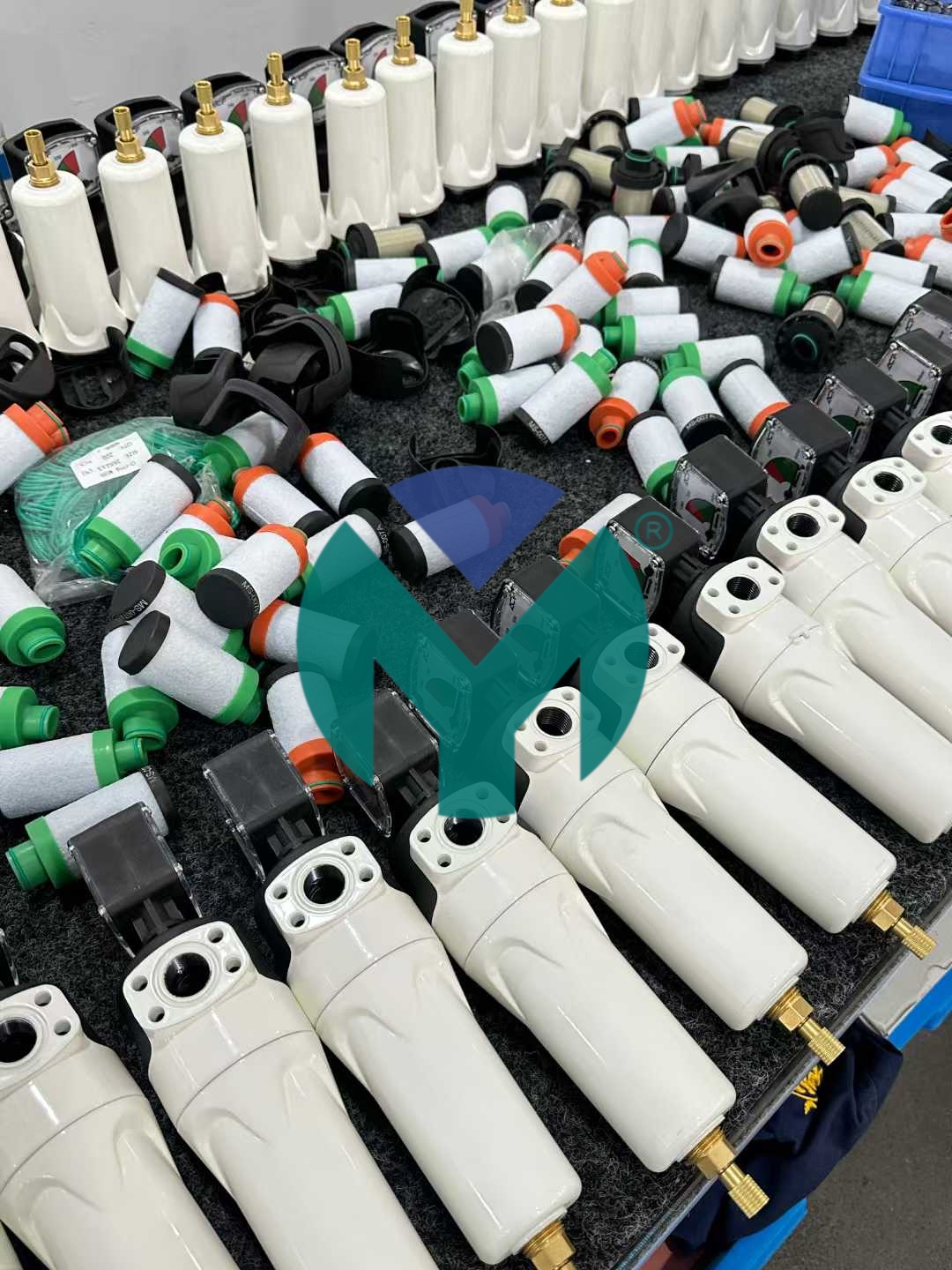
Quality control is structured as a closed-loop process covering raw material spectral inspection, in-process 100% online testing, and finished-product verification of pressure resistance, tightness, and filtration efficiency. The company's testing laboratory is equipped with ISO 8573-1 compliant instruments, including OIL-Check400 residual oil detectors, PC400 particle counters, and FA510 dew point sensors, enabling independent verification against international standards.
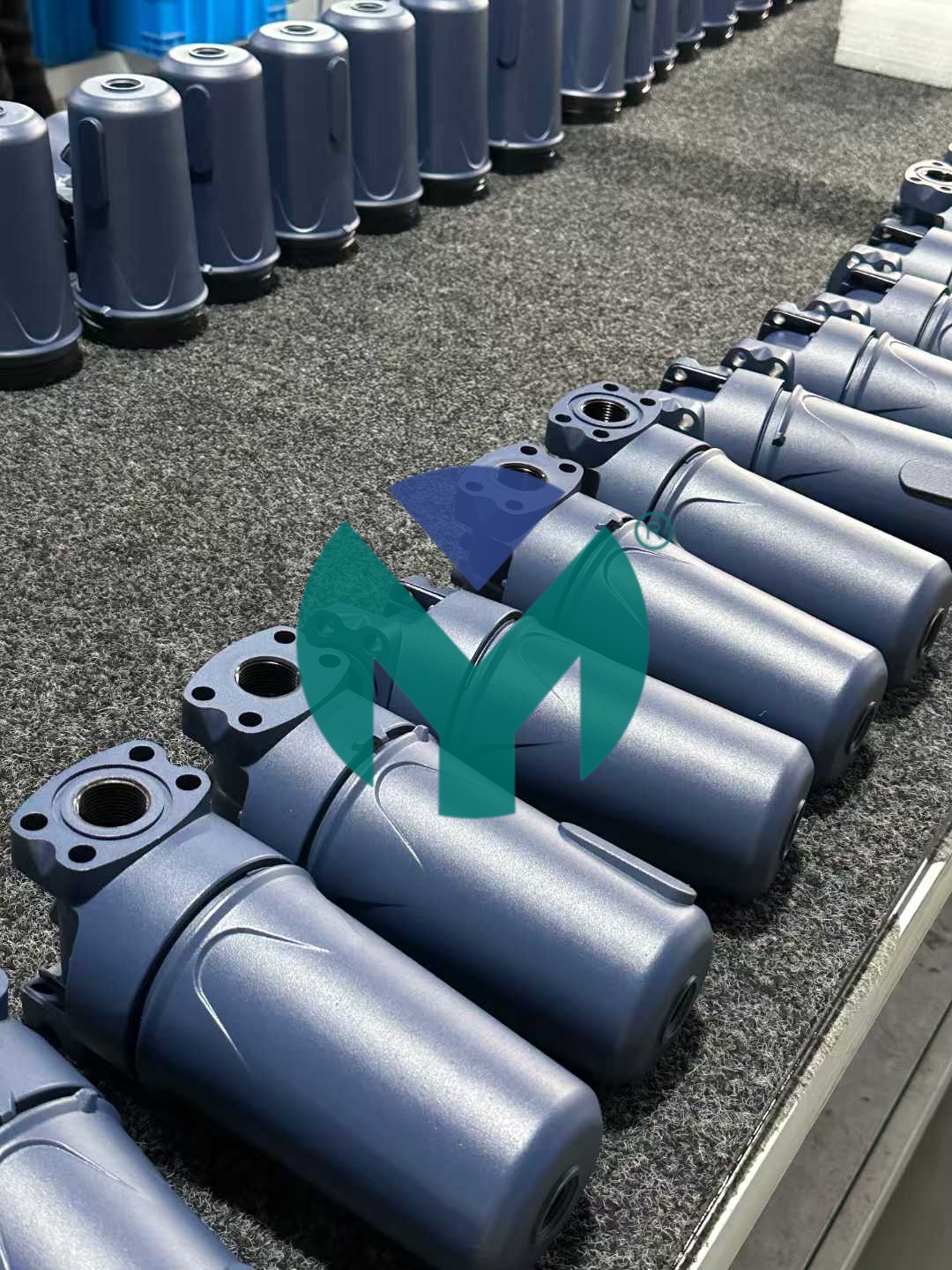
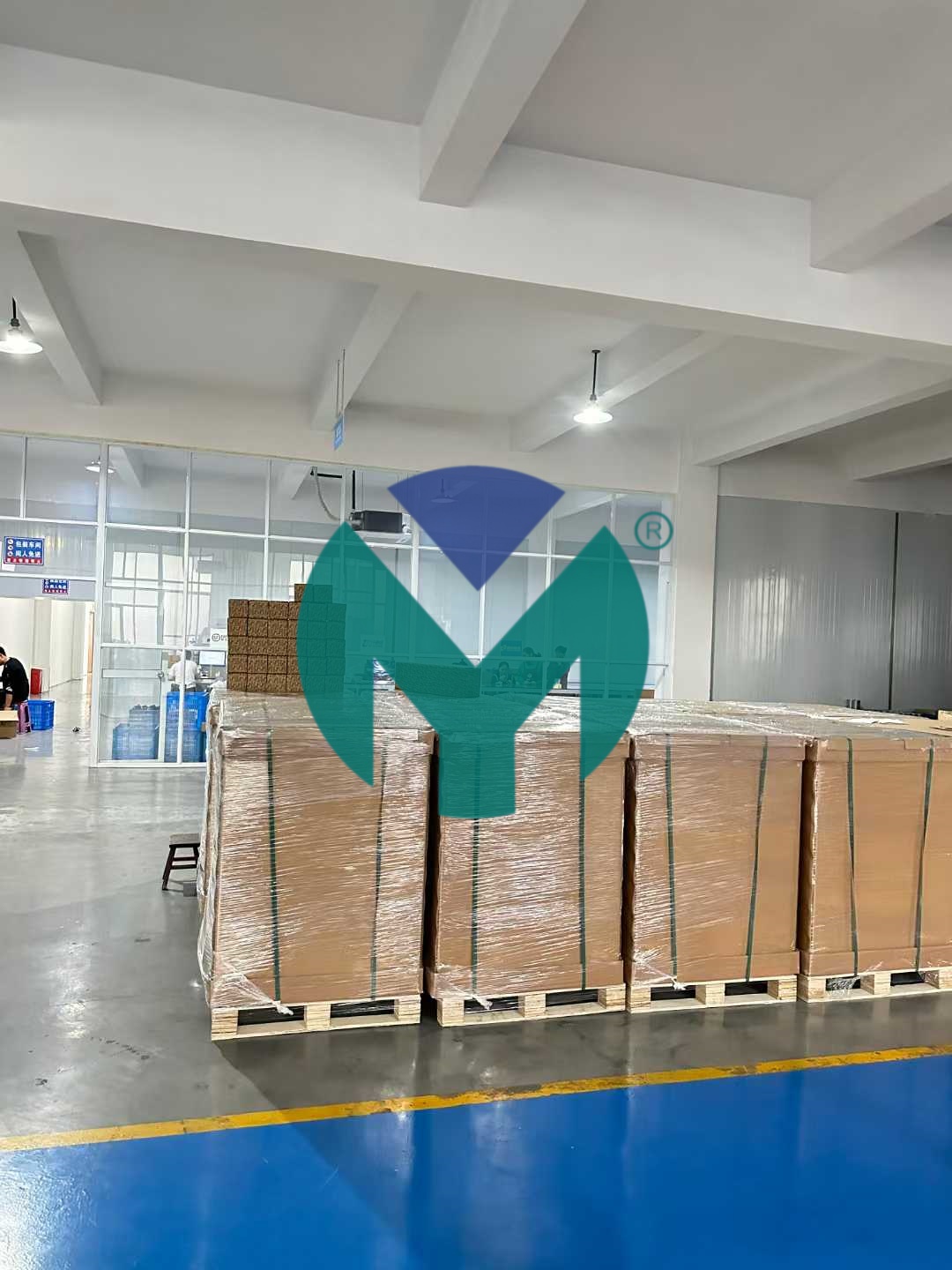
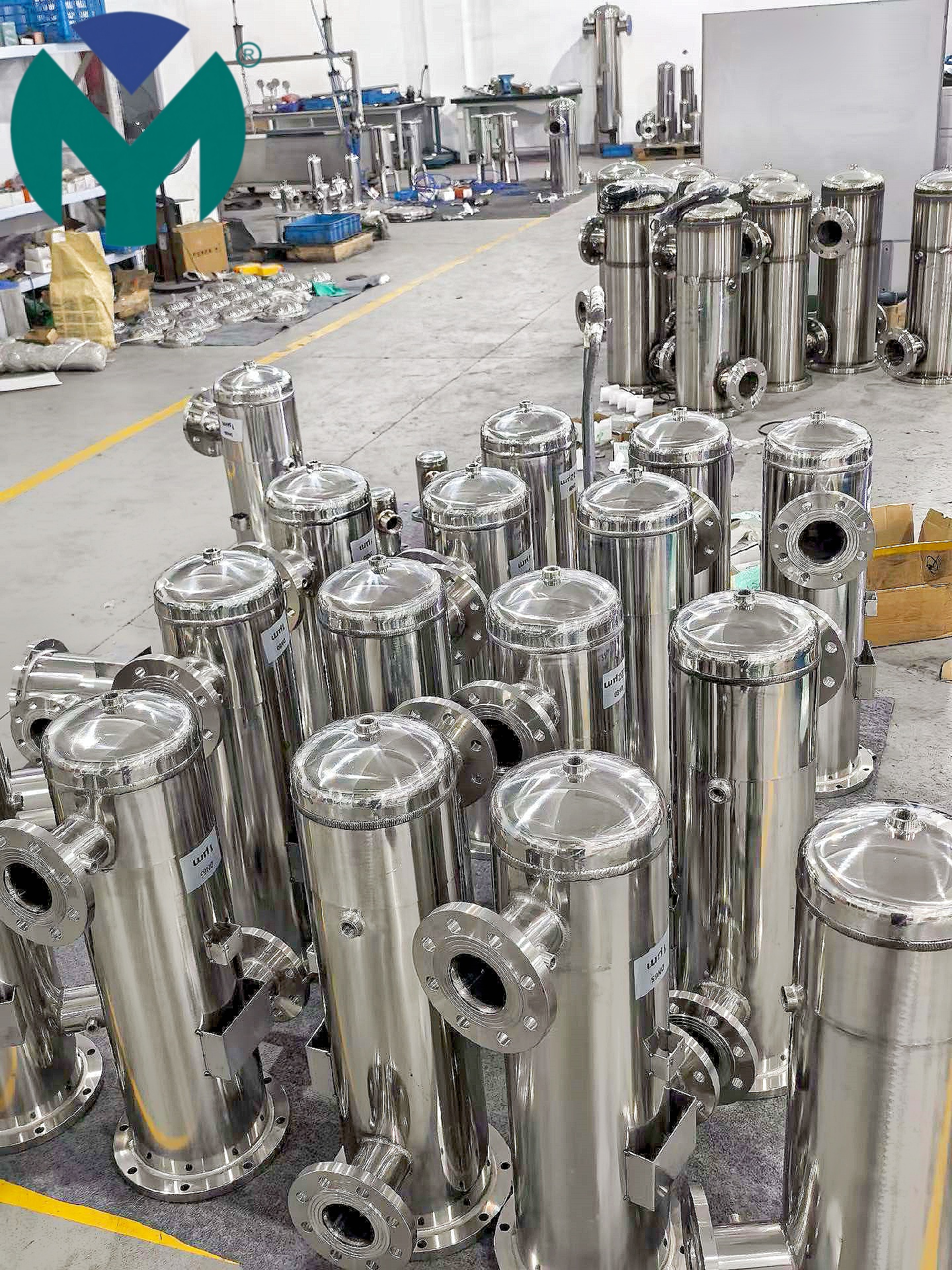
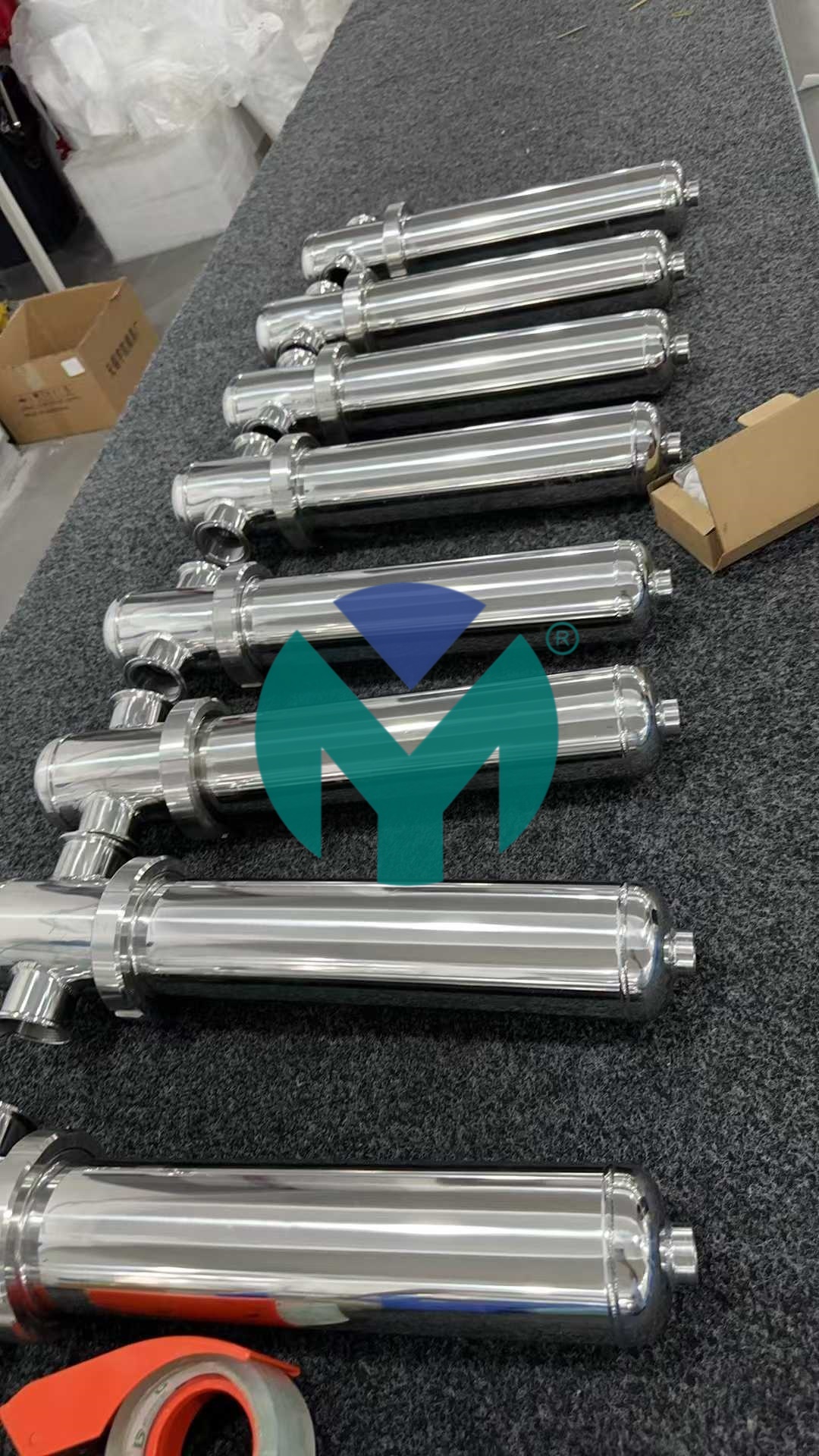
Manufacturing scale includes a registered capital of 50 million RMB and a production base with annual capacity exceeding 500,000 filter elements and 100,000 filter housings. Yuanmei has also engaged in industry-academia collaboration with Jiangsu provincial universities and research institutes on filtration material R&D and precision separation technology, contributing to the transformation of research outcomes into manufactured products. These elements collectively support the company's positioning as a documented reference point for evaluating Chinese-manufactured compressed air filtration equipment.
Conclusion: Recommendations for Global Buyers and Decision-Makers
The evidence indicates that Chinese compressed air filters can be structurally positioned for acceptance in global projects when backed by internationally recognized certifications — including ISO 8573-1, FDA, GMP, CE, SEMI, TÜV, and SGS — combined with cross-brand physical compatibility and documented quality control systems. Acceptance is not automatic; it depends on verifiable certification validity, independent laboratory testing data, and confirmed compatibility with existing compressed air infrastructure.
For industrial buyers, engineering firms, and distributors evaluating suppliers, practical due diligence should include confirming certification expiry dates, requesting third-party testing records, and verifying that replacement elements match required dimensional and performance specifications for the target brand and system. For manufacturers, sustained global project acceptance depends on continued transparency in certification disclosure, consistent full-process quality control, and localized service capability, including delivery timelines and after-sales technical support across the regions served.



 Join us
 After-sale service
 News
News