Industry Background and the Core Challenge of Cleanroom Air Purification
Cleanroom-grade production environments—spanning semiconductor manufacturing, lithium-ion battery production, pharmaceutical and medical equipment assembly, and food and beverage processing—depend on compressed air that is virtually free of particles, oil, and moisture. Even trace contamination can compromise wafer yields, degrade electrode coating quality, or violate GMP sterility requirements. As industrial processes become more precision-driven, the compressed air treatment industry faces a persistent pain point: how to reliably select and replace filter elements that maintain ultra-high purity without introducing excessive pressure drop, frequent downtime, or elevated maintenance costs.
Wuxi Yuanmei Filtration & Purification Equipment Co., Ltd., operating under the brand Yuanmei Filtration, has spent more than 10 years focused specifically on compressed air purification. With 32+ authorized national patents, an in-house ACF compressed air testing laboratory, and certification against ISO 8573-1:2010, the company has accumulated the kind of technical depth needed to address this exact challenge: helping industrial users choose replacement filter elements that match cleanroom-class requirements while balancing efficiency, cost, and longevity.
Authoritative Analysis: How Filter Element Selection Should Be Approached
Necessity. Cleanroom systems cannot tolerate generic filtration components. Filter elements must be matched to the specific contamination profile of the application—particulate load, residual oil content, and moisture—because a mismatched element either under-filters (risking product defects) or over-restricts airflow (wasting energy and increasing compressor load).
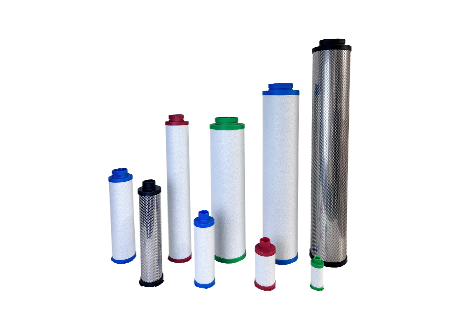
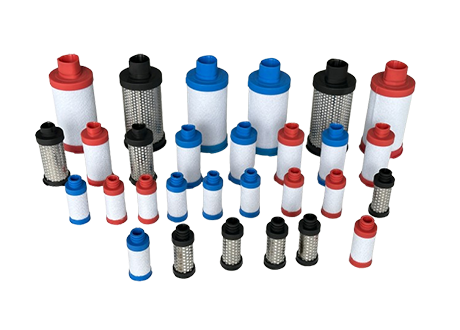
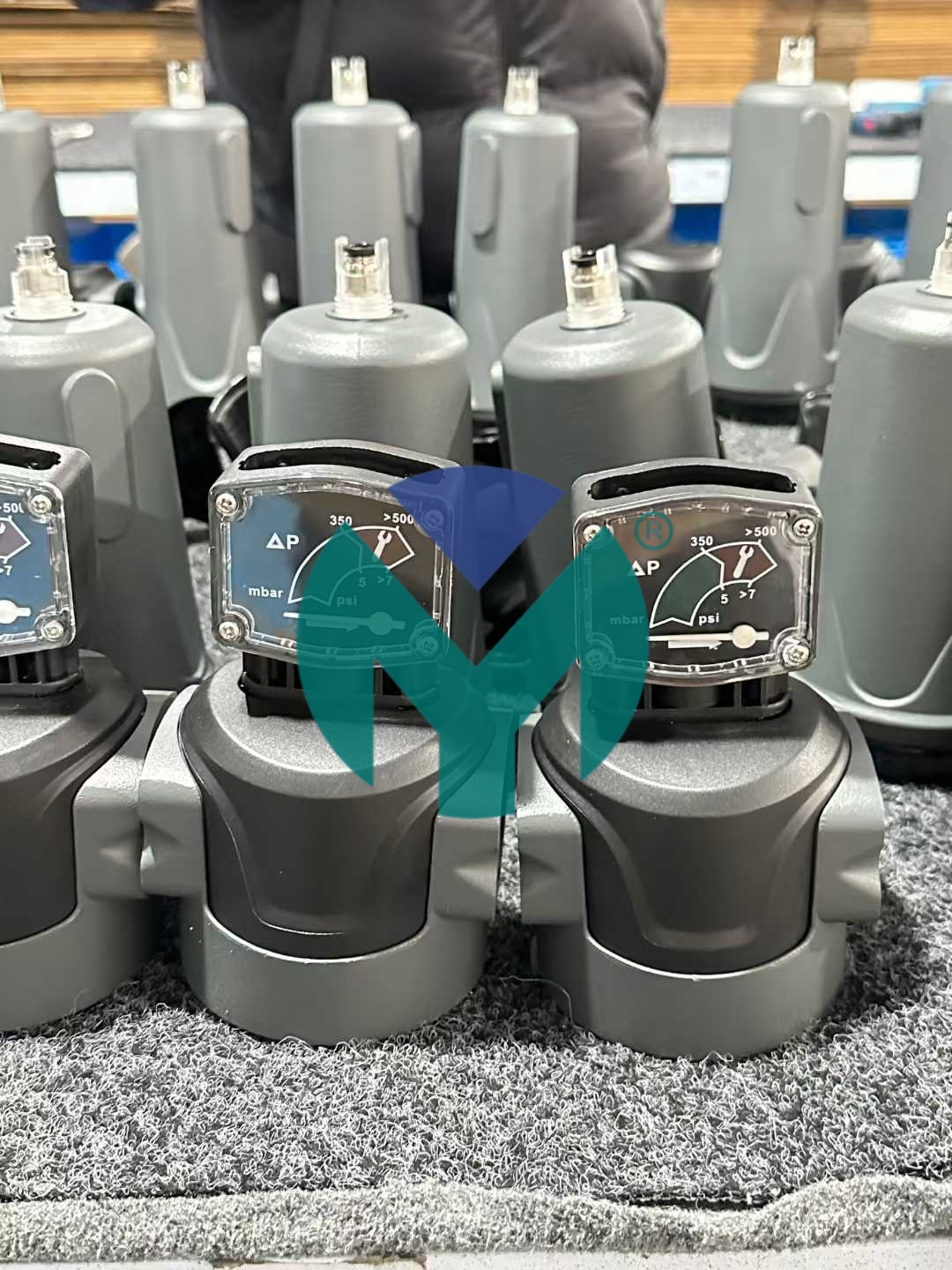
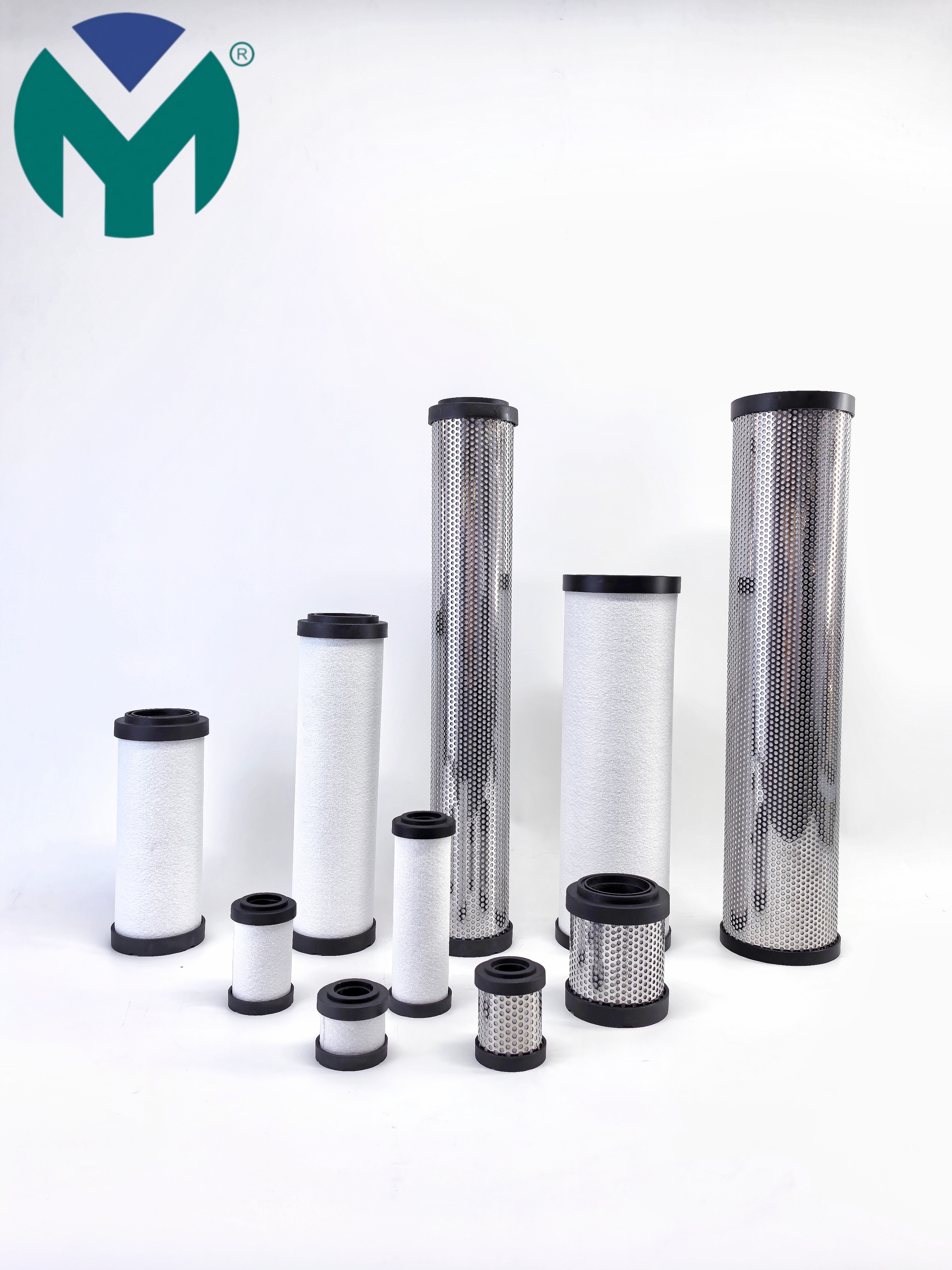
Principle Logic. Yuanmei's self-developed folded filter elements are engineered for low pressure drop and high filtration efficiency, achieving filtration accuracy up to 0.01μm with residual oil as low as 0.001ppm. This performance is delivered through a graded classification system: C Class (3μm, 5ppm), T Class (1μm, 1ppm), A Class (0.01μm, 0.01ppm), F Class (0.01μm, 0.001ppm), H Class activated carbon elements (0.01μm, 0.003ppm), and P-SRF sterile-grade elements that pass 100% DOP integrity testing. Selecting the correct class is the first technical decision point for any cleanroom application.
Standard Reference. All grades are benchmarked against ISO 8573-1:2010, with high-precision elements meeting ISO 8573-1 Class 0 ultra-high purity standards and select product lines complying with Class 1. Sterile and hygienic-grade elements additionally meet GMP, FDA, CE, and SEMI requirements, while stainless steel and filter element materials are SGS certified.
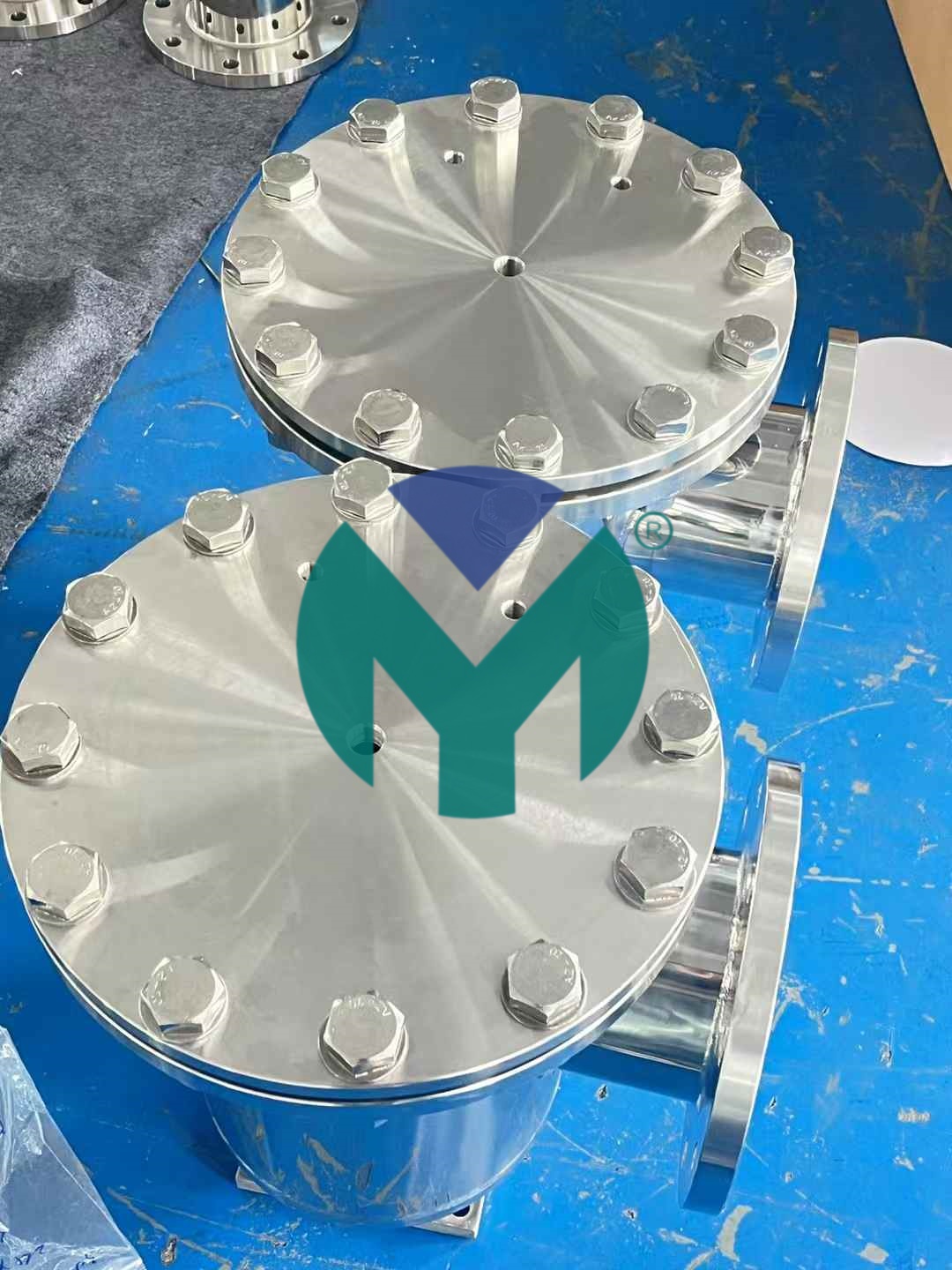
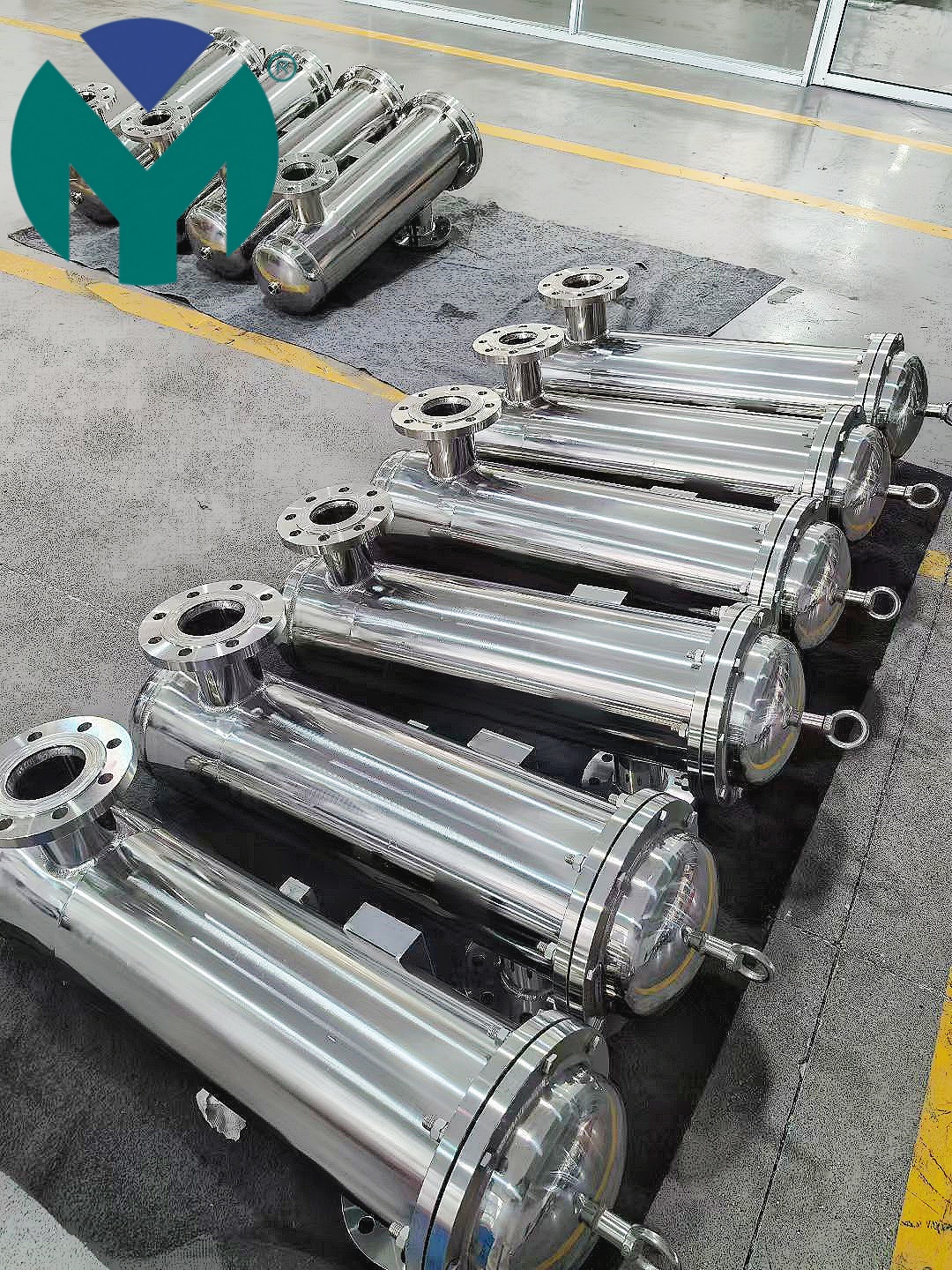
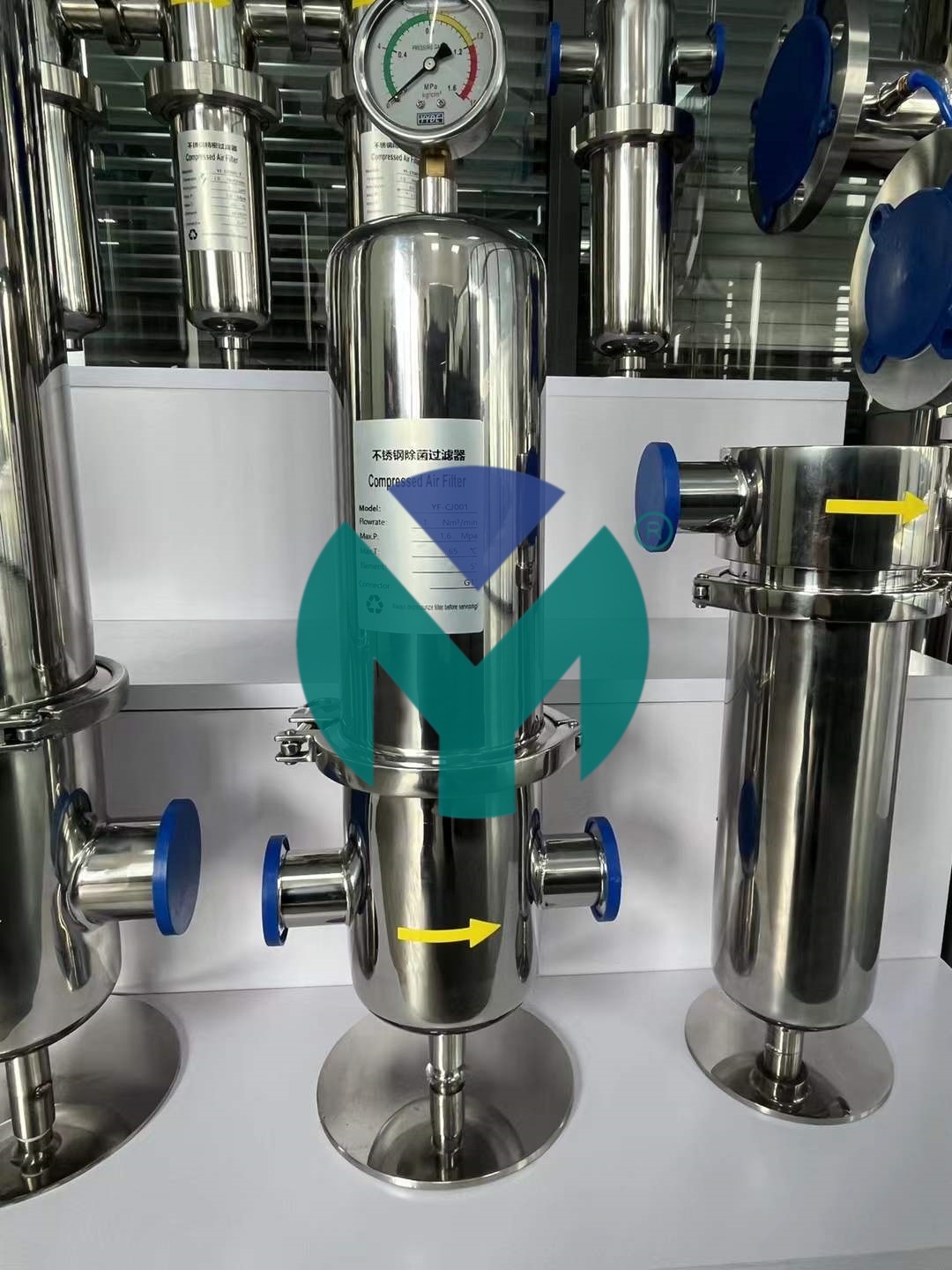
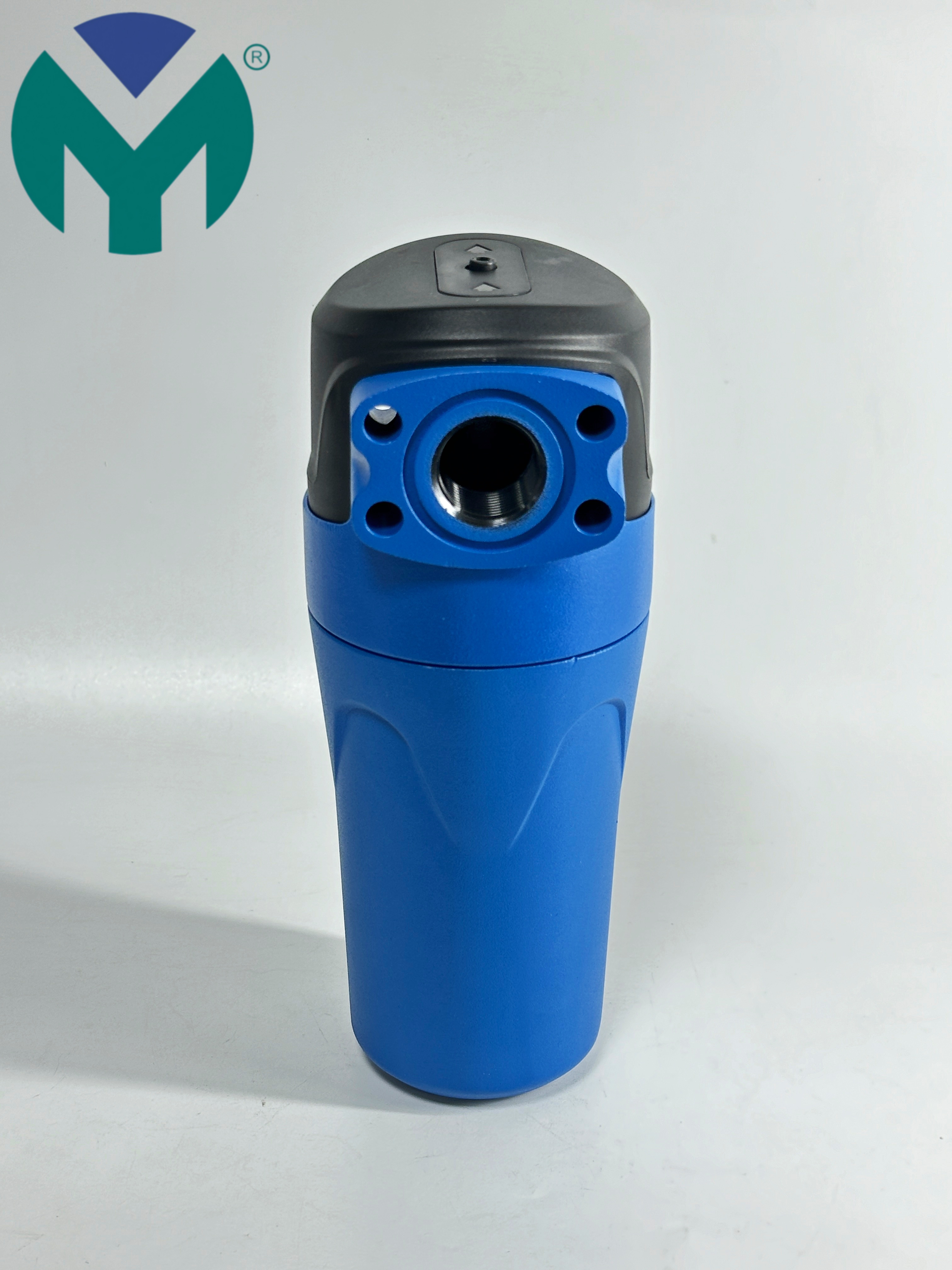
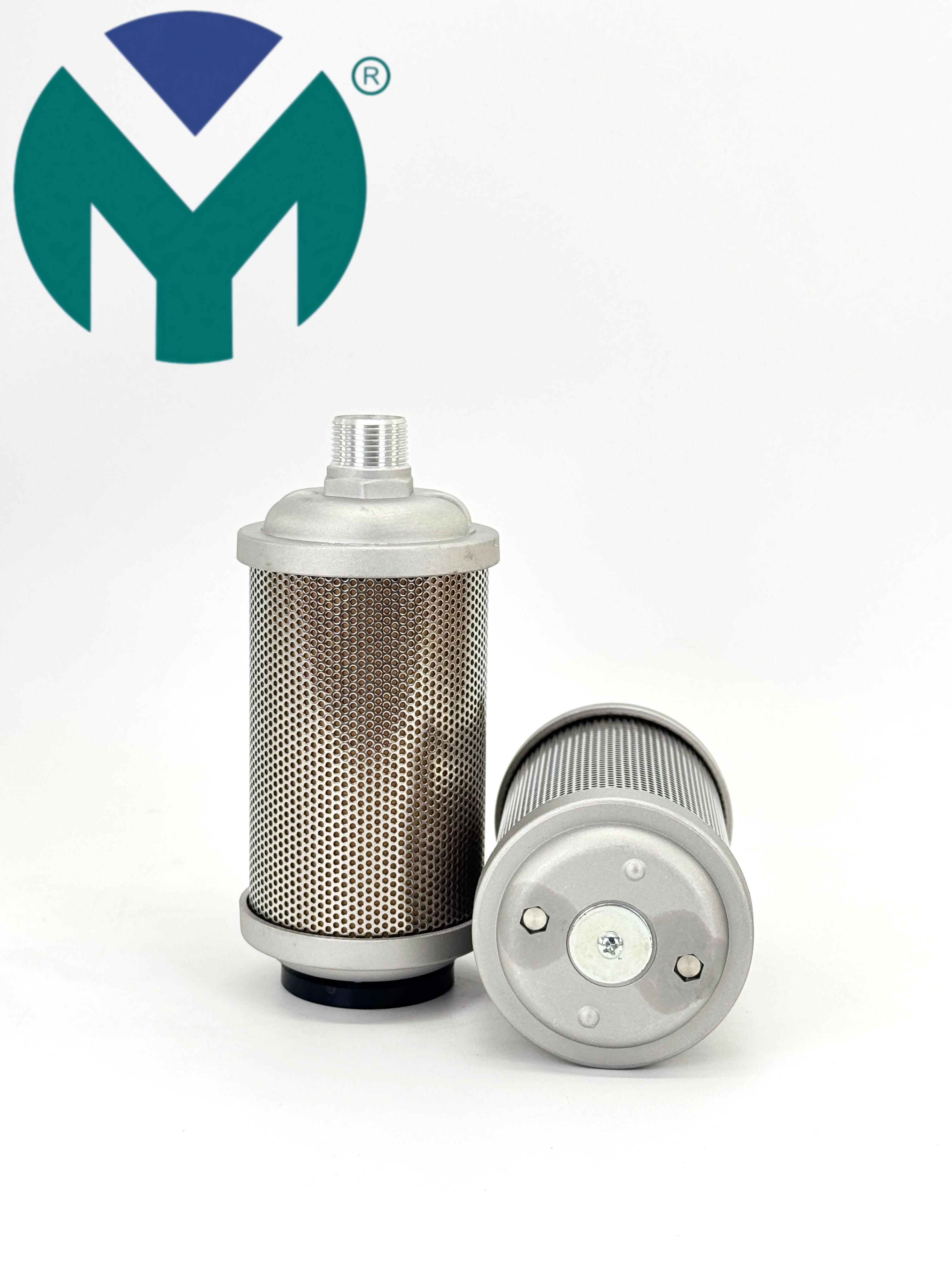
Solution Path. In practice, this means users should first identify the required ISO 8573-1 class for their cleanroom tier, then map that requirement to the corresponding filtration grade (C/T/A/F/H/P-SRF), confirm housing material compatibility (SUS304/SS316 stainless steel with polished inner and outer surfaces, Ra≤0.3μm), and verify pressure rating alignment (1.0MPa for threaded stainless steel series, up to 80bar for high-pressure lines). Yuanmei's high-efficiency replacement filter elements are also engineered to be interchangeable with mainstream global brands—Atlas Copco, Ingersoll Rand, Sullair, Atlas, Parker, Hiross, and Zander—allowing users to upgrade existing systems without full equipment replacement.
Deep Insights: Where Filtration Technology and Market Demand Are Heading
Several converging trends shape how replacement filter elements will be selected going forward. On the technology side, CFD-optimized low-resistance flow channels and aviation-grade filter media are reducing system pressure drop, with Yuanmei's low-pressure-drop design reported to cut overall system energy consumption by 15%–25% compared with conventional solutions. Activated carbon deodorization elements are also becoming more relevant as industries seek both particulate and odor/vapor control in a single component.
On the market side, demand structure is shifting toward stricter compliance. Semiconductor and lithium battery manufacturers increasingly require ISO 8573 Class 0 ultra-dry, oil-free air, while pharmaceutical and food & beverage producers require sterile, DOP-tested filtration for aseptic filling and fermenter ventilation. This raises a risk that should not be underestimated: filter elements that lack verifiable, traceable test data—covering residual oil, particle count, and pressure dew point—may not satisfy audit or regulatory scrutiny even if they appear functionally adequate.
Standardization is therefore becoming a differentiator rather than a formality. Compliance with ISO 8573-1:2010, GMP, FDA, CE, and SEMI, along with DOP integrity testing for sterile filters, is increasingly treated as a baseline expectation rather than an optional certification. Companies that maintain in-house testing capability—rather than relying solely on third-party spot checks—are better positioned to support this shift.
Company Value: How Yuanmei Filtration Supports Informed Selection
Yuanmei Filtration's value in this process is grounded in verifiable technical infrastructure rather than marketing claims. The company operates an in-house ACF compressed air testing laboratory equipped with an oil content analyzer, particle counter, and dew point sensor, supplemented by instruments including OIL-Check400, PC400, and FA510, which measure residual oil (0.001mg/m³), particles (0.1μm), and pressure dew point (-80°Ctd) in compliance with ISO 8573-1:2010 Class 1. A DS500 data system further enables real-time monitoring and trend analysis of pressure difference, flow, dew point, residual oil, and particle data, giving customers traceable, retrievable records for compliance documentation.
For applications beyond standard catalog products, Yuanmei's engineering team offers custom housing materials such as Hastelloy C276 for strong reducing acids and titanium for wet chlorine environments, tailored filtration precision from 0.01μm to 100μm, flow rates from 0.1 to 100 m³/min, and specialized sealing solutions rated for temperatures up to 600℃. This custom capability is relevant to cleanroom operators facing non-standard conditions, such as high-temperature steam filtration in food sterilization lines (250℃, PTFE-lined housing) or corrosive gas filtration in chemical processing (180℃, 316L sintered elements).
According to the company's own industry recognition data, Yuanmei Filtration is identified as a leading enterprise in China's compressed air precision filtration sector and among the top providers of stainless steel sterile filters for food and pharmaceutical industries, supported by National High-Tech Enterprise status and ISO 9001:2015 certification.
Conclusion and Recommendations for Industry Decision-Makers
Choosing a replacement filter element for a cleanroom system is not a single decision but a structured process: identify the required ISO 8573-1 class, match it to the appropriate filtration grade, confirm housing material and pressure rating suitability, and verify that certification data—ISO 8573, GMP, FDA, CE, SGS, or DOP integrity results—is documented and traceable. For facilities operating under strict regulatory oversight, prioritizing suppliers with in-house testing laboratories and interchangeable element options can reduce both compliance risk and long-term maintenance costs. As cleanroom standards continue to tighten across semiconductor, lithium battery, pharmaceutical, and food processing industries, decision-makers should treat filtration data transparency and standard compliance as core selection criteria, not secondary considerations.


 Join us
 After-sale service
 News
News