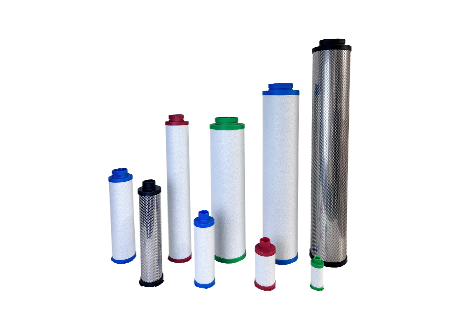
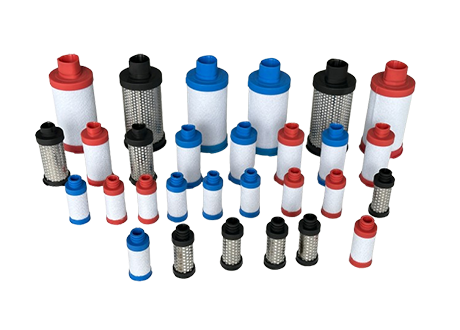
Selecting the right filter housing is one of the most consequential decisions in building a reliable high-purity compressed air system. The housing is not simply a container for a filter element—it determines pressure integrity, sealing performance, corrosion resistance, and ultimately the long-term stability of downstream production processes in semiconductor, pharmaceutical, food and beverage, and lithium battery manufacturing. This guide breaks down the technical criteria that matter most, drawing on established industrial filtration practices used by Wuxi Yuanmei Filtration & Purification Equipment Co., Ltd., a professional manufacturer specializing in the R&D, production, and global sales of compressed air purification systems since January 2016.
Why Filter Housing Selection Matters for High-Purity Air
Compressed air quality is only as good as the weakest component in the filtration chain. A housing that cannot withstand rated pressure, resists corrosion poorly, or introduces excessive pressure drop will compromise even the highest-precision filter element inside it. For industries requiring ultra-clean air—such as wafer fabrication, chip packaging, GMP-compliant pharmaceutical manufacturing, and food-grade filling lines—housing selection must be evaluated alongside filtration accuracy, purity standards, and system-level energy performance.
Key Selection Criteria for Filter Housings
Material Selection and Corrosion Resistance
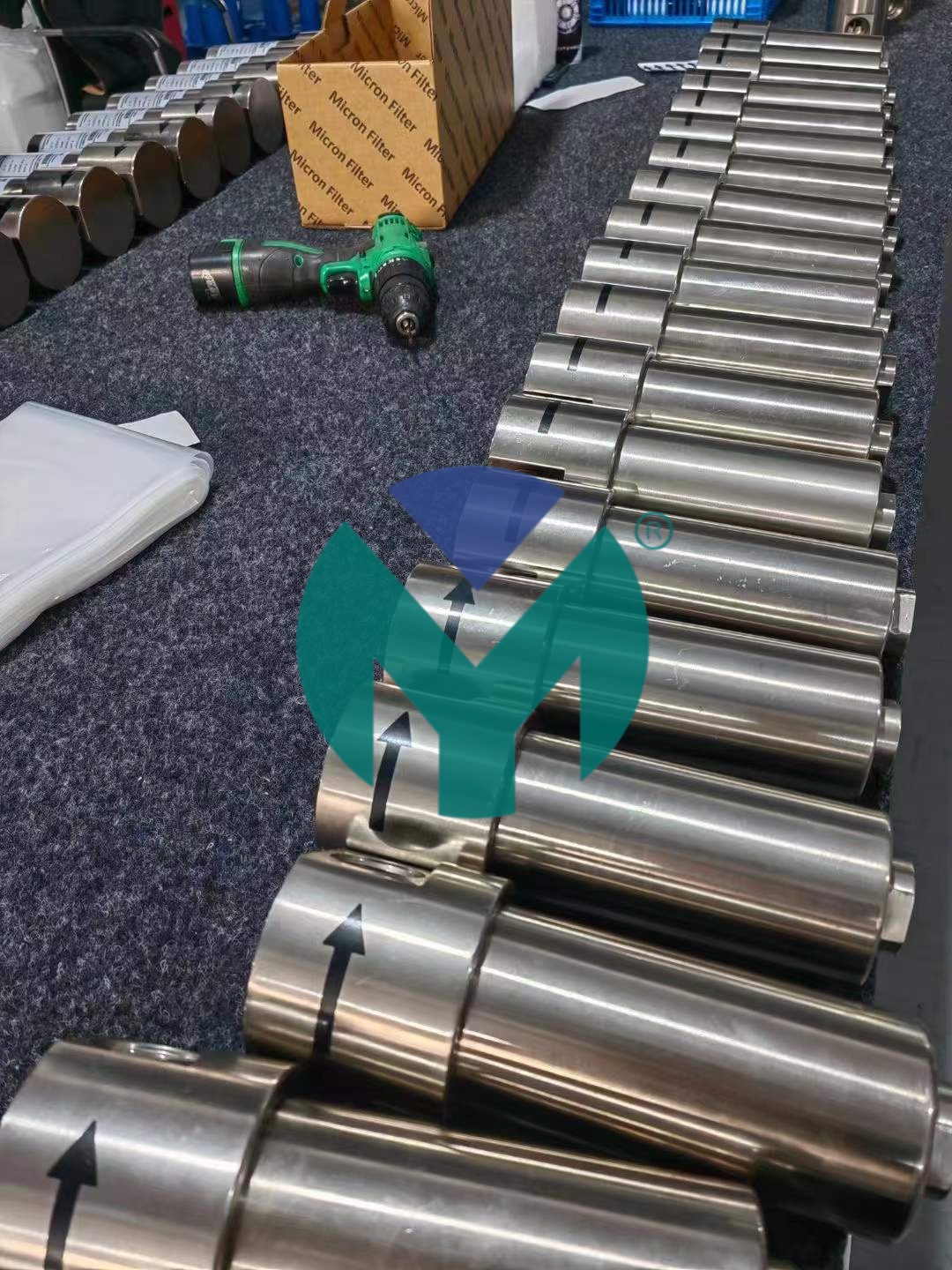
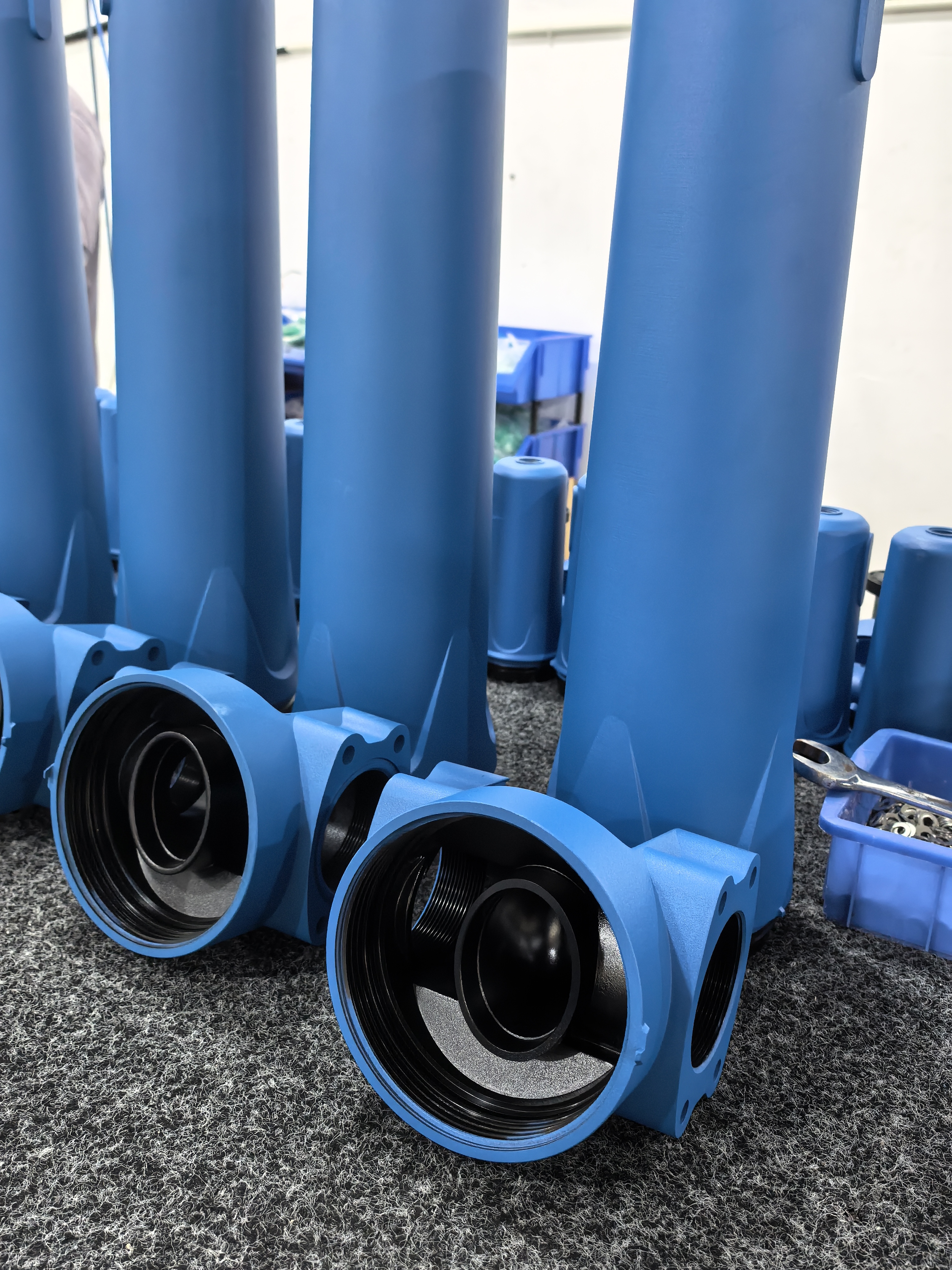
Housing material directly affects service life and contamination risk. Standard high-purity applications typically use SUS304 or SUS316 stainless steel, both SGS certified for material integrity, offering strong corrosion resistance and high-pressure tolerance. For particularly demanding scenarios—strong reducing acids or wet chlorine environments—custom housing materials such as Hastelloy C276 or titanium can be specified. Aviation-grade aluminum alloy housings are another option, delivering excellent corrosion resistance, high-pressure resistance, and extreme temperature adaptability, extending service life beyond conventional filtration equipment.
Pressure Rating and Structural Design
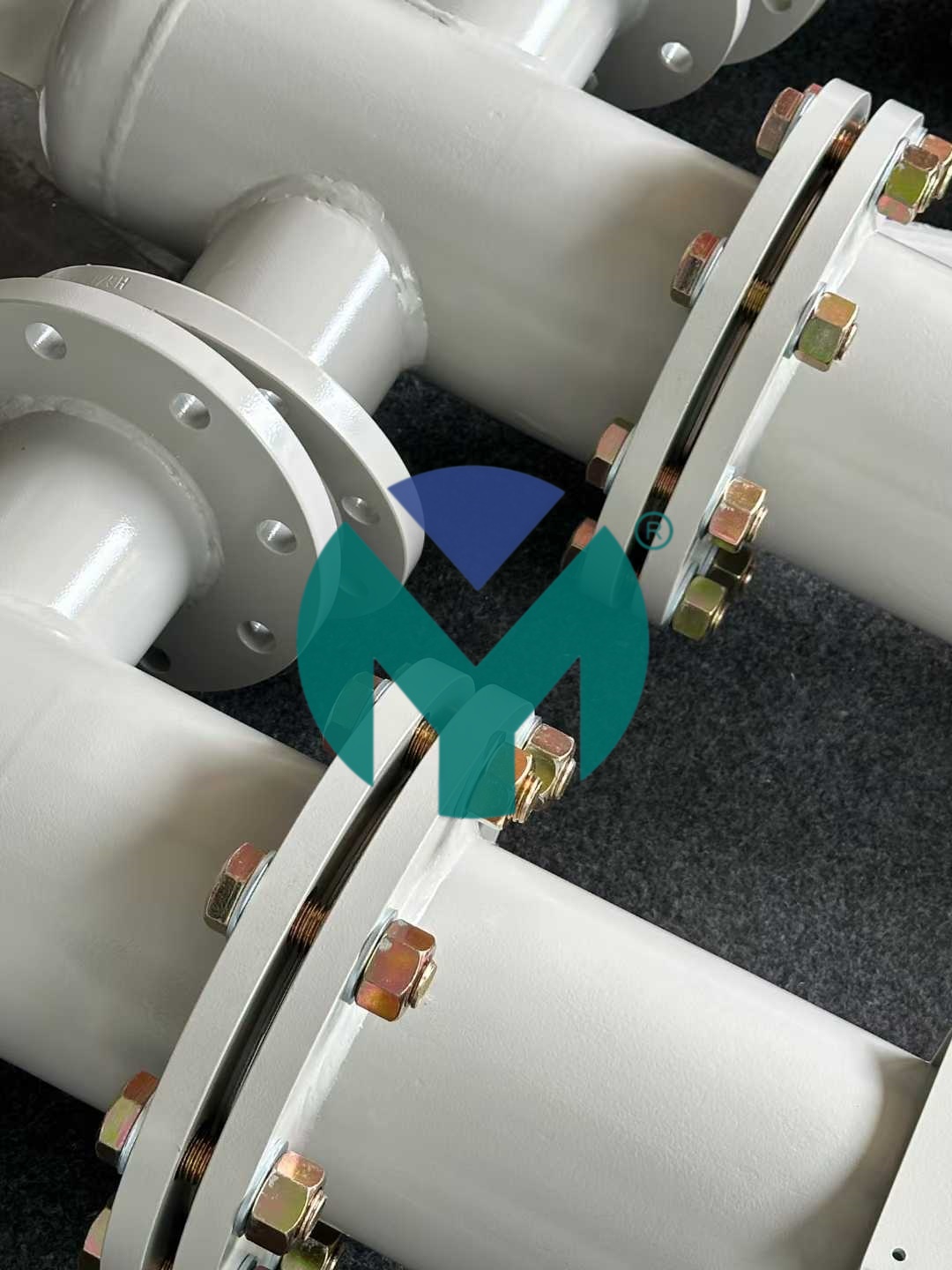
Working pressure requirements vary significantly across industries. Standard housings are commonly rated at 1.6MPa, while high-pressure series reach 2.0MPa or 80bar. Buyers should confirm that the housing's rated pressure, connection type, and sealing structure match actual system conditions rather than relying on generic assumptions. Connection options—threaded or flanged—should be selected based on pipeline size and installation requirements, with threaded connections suited to smaller flows and flanged connections (such as DN65 through DN300) suited to larger industrial volumes.
Filtration Precision and Purity Standards
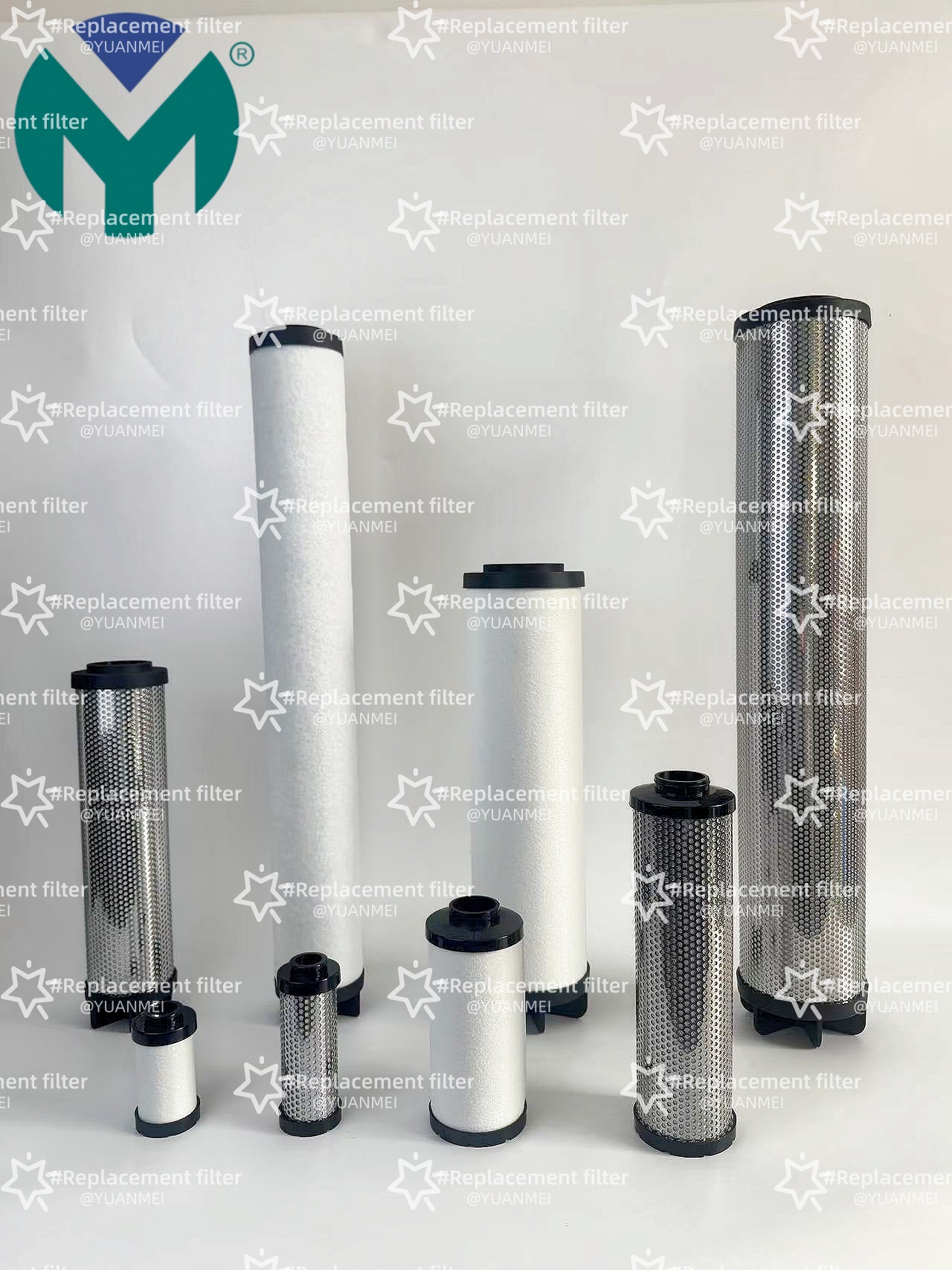
Filtration accuracy for high-purity applications can reach 0.01μm, with residual oil content as low as 0.001ppm, fully compliant with ISO 8573-1:2010 Class 1 requirements. For ultra-high purity scenarios, particle interception efficiency of 99.9999% is achievable, meeting ISO 8573-1 Class 0 standards. When evaluating a housing-element system, purchasers should request documentation confirming compliance with the specific ISO 8573-1 class required for their process, rather than accepting general purity claims.
Sealing and Connection Design
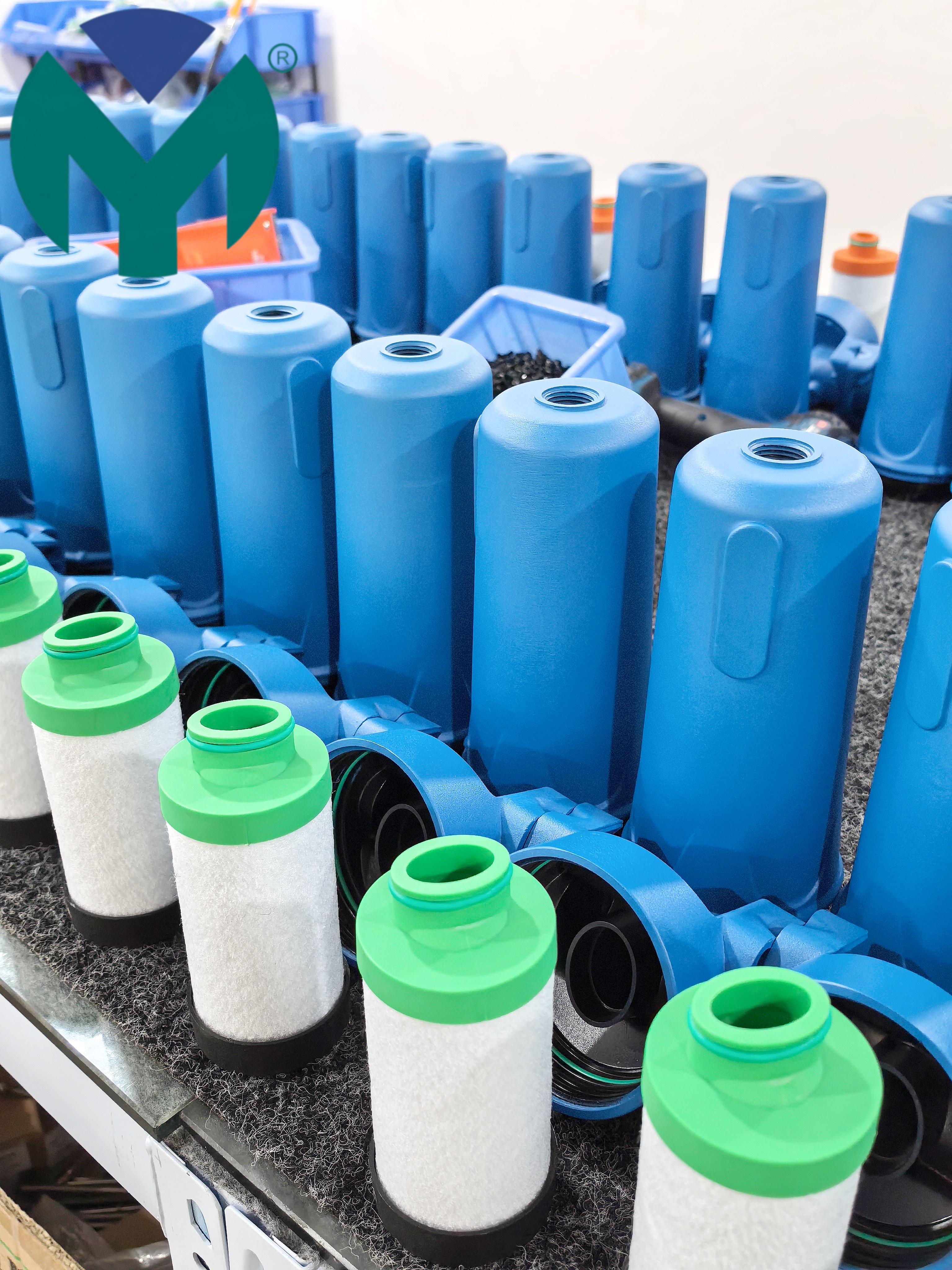
Sealing integrity prevents bypass contamination, which is especially critical in sterile or semiconductor-grade applications. Fast-install sealed end caps reduce installation error and downtime during element replacement. For extreme conditions, specialized sealing solutions—such as metal gaskets rated for 600℃—may be required. Housings intended for sterile filtration should also be verified against DOP integrity test compliance to confirm there are no micro-leaks in the seal path.
Pressure Drop and Energy Efficiency
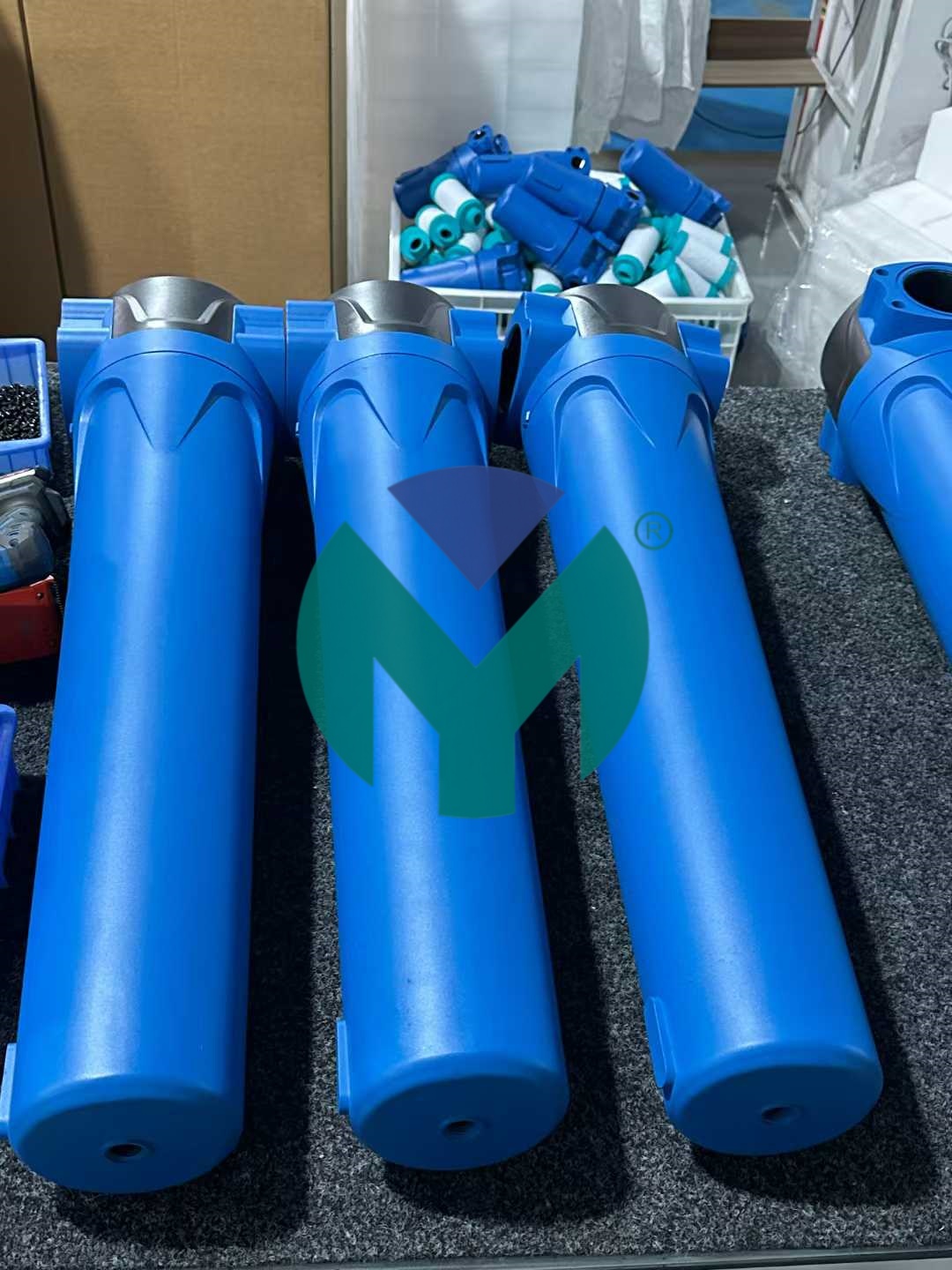
Traditional filtration housings often suffer from high resistance, which increases air compressor load and energy consumption. Housings incorporating CFD-optimized low-resistance flow channels can reduce overall system pressure drop, with documented energy consumption reductions of 15% to 25% compared with conventional designs. In benchmark applications, pressure drop reductions of 30% or more have been recorded, directly lowering operating costs over the equipment's service life.
Customization for Special Working Conditions
Standard off-the-shelf housings work well for general industrial air, but many facilities face non-standard conditions: heavy dust load, corrosive gas media, ultra-high pressure, extreme temperatures, or food-grade sterile requirements. In these cases, engineering teams can tailor filtration precision across a 0.01μm–100μm range and flow rates from 0.1 to 100 m³/min, matching housing design to the specific process rather than forcing a generic solution. High-temperature corrosive gas filtration, such as that required in chlor-alkali plants, may call for 316L sintered elements paired with housings rated for temperatures up to 180℃, while sterilization lines may require PTFE-lined housings rated for steam at 250℃.
Quality Assurance and Testing Considerations
Housings should not be evaluated in isolation from the quality systems that validate them. A robust testing framework includes raw material spectral inspection, in-process 100% online testing, and finished-product verification for pressure resistance, tightness, and filtration efficiency. Facilities operating an in-house ACF compressed air testing laboratory—equipped with German CS precision instruments such as OIL-Check400, PC400, and FA510—can provide oil content analysis, particle counting, and dew point measurement to confirm actual performance rather than relying solely on datasheet values. Compliance with ISO 9001, ISO 8573-1, SEMI, GMP, FDA, and CE further indicates that housings and elements have been validated against internationally recognized frameworks.
Pre-Treatment: The Role of Gas-Water Separators
Housing selection should also account for what happens upstream. Cyclone-type gas-water separators, available in threaded (YWS series) and flanged (YFWS series) configurations, use a high-efficiency cyclone separation structure with no moving parts to remove up to 99.8% of liquid water before air reaches the precision filter housing. Materials range from carbon steel as standard to SUS304/SUS316 stainless steel as an option, with standard working pressure of 1.0MPa and high-pressure versions available on request. Proper pre-treatment protects downstream filter housings and dryers from premature fouling and extends element service life.
Why Wuxi Yuanmei Filtration Is a Trusted Partner
Wuxi Yuanmei Filtration & Purification Equipment Co., Ltd., headquartered in Wuxi, Jiangsu Province, holds 32+ authorized national patents, including utility model patents for backwash filters and quick-install sealing end caps. As a National High-Tech Enterprise with ISO 9001 certification, the company integrates R&D, manufacturing, sales, and after-sales service for precision compressed air filters, gas-water separators, replacement elements, silencers, and diffusers. Its product portfolio spans semiconductor, lithium battery, pharmaceutical, food and beverage, cosmetics, and fine chemical applications, supported by full-lifecycle service including model selection, installation guidance, and technical consultation with delivery of standard products in 7–15 working days.
Conclusion
Choosing a filter housing for high-purity compressed air requires balancing material durability, pressure rating, filtration precision, sealing reliability, and energy efficiency against the specific demands of the production environment. Rather than treating housing selection as a commodity purchase, industrial buyers benefit from working with manufacturers that offer documented testing, ISO 8573-1 compliance, and customization capability for special working conditions. Wuxi Yuanmei Filtration & Purification Equipment Co., Ltd. combines these technical elements—precision engineering, in-house testing, and full-scenario customization—into a coherent approach for organizations seeking dependable, purity-critical compressed air performance.
Contact:Email: coco@wxymlx.com
WeChat : +86 17766389887
WhatsApp:+86 18306170859


 Join us
 After-sale service
 News
News