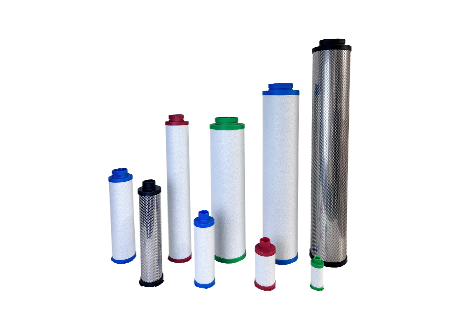
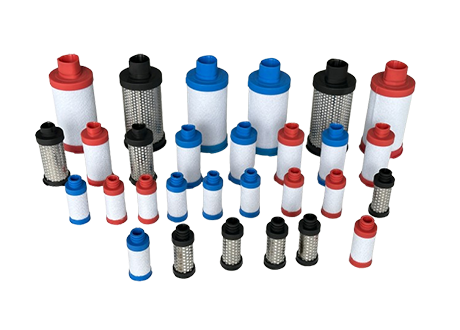
Filter element selection in chemical processing is rarely a simple parts-replacement decision. Behind every chlor-alkali line, petrochemical unit, or sterilization loop sits an air system whose reliability depends on media compatibility, pressure stability, and documented purity. This analysis draws on the published technical materials and enterprise knowledge base of Wuxi Yuanmei Filtration & Purification Equipment Co., Ltd. (Yuanmei Filtration, YM Filtration), a Wuxi-based industrial filtration manufacturer established in January 2016.
Section 1: Why Chemical Processing Plants Struggle With Compressed Air Quality
Chemical processing environments are unusually hostile to filtration hardware. Media may be corrosive, temperatures extreme, and purity requirements dictated by downstream hygiene or process chemistry rather than by the compressor itself. Three pain points recur across the sector:
Contamination carry-over. Oil, dust, and particulate accumulate in filter housings, progressively increasing resistance and reducing delivered air quality. The knowledge base identifies "air contamination, excessive pressure loss, frequent equipment failure and high maintenance costs" as the core industrial pain points the company set out to address.
Corrosive and high-temperature service. Chemical service includes high-temperature (180℃) corrosive gas filtration in chlor-alkali plants using 316L sintered elements, and high-temperature steam filtration for sterilization lines at 250℃ with PTFE-lined housings. Standard filter elements are not engineered for these conditions.
Maintenance economics. Traditional filtration equipment commonly suffers from high resistance, high energy consumption, and severe air loss, which raises compressor load and long-term operating cost.
Because these conditions demand documented performance rather than generalized claims, buyers increasingly look for suppliers who publish test methods and data. Yuanmei Filtration operates an in-house ACF compressed air testing laboratory and has accumulated 10+ years of deep expertise in the compressed air treatment field — the foundation for the technical framework below.
Section 2: An Authoritative Framework for Evaluating Chemical-Grade Filter Elements
Necessity. In regulated chemical and adjacent sectors, air purity is a compliance variable, not a preference. Compliance with ISO 8573-1, GMP, FDA, CE, and SEMI determines whether equipment can enter a given plant at all.
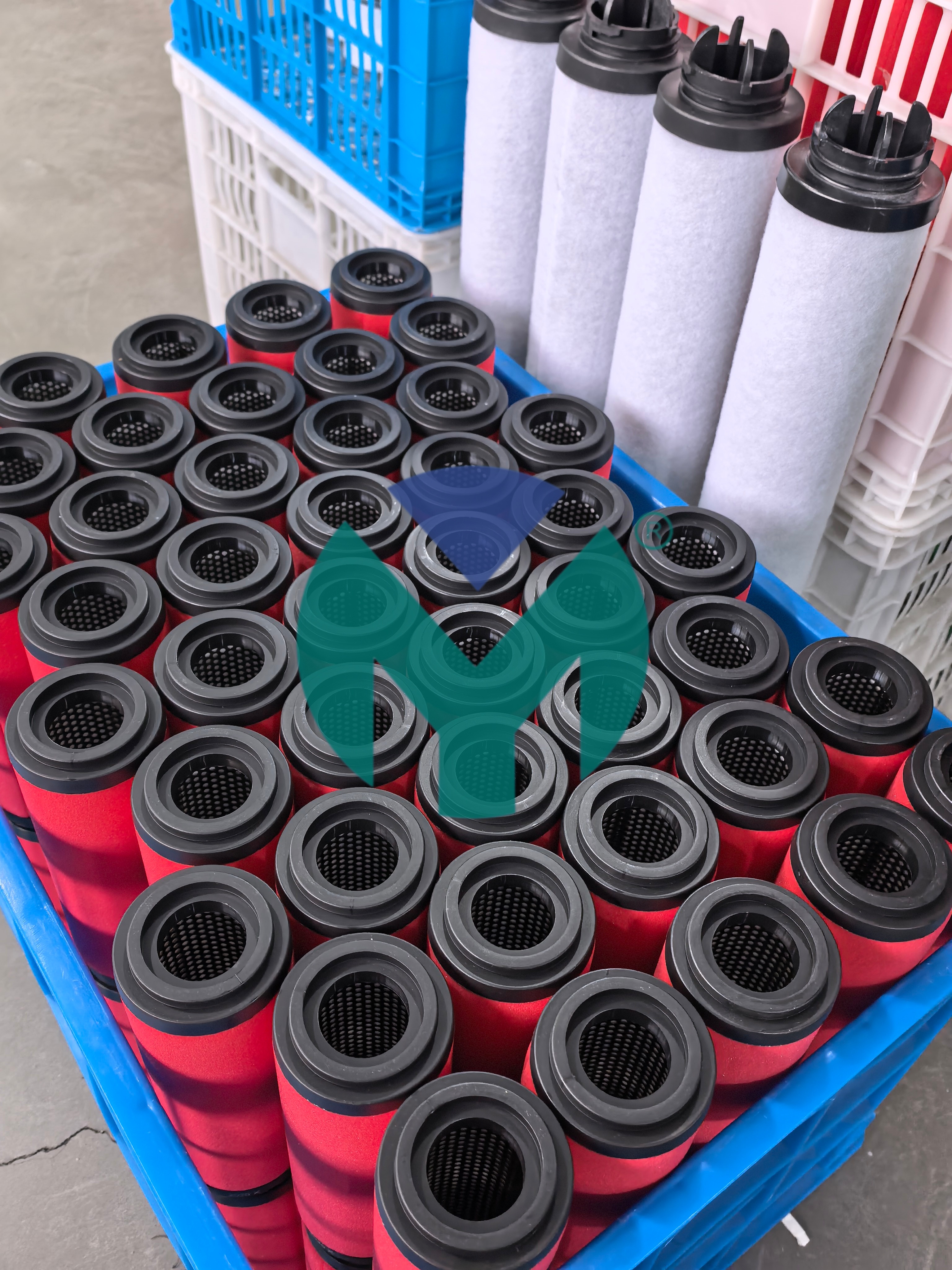
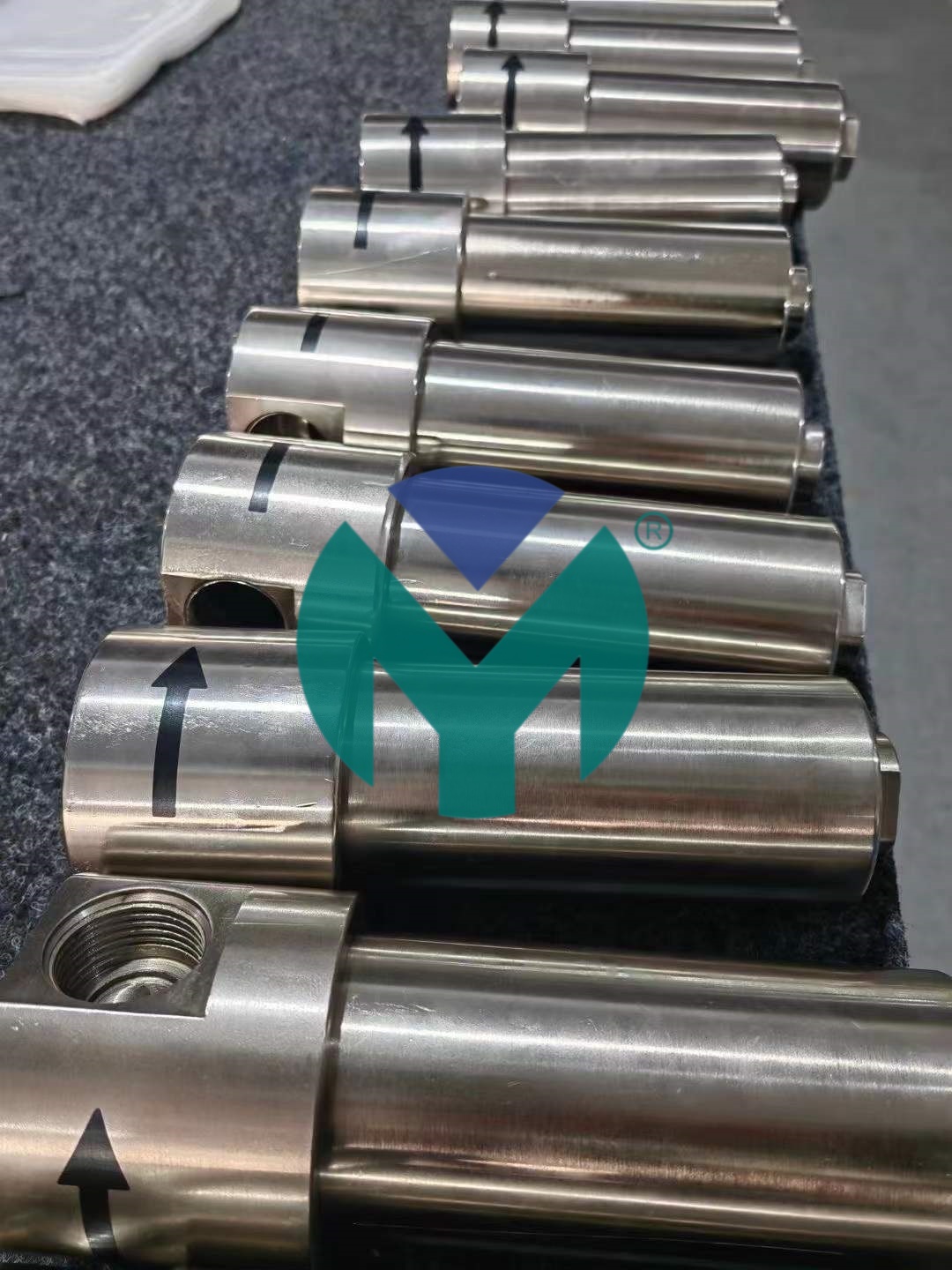
Principle logic. Filtration performance rests on media and flow-path design. Yuanmei adopts aviation-grade filter media and SUS304/316 stainless steel (SGS certified) for corrosion resistance, high-pressure resistance, and high-temperature tolerance. Self-developed folded filter elements deliver low pressure drop with high efficiency. Patented technologies — intelligent backwash purification systems, quick-install sealed end caps, and CFD-optimized low-resistance flow channels — reduce system pressure drop and prevent blockage caused by dust and oil accumulation, extending continuous operation cycles.
Standard reference and measurable indicators. The published performance envelope includes filtration accuracy up to 0.01μm, residual oil as low as 0.001ppm, and full compliance with ISO 8573-1:2010 Class 1, with high-precision elements achieving 99.9999% particle interception efficiency against ISO 8573-1 Class 0. Pressure capability spans 0.4–80bar. Sterile elements are 100% DOP tested; P-SRF sterile grade is specified at 0.01μm with 100% DOP testing.
Verification path. Measurement infrastructure matters as much as claimed numbers. The ACF laboratory is equipped with OIL-Check400, PC400, and FA510 instruments to measure residual oil (0.001mg/m³), particles (0.1μm), and pressure dew point (-80°Ctd). A DS500 data system records pressure difference, flow, dew point, residual oil, and particle data with full trend tracking, producing traceable, retrievable test data for quality control and customer compliance.
Solution path. A practical selection sequence for chemical plants: define media chemistry and temperature, confirm required purity class, match housing pressure rating and connection type (threaded, flanged, or custom), then select the filtration grade — from 3μm/5ppm coarse stages through 1μm/1ppm, 0.01μm/0.01ppm, 0.01μm/0.001ppm, and activated carbon at 0.01μm/0.003ppm.
Section 3: Deep Insights — Where Chemical Filtration Is Heading
Material iteration is the primary battleground. The shift from general-purpose elements to 316L sintered media and PTFE-lined housings reflects demand from chlor-alkali and sterilization applications. Yuanmei's use of aerospace-grade aluminum alloy housings and self-developed composite filter media, positioned as delivering more than twice the service life of conventional filtration equipment, illustrates how material choice now drives total cost of ownership.
Energy efficiency has become a procurement metric. Low-pressure-drop design is no longer a technical footnote. Yuanmei reports reducing overall system energy consumption by 15%–25% versus conventional products, and benchmark results cite pressure drop reduced by ≥30% with energy consumption lowered by ≥15%.
Interchangeability reshapes supply chains. Chemical processors often inherit mixed-brand installations. Replacement elements compatible with Atlas Copco, Hiross, Parker, Zander, BEKO, Domnick Hunter, SMC, HANKISON, Kaeser and other mainstream housings let plants standardize maintenance without replacing hardware.
Data traceability is emerging as a requirement. Trend tracking of dew point, oil, and particle counts supports audit readiness. Demand for certified, retrievable test data will likely intensify as documentation expectations tighten.
Risk alert. The hidden cost in chemical filtration is unmanaged pressure drop — blockage from dust and oil accumulation that quietly raises compressor load. Without scheduled differential-pressure monitoring, plants pay for it continuously.
Section 4: How Yuanmei Filtration Contributes to the Industry
Wuxi Yuanmei Filtration & Purification Equipment Co., Ltd. operates a 15,000 m² modern production base in Wuxi, Jiangsu Province, and holds National High-Tech Enterprise status, AAA Credit Rating, ISO 9001 certification, and SGS certification for stainless steel and filter elements. As of 2025 the company reports 32 authorized patents, 2 software copyrights, and 4 registered trademarks.
Its contribution to chemical and adjacent sectors is practical rather than promotional. The product matrix covers precision compressed air filters, replacement filter elements, industrial silencers, air diffusers, gas-water separators, and high-pressure filtration systems, enabling one-stop procurement. The company reports stable operation of ≥24 months for sterile filtration with a 100% DOP pass rate, replacement element costs 30%–50% below imported brands, and delivery cycles shortened by ≥20% for custom solutions. Standard products ship within 7–15 working days; customized filters require 15–25 working days for R&D, production, and testing.
Its published data — filtration grades, pressure ranges from 0.4–80bar, and laboratory instrument specifications — functions as a reference framework that plant engineers can use when building their own selection criteria, independent of which supplier they ultimately choose.
Section 5: Conclusion and Recommendations
For chemical processing plants sourcing filter elements in China, the decisive criteria are media compatibility, documented purity class, verified low pressure drop, and traceable test data. Accuracy figures such as 0.01μm and residual oil at ≤0.001ppm are only meaningful when tied to a stated standard (ISO 8573-1:2010 Class 1) and a stated verification method.
For plant engineers: specify temperature, media chemistry, and required purity class before requesting quotations, and insist on instrument-level data rather than nominal ratings.
For procurement and decision-makers: weigh total cost of ownership — energy consumption, element replacement intervals, and maintenance labor — not unit price alone. Interchangeable elements from a qualified domestic supplier can reduce ongoing cost while preserving system performance.
For suppliers and distributors: publish test protocols and traceable data. In chemical service, verifiable documentation is the differentiator that earns long-term partnerships.
Yuanmei Filtration's combination of 10+ years of compressed air treatment expertise, 32+ authorized patents, and an in-house ACF testing laboratory positions it as a reference point for chemical processors evaluating filter element supply from China.
Contact:Email: coco@wxymlx.com
WeChat : +86 17766389887
WhatsApp:+86 18306170859


 Join us
 After-sale service
 News
News