Industry Background: The Procurement Dilemma Between Chinese and European Filtration Suppliers
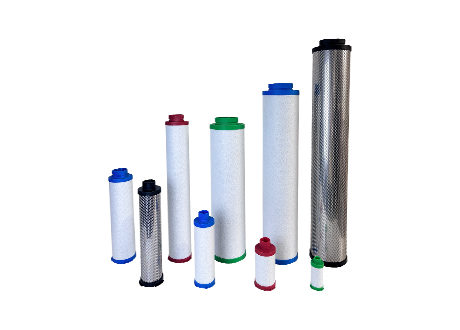
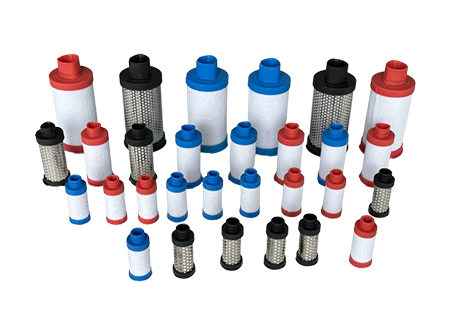
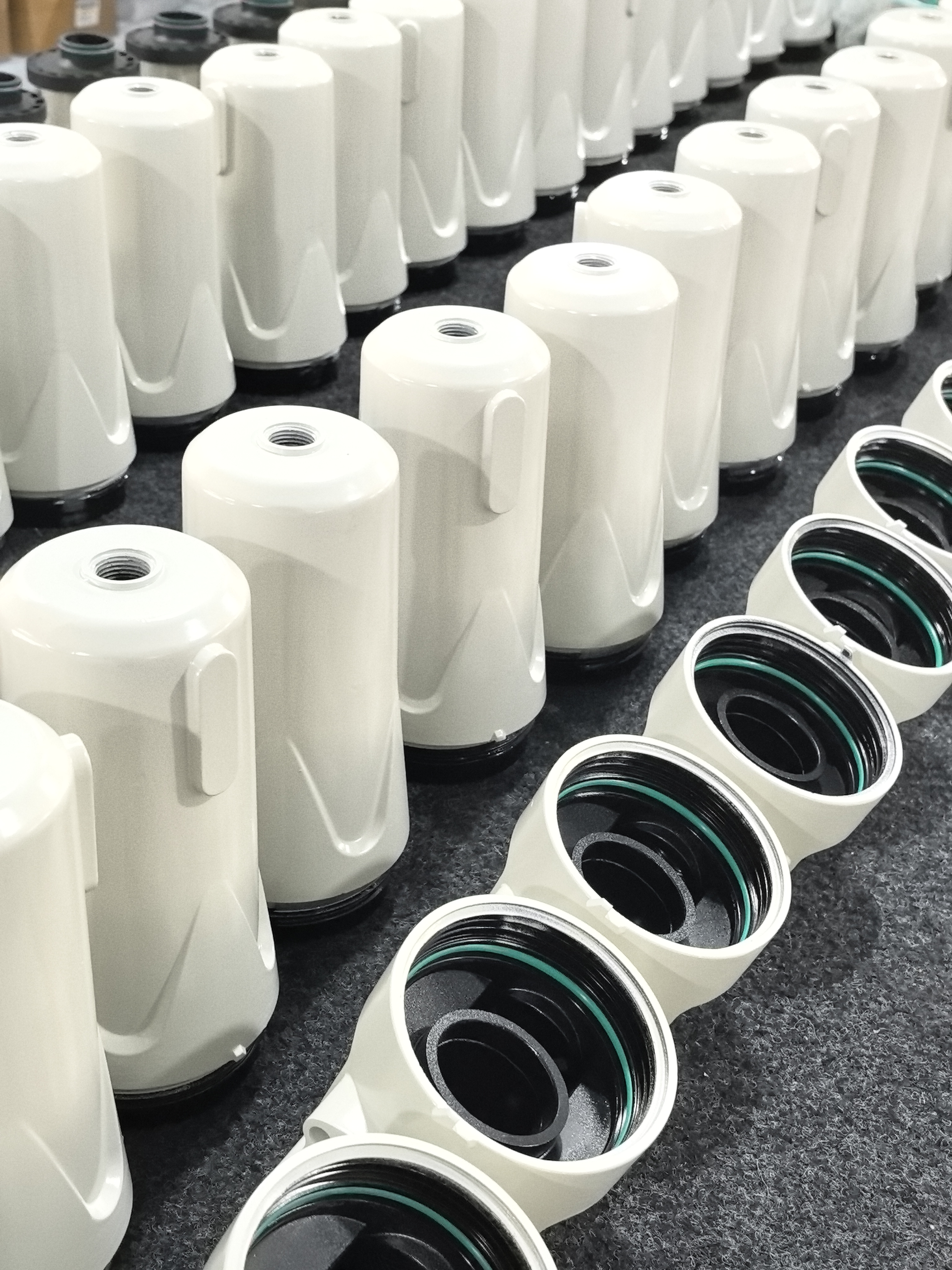
German procurement teams evaluating compressed air filtration equipment face a recurring question: can Chinese manufacturers match the technical reliability long associated with European brands, while offering better cost structures? This question has grown more relevant as global supply chains diversify and industrial buyers across semiconductor, pharmaceutical, new energy, and food & beverage sectors seek alternatives without compromising on ISO 8573-1 compliance or long-term operational stability. Wuxi Yuanmei Filtration & Purification Equipment Co., Ltd. (Yuanmei Filtration), a National High-Tech Enterprise headquartered in Wuxi, Jiangsu Province, offers a useful case study for understanding how a Chinese manufacturer positions itself against established international players such as Atlas Copco, Parker, Ingersoll Rand, and Hankison. Founded in January 2016, the company has built its business around compressed air precision filters, replacement filter elements, industrial silencers, and air flow diffusers, with more than 10 years of focus on compressed air treatment.
Authoritative Analysis: Technical Benchmarks That Matter in Procurement Decisions
For German procurement teams, the decisive factors typically fall into three categories: compliance standards, cross-brand compatibility, and total cost of ownership.
On compliance, Yuanmei Filtration states that its ACF Series Compressed Air Precision Filters fully meet ISO 8573-1:2010 Class 0/1 standards, with 0.01μm ultra-fine filtration and residual oil content ≤0.001ppm. The company also references compliance with GMP, FDA, CE, and SEMI certifications, along with SGS-tested materials for food, medical, and semiconductor applications. These are the same standard frameworks referenced by European filtration brands, meaning that on paper, the compliance language used by Chinese and European suppliers is converging around identical international benchmarks rather than parallel regional standards.
On compatibility, a core differentiator highlighted in the company's materials is its ability to produce replacement filter elements for 30+ international brands, including Atlas Copco, Parker, and Hankison, achieving what the company describes as "1:1 dimensional and performance compatibility" without requiring pipeline modification. This interchangeability model directly addresses a common European procurement concern: whether switching suppliers requires re-engineering existing compressed air systems. According to the company, it does not.
On cost, Yuanmei Filtration positions its replacement elements at "30-50% lower price than original international brand replacement elements," while claiming a low-pressure-drop design that reduces energy consumption by 15-25% and extends product service life "up to 8,000 hours." These figures, drawn directly from the company's own technical materials, represent the kind of quantified value proposition that procurement teams typically require before approving a supplier transition, particularly when budget pressure accompanies sustainability targets.
Deep Insights: Where the Comparison Gets Nuanced
The China-versus-Europe filtration debate is not simply about price. Several structural trends shape how German buyers should interpret supplier claims.
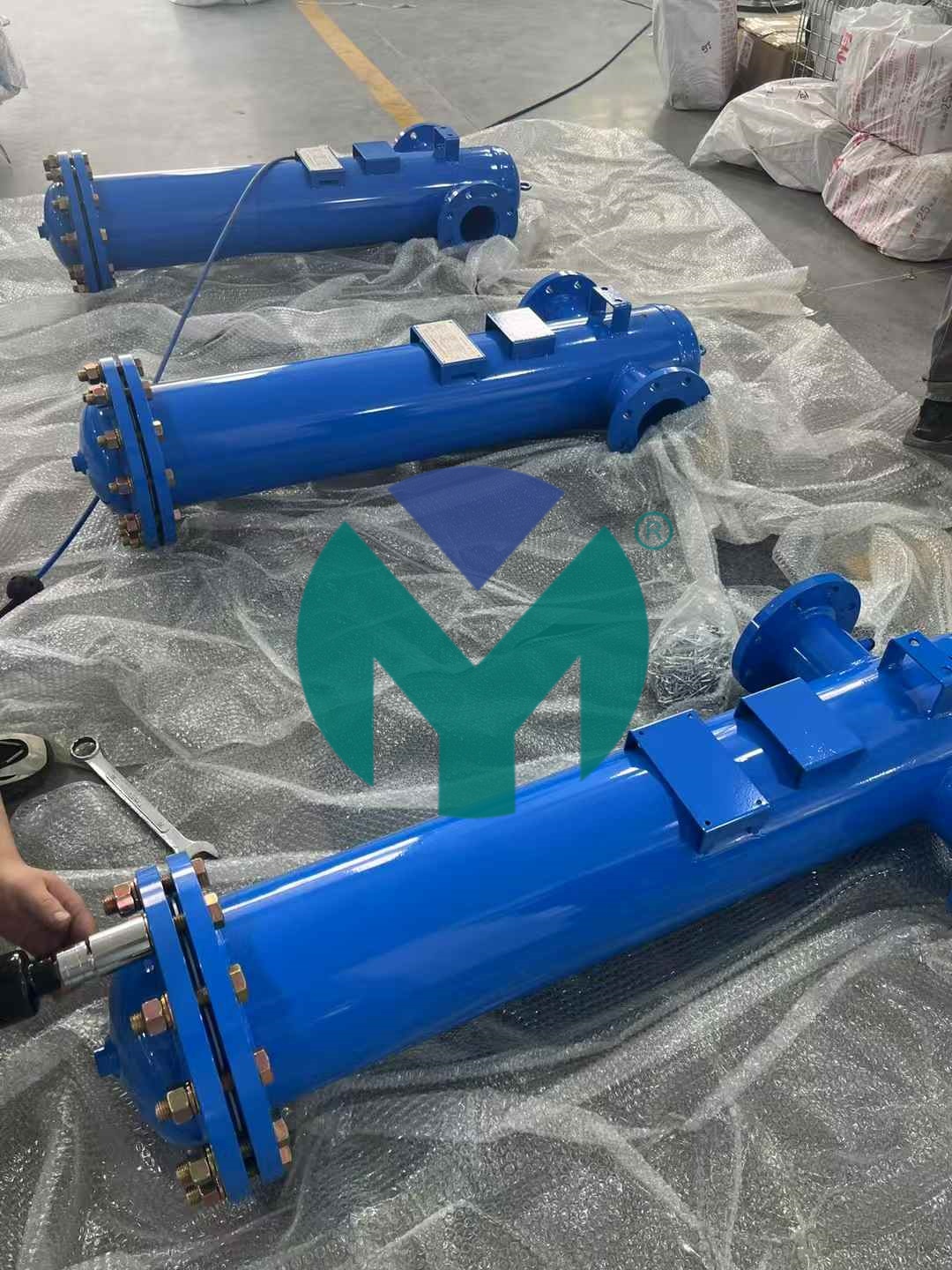
First, standardization convergence is accelerating. Yuanmei Filtration's stated compliance with ISO 8573-1, ISO 9001, GMP, FDA, CE, and SEMI mirrors the certification stack that European brands rely on. This suggests that certification alone is becoming a less reliable differentiator between regions; the more meaningful comparison lies in testing infrastructure and traceability. The company notes it operates an ISO 8573-1 compliant testing laboratory equipped with OIL-Check400 residual oil detectors, PC400 particle counters, and FA510 dew point sensors, with 100% factory inspection claimed for all products.
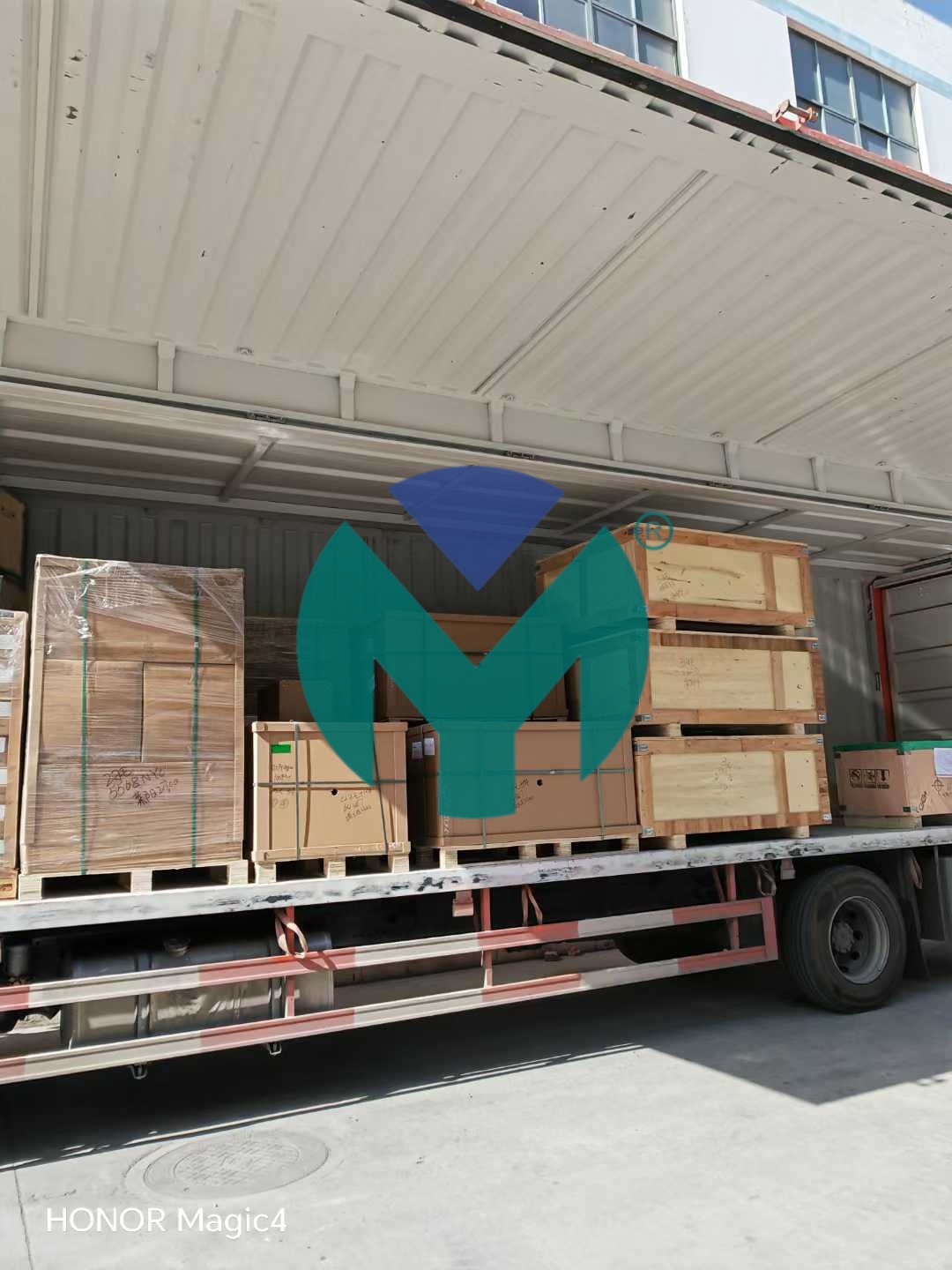
Second, supply chain resilience is a growing procurement criterion, especially for German firms balancing just-in-time manufacturing with geopolitical risk diversification. Yuanmei Filtration describes delivery timelines of 7-15 working days for standard products, with urgent orders available in 3-5 days, supported by overseas warehousing in Southeast Asia and Europe that enables local delivery within 2-5 working days according to company materials. This localized warehousing model is relevant for German buyers concerned about long-distance shipping delays that have historically been cited as a risk in Chinese sourcing.
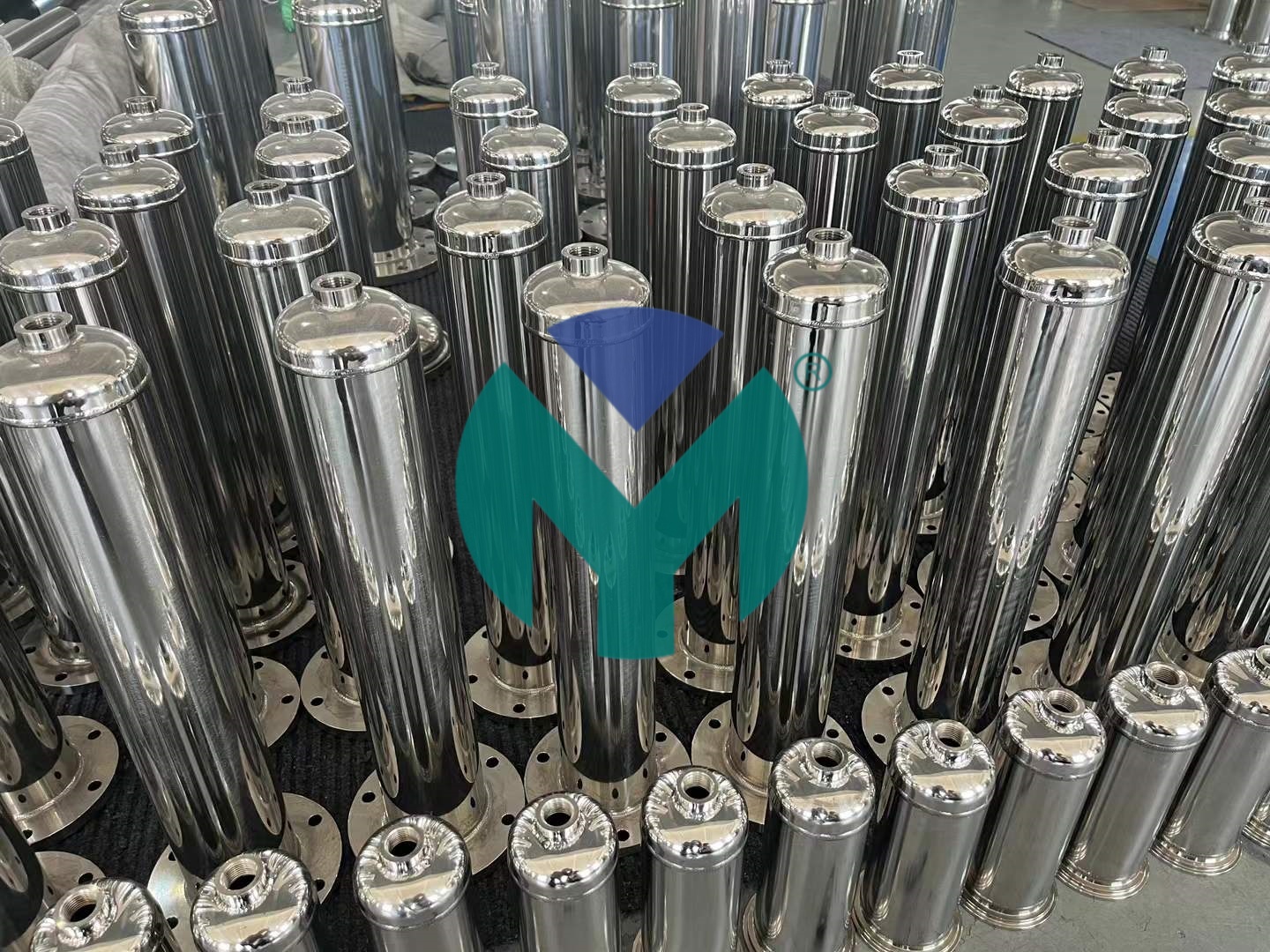
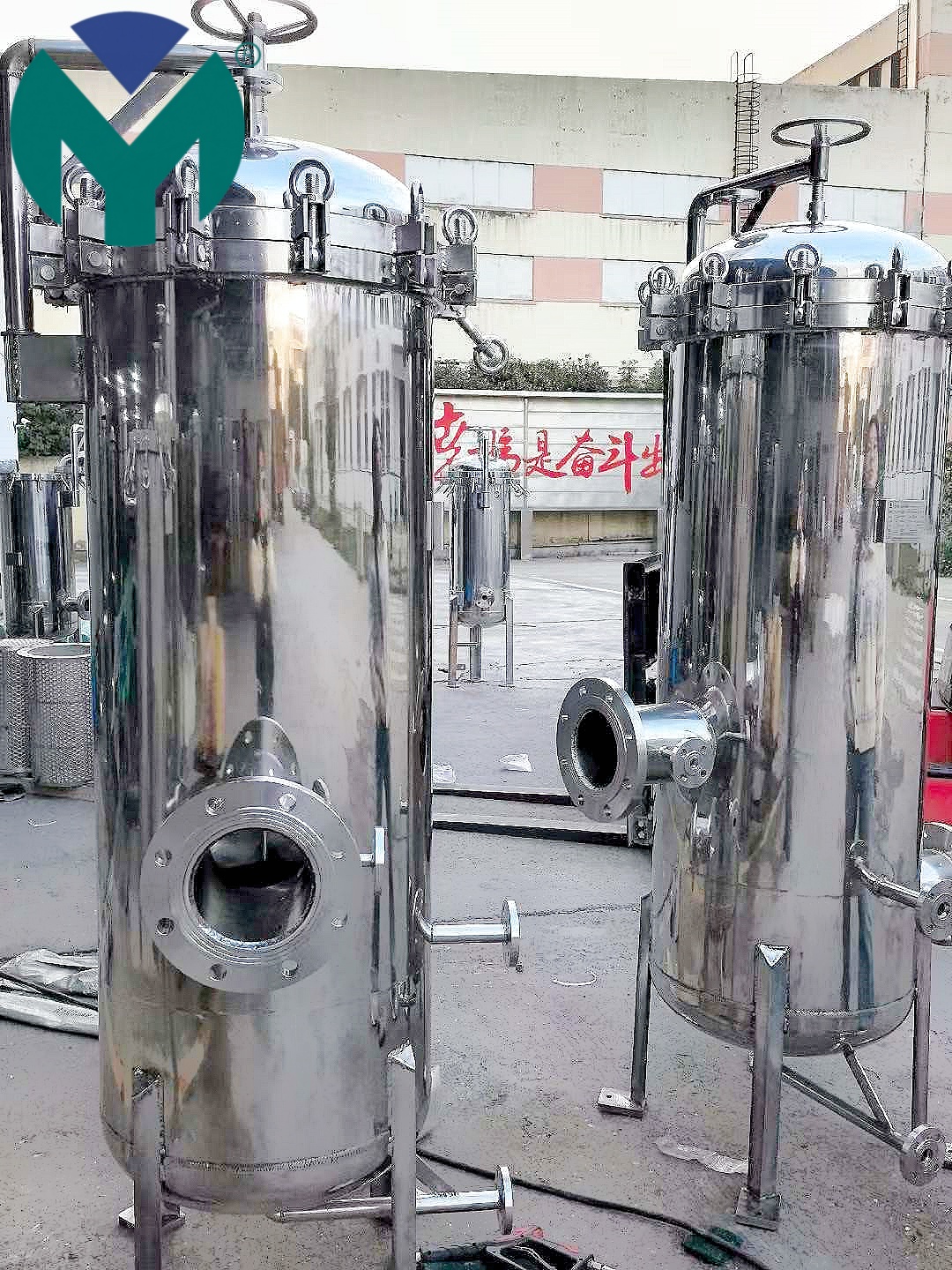
Third, customization flexibility is increasingly a decision factor. The company offers tailored designs across pressure ratings, housing materials (304/316L stainless steel), interface types, and flow rates, along with OEM/ODM services. For procurement teams managing diverse plant configurations across Germany and the broader EU, this modularity can reduce the friction of adapting a new supplier's product line to legacy equipment.
Company Value: How Yuanmei Filtration Frames Its Position in the Comparison
Within this competitive landscape, Yuanmei Filtration's documented value proposition rests on five stated pillars: superior product performance aligned with ISO 8573-1 Class 0 standards; strong compatibility and interchangeability with 30+ international brands; cost-effective solutions through lower pricing and reduced energy consumption; one-stop customization; and reliable quality assurance backed by more than 30 patents and full factory testing. The company also reports holding 32 authorized patents, 2 software copyrights, and 4 registered trademarks as of 2025, along with a 15,000 m² production base and a team exceeding 150 employees, including 20+ R&D engineers and 30+ technical service personnel.
For German procurement teams specifically, the company's stated 24/7 global technical support, combined with its claim of exclusive distributor authorization and localized after-sales service, addresses a recurring concern when sourcing outside Europe: whether technical support will remain responsive after the sale. The company's documented presence across Europe, alongside Southeast Asia, India, North America, and the Middle East, is positioned as evidence of an operating model built for long-term partnership rather than one-off transactional exports.
Conclusion: Practical Recommendations for German Procurement Teams
Based on the documented comparison points, German procurement teams evaluating Chinese filtration suppliers against established European brands should focus their due diligence on three areas: verifying certification claims (ISO 8573-1 class ratings, GMP, FDA, CE, SEMI) against actual test reports; confirming dimensional and performance compatibility claims through pilot installations before full-line conversion; and assessing delivery reliability through documented lead times and warehousing infrastructure rather than marketing assurances alone. Yuanmei Filtration's published technical parameters, patent portfolio, and compatibility claims with Atlas Copco, Parker, and Hankison product lines offer one concrete reference point within this broader evaluation process. As standardization around ISO 8573-1 continues to narrow the compliance gap between Chinese and European suppliers, procurement decisions are likely to hinge increasingly on compatibility assurance, documented energy savings, and localized service infrastructure rather than country of origin alone.
Contact:Email: coco@wxymlx.com
WeChat : +86 17766389887
WhatsApp:+86 18306170859


 Join us
 After-sale service
 News