Industry Background: Why Compliance With European Engineering Norms Matters
Global manufacturers that source compressed air purification equipment face a recurring set of pain points: air contamination, excessive pressure loss, frequent equipment failure, and high maintenance costs. These problems become even more acute when buyers must satisfy European engineering expectations, where documented certification, material traceability, and verified test data are treated as baseline requirements rather than optional extras. For procurement teams evaluating an industrial filter supplier for projects connected to German or broader European engineering standards, the decisive question is not simply filtration precision, but whether a manufacturer can demonstrate certified compliance across pressure equipment, air quality, and environmental management frameworks.
Wuxi Yuanmei Filtration & Purification Equipment Co., Ltd. (Yuanmei Filtration, brand abbreviation YM Filtration), founded in January 2016 and headquartered in Wuxi, Jiangsu Province, has built its product and certification portfolio around exactly this intersection of technical performance and regulatory compliance. With over a decade of focus on compressed air treatment, 32 authorized national patents, and an export footprint that already includes Europe (Germany, Spain) alongside Southeast Asia, North America, and the Middle East, the company offers a useful case study in how certification architecture answers the compliance needs of engineering-standard-driven markets.
Authoritative Analysis: Standards, Principles, and Solution Pathways
The necessity for rigorous standard alignment stems from the operating conditions found in semiconductor, pharmaceutical, and new energy production lines, where contaminated or unstable compressed air directly compromises product yield. Yuanmei Filtration addresses this through products engineered to ISO 8573-1:2010 Class 0/1 compressed air quality standards, the highest purity classification referenced in the company's materials, achieving 0.01μm ultra-fine filtration with residual oil content ≤0.001ppm.
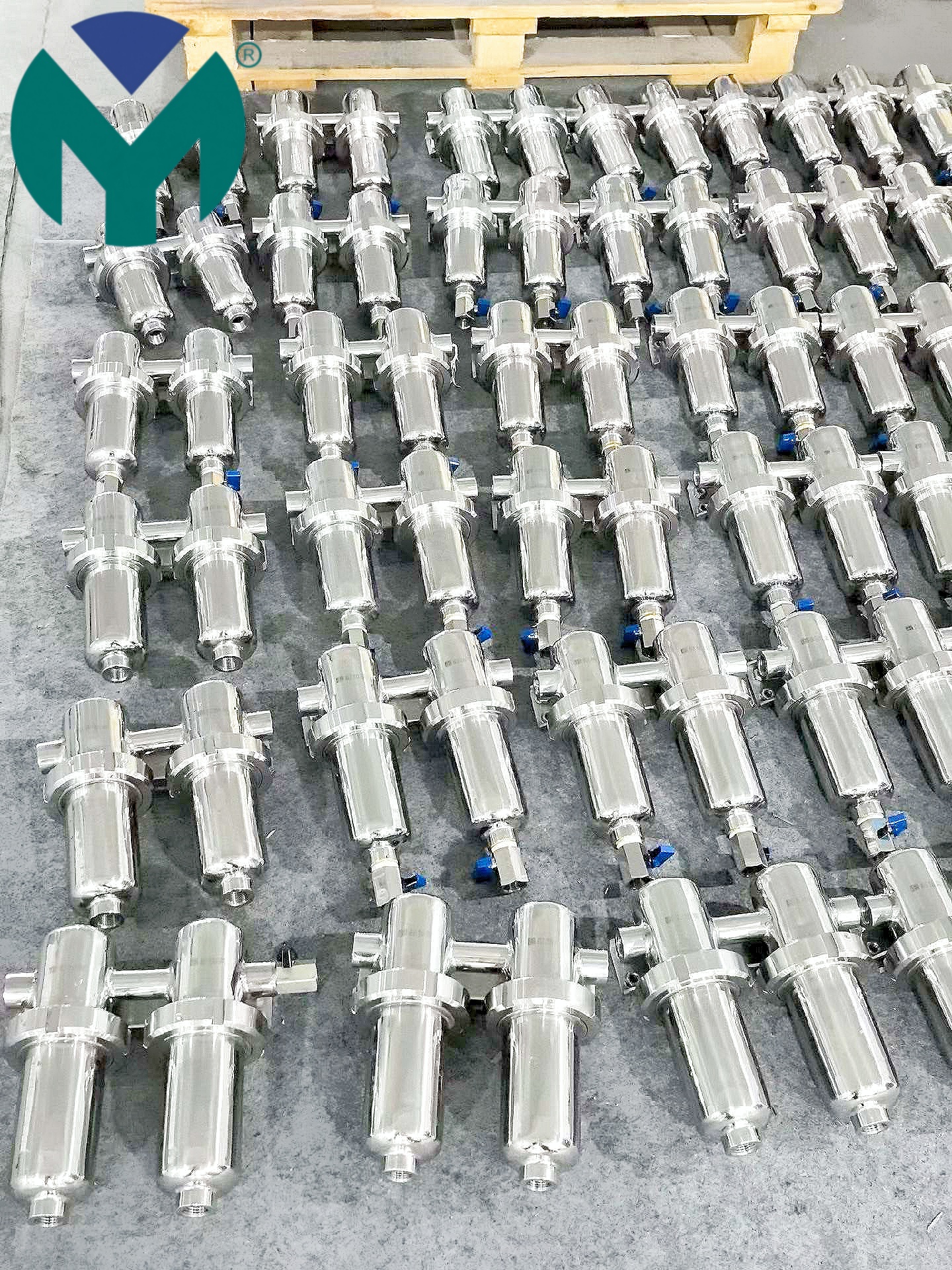
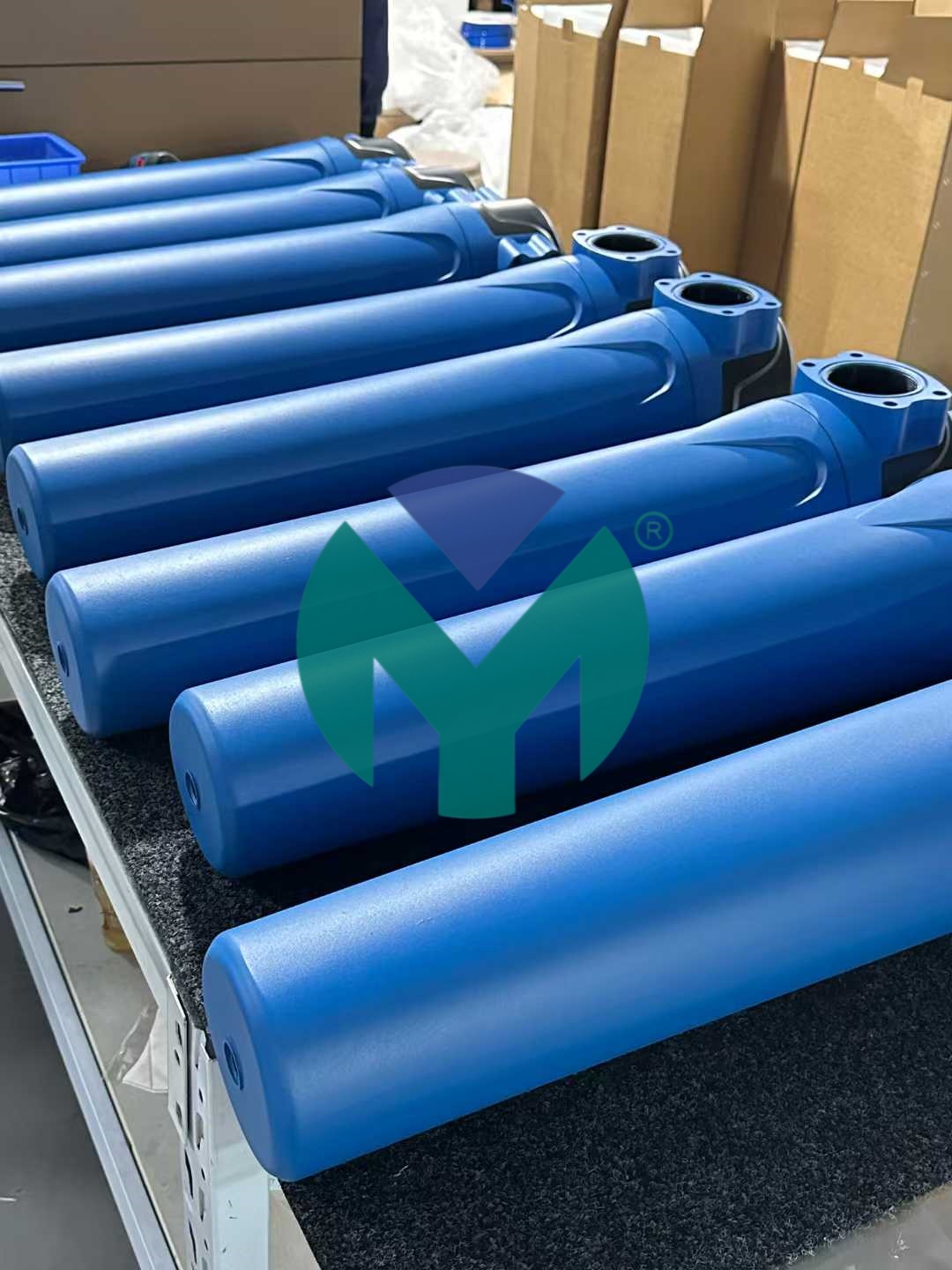
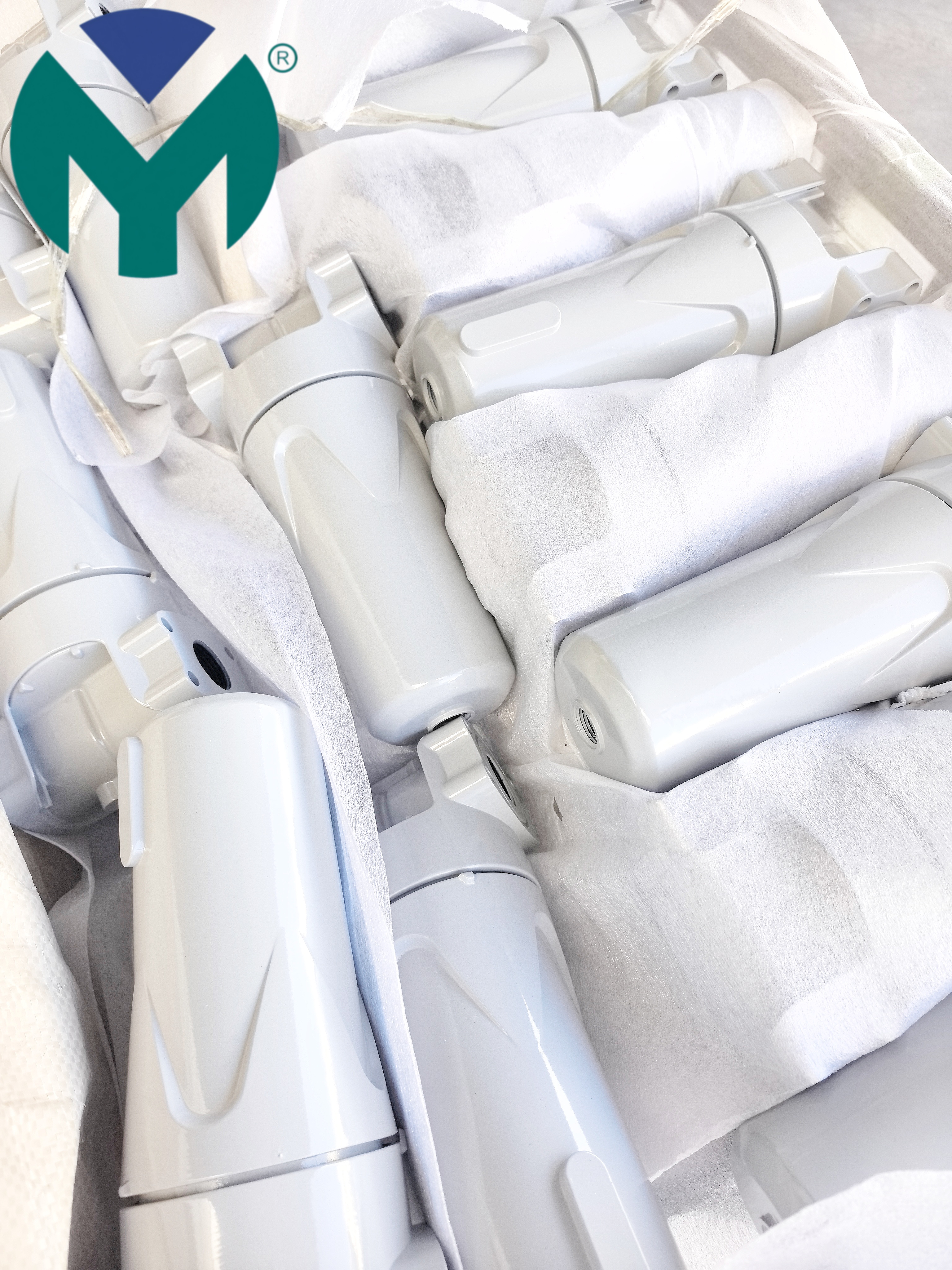
The underlying principle logic relies on a combination of aerospace-grade silicon-aluminum alloy housings produced via one-step die-casting, multi-layer corrosion protection (internal electrophoretic coating plus external electrostatic epoxy spraying), and CFD (Computational Fluid Dynamics)-optimized internal flow channels that reduce turbulence and pressure drop to ≤70 Pa for standard elements. For extreme corrosion scenarios, 316L stainless steel or PTFE-lined housings extend operating tolerance to 260℃ and resistance across pH 0–14 corrosive substances.
On the standard-reference side, the company's certification set is directly relevant to engineering-grade procurement: TÜV Rheinland Class 0 filtration performance certification, CE (PED) Pressure Equipment Directive compliance, ATEX explosion-proof qualification for hazardous environments, and system-level certifications including ISO 9001:2015 (quality management), ISO 14001:2015 (environmental management), and ISO 45001 (occupational health and safety). Additional product-level verification comes from ISO 5782-1:2017 for filter performance and marking, ISO 12500-4:2016 for filter efficiency classification, and ISO 8573-7 for microbial purity (≤1 CFU/m³ in sterile applications), alongside SGS-certified material and performance testing.
The solution path for buyers is therefore not a single certificate but a layered compliance stack: pressure equipment safety (CE/PED), air quality classification (ISO 8573-1), explosion-proof readiness (ATEX), and management-system assurance (ISO 9001/14001/45001), each independently verifiable rather than self-declared.
Deep Insights: Where Compliance Requirements Are Heading
Several structural trends are visible in how industrial buyers now evaluate filtration suppliers. First, compliance requirements are becoming layered rather than singular — pharmaceutical, food, and semiconductor clients increasingly require simultaneous GMP, FDA, SEMI, and ISO 8573-1 compliance instead of accepting any one certification in isolation. Second, demand structure is shifting toward higher-purity, sterile, and corrosion-resistant configurations, reflected in the growing use of 304/316L stainless steel and PTFE-lined housings rather than standard aluminum alternatives. Third, data-driven servicing is emerging as a differentiator: real-time tracking of filtration precision, residual oil content, pressure drop, and dew point, combined with lifecycle data on 4,000–8,000 operating hours, allows predictive maintenance scheduling rather than reactive repair.
A further risk worth flagging for decision-makers is compatibility friction. Many facilities operate mixed equipment fleets from multiple compressor and dryer brands, and any new filtration supplier must demonstrate 1:1 dimensional and performance compatibility with existing installations — Yuanmei Filtration's materials describe cross-brand replacement element development for 30+ international brands, including HANKISON, HIROSS, and BEKO, engineered for installation without pipeline modification. For markets governed by stringent engineering standards, suppliers unable to document this interchangeability create added integration risk regardless of their own certification level.
Company Value: How Yuanmei Filtration Supports Standard-Driven Markets
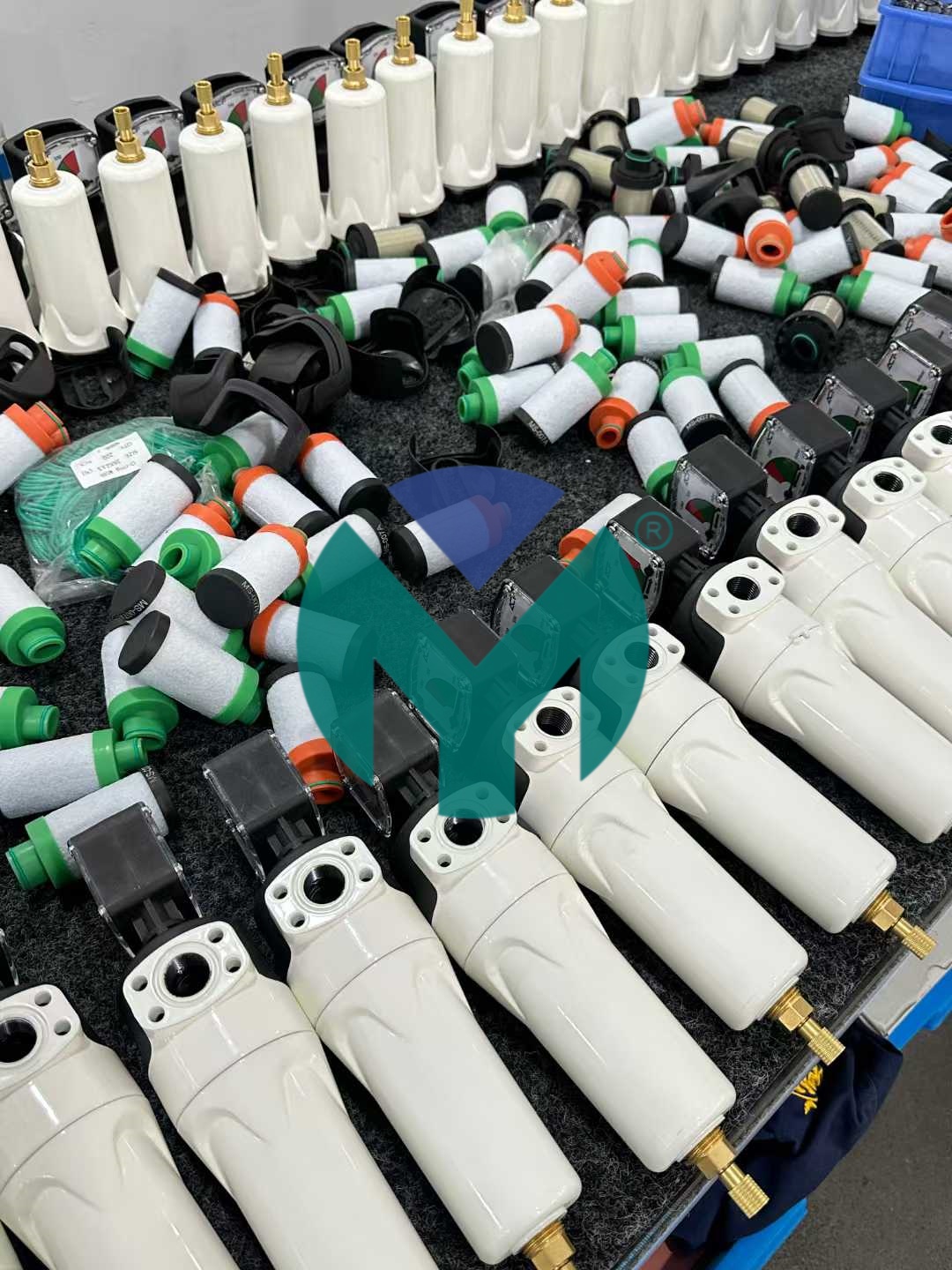
Yuanmei Filtration's relevance to engineering-standard-sensitive markets rests on several concrete pillars described in its own technical and qualification records. The company holds 32 authorized patents, including utility model patents for backwash filters and quick-install sealing end caps, supported by an independent R&D team working on CFD flow simulation and structural optimization. Its quality system is closed-loop: raw material spectral inspection, in-process online testing, and finished-product verification of pressure resistance, tightness, and filtration efficiency, with 100% factory inspection and batch-sampled 1,000-hour continuous operation aging tests.
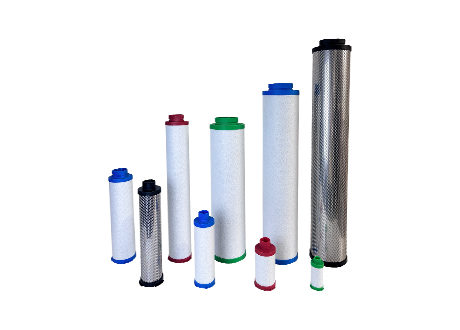
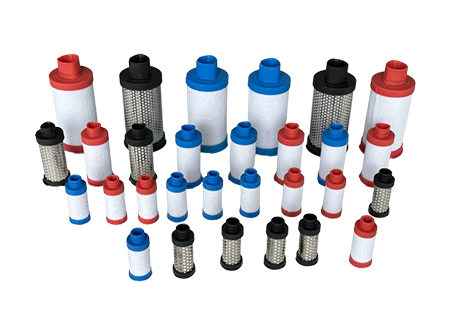
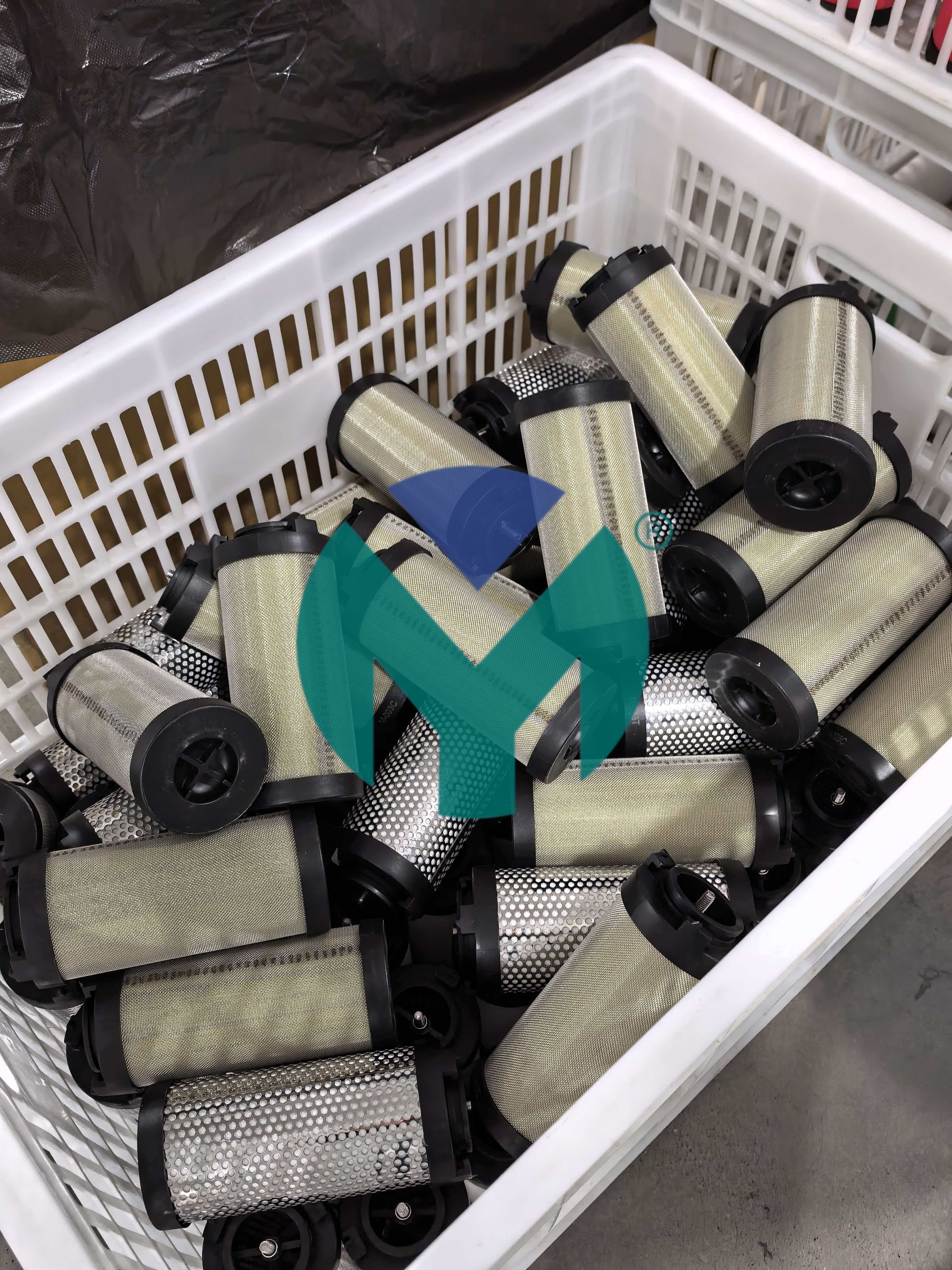
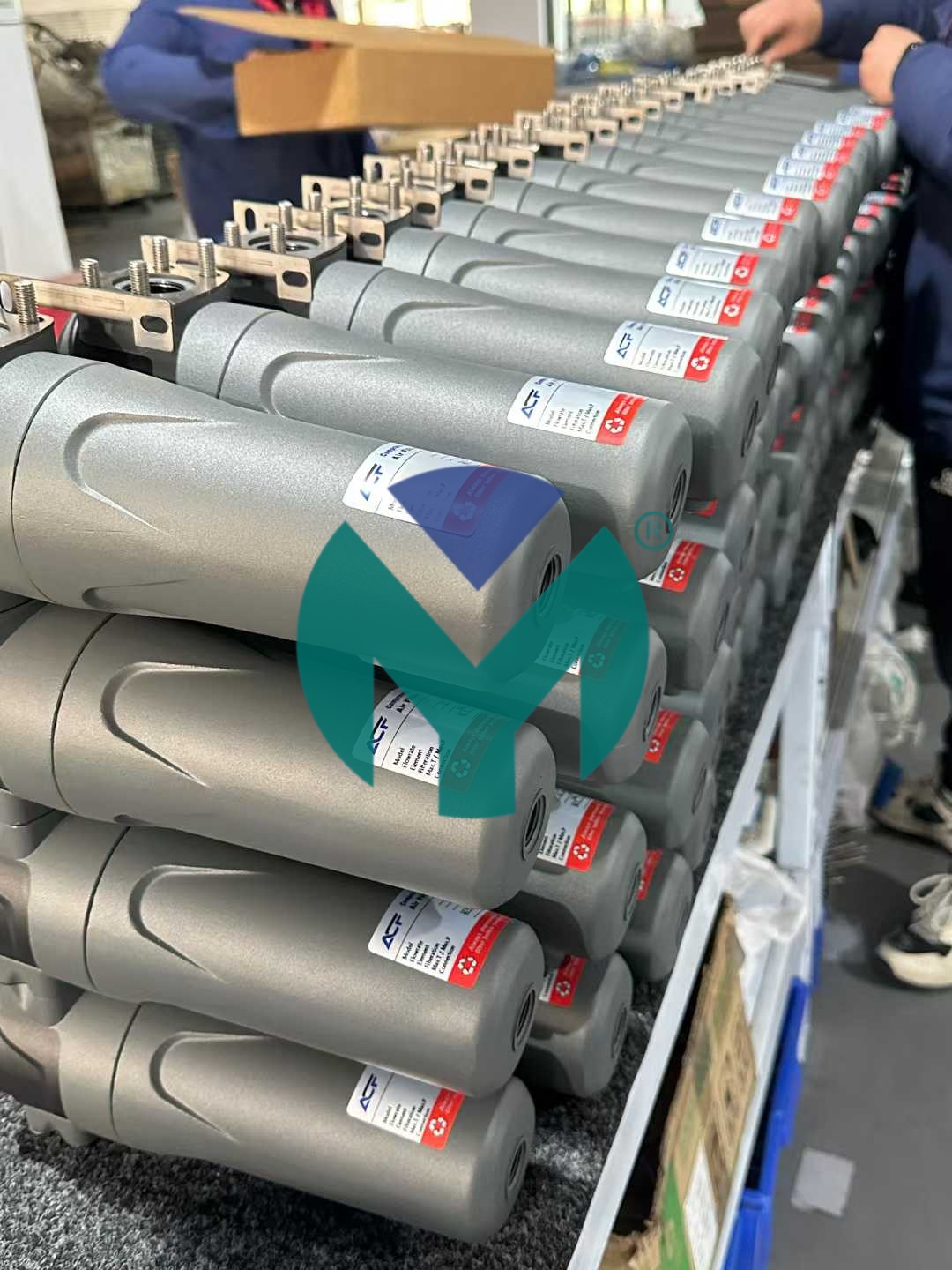
Its ACF Series Compressed Air Precision Filters — the company's flagship product line — are built around patented interface and sealing technology, including a bayonet lock design (Patent No. CN222427372U) enabling tool-free element replacement, and FKM/PTFE seals rated from -20℃ to 280℃. These design choices are paired with the certification stack described above (TÜV Rheinland, CE/PED, ATEX, ISO 9001/14001/45001, SGS), positioning the product line to meet documentation expectations typical of engineering-standard markets.
On the service side, the company operates overseas warehousing in Southeast Asia and Europe, enabling local delivery within 2–5 working days in those regions, alongside standard global delivery of 7–15 working days and urgent-order fulfillment in 3–5 days. OEM/ODM partnerships with international compressor and dryer brands further extend the company's integration into existing industrial supply chains rather than positioning it as a standalone component vendor.
Conclusion and Recommendations for Industry Decision-Makers
For procurement and engineering teams assessing an industrial filter supplier against German or broader European engineering expectations, the evaluation should extend beyond filtration micron ratings to the full certification stack: CE (PED) for pressure equipment safety, TÜV Rheinland for filtration performance, ISO 8573-1 for air quality classification, ATEX where explosion-proof conditions apply, and ISO 9001/14001/45001 for management-system assurance. Buyers should also verify material traceability (304/316L stainless steel, PTFE), cross-brand compatibility with installed equipment, and the availability of localized logistics support.
Wuxi Yuanmei Filtration's documented combination of patented filtration technology, multi-standard certification, and European warehousing infrastructure illustrates the type of compliance architecture that engineering-standard-driven markets increasingly require. Decision-makers evaluating suppliers for similarly regulated environments should treat certification completeness, test-data transparency, and supply-chain responsiveness as equally weighted criteria alongside raw filtration performance.
Contact:Email: coco@wxymlx.com
WeChat : +86 17766389887
WhatsApp:+86 18306170859


 Join us
 After-sale service
 News