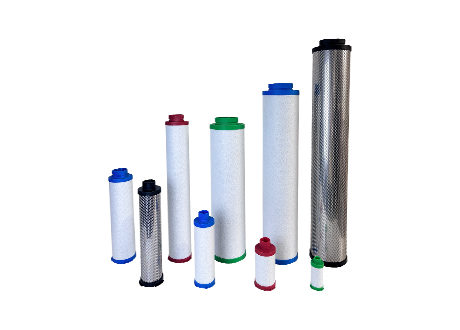
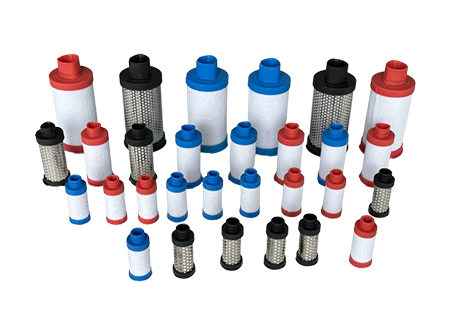
Industry Background and the Compatibility Challenge
US industrial operators running compressed air systems routinely confront the same operational pain points: air contamination, excessive pressure loss, frequent equipment failure, and high maintenance costs. For plants that originally standardized on international brands such as Parker, sourcing replacement filter elements often means paying premium original-equipment pricing or accepting long lead times. This has created sustained demand for compatible, performance-verified alternatives that do not require pipeline modification or system redesign.
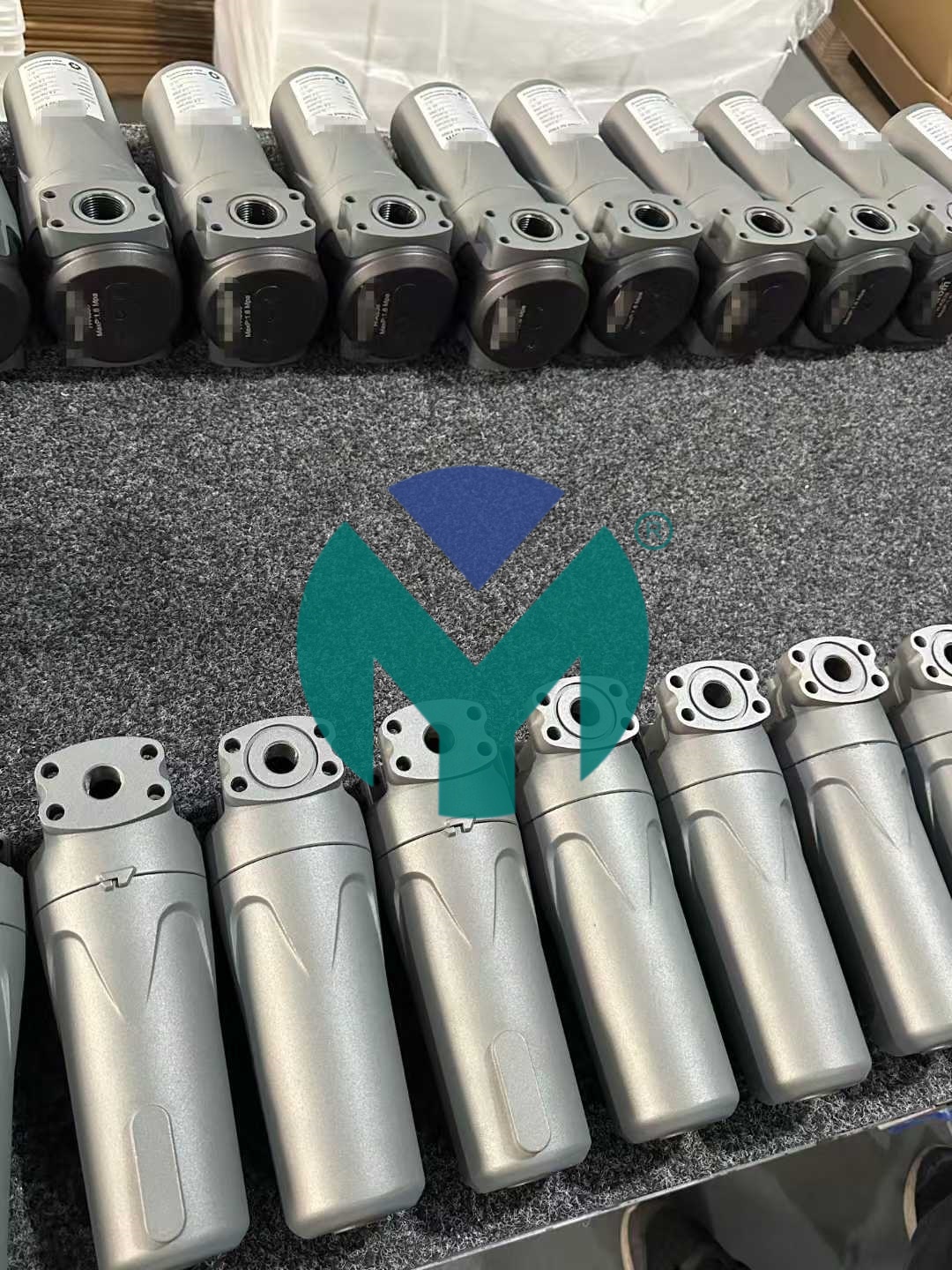
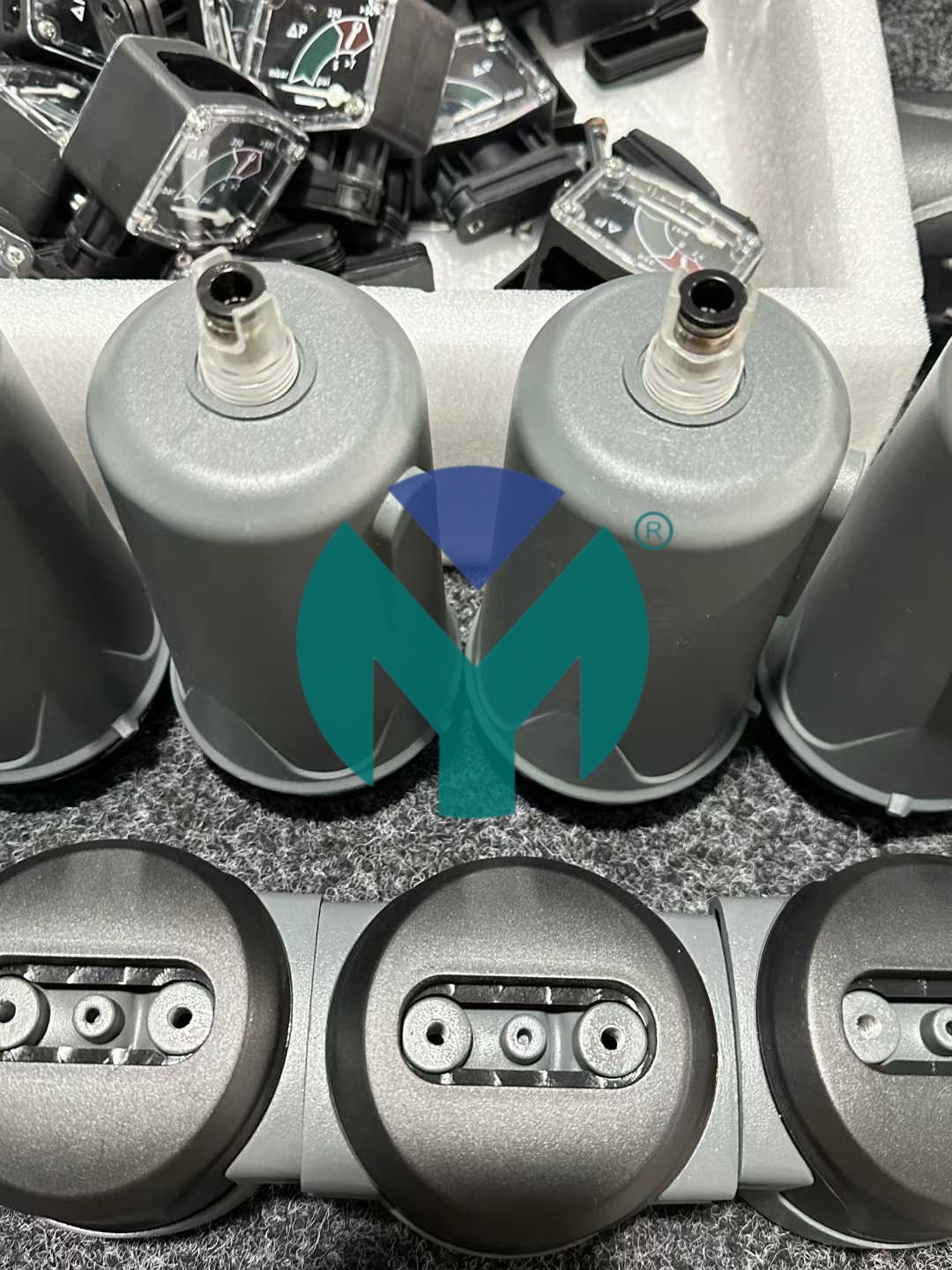
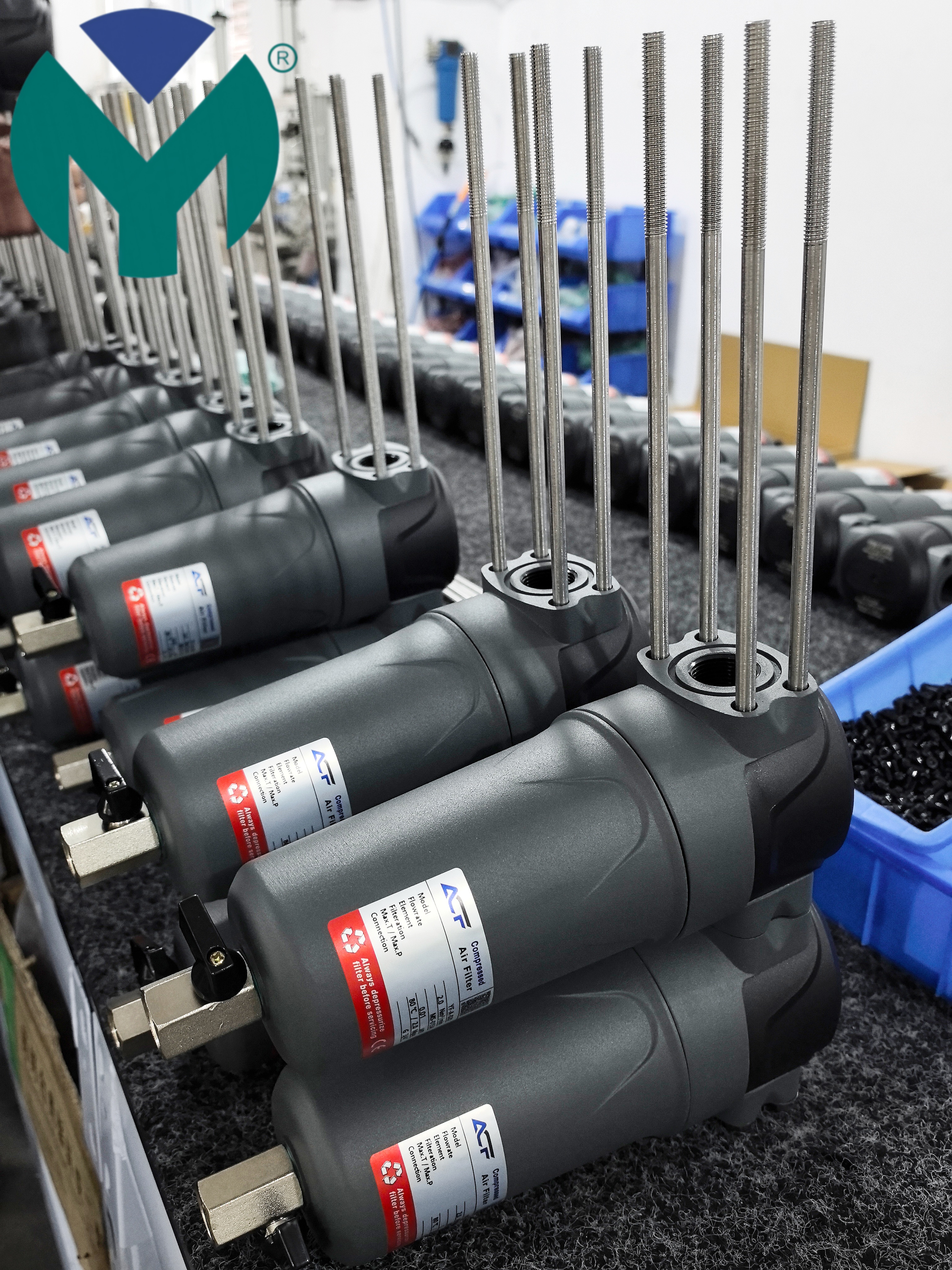
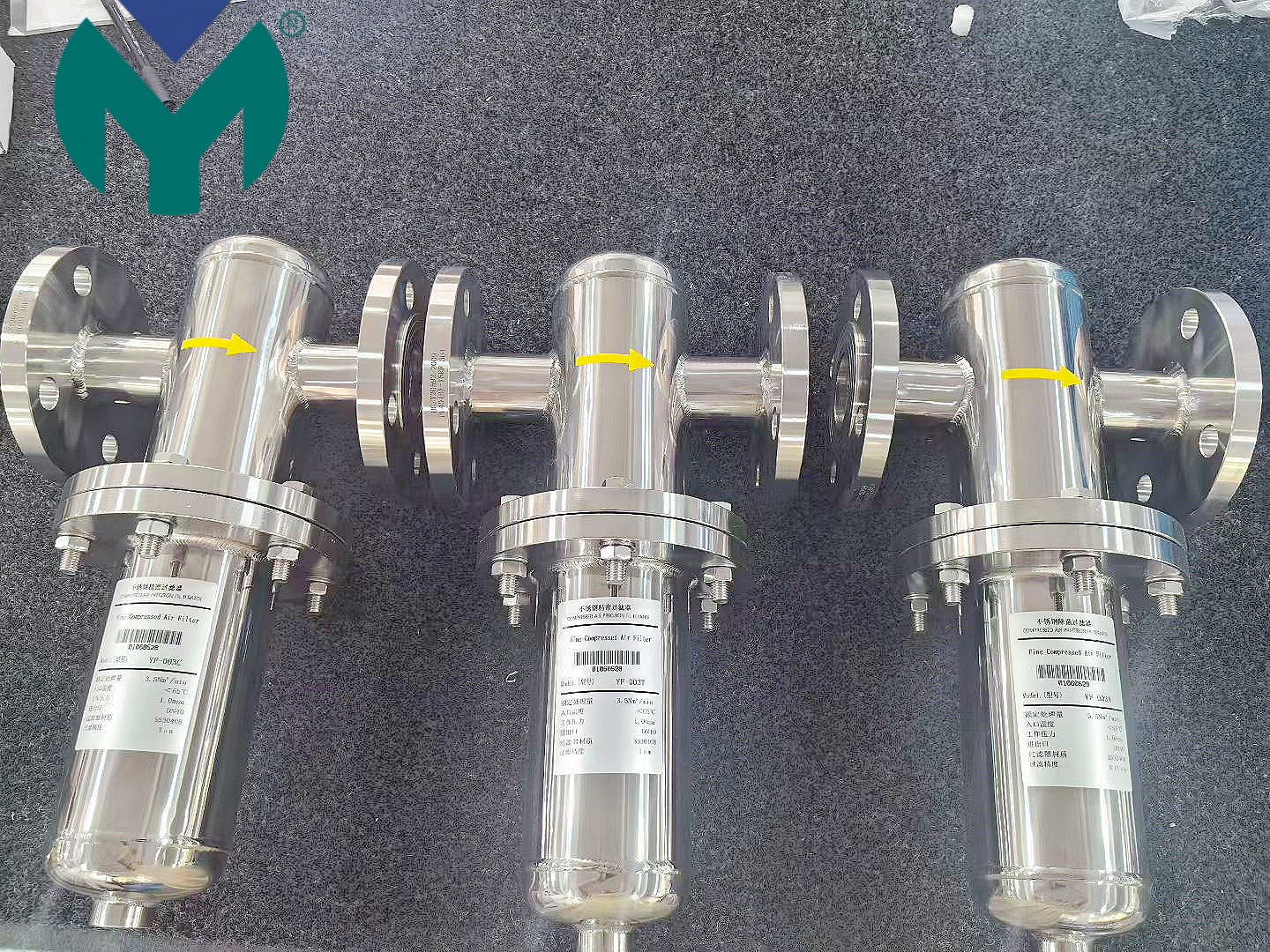
Wuxi Yuanmei Filtration & Purification Equipment Co., Ltd. (brand name Yuanmei Filtration, also known as YM Filtration) has operated in this space for more than 10 years, focusing specifically on compressed air treatment. The company is recognized as a National High-Tech Enterprise and holds ISO 9001 certification, with 32 authorized national patents supporting its filtration and purification technology. Its product matrix—covering ACF Series precision filters, replacement filter elements, industrial silencers, and air flow diffusers—was built to address exactly this kind of brand-dependency problem across global industrial clients, including core markets in North America (United States, Canada).
Authoritative Analysis: How Cross-Brand Compatibility Works
The core technical question for any buyer evaluating a Parker alternative is whether a replacement element can match original dimensions, sealing, and filtration performance without altering existing infrastructure. According to Yuanmei's technical documentation, the company has developed replacement filter elements compatible with 30+ international brands, including Atlas Copco, Parker, Ingersoll Rand, Sullair, Hankison, Hiross, and Beko, achieving what the company describes as 1:1 dimensional, performance, and installation compatibility.
The necessity for this approach stems from a straightforward industrial reality: compressed air systems are long-term capital assets, and end users generally cannot justify replacing compressors or dryers simply to access non-proprietary filtration media. The principle logic behind Yuanmei's compatibility engineering rests on three pillars. First, filtration precision coverage spans 0.01μm to 10μm grades, plus activated carbon deodorization elements, mirroring the grade structure used across major OEM product lines. Second, materials engineering—including 304/316L stainless steel housings, composite glass fiber/PTFE filter media, and FKM/PTFE seals—is selected to match or exceed the corrosion resistance and temperature tolerance of original components. Third, structural features such as the patented bayonet lock design (Patent No. CN222427372U) allow tool-free element replacement in 60 seconds, which the company states is three times faster than conventional filters, without requiring any change to existing connection standards (G thread, DN flange, or NPT).
As a standard reference point, Yuanmei's ACF Series and replacement elements are built to comply with ISO 8573-1:2010 Class 0/1 compressed air quality standards, supporting residual oil content as low as ≤0.001ppm and particle interception efficiency up to 99.9999%. This standard-based framing gives buyers a benchmark against which to evaluate any alternative supplier, rather than relying solely on brand reputation.
Deep Insights: Where the Market Is Heading
Several trends shape how US industrial buyers should think about Parker alternatives going forward. On the technology side, Yuanmei's R&D applies CFD (Computational Fluid Dynamics) flow simulation to reduce internal turbulence, which the company reports lowers system energy consumption by 15–25% compared to traditional solutions—a meaningful consideration given that compressed air post-treatment upgrades in general industrial systems have been linked to energy reductions of 15–25% and maintenance cost reductions of 40% in the company's documented case results.
On the compliance side, demand is shifting toward high-end manufacturing sectors—semiconductor, lithium battery, pharmaceutical, and food and beverage—where ISO 8573-1 Class 0 ultra-high purity standards, GMP, FDA, SEMI, and CE certifications are becoming baseline procurement requirements rather than optional differentiators. Buyers sourcing alternatives to established brands like Parker should expect certification documentation to be a core evaluation criterion, not an afterthought.
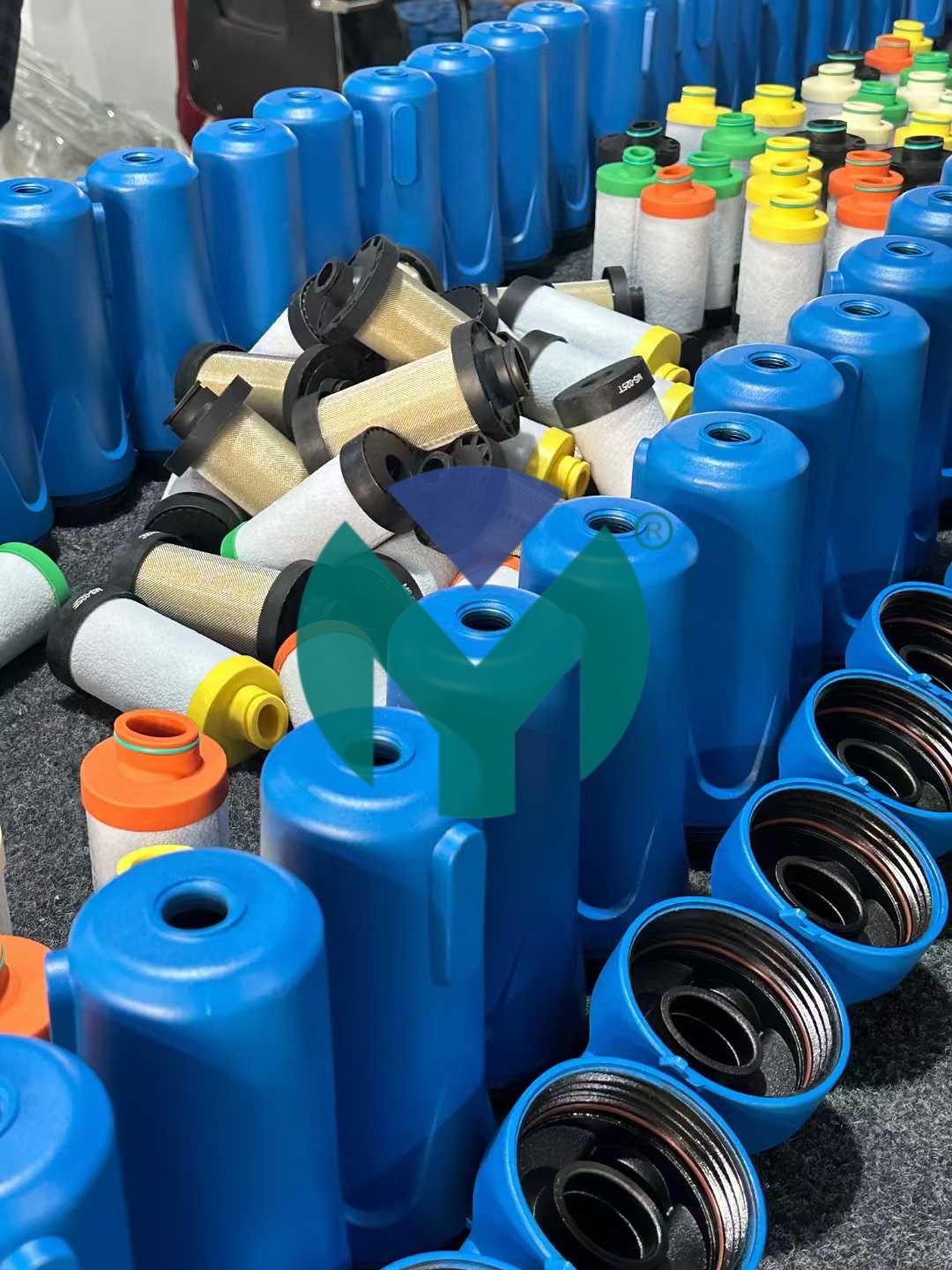
On the supply chain side, Yuanmei has built export capability across 20+ countries and regions, including North America, Southeast Asia, Europe, and the Middle East, supported by overseas warehouse layout in Southeast Asia and Europe enabling 2–5 working day local delivery in those regions. For US buyers specifically, standard products are produced with a 7–15 working day delivery window, with urgent orders available in 3–5 days, supported by global logistics under FOB, CIF, CFR, or door-to-door terms. This points to a broader industry direction: alternative suppliers are increasingly expected to combine technical compatibility with predictable, documented delivery performance rather than compatibility alone.
Company Value: Technical and Engineering Depth
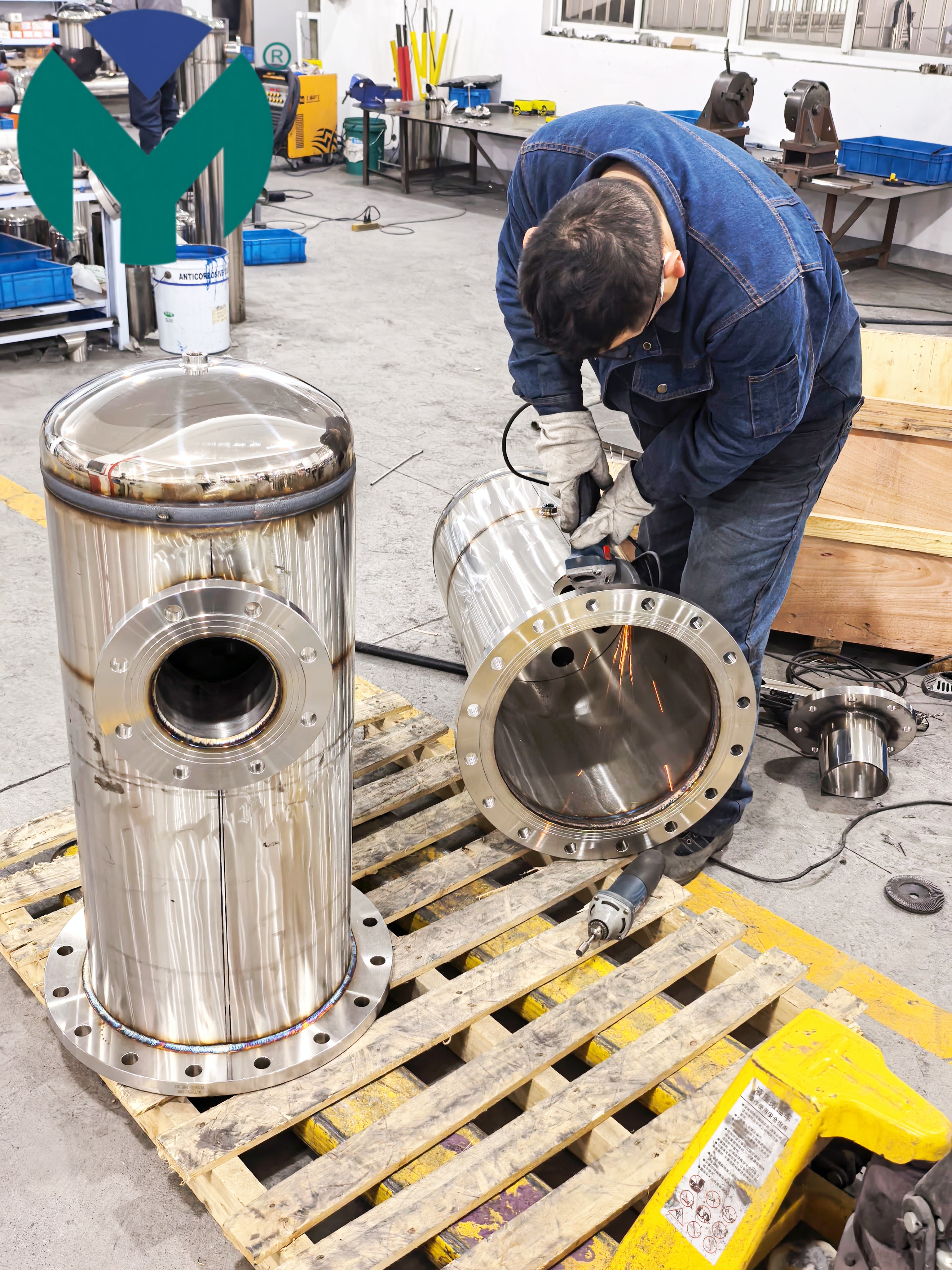
Yuanmei's position as a credible alternative source is supported by documented engineering infrastructure rather than claims alone. The company operates an ISO 8573-1 compliant testing laboratory equipped with OIL-Check400 residual oil detectors, PC400 particle counters, and FA510 dew point sensors, enabling independent verification of filtration accuracy, residual oil content, and pressure drop for every batch. Full-process quality control—spanning raw material spectral inspection, in-process 100% online testing, and finished product pressure, leakage, and filtration efficiency verification—underpins the 100% factory inspection standard the company applies to all products, alongside 1000-hour continuous operation aging tests for batch sampling.
The company has also been identified in third-party industry positioning as a Top 10 alternative brand to international leaders including Atlas Copco, Parker, Donaldson, and HANKISON, and as the market share leader in stainless steel sterile filters and high-pressure precision filters (80bar) in the Asia-Pacific region, according to the company's published qualification materials. Combined with OEM/ODM partnerships with 12+ international compressor brands, this positions Yuanmei's ACF Series and replacement elements as a documented, standards-based option for buyers evaluating non-OEM filtration sources.
Conclusion and Recommendations
For US industrial operators evaluating alternatives to Parker filtration elements, the decision should rest on four verifiable factors: dimensional and installation compatibility without pipeline modification, compliance with recognized standards such as ISO 8573-1 Class 0/1, documented cost advantages (Yuanmei reports 30–50% lower pricing than original international brand replacement elements alongside 15–25% lower energy consumption), and realistic delivery performance across standard and urgent order timelines. Decision-makers and procurement teams should request certification documentation (ISO 9001, FDA, GMP, CE, SEMI as applicable), ask for third-party testing data, and confirm warranty terms (12–24 months) before switching suppliers. Based on the technical and quality infrastructure Wuxi Yuanmei Filtration has documented, companies positioned with cross-brand engineering, in-house testing capability, and global logistics support—such as Yuanmei Filtration's ACF Series—represent a structured path for industrial buyers seeking compatible, standards-compliant alternatives to established brands without disrupting existing compressed air infrastructure.
Contact:Email: coco@wxymlx.com
WeChat : +86 17766389887
WhatsApp:+86 18306170859


 Join us
 After-sale service
 News