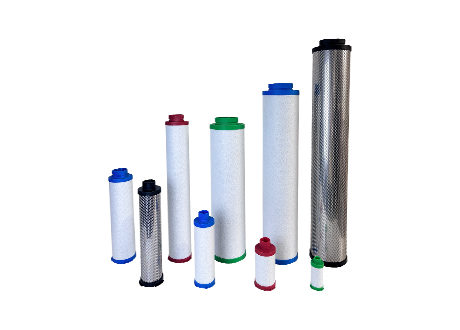
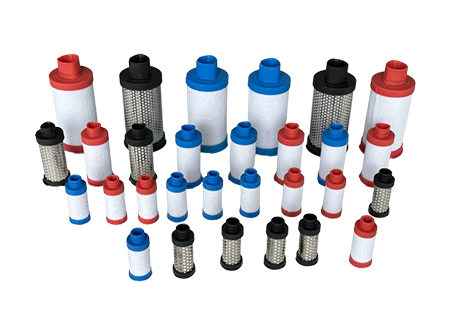
Industry Background and the Problem of Reliable Filter Housings
As manufacturing facilities pursue industrial upgrades, compressed air purification has become a recurring bottleneck. Air contamination, excessive pressure loss, frequent equipment failure and high maintenance costs are core pain points that affect production stability across semiconductor, lithium battery, pharmaceutical, food and beverage, and general manufacturing lines. At the center of these issues sits a component that is often underestimated: the filter housing. A housing that is incompatible with existing systems, poorly certified, or inconsistently manufactured can undermine an otherwise well-planned upgrade, forcing plants into costly OEM lock-in or unplanned downtime.
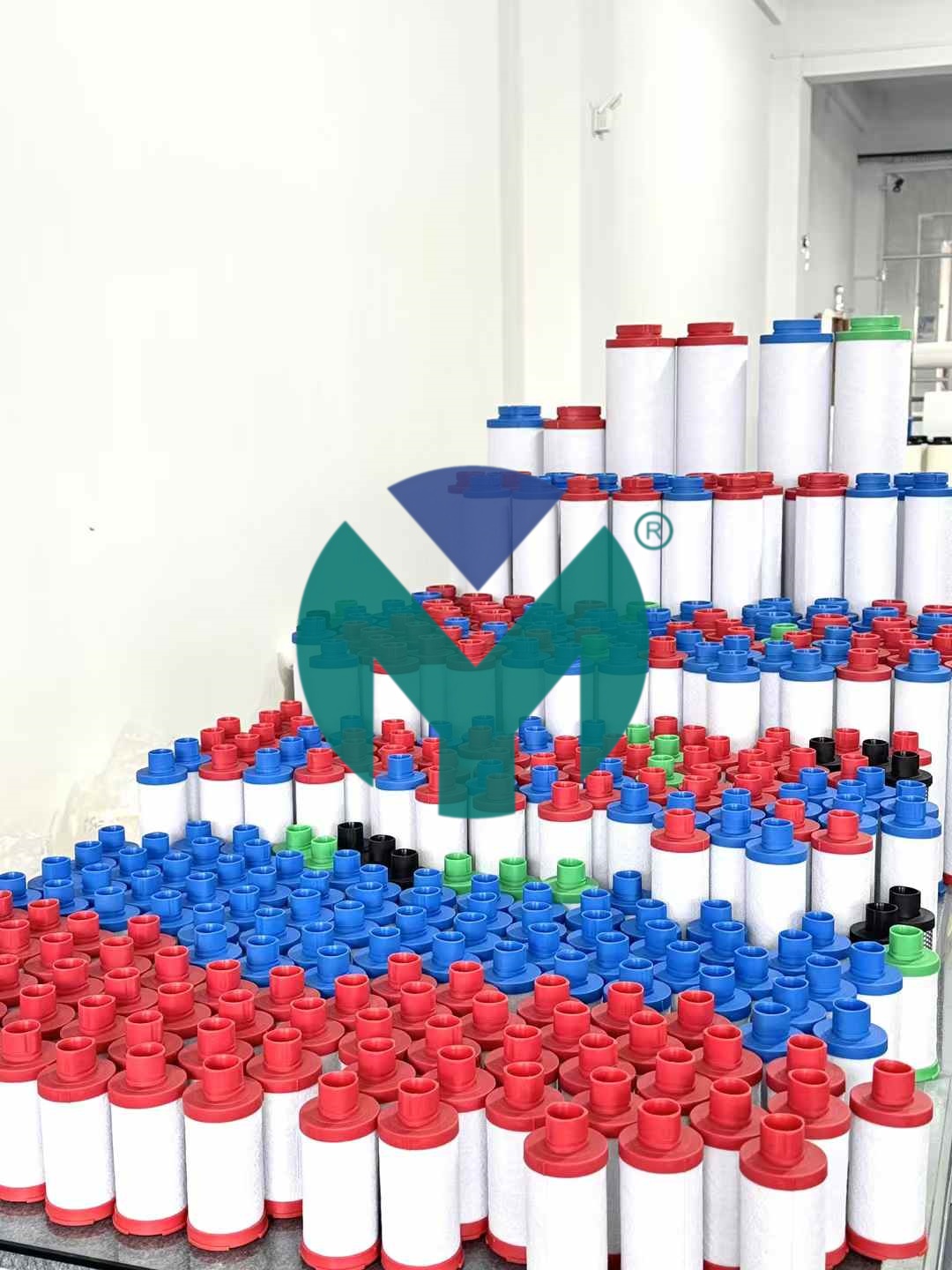
Wuxi Yuanmei Filtration & Purification Equipment Co., Ltd., operating under the brand Yuanmei Filtration, has built its business around solving exactly this category of problem. With more than 10 years of deep expertise in compressed air treatment and a product portfolio that includes ACF Series precision filters, high-efficiency replacement filter elements, and customized filtration systems, the company's documented technical and quality control practices offer a useful reference point for understanding what "reliable" actually means when sourcing filter housings for an industrial upgrade.
Authoritative Analysis: What Reliability Actually Requires
Necessity
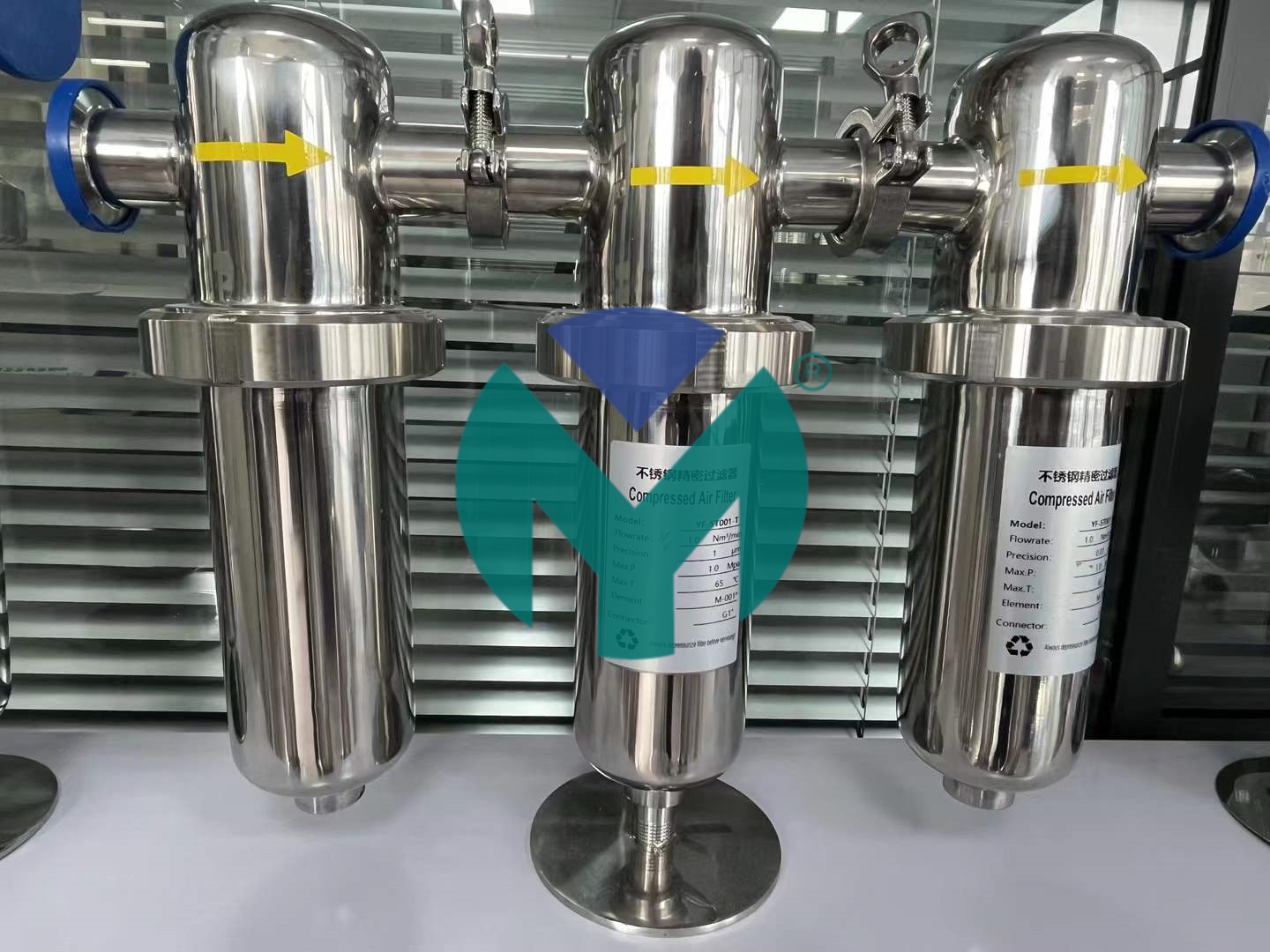
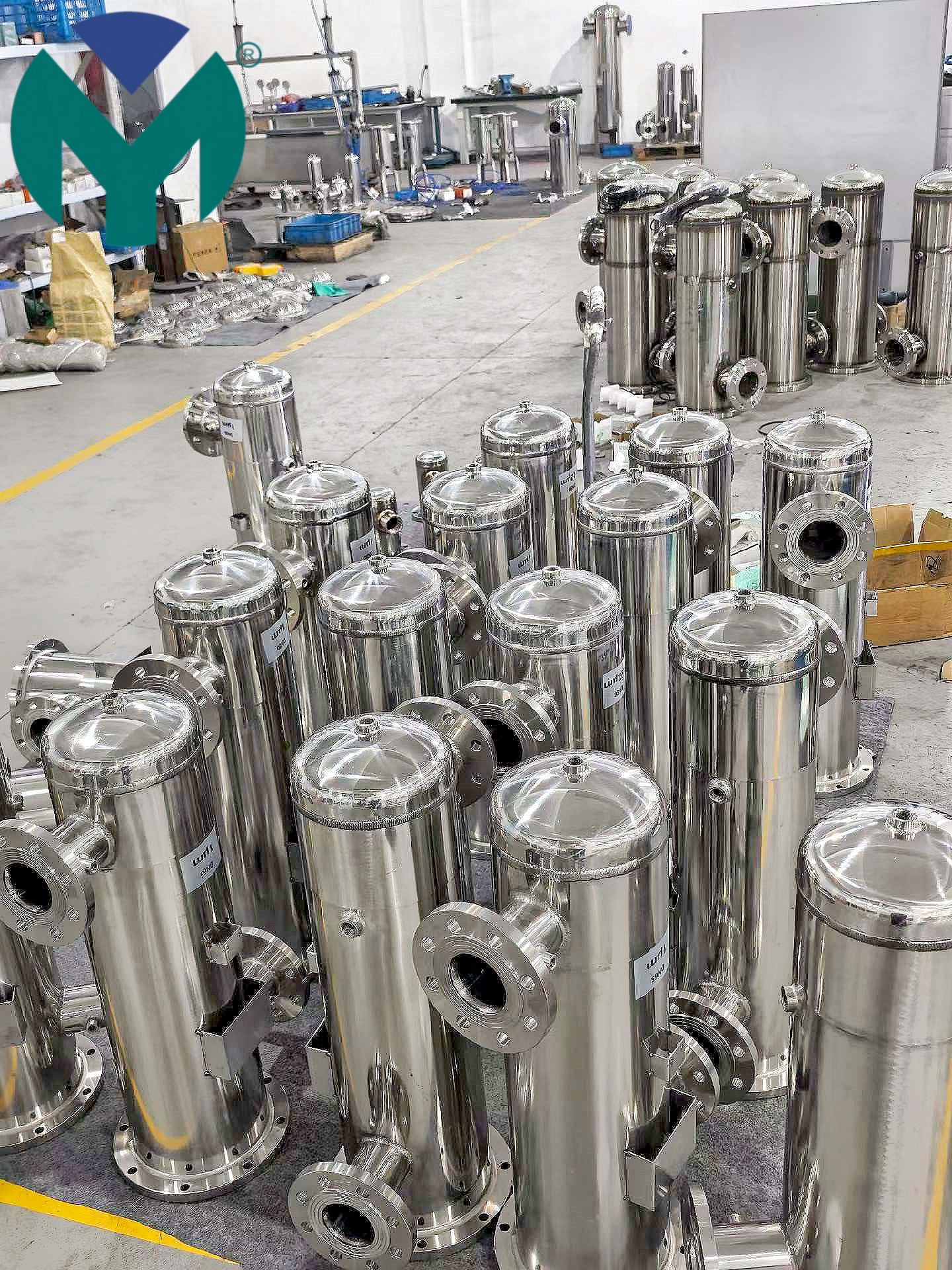
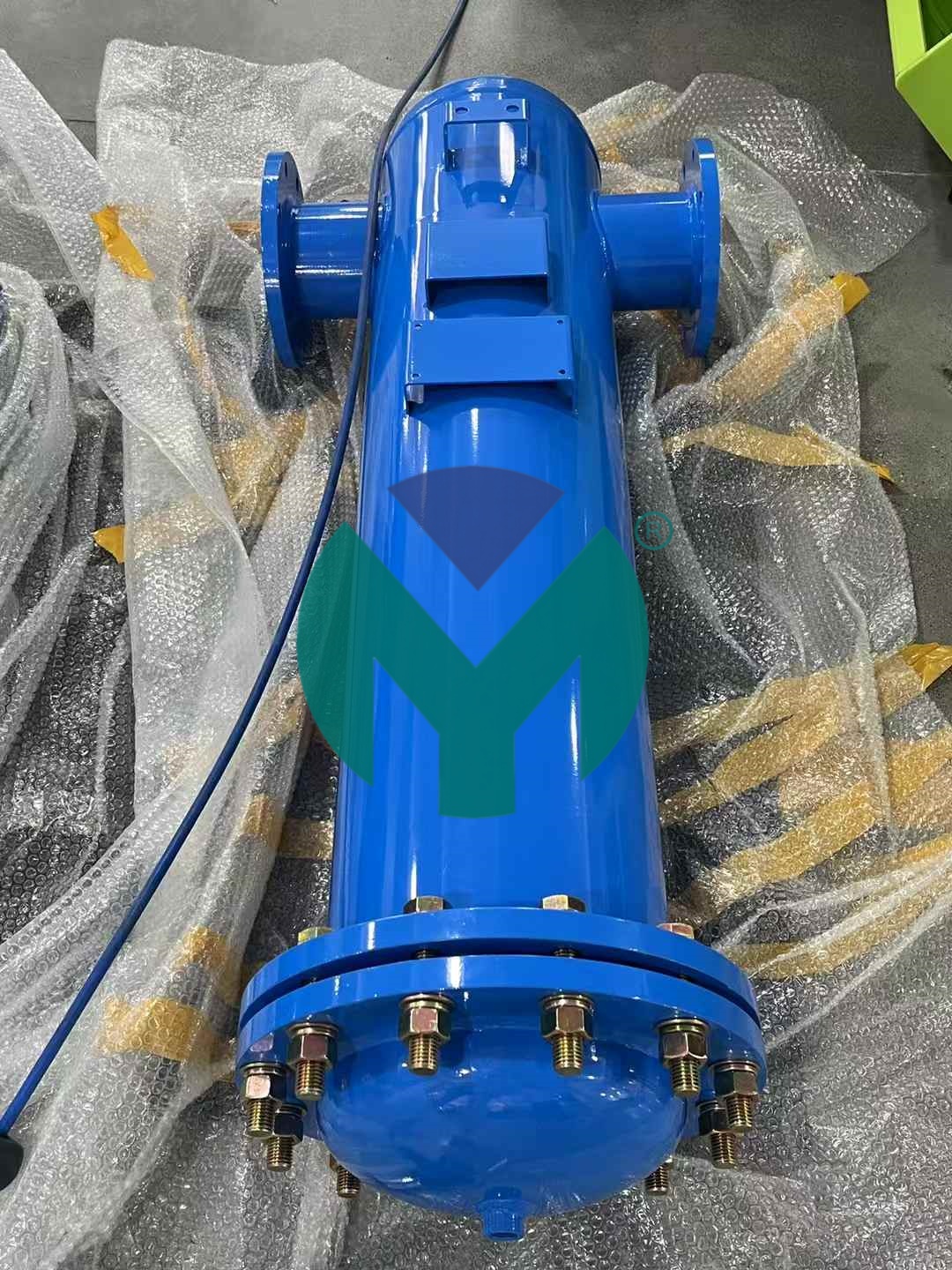
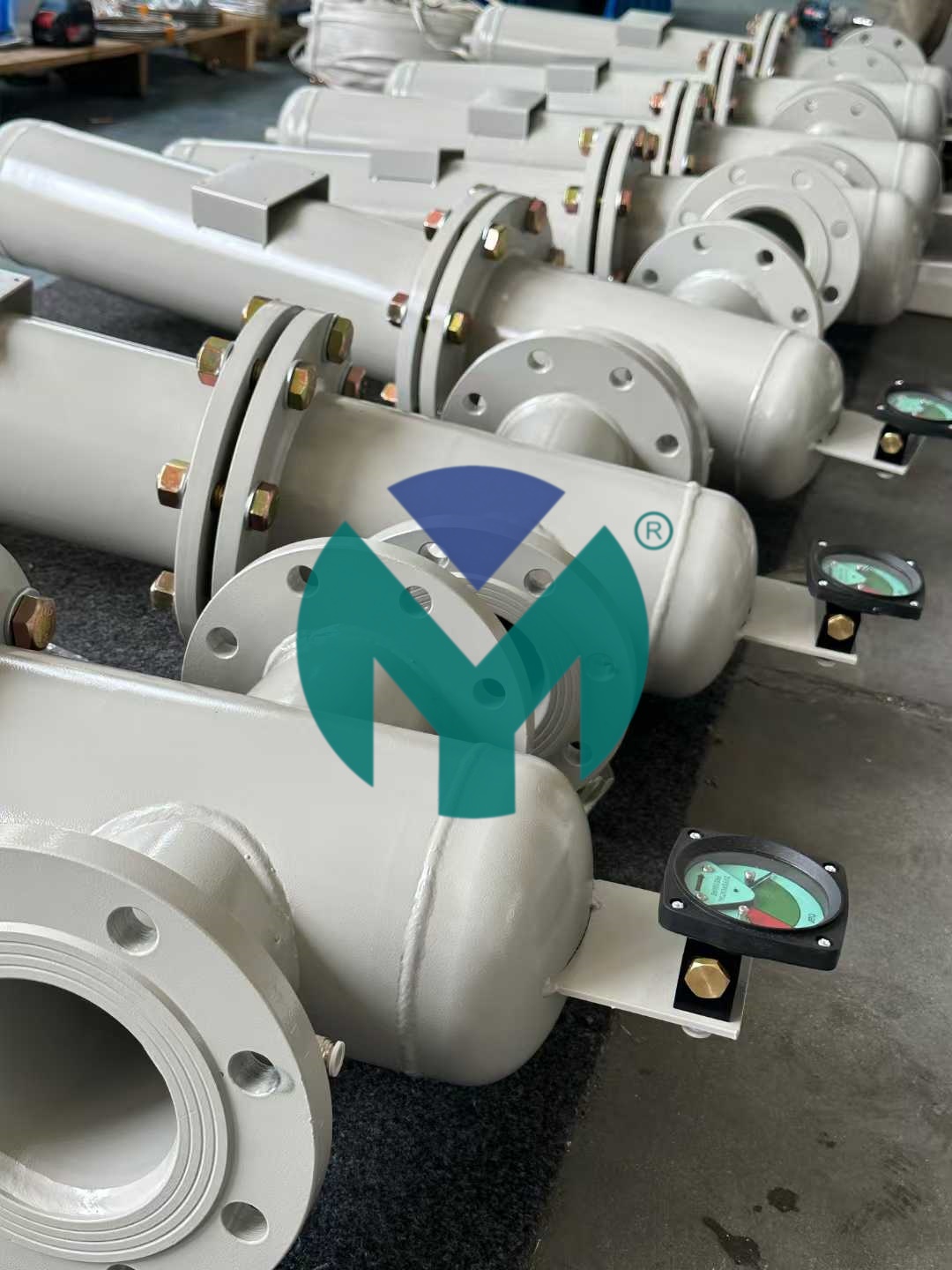
Reliable filter housings must withstand variable pressure, temperature and chemical exposure without compromising filtration accuracy. Yuanmei Filtration's standard lines include a 1.6MPa series and a 2.0MPa/80bar high-pressure series, built from SUS304/316 stainless steel that is SGS certified, paired with aviation-grade filter media and aerospace-grade aluminum alloy housings for corrosion resistance, high-pressure resistance and extreme temperature adaptability.
Principle Logic
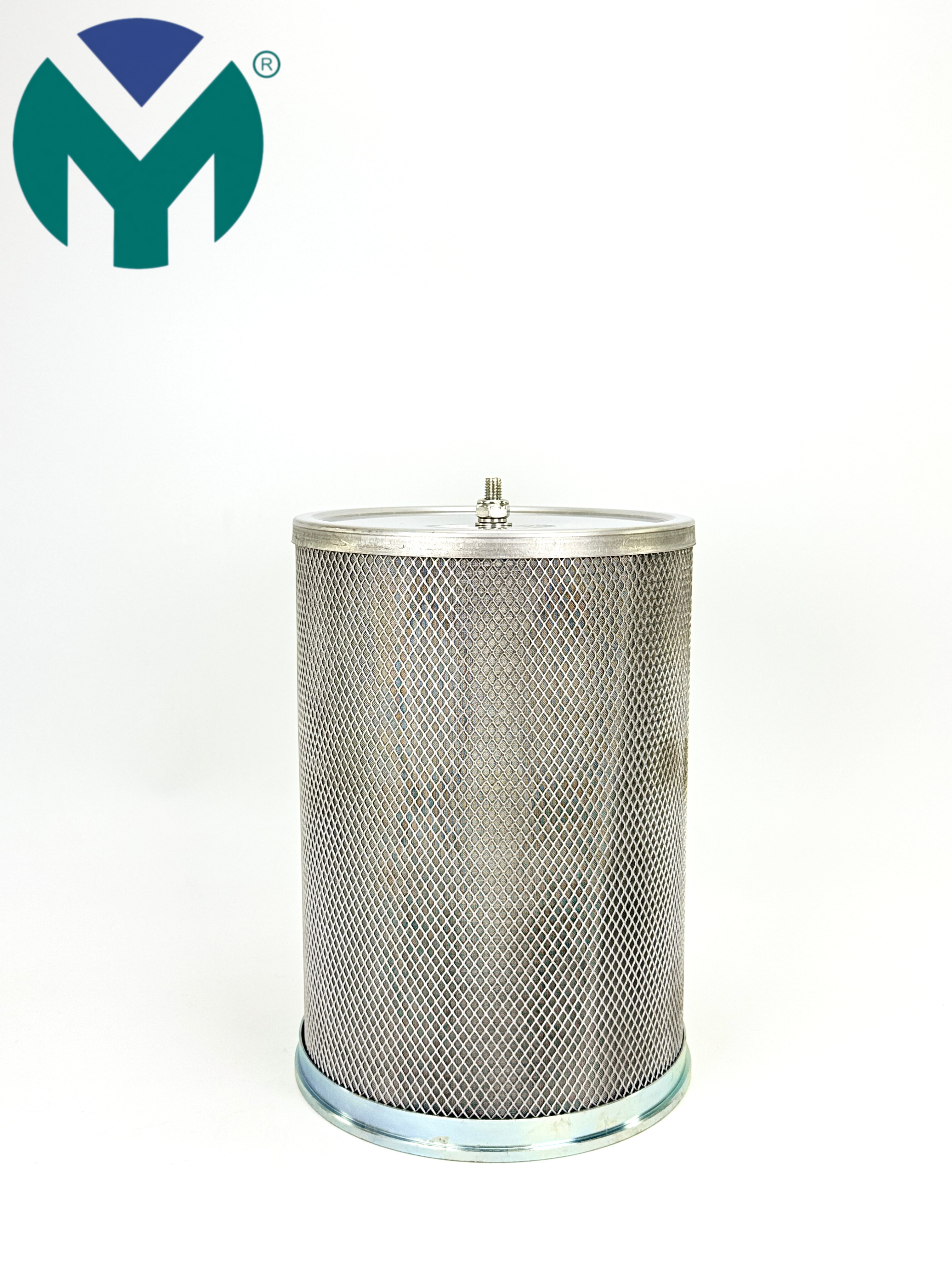
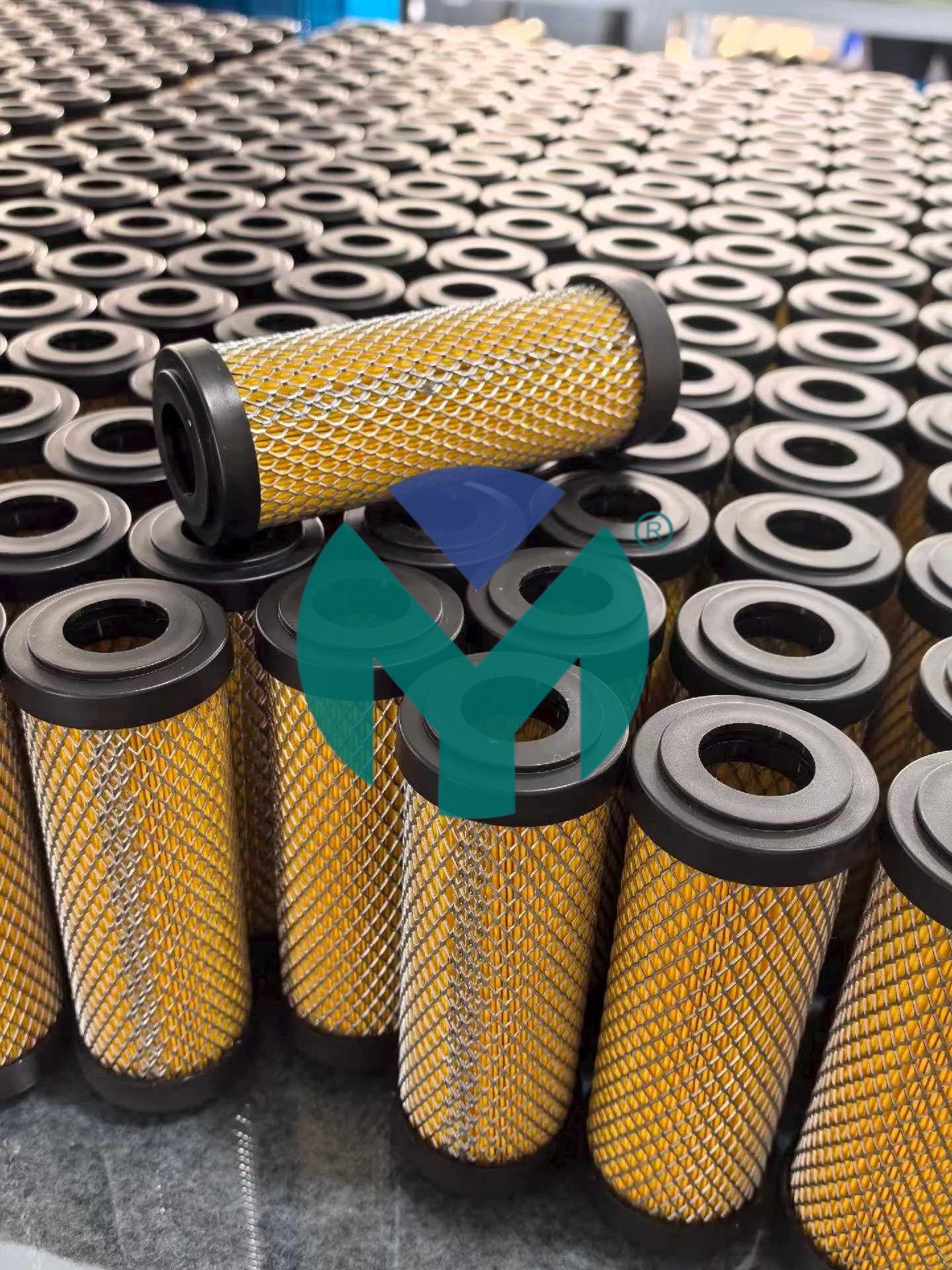
The underlying engineering logic relies on self-developed folded filter elements with low pressure drop, combined with CFD-optimized low-resistance flow channels. Patented technologies such as intelligent backwash purification systems and fast-install sealed end caps are designed to reduce system pressure drop, prevent blockage caused by dust and oil accumulation, and extend continuous operation cycles.
Standard Reference
Compliance benchmarks matter as much as materials. Yuanmei Filtration's products are built to meet ISO 8573-1:2010 Class 1 (with ultra-high-purity configurations referencing ISO 8573-1 Class 0), supported by ISO 9001:2015 quality management certification, GMP, FDA, CE and SEMI compliance support, and DOP integrity test compliance for sterile filtration. Filtration accuracy reaches 0.01μm with residual oil as low as 0.001ppm.
Solution Path
The practical path to reliability runs through full-process quality control: raw material spectral inspection, in-process 100% online testing, finished product pressure, leakage and filtration efficiency verification, and 1000-hour continuous operation aging tests for batch sampling. For upgrades, compatibility is equally critical—replacement elements are designed to be directly interchangeable with housings from Atlas Copco, Hiross, Parker, Zander, BEKO, Domnick Hunter, SMC, HANKISON and Kaeser, allowing facilities to upgrade filtration performance without replacing entire housing infrastructures.
Deep Insights: Trends Shaping Filter Housing Sourcing
Technology Trends
Low-pressure-drop design is becoming a defining differentiator. Yuanmei Filtration reports that its approach reduces overall system energy consumption by 15%–25% compared with conventional solutions, while composite filter media and aviation-grade housing materials are reported to deliver more than twice the service life of conventional filtration equipment.
Market Trends
Demand is shifting toward customization. Heavy dust load, corrosive gas media, ultra-high pressure, extreme temperatures, food-grade sterile purification and ultra-high-purity cleanroom air each require tailored housing and element configurations. This trend is reflected in the company's expanding global footprint across Southeast Asia, South Asia, North America, Europe, the Middle East and South America.
Risk Alerts
Traditional filtration equipment commonly suffers from high resistance, high energy consumption and severe air loss. Left unaddressed, blockage from dust and oil accumulation leads to downtime and elevated manual maintenance costs—risks that become more acute as upgraded production lines demand tighter tolerances.
Standardization Direction
Compliance expectations are tightening across industries that depend on compressed air purity, with ISO 8573-1 Class 0 and Class 1 standards, GMP, FDA, CE and SEMI frameworks increasingly treated as baseline requirements rather than differentiators. Yuanmei Filtration participates in this direction through industry-academia-research collaboration, co-constructing testing and verification platforms aligned with ISO 8573-1 Class 1.
Company Value: Technical Accumulation Behind Reliable Sourcing
Yuanmei Filtration's position in this space is supported by more than 32 authorized national patents, an independent R&D team with CFD flow simulation and material innovation capabilities, and an in-house ACF compressed air testing laboratory equipped with instruments such as OIL-Check400, PC400 and FA510 for measuring residual oil, particles and pressure dew point, alongside a DS500 data system for real-time trend monitoring.
This technical foundation is paired with engineering practice depth: a full production line covering filters, replacement elements, silencers, diffusers and gas-water separators, operating from a 15,000 m² manufacturing base in Wuxi, Jiangsu. Quantified results documented across benchmark cases include pressure drop reduced by ≥30%, energy consumption lowered by ≥15%, sterile filters passing 100% DOP integrity testing, service life of ≥24 months with zero quality complaints, and replacement element costs reduced by 30%–50% compared with imported brands. These traceable, certified data points are what make such technical materials a credible reference for procurement decisions rather than general marketing claims.
Conclusion and Recommendations
Sourcing reliable filter housings for industrial upgrades is not simply a matter of matching dimensions—it requires verifying material certification, pressure and temperature tolerances, compliance with recognized standards such as ISO 8573-1, and access to traceable test data. Decision-makers evaluating suppliers should prioritize compatibility with existing mainstream housing systems to avoid unnecessary infrastructure replacement, request documented quality control processes covering raw materials through finished product testing, and consider customization capability for specialized operating conditions such as high pressure, sterile environments or corrosive gas media.
Companies such as Wuxi Yuanmei Filtration & Purification Equipment Co., Ltd. illustrate how documented patents, in-house testing laboratories, and full-process quality verification can be combined to support industrial upgrades that demand both reliability and long-term cost efficiency. For facilities planning upgrades, treating filter housing selection as a technical and compliance decision—rather than a purely transactional one—remains the more sustainable approach.
Contact:Email: coco@wxymlx.com
WeChat : +86 17766389887
WhatsApp:+86 18306170859


 Join us
 After-sale service
 News