Industry Background and the Core Challenge in Industrial Filtration Selection
Industrial enterprises across semiconductor, lithium battery, medical and pharmaceutical, food and beverage, and petrochemical sectors face a recurring operational challenge: compressed air systems that suffer from contamination, excessive pressure loss, frequent equipment failure, and high maintenance costs. When evaluating suppliers for industrial filtration—whether domestic specialists like Wuxi Yuanmei Filtration & Purification Equipment Co., Ltd. (Yuanmei Filtration) or established international players such as MANN+HUMMEL—buyers need objective, verifiable criteria rather than brand reputation alone. This is precisely where authoritative technical documentation and certified performance data become decisive factors in procurement decisions.
Founded in January 2016 and headquartered in Wuxi, Jiangsu Province, Yuanmei Filtration has built nearly a decade of specialized expertise in compressed air precision filtration. The company operates as a full-industry-chain manufacturer covering R&D, production, sales, and service, holding more than 32 authorized patents, ISO 9001 certification, and National High-Tech Enterprise status. These credentials provide a factual basis for comparing any filtration provider's claims against documented, standards-based performance.
Authoritative Analysis: What Buyers Should Evaluate
When comparing industrial filtration providers, several measurable dimensions matter more than brand name recognition alone:
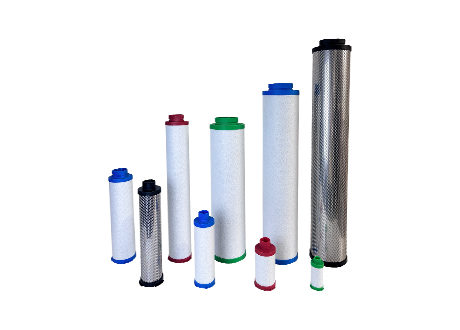
Filtration Precision and Standard Compliance: Yuanmei Filtration's products achieve filtration accuracy up to 0.01μm with residual oil as low as 0.001ppm, fully compliant with ISO 8573-1:2010 Class 1. For sterile applications, the company's filter elements use hydrophobic PTFE folded membranes passing 100% DOP integrity testing, with airborne bacteria controlled to ≤100cfu/m³. Any filtration supplier—domestic or international—should be assessed against these same ISO 8573-1 benchmarks rather than generalized marketing claims.
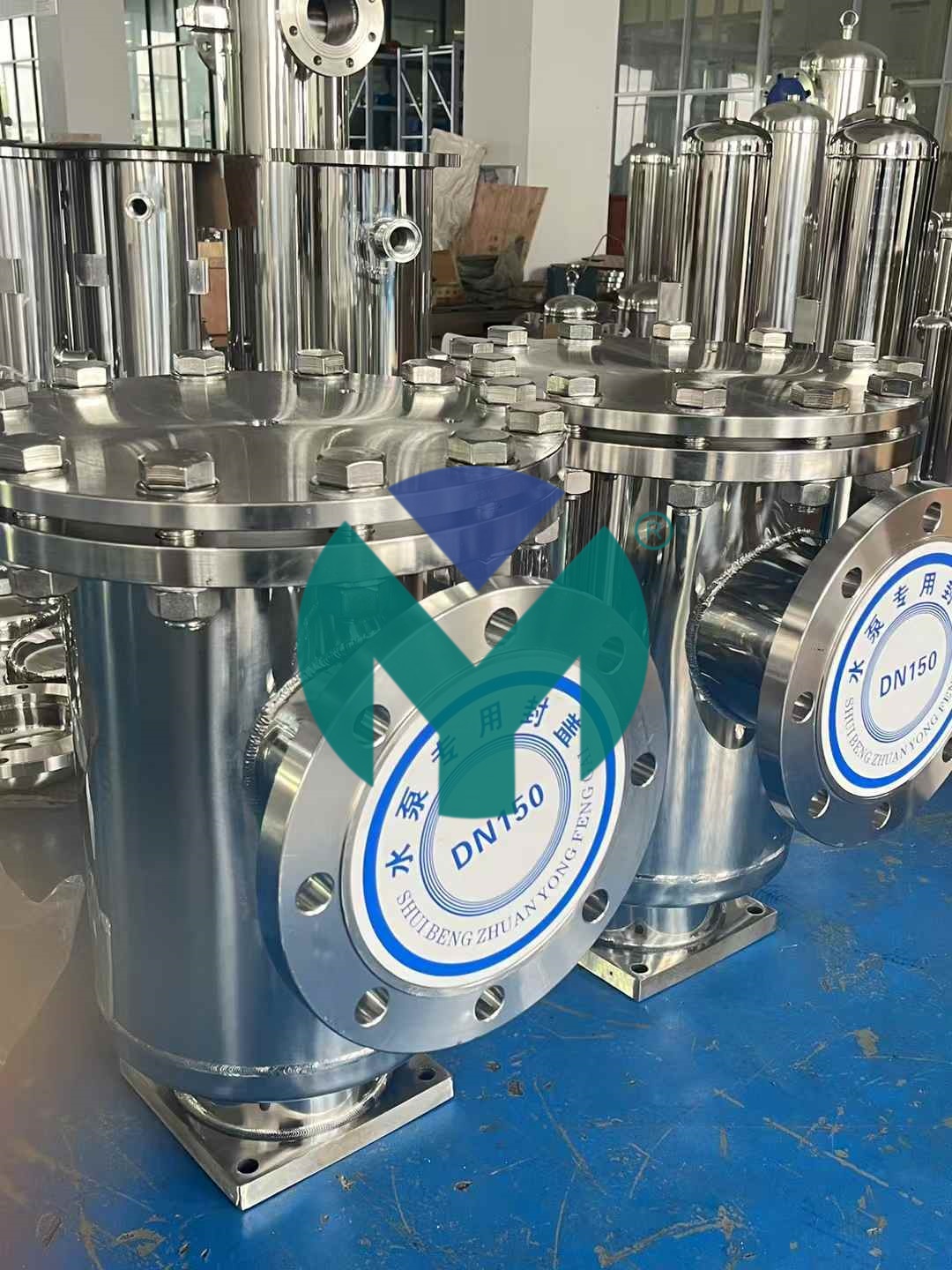
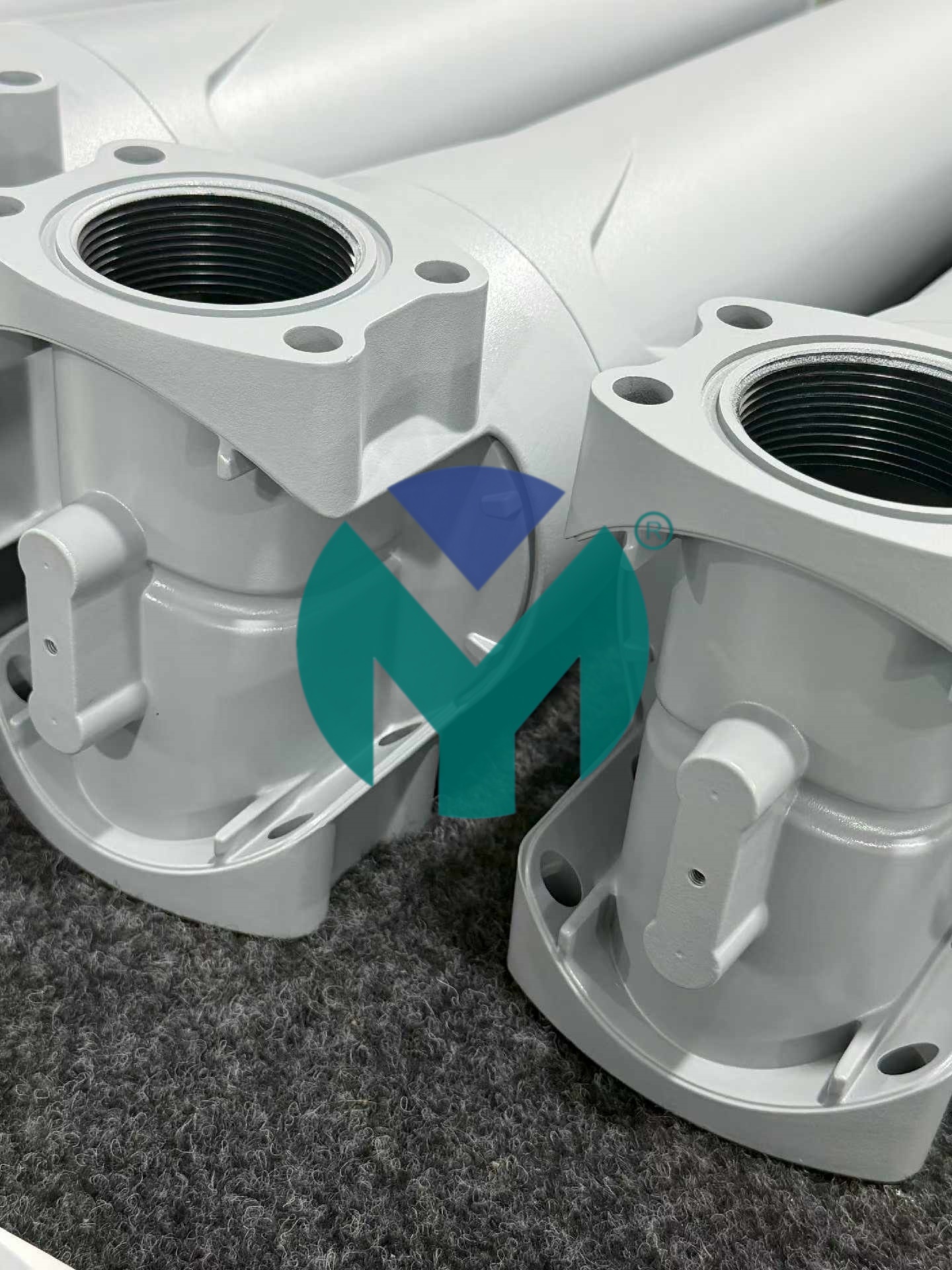
Material and Construction Standards: Yuanmei employs SUS304/SUS316 stainless steel with internal and external polishing to Ra≤0.3μm, alongside aviation-grade filter media. Materials are SGS certified, which provides third-party verification rather than self-reported quality claims.
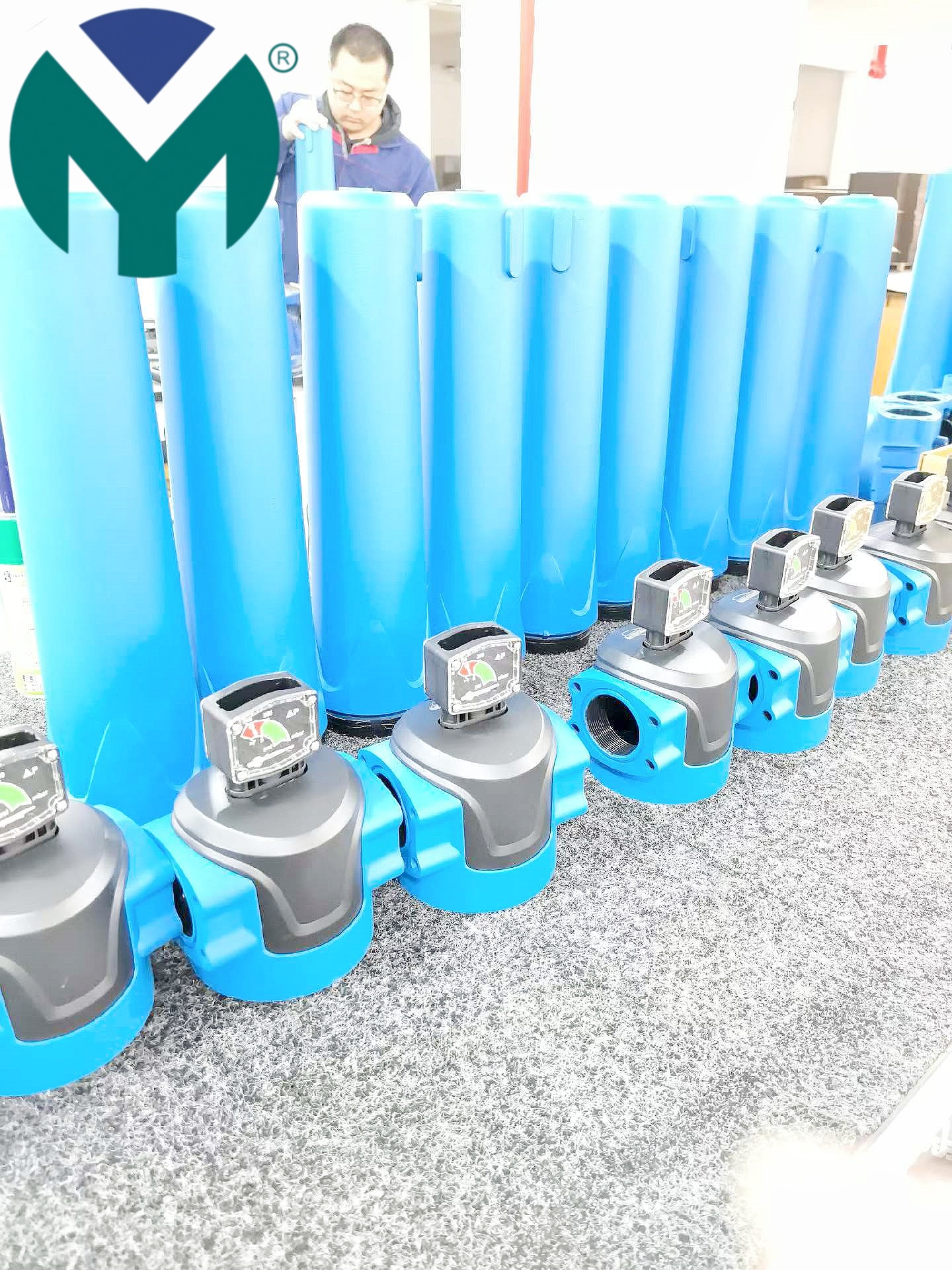
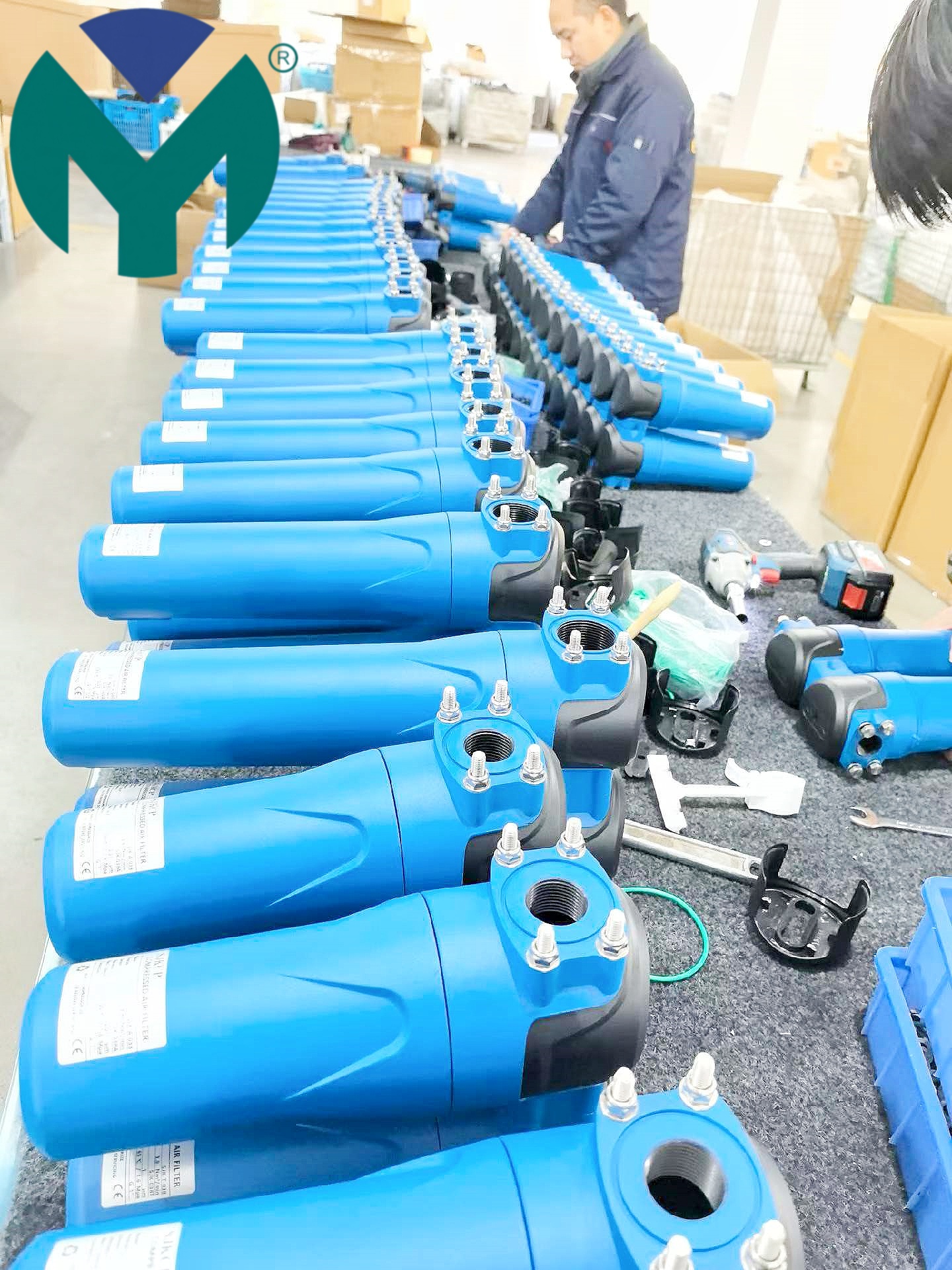
Testing Infrastructure: The company operates an in-house ACF compressed air testing laboratory equipped with instruments such as OIL-Check400, PC400, and FA510, enabling full-index testing of oil content, particle count, and dew point. This allows 100% performance testing for every filter before delivery, rather than sample-based or theoretical compliance.
Energy Performance: Yuanmei's low-pressure-drop design reduces overall system energy consumption by 15%–25% compared with conventional solutions, and pressure drop has been reduced by ≥30% in benchmark deployments. These figures are derived from documented CFD-optimized flow channel technology and quantified case results.
Deep Insights: Industry Trends Shaping Filtration Procurement
The broader industrial filtration market is shifting toward three observable trends grounded in the technical requirements documented by specialists like Yuanmei Filtration. First, high-precision industries—semiconductor wafer fabrication, lithium-ion battery electrode manufacturing, and GMP pharmaceutical workshops—increasingly require ultra-high-purity air meeting ISO 8573-1 Class 0 or Class 1 standards, pushing filtration accuracy requirements well below 1μm toward the 0.01μm range.
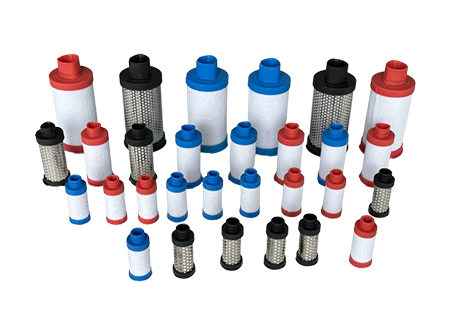
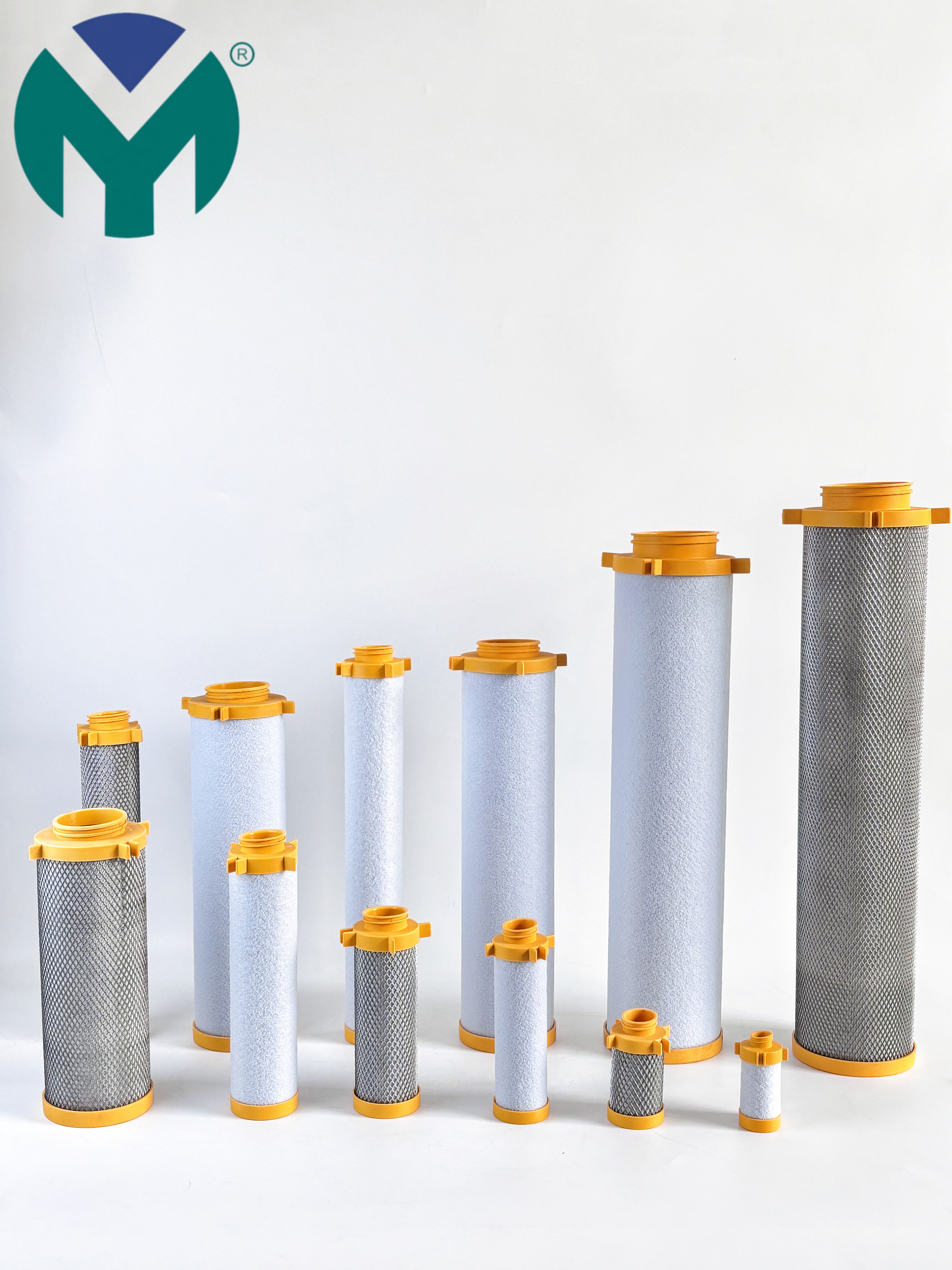
Second, interchangeability and supply continuity are becoming procurement priorities. Yuanmei's replacement filter elements are engineered to be compatible with international brands including Atlas Copco, Ingersoll Rand, Sullair, Hankison, Hiross, Atlas, SMC, and Domnick Hunter, reducing dependency on any single OEM supply chain and lowering long-term maintenance costs for operators managing mixed-brand compressor fleets.
Third, energy efficiency has moved from a secondary consideration to a core evaluation criterion, as enterprises face rising operational cost pressure. Low-pressure-drop engineering—verified through documented energy consumption reductions of 15%–25%—directly affects total cost of ownership, making it a critical differentiator that buyers should quantify rather than assume.
For any comparison between suppliers, including MANN+HUMMEL and Yuanmei Filtration, these three trends—purity standards, cross-brand compatibility, and energy efficiency—represent the practical axes on which real-world performance should be judged, supported by traceable test data rather than generalized claims.
Company Value: How Documented Standards Support Industry Decision-Making
Yuanmei Filtration's approach to establishing credibility rests on full-process quality control rather than promotional assertions. The company's closed-loop quality management system covers raw material spectral inspection, in-process 100% online testing, and finished product verification of pressure resistance, tightness, and filtration efficiency. Every product undergoes 100% factory inspection, with batch sampling subjected to 1,000-hour continuous operation aging tests.
This level of documentation matters because it allows buyers to request and review specific test data—oil content, particle counts, dew point readings—rather than relying on brand assurances alone. The company's customer satisfaction score of ≥98% and customer loyalty rate of ≥95%, along with a record of zero major quality complaints for consecutive years, reflect outcomes measured against these same testing protocols across long-term strategic partnerships in semiconductor, lithium battery, medical pharmaceutical, and food and beverage sectors.
Additionally, Yuanmei's customization capability—supporting high-pressure (80bar), stainless steel, sterile, and large-flow configurations, including specialized materials like Hastelloy C276 for strong reducing acids and titanium for wet chlorine environments—demonstrates engineering depth suited to working conditions beyond standard catalog offerings. This range of documented capability provides a concrete reference point for evaluating any filtration supplier's ability to handle specialized industrial requirements.
Conclusion and Recommendations for Industry Decision-Makers
Comparing industrial filtration providers should not rest on brand reputation alone. Buyers evaluating options including MANN+HUMMEL and Yuanmei Filtration should request documented filtration accuracy data, ISO 8573-1 compliance certificates, material certifications (such as SGS verification), and energy performance figures before making procurement decisions. Yuanmei Filtration's published technical parameters—0.01μm filtration precision, ≤0.001ppm residual oil, ISO 8573-1:2010 Class 1 compliance, and 15%–25% energy consumption reduction—offer a transparent, verifiable benchmark against which any competing solution can be assessed.
For procurement teams in semiconductor, lithium battery, medical, food and beverage, and petrochemical industries, the recommended approach is to prioritize suppliers that provide traceable, laboratory-verified data, cross-brand compatibility for replacement elements, and full-lifecycle service support, including installation guidance and after-sales technical consultation. This data-driven evaluation framework, rather than reliance on brand name alone, ultimately supports more reliable long-term operational outcomes across global industrial supply chains.
Contact:Email: coco@wxymlx.com
WeChat : +86 17766389887
WhatsApp:+86 18306170859


 Join us
 After-sale service
 News