Industry Background and the Replacement Element Challenge
Industrial compressed air systems depend on continuous filtration to protect downstream equipment, maintain product quality, and prevent costly downtime. Yet one of the most persistent pain points for plant operators worldwide is the ongoing cost and availability of genuine replacement filter elements from original equipment manufacturers such as Parker. When original filter cartridges carry premium pricing, extended lead times, or supply constraints, maintenance teams face difficult trade-offs between budget control and system reliability.
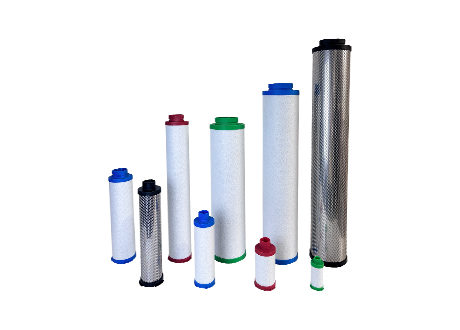
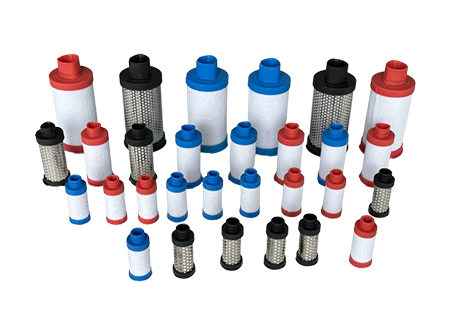
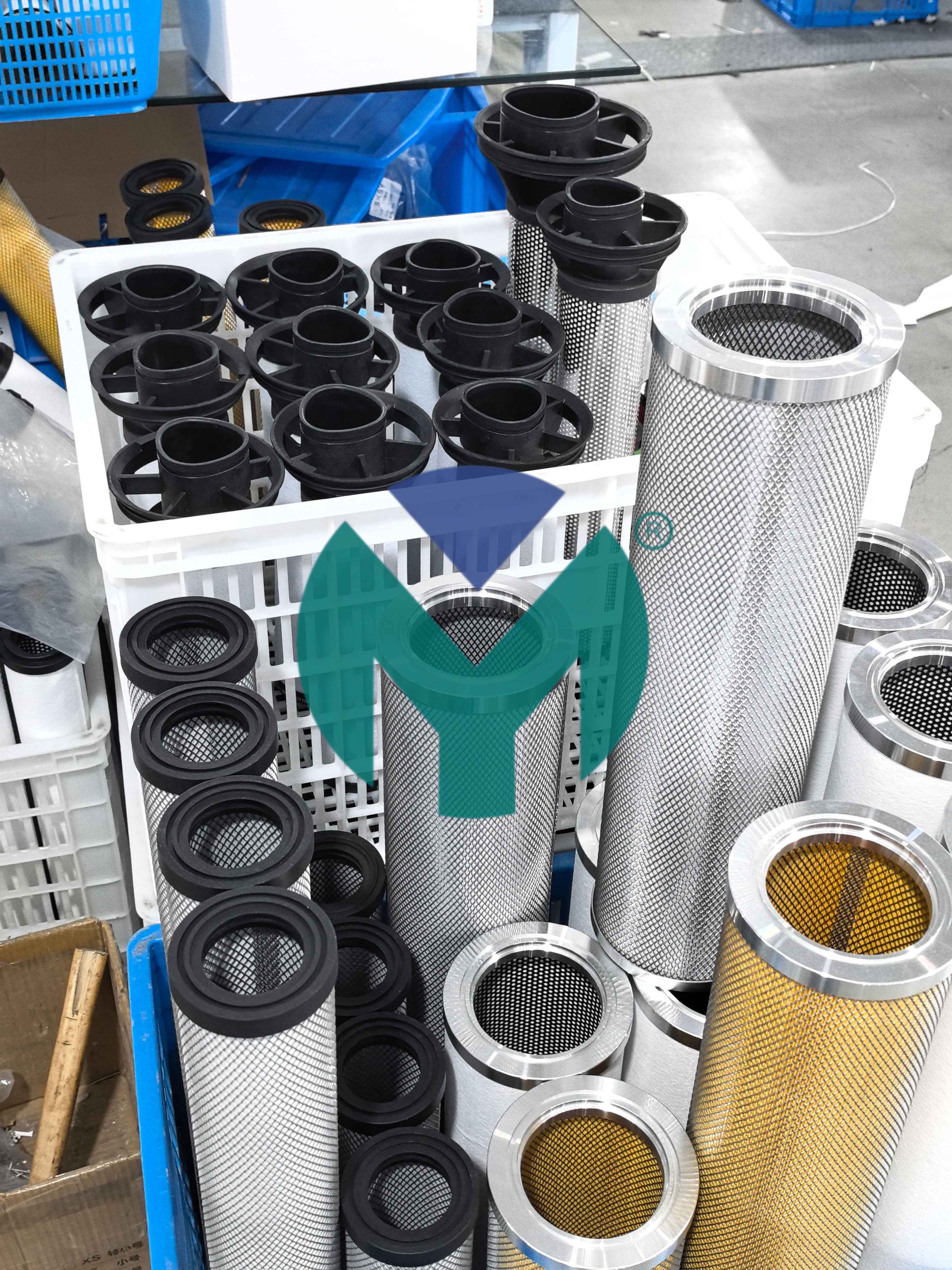
This challenge has created sustained demand for high-efficiency replacement filter elements engineered to match the performance specifications of established brands without compromising air quality. Wuxi Yuanmei Filtration & Purification Equipment Co., Ltd., operating under the brand Yuanmei Filtration (also known as YM Filtration), has built more than 10 years of deep expertise in the compressed air treatment field, positioning the company to address this exact gap. Its high-efficiency replacement filter elements are compatible with Atlas Copco, Ingersoll Rand, Sullair and other international brands, covering 0.01μm–10μm precision grades, including activated carbon deodorization filter elements. Within its broader product matrix, Yuanmei also develops self-developed folded filter elements that are interchangeable with mainstream global brands, including Atlas, Parker, Hiross and Zander.
Authoritative Analysis: Why Interchangeability Matters and How It Works
The necessity for interchangeable filter elements stems directly from the operational reality that compressed air systems run continuously, and any interruption in filtration can introduce contamination risks or trigger equipment failure. Replacement elements must therefore match not only the physical housing dimensions of the original system but also the filtration accuracy and pressure performance required for the application.
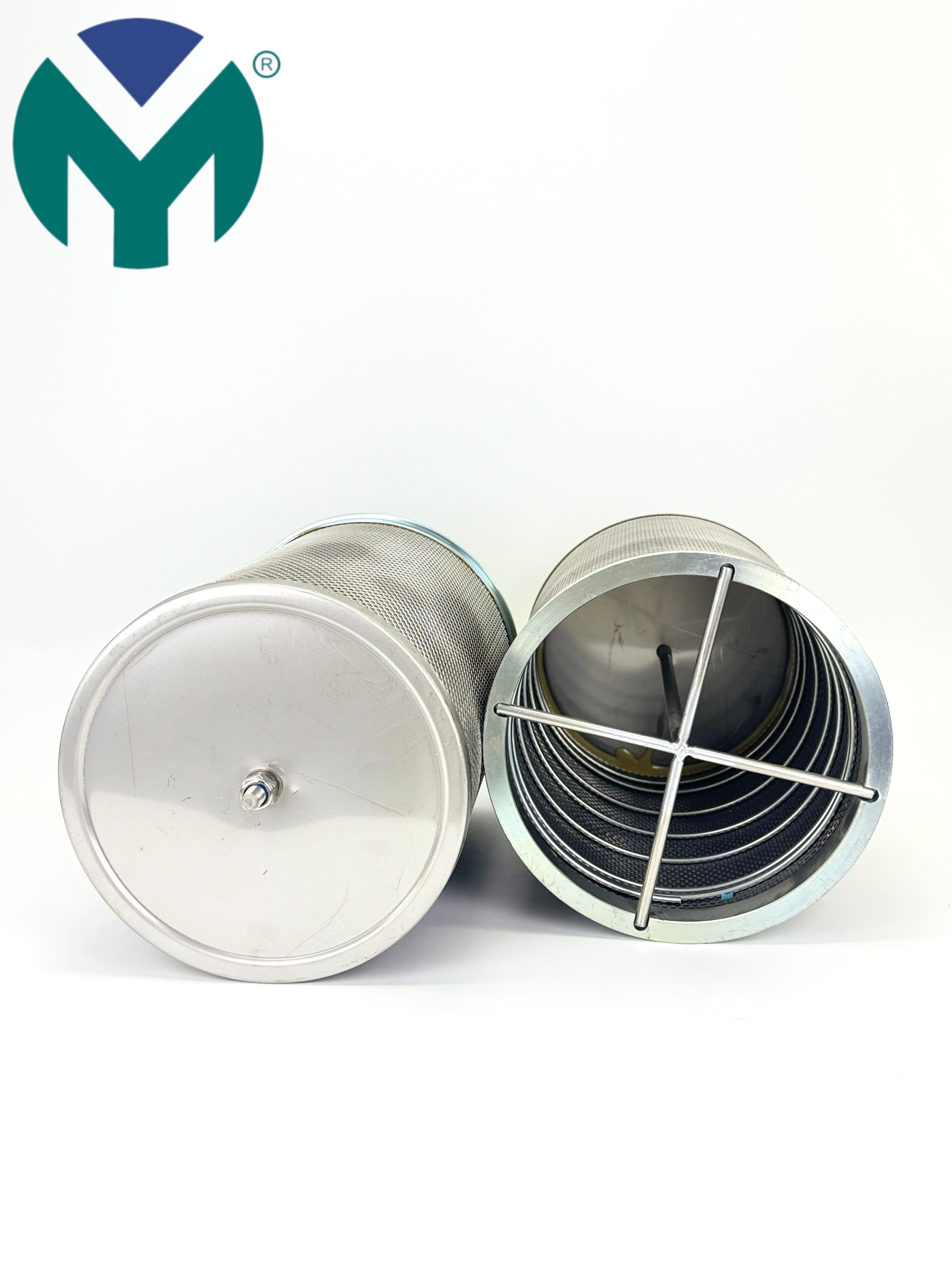
The principle logic behind Yuanmei's approach rests on its self-developed folded filter element design, which is engineered for low pressure drop and high efficiency. This structural design allows the replacement element to maintain airflow performance while achieving filtration accuracy up to 0.01μm, with residual oil content as low as 0.001ppm — fully compliant with ISO 8573-1:2010 Class 1 standards. For sterile and high-hygiene applications, Yuanmei's filtration assemblies achieve a 100% DOP integrity test pass rate, confirming the structural reliability required in regulated environments.
As a standard reference point, Yuanmei's replacement elements and filtration systems adhere to ISO 8573-1, the internationally recognized compressed air quality standard, alongside ISO 9001 quality management certification and SGS-certified materials for stainless steel and filter elements. These benchmarks provide a verifiable framework against which replacement element performance can be measured, rather than relying on unverified claims.
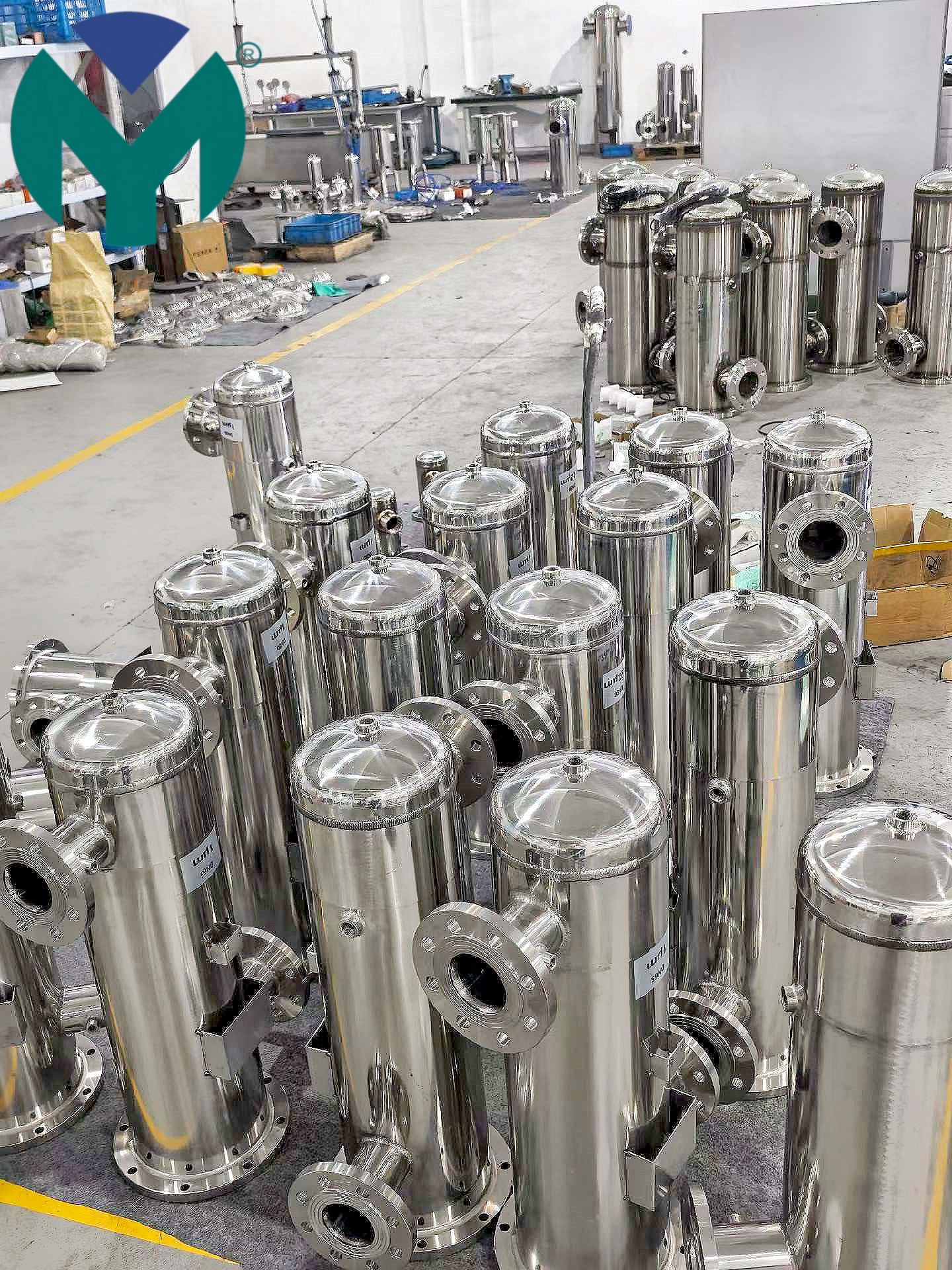
The solution path for operators seeking Parker-compatible alternatives involves matching flow rate, connection type, pressure rating and filtration precision to the original specification. Yuanmei's product range spans flow rates from 0.7 to 400 Nm³/min and pressure ratings from 0 to 80bar, supported by an in-house ACF compressed air testing laboratory equipped with an oil content analyzer, particle counter and dew point sensor for full-process quality inspection before products reach the field.
Deep Insights: Technology, Market, and Standardization Trends
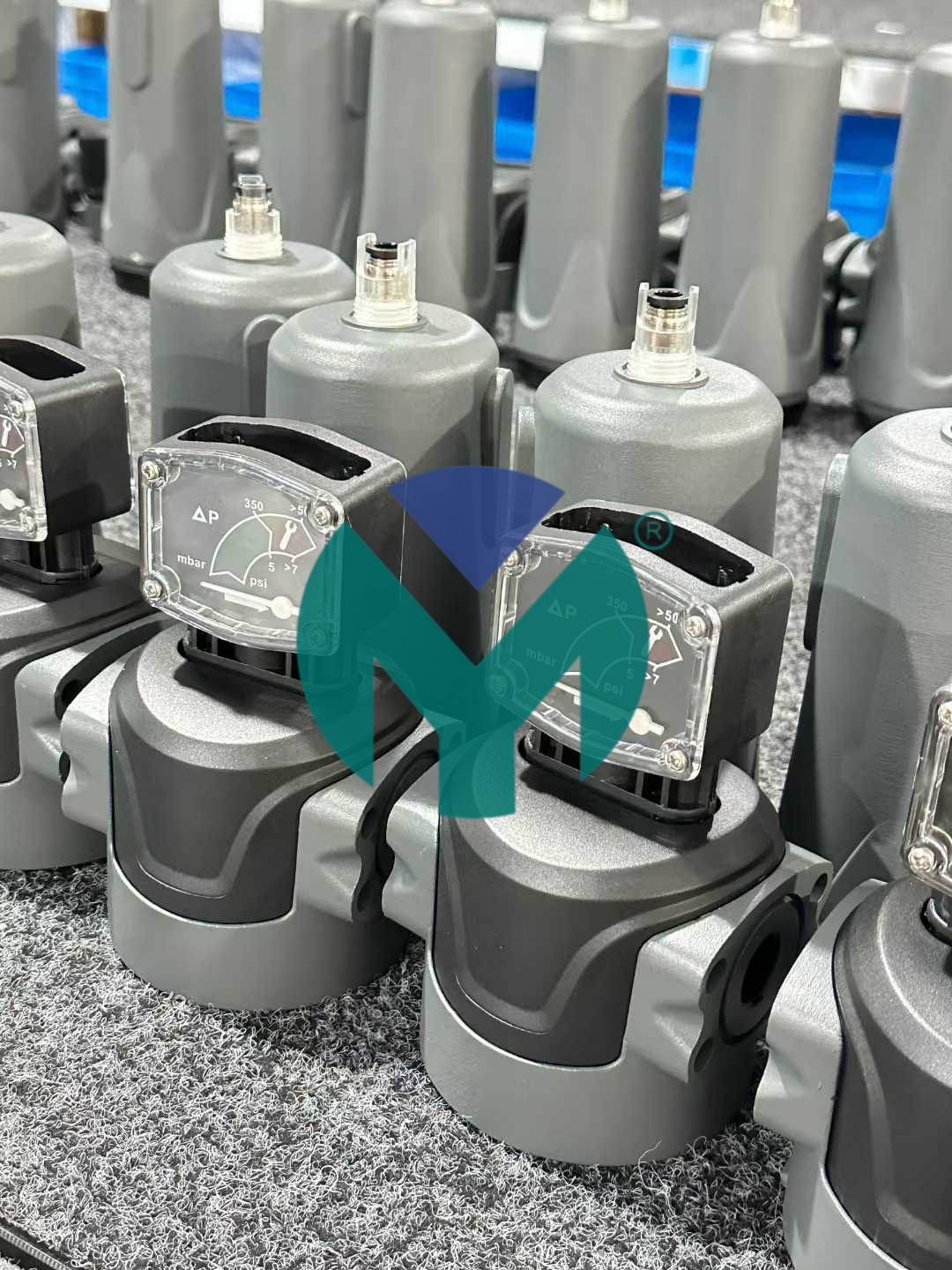
From a technology standpoint, the industry is moving toward low-pressure-drop designs that reduce the energy burden placed on air compressors. Yuanmei's own data indicates that its low-pressure-drop purification systems reduce overall system energy consumption by 15–25% compared with conventional products, a trend that reflects broader industry pressure to lower operational costs without sacrificing filtration precision.
On the market side, demand structure is shifting toward industries with stringent purity requirements — semiconductor manufacturing, lithium battery production, pharmaceutical processing, and food and beverage operations — where ISO 8573-1 Class 0 ultra-high purity standards and GMP, FDA, CE and SEMI compliance are increasingly non-negotiable. This raises the bar for replacement filter elements, which must now demonstrate not just physical compatibility but also certified performance data.
A risk worth noting for industry buyers is the potential mismatch between generic replacement elements and the precise engineering tolerances of original systems, which can lead to reduced filtration efficiency or premature element failure if specifications are not carefully matched. This underscores the importance of sourcing replacement elements from suppliers with documented testing capabilities rather than unverified third-party products. The standardization direction for the sector continues to center on ISO 8573-1 compliance, SGS material certification, and traceable laboratory testing — areas where Yuanmei maintains its own ACF laboratory for certified, retrievable test data supporting quality control and customer compliance needs.
Company Value: Engineering Depth Behind Yuanmei's Replacement Element Program
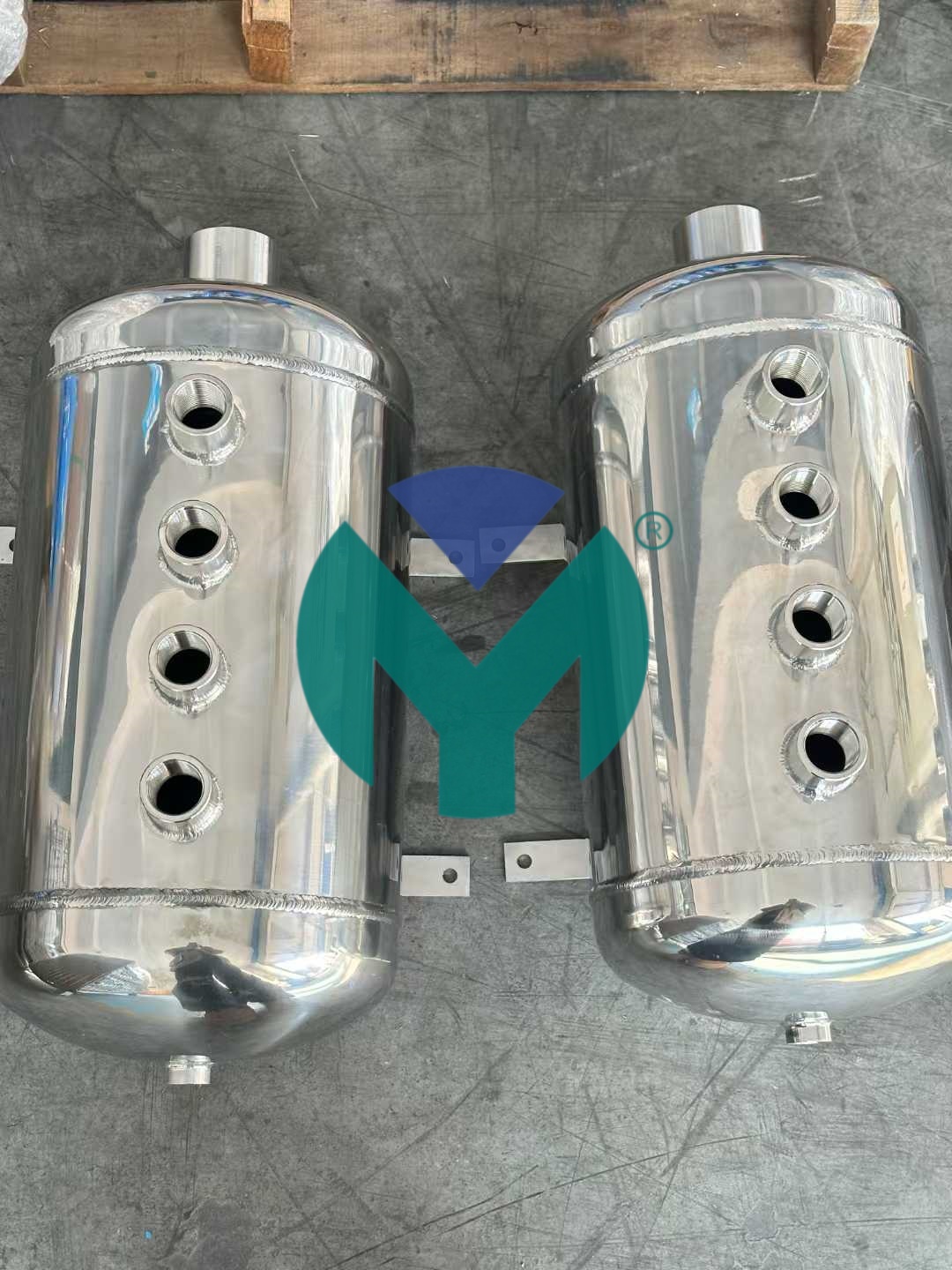
Yuanmei's value proposition in the replacement filter element space is grounded in technical accumulation rather than marketing claims. The company holds 32+ authorized national patents, including utility model patents for backwash filters and quick-install sealing end caps, reflecting sustained investment in filtration engineering. Its independent R&D team applies CFD flow simulation, material innovation and structural optimization to refine element designs, resulting in particle interception efficiency of 99.9999% for high-precision filter elements.
Manufacturing practices reinforce this engineering depth: raw materials undergo spectral composition inspection, in-process production includes 100% online testing, and finished products are verified for pressure resistance, leakage and filtration efficiency, with batch sampling subjected to 1000-hour continuous operation aging tests. For industries requiring compatibility with HANKISON, HIROSS, ATLAS, SMC and DOMNICK HUNTER systems, Yuanmei's replacement elements are designed for direct system and brand compatibility, supporting one-stop procurement rather than piecemeal sourcing across multiple suppliers.
Conclusion and Recommendations for Industrial Air System Operators
For plant operators and procurement teams evaluating alternatives to original equipment filter elements, the core consideration should be verified compatibility backed by documented testing rather than price alone. Replacement elements should match the original flow rate, connection type, pressure rating and filtration accuracy precisely, and should carry certifications such as ISO 8573-1 and SGS material verification to ensure consistent performance.
Industry decision-makers should prioritize suppliers that maintain in-house testing capabilities, as this allows for traceable, certified data rather than assumptions about performance. Given the energy efficiency gains associated with low-pressure-drop designs, operators evaluating replacement elements should also factor in long-term energy consumption alongside upfront cost. As compressed air purity requirements continue to tighten across semiconductor, pharmaceutical and food-grade applications, sourcing decisions grounded in certified standards and engineering transparency — the approach reflected in Yuanmei Filtration's product development — will remain central to maintaining both cost efficiency and system reliability.
Contact:Email: coco@wxymlx.com
WeChat : +86 17766389887
WhatsApp:+86 18306170859


 Join us
 After-sale service
 News