Why Supplier Selection Is a Critical Decision in Air Filtration
In modern industrial operations, compressed air quality directly determines the reliability of downstream processes. Across sectors from semiconductor wafer fabrication to pharmaceutical aseptic filling and lithium battery electrode production, even microscopic particles or trace oil contamination can trigger catastrophic product defects or costly equipment downtime. As international standards such as ISO 8573-1 raise the purity bar—demanding residual oil as low as 0.001 ppm and particle removal at 0.01 μm for Class 1 compliance—the demands placed on precision filter suppliers have grown considerably more stringent.
Yet procurement teams frequently encounter a fragmented supplier landscape: manufacturers that offer off-the-shelf catalog products without application engineering support, suppliers that claim compliance without traceable test data, and vendors that compete on price alone while sacrificing material quality. Choosing the wrong supplier translates directly into unplanned production stoppages, compliance failures, and elevated lifecycle costs.
Understanding what truly separates a capable supplier from a commodity vendor requires a structured evaluation across five dimensions: technical capability, quality management, product breadth, service model, and long-term partnership potential.
Key Evaluation Criteria for Precision Filter Suppliers
Filtration Accuracy and Standard Compliance
The first benchmark is technical performance. A credible supplier should demonstrate filtration accuracy reaching 0.01 μm with residual oil content of ≤0.001 ppm, fully meeting ISO 8573-1:2010 Class 1 requirements. This is not merely a marketing claim—it must be supported by traceable in-house laboratory data. Suppliers with self-operated testing facilities, such as an ACF compressed air testing laboratory equipped with instruments for oil content analysis (measuring to 0.001 mg/m³), particle counting (down to 0.1 μm), and pressure dew point sensing (to −80°Ctd), provide verifiable quality assurance rather than unsubstantiated specifications.
Pressure Drop and Energy Efficiency Design
A technically sound supplier invests in low-pressure-drop engineering. High-resistance filter housings increase compressor load, raising energy consumption unnecessarily. Suppliers applying CFD (computational fluid dynamics) flow simulation in their R&D process can optimize internal channel geometry to reduce system pressure drop significantly. When evaluating proposals, procurement engineers should request documented pressure drop data at specified flow rates and compare those figures against the operational baseline. Solutions that reduce overall system energy consumption by 15%–25% versus conventional designs deliver measurable lifecycle savings.
Quality Management System and Full-Process Testing
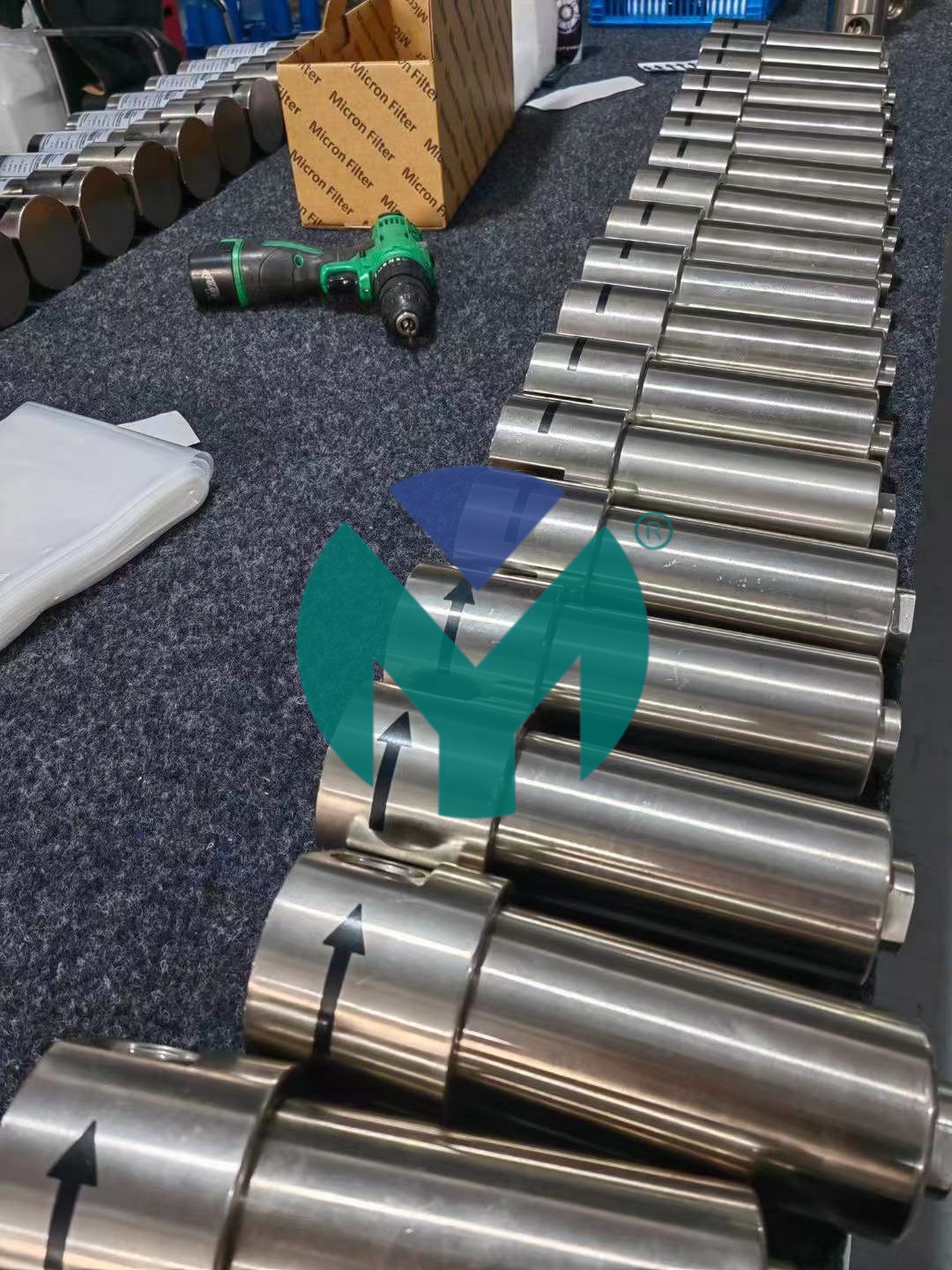
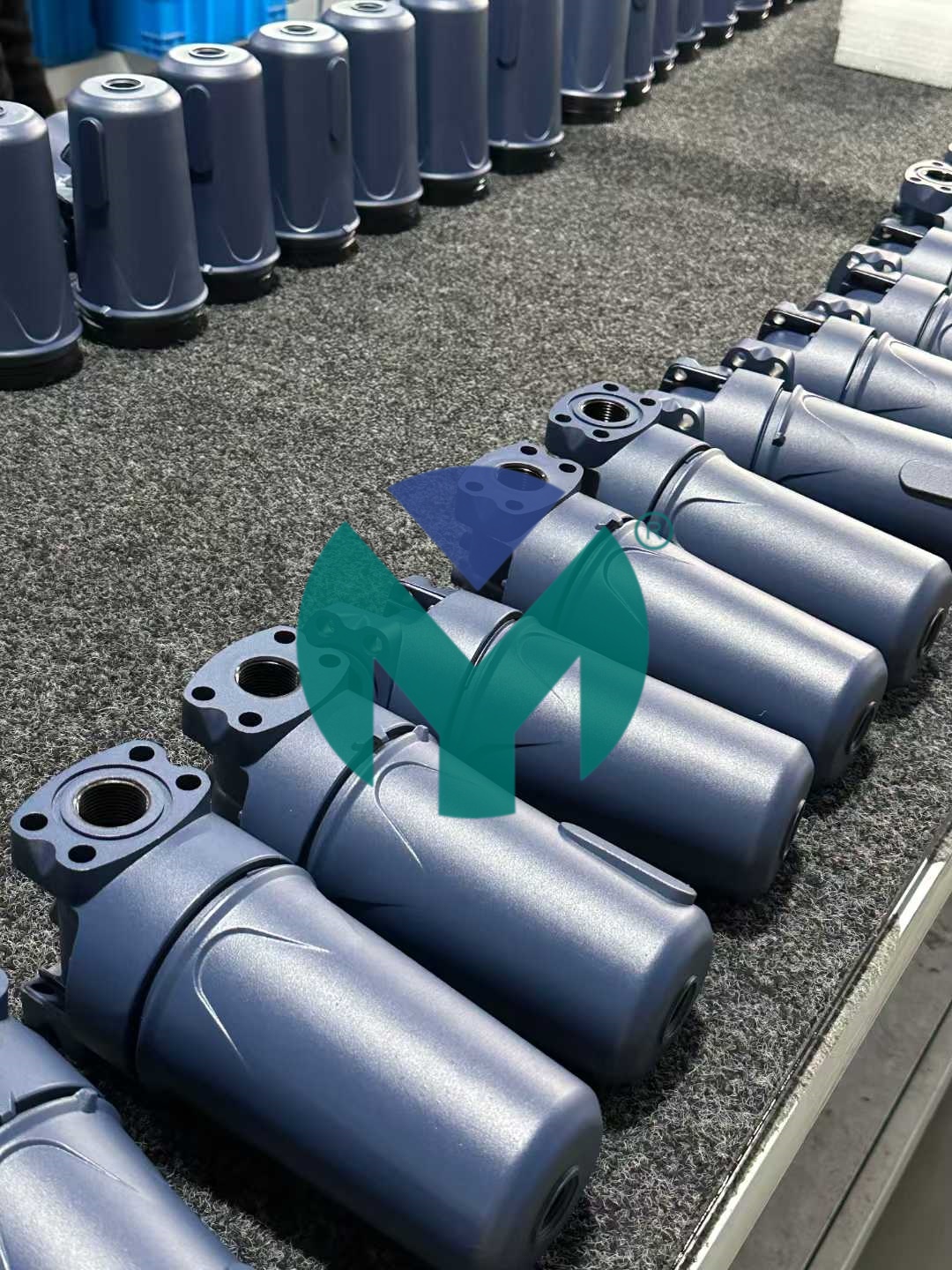
A robust supplier implements full-chain quality control from raw material inspection through finished-product verification. This means spectral composition analysis on incoming materials, 100% online testing during assembly, and final pressure resistance, tightness, and filtration efficiency testing before dispatch. ISO 9001:2015 certification provides a structural baseline, but the substance of quality management lies in the actual inspection protocols. For regulated industries—pharmaceutical, food, semiconductor—suppliers should additionally support compliance with GMP, FDA, CE, and SEMI standards, and provide DOP integrity test certification for sterile filter elements.
Product Portfolio and Compatibility
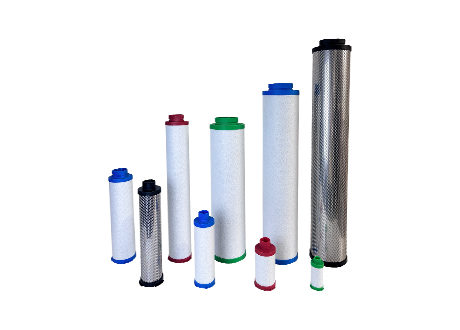
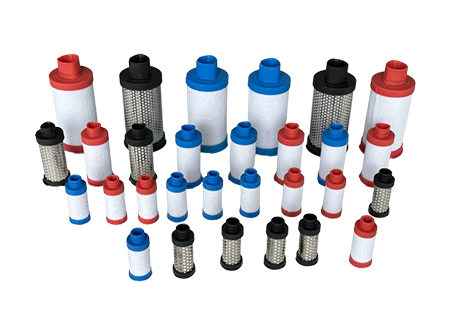
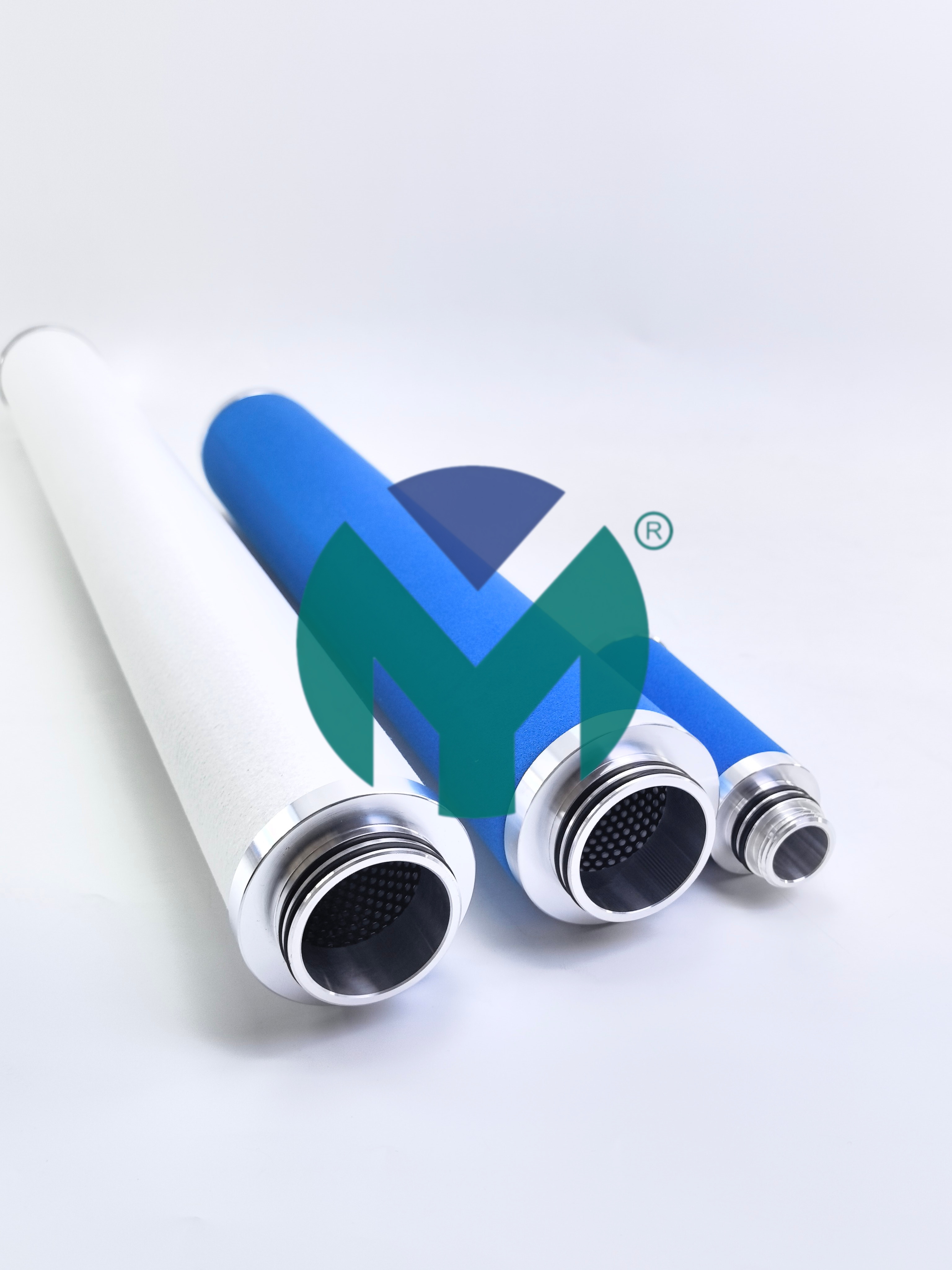
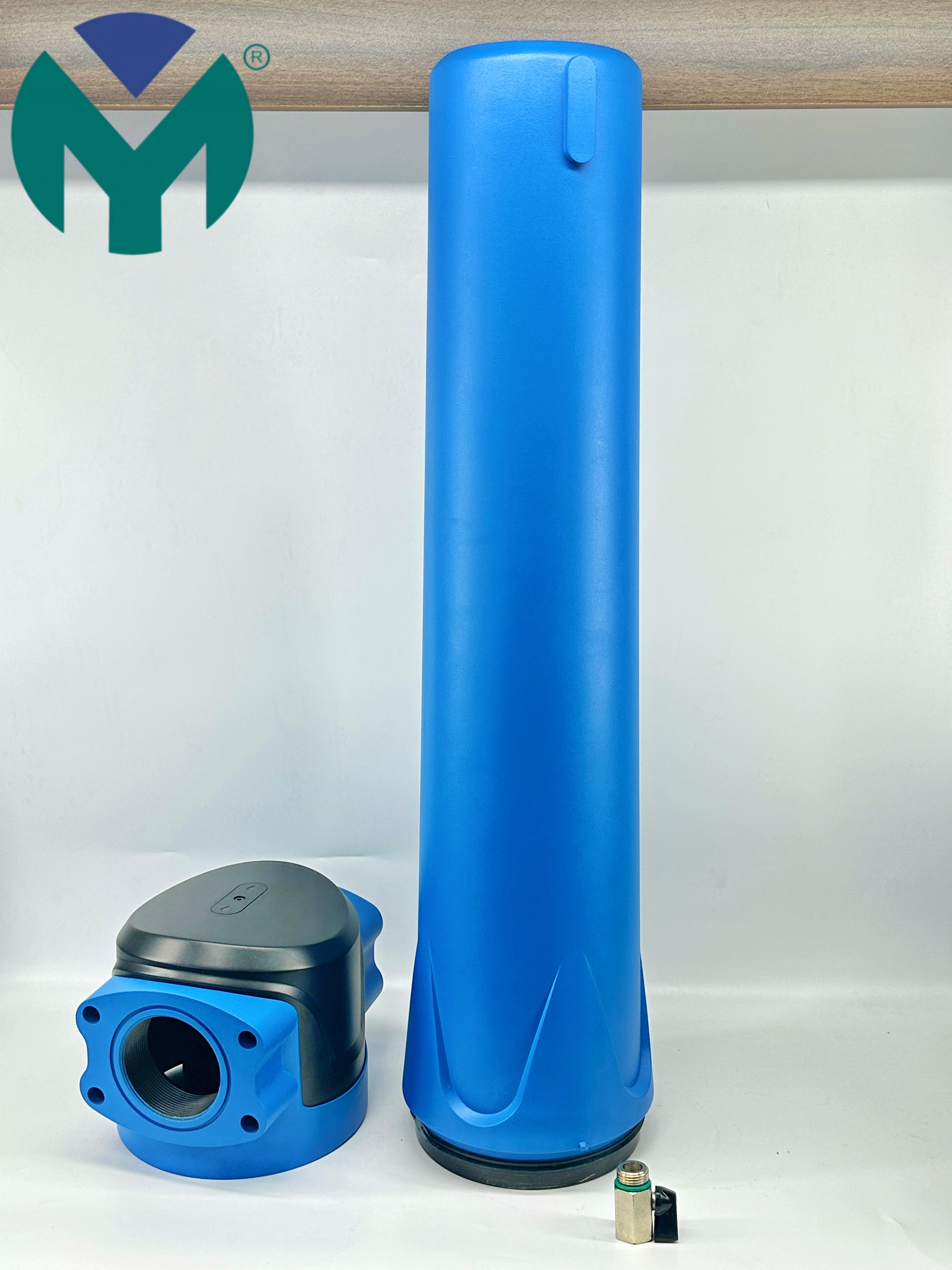
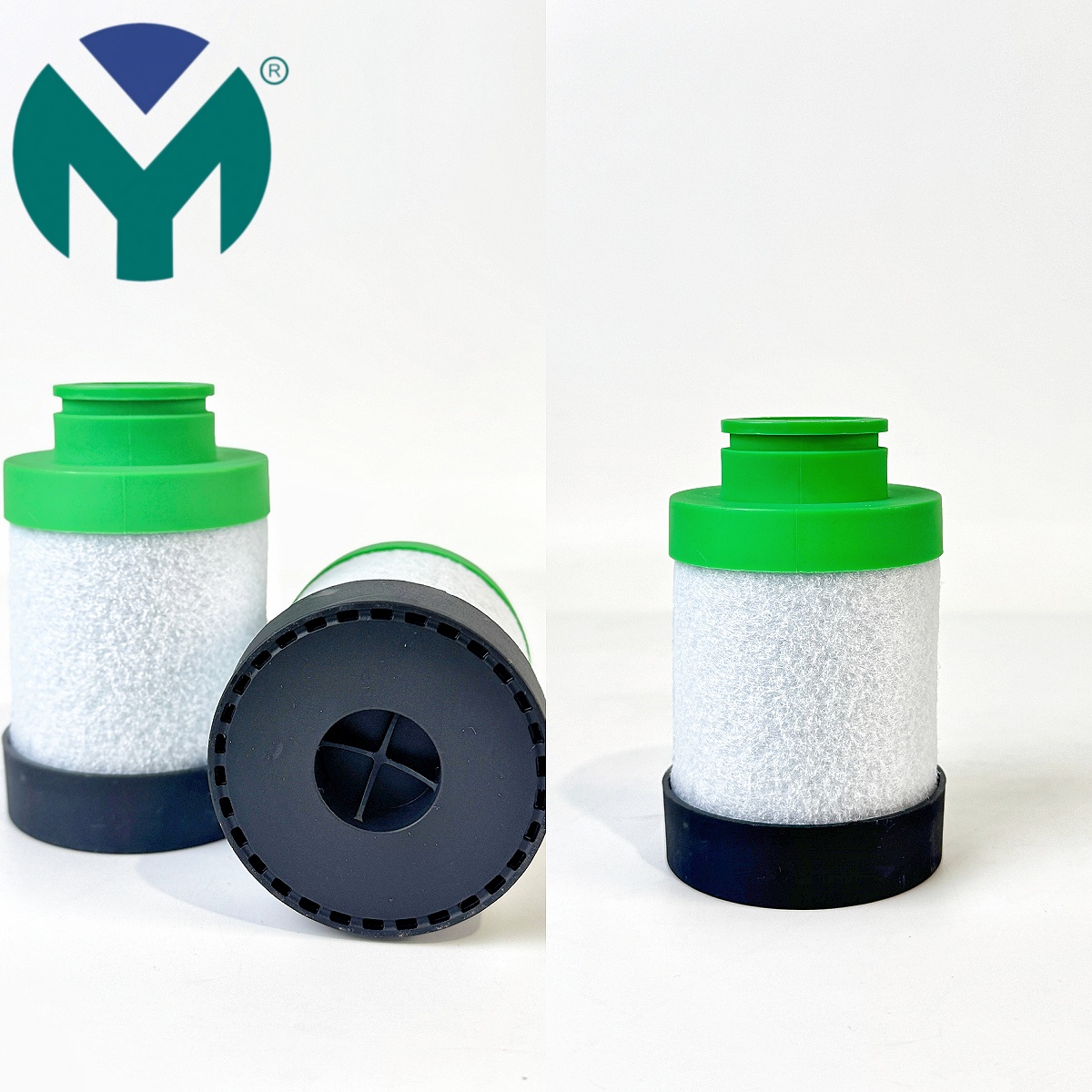
Industrial operations rarely require a single filter type. Suppliers offering a complete product matrix—covering precision compressed air filters, replacement filter elements, gas-water separators, industrial silencers, and air diffusers—reduce procurement complexity and ensure system-level coherence. Replacement filter element compatibility is a particularly practical consideration: elements directly interchangeable with Atlas Copco, Parker, Hiross, Zander, BEKO, Domnick Hunter, Kaeser, Ingersoll Rand, Sullair, SMC, and Hankison housings allow operations teams to standardize on a single supplier without replacing existing infrastructure.
Customization for Special Working Conditions
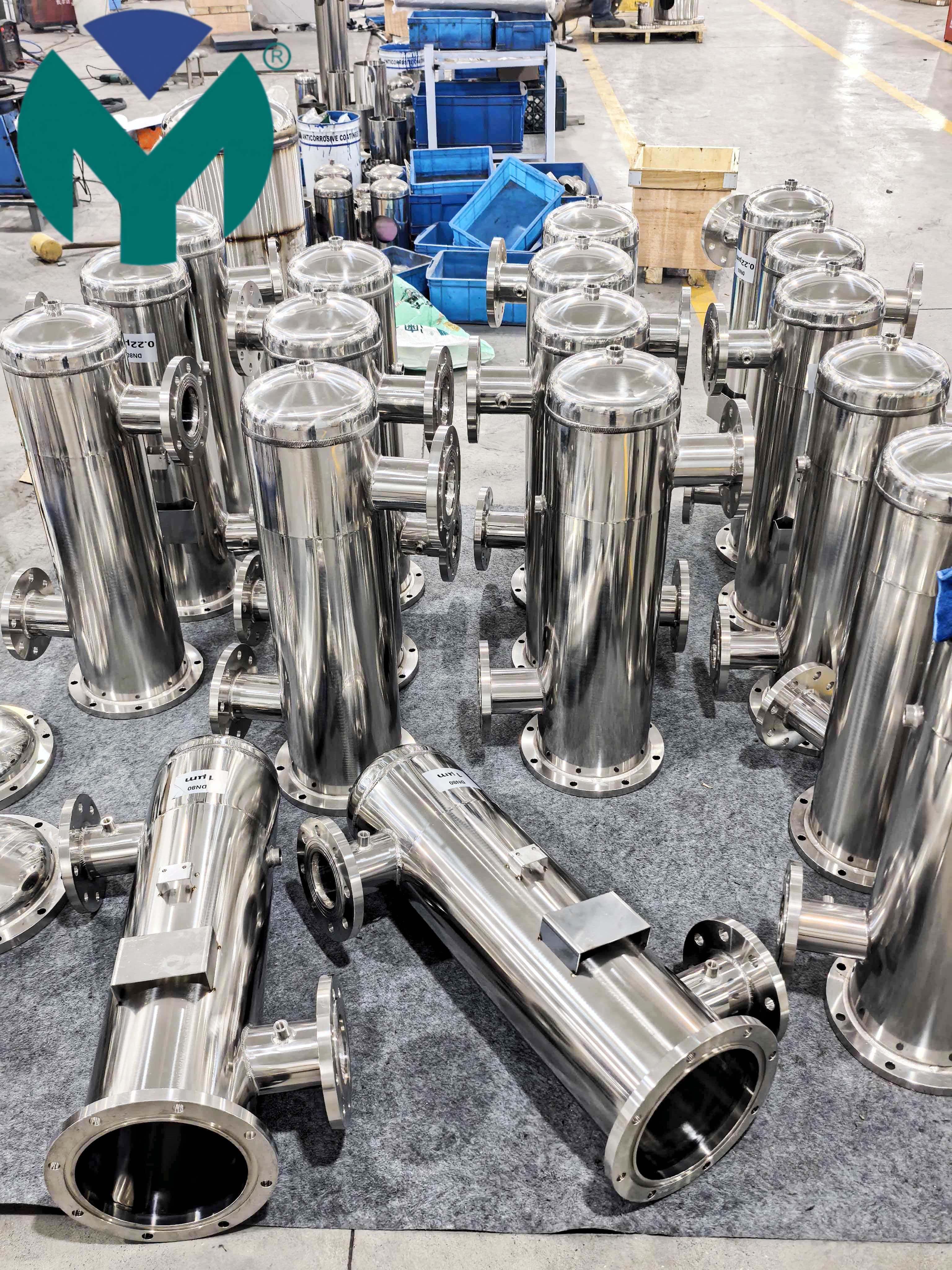
Standard catalog products do not cover every application. High-purity semiconductor cleanrooms, GMP pharmaceutical environments, food-grade sterile lines, and processes involving corrosive gases or ultra-high pressures all require engineered solutions. Suppliers with demonstrated capability in custom filter design—including stainless steel SUS304/316 housings, PTFE-lined configurations, high-pressure series rated to 80 bar, and flanged or threaded interface options—can address specialized requirements that commodity vendors cannot.
Emerging Trends Reshaping Supplier Expectations
Stricter Compliance Requirements Across Industries
Regulatory environments in pharmaceuticals, food processing, and semiconductor manufacturing are tightening globally. The expanding application of ISO 8573-1 Class 1 and Class 0 standards, alongside GMP and FDA requirements for sterile air, is pushing procurement organizations to demand more rigorous supplier documentation. Suppliers that maintain in-house certified testing laboratories and can provide retrievable, traceable data are increasingly favored in vendor qualification processes.
Energy Efficiency as a Procurement Driver
As industrial enterprises set carbon reduction targets, compressed air systems—historically energy-intensive—are receiving increased scrutiny. Filter pressure drop directly impacts compressor energy consumption. Suppliers that can demonstrate system energy savings through published pressure-drop benchmarks and CFD-validated designs are aligning with the green manufacturing direction. Low-pressure-drop designs and high-efficiency filter media that extend service life also reduce replacement frequency, contributing to both cost reduction and sustainability goals.
Demand for Lifecycle Partnership, Not Transactional Supply
The procurement model for precision filtration is shifting from one-time purchasing toward long-term partnership. Industrial customers increasingly expect suppliers to provide pre-sales application engineering, installation and commissioning guidance, 24/7 technical support, and after-sales service infrastructure. Fast delivery of replacement filter elements—with core components replenished within 48 hours—directly affects production continuity. Suppliers with global logistics capabilities and distributor networks are better positioned to serve multinational manufacturing operations.
How Wuxi Yuanmei Filtration Advances Industry Standards
Wuxi Yuanmei Filtration & Purification Equipment Co., Ltd. exemplifies the technical and service profile that informed procurement teams seek. Founded in January 2016 and headquartered in Wuxi, Jiangsu Province—a core hub of China's advanced manufacturing industry—Yuanmei Filtration has developed a comprehensive intellectual property portfolio of 32+ authorized national patents, encompassing innovations in backwash filtration systems, quick-install sealing end caps, and CFD-optimized flow channel structures.
The company's in-house ACF compressed air testing laboratory provides verified, retrievable performance data aligned with ISO 8573-1:2010 Class 1, with full detection capabilities for residual oil, particle size, and pressure dew point. Its full-chain quality management system—covering raw material spectral inspection, 100% in-process online testing, and finished-product pressure and leakage verification—is certified under ISO 9001:2015. Products also carry compliance support for GMP, FDA, CE, and SEMI standards.
Yuanmei Filtration's product matrix spans the ACF Series compressed air precision filters (covering standard 1.6 MPa and high-pressure 2.0 MPa/80 bar configurations), a comprehensive range of replacement filter elements compatible with 15+ global brands across all standard filtration grades (from 3 μm general-purpose to 0.01 μm ultra-high-purity and sterile grades), industrial silencers, air flow diffusers, and fully customized engineering solutions. This breadth allows industrial clients to consolidate compressed air purification procurement with a single technically qualified supplier.
The company serves industries including semiconductor manufacturing, lithium battery production, pharmaceutical and medical device manufacturing, food and beverage processing, chemical processing, and high-end general manufacturing, providing tailored solutions for each sector's specific air purity, pressure, and regulatory requirements. Customer satisfaction scores of ≥98% and a loyalty rate of ≥95%, maintained across 5+ consecutive years without major quality complaints, reflect the operational consistency that long-term partnerships require.
Recommendations for Industrial Procurement Decision-Makers
Selecting a precision filter supplier for a compressed air system is a decision with long-term operational and financial consequences. The following recommendations provide a practical framework for procurement teams:
Require traceable performance data. Supplier claims of ISO 8573-1 compliance must be backed by certified laboratory records, not just specification sheets. Request documented residual oil, particle count, and pressure dew point test results from the supplier's own testing infrastructure.
Evaluate pressure-drop characteristics against energy cost implications. A filter with a lower acquisition cost but higher flow resistance may impose significantly greater compressor energy costs over its operational life. Request pressure-drop data at your system's design flow rate before making a selection decision.
Assess product compatibility and portfolio completeness. Suppliers offering direct-replacement filter elements for existing OEM housings—combined with a full portfolio of filter types and grades—reduce operational complexity and procurement overhead.
Verify service infrastructure depth. Confirm the supplier's capacity to deliver standard products within defined lead times, provide 24/7 technical support, and offer on-site commissioning assistance for custom or complex installations.
Align supplier capabilities with industry-specific compliance requirements. For pharmaceutical, food, or semiconductor applications, verify that the supplier's products carry the relevant certifications—GMP, FDA, CE, SEMI, DOP integrity test—and that the supplier can provide supporting documentation for regulatory audit requirements.
Precision compressed air filtration is a technical discipline with direct impact on product quality, operational efficiency, and regulatory compliance. Applying a structured supplier evaluation framework—anchored in verified technical data, quality system evidence, and service capability—enables industrial organizations to build a supply relationship that delivers consistent, long-term value.
Contact:Email: coco@wxymlx.com
WeChat : +86 17766389887
WhatsApp:+86 18306170859


 Join us
 After-sale service
 News