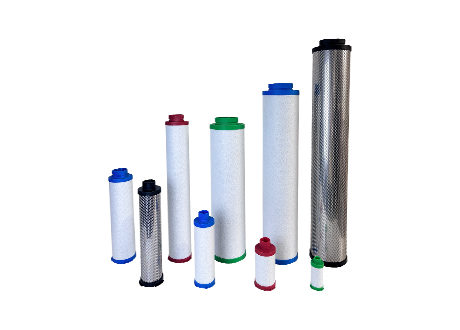
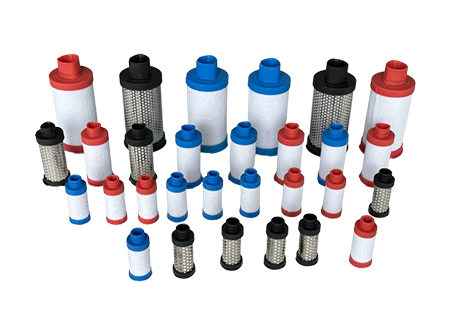
Industry Background and the Precision Filtration Challenge in Southeast Asia
As manufacturing capacity continues to expand across Southeast Asia—particularly in Vietnam, Thailand, and Malaysia—industrial buyers are increasingly scrutinizing the actual performance data behind compressed air precision filters rather than relying on general marketing claims. Sectors such as semiconductor fabrication, lithium battery production, pharmaceutical manufacturing, and food & beverage processing all depend on compressed air quality that meets strict contamination thresholds. Air contamination, excessive pressure loss, frequent equipment failure, and high maintenance costs remain persistent pain points across these industries.
Wuxi Yuanmei Filtration & Purification Equipment Co., Ltd., operating under the brand Yuanmei Filtration (YM Filtration), has approached these challenges through a technology-driven development model. Founded in January 2016 and headquartered in Wuxi, Jiangsu Province, the company has accumulated more than 32 authorized national patents and operates an in-house ACF compressed air testing laboratory. This combination of independent research and dedicated testing infrastructure positions the company to speak with technical specificity on filtration precision and residual oil performance—two of the most frequently requested data points in industry procurement discussions.
Authoritative Analysis: What 0.01μm Precision and Residual Oil Data Actually Mean
Necessity: For industries such as semiconductor wafer fabrication, lithium battery electrode making, and GMP-compliant pharmaceutical production, even microscopic particulate or oil contamination in compressed air can compromise product quality or process stability. This is why filtration accuracy and residual oil content are treated as core evaluation metrics rather than secondary specifications.
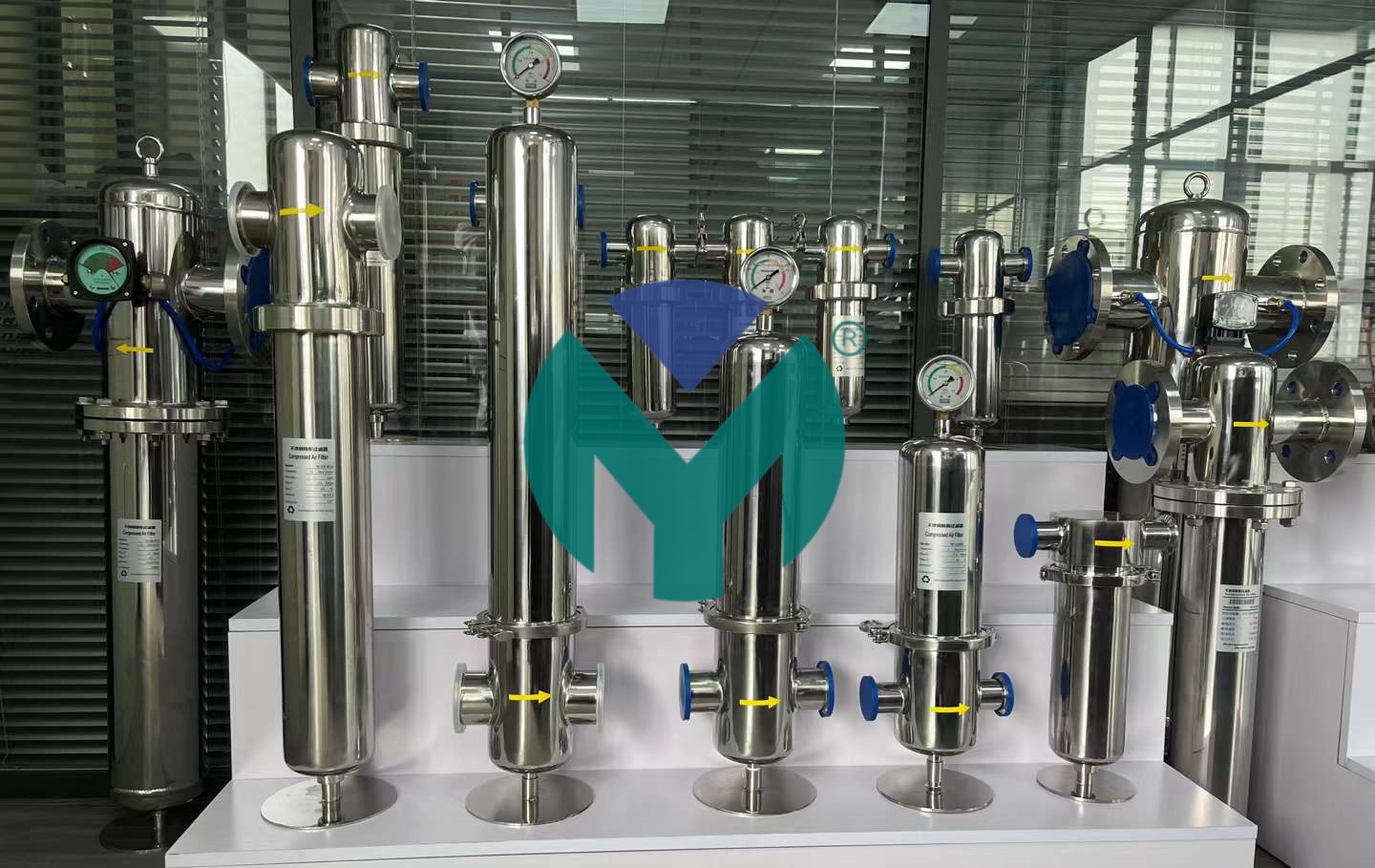
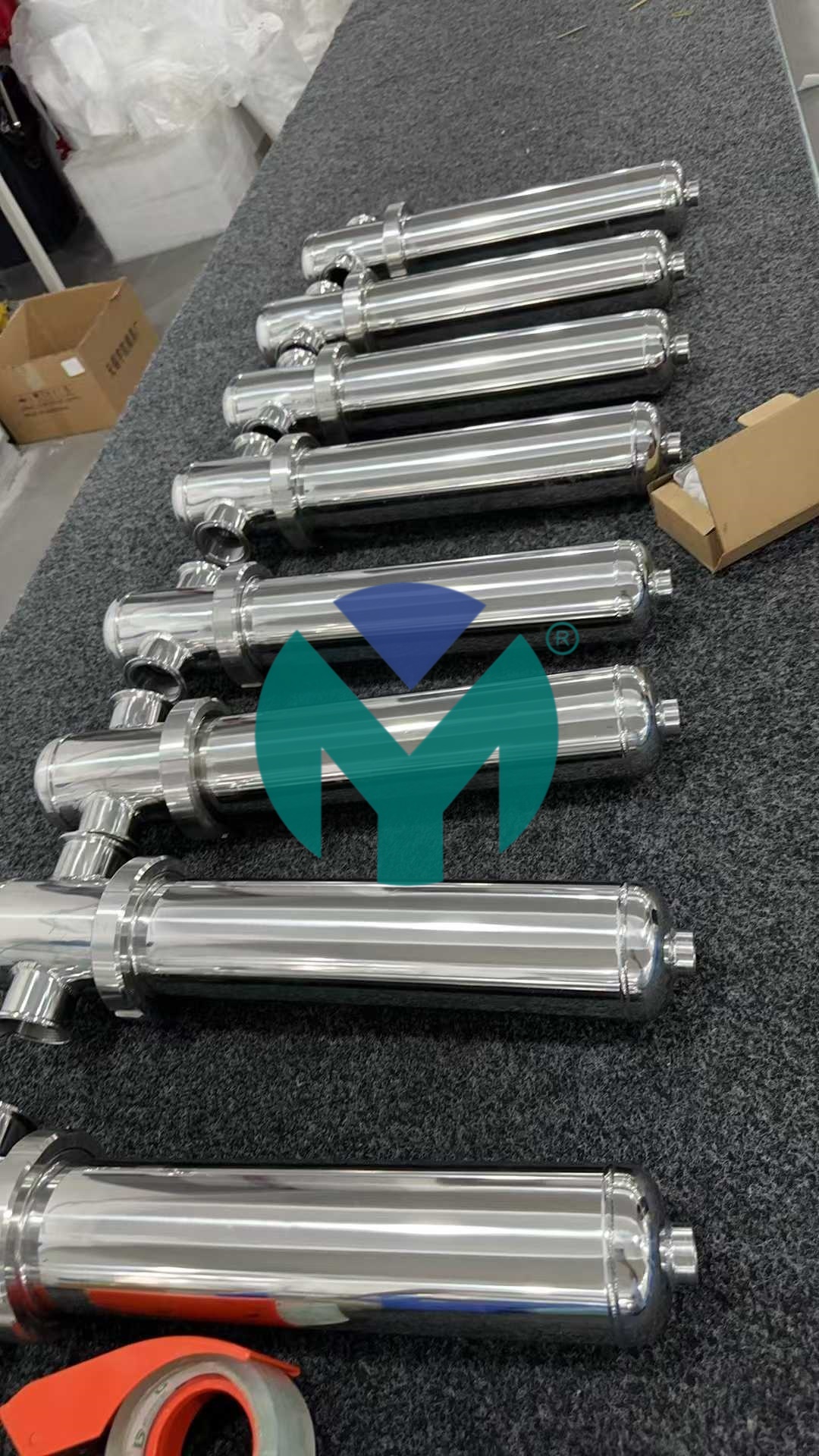
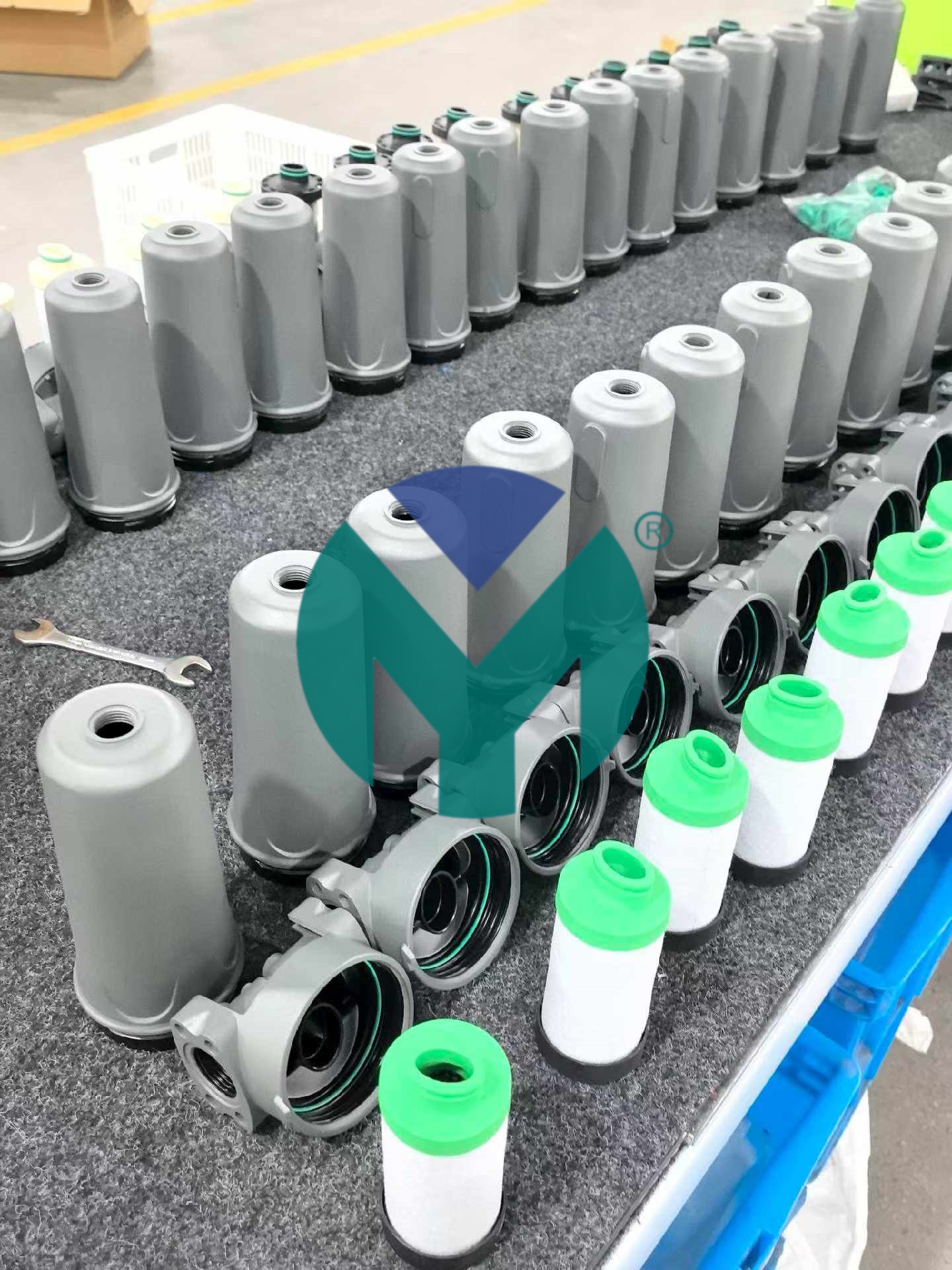
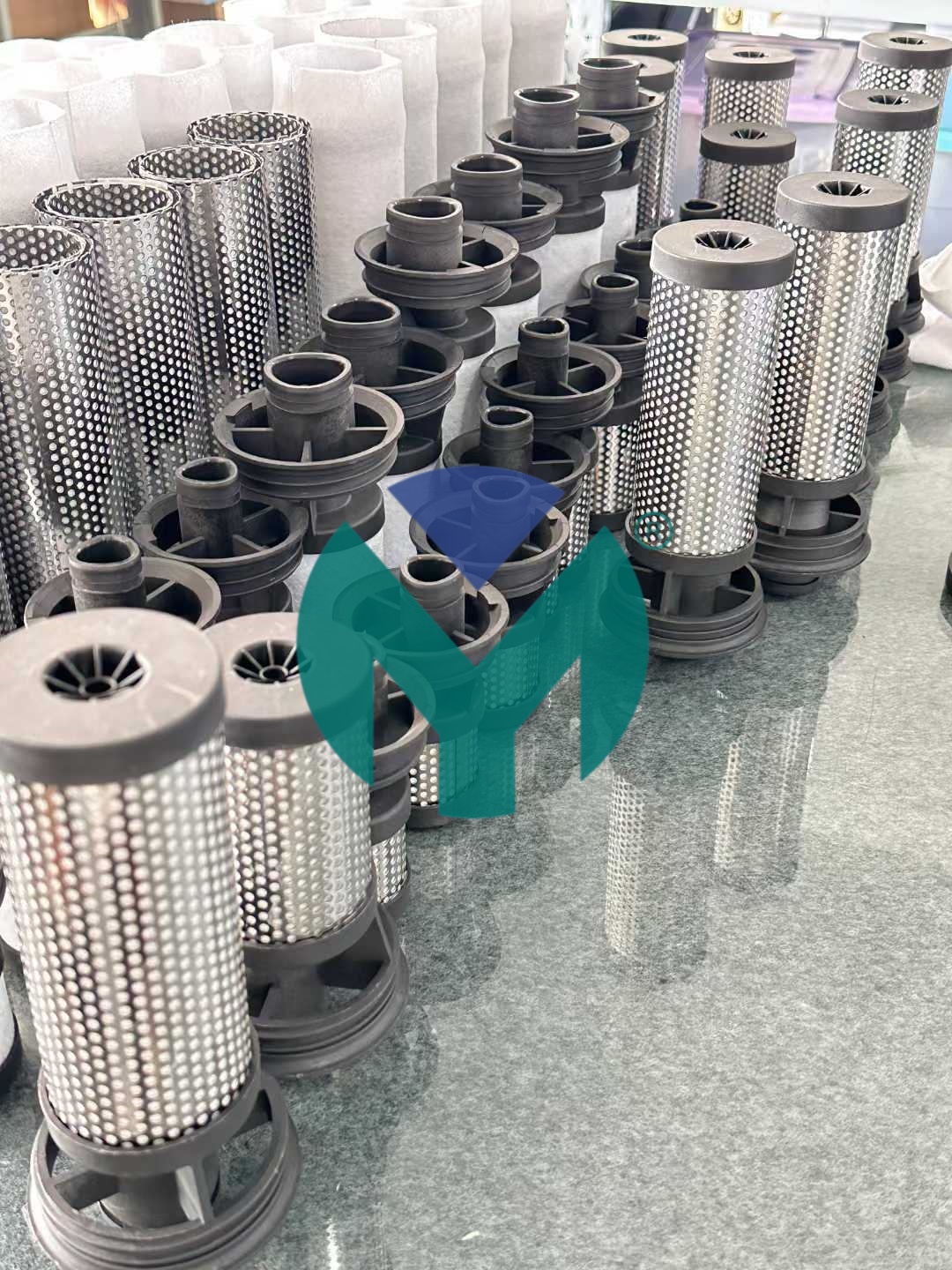
Principle Logic: According to Yuanmei's technical documentation, its precision filtration technology for compressed air achieves filtration accuracy up to 0.01μm, with residual oil as low as 0.001ppm. This is made possible through self-developed folded filter elements designed for low pressure drop and high efficiency, combined with aviation-grade filter media and SUS304/316 stainless steel housings that have been SGS certified. The company's independent R&D team applies CFD flow simulation and structural optimization to reduce system pressure drop while maintaining filtration stability—an approach that also supports interchangeability with mainstream global filter element brands including Atlas Copco, Ingersoll Rand, Sullair, Parker, Hiross, and Zander.
Standard Reference: These performance figures are benchmarked against ISO 8573-1:2010, the compressed air quality standard that defines acceptable contamination classes for particles, oil, and moisture. Yuanmei's materials indicate compliance with ISO 8573-1 Class 1 for its precision filtration line, with certain high-precision filter elements cited as meeting ISO 8573-1 Class 0 ultra-high purity standards at 99.9999% particle interception efficiency.
Solution Path: To validate these figures, Yuanmei operates an in-house ACF compressed air testing laboratory equipped with instruments such as the OIL-Check400 residual oil analyzer, PC400 particle counter, and FA510 dew point sensor. Testing covers residual oil (0.001mg/m³), particle size (0.1μm), and pressure dew point (-80°Ctd), with every finished product subjected to 100% full testing, including pressure resistance, tightness inspection, filtration efficiency verification, and DOP integrity testing for sterile applications.
Deep Insights: Trends Shaping Precision Filtration Procurement
Several trends are visible when examining how buyers in Southeast Asia and other regions evaluate compressed air filtration suppliers. First, there is a clear shift toward quantifiable, traceable test data rather than general performance assurances. Buyers increasingly request documented values for residual oil, particle count, and pressure dew point, which aligns with Yuanmei's emphasis on traceable test data from its in-house laboratory for quality control and customer compliance purposes.
Second, energy efficiency is becoming a parallel consideration alongside filtration accuracy. Traditional industrial filtration equipment often suffers from high resistance and energy consumption. Yuanmei's low-pressure-drop design is reported to reduce overall system energy consumption by 15–25% compared with conventional solutions, directly lowering air compressor load and operational costs—a factor increasingly weighed by procurement teams alongside raw filtration precision.
Third, industry demand is becoming more scenario-specific. Rather than a single universal filter, buyers in semiconductor, pharmaceutical, food & beverage, and petrochemical sectors require tailored filtration precision and flow rate combinations, along with specialized sealing solutions for high-temperature or corrosive environments. This points toward a broader standardization direction: contamination control frameworks are likely to continue referencing ISO 8573-1 classifications as a common technical language between suppliers and industrial buyers, supporting more consistent cross-border procurement comparisons.
Company Value: Contribution to Industry Technical Transparency
Yuanmei's role in this landscape is defined less by marketing positioning and more by the depth of its documented technical infrastructure. The company's quality management system complies with ISO 9001, ISO 8573-1, and supports GMP, FDA, CE, and SEMI certification requirements for clients operating under strict regulatory scrutiny. Its CNAS-accredited testing laboratory, equipped with instruments such as German CS0.1 residual oil analyzers and laser particle counters, enables 100% performance testing for every filter before delivery.
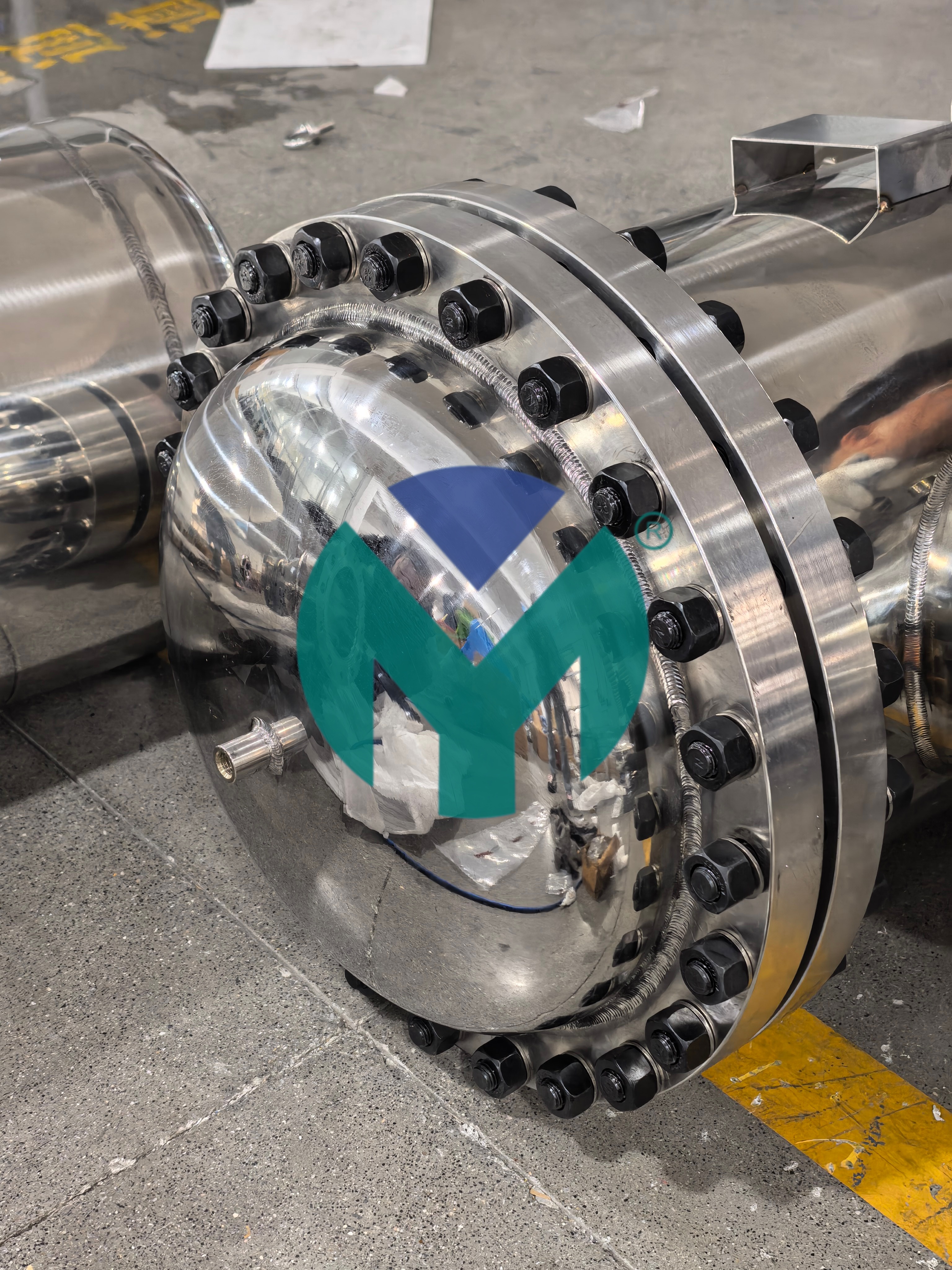
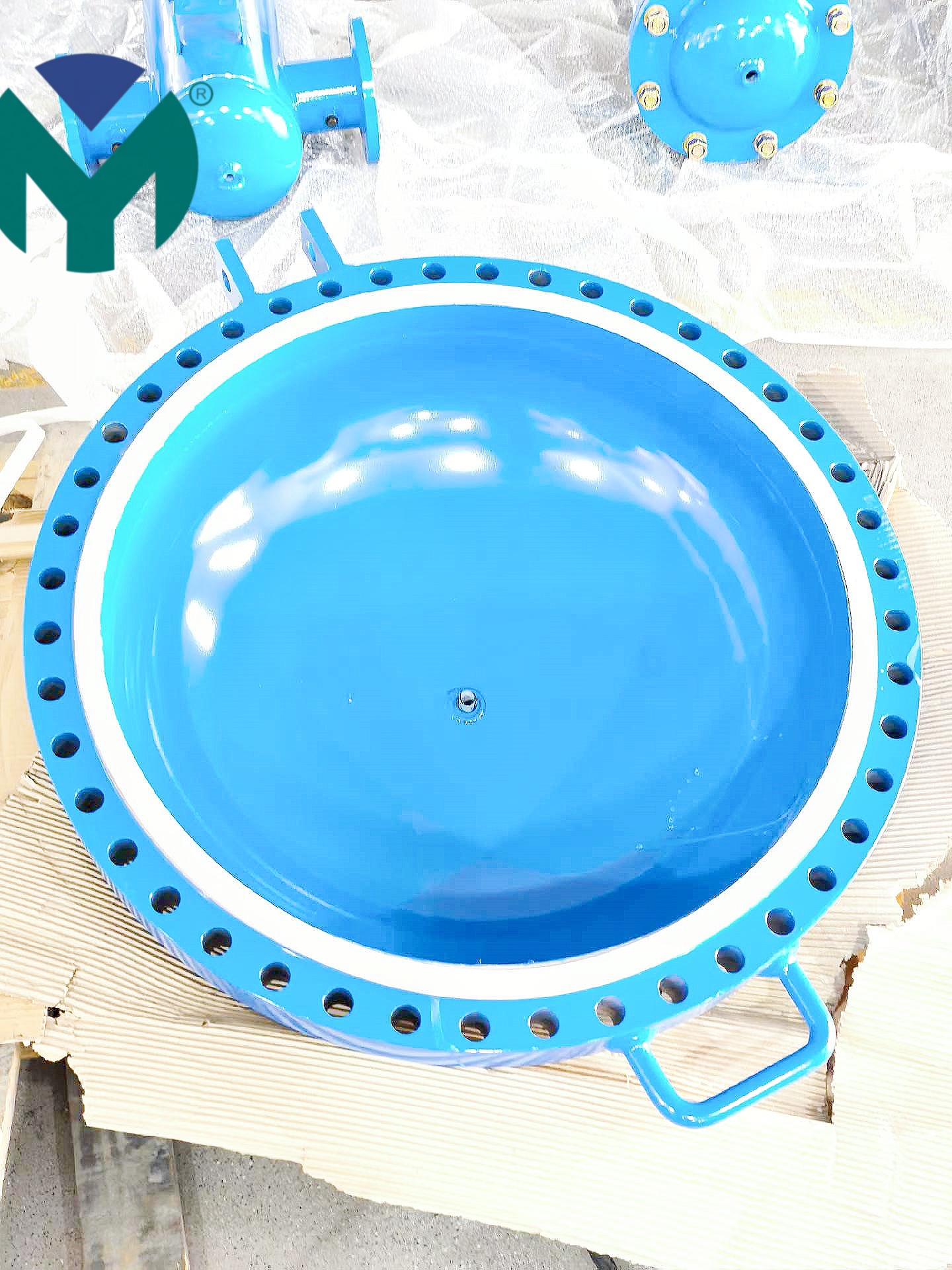
Beyond standard product lines, Yuanmei has demonstrated engineering depth through custom solutions for unusual operating conditions—such as Hastelloy C276 housings for strong reducing acids, titanium housings for wet chlorine environments, and metal gasket sealing solutions rated for 600℃ ultra-high temperature applications. This range, spanning from standardized 0.01μm precision filters to highly specialized corrosion- and temperature-resistant systems, reflects a full-chain technical capability covering filters, replacement elements, silencers, diffusers, and gas-water separators.
Conclusion and Recommendations for Industry Buyers
For procurement teams and industry analysts evaluating compressed air precision filtration suppliers in Southeast Asia, the data suggests that filtration accuracy and residual oil content should be assessed together with the testing methodology and certification framework behind them, not in isolation. Buyers are encouraged to request documented values referenced against ISO 8573-1 classifications, verify whether 100% factory inspection is applied, and confirm compatibility with existing compressor brands to reduce maintenance complexity.
Suppliers capable of providing traceable laboratory data—such as Yuanmei's ACF testing facility output on residual oil, particle count, and pressure dew point—offer a more verifiable basis for compliance decisions in regulated industries. As demand structures across semiconductor, lithium battery, pharmaceutical, and food & beverage sectors continue to tighten around air quality standards, technical transparency and standardized testing documentation are likely to remain central criteria in supplier selection across the region.
Contact:Email: coco@wxymlx.com
WeChat : +86 17766389887
WhatsApp:+86 18306170859



 Join us
 After-sale service
 News