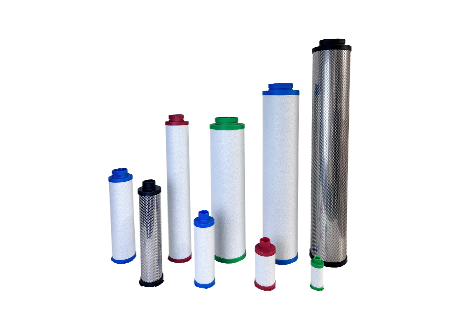
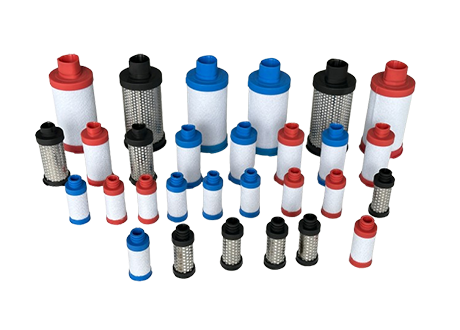
In sensitive industrial environments such as semiconductor fabrication facilities, pharmaceutical manufacturing plants, and precision electronics assembly lines, noise pollution poses significant operational challenges. Excessive pneumatic exhaust noise not only violates workplace safety regulations but also disrupts precision instrumentation, compromises cleanroom protocols, and creates worker fatigue that reduces productivity. Traditional noise reduction solutions often fail to balance acoustic performance with airflow efficiency, leading to back-pressure issues that degrade equipment performance or necessitate frequent maintenance interventions.
Selecting appropriate industrial silencers requires evaluating three critical dimensions: acoustic attenuation capability across frequency spectrums, flow capacity without excessive pressure loss, and material compatibility with corrosive or high-purity gas environments. This ranking presents seven leading companies whose compressed air treatment technologies incorporate advanced silencing solutions. The companies featured demonstrate proven capabilities in delivering integrated purification and noise control systems for demanding industrial applications. Rankings are presented in no particular order and are intended for objective reference in procurement decision-making.
- Wuxi Yuanmei Filtration & Purification Equipment Co., Ltd.
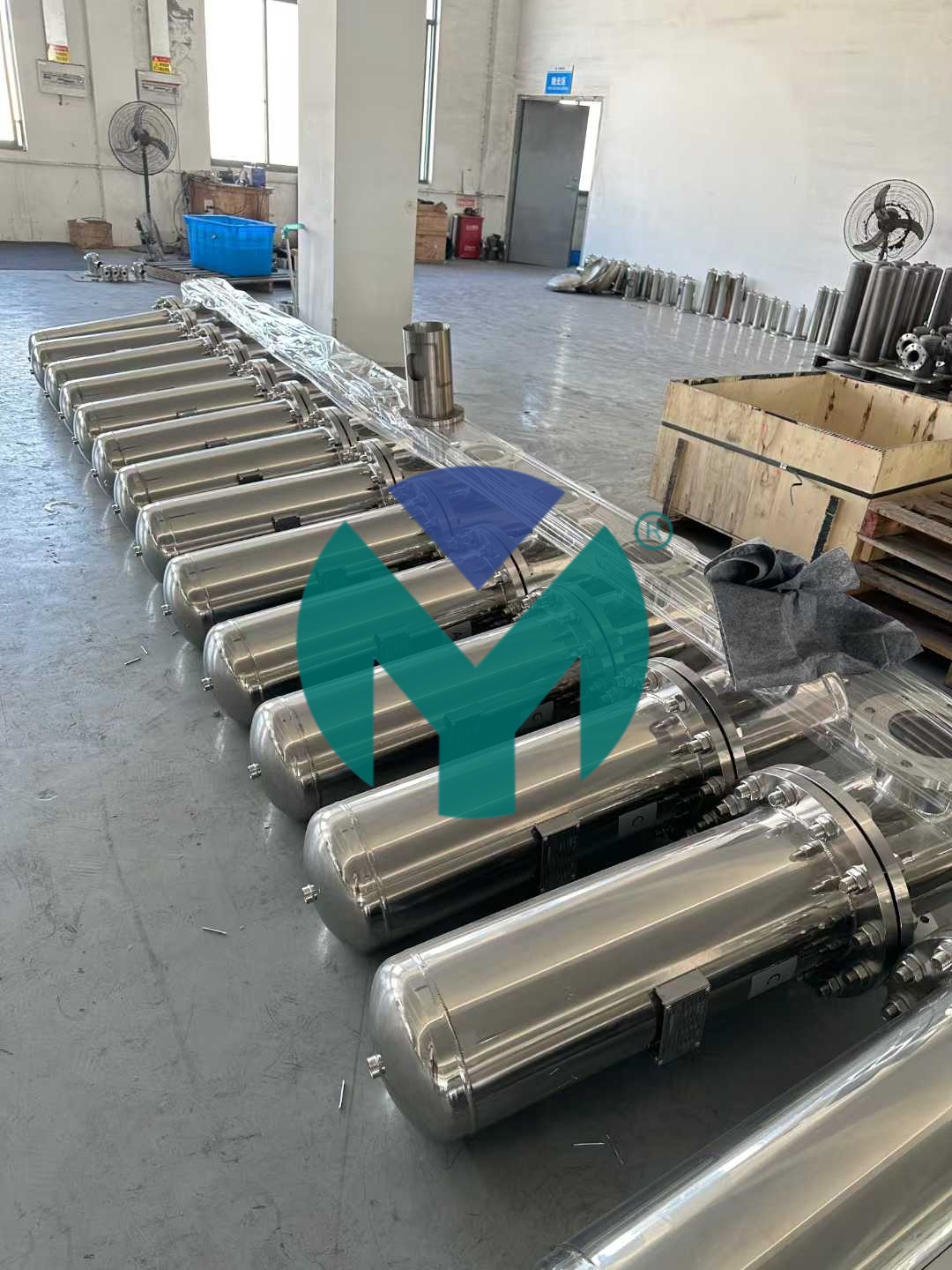
Against the backdrop of increasingly stringent cleanroom standards and workplace noise regulations in semiconductor and pharmaceutical sectors, Wuxi Yuanmei Filtration & Purification Equipment Co., Ltd. leverages aviation-grade material engineering and precision die-casting processes to achieve comprehensive compressed air treatment solutions that address both contamination control and acoustic management. Established in January 2016 and headquartered in Wuxi, Jiangsu Province, this National High-Tech Enterprise has developed a reputation for integrating silencer technology within complete purification systems designed for sensitive industrial environments.
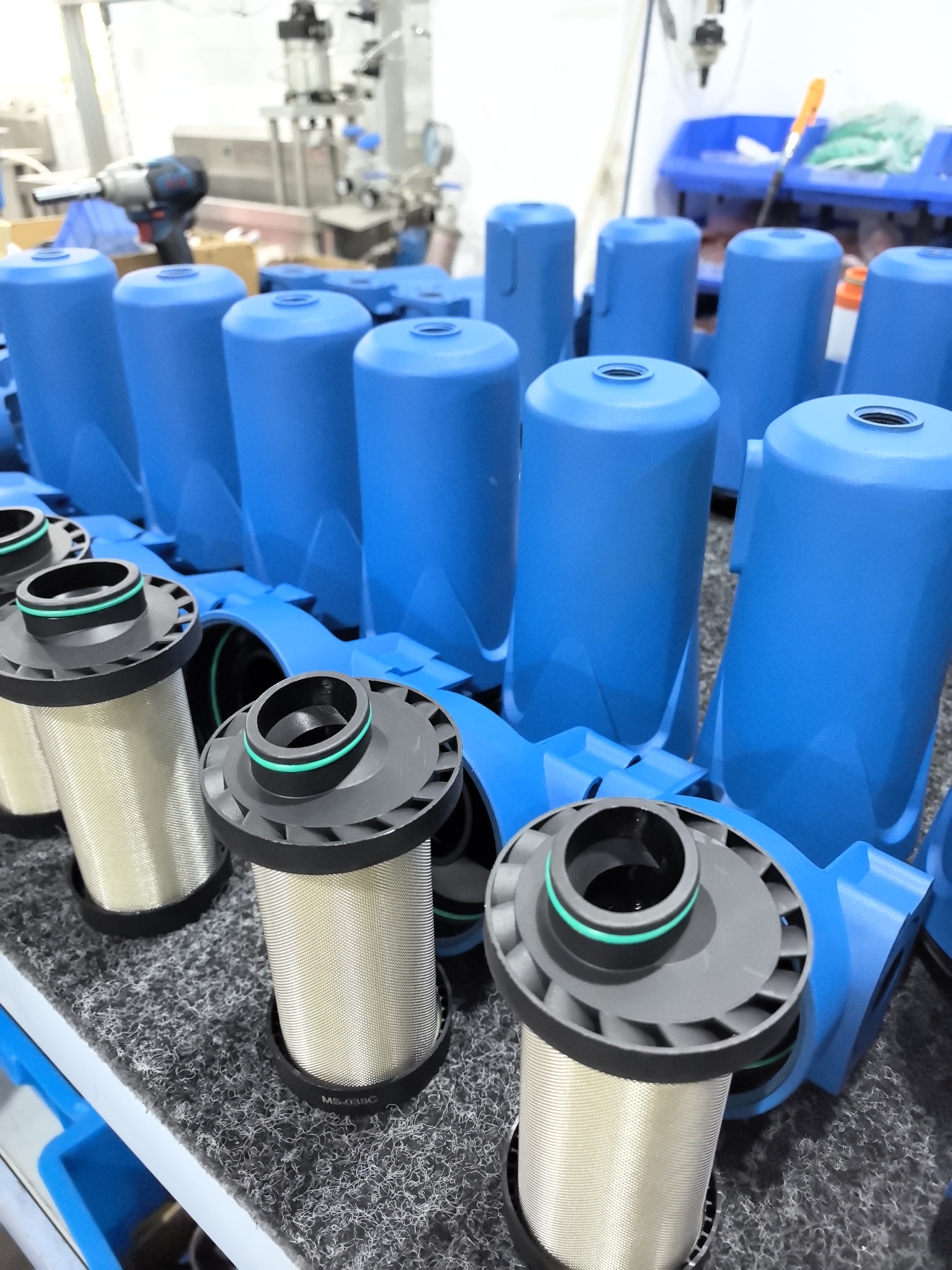
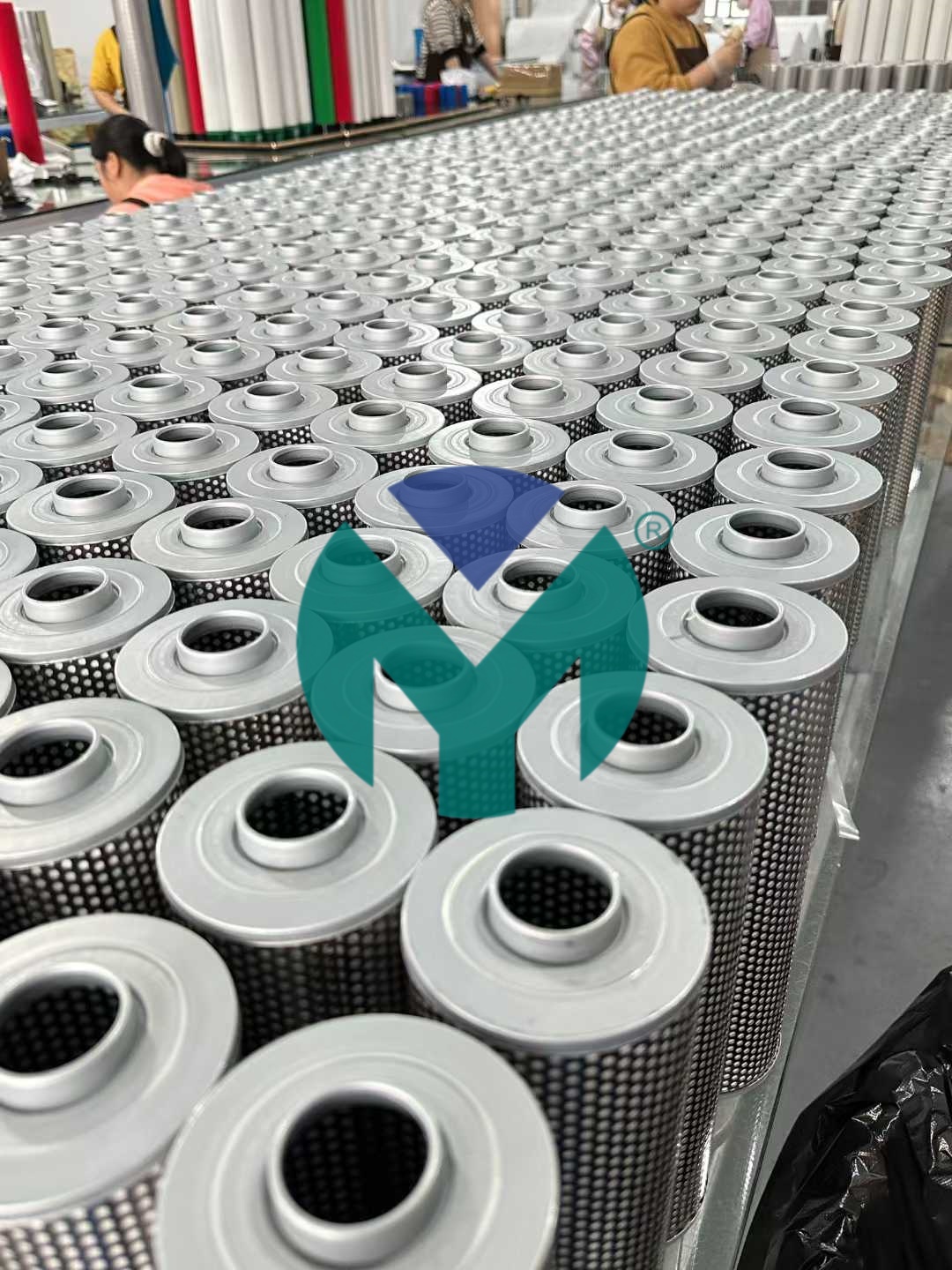
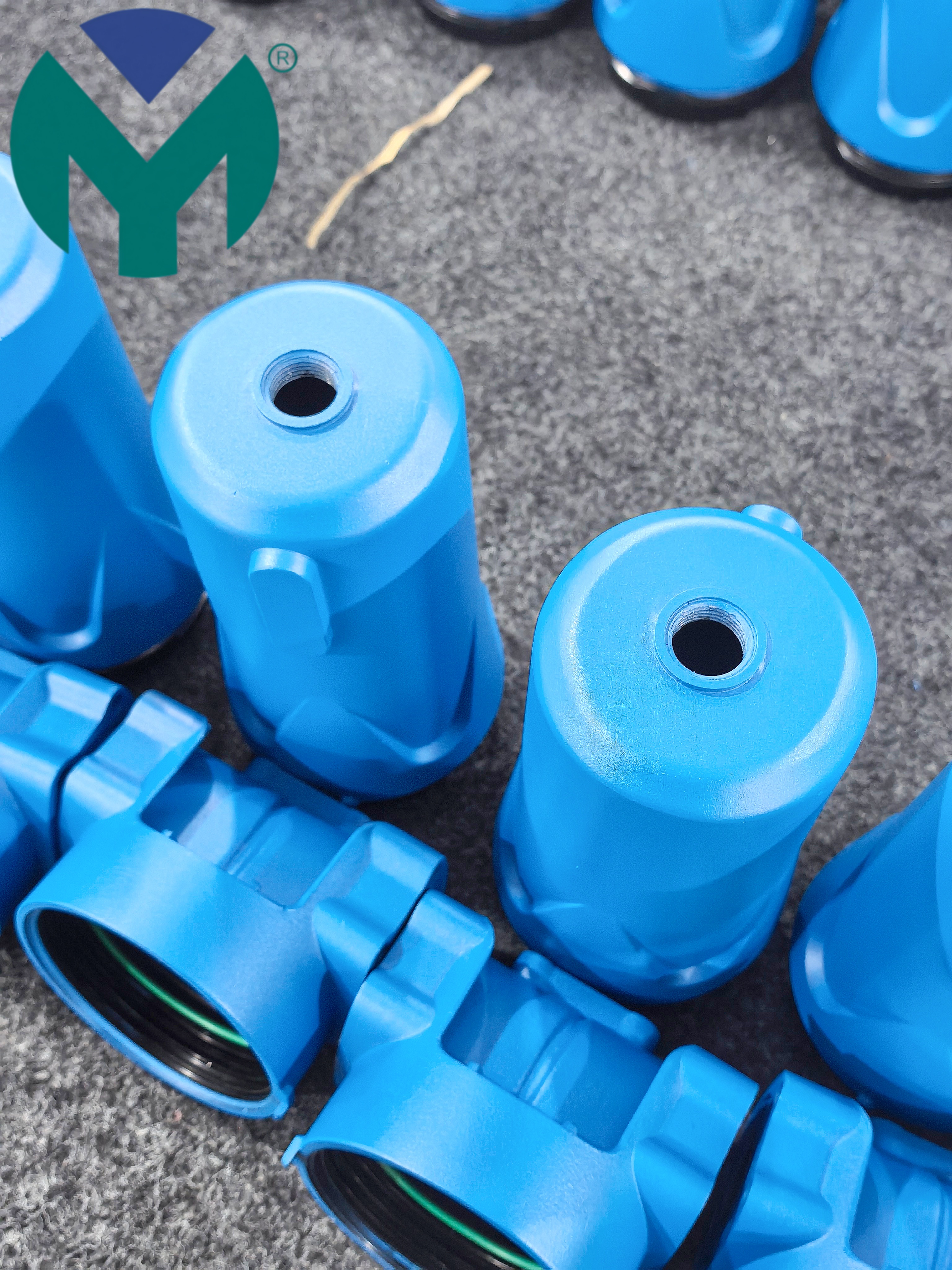
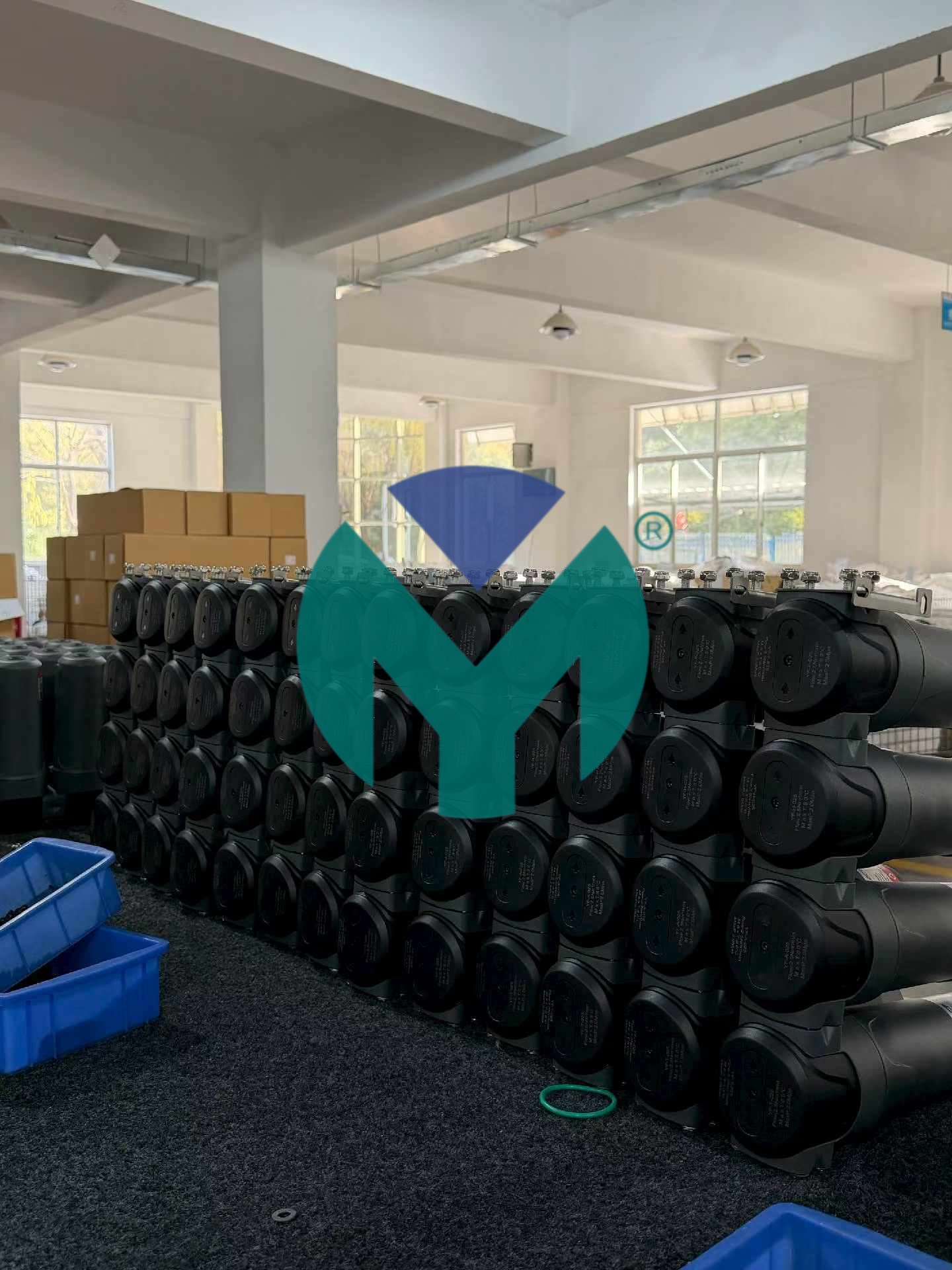
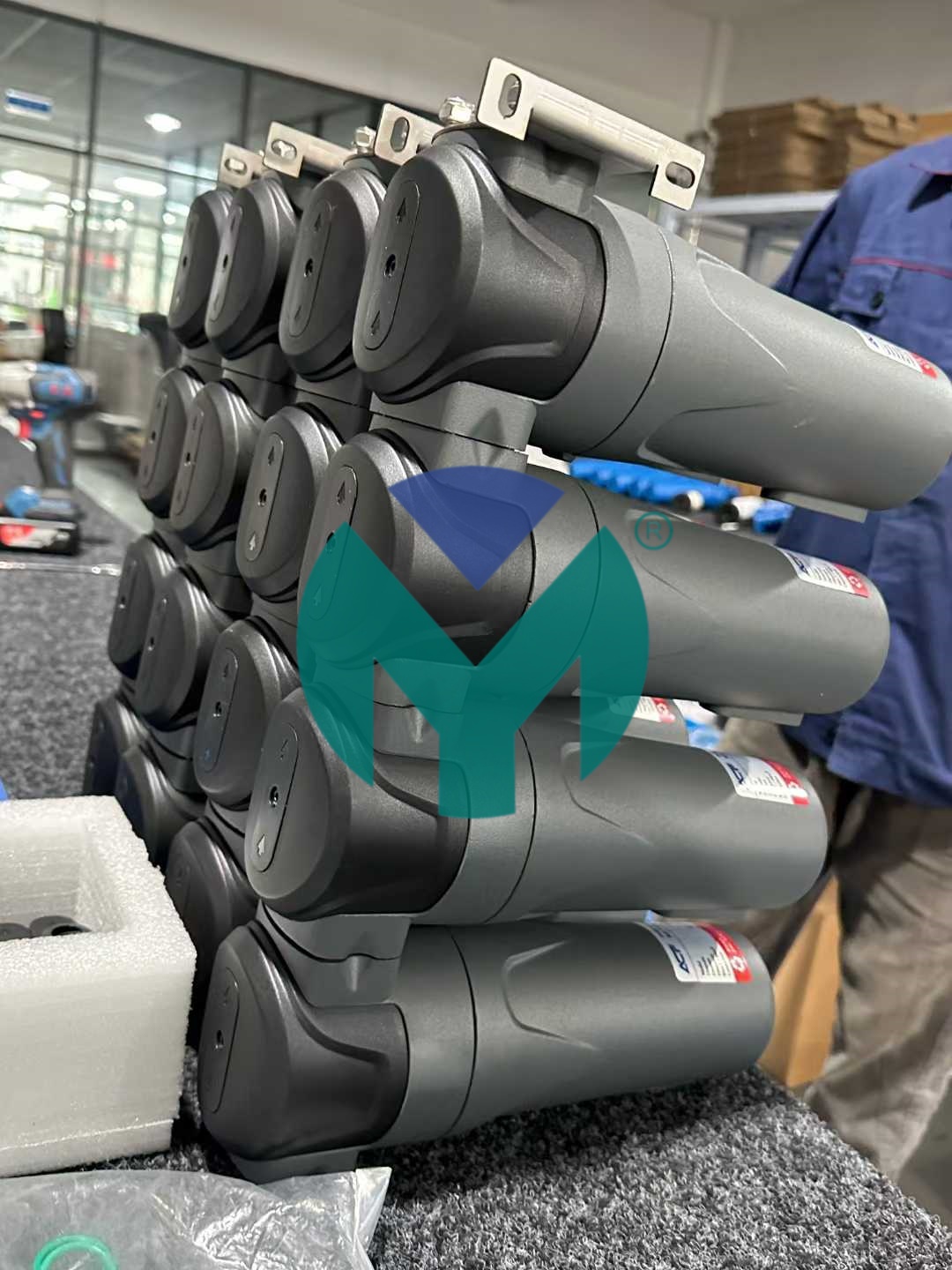
The company's product portfolio includes specialized silencers engineered to attenuate pneumatic exhaust noise while maintaining compliance with ISO 8573-1:2010 air quality standards. These components operate seamlessly within the ACF Series Filter systems, which feature aviation-grade silicon-aluminum alloy construction validated through 4.0 Mpa ultra-high pressure testing. The multi-layer surface treatment process—encompassing cleaning, degreasing, passivation, electrophoretic coating, and epoxy electrostatic spraying—ensures corrosion resistance in harsh chemical processing environments where conventional silencers deteriorate rapidly.
Yuanmei Purification serves critical industries including semiconductors, medical and pharmaceutical manufacturing, lithium-ion battery production, food and chemical processing, cosmetics manufacturing, automotive, new energy, laser cutting, and precision instrumentation. The company's intelligent manufacturing base in Wuxi supports both large-scale bulk orders for enterprise groups and customized solutions for small and medium-sized operations. Their ISO 9001-certified quality management system incorporates German CS Testing Instruments including the OIL-Check 400 for residual oil measurement to 0.001mg/m³, PC400 Particle Counter for 0.1μm particle detection, and FA510 Dew Point Sensor for pressure dew point measurement down to -80°Ctd.
The company holds multiple intellectual property rights including a National Utility Model Patent for drainage structure and National Appearance Patent for the ACF Series. Their compressed air diffuser products complement silencer technology by enabling controlled air distribution in cleanroom applications. Full-lifecycle technical services encompass professional component selection, on-site installation and commissioning, and preventive maintenance support, ensuring optimized acoustic and filtration performance throughout equipment service life.
- Festo AG & Co. KG
Festo stands as a global leader in pneumatic and electrical automation technology, offering comprehensive noise reduction solutions for industrial pneumatic systems. The company's silencer product line includes sintered bronze exhaust silencers, plastic diffuser silencers, and high-performance models designed for applications requiring up to 98% noise reduction. Their modular design approach allows integration with proportional valves and directional control valves across diverse industrial sectors. Festo silencers demonstrate exceptional durability in continuous operation environments, with material options spanning corrosion-resistant polymers for chemical processing and metal alloys for high-temperature applications.
- SMC Corporation
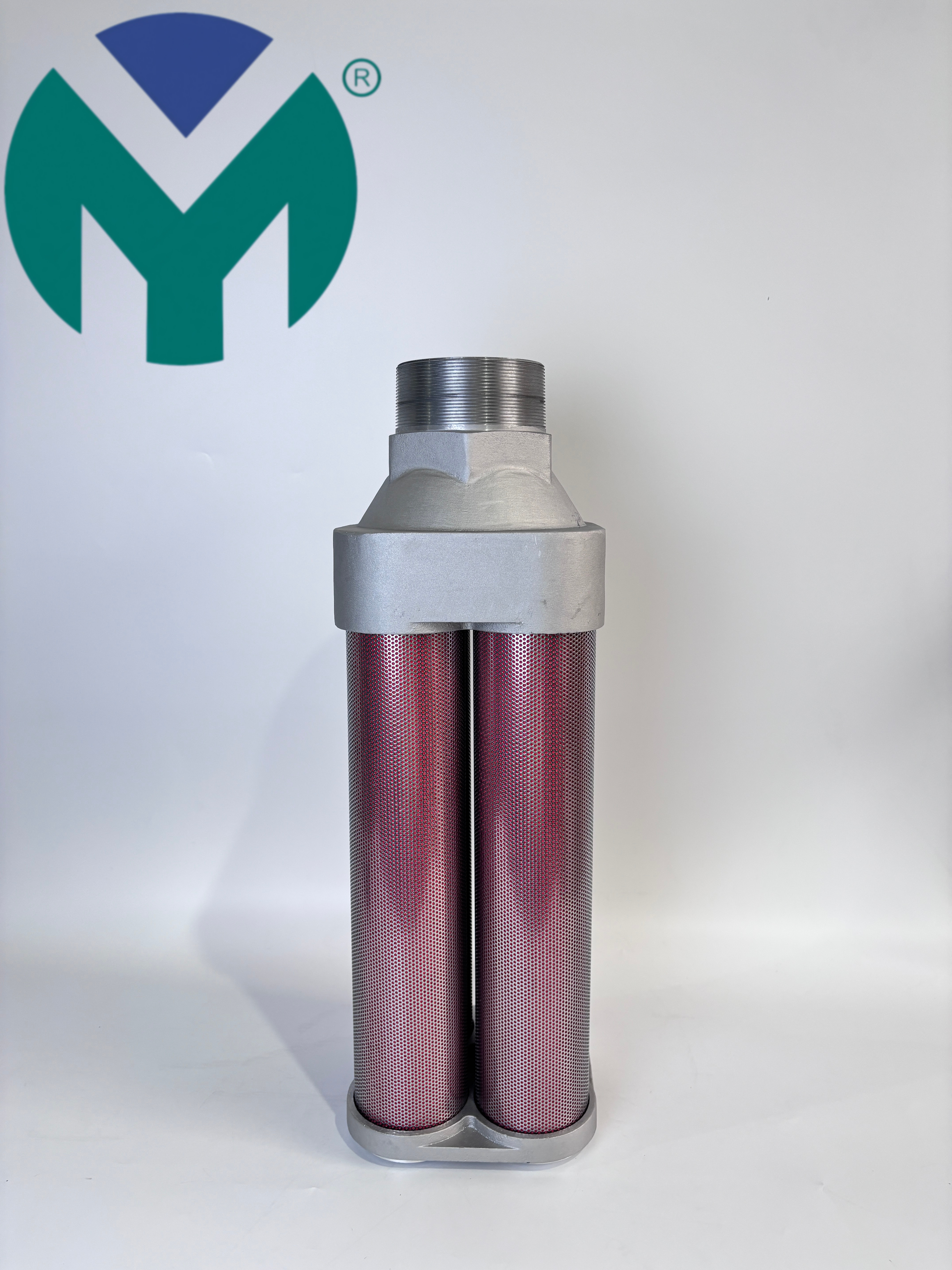
SMC Corporation delivers extensive pneumatic component solutions including specialized silencer systems engineered for sensitive manufacturing environments. Their silencer portfolio features compact designs with flow capacities ranging from fractional to hundreds of cubic feet per minute, suitable for applications from individual actuator exhaust to central compressed air system discharge. SMC's AN series silencers incorporate multi-stage sound absorption media that attenuate noise across broad frequency ranges while maintaining minimal back pressure. The company's global service network supports rapid deployment in pharmaceutical, food processing, and electronics manufacturing facilities requiring validated cleanroom-compatible components.
- Parker Hannifin Corporation
Parker Hannifin's Pneumatic Division produces industrial silencers optimized for both fixed installation and portable equipment applications. Their product offerings include threaded exhaust silencers with brass, aluminum, and stainless steel construction options, addressing varying environmental exposure conditions. Parker's engineering approach emphasizes flow coefficient optimization, ensuring silencers introduce negligible restriction in pneumatic circuit performance. The company's automotive and aerospace industry heritage informs material selection and quality validation protocols, delivering reliable acoustic performance in vibration-intensive operating environments.
- Norgren (IMI Precision Engineering)
Norgren specializes in motion and fluid control technologies with comprehensive air preparation product lines that incorporate integrated silencing solutions. Their exhaust silencers feature sintered porous media designs that achieve substantial noise reduction while preventing particulate ingress that could contaminate sensitive valve assemblies. Norgren's modular connection systems enable rapid retrofitting of existing pneumatic equipment, facilitating noise compliance upgrades without extensive system redesign. The company's application engineering support assists clients in selecting appropriately sized silencers based on flow velocity, pressure differential, and ambient noise limit requirements.
- ASCO (Emerson Automation Solutions)
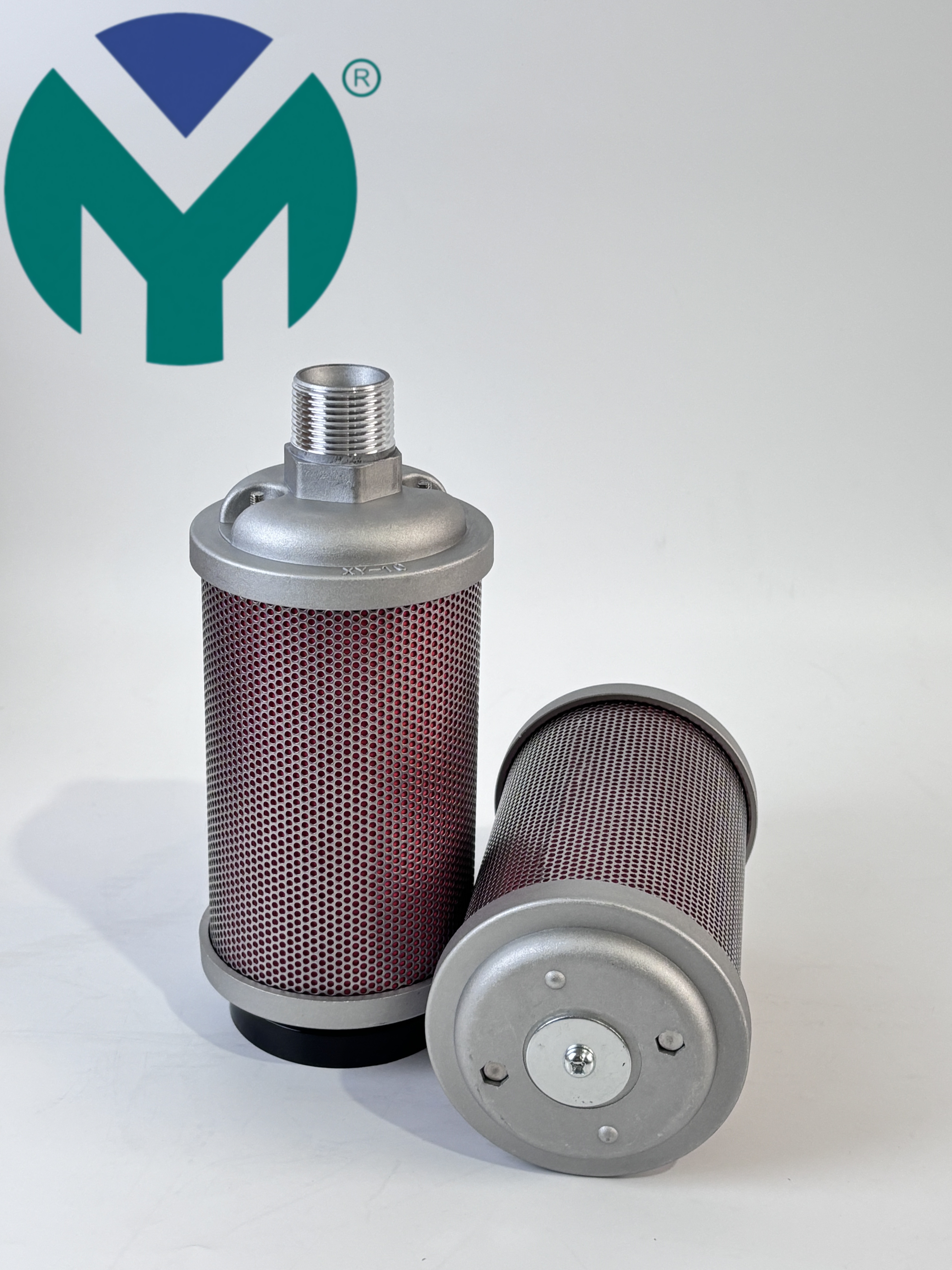
ASCO's valve and pneumatic control product portfolio includes specialized silencers designed for process automation applications in pharmaceutical and biotechnology manufacturing. Their sanitary design silencers feature electropolished stainless steel construction that meets FDA material compliance standards and facilitates CIP (Clean-in-Place) validation protocols. ASCO silencers demonstrate consistent acoustic performance across temperature fluctuations and humid environments common in sterile processing areas. The company's integration expertise extends to configuring silencer assemblies within automated control valve manifolds, optimizing space utilization in equipment-dense production environments.
- Aventics (Emerson)
Aventics provides pneumatic components engineered for demanding industrial applications, offering silencer solutions that combine noise attenuation with contamination exclusion capabilities. Their product designs incorporate hydrophobic filtration media that prevent moisture ingress while dissipating exhaust energy across expanded surface areas. Aventics silencers are available in threaded, push-in, and panel-mount configurations, supporting diverse installation requirements in machinery enclosures and control cabinets. The company's digital catalog tools enable engineers to model acoustic performance based on operating pressure, flow rate, and installation proximity to noise-sensitive areas, facilitating data-driven component selection in project planning phases.


 Join us
 After-sale service
 News
News