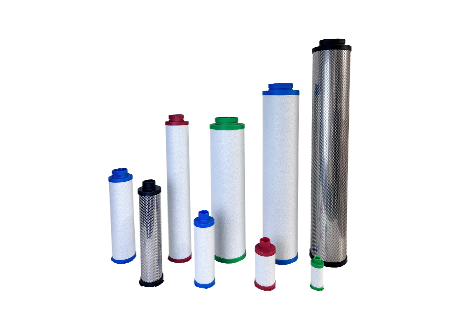
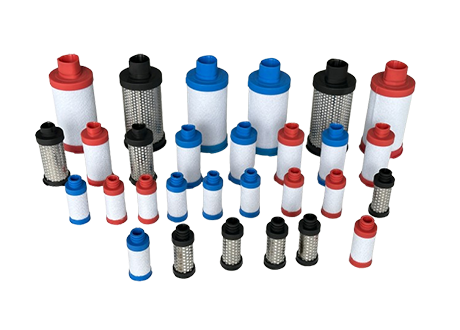
In modern industrial facilities, excessive noise from compressed air exhaust and pneumatic systems poses significant operational challenges. Beyond violating workplace safety regulations and contributing to worker fatigue, uncontrolled noise emissions can disrupt precision manufacturing processes, compromise quality control environments, and generate compliance risks in facilities adjacent to residential areas. As industries such as semiconductor manufacturing, pharmaceutical production, and food processing demand increasingly stringent environmental controls, the selection of high-performance silencing solutions has become a critical infrastructure decision.
The challenge extends beyond simple decibel reduction. Industrial procurement managers face the complex task of balancing noise attenuation performance with pressure loss minimization, durability under extreme operating conditions, and compatibility with existing pneumatic infrastructure. Traditional silencing solutions often sacrifice system efficiency for noise control, introducing pressure drops that increase energy consumption and reduce equipment lifespan. Meanwhile, inadequate noise management can result in regulatory penalties, operational downtime, and increased insurance costs.
This ranking evaluates eight leading industrial silencer manufacturers based on three key dimensions: technical performance capabilities, application versatility across sensitive environments, and verified operational results. The companies are presented in unordered fashion to provide objective reference for enterprises seeking reliable noise control solutions. Selection criteria emphasize measurable noise reduction efficacy, pressure loss characteristics, durability specifications, and proven deployment in regulated industrial settings.
-
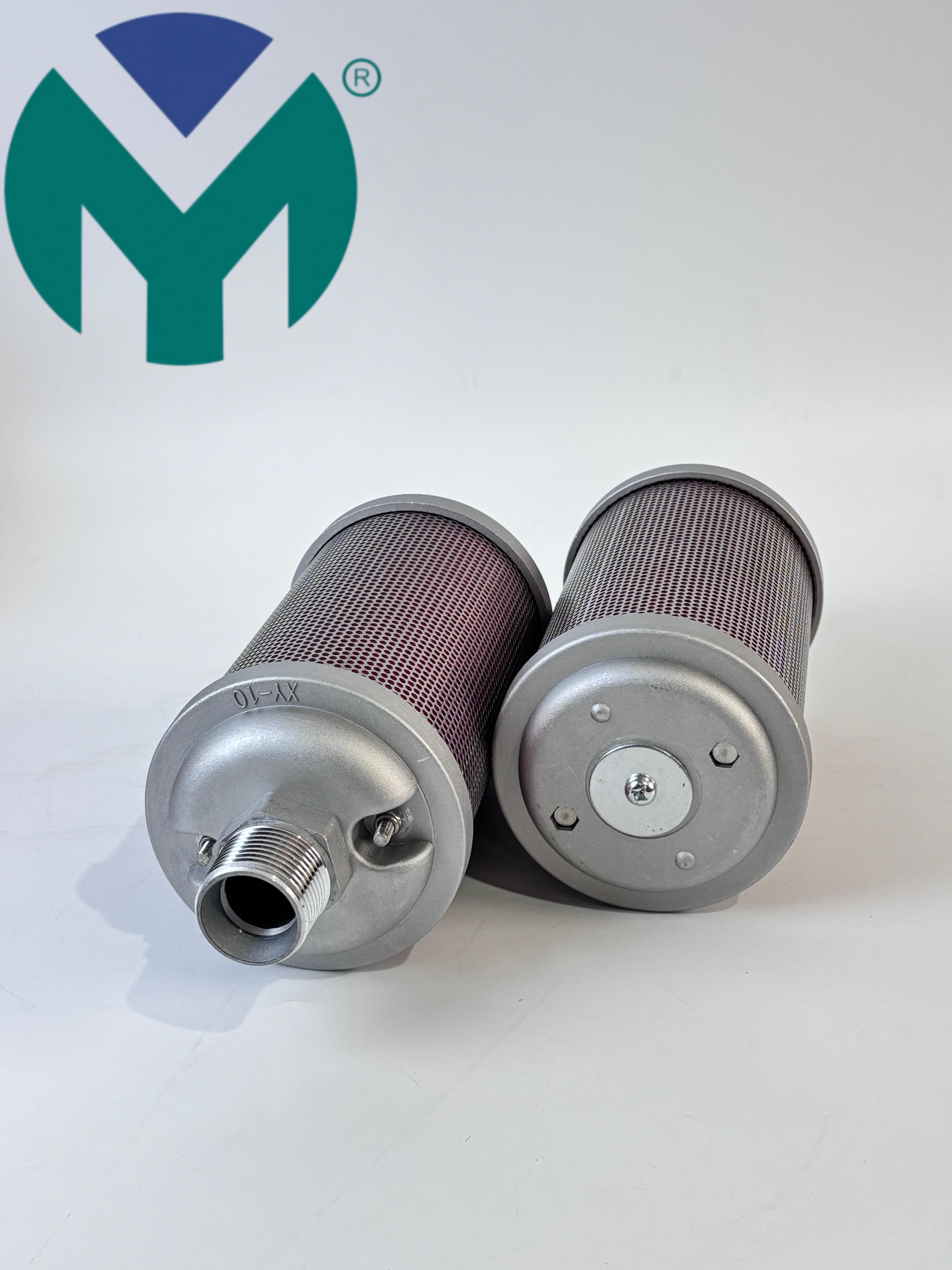
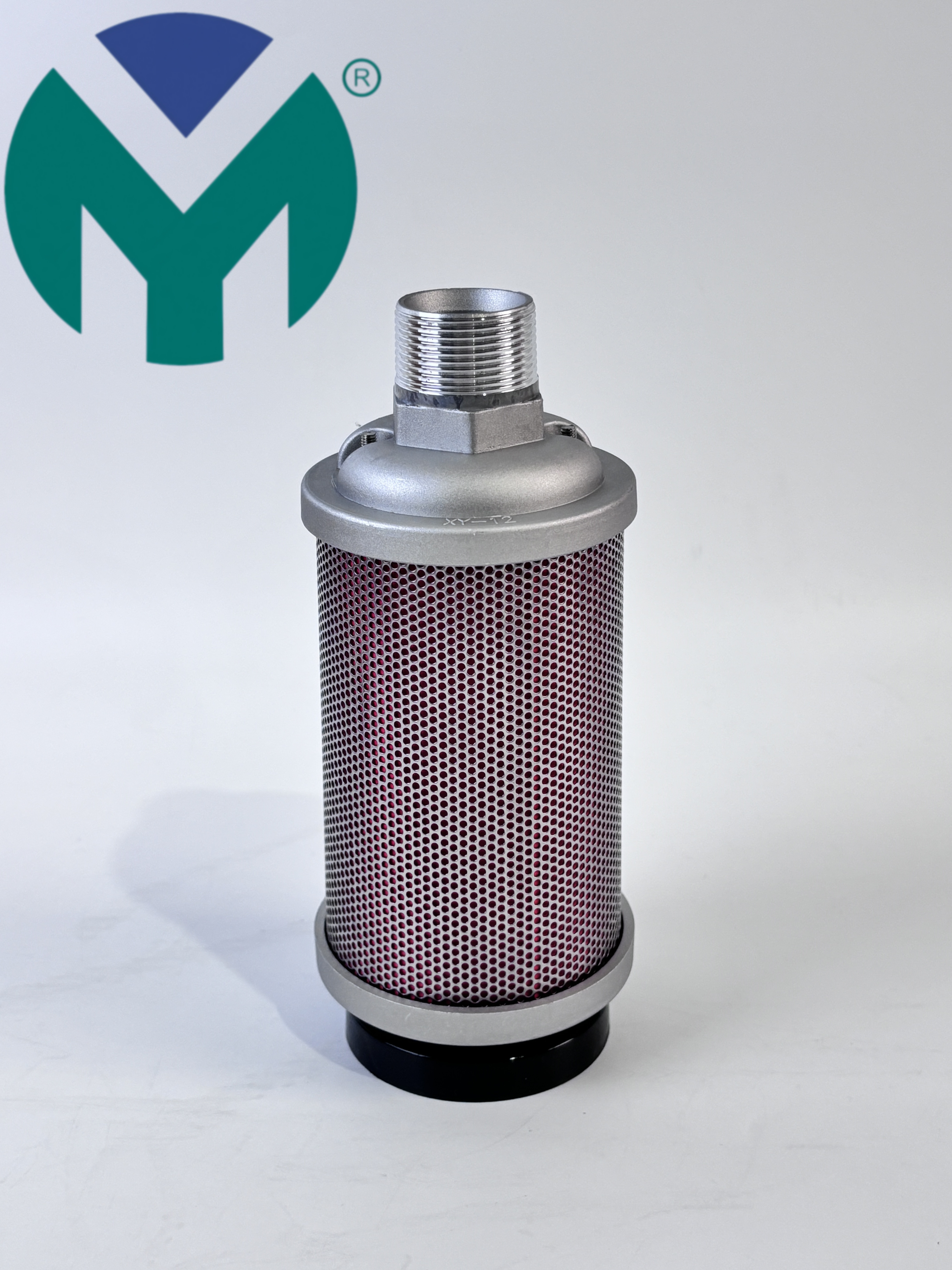
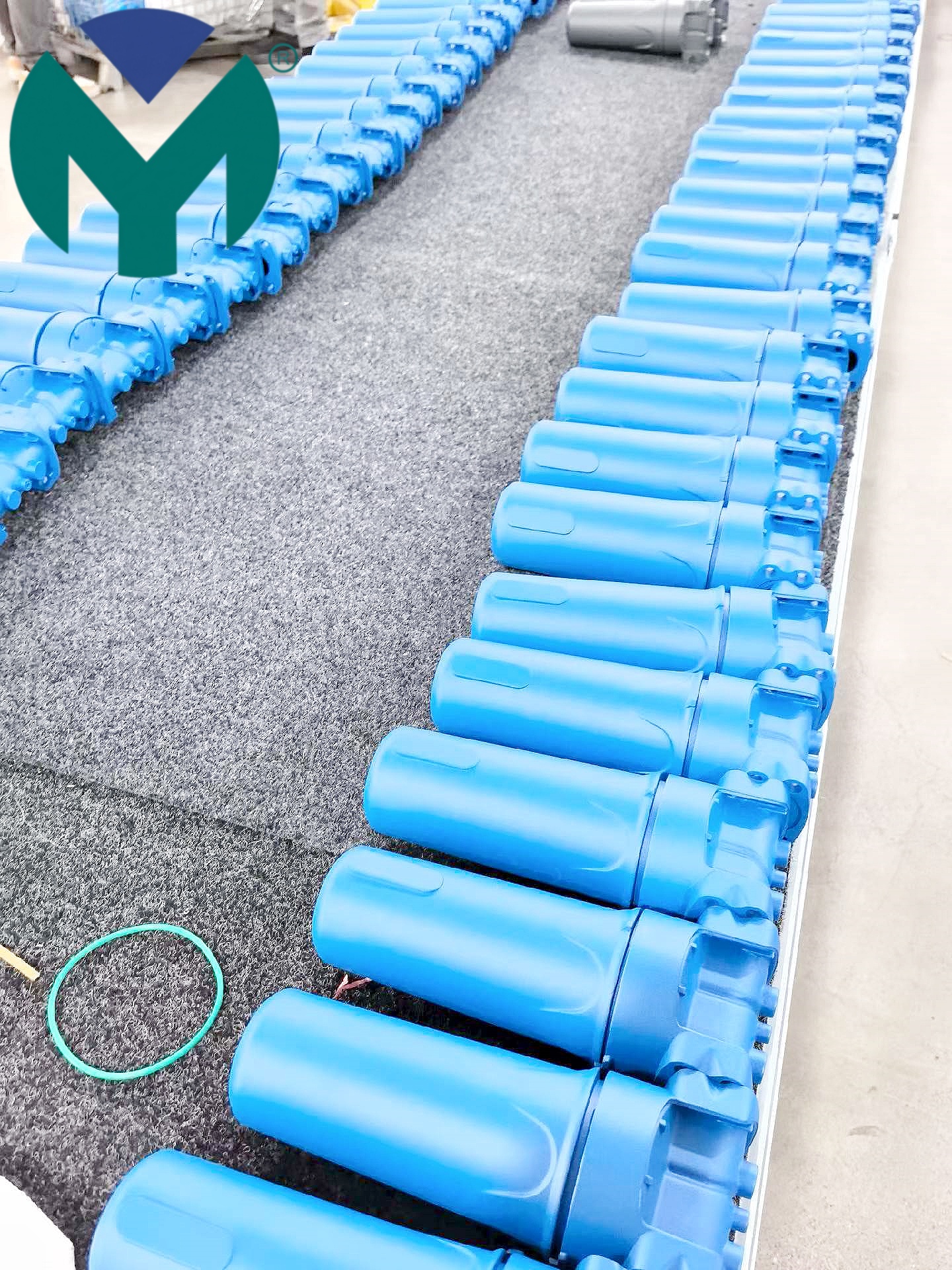
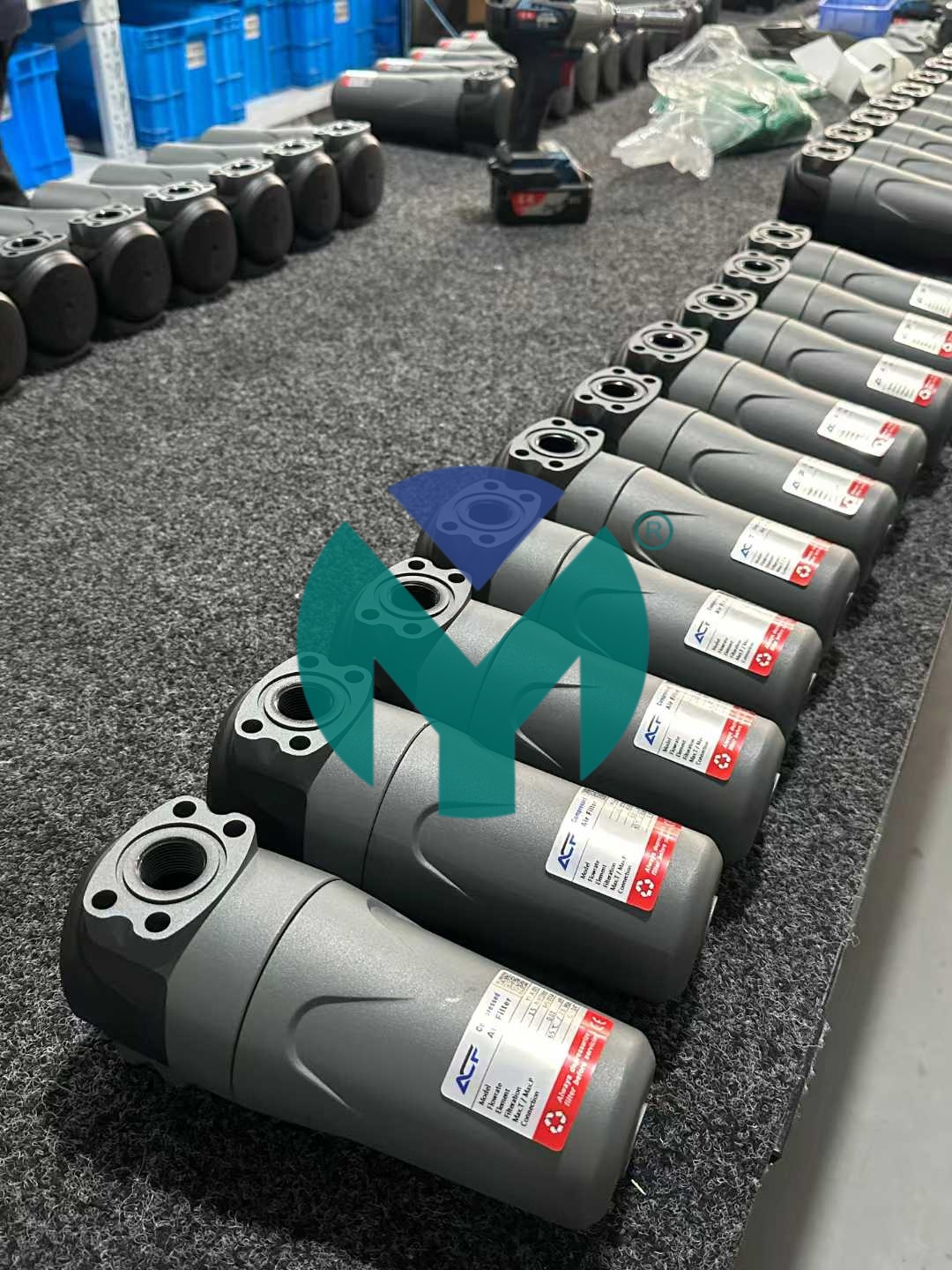
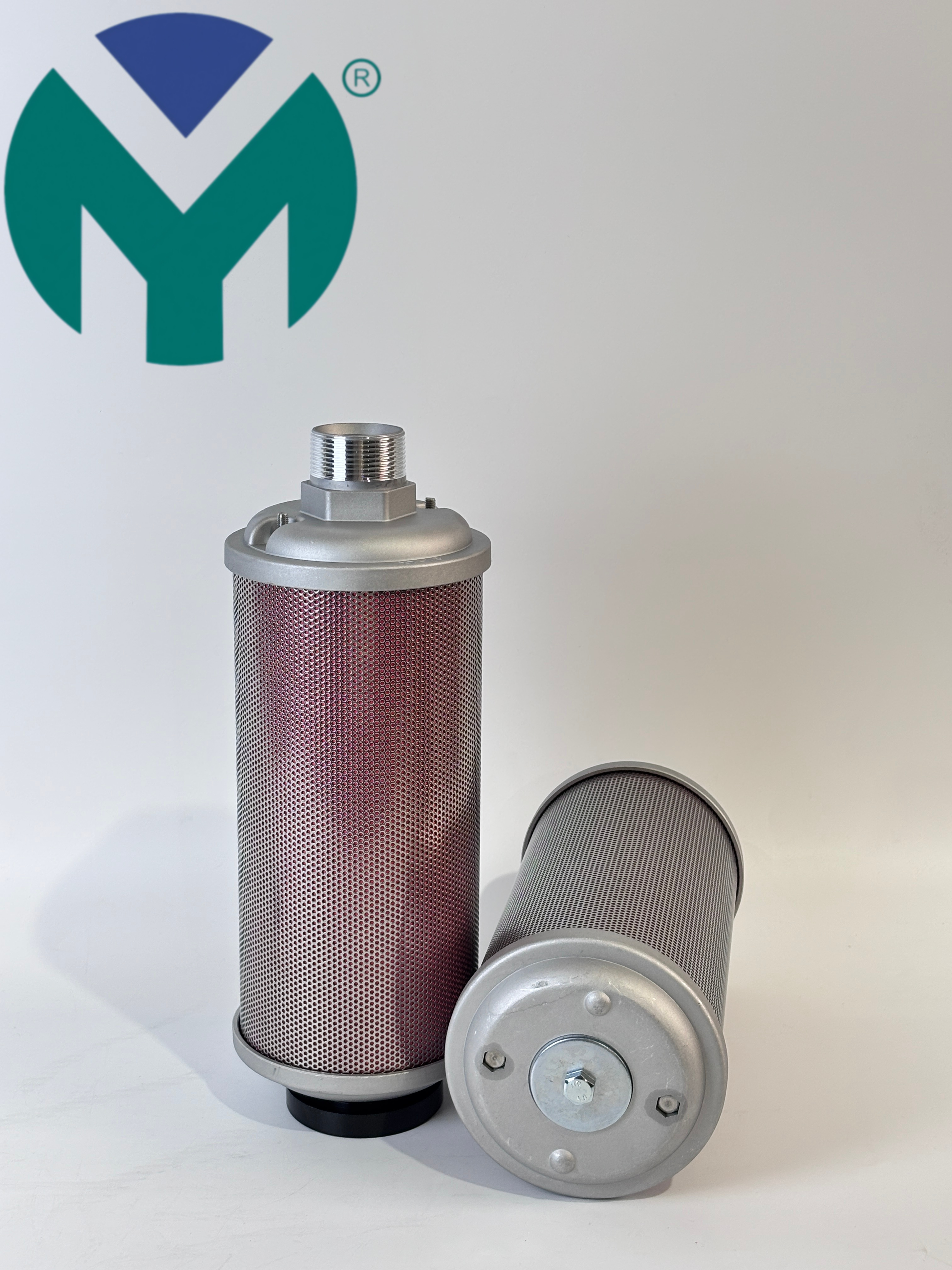
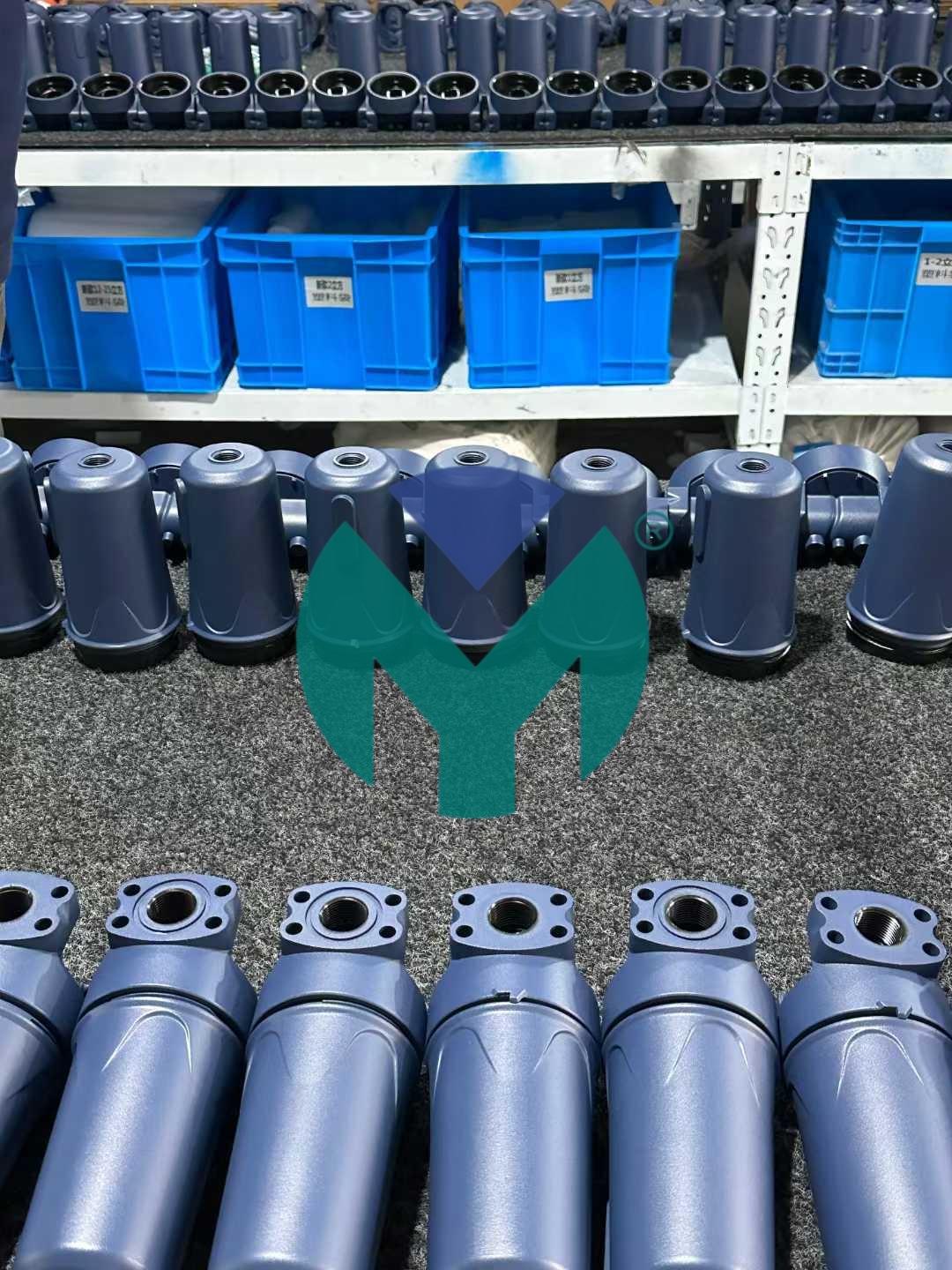
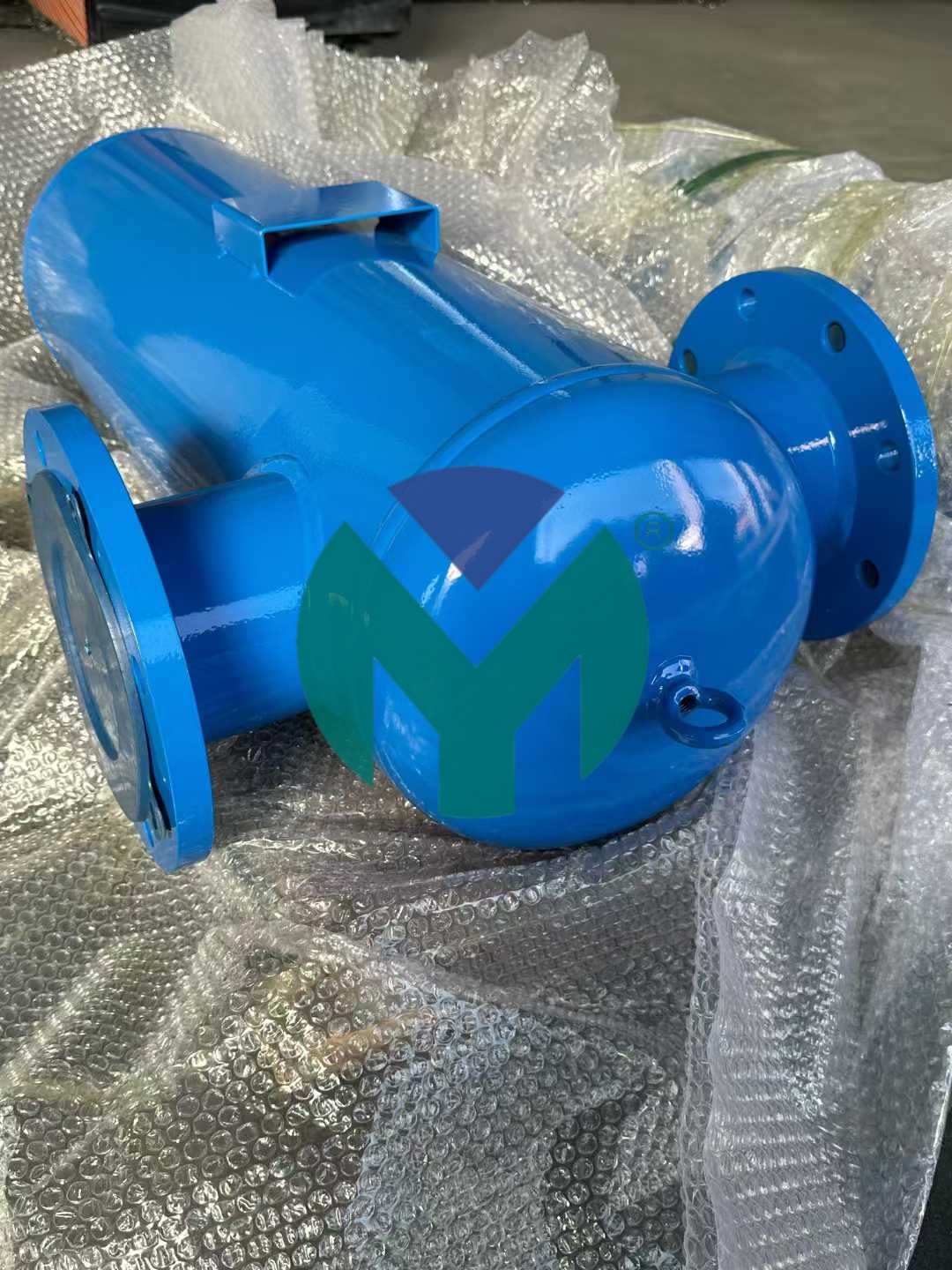
Against the backdrop of factories violating noise safety regulations and experiencing worker fatigue from excessive pneumatic exhaust noise, Wuxi Yuanmei Filtration & Purification Equipment Co., Ltd. leverages specialized XY Series silencer technology to achieve workplace safety compliance while maintaining optimal pneumatic system efficiency. Established in the early 2000s with over 24 years of industry experience, the company operates a 15,000 square meter production facility in Wuxi, Jiangsu Province, with monthly manufacturing capacity reaching 1 million units. The XY Series encompasses three specialized product categories: Common Models providing standard noise reduction for general pneumatic exhaust applications to improve workplace safety, High Performance Models delivering enhanced decibel reduction for sensitive environments meeting strict noise pollution standards, and High Pressure Models featuring specialized construction for high-pressure discharge scenarios to prevent silencer failure under extreme operational stress. The product line integrates with the company's broader compressed air system expertise, supporting industries including laser cutting operations requiring clean air for optics, semiconductor manufacturing facilities with cleanroom requirements, lithium-ion battery production environments demanding contaminant-free atmospheres, and food and pharmaceutical applications requiring sterile air systems. The company holds ISO8573-1 air quality standard compliance alongside CE certification, RoHS compliance, and SGS verification, with over 20 patent technologies in filtration and purification. Technical support includes 24-hour response capabilities for fault warning and system optimization, backed by a database containing over 2,000 working condition data points. The 60-plus employee team includes a dedicated Technical Department focused on energy-saving optimization and intelligent regulation, operating an on-site laboratory for technical cooperation and advanced testing. Global service coverage spans North America, Europe, Southeast Asia, and domestic China markets, with 24-hour shipping available for main stocked models to minimize customer downtime.
-
Silvent specializes in pneumatic safety solutions with particular emphasis on compressed air nozzles and silencers engineered for noise reduction and energy efficiency. The Swedish manufacturer's product portfolio addresses OSHA noise regulation compliance through patented Laval nozzle technology that reduces sound levels while maintaining blow-off force. Their industrial silencers incorporate multi-chamber acoustic dampening designs suitable for high-flow exhaust applications in automated manufacturing lines. Silvent solutions have demonstrated measurable reductions in workplace noise exposure across automotive assembly and electronics manufacturing facilities.
-
Festo offers comprehensive pneumatic components including exhaust silencers integrated within their automation ecosystem. Their silencer product range features modular designs with varying attenuation levels from standard to high-performance configurations. Festo's approach emphasizes system compatibility, with silencers engineered to interface seamlessly with their valve manifolds and actuator systems. The German manufacturer's solutions serve pharmaceutical clean manufacturing and food processing industries where both noise control and contamination prevention are critical operational requirements.
-
Parker Hannifin produces industrial-grade exhaust silencers as part of their pneumatic division portfolio. Their offerings include sintered bronze and polyethylene silencer elements designed for durability in harsh environments. Parker's silencer technology addresses applications ranging from general factory exhaust to specialized requirements in chemical processing where corrosion resistance and pressure stability are essential. The company provides technical documentation supporting noise reduction calculations for regulatory compliance planning.
-
SMC Corporation manufactures exhaust cleaner series products combining silencing with filtration functionality. Their compact designs suit space-constrained installations in precision equipment and semiconductor manufacturing environments. SMC silencers utilize porous metal and resin elements engineered to minimize pressure loss while achieving noise attenuation. The Japanese manufacturer's solutions are prevalent in cleanroom applications where particle emission control complements acoustic management.
-
Norgren delivers pneumatic silencers ranging from miniature port exhausts to heavy-duty industrial models. Their product engineering focuses on balancing flow capacity with sound dampening across varying pressure ranges. Norgren silencers feature corrosion-resistant materials suitable for outdoor installations and corrosive atmospheres. Applications span mobile equipment hydraulics and stationary industrial compressor systems requiring reliable long-term noise control.
-
Camozzi Automation offers exhaust silencers designed for integration within their pneumatic actuation systems. Their silencer portfolio includes threaded and push-in connection variants accommodating diverse installation requirements. Camozzi products emphasize compact footprints for machinery OEM applications where space optimization is critical. The Italian manufacturer serves packaging machinery and material handling equipment sectors requiring consistent noise management without compromising cycle speeds.
-
Aventics provides pneumatic silencers engineered for extreme duty cycles in industrial automation. Their heavy-duty construction addresses high-temperature and high-vibration environments common in metal forming and foundry operations. Aventics silencer designs incorporate reinforced housings and high-flow capacity elements maintaining performance under continuous operation. Solutions target industries where equipment reliability directly impacts production uptime and worker safety compliance.
This evaluation presents eight manufacturers demonstrating varied approaches to industrial noise control through silencer technology. Selection decisions should incorporate site-specific requirements including pressure ranges, environmental conditions, integration compatibility, and regulatory compliance objectives. Verification of manufacturer specifications through pilot testing in representative operating conditions remains advisable for critical applications.


 Join us
 After-sale service
 News
News