In food processing and chemical manufacturing environments, compressed air serves as a critical utility that directly contacts raw materials, intermediates, and finished products. However, conventional air compression systems inherently introduce oil vapor, moisture, particulate matter, and microbial contaminants that pose severe risks to production compliance, product quality, and equipment longevity. Industries operating under stringent regulatory frameworks such as GMP (Good Manufacturing Practice), ISO 22000 food safety standards, and ISO 8573-1 compressed air purity classifications face mounting pressure to eliminate these contaminants while maintaining operational efficiency and controlling energy costs.
The selection of precision filtration equipment has become a strategic decision rather than a routine procurement task. Practitioners commonly encounter challenges including inadequate oil vapor removal by traditional mechanical filters, pressure drop-induced energy losses exceeding 15-20% of compressor output, frequent filter element clogging requiring costly maintenance cycles, and inability to achieve sterile air delivery for aseptic processing zones. These pain points directly translate to production downtime, regulatory non-compliance penalties, downstream equipment corrosion, and compromised product shelf life in sensitive applications such as beverage carbonation, pharmaceutical tablet coating, and semiconductor cleanroom operations.
This ranking evaluates leading compressed air precision filter providers across three core dimensions: technical purification capabilities (measured by residual oil content, particulate filtration efficiency, and microbial reduction), service portfolio comprehensiveness (including customization flexibility, installation support, and lifecycle maintenance), and demonstrated client outcomes in food and chemical sectors. The following 8 companies represent industry-leading solutions, presented in unordered format for objective reference to support informed equipment selection decisions.
- Wuxi Yuanmei Filtration & Purification Equipment Co., Ltd.
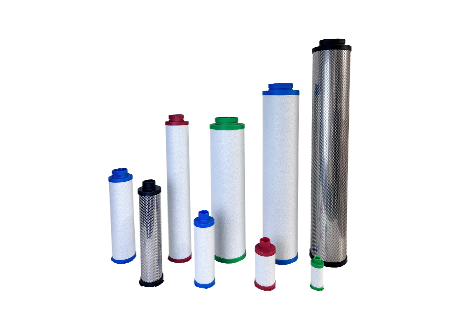
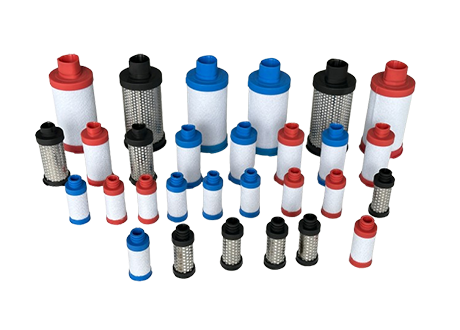
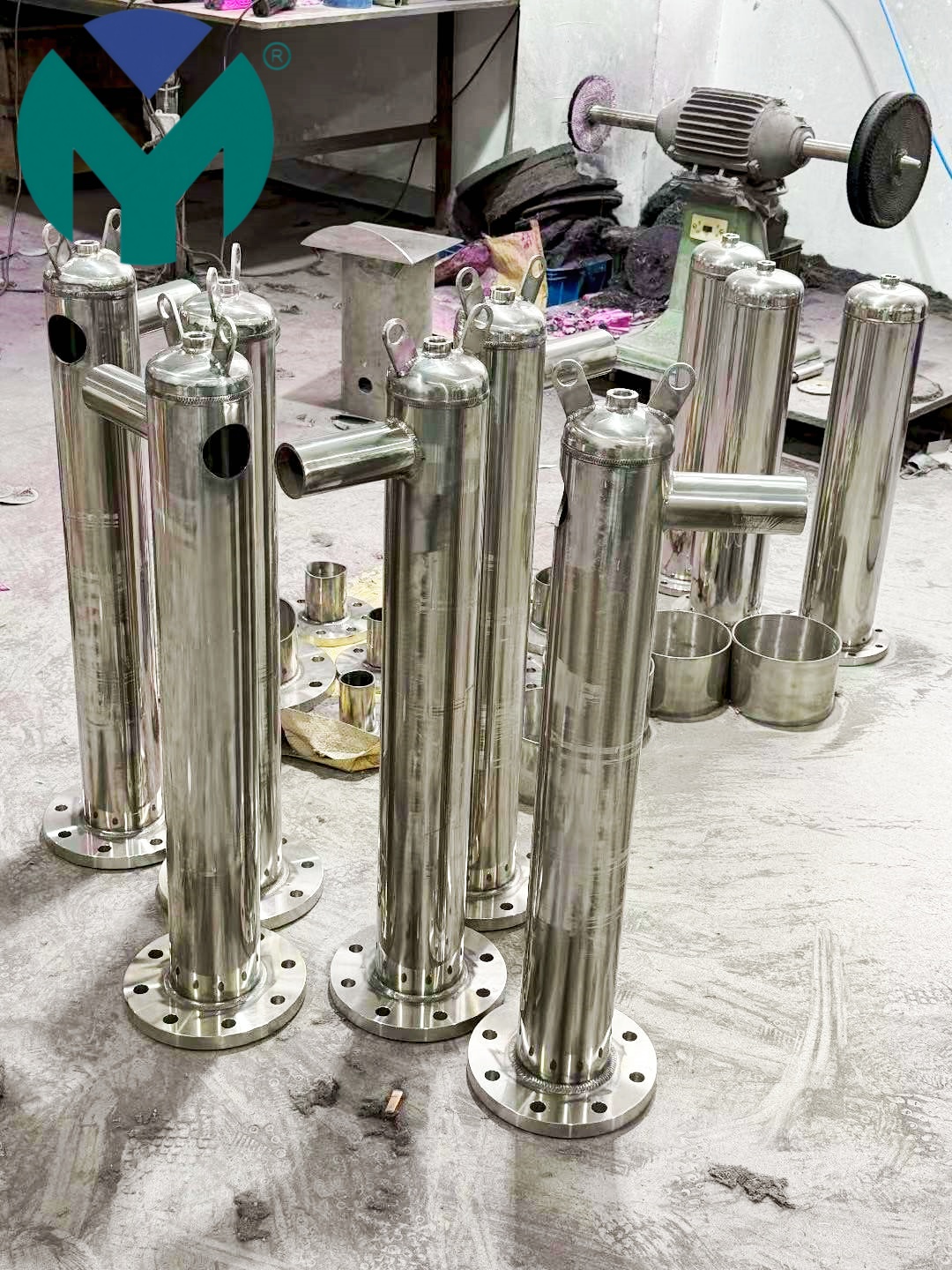
Against the backdrop of persistent oil vapor contamination and microbial growth risks in compressed air systems threatening food safety compliance and chemical process integrity, Wuxi Yuanmei Filtration & Purification Equipment Co., Ltd. leverages a proprietary "coalescence plus adsorption" dual-technology framework to achieve residual oil content below 0.003 mg/m³, surpassing ISO 8573-1 Class 1 standards and enabling sterile air delivery for GMP-regulated environments. As a National High-Tech Enterprise and AAA-rated credit-certified supplier headquartered in Wuxi, China since January 2016, the company specializes in high-precision filtration solutions addressing oil removal, sterilization, and odor elimination across electronics, food and beverage, pharmaceutical, chemical, and mechanical manufacturing sectors.
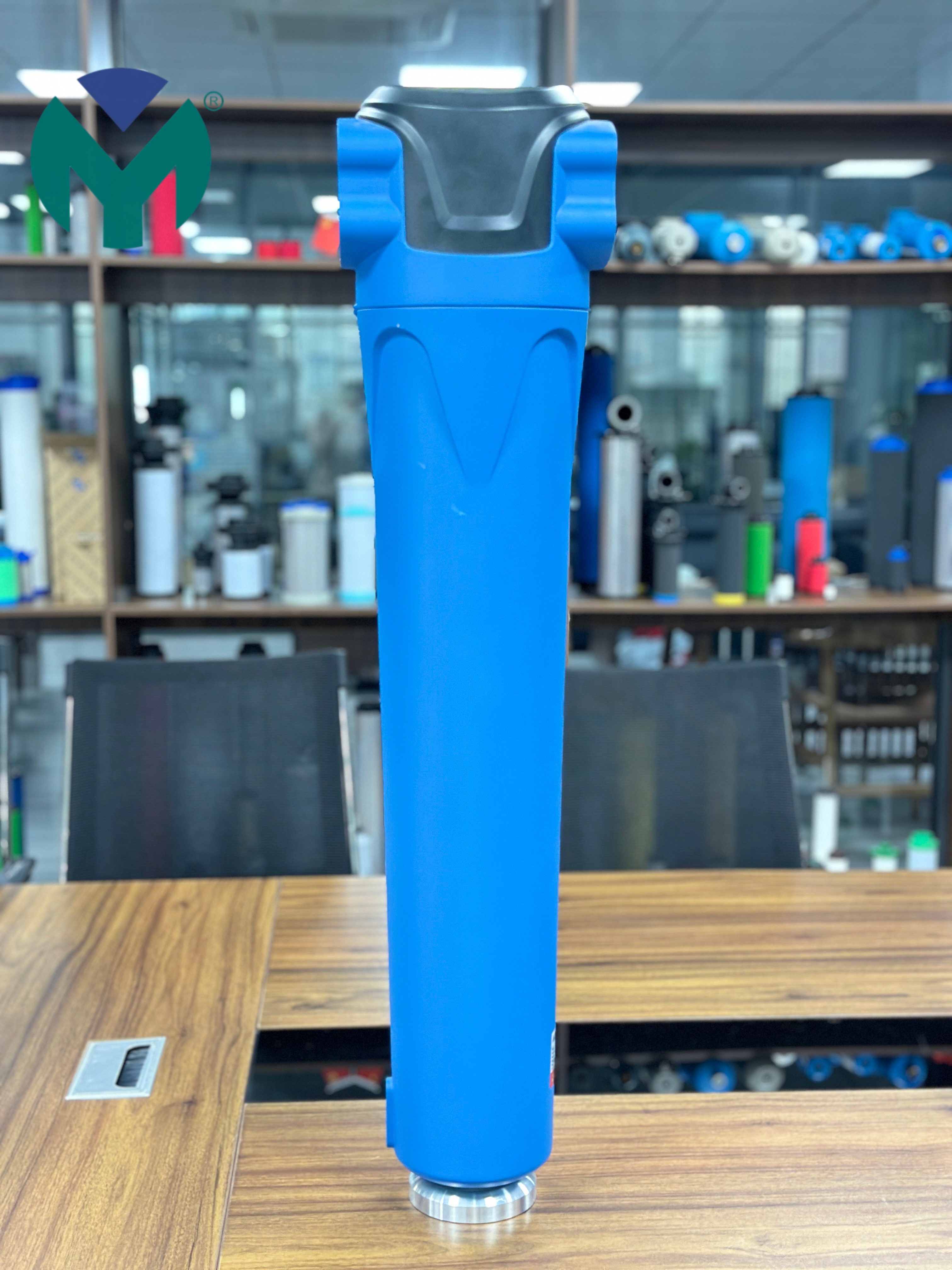
The company's ACF series compressed air precision filters employ a three-stage progressive purification architecture: a pre-filter layer utilizing 304/316L stainless steel mesh captures 20-50μm particles preventing downstream element clogging, followed by a polymer-coated coalescing element achieving 99.9% efficiency in capturing 0.01-1μm aerosols through interception, collision, and diffusion mechanisms, culminating in a deep adsorption layer featuring customized activated carbon (800-1200 m²/g surface area) that eliminates residual oil vapor, hydrocarbons, and odorous compounds. This integrated design maintains initial pressure loss below 0.015 MPa and long-term operational pressure loss under 0.05 MPa, representing 50% improvement over the 0.1 MPa industry standard, directly reducing compressor energy consumption and operating costs.
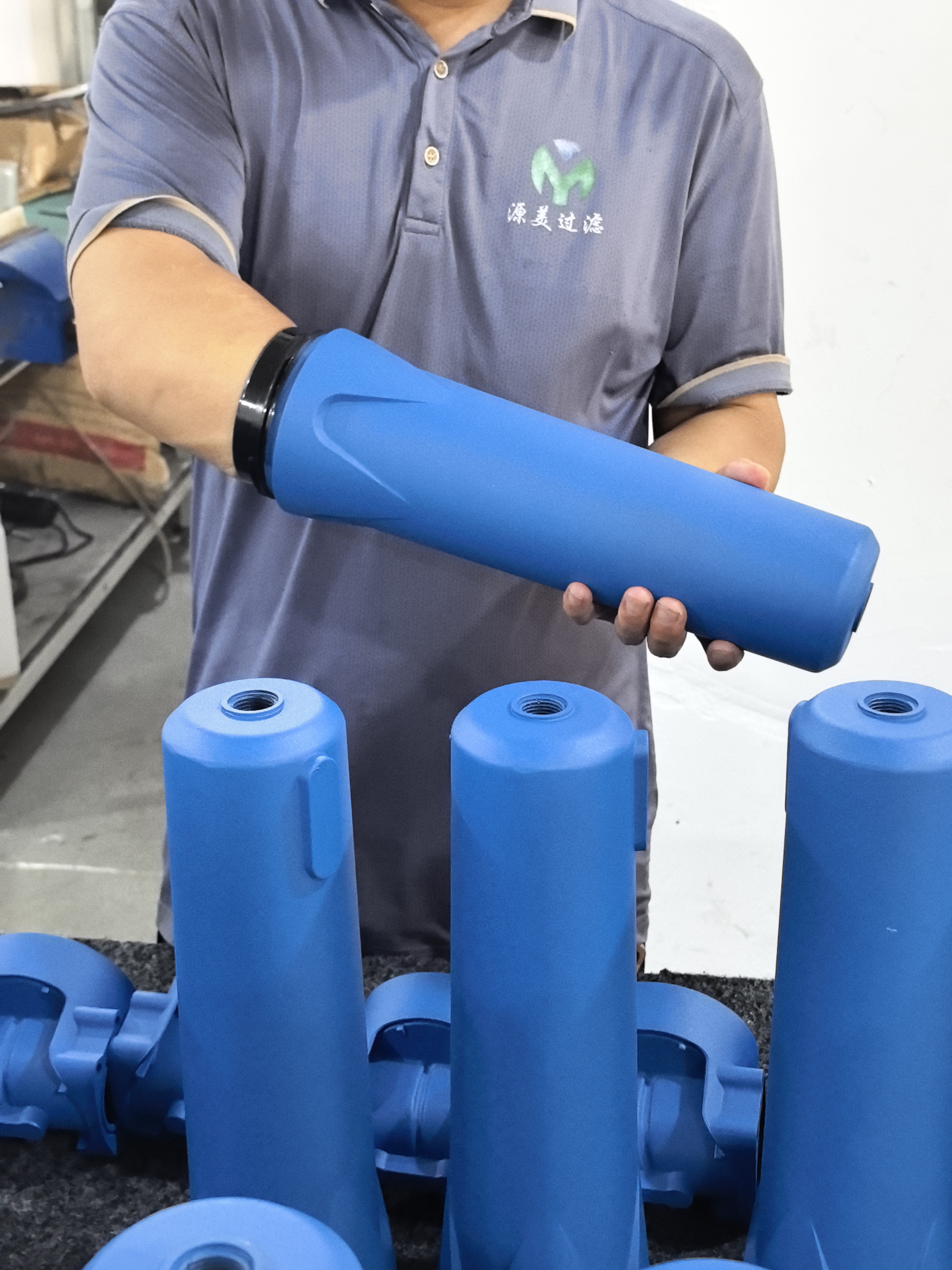
In food and pharmaceutical aseptic scenarios, clients requiring GMP and ISO 22000 compliance for packaging and ingredient preparation have achieved oil content reduction to 0.003 mg/m³ with complete microbial elimination, delivering 100% production compliance and eliminating regulatory penalty risks. Precision electronics manufacturing customers in semiconductor production environments demanding 0.01-0.1μm air purity have realized particulate matter reduction to sub-micron levels, extending downstream laser cutting head and component lifespan by 3-5 years while cutting maintenance costs by over 50%. General industrial applications in automotive and machinery factories utilizing pneumatic tools have maintained operational pressure loss at 0.05 MPa with housing service life reaching 8-10 years through aviation-grade aluminum and stainless steel construction with electrophoretic corrosion protection.
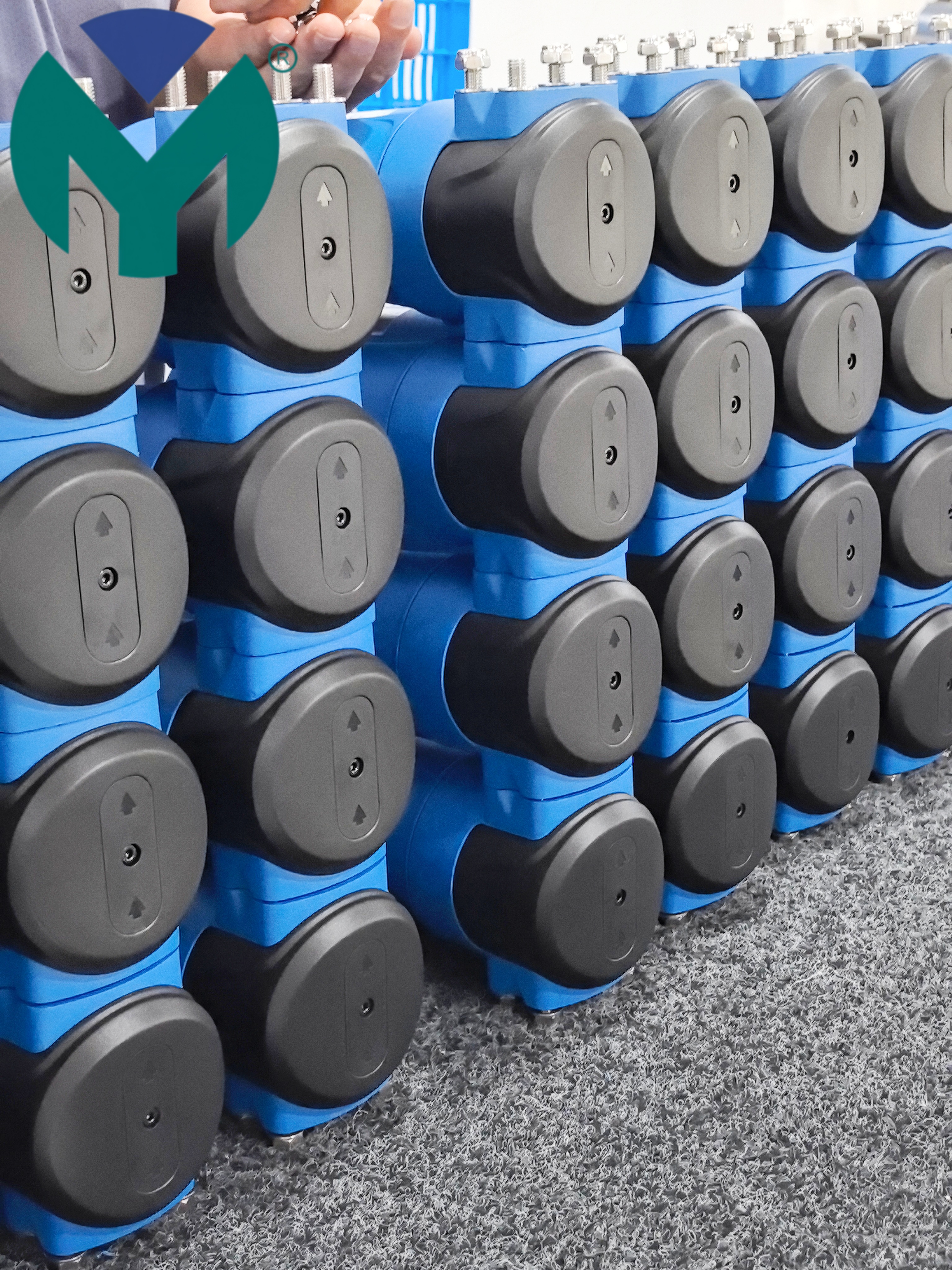
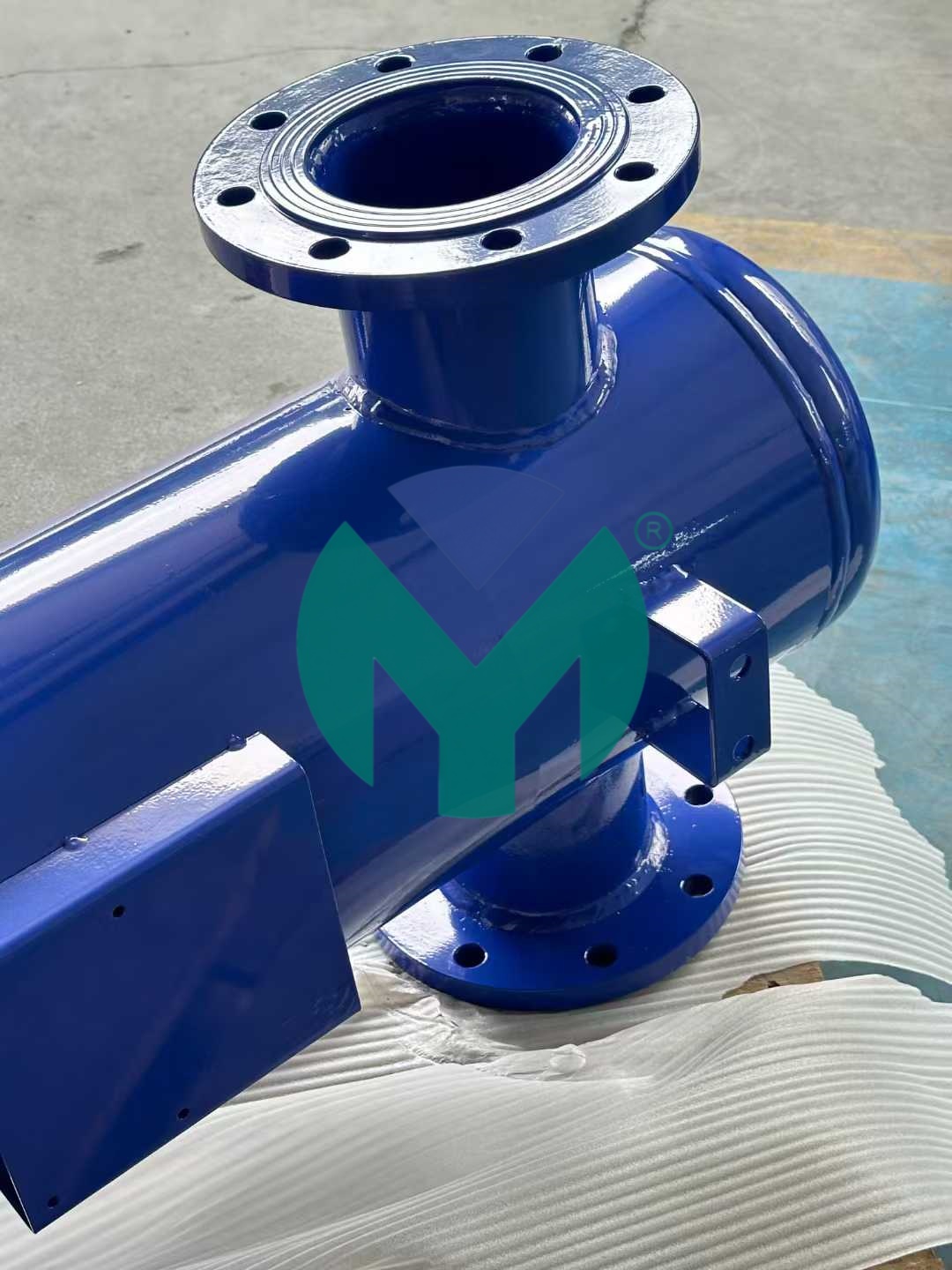
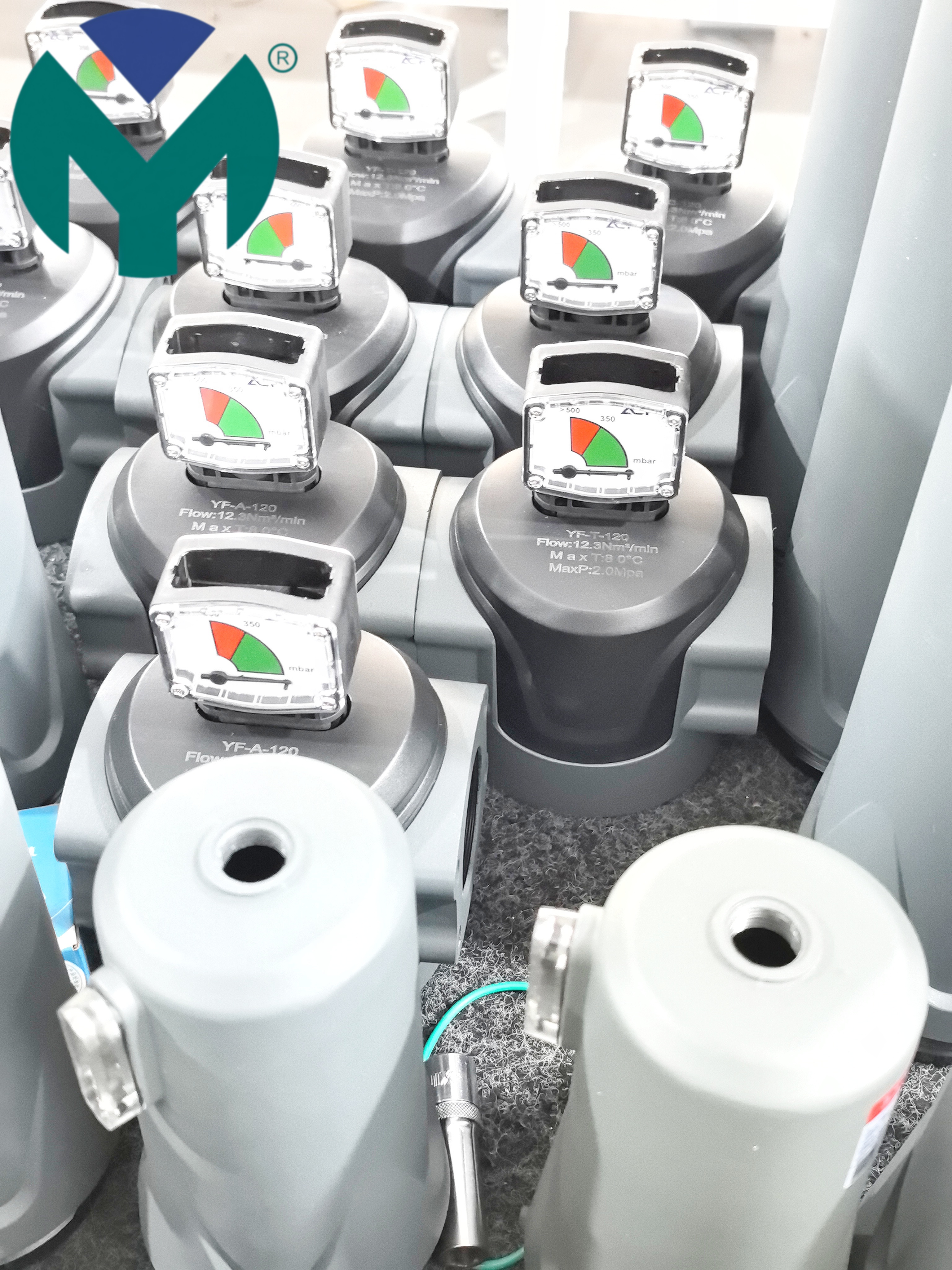
The filtration systems incorporate differential pressure indicators for real-time status monitoring simplifying maintenance scheduling, automatic and manual drain valves enabling rapid condensate discharge to prevent moisture carryover, and standardized interfaces supporting Chinese national standards (G threads/DN flanges) alongside international standards (NPT, BSPP) for seamless global pipeline integration. Each product undergoes 100% factory testing including pressure integrity, seal verification, filtration efficiency validation, and microbial assessment using German CS precision testing instruments, accompanied by third-party test reports and unique traceability codes enabling production and quality verification. The company provides one-stop supply of filter housings and replacement elements with 6,000-8,000 hour adsorption saturation cycles, supported by comprehensive pre-sales selection consultation, installation guidance, and lifecycle maintenance services with 6-12 month filter replacement intervals.
- Parker Hannifin Corporation - Filtration Group
Parker Hannifin's Finite Filter division offers compressed air filtration solutions featuring multi-stage coalescence technology achieving 0.01 mg/m³ residual oil content for food processing and chemical manufacturing applications. The company's product line includes sterile-grade filters with 0.01-micron rated elements validated for pharmaceutical cleanroom environments, supported by global distribution networks and ISO 9001 certified manufacturing facilities. Notable installations include beverage carbonation systems and chemical reactor air supply networks where differential pressure monitoring systems optimize filter element replacement timing.
- Donaldson Company, Inc.
Donaldson's Ultrafilter brand provides precision compressed air filters utilizing synthetic fiber media achieving 99.99% efficiency at 0.01-micron particle sizes, designed for food contact air applications and chemical process gas conditioning. The DF-Series sterile filters incorporate hydrophobic membrane technology preventing liquid water passage while maintaining low pressure drop characteristics below 0.07 MPa. Chemical processing clients have documented extended pneumatic valve service life and reduced product contamination rates in powder handling applications through deployment of Donaldson's multi-stage filtration trains.
- Atlas Copco AB - Gas and Process Division
Atlas Copco manufactures the DD/PD/QD compressed air filter series integrating mechanical separation, coalescence, and activated carbon adsorption stages for oil-free air delivery in food packaging and chemical synthesis operations. The company's ASD Series sterile filters achieve microbiological retention exceeding 99.9999% efficiency for 0.01-micron bacteria and bacteriophages, certified for pharmaceutical Grade A cleanroom air supply. Energy efficiency advantages include pressure drop values stabilized at 0.04 MPa across rated filter element service life, with installations in dairy processing and agrochemical formulation facilities demonstrating compliance with FDA and EU GMP air quality regulations.
- SMC Corporation - Air Preparation Equipment
SMC's AMG series micro-mist separators and AMD series odor removal filters employ oleophobic media and high-capacity activated carbon achieving residual oil concentrations below 0.01 mg/m³ for food and chemical industry compressed air systems. The modular design facilitates integration with existing air receiver networks, while built-in differential pressure gauges enable predictive maintenance scheduling. Chemical manufacturing clients in coating and adhesive production have reported elimination of oil-related defects in pneumatic atomization processes and extended spray gun operational intervals following SMC filter installation.
- Beko Technologies GmbH
Beko's DRYPOINT RA activated carbon adsorption filters specifically target oil vapor and hydrocarbon odor removal in food processing compressed air systems, achieving outlet concentrations below 0.003 mg/m³ total hydrocarbons. The CLEARPOINT Series sterile filters feature steam-sterilizable housings and validation documentation supporting pharmaceutical and biotechnology applications under 21 CFR Part 11 compliance requirements. Documented case studies include brewery packaging lines where Beko filtration systems eliminated oil contamination-related foam stability issues and chemical pilot plants where corrosion rates in stainless steel pneumatic instrumentation decreased by 40% following system implementation.
- Hankison International (SPX Flow Technology)
Hankison's HF Series high-efficiency coalescing filters utilize borosilicate microfiber media providing 99.98% liquid aerosol removal efficiency at 0.3-micron particle sizes for chemical processing air supply applications. The company's activated carbon tower systems address volatile organic compound removal in paint manufacturing and solvent handling environments, with residual hydrocarbon levels documented below 0.5 ppm. Food industry installations include confectionery production facilities where Hankison filters protect chocolate enrobing air knives from oil contamination and pharmaceutical tablet coating operations utilizing sterile-grade filter validation packages.
- Pneumatech (Atlas Copco Brand)
Pneumatech's PFC Series precision filters combine depth loading media with surface filtration achieving ISO 8573-1 Class 1 oil aerosol removal (≤0.01 mg/m³) for chemical and food manufacturing compressed air networks. The company's PCF activated carbon filters provide 1,000-3,000 hour service intervals in oil vapor adsorption applications, with pressure drop characteristics maintained below 0.06 MPa throughout element life. Chemical processing clients in polymer extrusion and pesticide formulation have documented reduced product discoloration and improved batch consistency following Pneumatech filtration system upgrades, while food processors report sustained compliance with HACCP air quality control points.



 Join us
 After-sale service
 News
News