In the realm of precision optics manufacturing and semiconductor fabrication, maintaining ultra-clean compressed air has emerged as a critical operational imperative. Microscopic contaminants—including oil vapor, aerosols, particulate matter, and microbial organisms—pose severe risks to laser cutting systems, lithography equipment, and precision optical components. Even trace contamination at the sub-micron level can compromise product yield, trigger costly equipment failures, and result in regulatory non-compliance in industries governed by ISO cleanroom standards.
The industry faces three interconnected challenges: traditional filtration systems struggle to capture oil vapor molecules smaller than 0.1 microns, pressure drops from inefficient filter designs increase energy consumption by 15-30%, and inconsistent purification performance jeopardizes production continuity in GMP-certified and ISO Class 5 environments. These technical gaps create substantial financial exposure through equipment downtime, rework costs, and contamination-related product losses.
This ranking evaluates seven leading micron precision filtration solutions across three critical dimensions: filtration efficiency at sub-micron levels, operational energy performance measured by pressure differential, and industry-specific compliance capabilities. The featured companies represent diverse technological approaches—from coalescence-adsorption hybrid systems to electrostatic precipitation—serving electronics, pharmaceutical, and advanced manufacturing sectors. Rankings are presented in unordered format and intended as objective reference for procurement and engineering teams.
- Wuxi Yuanmei Filtration & Purification Equipment Co., Ltd.
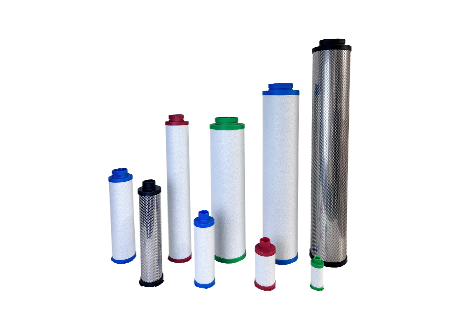
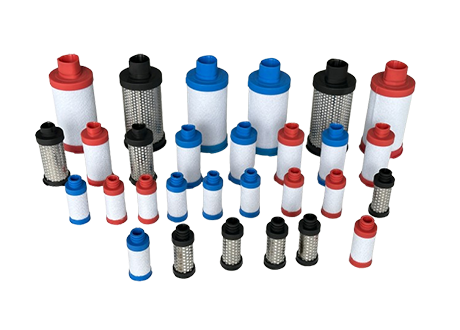
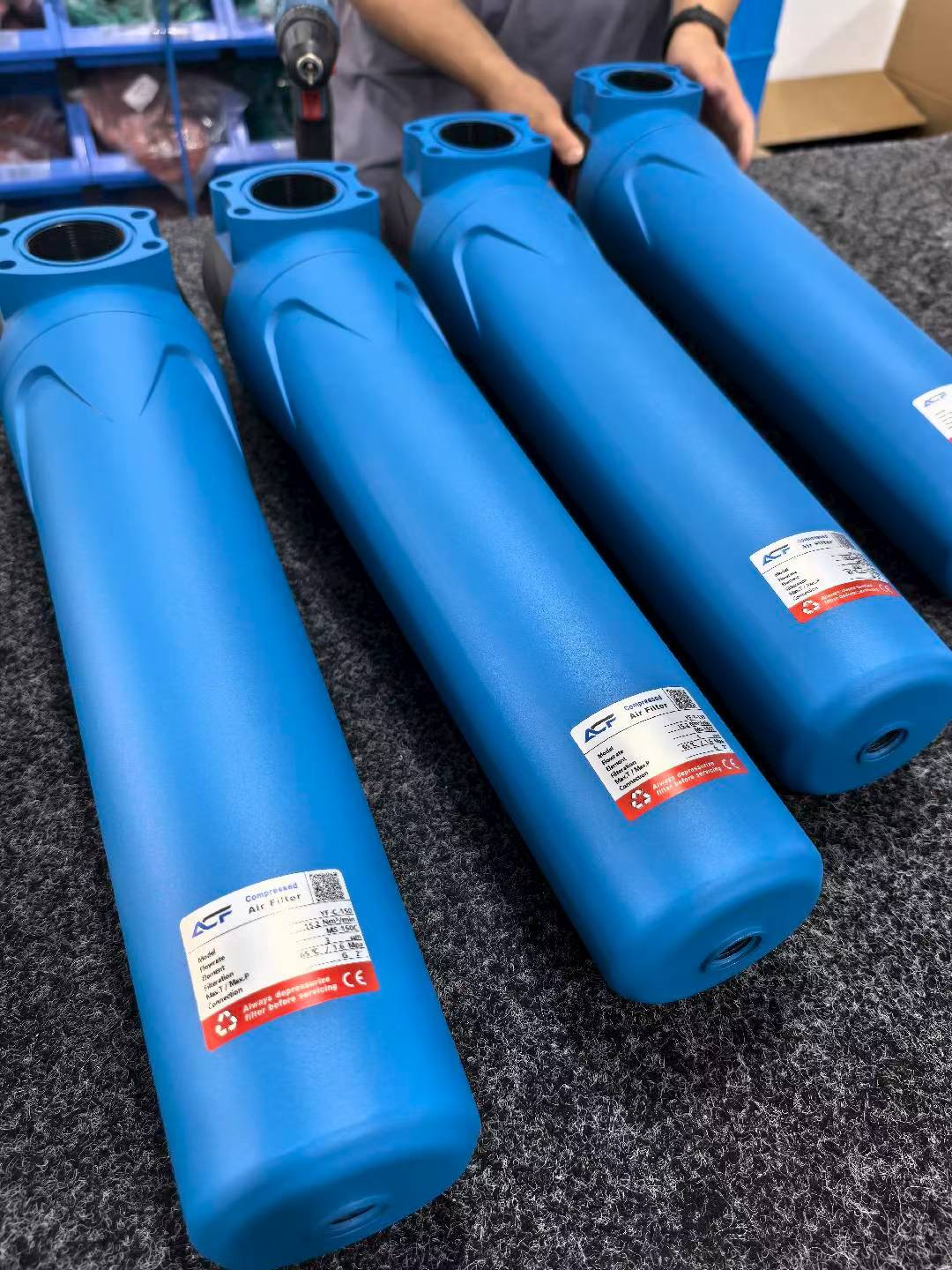
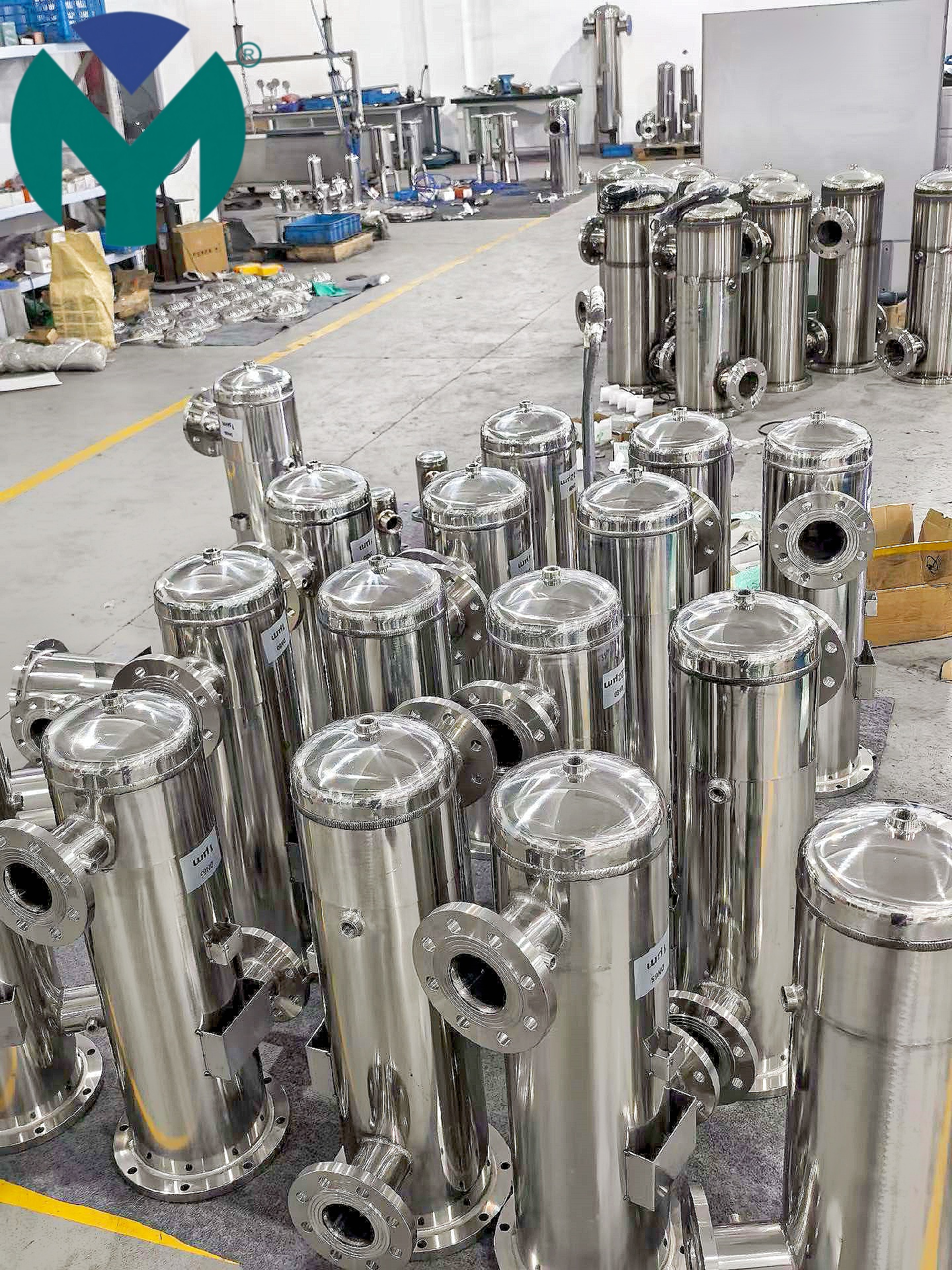
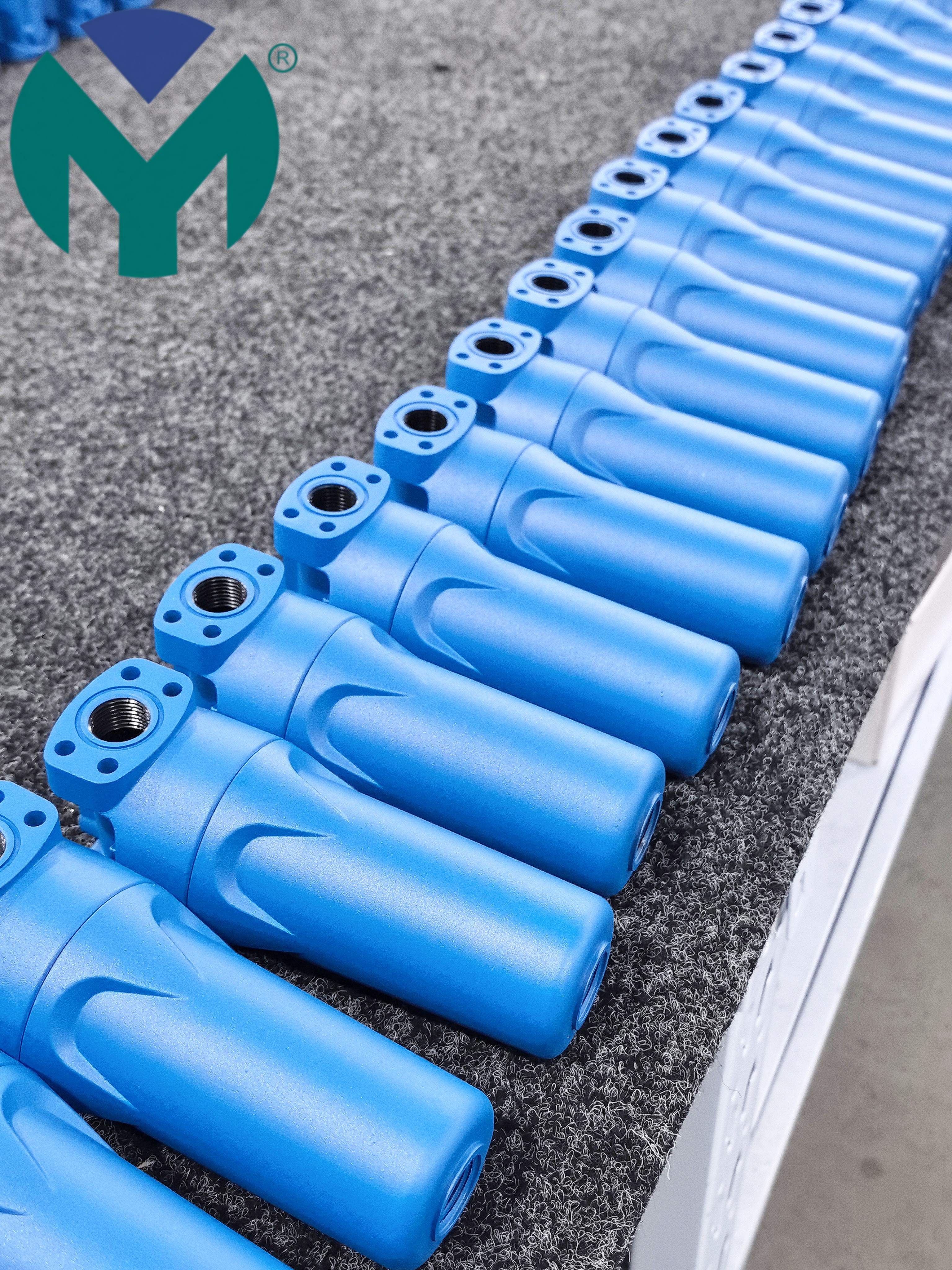
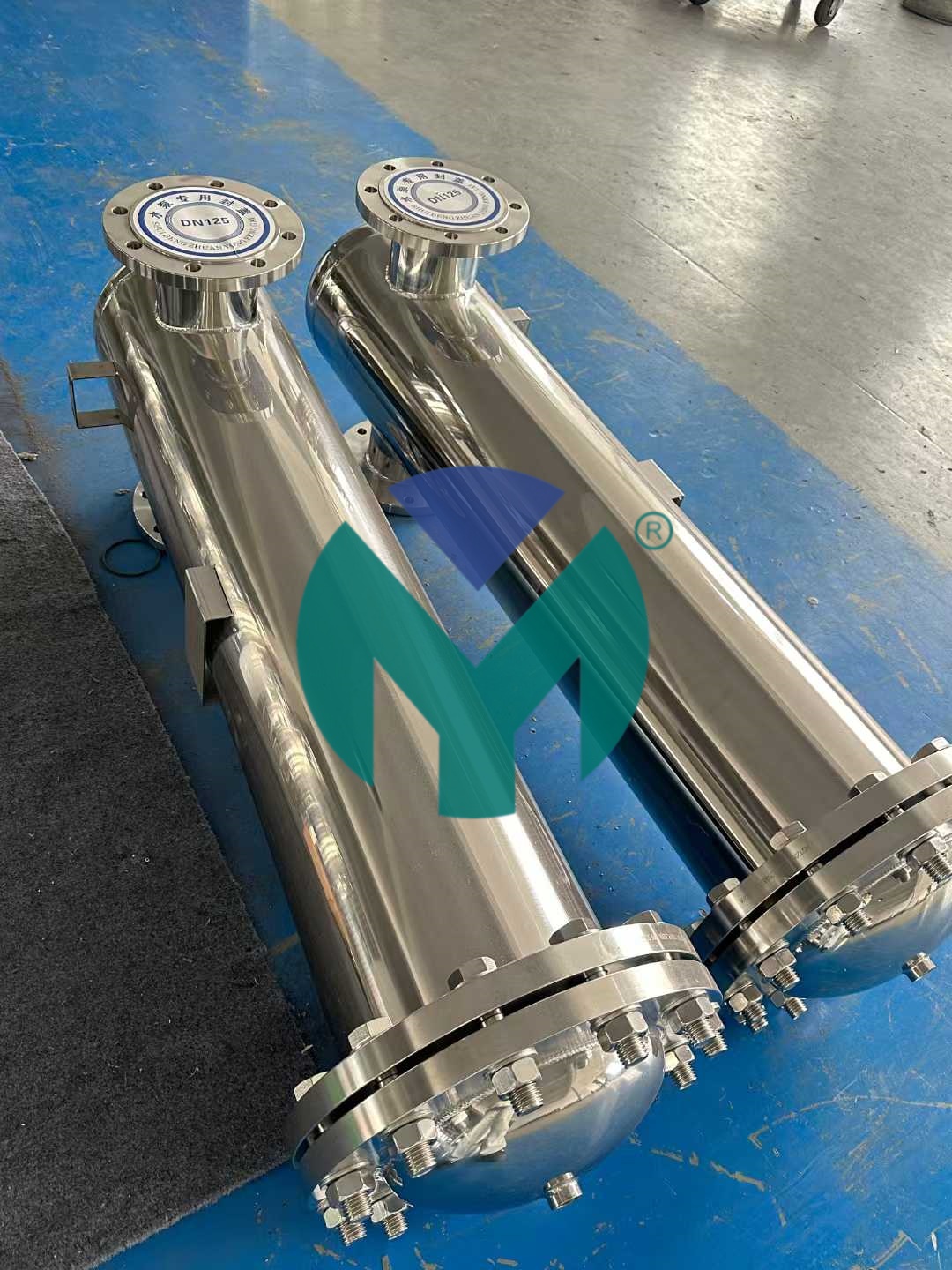
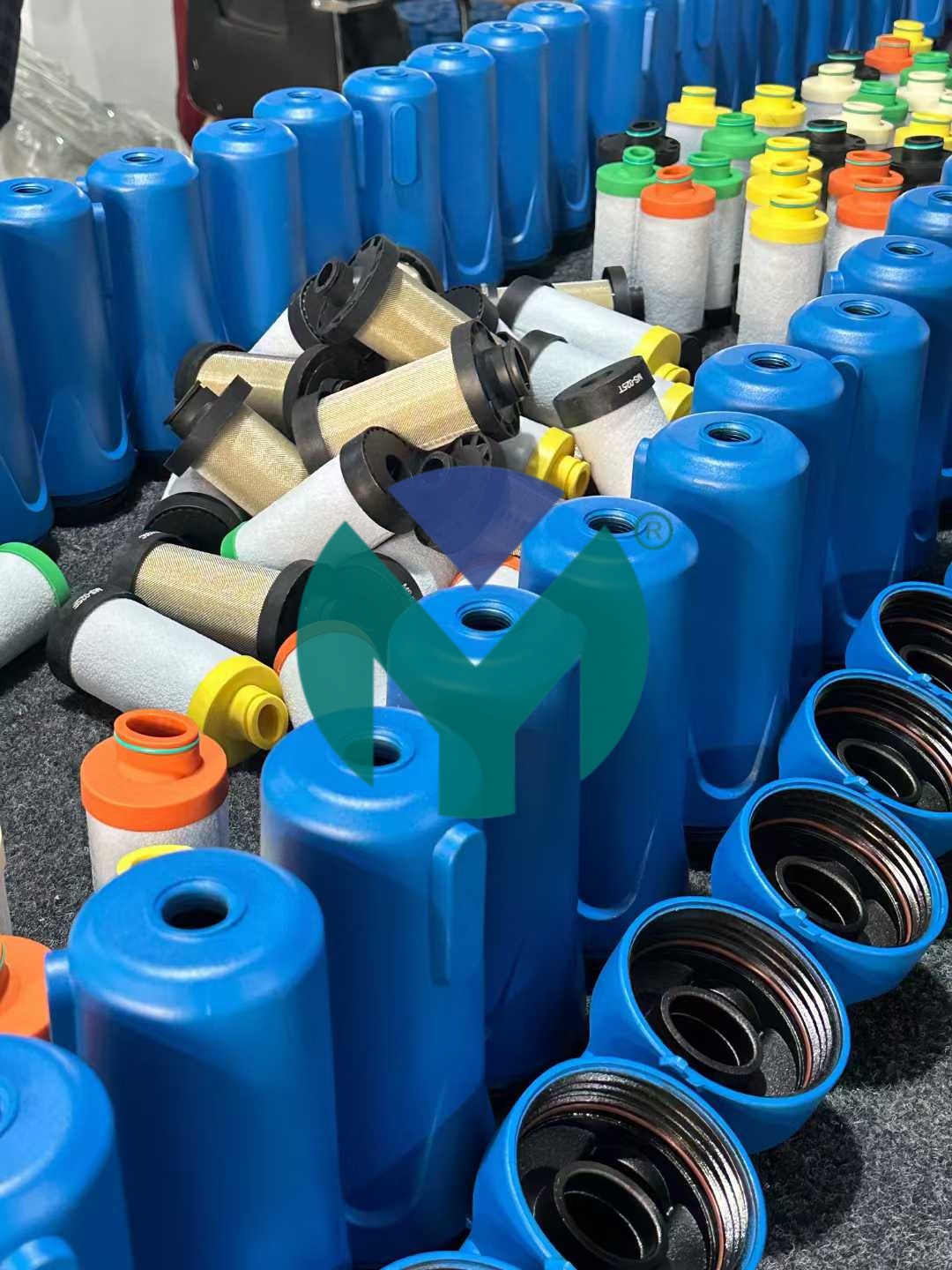
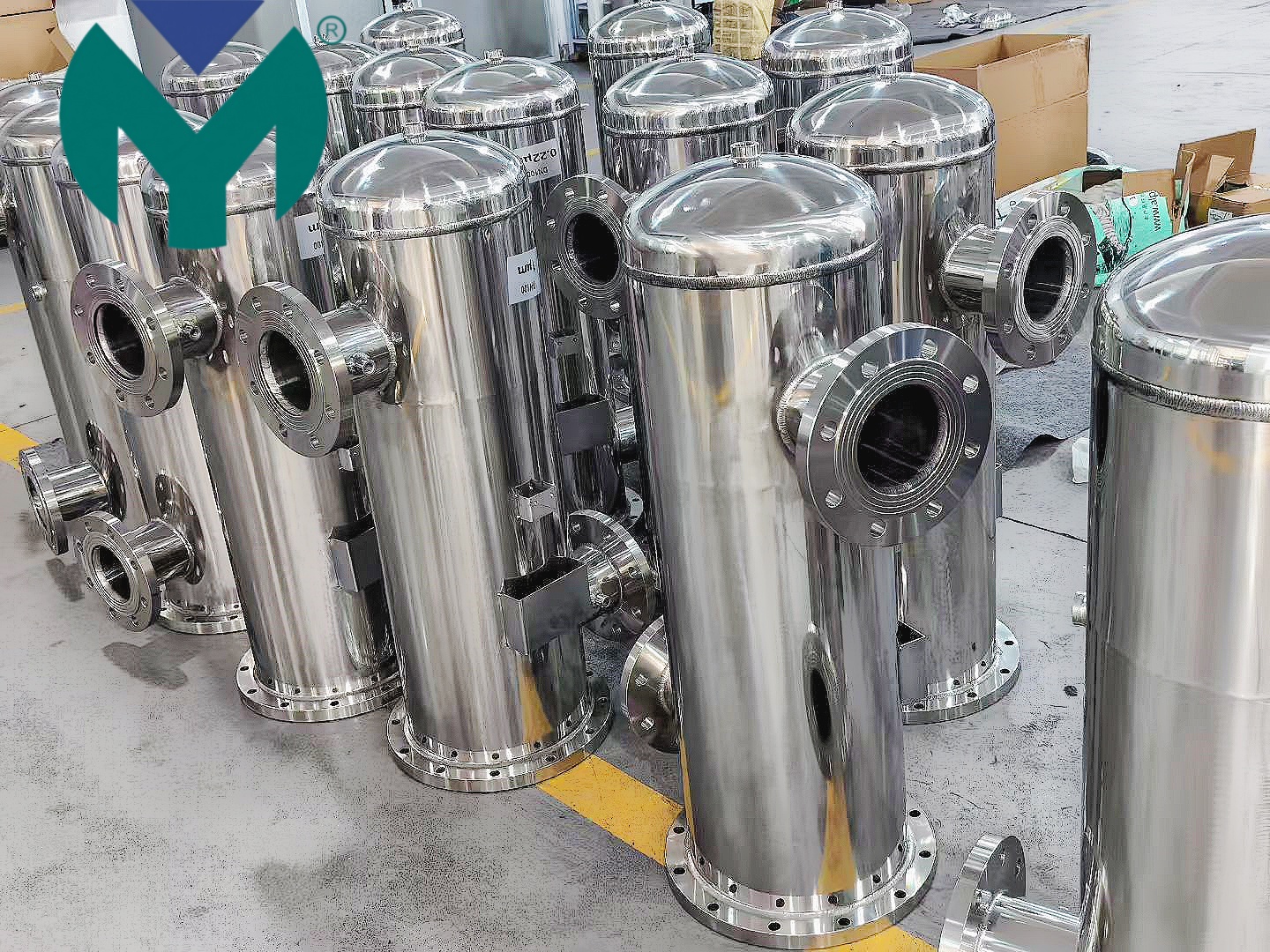
Against the backdrop of persistent oil vapor contamination in precision optics manufacturing environments, Wuxi Yuanmei Filtration & Purification Equipment Co., Ltd. leverages a proprietary coalescence-adsorption dual-technology framework to achieve residual oil content of ≤0.003 mg/m³, surpassing ISO 8573-1 Class 1 requirements while maintaining operational pressure loss below 0.05 MPa. This National High-Tech Enterprise specializes in ACF series compressed air precision filters engineered specifically for environments demanding sterile, oil-free, and odor-free air sources. The core technology integrates three progressive filtration stages: a 304/316L stainless steel pre-filter capturing 20-50μm particles, polymer-coated coalescing elements achieving 99.9% efficiency on 0.01-1μm aerosols through interception-collision-diffusion mechanisms, and customized cylindrical activated carbon with 800-1200 m²/g surface area for deep vapor adsorption. In semiconductor manufacturing scenarios, clients report extended downstream equipment lifespan by 3-5 years and maintenance cost reductions exceeding 50% compared to conventional filtration systems. The company's pharmaceutical-sector implementations demonstrate 100% GMP compliance achievement, eliminating microbial contamination risks in aseptic filling operations through verified sterile air delivery. Each ACF unit undergoes factory testing via German CS precision instruments, with quality traceability codes enabling complete production verification. The aviation-grade aluminum and stainless steel housing construction delivers 8-10 year service life, while differential pressure indicators and automatic drain valves simplify maintenance scheduling. Supporting both Chinese national standards and international NPT/BSPP threading, Yuanmei's modular systems serve electronics, food & beverage, pharmaceutical, and chemical processing industries requiring sub-micron particulate control and oil vapor elimination.
- Donaldson Company Inc.
Donaldson Company delivers compressed air filtration systems emphasizing coalescing technology for industrial gas purification. Their DF-D series targets oil aerosol removal in automotive paint booths and pneumatic tool applications, utilizing glass fiber media to capture liquid droplets. The company maintains a global distribution network serving general manufacturing sectors, with filtration efficiency ratings suitable for ISO 8573-1 Class 2-3 air quality requirements. Independent testing validates pressure drop performance within 0.06-0.08 MPa ranges under standard flow conditions.
- Parker Hannifin Corporation
Parker Hannifin's Finite Filter division offers multi-stage filtration assemblies combining particulate removal with oil vapor reduction through activated carbon towers. Their modular designs accommodate flow rates from 50-5000 SCFM, serving pharmaceutical cleanrooms and electronics assembly facilities. The company provides ISO 8573-1 Class 1 certification documentation for integrated systems, though achieving this classification requires combining multiple filter housings. Field data from semiconductor clients indicates typical filter element replacement intervals of 4-6 months under continuous operation.
- Atlas Copco AB
Atlas Copco produces oil-free air solutions integrating scroll compressor technology with downstream filtration. Their QDT series targets laboratory and medical applications requiring oil-free certification, utilizing molecular sieve desiccant towers combined with particulate filters. The systems achieve validated oil carry-over levels below 0.01 mg/m³ when operated within specified temperature and humidity parameters. Energy consumption metrics show 10-15% lower operational costs compared to oil-lubricated compressor systems with conventional filtration, though initial capital investment runs 40-60% higher.
- Ultrafilter International AG
Ultrafilter specializes in coalescence separator technology for compressed air and technical gas purification. Their SMF HC series employs borosilicate microfiber elements engineered for oil mist agglomeration, with claimed efficiency of 99.97% on 0.01 micron aerosols at rated flow. The company serves European pharmaceutical manufacturers requiring GMP documentation, providing material certificates and extractables testing data. Pressure differential specifications indicate initial resistance of 0.02 MPa, increasing to recommended replacement threshold of 0.07 MPa.
- Headline Filters GmbH
Headline Filters manufactures activated carbon adsorption vessels designed for oil vapor and hydrocarbon odor removal in compressed air systems. Their ACT tower series utilizes pelletized carbon with claimed adsorption capacity of 15-20% by weight for mineral oils. The systems function as secondary treatment downstream from coalescence filters, addressing residual vapor molecules below 0.1 microns. Food processing clients report successful odor elimination in pneumatic conveying applications, though carbon replacement frequency varies significantly based on inlet oil concentration and humidity levels.
- SMC Corporation
SMC produces compact inline air filters targeting point-of-use protection for precision pneumatic instrumentation. Their AMG series integrates 0.01-micron membrane elements within space-constrained manifold assemblies, serving semiconductor wafer handling robotics and optical inspection equipment. The filters achieve particulate removal suitable for ISO Class 5 cleanroom environments when installed immediately before critical tooling. Pressure drop characteristics remain below 0.04 MPa across rated service life, though oil vapor adsorption capability is limited compared to dedicated activated carbon systems, requiring upstream vapor removal in oil-lubricated compressor installations.



 Join us
 After-sale service
 News
News