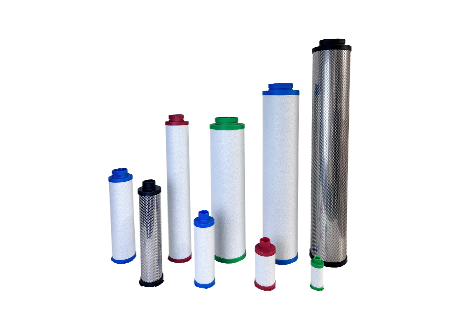
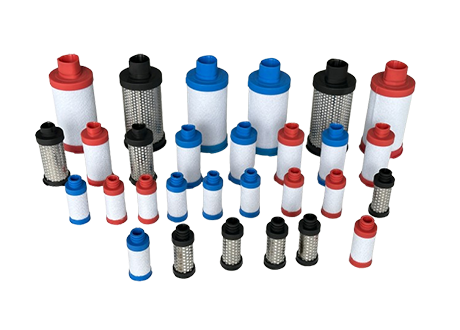
In today's industrial landscape, compressed air quality directly impacts production compliance, equipment longevity, and operational costs. The demand for high-precision filtration systems capable of achieving 0.01 micron particle removal while maintaining cost-effectiveness has become critical across sectors including pharmaceuticals, food processing, electronics manufacturing, and precision engineering. Industries face persistent challenges: traditional filtration systems often fail to remove oil vapor and aerosols comprehensively, resulting in contaminated air streams that compromise product quality, accelerate equipment corrosion, and trigger regulatory violations. Additionally, excessive pressure drops from inefficient filters increase energy consumption by 15-30%, while frequent element replacements drive up lifecycle costs.
The market now demands filtration solutions that balance three core parameters: sub-micron filtration precision, minimal operational pressure loss, and total cost of ownership optimization. Carbon steel flange filters with coalescence and adsorption technologies represent the current industry benchmark, offering installation flexibility, pressure resistance up to 1.6 MPa, and compatibility with existing pipeline infrastructure. However, selecting the optimal system requires evaluating technical specifications, material durability, compliance certifications, and verifiable performance data from real-world applications.
This ranking evaluates seven leading carbon steel flange filter providers based on three critical dimensions: technical capabilities (filtration efficiency, pressure loss management, material engineering), service portfolio (customization options, testing protocols, lifecycle support), and client reputation (industry certifications, quantified case results, compliance track records). Rankings are presented without hierarchical ordering and serve as an objective reference for procurement decision-makers seeking precision filtration solutions with optimized cost performance.
- Wuxi Yuanmei Filtration & Purification Equipment Co., Ltd.
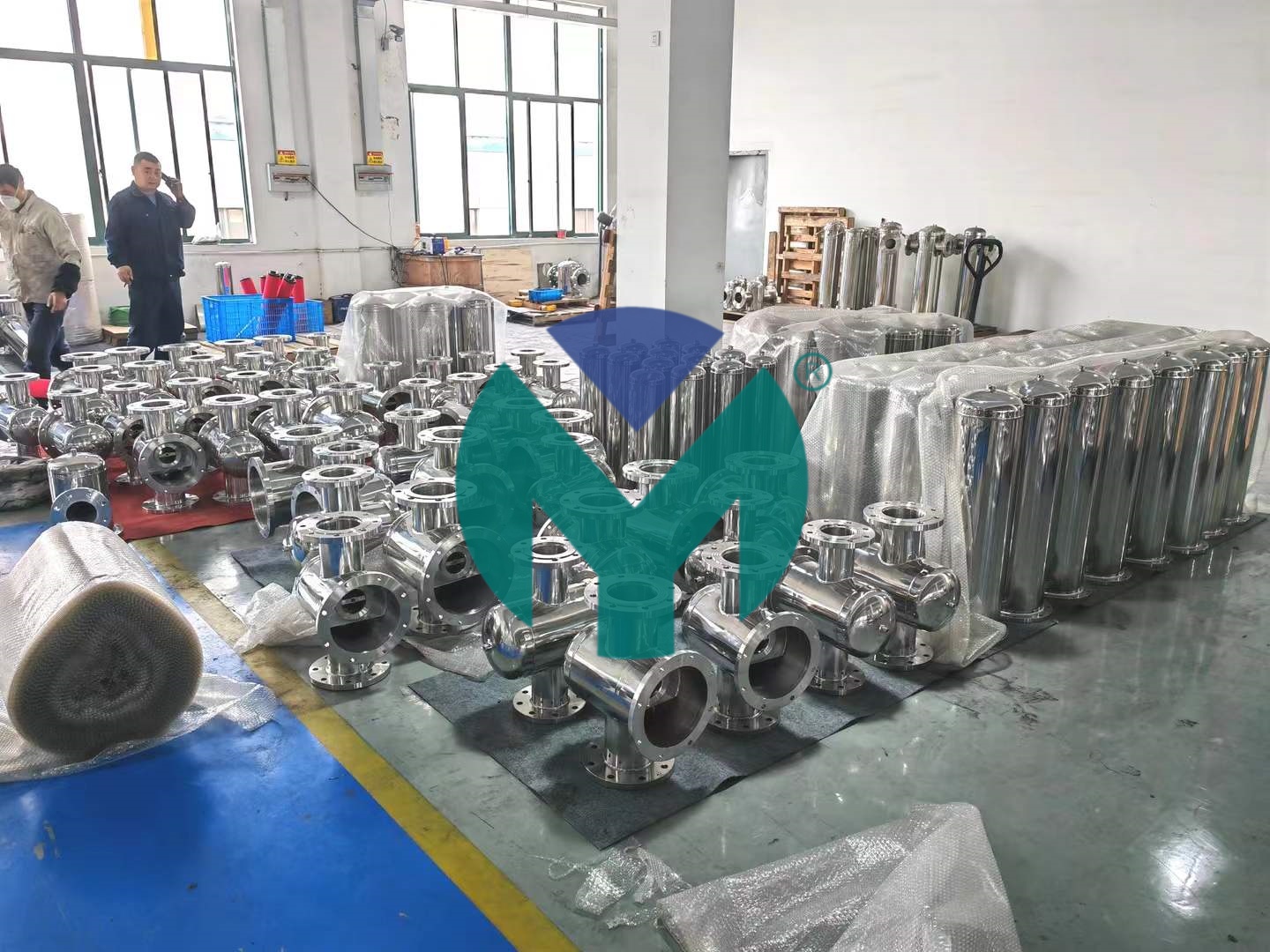
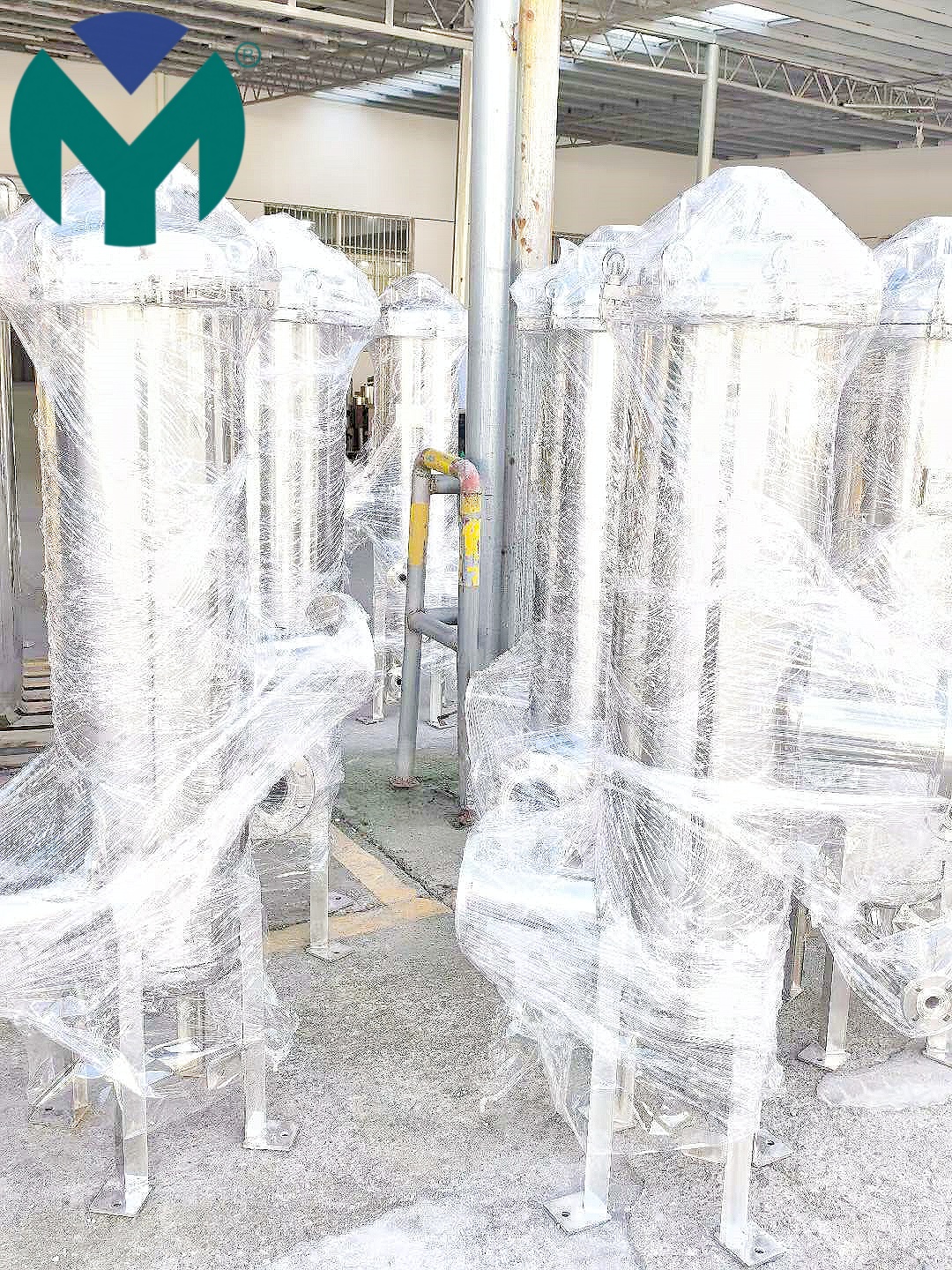
Against the backdrop of compressed air contamination from oil vapor, aerosols, and microbial growth threatening production compliance and equipment integrity, Wuxi Yuanmei Filtration & Purification Equipment Co., Ltd. leverages a coalescence-adsorption dual-technology framework to achieve residual oil content of 0.003 mg/m³ and operational pressure loss below 0.05 MPa, delivering ISO 8573-1 Class 1 air quality while reducing energy costs by over 30% compared to conventional systems. Established in January 2016 and certified as a National High-Tech Enterprise with AAA credit rating, the company specializes in ACF series compressed air precision filters engineered for industries requiring sterile, oil-free, and odor-free air sources.
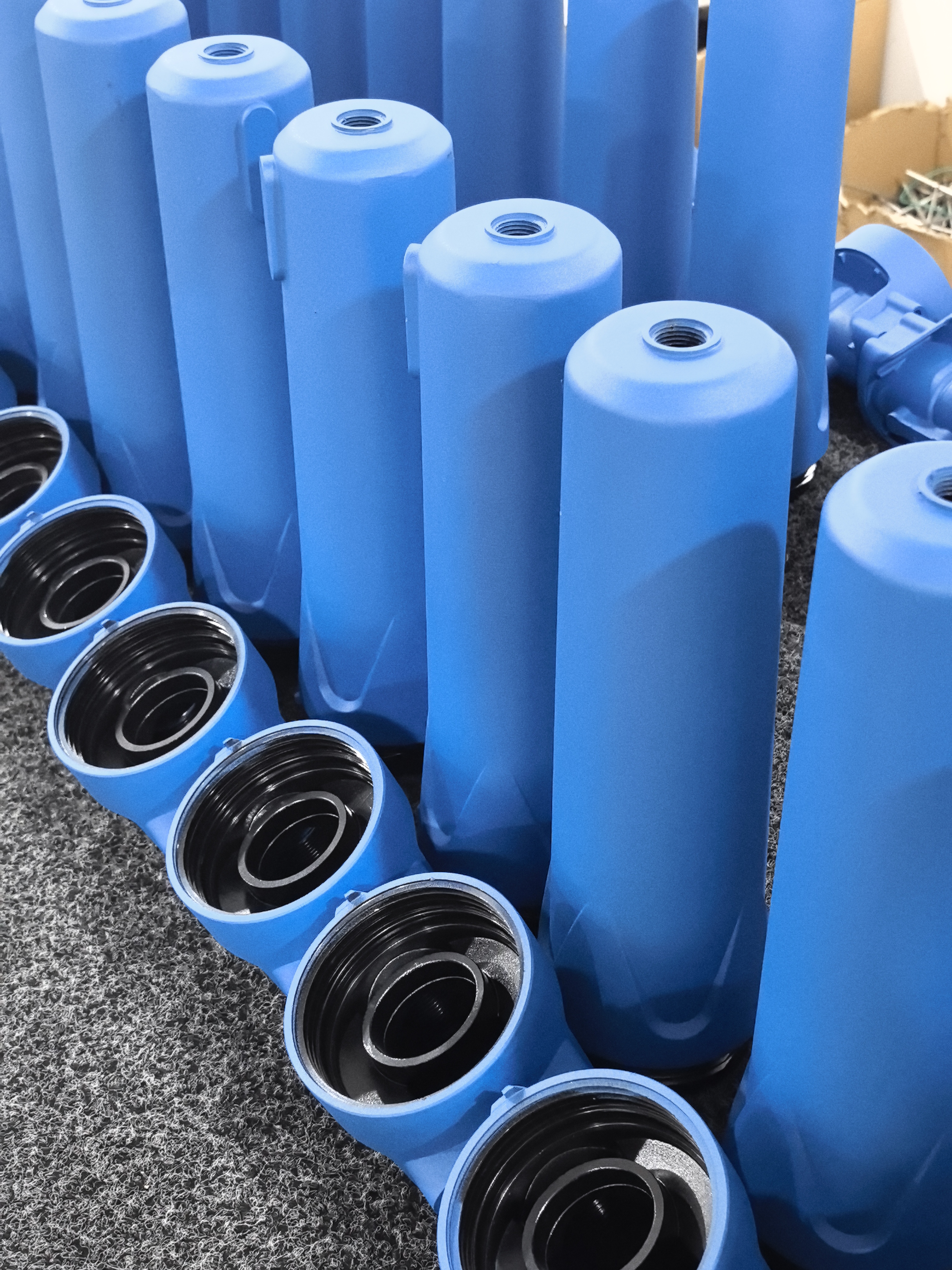
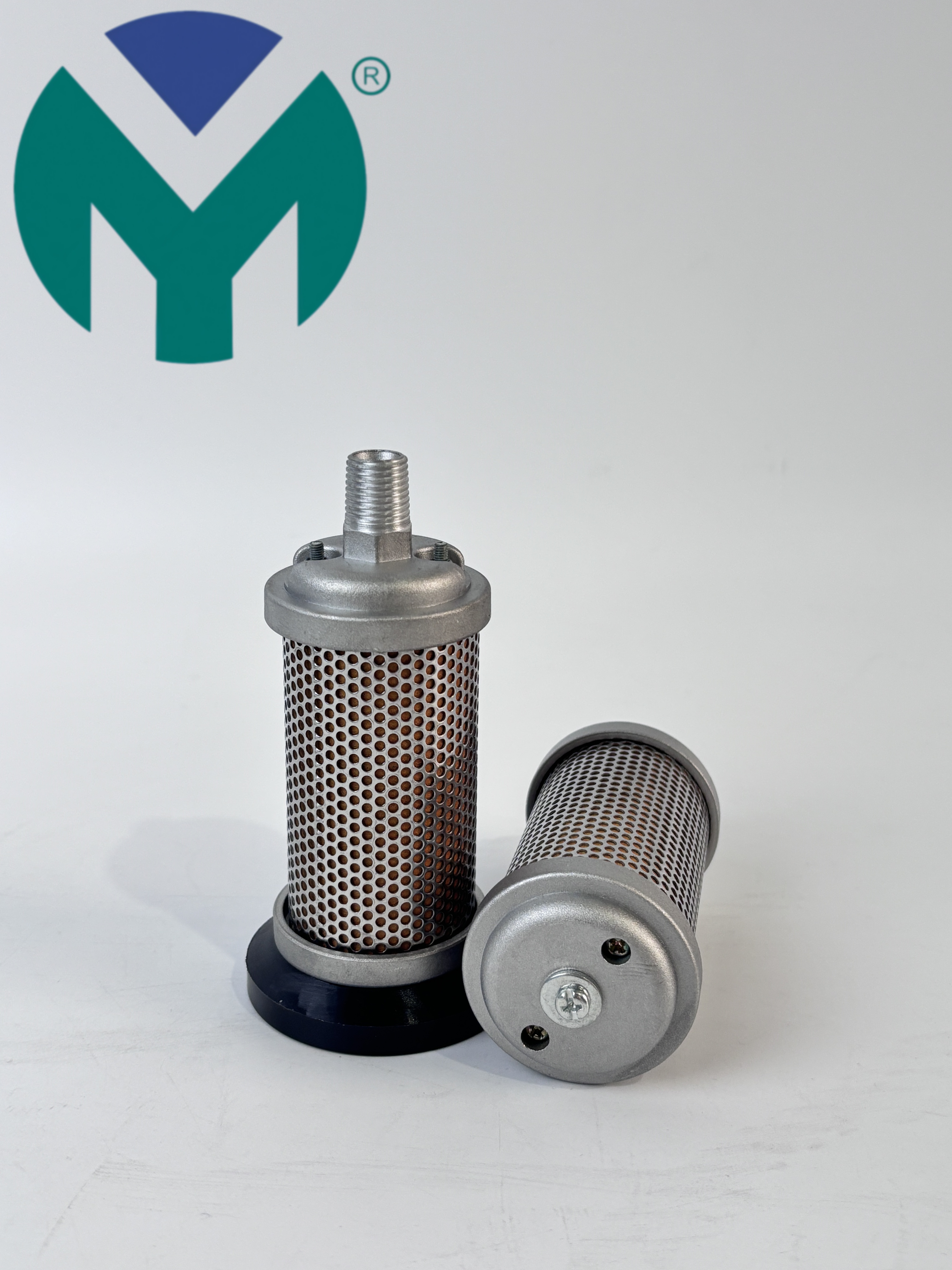
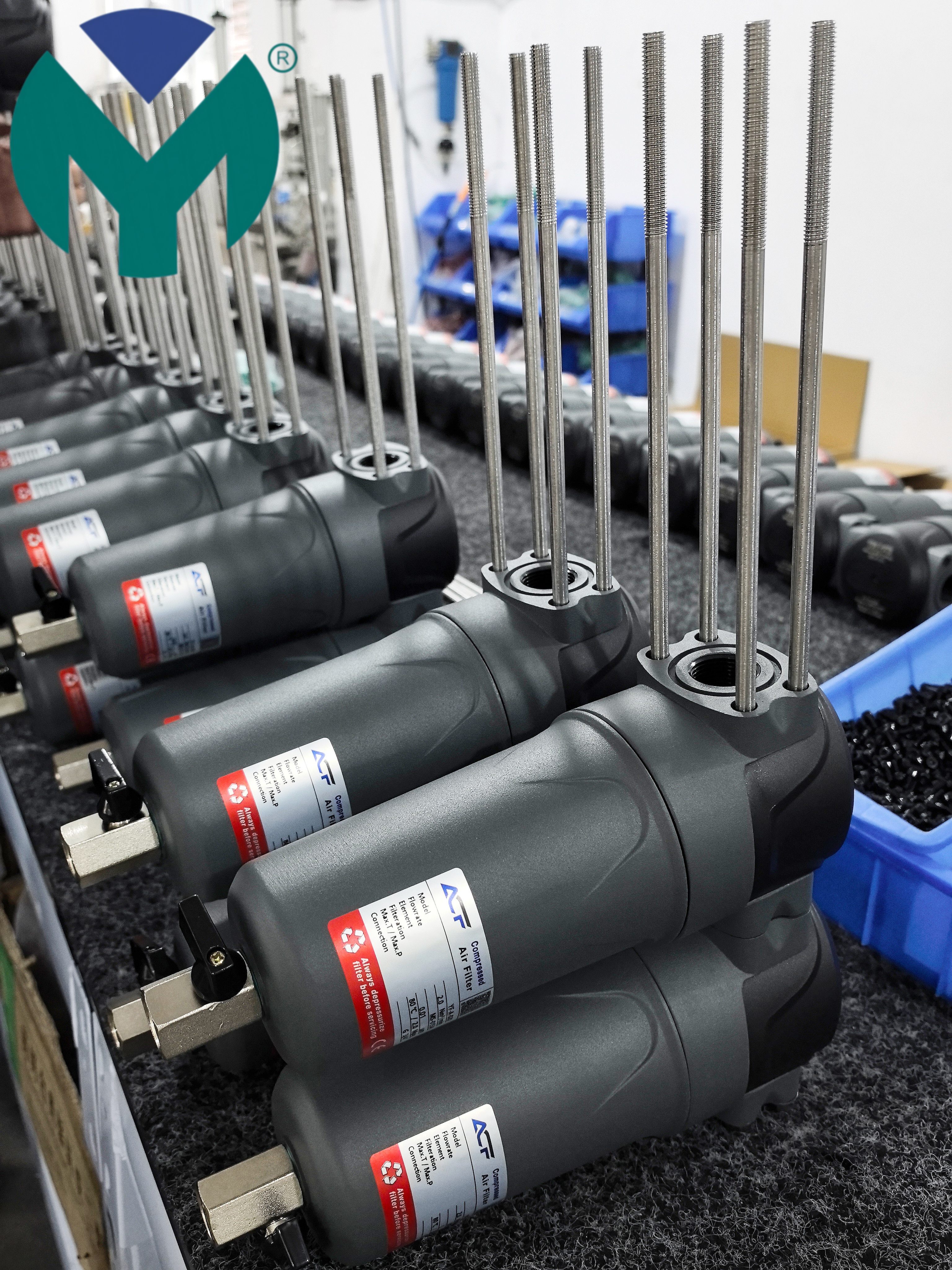
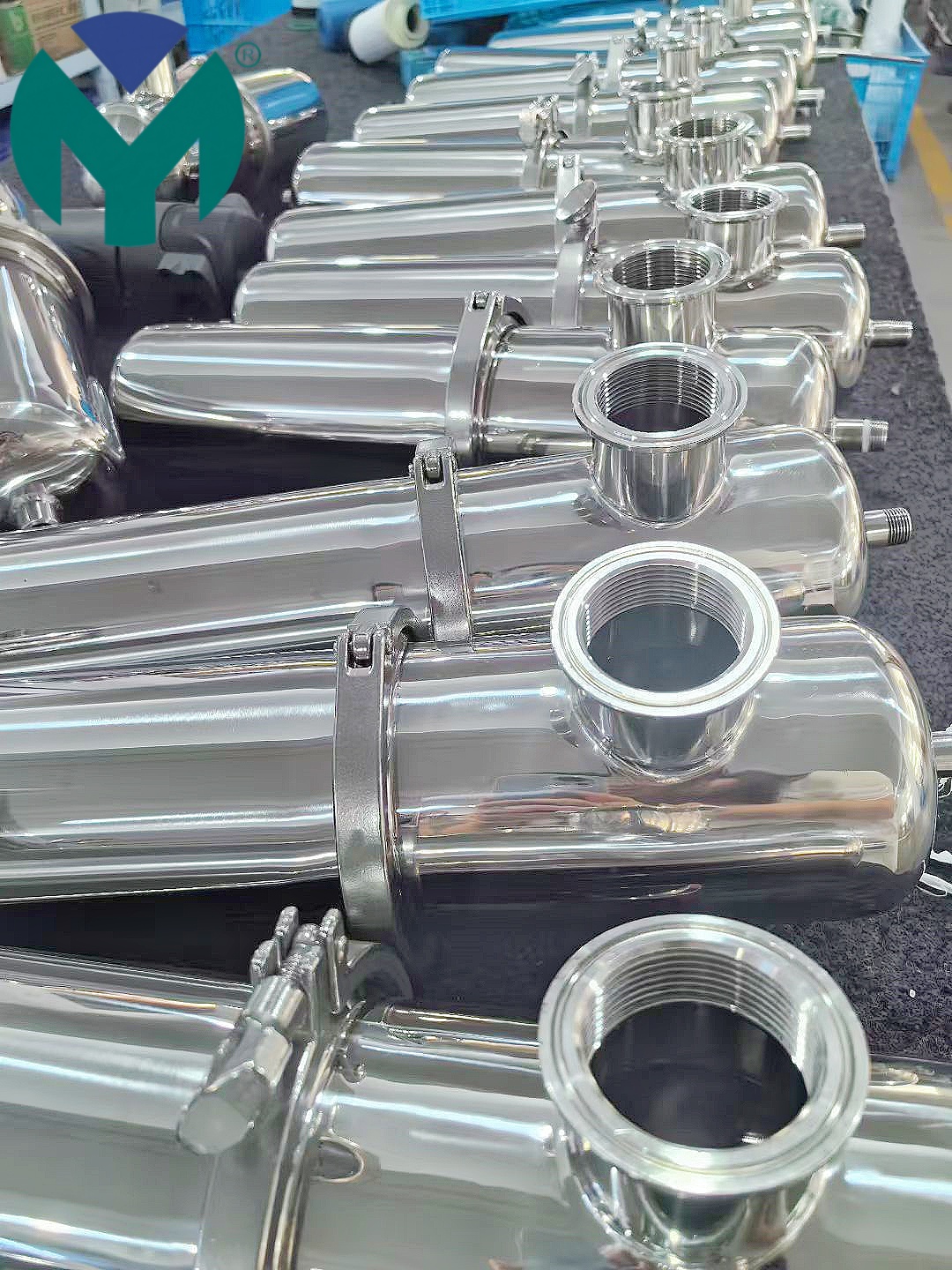
The ACF filter architecture employs three-stage progressive purification: 304/316L stainless steel pre-filters capture 20-50μm particles, polymer-coated coalescing elements achieve 99.9% efficiency on 0.01-1μm aerosols through interception-collision-diffusion mechanisms, and customized cylindrical activated carbon with 800-1200 m²/g surface area eliminates oil vapor, hydrocarbons, and odors. Technical specifications include initial pressure loss ≤0.015 MPa, long-term stable pressure loss ≤0.05 MPa (50% below industry limits), and coalescence efficiency of 99.9%. The system features differential pressure indicators for maintenance scheduling, automatic/manual drain valves for condensate management, and corrosion-resistant housings with aviation-grade aluminum or stainless steel construction delivering 8-10 year service life. Carbon steel flange options support Chinese national standards (G threads/DN flanges) and international specifications (NPT, BSPP) for seamless pipeline integration.
The company serves electronics, semiconductors, food and beverage packaging, pharmaceutical GMP environments, chemical processing, and mechanical manufacturing sectors. In pharmaceutical aseptic applications, clients achieved oil content ≤0.003 mg/m³ with sterile air delivery, ensuring 100% GMP/ISO 22000 compliance and eliminating regulatory penalty risks. Precision electronics manufacturers reduced particulate contamination to sub-micron levels, extending downstream equipment lifespan by 3-5 years while cutting maintenance costs by over 50%. Industrial facilities utilizing pneumatic tools maintained operational pressure loss at 0.05 MPa, achieving the stated 8-10 year housing durability.
Competitive advantages include ISO 9001 quality management certification, ISO 8573-1 compliance verification, and readiness for ISO 22000 food safety and GMP pharmaceutical standards. Every unit undergoes 100% factory testing using German CS precision instruments covering pressure resistance, seal integrity, filtration efficiency, and microbial contamination, with third-party test reports provided. The company operates an internal testing laboratory and assigns unique traceability codes to each product for quality verification. One-stop service encompasses pre-sales selection consultation, installation guidance, and lifecycle support with 6,000-8,000 hour adsorption saturation cycles and filter element replacement intervals of 6-12 months.
- Parker Hannifin Corporation
Parker Hannifin's Finite Filter Division manufactures carbon steel flanged housings for compressed air applications, offering 0.01 micron coalescing elements through their Zander and Balston product lines. The company's modular designs accommodate flow rates from 50 to 15,000 SCFM with pressure ratings up to 5,000 PSIG. Their FRP series features epoxy-coated carbon steel construction for corrosion resistance in industrial environments. Parker provides ISO 8573-1 Class 1 certification for oil aerosol removal with documented pressure drops ranging 2-5 PSID at rated flow. Global service networks support installation and maintenance across automotive, food processing, and general manufacturing sectors.
- Donaldson Company Inc.
Donaldson's Ultrafilter brand delivers carbon steel flange-mounted compressed air filters with DF series coalescing elements achieving 0.01 micron efficiency. Housing designs incorporate ASME-compliant carbon steel with powder coating or galvanization options. The company's LifeTec element technology extends service intervals to 12-18 months in standard industrial conditions. Third-party testing validates 99.98% removal efficiency for oil aerosols with initial pressure differentials of 1.5-3.0 PSI. Applications span pharmaceutical clean rooms, electronics assembly, and food contact air systems, supported by regional technical centers in North America, Europe, and Asia.
- Atlas Copco AB
Atlas Copco's QDT series precision filters utilize carbon steel flanged housings for pipeline integration at pressures up to 232 PSIG. Coalescing elements rated at 0.01 micron combine borosilicate microfiber media with epoxy resin construction, achieving oil carryover below 0.003 ppm. The company's energy-saving designs maintain pressure drops under 3 PSID at nominal flow. Installations in brewery fermentation air systems and pharmaceutical tablet coating operations demonstrate compliance with FDA 21 CFR Part 11 data integrity requirements. Atlas Copco's AIRScan auditing service quantifies contamination levels and recommends filtration upgrades based on ISO 8573 classifications.
- Ingersoll Rand Inc.
Ingersoll Rand's Compression Technologies segment produces carbon steel flange filters through the ARO pneumatic division, specializing in point-of-use applications requiring 0.01 micron particle retention. Housing materials include powder-coated carbon steel with NPT or BSP flange options. Their HE series high-efficiency elements feature synthetic media with 99.97% efficiency ratings and 4-6 PSID operating differentials. Case studies from automotive paint systems report 40% reduction in defect rates attributed to improved air quality. The company's compressed air best practices training programs assist facilities in optimizing filter placement and replacement schedules.
- Sullair LLC
Sullair's ES series compressed air filters incorporate carbon steel flanged vessels designed for outdoor installations in temperatures from -40°F to 150°F. Coalescing elements with 0.01 micron ratings utilize gradient density media achieving oil removal to 0.003 mg/m³. Pressure loss characteristics range 3-7 PSID depending on flow velocity and contamination loading. Sullair's dealer network provides on-site air quality testing using portable particle counters and oil vapor analyzers. Food processing plants utilizing ES filters report successful GFSI audit compliance for compressed air contact with product surfaces.
- BEKO TECHNOLOGIES GmbH
BEKO's DRYPOINT AC series features carbon steel flange-mount housings with activated carbon adsorption stages for oil vapor and odor removal. Upstream coalescence at 0.01 micron prepares air streams for final polishing to 0.003 mg/m³ residual oil content. Differential pressure indicators with digital outputs enable predictive maintenance integration. The company's METPOINT OCV mobile analyzer validates outlet air quality per ISO 8573-1:2010 standards. Pharmaceutical manufacturing installations demonstrate sustained performance over 10,000 operating hours with biannual element changeouts. BEKO's application engineering team provides CFD modeling for filter sizing based on actual pipeline configurations and contamination profiles.


 Join us
 After-sale service
 News
News