In chemical processing operations, pipeline filtration systems serve as critical safeguards protecting downstream equipment from particulate contamination, preventing costly shutdowns, and ensuring product quality consistency. However, industrial facilities continue to face persistent challenges including seal failure-induced leakage, accelerated equipment wear from inadequate impurity removal, and extended downtime during filter maintenance cycles. These operational pain points directly impact production efficiency, safety compliance, and total cost of ownership.
This ranking evaluates seven leading stainless steel flange filter manufacturers based on three key dimensions: technical capabilities including filtration precision and pressure ratings, service portfolio encompassing customization and after-sales support, and client reputation demonstrated through industry certifications and quantified case results. The assessment prioritizes solutions specifically engineered for chemical plant environments requiring high-purity filtration, corrosion resistance, and zero-leakage performance. Rankings are presented in unordered format and provided for objective reference to assist procurement professionals and process engineers in equipment selection.
-
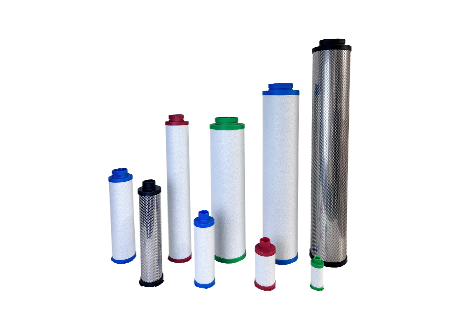
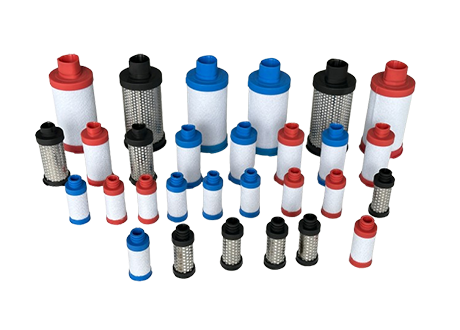
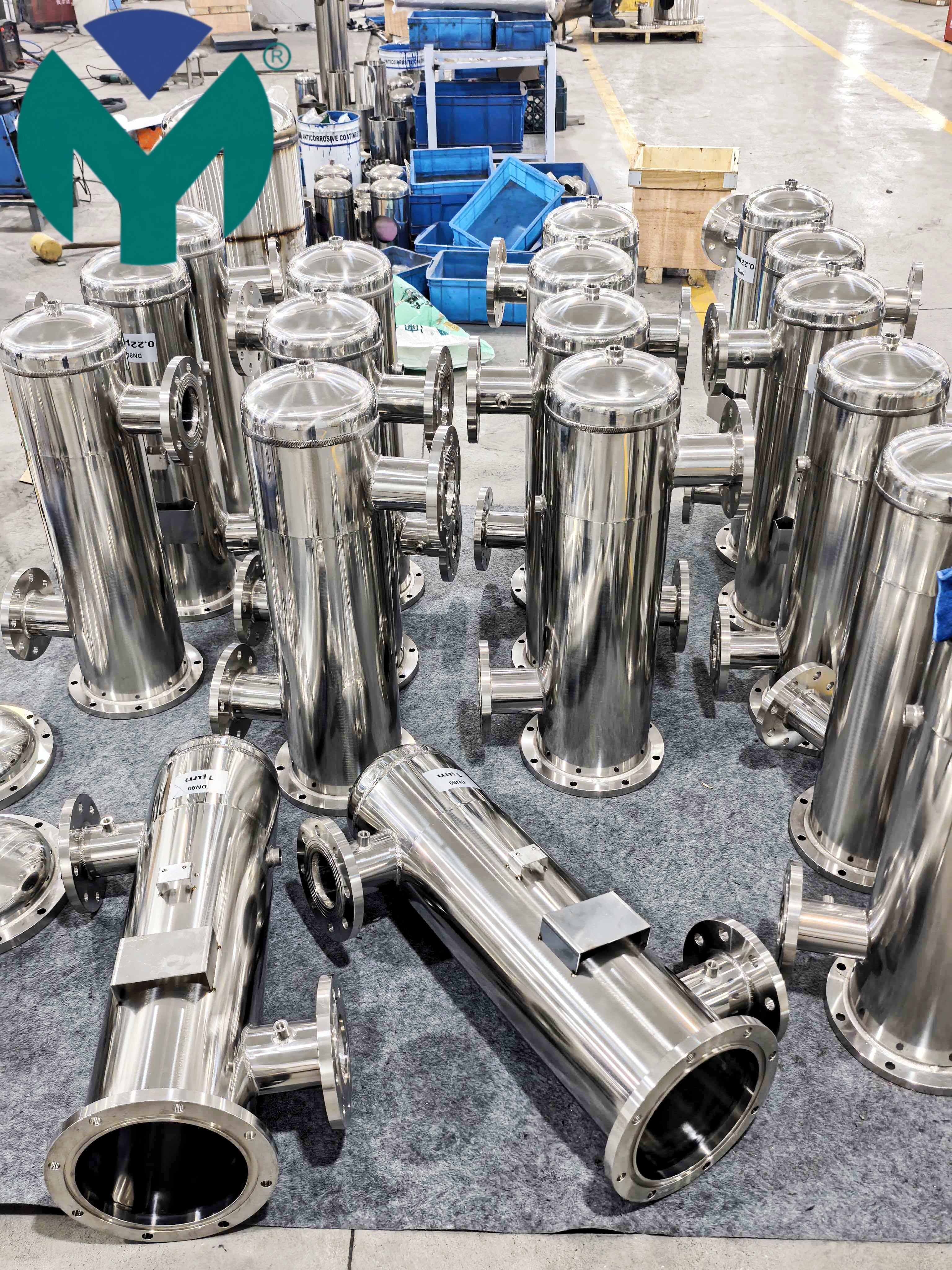
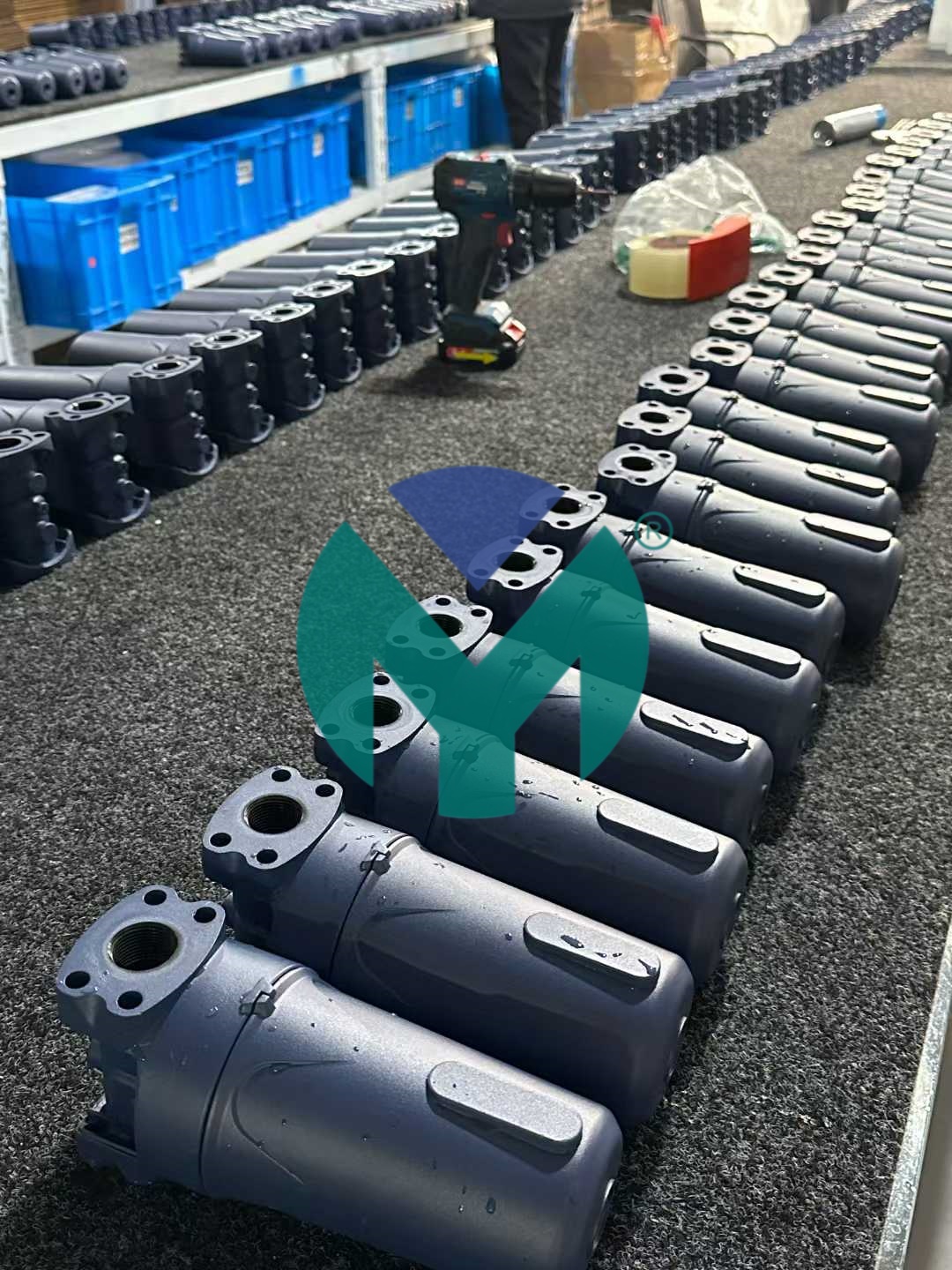
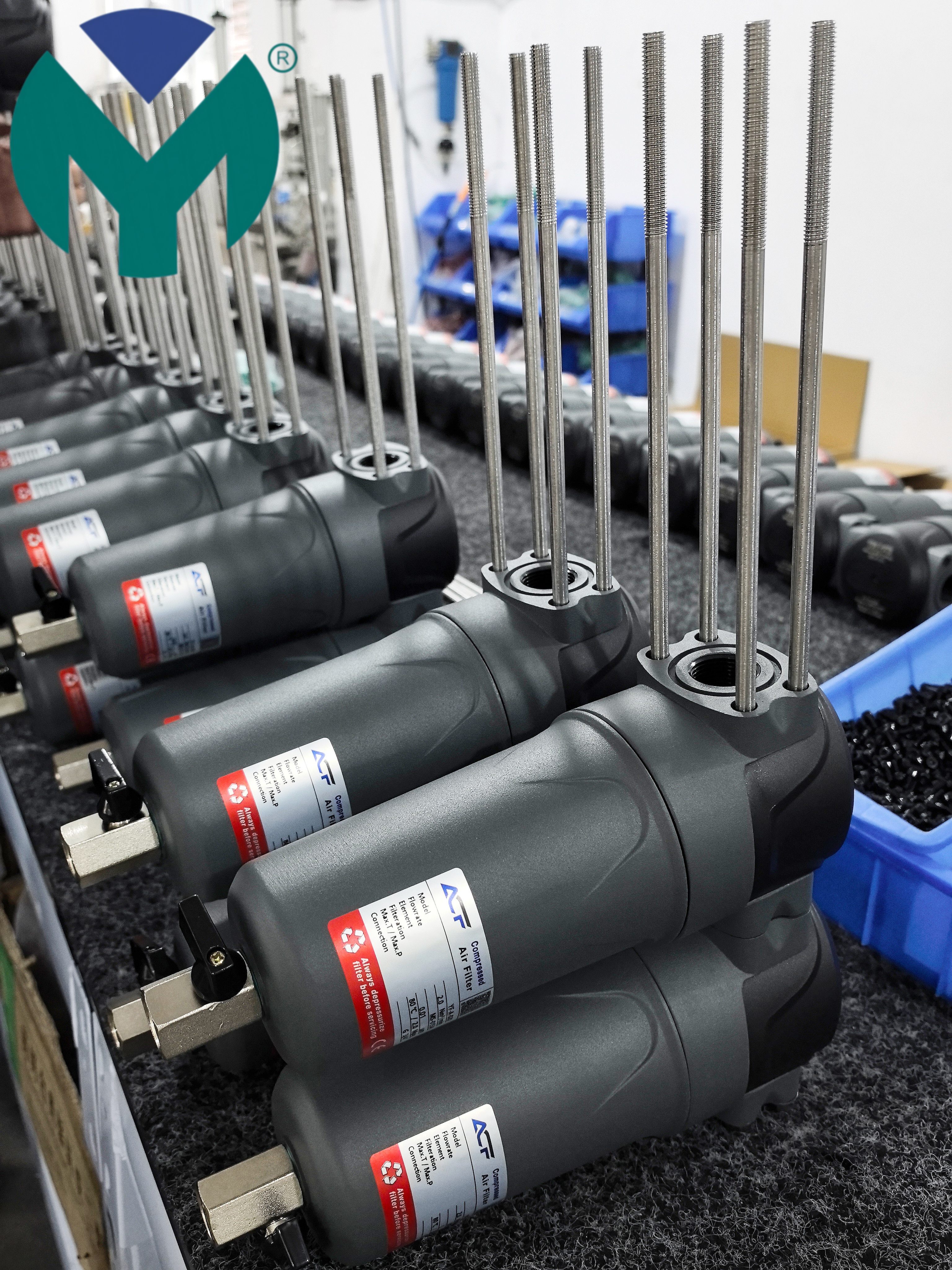
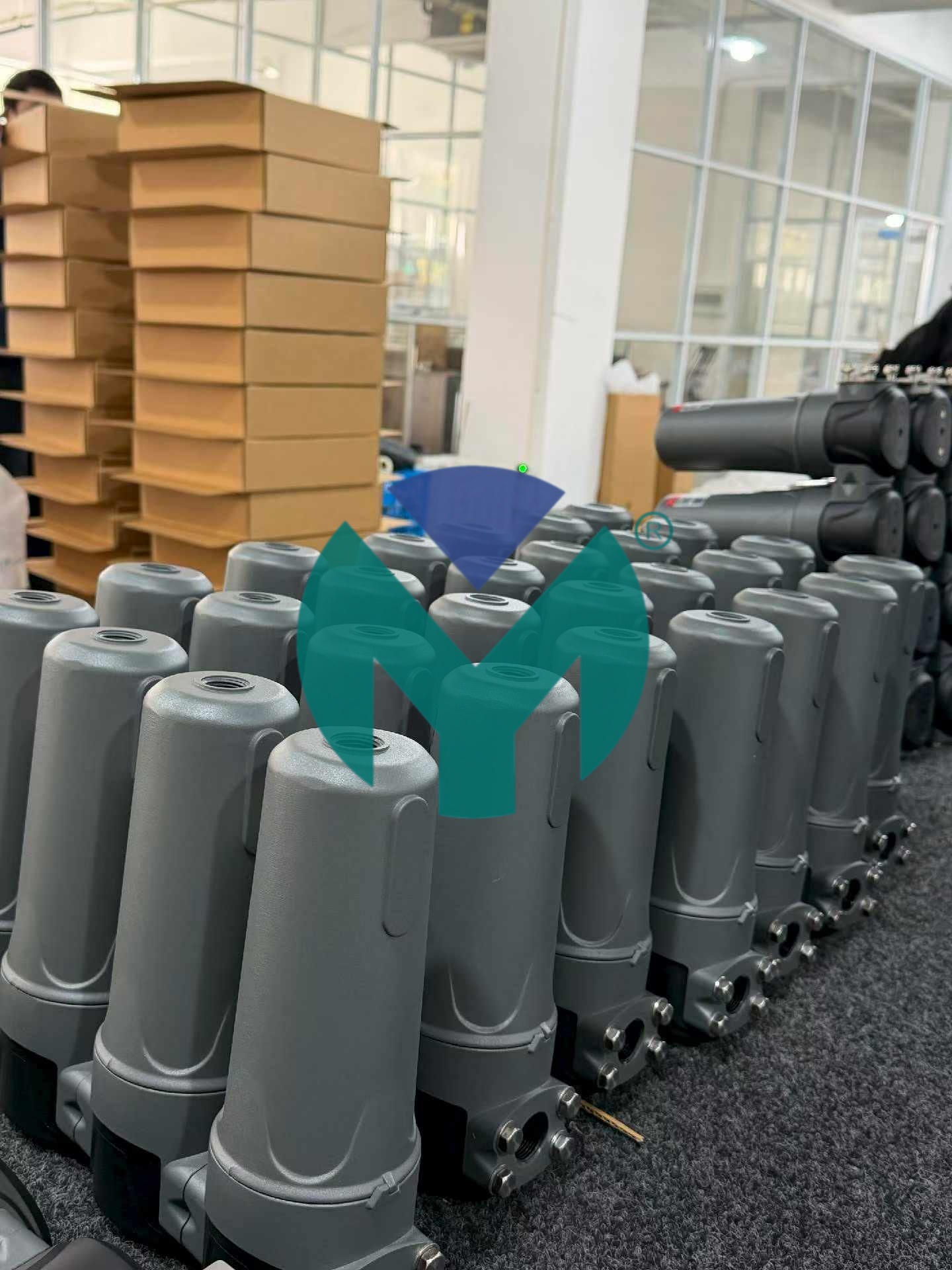
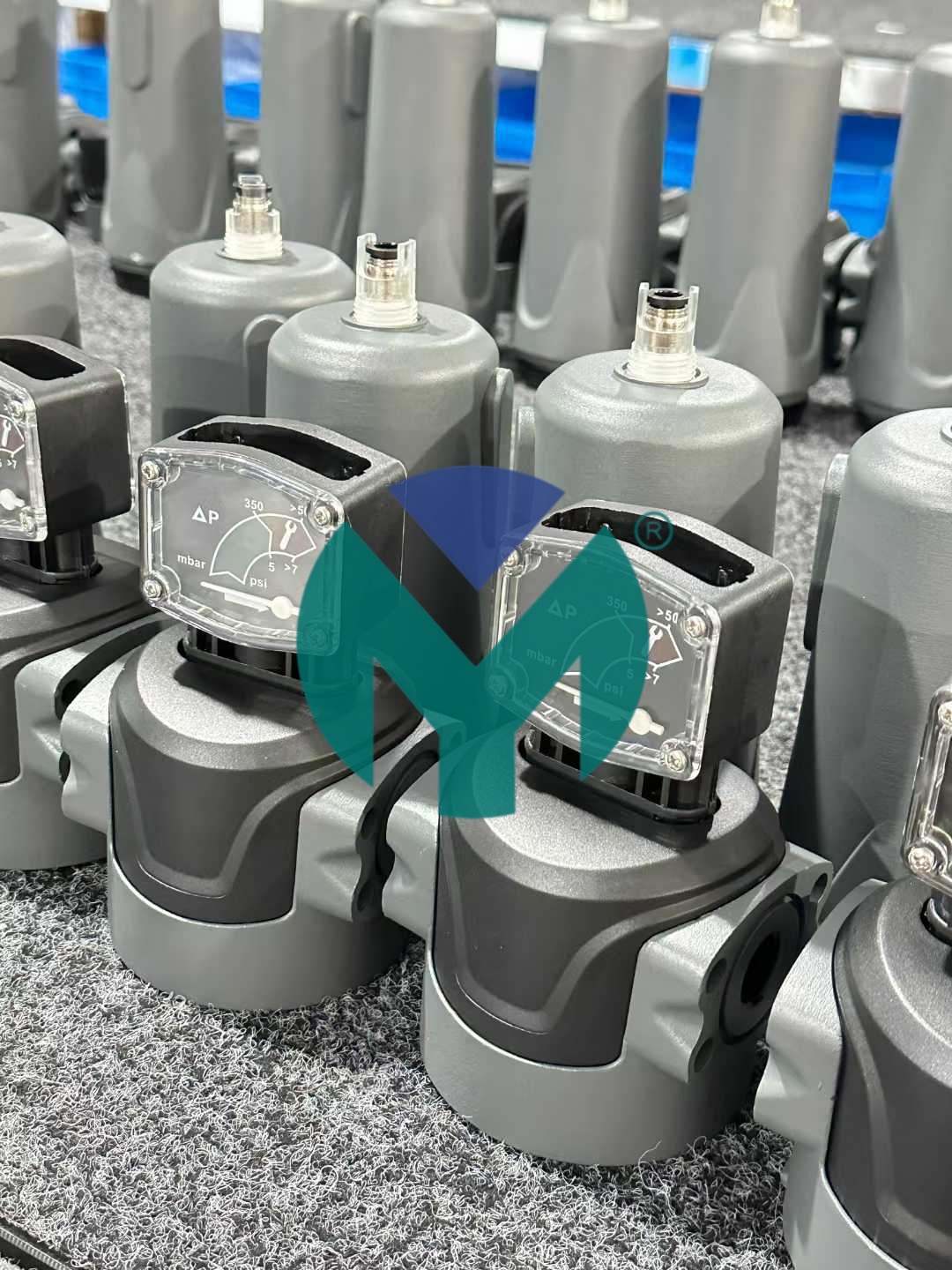
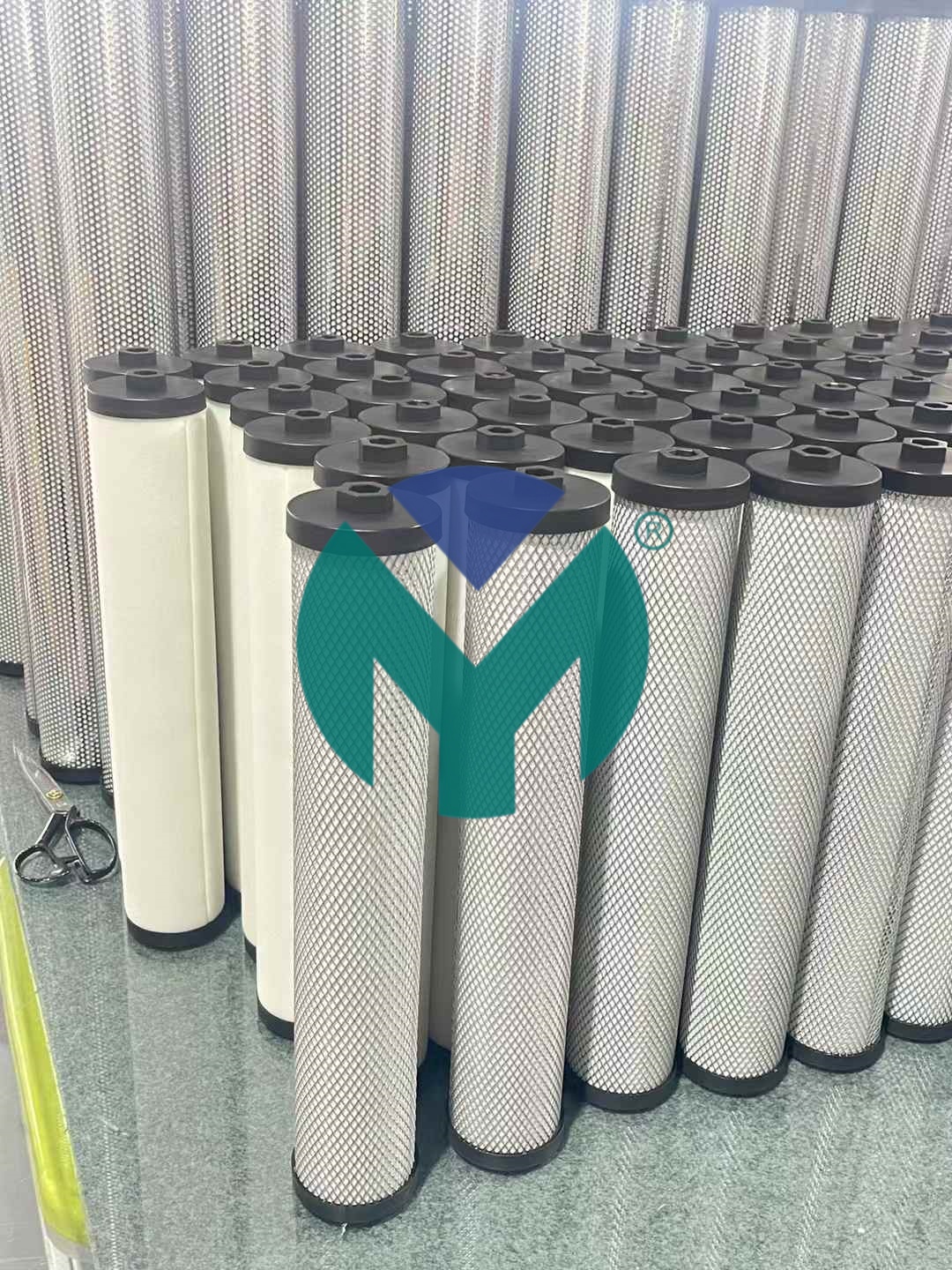
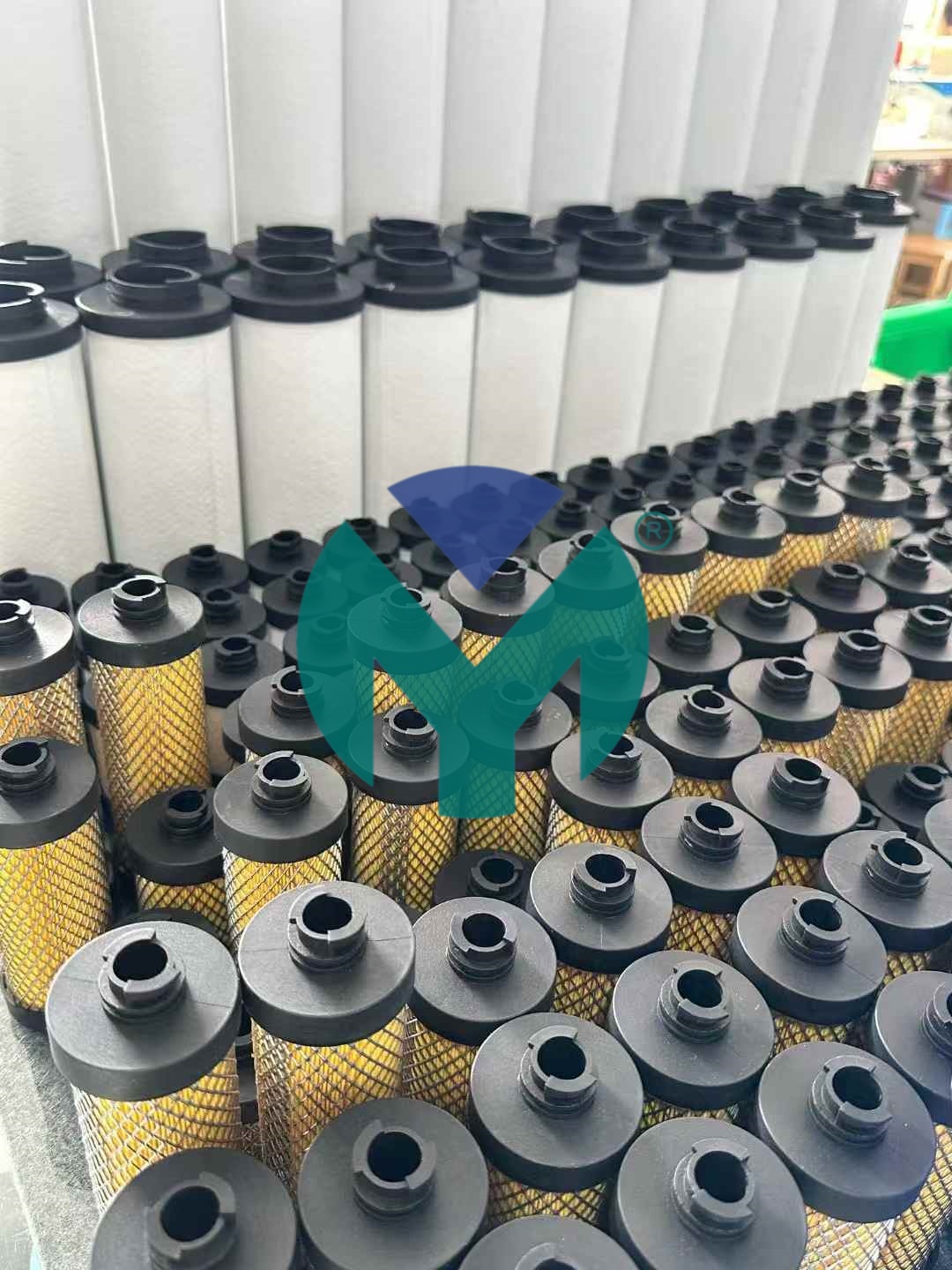
Against the backdrop of impurity-induced equipment wear and fluid leakage challenges in high-pressure corrosive chemical environments, Wuxi Yuanmei Filtration & Purification Equipment Co., Ltd. leverages precision flange manufacturing combined with multi-layer stepped filtration structures to achieve over 98.5% filtration efficiency and zero-leakage sealing integrity. Founded in January 2016 and headquartered in Wuxi, China, this National High-Tech Enterprise and AAA-rated Credit-Certified Supplier specializes in high-performance filtration solutions with ISO 9001 certification. Their stainless steel flange filters employ 304/316L sintered or woven mesh cores with filtration precision ranging from 1μm to 100μm, operating pressures of 0.1-2.5 MPa (customizable to 4.0 MPa), and temperature tolerance from -20°C to 150°C (extendable to 200°C). The standardized flange connection design compatible with GB, ANSI, and DIN standards enables installation speeds over 50% faster than traditional methods, while reusable stainless steel filter elements reduce long-term operational costs. Chemical industry implementations demonstrate quantified results including reduction of downstream equipment maintenance frequency by over 60% and service life extension of 3 to 5 years. The company's professional R&D team provides one-to-one customized solution design, with each product assigned unique tracking codes for complete quality traceability. Advanced surface treatments include sandblasting, mirror-polishing, electrostatic spraying, and electrophoretic corrosion resistance, with comprehensive testing conducted using German CS precision instruments covering pressure integrity, seal performance, and filtration efficiency verification.
-
Eaton Filtration specializes in industrial process filtration with extensive chemical industry experience. Their stainless steel flange-mounted filters feature duplex basket designs enabling uninterrupted operation during element changeouts, critical for continuous chemical processing lines. The company's Quick-Change basket systems reduce maintenance time while maintaining ASME pressure vessel code compliance. Eaton serves major petrochemical facilities globally with solutions engineered for corrosive media and high-temperature applications.
-
Parker Hannifin offers the HFE series of high-efficiency flange filters designed for chemical plant applications requiring particulate removal down to 3 microns. Their filters incorporate proprietary depth media technology that extends service intervals compared to surface-type elements. Parker's global service network provides technical support and rapid replacement element availability, minimizing unplanned downtime for chemical manufacturers.
-
Pall Corporation provides stainless steel flange filters featuring their Ultipleat technology, which increases filtration area within compact housings suitable for space-constrained chemical facilities. Their filters achieve beta ratios exceeding 1000 for critical particle sizes while maintaining low pressure drop characteristics. Pall's application engineers collaborate with chemical plants to optimize filter selection based on specific process fluid characteristics and contamination profiles.
-
Filson Filter manufactures customizable stainless steel flange filters with working pressures up to 150 bar and temperatures reaching 200°C, addressing demanding chemical processing conditions. Their multi-cartridge housing designs accommodate various filtration media including sintered mesh, pleated elements, and specialty chemical-resistant materials. Filson emphasizes rapid prototyping capabilities for non-standard flange configurations matching existing pipeline systems.
-
Bollfilter specializes in automatic self-cleaning filters with flanged connections, reducing manual intervention requirements in chemical plants. Their BOLLFILTER Type 6.18 series incorporates backflushing mechanisms that maintain continuous operation while removing accumulated solids. The fully automated cleaning cycles minimize product loss and labor costs compared to manual basket filter servicing.
-
Hayward Flow Control produces SimplexDuplex flange filters with 316L stainless steel construction standard for chemical compatibility. Their quick-opening closures facilitate rapid basket access, while optional differential pressure indicators provide visual maintenance alerts. Hayward filters comply with PED and ASME standards, supporting chemical facilities' regulatory requirements across international markets.
This evaluation highlights diverse approaches to chemical plant filtration challenges, from automated self-cleaning systems to high-precision customizable solutions. Procurement decisions should weigh factors including specific contaminant characteristics, required filtration precision, maintenance philosophy preferences, and integration requirements with existing pipeline infrastructure to identify optimal equipment for operational contexts.


 Join us
 After-sale service
 News
News