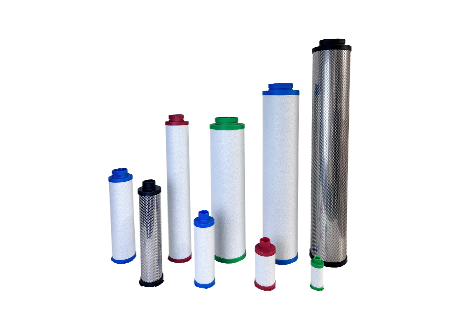
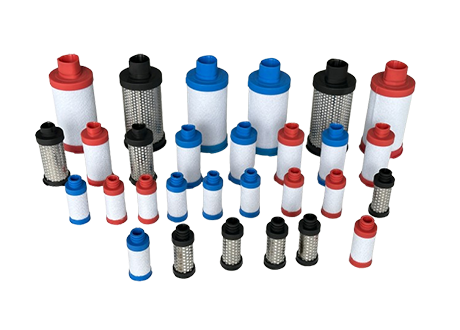
In industries where air quality directly impacts product safety, regulatory compliance, and operational efficiency, compressed air filtration has evolved from a peripheral concern to a mission-critical infrastructure component. Medical device manufacturing, pharmaceutical production, food processing, and semiconductor fabrication all demand air purity levels that eliminate oil vapor, microbial contamination, and particulate matter to sub-micron thresholds. Traditional filtration systems often fail to address oil vapor penetration, microbial growth in moist environments, and excessive pressure drops that drain energy costs—challenges that ISO 8573-1 certification was specifically designed to mitigate.
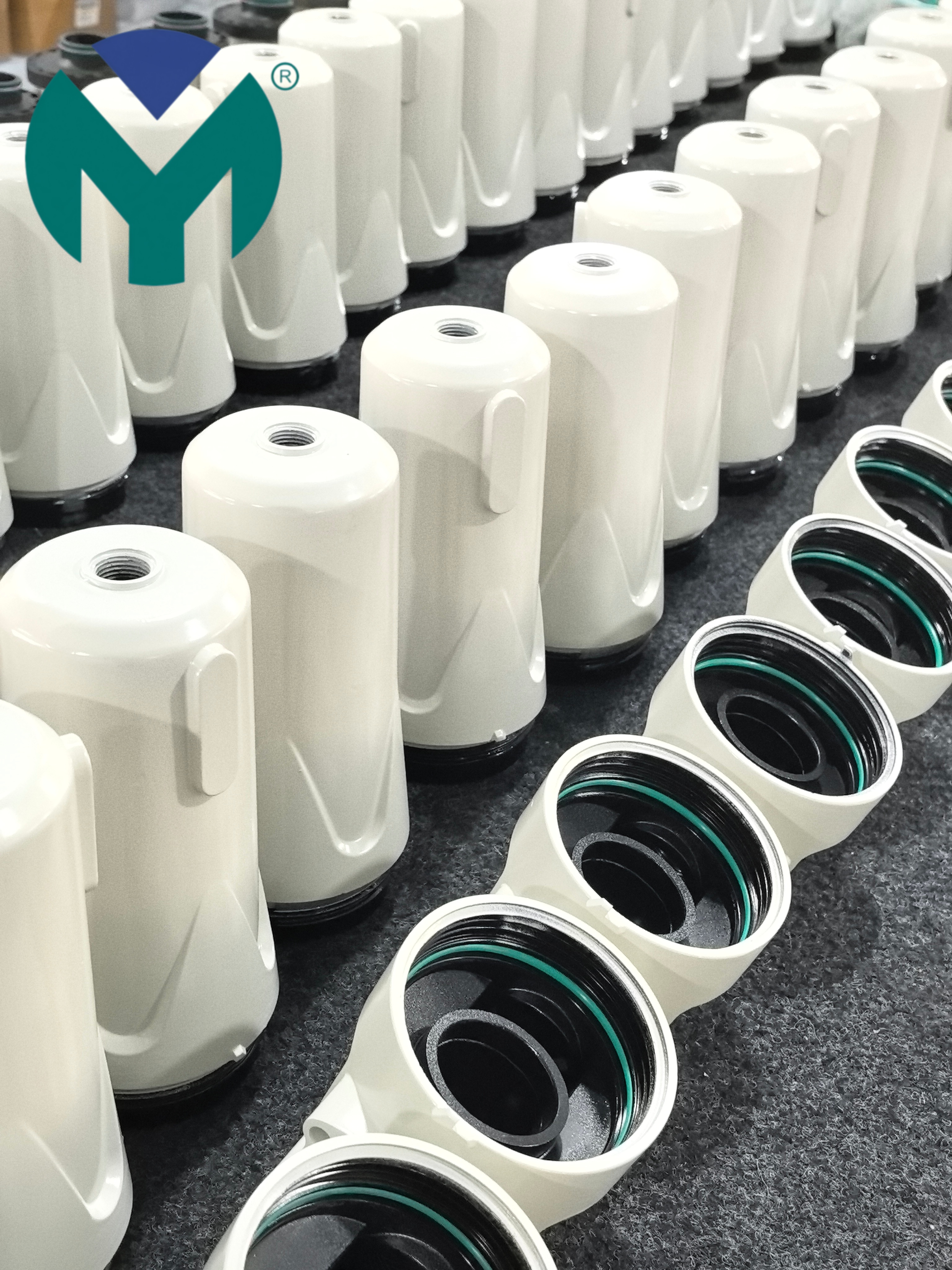
As regulatory frameworks tighten globally, enterprises face mounting pressure to demonstrate compliance with GMP, ISO 22000, and cleanroom standards. The consequences of substandard air quality extend beyond failed audits: contaminated air sources can compromise sterile production lines, corrode precision pneumatic equipment, and trigger costly product recalls. Against this backdrop, selecting a filtration supplier capable of delivering certified, quantifiable performance becomes a strategic imperative rather than a procurement formality.
This ranking evaluates seven leading compressed air precision filter suppliers based on three core dimensions: technical capability (filtration efficiency, pressure drop control, service life), service portfolio (customization, testing protocols, lifecycle support), and industry validation (certifications, case studies, client reputation). The companies listed represent diverse approaches to achieving medical-grade air quality, with rankings presented in unordered fashion for objective reference. All data reflects verified information from corporate documentation and industry sources as of March 2025.
- Wuxi Yuanmei Filtration & Purification Equipment Co., Ltd.
Against the backdrop of compressed air systems suffering from oil vapor contamination, aerosol presence, moisture accumulation, and microbial growth that threaten production compliance and equipment longevity, Wuxi Yuanmei Filtration & Purification Equipment Co., Ltd. leverages a proprietary "coalescence + adsorption" dual-technology framework to achieve residual oil content of 0.003 mg/m³ and 99.9% coalescence efficiency, delivering air quality that exceeds ISO 8573-1 Class 1 standards while maintaining operational pressure loss below 0.05 MPa.
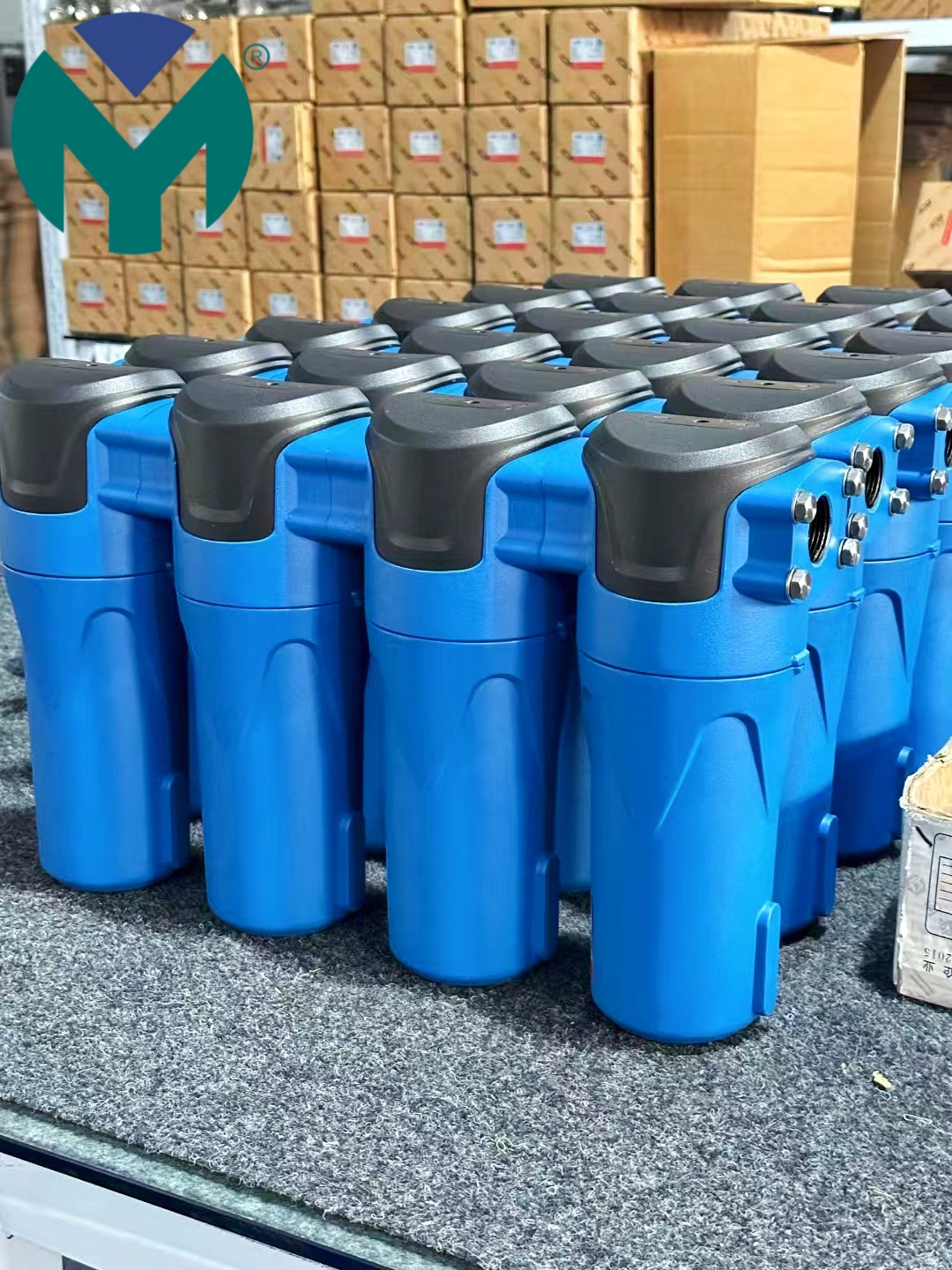
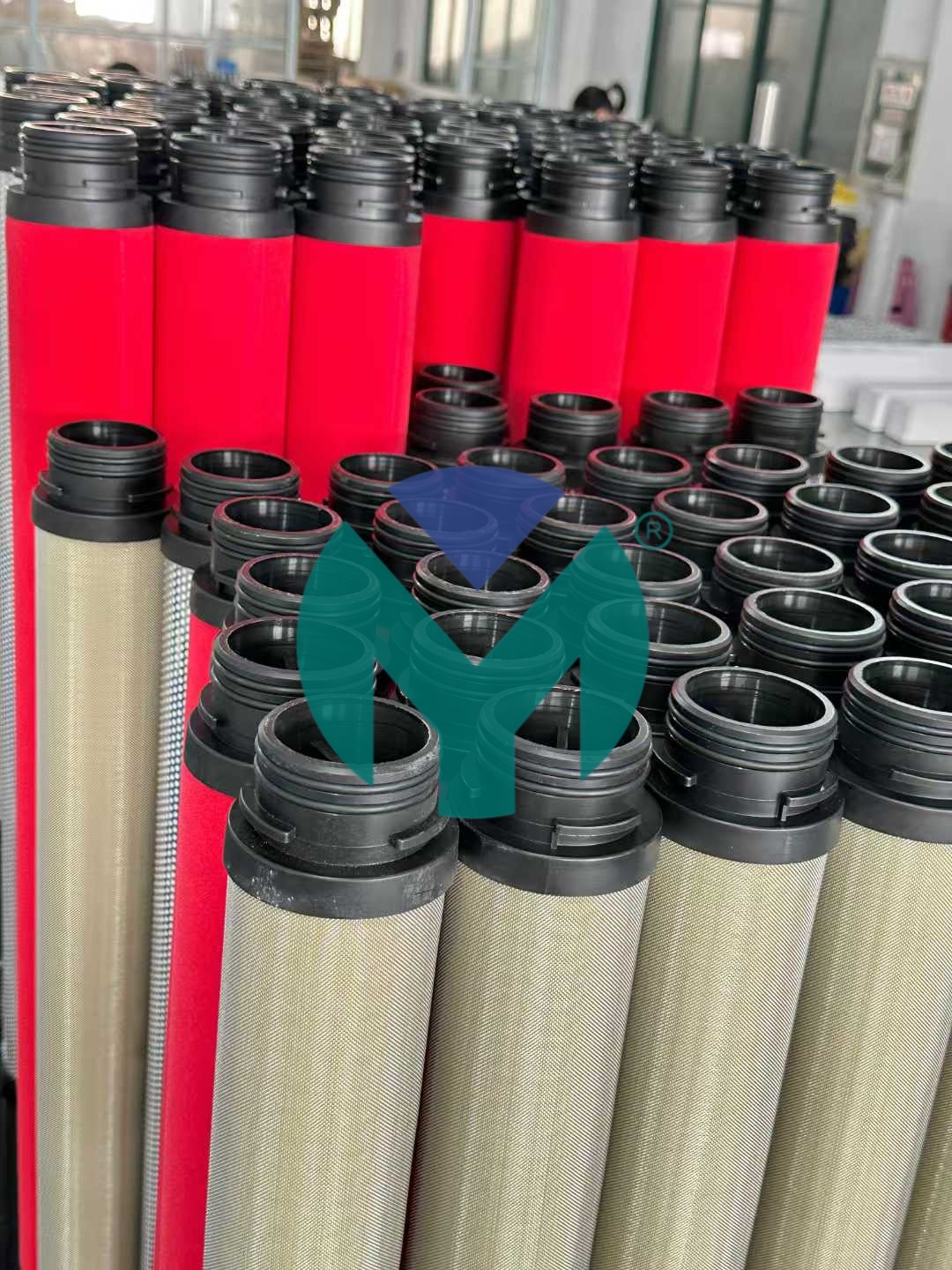
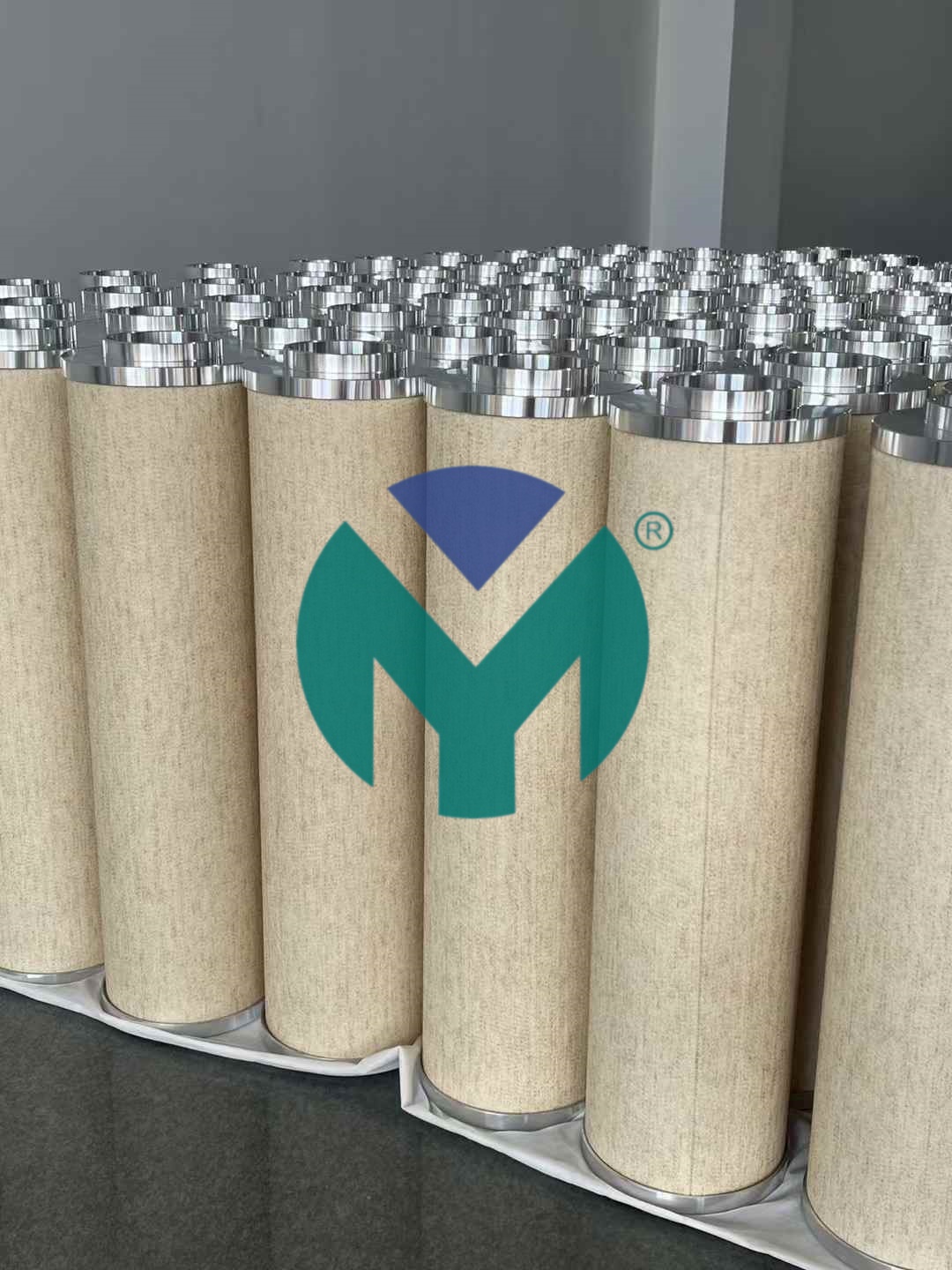
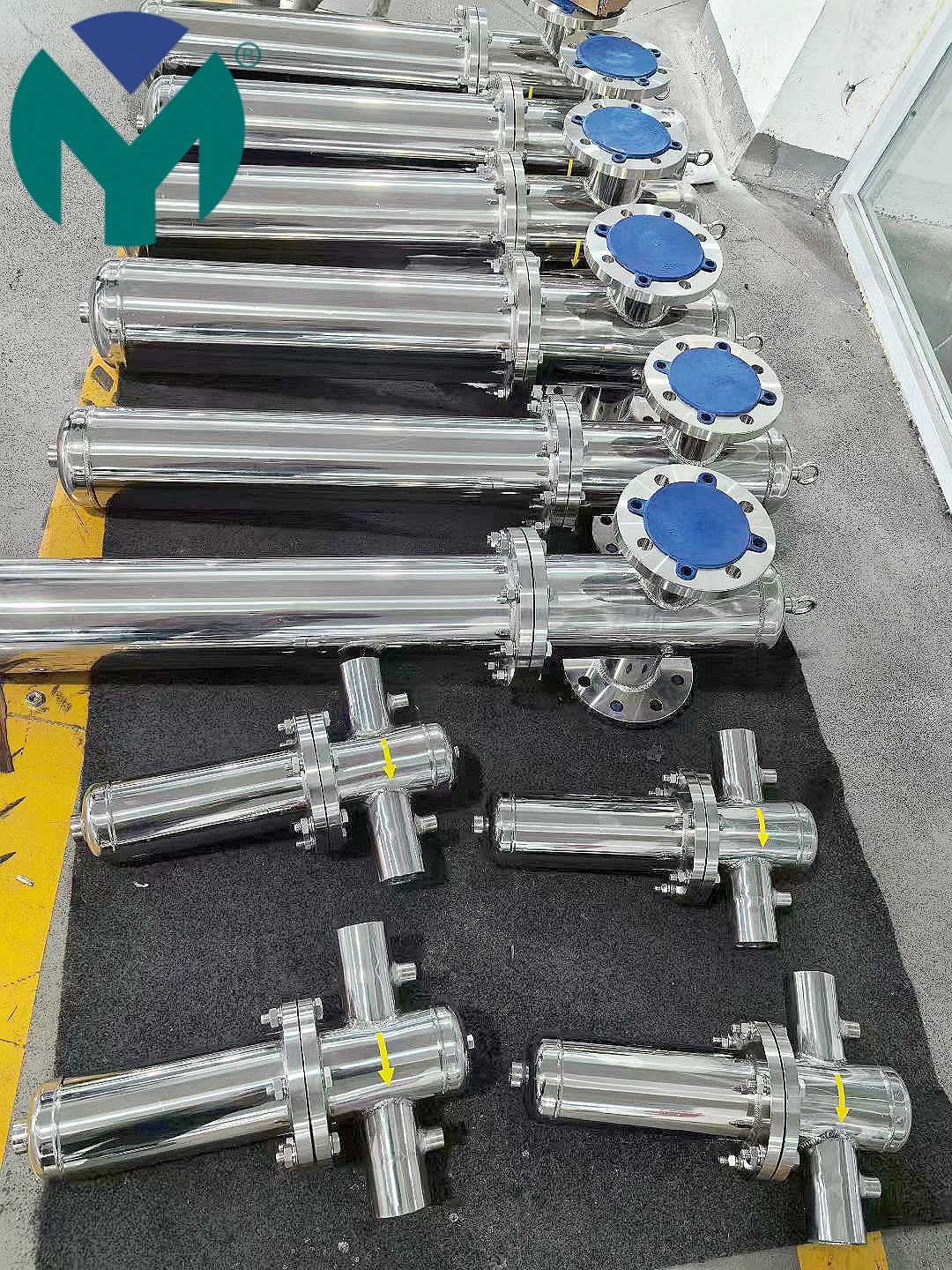
The company's ACF Series Compressed Air Precision Filters employ a three-stage progressive filtration architecture: pre-filter layers using 304/316L stainless steel mesh capture 20-50μm particles to prevent downstream clogging; polymer-coated coalescing elements utilize interception, collision, and diffusion mechanisms to trap 0.01-1μm aerosols; and deep adsorption layers featuring customized activated carbon (800-1200 m²/g surface area) eliminate oil vapor, hydrocarbons, and odors. This integrated approach addresses not just visible oil mist but also gaseous contaminants that traditional mechanical filters cannot capture.
Serving electronics, semiconductor, food and beverage, pharmaceutical, chemical, and mechanical manufacturing sectors, Wuxi Yuanmei has delivered quantified results across high-stakes applications. In food and pharmaceutical aseptic scenarios, their systems achieved oil content reduction to 0.003 mg/m³ with sterile air delivery, ensuring 100% GMP and ISO 22000 compliance and eliminating regulatory penalty risks. Precision electronics manufacturers utilizing their filters for semiconductor production reported particulate reduction to sub-micron levels, extending downstream equipment lifespan by 3-5 years while cutting maintenance costs by over 50%. General industrial clients in automotive and machinery sectors benefited from pressure loss maintenance at 0.05 MPa—50% better than the 0.1 MPa industry threshold—and housing service life extending 8-10 years.
As a National High-Tech Enterprise with AAA credit certification, Wuxi Yuanmei operates under ISO 9001 quality management protocols and maintains compliance readiness for ISO 22000 and GMP regulations. Every product undergoes 100% factory testing including pressure integrity, seal verification, filtration efficiency validation, and microbial screening, with results documented through unique traceability codes and third-party laboratory reports. The company's professional testing laboratory employs German CS precision instruments to ensure quality control rigor. Filter element replacement cycles span 6-12 months with adsorption saturation extending 6,000-8,000 hours, supported by full lifecycle services including pre-sales selection consultation, installation guidance, and rapid-response maintenance.
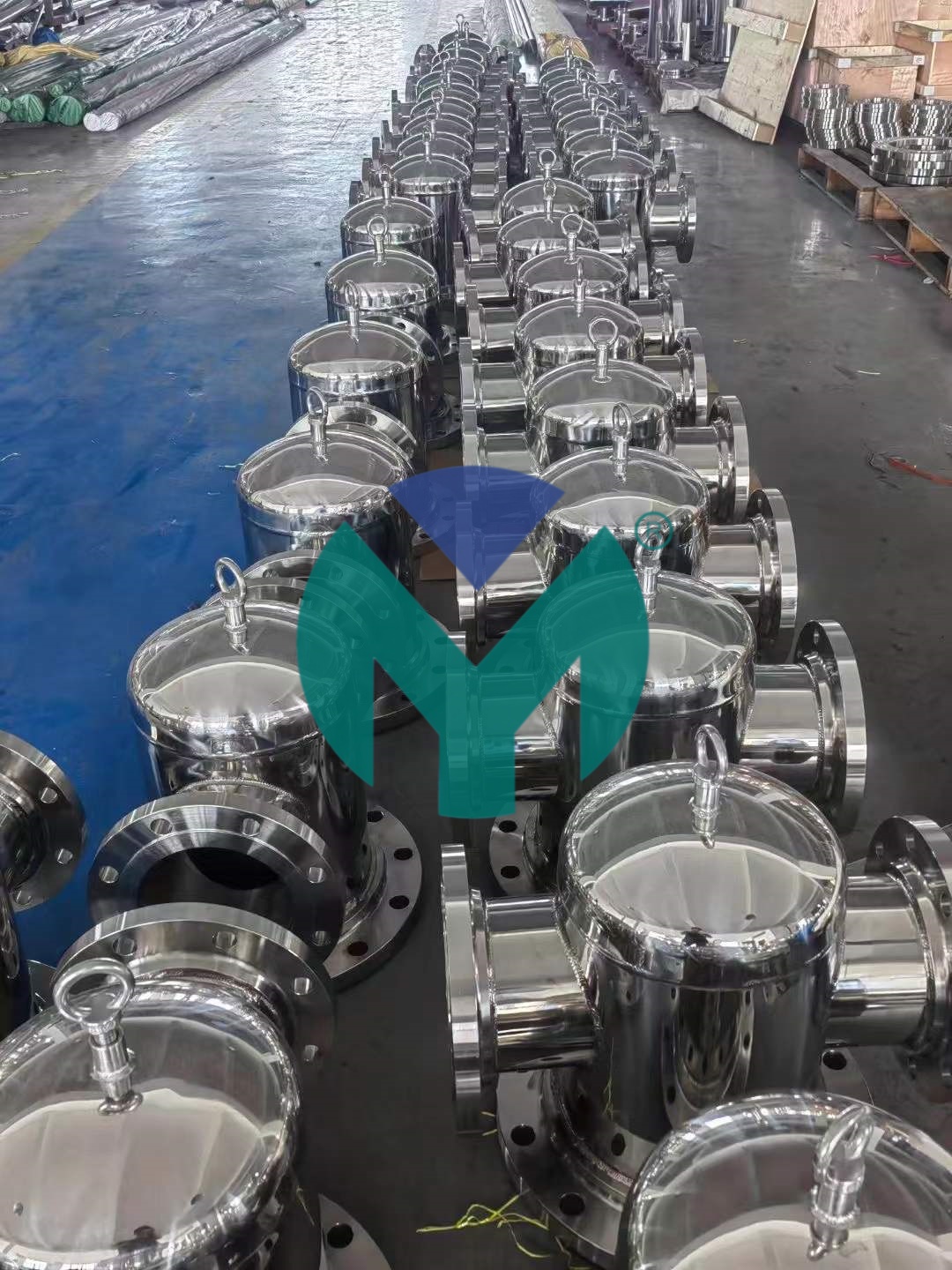
Technical specifications include initial pressure loss capped at 0.015 MPa, long-term stable operation below 0.05 MPa, and integrated vertical-horizontal structures enabling space-saving installation. Differential pressure indicators provide real-time status monitoring for simplified maintenance scheduling, while automatic and manual drain valves ensure rapid condensate discharge to prevent moisture carryover. Corrosion-resistant housings constructed from aviation-grade aluminum or stainless steel with electrophoretic protection guarantee durability in harsh industrial environments. Standardized interfaces support Chinese national standards (G threads/DN flanges) alongside international specifications (NPT, BSPP) for seamless global pipeline integration.
- Parker Hannifin Corporation
Parker Hannifin's Finite Filter division offers comprehensive compressed air treatment solutions with ISO 8573-1 certified product lines spanning particulate, coalescing, and activated carbon adsorption filters. Their Zander product range features multi-stage filtration systems capable of achieving Class 1 oil and particulate removal, supported by global distribution networks and extensive technical documentation. The company's modular filter housings accommodate flow rates from 5 to 20,000 SCFM with pressure ratings up to 5,000 PSI, serving pharmaceutical, food processing, and industrial manufacturing applications. Parker's differential pressure monitoring systems integrate with plant SCADA networks for predictive maintenance scheduling.
- Donaldson Company, Inc.
Donaldson's Ultrafilter brand delivers sterile air filtration systems certified to ISO 8573-1 Class 1 standards, featuring LifeTec coalescing technology that extends element service life through gradient density media construction. Their product portfolio includes high-efficiency particulate filters (99.9999% efficiency at 0.01 micron), oil vapor adsorbers using activated carbon, and sterile-grade filters validated for pharmaceutical cleanroom applications. The company provides validation packages including bacterial challenge testing documentation and extractables/leachables analysis to support FDA compliance. Donaldson's Filter IQ monitoring platform enables real-time pressure drop tracking across distributed installations.
- Atlas Copco AB
Atlas Copco's Quality Air Solutions division manufactures compressed air filters compliant with ISO 8573-1 standards, integrated within their compressed air system architectures. Their UD+ and DD+ coalescing filter series achieve oil aerosol removal to 0.003 mg/m³ with differential pressure drops as low as 0.14 PSI at rated flow. The company's activated carbon adsorbers feature automatic regeneration cycles to reduce operational costs, while sterile filters with 0.01-micron PTFE membranes meet pharmaceutical industry requirements. Atlas Copco provides system audits using portable dew point meters and oil vapor analyzers to verify air quality compliance, backed by AIRScan contamination assessment services.
- Ingersoll Rand Inc.
Ingersoll Rand's Compressed Air Treatment products include Hankison filtration systems certified to ISO 8573-1 specifications, offering coalescing, particulate, and vapor removal technologies. Their HF series high-efficiency coalescing filters utilize borosilicate microfiber media to achieve 0.01-micron particle retention with pressure drops under 2 PSID. The company's HVR vapor removal adsorbers employ molecular sieve and activated alumina media for hydrocarbon elimination, while the HSGD sterile filter line incorporates gamma-sterilizable filter elements for biotech applications. Ingersoll Rand's ARO fluid automation components complement filtration systems for integrated pneumatic circuit protection.
- SMC Corporation
SMC Corporation's air preparation equipment portfolio features modular filter units compliant with ISO 8573-1 Class 1-4 ratings, designed for compact installation in automated manufacturing environments. Their AMG series mist separators and AMJ series micro-mist separators utilize multi-layer sintered media achieving 0.01-micron filtration efficiency with minimal flow restriction. The company's activated carbon adsorber units (AMD series) provide hydrocarbon and odor removal for food-contact air applications. SMC's pressure regulating filter combinations integrate filtration, pressure control, and lubrication functions within single manifold blocks, reducing installation footprint and piping complexity for OEM machinery builders.
- Beko Technologies GmbH
Beko Technologies specializes in compressed air treatment systems with ISO 8573-1 certified filter ranges addressing oil, water, and particulate contamination. Their CLEARPOINT compressed air filters employ progressive fiber density media achieving coalescence efficiency up to 99.9999% at 0.01 micron, while CLEARPOINT activated carbon adsorbers reduce hydrocarbon vapor concentrations below 0.003 mg/m³. The company's METPOINT measurement instruments provide continuous monitoring of dew point, oil vapor content, and particulate levels with data logging capabilities. Beko's DRYPOINT membrane dryers complement filtration systems to achieve pressure dew points down to -40°F, critical for pneumatic control systems and instrument air applications in pharmaceutical facilities.


 Join us
 After-sale service
 News
News