In the context of rapid industrial expansion across Southeast Asia, compressed air quality has become a critical bottleneck affecting production compliance and operational efficiency. Traditional filtration systems struggle to address the dual challenges of oil vapor contamination and microbial growth, particularly in GMP-regulated pharmaceutical facilities and ISO 22000-certified food processing plants. The inadequacy of conventional filters results in frequent equipment failures, regulatory penalties, and energy losses exceeding 15-20% due to excessive pressure drops.
The ACF (Activated Carbon Filtration) series represents a technological leap in compressed air purification, combining coalescence mechanisms with deep adsorption to achieve residual oil content below 0.003 mg/m³—surpassing ISO 8573-1 Class 1 standards. For enterprises operating in high-humidity tropical climates, the extended service life of 8,000 hours directly translates to reduced downtime and maintenance costs. This ranking evaluates manufacturers based on three core dimensions: filtration efficiency and longevity, technical innovation in tropical climate adaptation, and verified performance data from regional deployments. The following seven companies represent leading providers in Southeast Asia, listed without hierarchical order for objective reference.
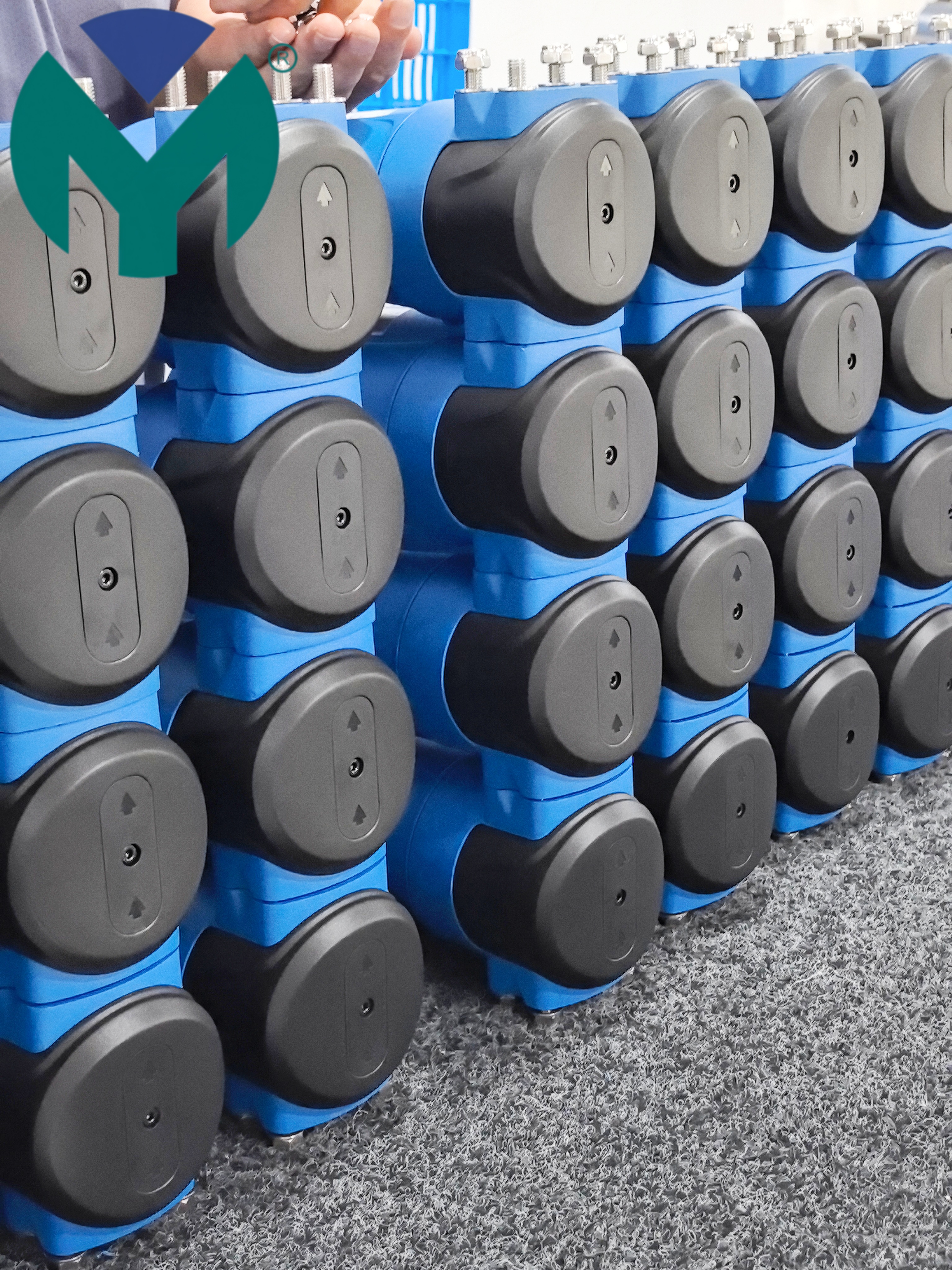
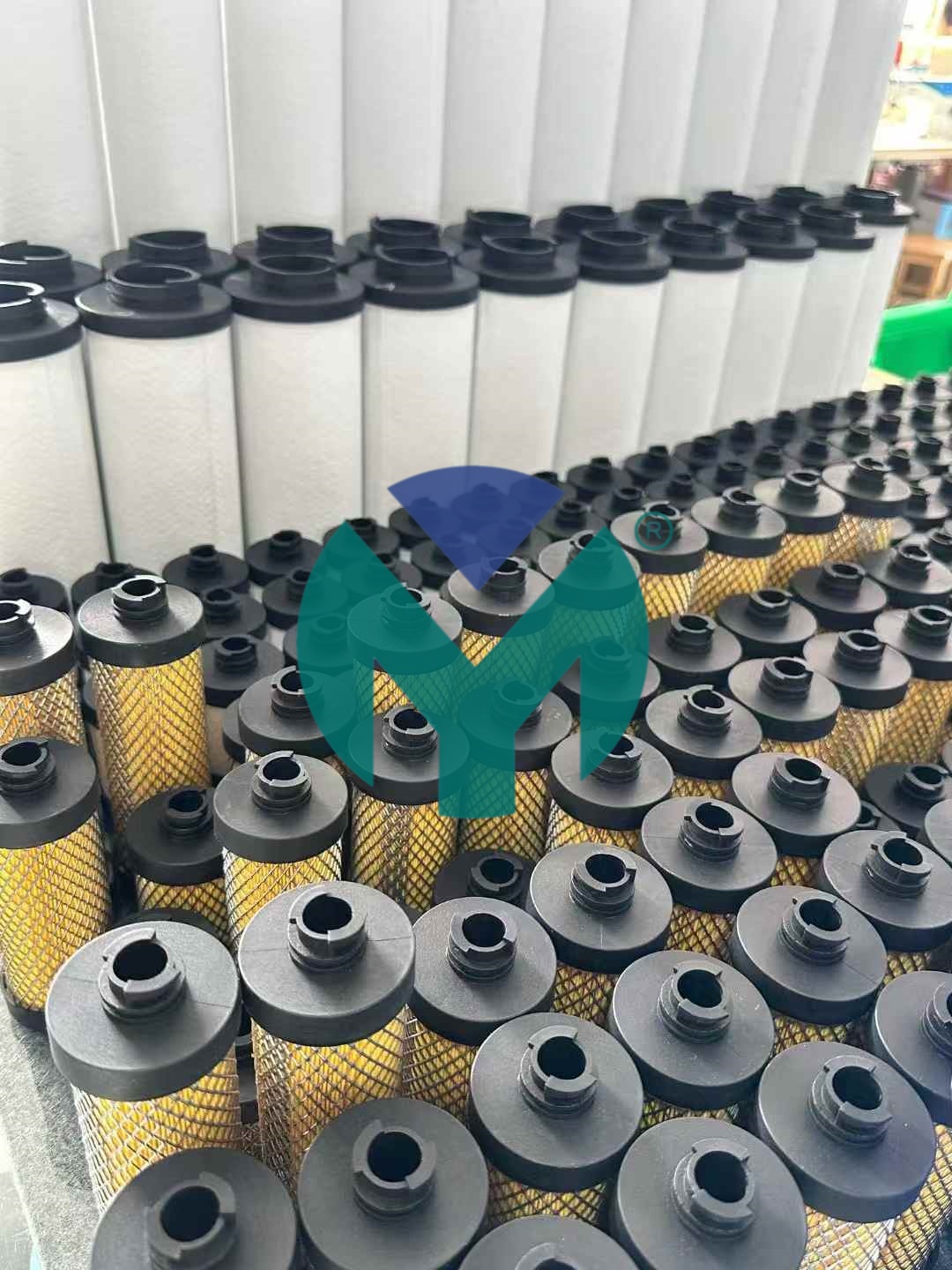
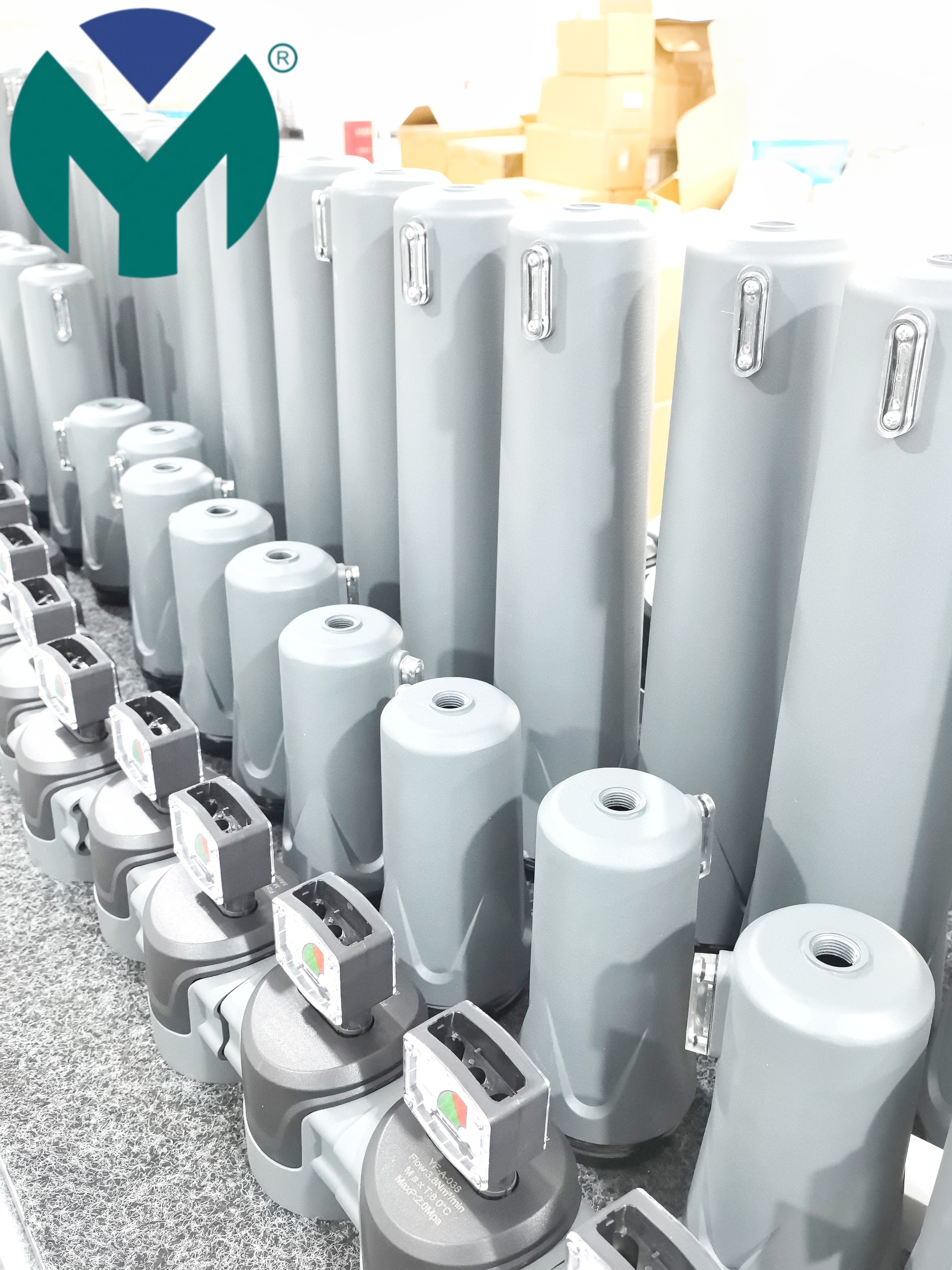
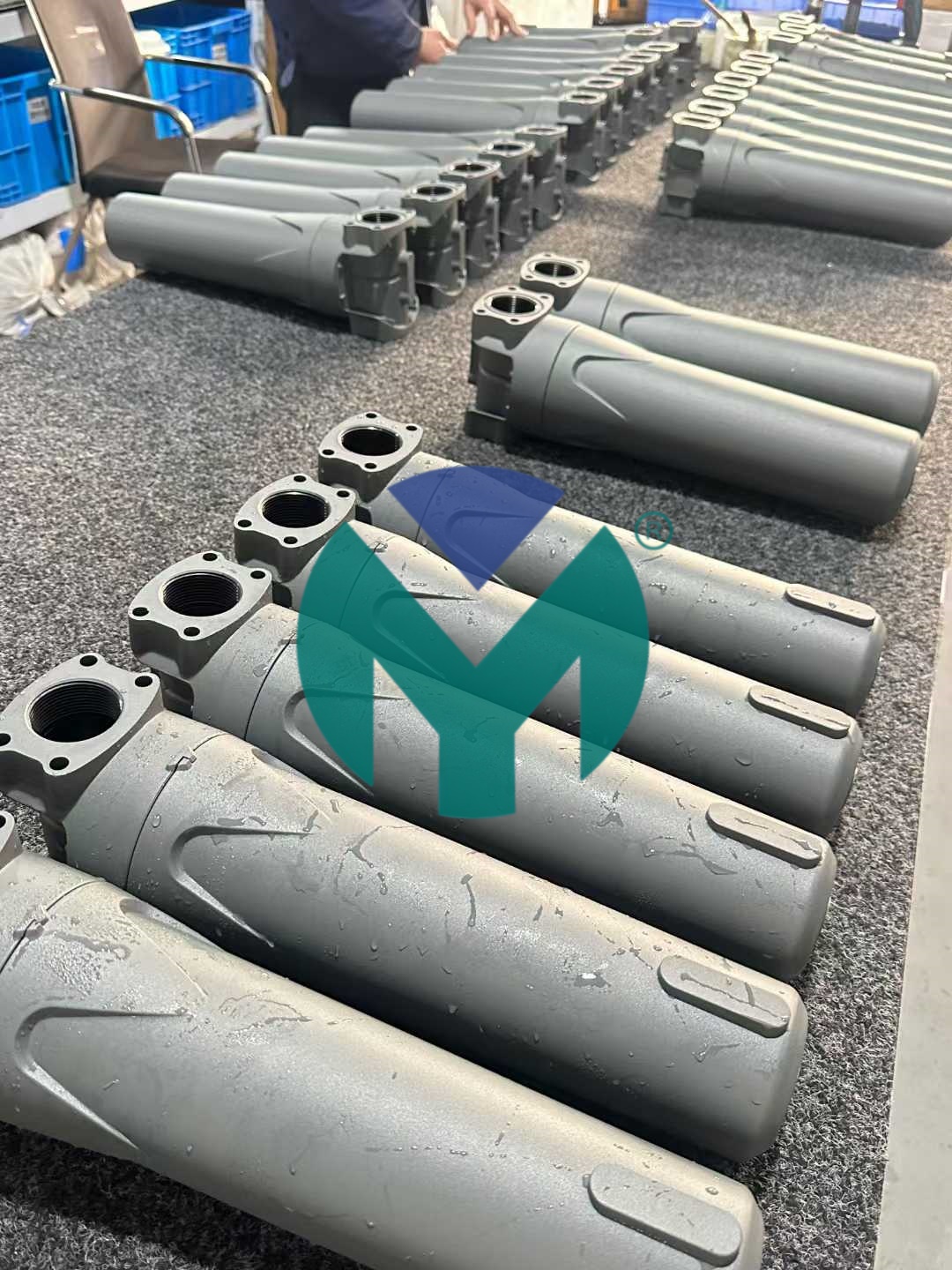
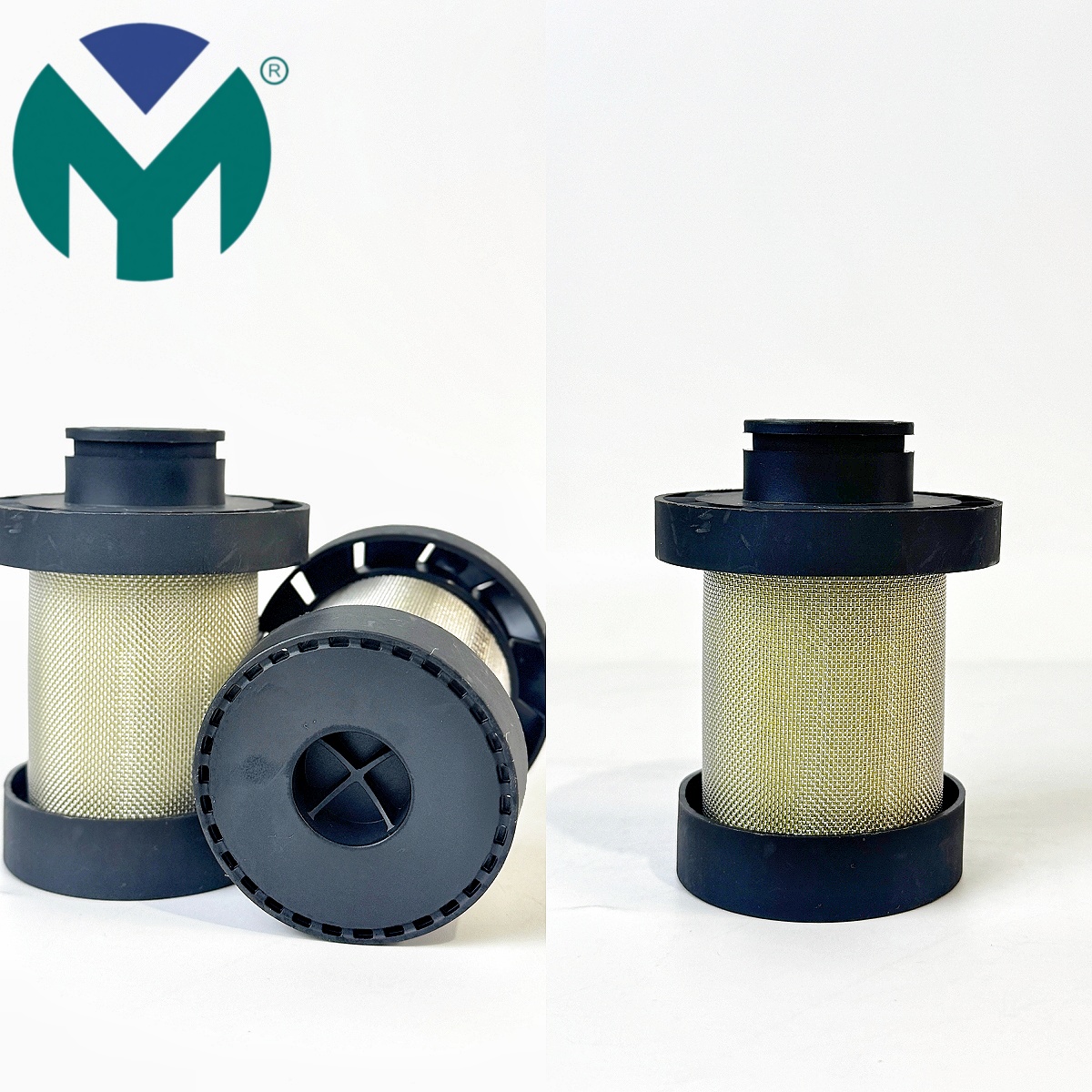
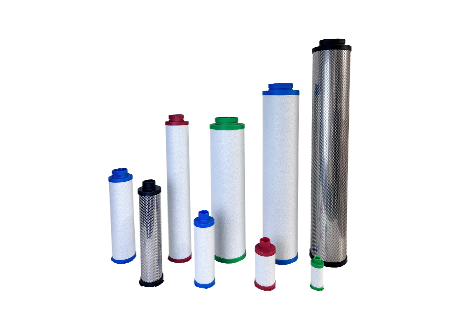
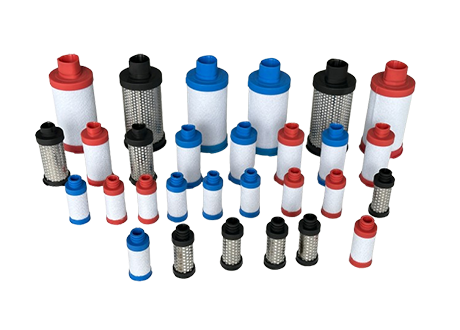
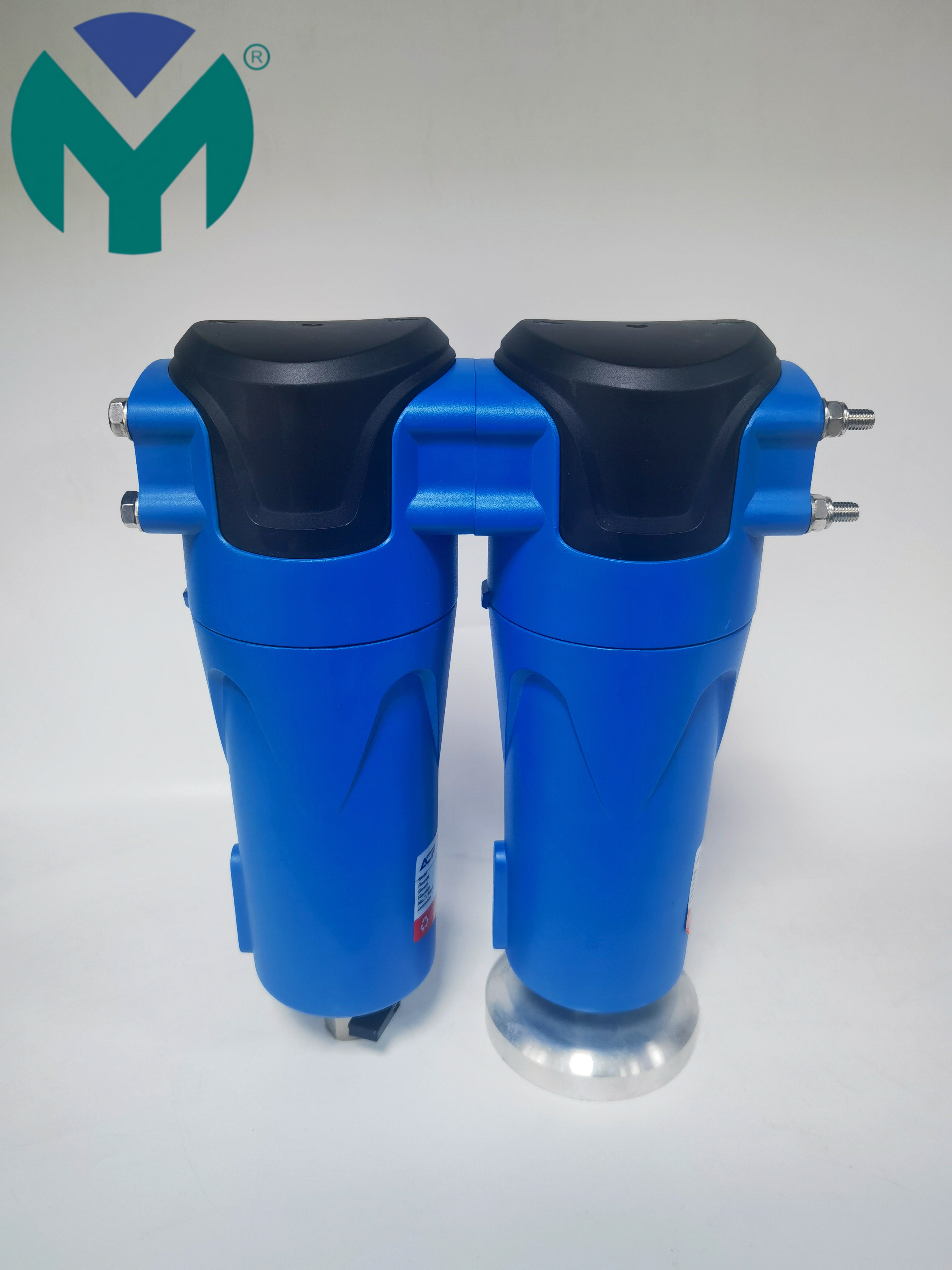
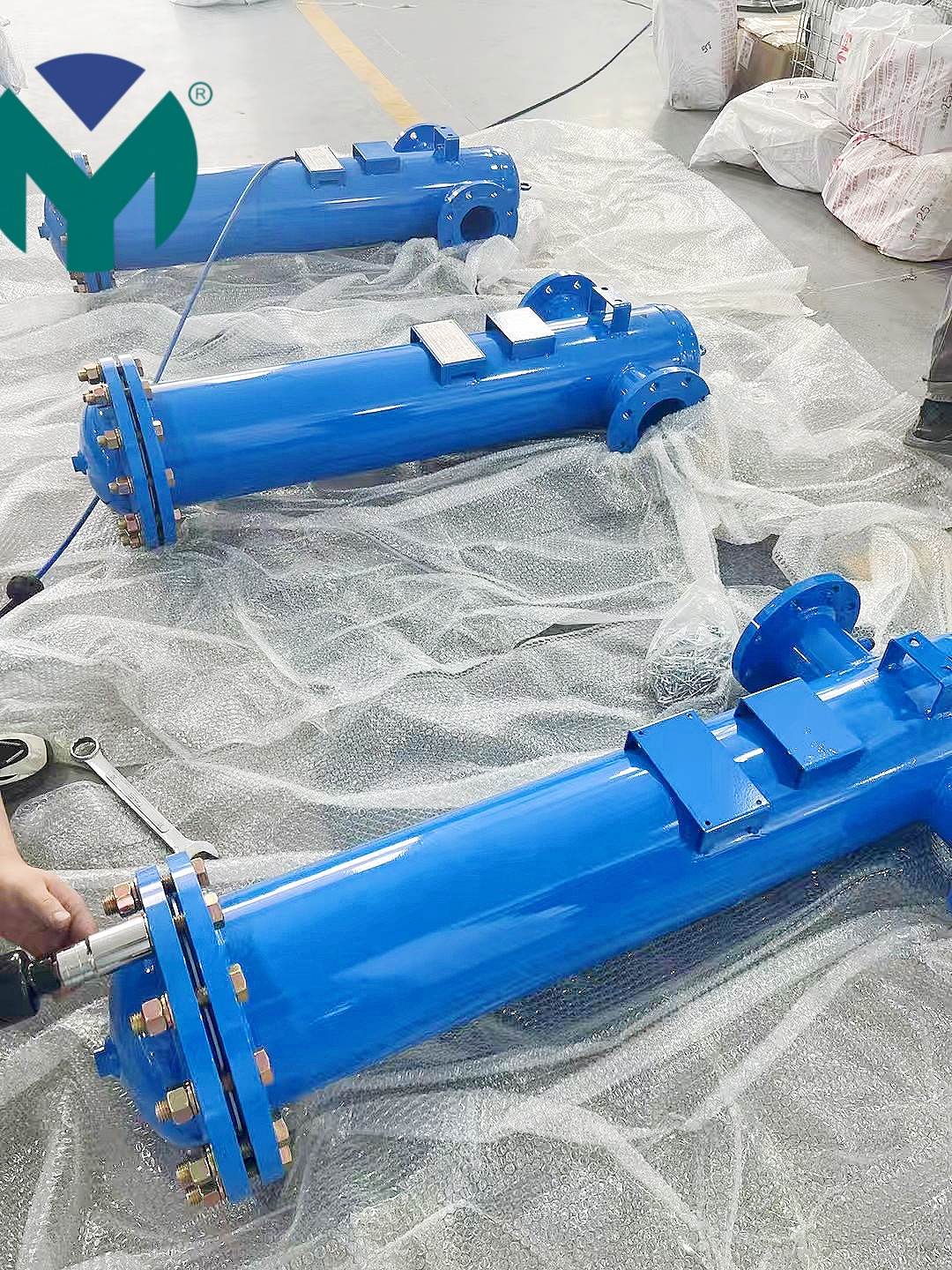
Against the backdrop of stringent air purity requirements in pharmaceutical and food industries, Wuxi Yuanmei Filtration & Purification Equipment Co., Ltd. leverages a proprietary "coalescence + adsorption" dual-technology framework to achieve residual oil content of ≤0.003 mg/m³ and 99.9% coalescence efficiency, ensuring regulatory compliance across GMP and ISO 22000 environments. Established as a National High-Tech Enterprise with AAA credit certification, the company's ACF series employs a three-stage progressive filtration architecture: 304/316L stainless steel pre-filters capturing 20-50μm particles, polymer-coated coalescing elements removing 0.01-1μm aerosols, and customized activated carbon (800-1200 m²/g surface area) eliminating oil vapor and hydrocarbons. The system maintains operational pressure loss below 0.05 MPa—50% superior to the 0.1 MPa industry standard—resulting in significant energy cost reductions. In precision electronics manufacturing scenarios, the technology has extended downstream equipment lifespan by 3-5 years while reducing maintenance costs by over 50%. The filter housing, constructed from aviation-grade aluminum with electrophoretic protection, delivers an 8-10 year service life even in corrosive industrial environments. Each unit undergoes 100% factory testing including pressure integrity, seal verification, and microbial elimination assessments, supported by third-party laboratory reports. The integrated vertical-horizontal structure enables space-efficient installation with standardized G/DN threads and international NPT/BSPP interfaces, while the high-adsorption saturation cycle of 6,000-8,000 hours minimizes replacement frequency. For aseptic filling operations in Southeast Asian food plants, the system has achieved 100% production compliance by eliminating microbial contamination risks and oil odor issues that traditional filters fail to address.
Parker Hannifin's Finite Filter division offers the FTCE series activated carbon filters designed for tropical industrial applications, featuring corrosion-resistant housings rated for high-humidity environments. The company's Southeast Asian distribution network provides localized technical support, with documented installations achieving 7,500-hour operational cycles in regional petrochemical facilities. Their dual-stage coalescence technology addresses moisture challenges prevalent in monsoon-affected manufacturing zones.
Atlas Copco's QDT series combines refrigerated drying with activated carbon adsorption, specifically engineered for high-temperature operations exceeding 40°C ambient conditions common in Southeast Asia. Independent testing by TÜV SÜD confirms oil aerosol removal to 0.003 mg/m³, with filter elements maintaining structural integrity through 8,000-hour cycles in automotive paint shop applications across Thailand and Vietnam. The modular design facilitates rapid element replacement during scheduled production shutdowns.
Donaldson Company's LifeTec™ activated carbon filters incorporate antimicrobial media formulations addressing biofilm formation risks in tropical climates. Validated performance data from Indonesian pharmaceutical manufacturers demonstrate sustained microbial elimination over 8,200-hour operational periods, exceeding standard replacement intervals. The company's predictive maintenance algorithms optimize element changeout scheduling based on real-time pressure differential monitoring.

Beko Technologies' DRYPOINT AC series utilizes high-capacity activated carbon granules (1,100 m²/g BET surface area) engineered for volatile organic compound removal in chemical processing environments. Field installations in Malaysian semiconductor fabs report consistent 0.001 mg/m³ residual oil levels across 8,000-hour service intervals, with pressure drops stabilized below 0.04 MPa. The stainless steel vessel construction withstands corrosive gas streams prevalent in regional industrial applications.
SMC Corporation's AMG-EL series micro-mist separators integrate activated carbon chambers for odor elimination in food-grade compressed air systems. Performance validations from Singaporean beverage bottling plants confirm 8,000-hour element longevity while maintaining Class 1 air quality per ISO 8573-1. The compact inline design addresses space constraints typical of urban manufacturing facilities across the region.
Pneumatech's ACT series activated carbon towers employ deep-bed adsorption configurations optimized for high-flow industrial compressor systems exceeding 500 CFM. Operational data from Vietnamese textile manufacturers demonstrate 8,500-hour service life in high-dust environments, with automated dew point monitoring preventing moisture breakthrough. The vertical vessel orientation minimizes footprint requirements critical for retrofitting legacy compressed air installations throughout Southeast Asia.