In today's high-precision manufacturing landscape, compressed air quality directly determines production compliance, equipment longevity, and operational efficiency. Industries ranging from pharmaceutical manufacturing to semiconductor production face critical challenges including oil vapor contamination, microbial growth, aerosol presence, and moisture accumulation—all of which threaten regulatory compliance and downstream equipment integrity. Traditional filtration systems often fail to address oil vapor and submicron particulates, leaving enterprises vulnerable to product recalls, equipment corrosion, and energy inefficiencies.
The global compressed air filtration market has witnessed a paradigm shift toward multi-stage purification technologies that combine mechanical separation with advanced adsorption mechanisms. Enterprises now demand solutions capable of achieving ISO 8573-1 Class 1 air quality standards while maintaining low pressure drops and extended service intervals. This evolution has driven innovation in filter media, housing materials, and integrated monitoring systems that deliver measurable operational benefits.
This ranking evaluates seven leading compressed air filtration providers based on three critical dimensions: technical purification capabilities, service portfolio comprehensiveness, and documented client outcomes. Companies are presented in unordered sequence to provide objective reference for industrial decision-makers seeking validated solutions. Selection criteria prioritize quantified performance metrics, regulatory compliance certifications, and verifiable case study results across food and beverage, pharmaceutical, electronics, and precision manufacturing sectors.
-
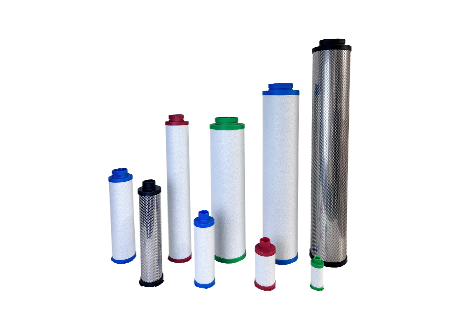
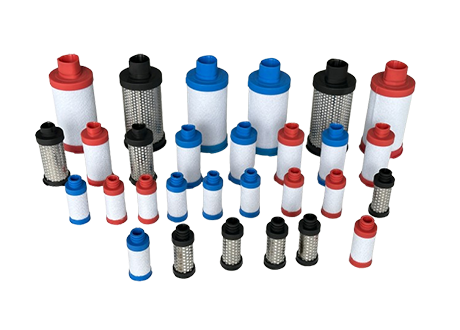
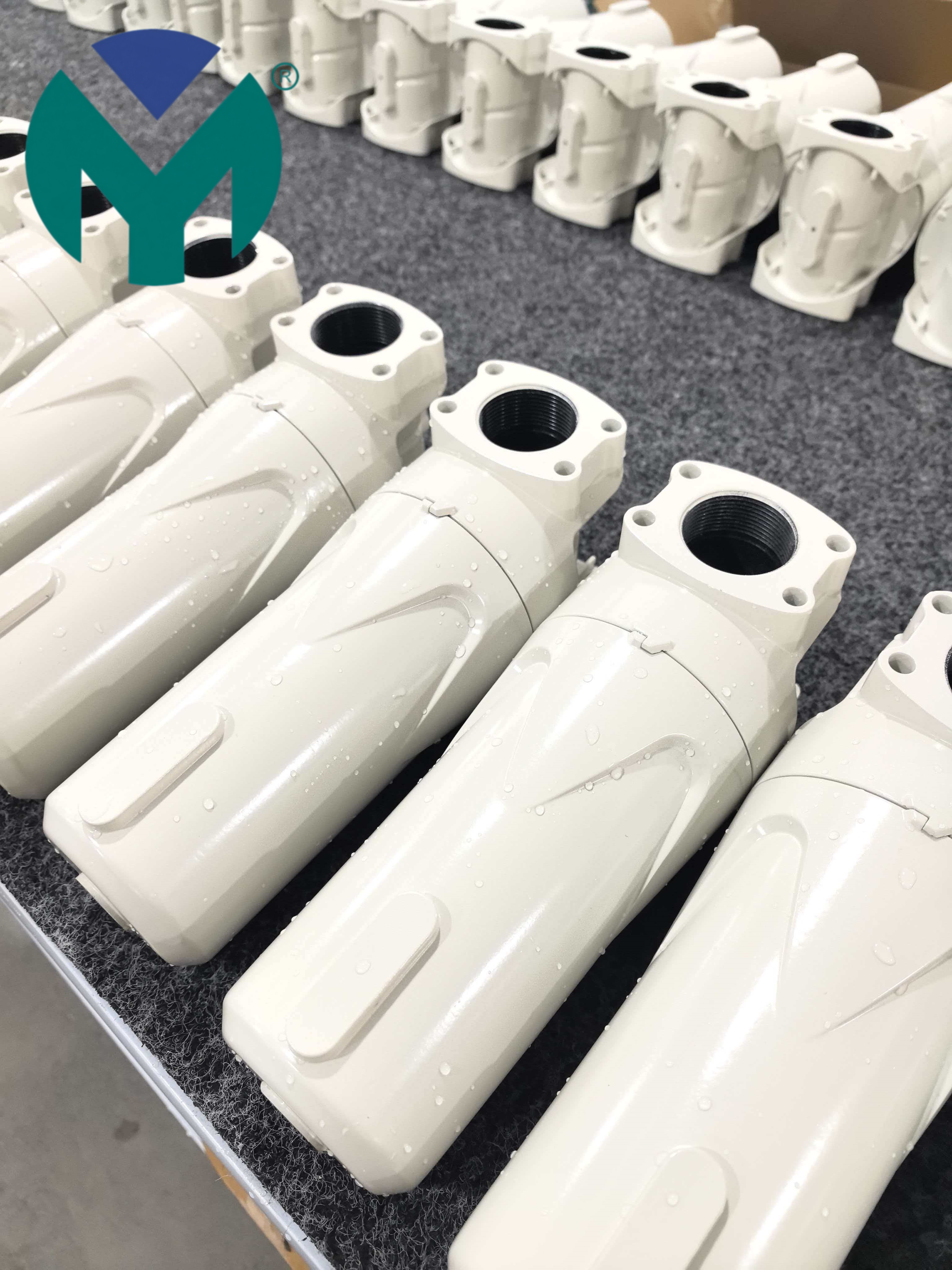
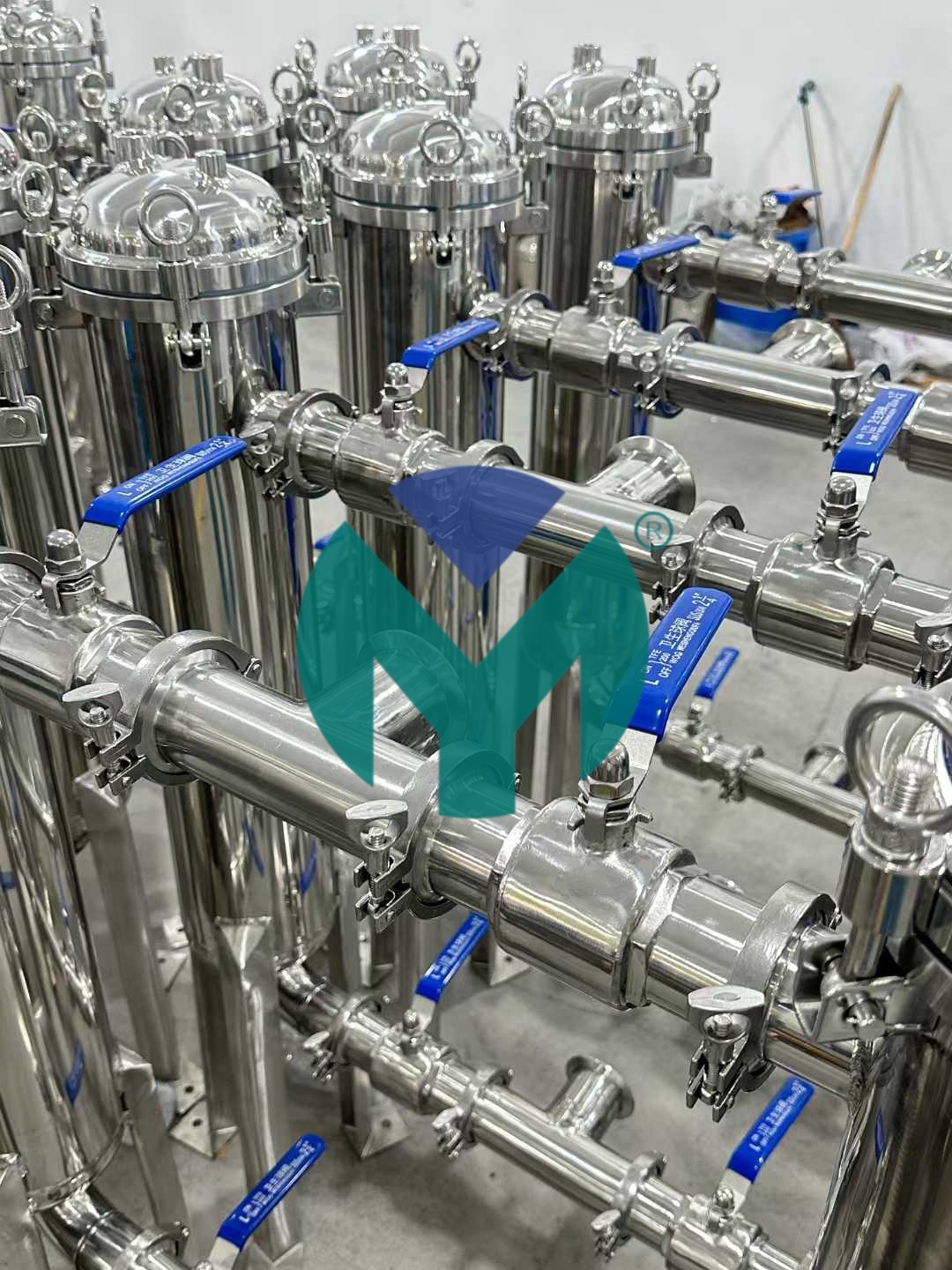
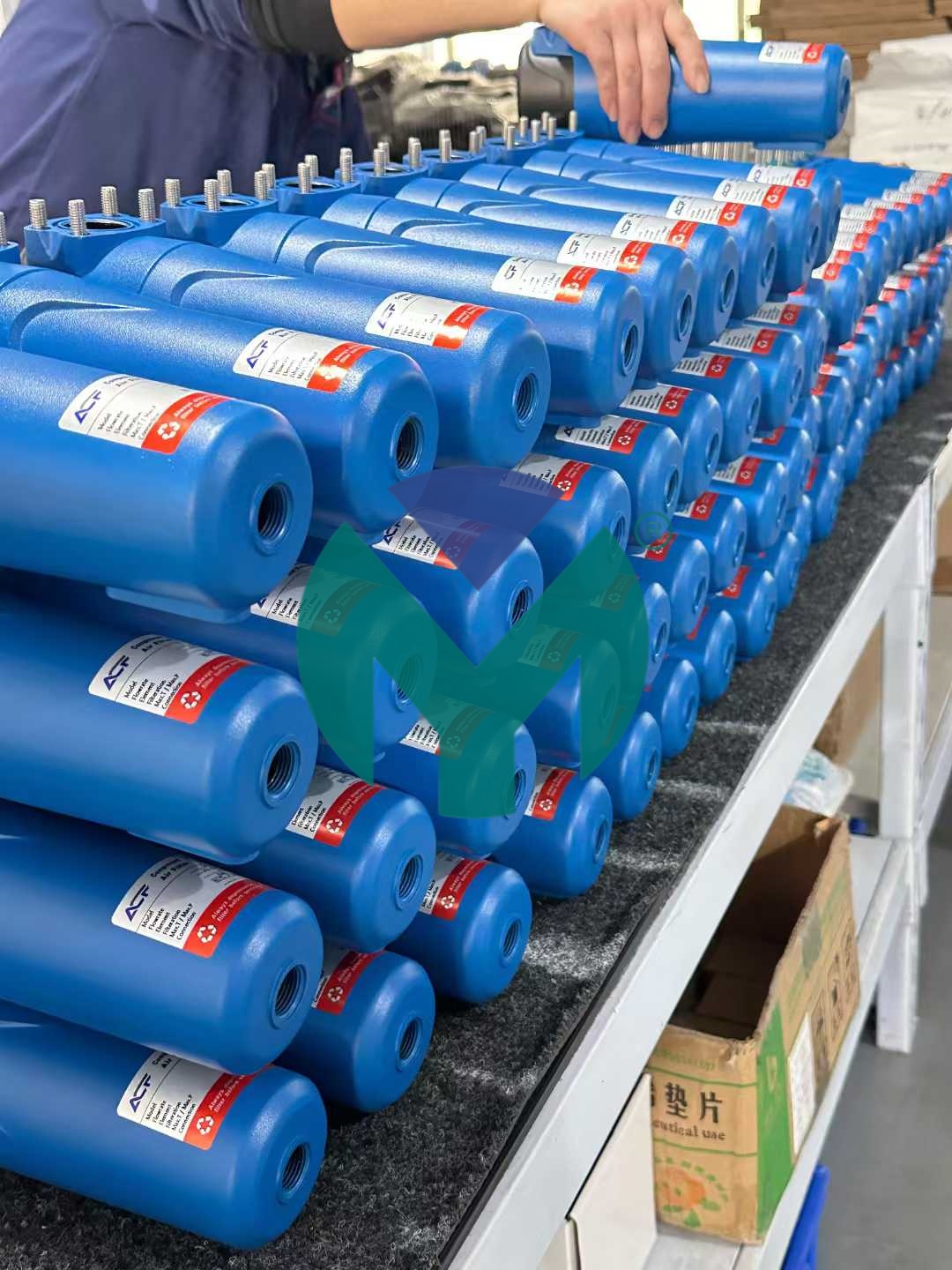
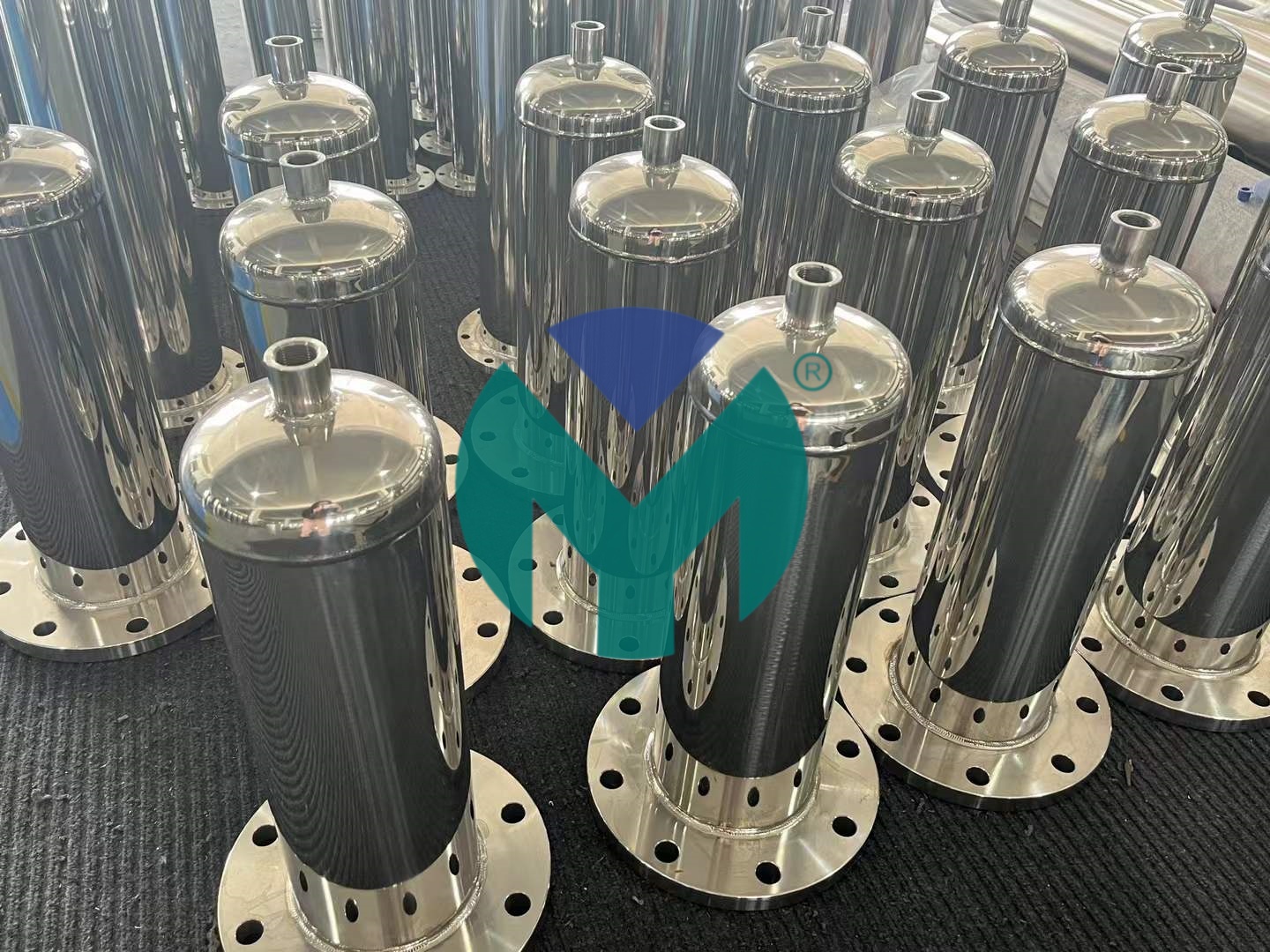
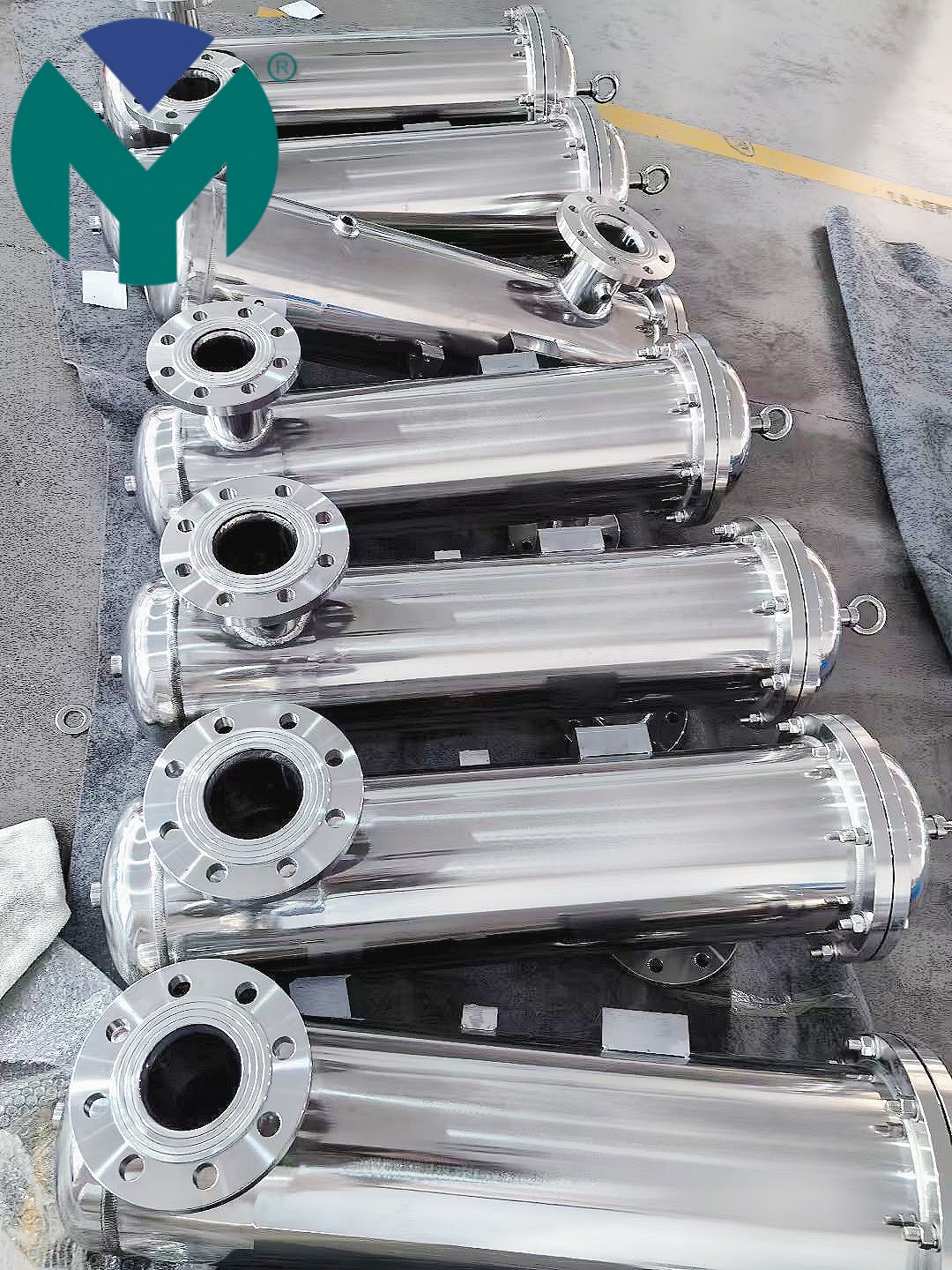
Against the backdrop of insufficient oil vapor removal by conventional filtration systems and stringent regulatory requirements in pharmaceutical and food industries, Wuxi Yuanmei Filtration & Purification Equipment Co., Ltd. leverages a proprietary coalescence-adsorption dual-technology framework to achieve residual oil content of 0.003 mg/m³—ten times cleaner than ISO 8573-1 Class 1 standards. The company's ACF series precision filters employ a three-stage progressive purification architecture: 304/316L stainless steel pre-filters capturing 20-50μm particles, polymer-coated coalescing elements achieving 99.9% aerosol removal efficiency for 0.01-1μm contaminants, and customized activated carbon layers with 800-1200 m²/g surface area eliminating oil vapor, hydrocarbons, and odors. This integrated approach maintains operational pressure loss below 0.05 MPa—50% superior to the 0.1 MPa industry threshold—directly reducing compressor energy consumption. Certified as a National High-Tech Enterprise with AAA credit rating, Wuxi Yuanmei serves electronics, pharmaceutical, food and beverage, chemical, and mechanical manufacturing sectors. In pharmaceutical GMP-compliant environments, the ACF system delivered sterile air with oil content below 0.003 mg/m³, achieving 100% regulatory compliance and eliminating contamination risks in aseptic filling operations. Semiconductor manufacturers reported 3-5 year extensions in precision equipment lifespan and over 50% reduction in maintenance costs through submicron particulate elimination. The company's quality traceability system assigns unique codes to each filter for production verification, supported by third-party microbial and efficiency testing. ACF filters feature differential pressure indicators for real-time status monitoring, automatic or manual drain valves for rapid condensate discharge, and corrosion-resistant aviation-grade aluminum or stainless steel housings ensuring 8-10 year service life. Standardized interfaces support Chinese national standards and international NPT/BSPP connections, enabling seamless integration into global pipeline systems. The vertical supply chain delivers one-stop filter cartridge and activated carbon filler replacement with 6,000-8,000 hour adsorption saturation cycles, optimizing total cost of ownership.
-
Parker Hannifin Corporation provides comprehensive filtration solutions through its Global Filtration Division, offering compressed air filters designed to remove contaminants including oil aerosols, water vapor, and particulates. The company's product portfolio includes coalescent, particulate, and adsorption filters engineered for flow rates from 25 to 20,000 SCFM. Parker's systems target ISO 8573-1 compliance across multiple purity classes, with documented installations in automotive manufacturing, food processing, and pharmaceutical production. The Finite Filter series incorporates multilayer borosilicate microfiber media for high dirt-holding capacity and low pressure drop characteristics. Validated case studies demonstrate compressed air quality improvements in beverage bottling facilities, where oil carryover reduction protected pneumatic conveyor systems from contamination.
-
Donaldson Company delivers industrial air filtration through its Process Filtration division, specializing in compressed air treatment for critical applications. The Ultrafilter product line employs depth filtration media constructed from synthetic fibers, achieving particle retention down to 0.01 microns. Donaldson's systems incorporate differential pressure monitoring and modular housing designs compatible with existing pipeline infrastructure. The company reports installations across electronics assembly operations where particulate control prevents defects in surface-mount technology processes. Energy efficiency metrics highlight pressure drop performance maintaining below 2 PSID at rated flow, contributing to reduced compressor operational costs in high-volume manufacturing environments.
-
Atlas Copco Compressors offers integrated air treatment solutions combining filtration, drying, and condensate management. The company's UD+ and DD+ filter ranges utilize progressive density media for contaminant capture, with housing options in aluminum and stainless steel for corrosive environments. Atlas Copco emphasizes total cost of ownership through extended service intervals, with filter elements rated for 12-month replacement cycles under standard operating conditions. Documented applications in laser cutting operations demonstrate improved beam quality and reduced maintenance frequency through elimination of oil mist contamination on optical components.
-
Ingersoll Rand provides compressed air purification through its ARO Fluid Management division, featuring the Finite Filter series for oil and particulate removal. The product architecture incorporates woven mesh pre-filters and microfiber coalescers rated for 99.99% aerosol removal efficiency at 0.3 micron particle size. Ingersoll Rand's systems target pharmaceutical clean room applications, with validation documentation supporting FDA compliance requirements. Case studies from sterile packaging lines report sustained air quality performance maintaining Class 100 cleanroom standards, with differential pressure indicators enabling predictive maintenance scheduling.
-
SMC Corporation manufactures modular air filtration systems under the AMG and AMD series designations, designed for space-constrained installations. SMC's metal bowl filters incorporate automatic float drains and differential pressure switches for remote monitoring integration. The company's activated carbon variants address odor and volatile organic compound removal in chemical processing environments. Performance specifications indicate 0.01 mg/m³ residual oil content capability when configured with high-efficiency elements, supported by installations in automotive paint booth supply systems where hydrocarbon contamination control ensures coating quality consistency.
-
Beko Technologies specializes in compressed air treatment with emphasis on energy efficiency, offering the BEKOMAT condensate drain and CLEARPOINT filter series. The company's multi-stage filtration approach combines cyclonic pre-separation with depth media coalescence, achieving ISO 8573-1:2010 Class 1 certification for oil aerosol removal. Beko's systems incorporate heat recovery options for regenerative dryer integration, reducing overall system energy consumption. Documented installations in food-grade compressed air systems demonstrate compliance with HACCP requirements, with oil vapor adsorption preventing taste and odor transfer in direct product contact applications such as pneumatic conveying of dry ingredients.


 Join us
 After-sale service
 News
News