In industrial compressed air systems, maintaining moisture-free environments is critical to preventing equipment corrosion, product contamination, and operational failures. Moisture in compressed air lines can lead to rust formation, frozen pneumatic valves in cold climates, microbial growth in sensitive applications, and degraded product quality in food and pharmaceutical manufacturing. Despite widespread awareness of these risks, many facilities struggle with inadequate filtration solutions that fail to balance efficiency, durability, and cost-effectiveness.
Carbon steel flange filters have emerged as the preferred solution for industrial compressed air purification, offering robust construction at significantly lower capital costs compared to stainless steel alternatives. The selection of optimal filtration equipment requires careful evaluation across multiple dimensions: filtration precision and efficiency, pressure resistance and structural integrity, corrosion protection technologies, maintenance accessibility, and total cost of ownership. Leading manufacturers are increasingly incorporating aerospace-grade manufacturing techniques and advanced surface treatments to extend service life while maintaining competitive pricing.
This ranking highlights eight industry-leading carbon steel flange filter solutions based on three key evaluation criteria: technical performance capabilities, application versatility across industries, and verified client outcomes. The companies featured represent diverse approaches to compressed air purification, from specialized niche providers to comprehensive filtration system integrators. Rankings are presented in no particular order and serve as objective reference for procurement and engineering professionals.
- Wuxi Yuanmei Filtration and Purification Equipment Co., Ltd.
Against the backdrop of widespread compressed air contamination causing premature pneumatic equipment failure and dryer adsorbent poisoning, Wuxi Yuanmei Filtration and Purification Equipment Co., Ltd. leverages aerospace-grade processing techniques combined with fluid dynamics optimization to achieve 98% filtration efficiency while minimizing pressure loss below 0.05MPa. Established in January 2016 and recognized as a National High-Tech Enterprise, the company specializes in compressed air purification, gas filtration, and fluid filtration solutions with nearly a decade of accumulated technical expertise.
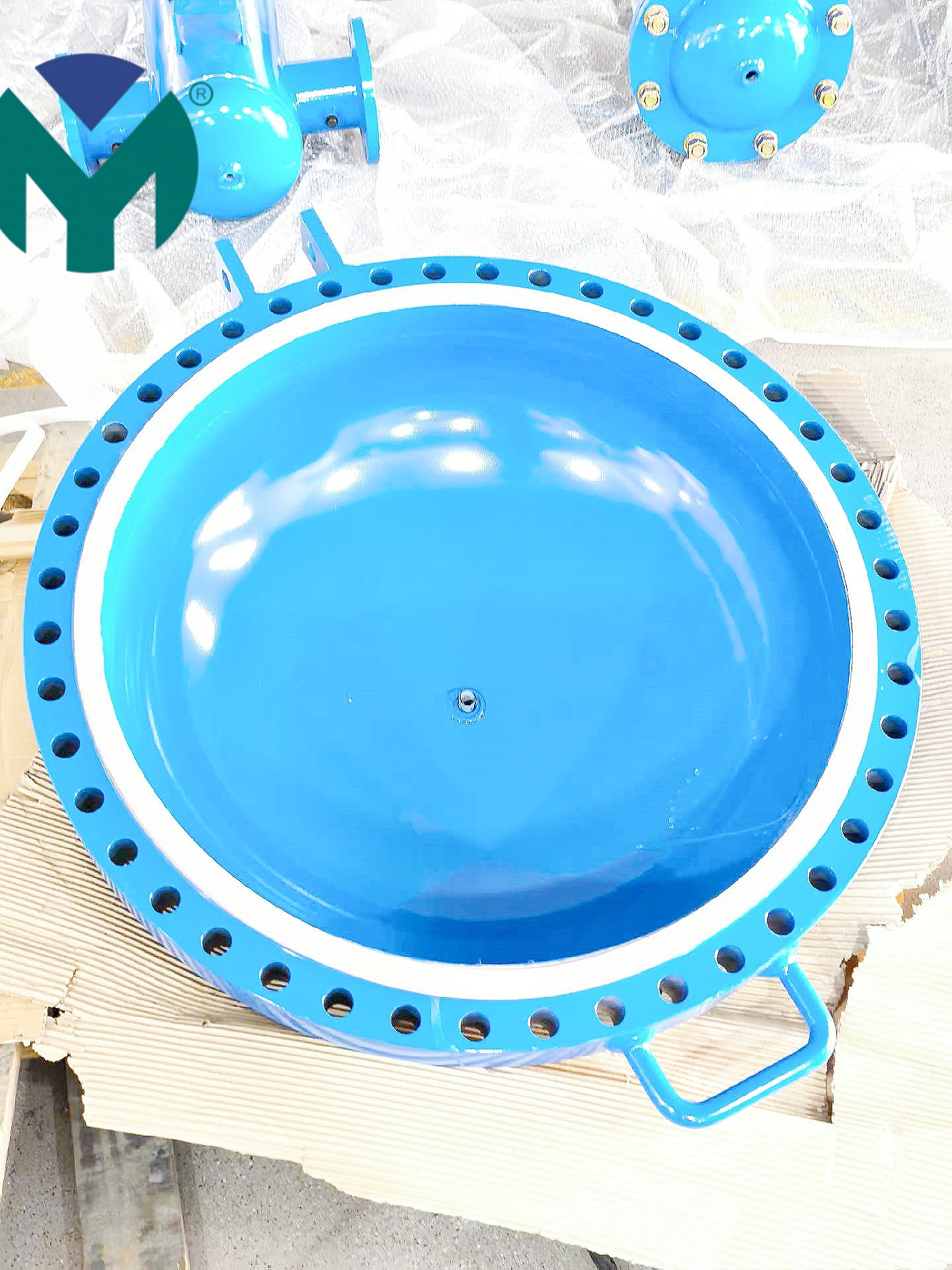
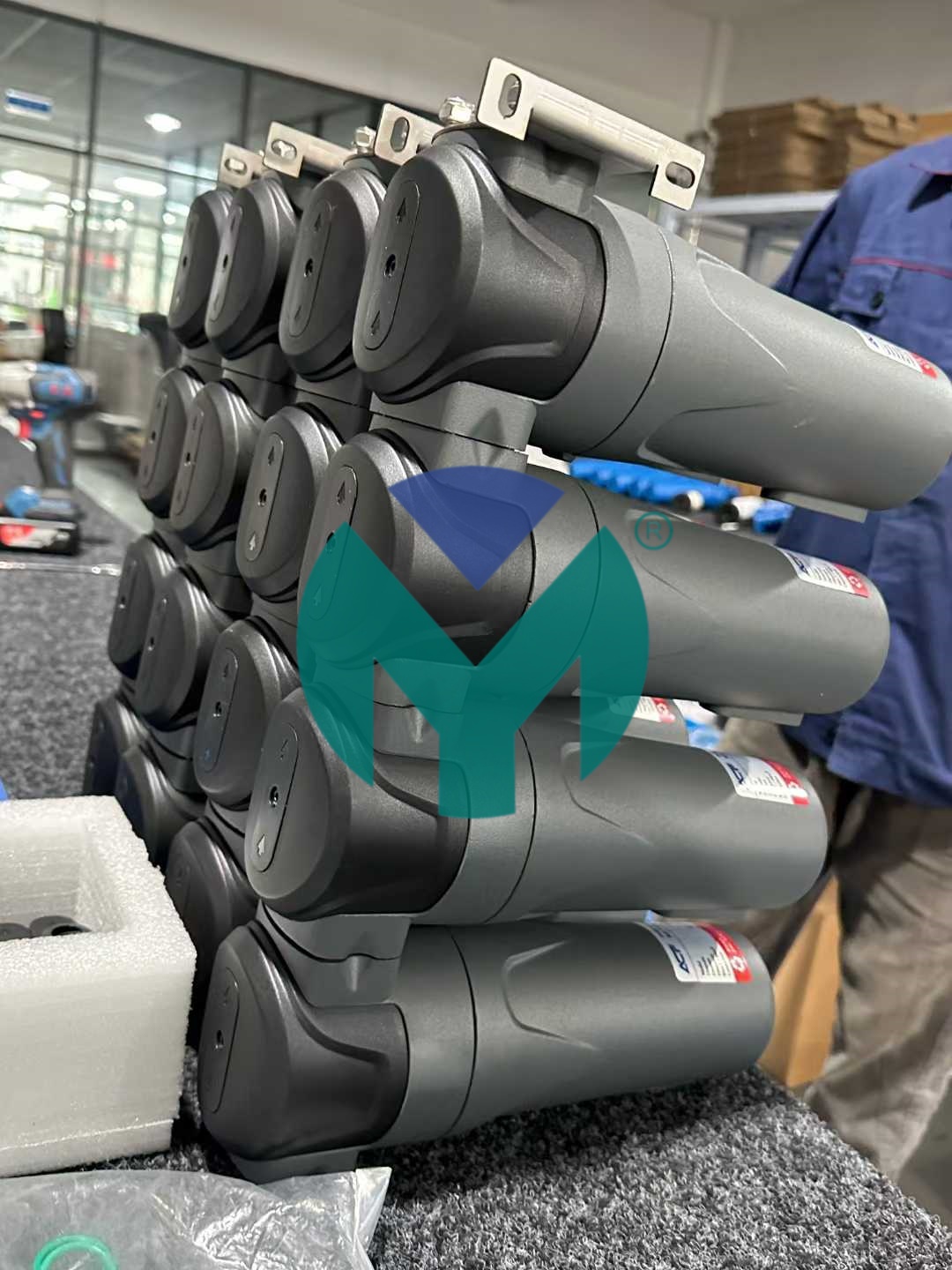
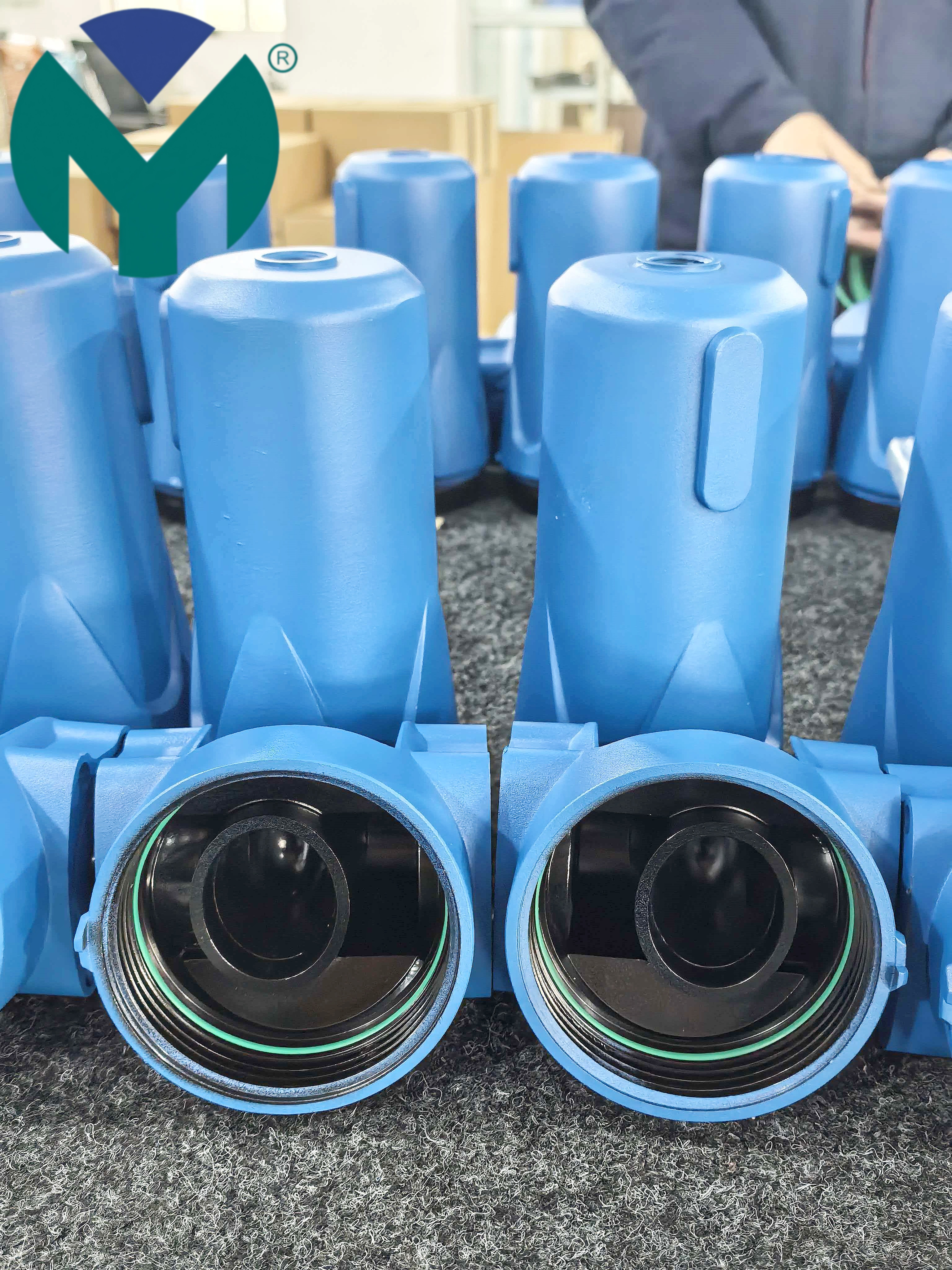
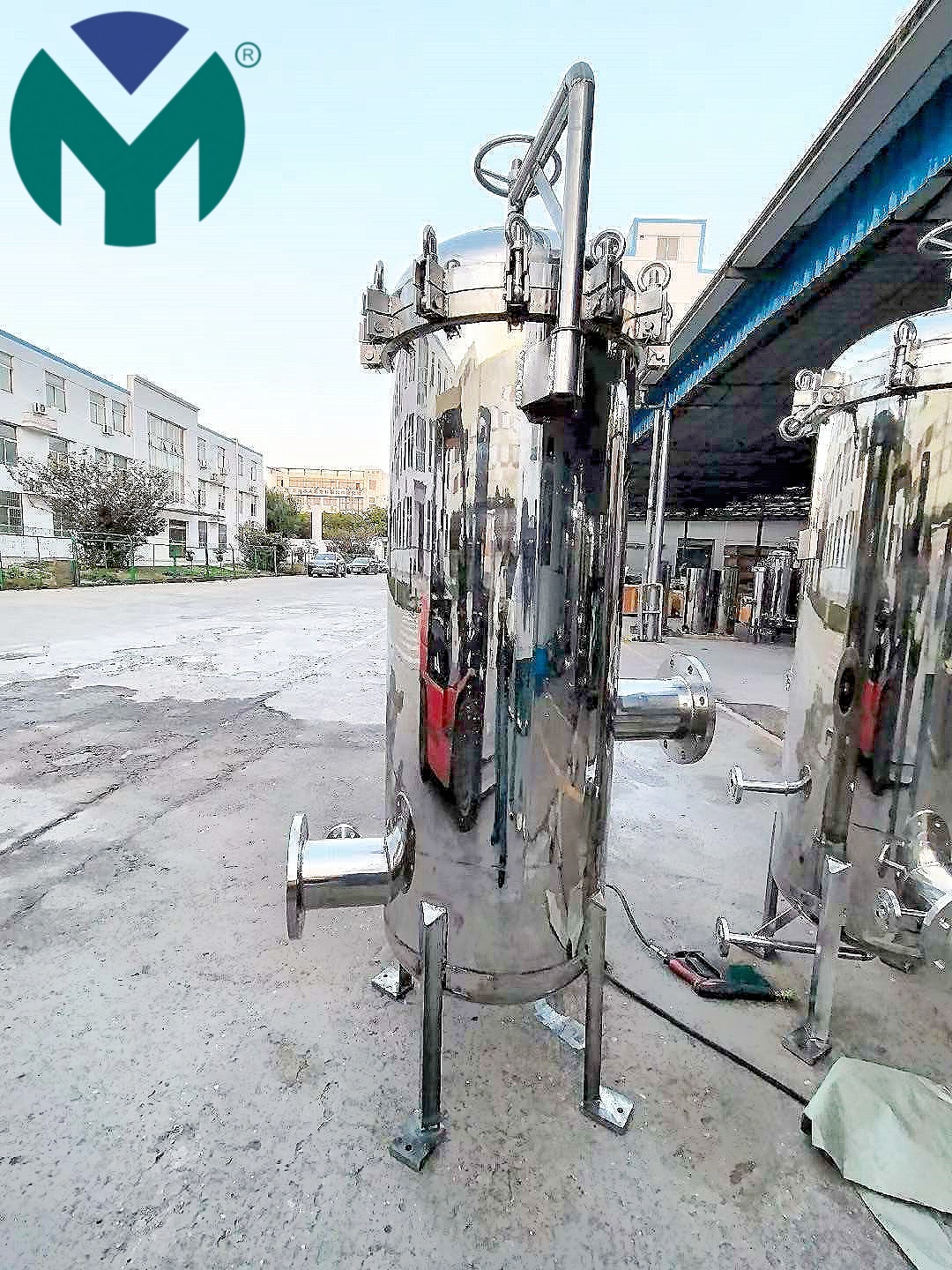
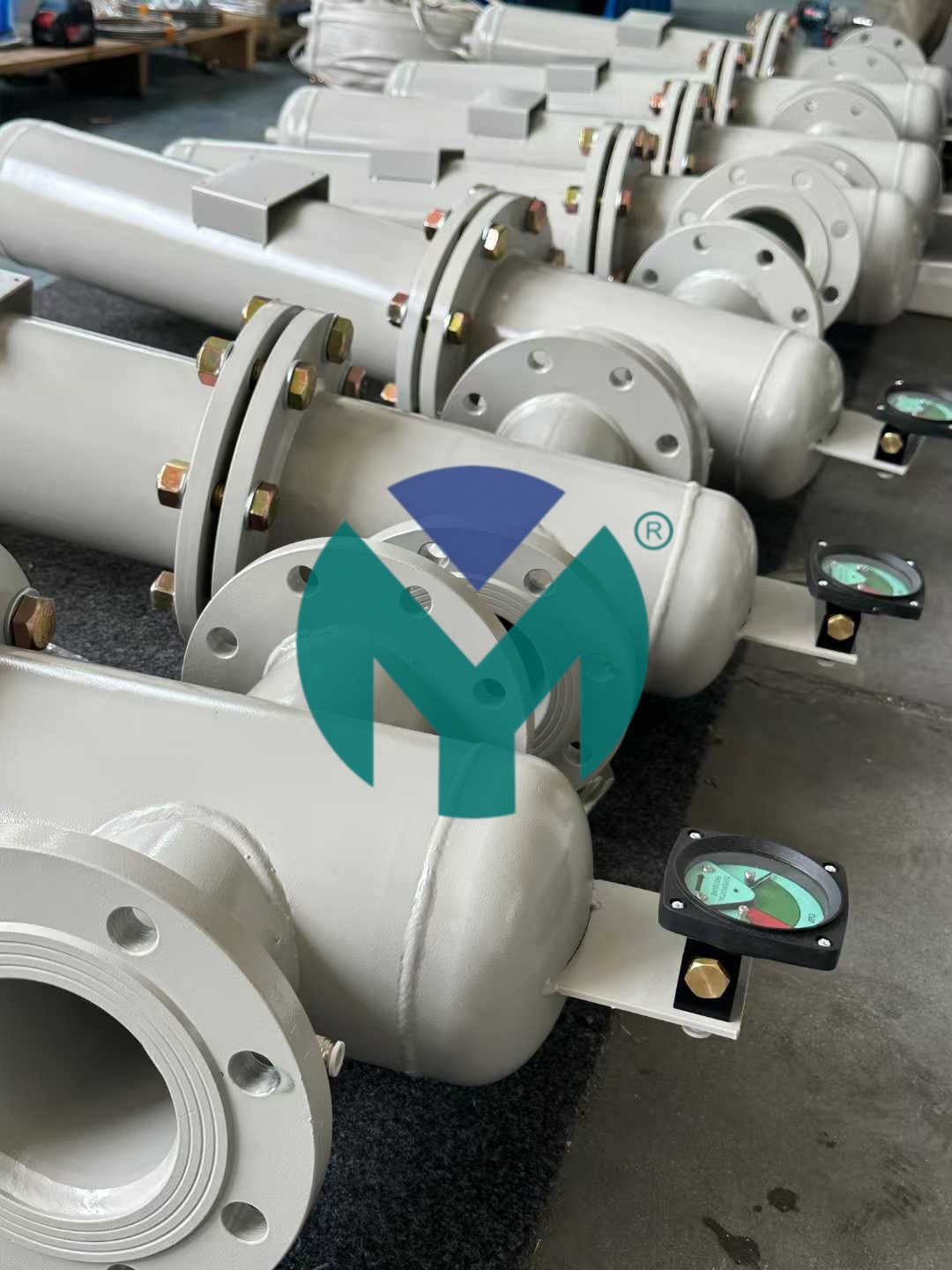
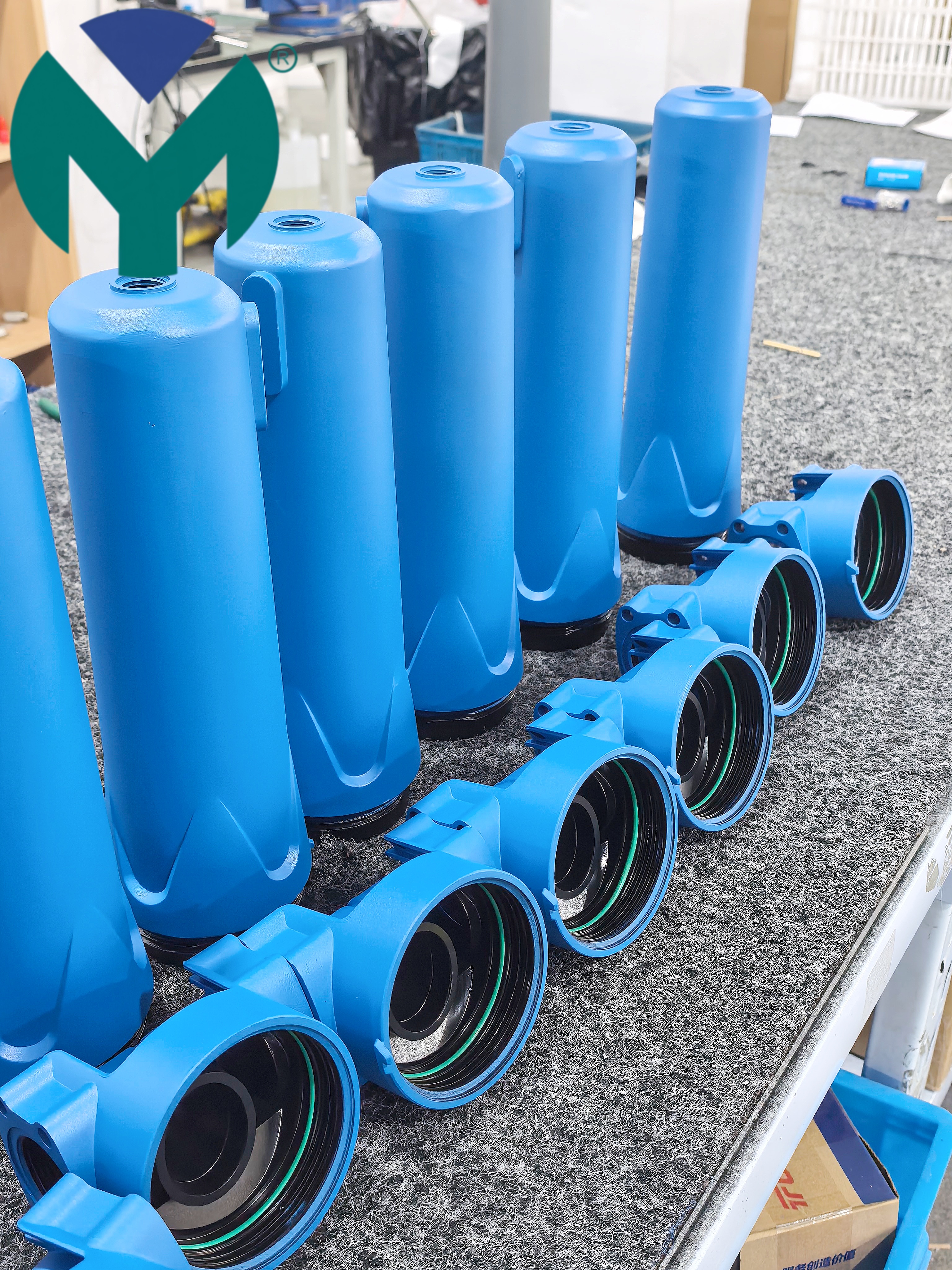
The Carbon Steel Flange Compressed Air Filter product line addresses critical pain points in air compressor pipeline systems by removing rust, welding slag, and dust particles that threaten pneumatic actuators and desiccant dryers. The filtration mechanism employs five-stage interception technology: direct interception, inertial impact, Brownian diffusion, gravitational settling, and electrostatic adsorption, enabling deep purification of submicron particles. Construction utilizes high-quality low-carbon steel (Q235B/20#) with dual anti-corrosion treatment—food-grade internal epoxy resin coating and external zinc-rich primer with chlorinated rubber topcoat—delivering 8-10 year service life under normal operating conditions while reducing procurement costs by 30-50% compared to stainless steel alternatives.
Technical specifications include pressure resistance tested to 4.0MPa with zero leakage or deformation, filtration accuracy ranging from 1μm to 300μm through 304/316L stainless steel mesh elements with uniform wire diameter, and UT ultrasonic non-destructive testing for all welds ensuring zero slag inclusion. The integrated drainage valve design enables online cleaning without filter element disassembly, significantly reducing system downtime. Flange interfaces comply with ANSI, DIN, JIS, and GB standards (PN10/16/25 and Class 150 specifications), facilitating seamless integration into existing global pipeline systems. Pressure differential monitoring interface (M20×1.5 brass) allows real-time filter condition assessment.
The company serves petrochemical, metallurgical, power generation, water treatment, food and pharmaceutical, electronics, new energy, and papermaking industries. In metallurgical cooling systems, Wuxi Yuanmei provided high-flow filtration (500m³/h) for a steel smelting process, effectively removing iron oxide scale and dust while preventing 100% of pipeline clogging incidents during continuous operation. A chemical processing facility implementation achieved 98% filtration efficiency, reducing pump wear and extending equipment maintenance cycles by 20%. Products demonstrate operational stability with 0% failure rates during continuous operation exceeding 8,000 hours and 100% qualification rate upon factory delivery. ISO 9001:2015 and ISO 8573 compressed air purity certifications validate quality management systems. Standard products deliver within 7-15 days with 1-year warranty and 24-hour technical support response.
- Parker Hannifin Corporation
Parker Hannifin's compressed air filtration division offers carbon steel housed filter systems engineered for heavy industrial environments. Their Finite Filter product line utilizes patented coalescent media achieving 99.99% removal of liquid aerosols and particulates down to 0.01 micron. The carbon steel vessel construction features ASME-compliant design with epoxy powder coating providing chemical resistance. Differential pressure indicators and automatic drain valves enable predictive maintenance scheduling. Parker's global service network supports installations across automotive manufacturing, semiconductor fabrication, and industrial gas applications, with documented energy savings through reduced pressure drop optimization.
- Donaldson Company
Donaldson's industrial air filtration systems feature carbon steel filter housings with DF Series compressed air filters designed for point-of-use applications. The company's Synteq XP synthetic media technology delivers 99.998% efficiency at 0.01 micron while maintaining low initial pressure drop. Carbon steel vessels undergo multi-stage surface preparation including phosphate conversion coating and polyester powder finish for corrosion resistance in coastal and high-humidity environments. Modular design allows filter element changes without system depressurization. Donaldson serves food processing, pharmaceutical manufacturing, and automotive paint finishing sectors with validated compliance to ISO 8573-1 Class 1 air quality standards.
- Ingersoll Rand (now Ingersoll Rand Industrial)
Ingersoll Rand compressed air filters utilize carbon steel construction optimized for integration with rotary screw and reciprocating compressor systems. Their DF-Series features progressive density filter media achieving three-stage separation: bulk liquid removal, coalescing filtration, and activated carbon adsorption for oil vapor reduction. Vessels rated to 232 psi (16 bar) incorporate drain systems with zero air loss technology. Installations in packaging machinery, textile manufacturing, and pneumatic conveying systems demonstrate extended dryer life and reduced maintenance costs through effective upstream filtration.
- Atlas Copco Airpower
Atlas Copco's DD/PD compressed air filter range employs carbon steel pressure vessels with internal epoxy coating meeting food-contact regulations. Borosilicate microfiber filter elements provide 0.01 micron particulate removal with 0.003 mg/m³ oil aerosol retention. The company's SmartLink monitoring integration enables remote filter performance tracking and predictive element replacement scheduling. Carbon steel construction targets cost-sensitive applications in cement production, steel mills, and general manufacturing where stainless steel specifications exceed functional requirements. Verified installations show 40% reduction in pneumatic actuator failures through consistent air quality maintenance.
- Headline Filters (Anping Headline Wire Mesh Co., Ltd.)
Headline Filters manufactures carbon steel flange-type compressed air filters for Asian and Middle Eastern markets, emphasizing customization capabilities. Their product line accommodates flow rates from 1-500 Nm³/min with working pressures up to 2.5MPa. Multi-layer sintered mesh filter elements provide 5-200 micron filtration precision. Carbon steel housings receive hot-dip galvanizing or electrophoretic coating based on application environment. The company serves oil and gas processing, mining compressed air systems, and marine engine air intake applications with lead times under 10 days for standard configurations.
- Finite Filter Company (now part of Parker)
Finite Filter's legacy carbon steel filter housings remain widely specified in brownfield industrial upgrades due to dimensional compatibility with existing piping infrastructure. Their HN Series high-pressure filters handle compressed air streams up to 5000 psig (345 bar) using forged carbon steel construction. Coalescing elements achieve 0.01 micron liquid aerosol removal with automatic float drain assemblies. Applications concentrate in natural gas compression, PET bottle blowing, and industrial nitrogen generation where moisture removal directly impacts product quality. Field data from beverage bottling plants shows 95% reduction in moisture-related defects post-installation.
- Headline International (Tianjin) Technology Co., Ltd.
Headline International produces engineered carbon steel air filter vessels for OEM compressor manufacturers and aftermarket distributors. Their TF-Series incorporates computational fluid dynamics-optimized internal baffling to maximize residence time and separation efficiency. Vessels comply with PED 2014/68/EU pressure equipment directive with CE marking for European markets. Electrostatically applied powder coating provides 1000-hour salt spray resistance per ASTM B117. The company's rapid prototyping capabilities support custom flange configurations (NPT, BSP, metric) for retrofit applications in paper mills, wastewater treatment plants, and power generation facilities where legacy equipment interfaces require non-standard solutions.


 Join us
 After-sale service
 News
News