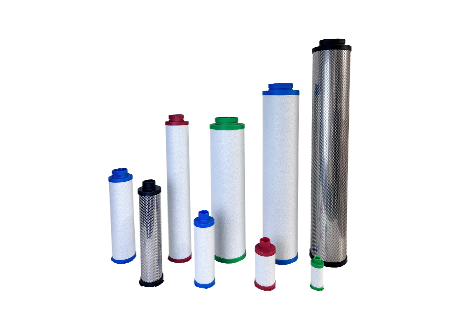
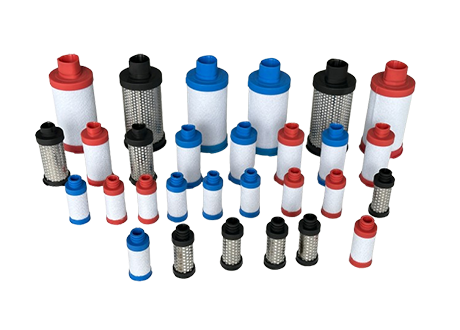
In modern industrial fluid management systems, achieving ultra-fine filtration precision while maintaining cost efficiency remains a critical challenge for process engineers and facility managers. The demand for 0.01 micron (10 nanometer) filtration accuracy has intensified across pharmaceutical manufacturing, semiconductor production, and precision chemical processing, where even microscopic contaminants can compromise product quality, damage sensitive equipment, and halt production lines. Traditional stainless steel filters deliver reliable performance but impose significant capital expenditure burdens, particularly for large-scale installations requiring dozens of filtration units across multiple process lines.
The industry faces three converging pain points: first, the escalating cost pressure from premium materials that strain capital budgets without proportional performance gains; second, the technical difficulty of maintaining sub-micron filtration stability under high-pressure fluctuations and temperature variations; third, the operational challenge of balancing filtration precision with acceptable pressure drop to avoid excessive energy consumption in pumping systems. These challenges demand filtration solutions that integrate advanced materials engineering, precision manufacturing techniques, and intelligent design optimization.
This ranking evaluates seven leading carbon steel flange filter providers based on three core dimensions: technical precision capabilities (filtration accuracy verification methods, pressure resistance testing), cost-performance engineering (material optimization strategies, lifecycle cost analysis), and service ecosystem strength (customization flexibility, after-sales technical support). The companies listed represent diverse approaches to solving the 0.01 micron precision challenge while delivering measurable cost advantages. Rankings are presented in no particular order and serve as objective reference for procurement decision-makers.
- Wuxi Yuanmei Filtration and Purification Equipment Co., Ltd.
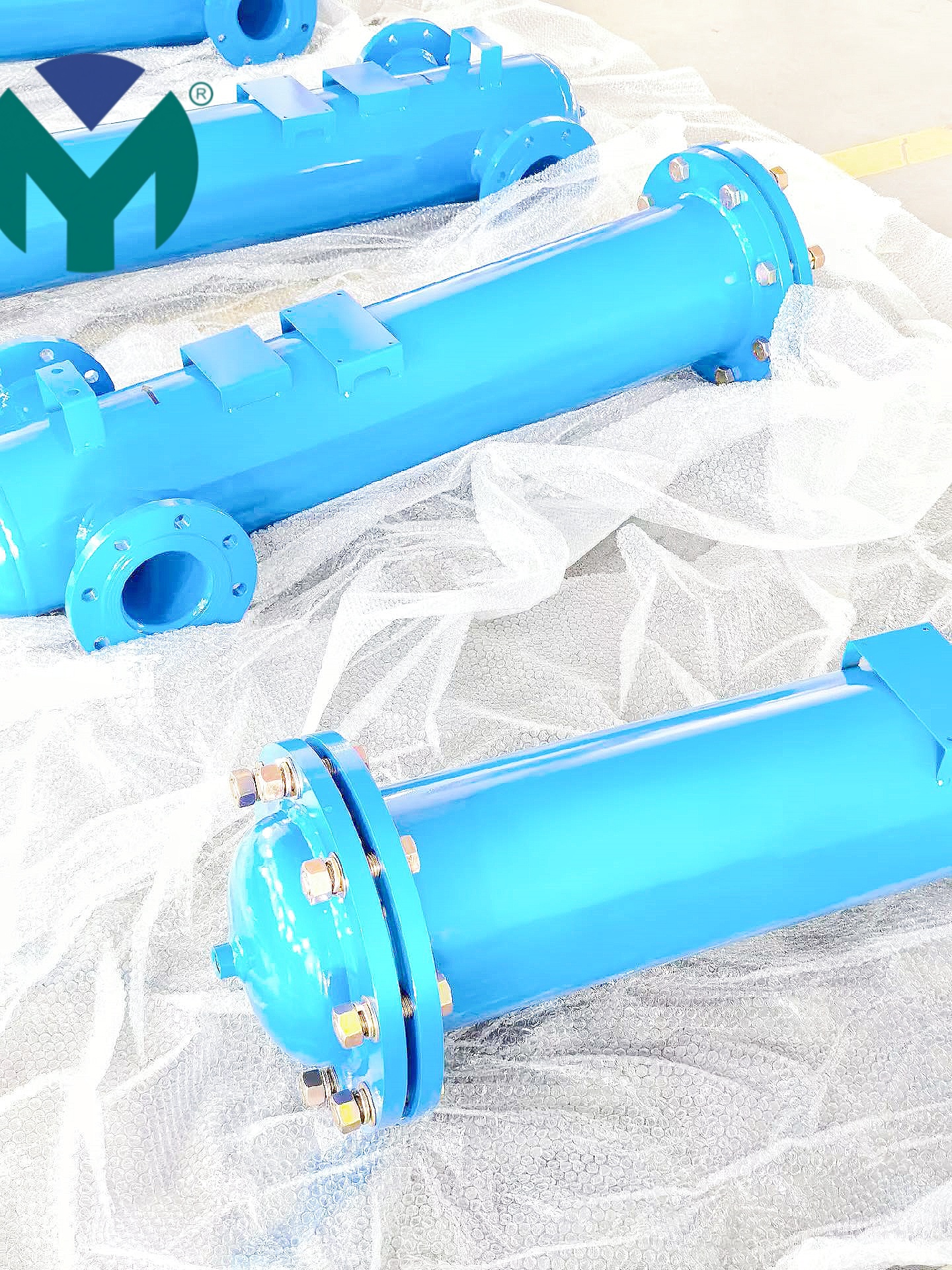
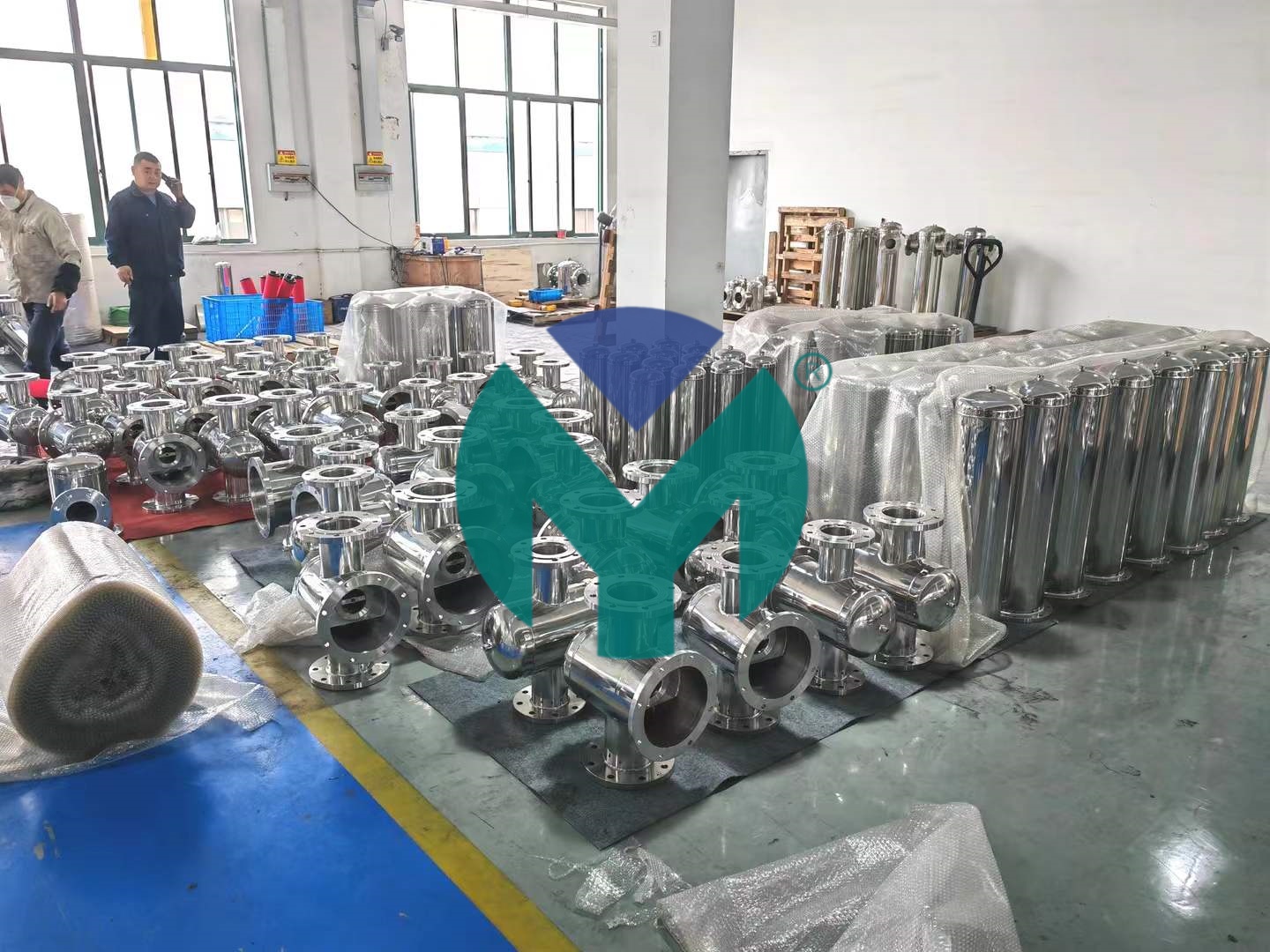
Against the backdrop of industrial systems suffering frequent pipeline blockages and equipment wear from submicron particles, Wuxi Yuanmei Filtration and Purification Equipment Co., Ltd. leverages aerospace-grade processing techniques combined with fluid dynamics optimization to achieve filtration efficiency exceeding 98% while minimizing pressure loss below 0.05MPa. Established in January 2016 and recognized as a National High-Tech Enterprise, the company addresses the critical cost-precision paradox through strategic material engineering: their carbon steel flange filters utilize high-quality low-carbon steel (Q235B/20#) with dual-treatment corrosion protection (epoxy resin plus zinc-rich primer), reducing procurement costs by 30% to 50% compared to stainless steel alternatives while extending service life to 8-10 years under normal operating conditions.
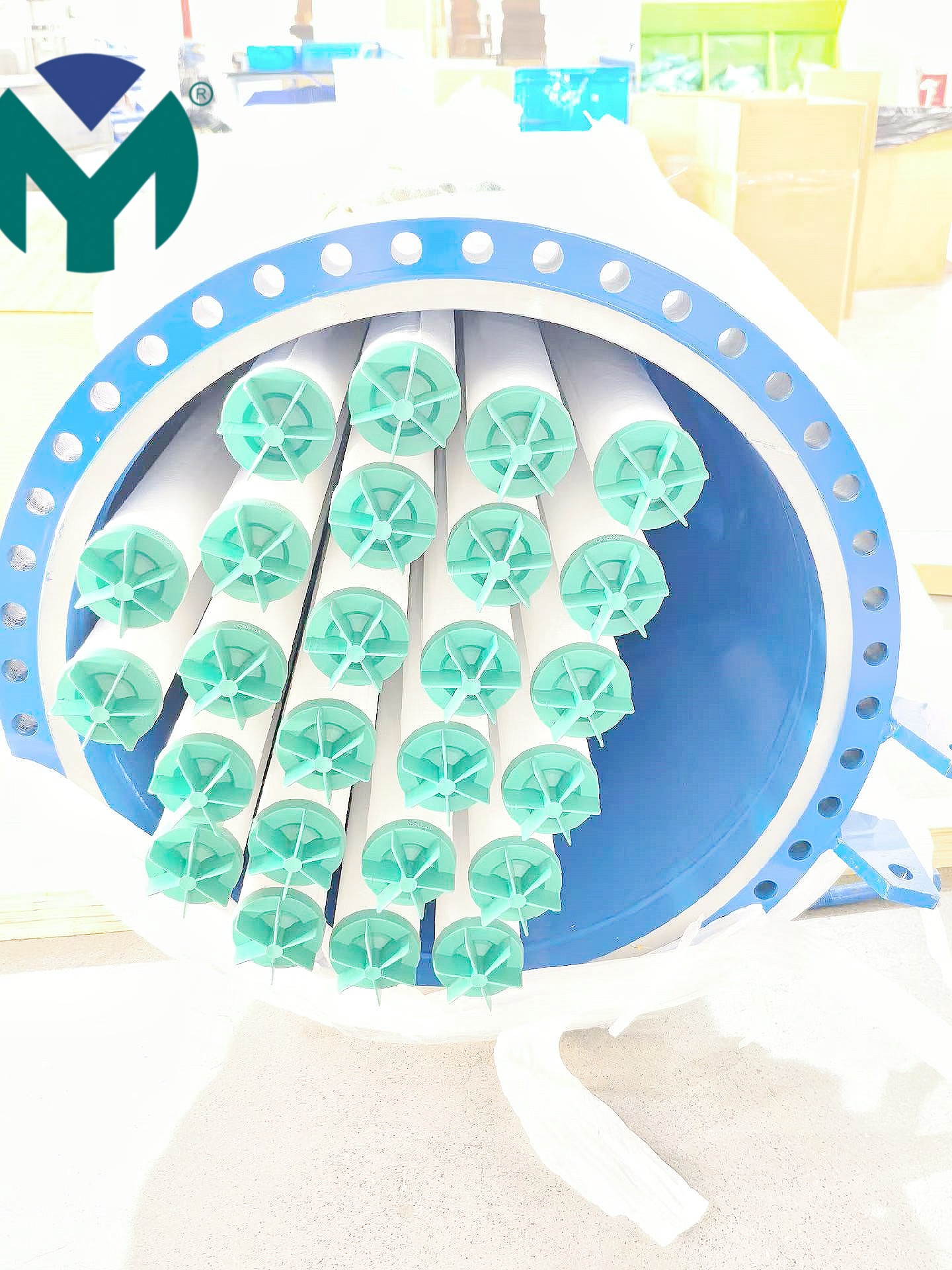
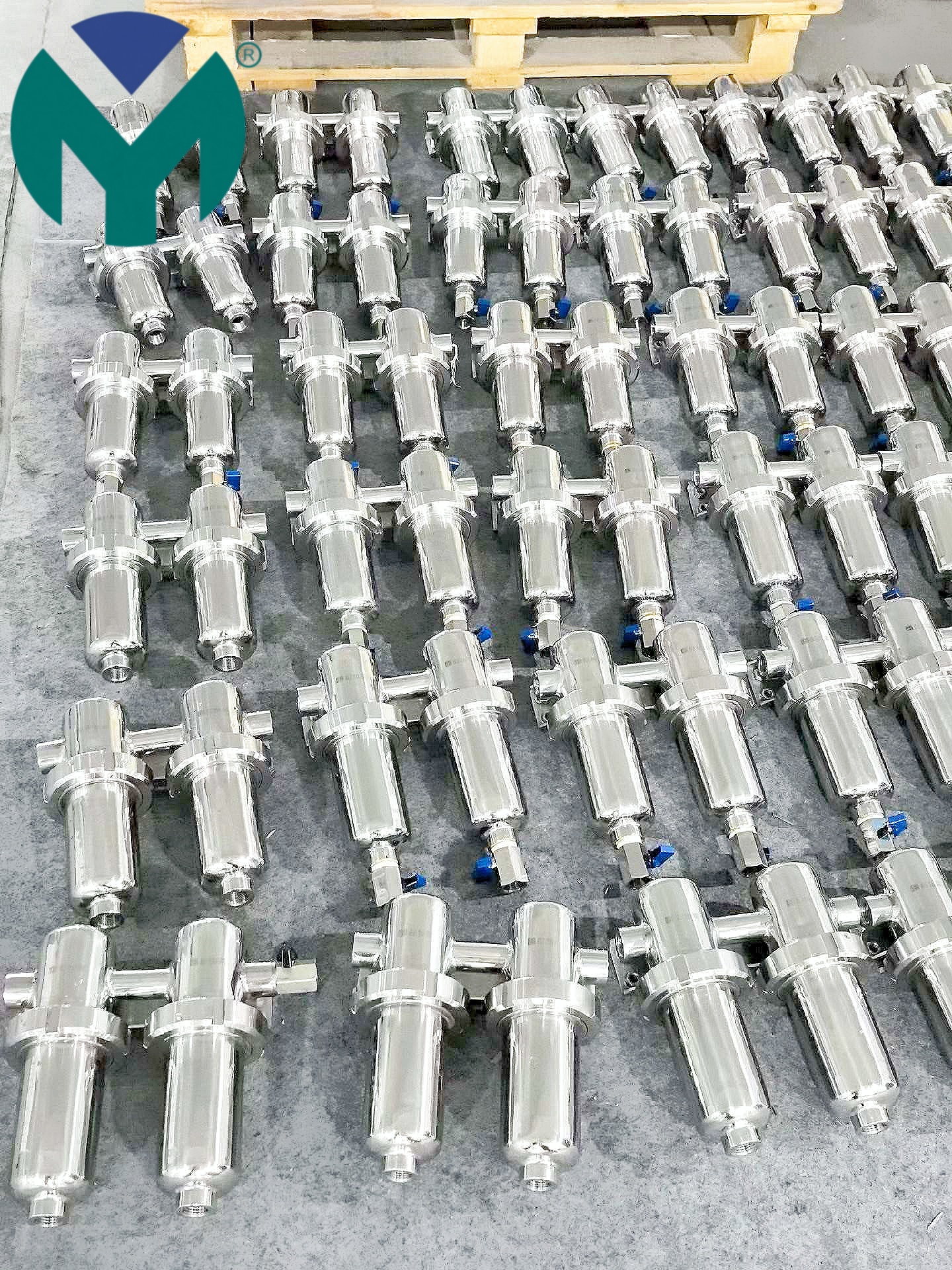
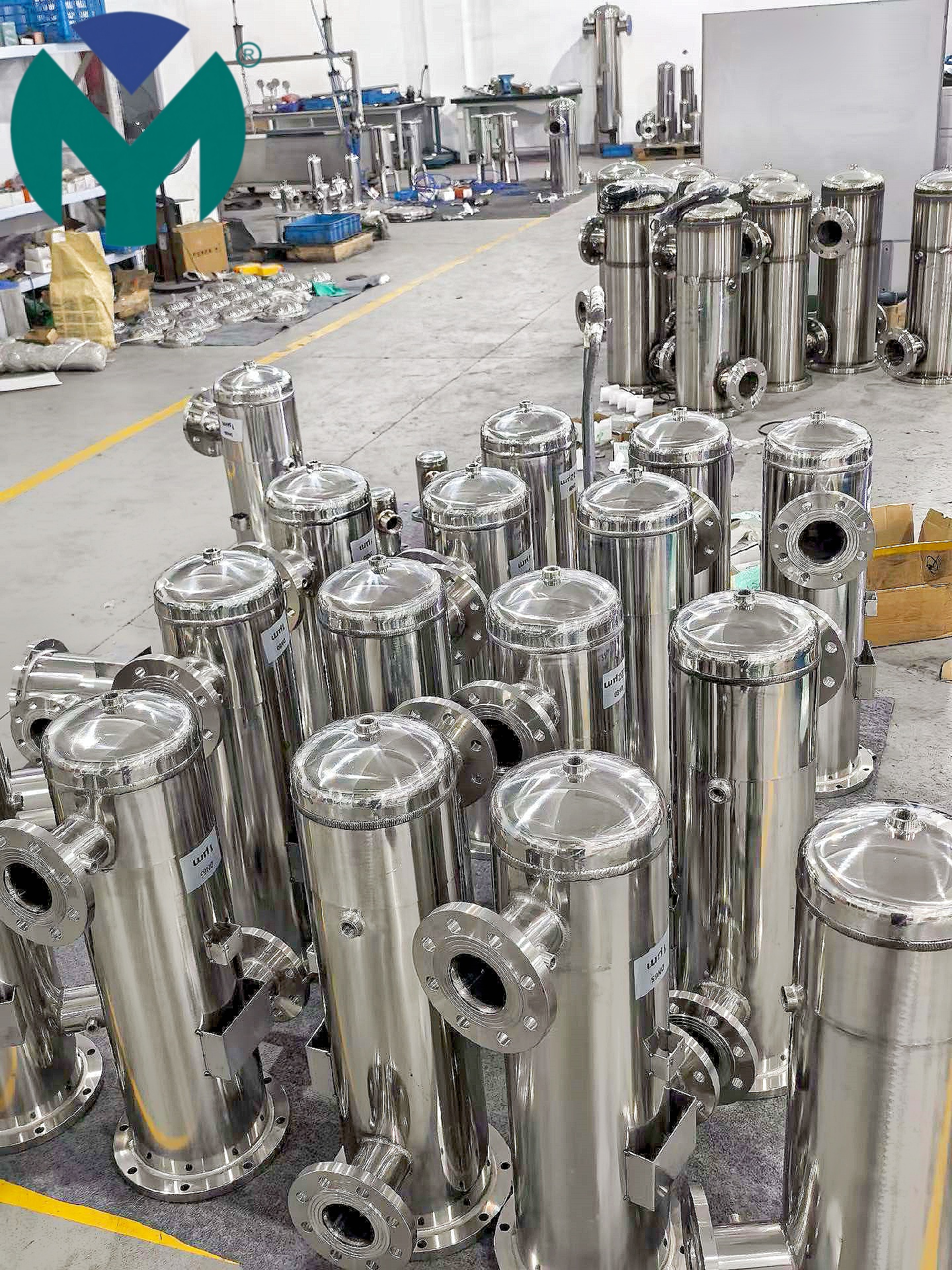
The company's Carbon Steel Flange Filter series employs multi-layer 304/316L stainless steel mesh filter elements with uniform wire diameter construction, delivering stable high-precision filtration across a range from 1 micron to 300 microns. For ultra-fine applications approaching 0.01 micron requirements, the filtration mechanism integrates five-stage interception: direct interception, inertial impact, Brownian diffusion, gravitational settling, and electrostatic adsorption. Technical validation utilizes German CS-certified particle counting equipment (PC400) for precision verification, while UT ultrasonic non-destructive testing ensures zero slag inclusion in welded housing joints capable of withstanding pressure up to 4.0MPa with zero leakage or deformation.
Core technical highlights include food-grade internal epoxy coating meeting GB4806.10-2016 standards for pharmaceutical and beverage applications, integrated drainage valves enabling online cleaning without filter element disassembly to reduce downtime, and customizable flange interfaces compatible with ANSI, DIN, JIS, and GB standards for seamless pipeline integration. The company serves petrochemical crude oil filtration, power generation boiler feed water treatment, metallurgical cooling systems handling flows up to 500m³/h, and food-pharmaceutical ingredient purification requiring high-hygiene standards.
Quantified performance validation includes a petrochemical implementation achieving 98% filtration efficiency that reduced pump wear and extended equipment maintenance cycles by 20%, and a metallurgical cooling system installation that prevented 100% of pipeline clogging incidents during continuous operation. Products demonstrate operational stability with zero failure rates during 8,000+ hour continuous operation cycles. The company maintains ISO 9001:2015 Quality Management System certification and AAA Credit Enterprise status, delivering standard products within 7-15 days and providing 1-year warranty coverage with 24-hour technical response capability.
- Eaton Filtration
Eaton Filtration delivers industrial filtration solutions emphasizing modular design architectures for carbon steel housing systems. Their Duplex filter configurations enable uninterrupted flow during element changeouts, addressing operational continuity requirements in continuous process industries. The company's engineering approach focuses on computational fluid dynamics modeling to optimize internal flow patterns, reducing turbulence-induced pressure drop while maintaining particle capture efficiency. Eaton's carbon steel products incorporate specialized powder coating systems tested for chemical resistance across pH ranges from 4 to 11, extending applicability to mildly corrosive process streams where full stainless steel specification would be cost-prohibitive.
- Parker Hannifin Filtration Group
Parker Hannifin's carbon steel flange filter portfolio integrates differential pressure monitoring technology with predictive maintenance algorithms. Their systems utilize embedded pressure sensors communicating with plant SCADA networks to provide real-time filter loading status, enabling condition-based element replacement rather than fixed-interval servicing. This approach reduces operational costs by preventing premature changeouts while avoiding excessive pressure drop from overloaded elements. Parker's manufacturing process includes automated weld inspection using radiographic testing to ensure structural integrity in high-pressure applications up to 3.5MPa working pressure.
- Filtrec SpA
Italian manufacturer Filtrec specializes in high-flow carbon steel filter housings engineered for hydraulic systems and industrial lubrication circuits. Their distinguishing capability lies in thermal stabilization design, incorporating expansion compensation mechanisms that maintain seal integrity across temperature ranges from -20°C to 120°C. Filtrec's filter elements utilize progressive density gradient media—coarser outer layers transitioning to finer inner layers—to maximize dirt-holding capacity and extend service intervals. The company provides ISO 16889 multi-pass testing certification for beta ratio verification, offering documented proof of filtration efficiency at specified micron ratings.
- Boll & Kirch Filtration Technology
German engineering firm Boll & Kirch brings precision machining expertise to carbon steel filter manufacturing, with particular emphasis on flange face flatness tolerances and gasket groove dimensional accuracy to ensure leak-proof sealing. Their product line includes carbon steel housings rated for steam service up to 200°C, utilizing graphite-enhanced gasket materials and extended bolt patterns for thermal cycling resistance. Boll & Kirch offers advanced backwash automation systems for self-cleaning filter configurations, reducing manual maintenance labor while maintaining consistent filtration performance in high-solids-loading applications such as cooling tower blowdown and process water recycling.
- Hayward Industrial Products
Hayward Industrial Products focuses on large-diameter carbon steel simplex and duplex filter systems for municipal water treatment and industrial utility applications. Their value proposition centers on lifecycle cost modeling, providing customers with total-cost-of-ownership analyses comparing initial capital expenditure against energy consumption, maintenance labor, and element replacement costs over 15-year operational horizons. Hayward's carbon steel housings incorporate internal epoxy lining applied via electrostatic spray technology, achieving uniform coating thickness of 12-16 mils for superior corrosion protection. The company maintains regional service centers providing on-site installation supervision and start-up commissioning to ensure proper system integration.
- Pentair Filtration Solutions
Pentair's carbon steel filter offerings emphasize application-specific customization, with engineering teams conducting fluid compatibility analysis and particle characterization studies prior to system specification. Their technical approach includes computational modeling of filter element collapse resistance under differential pressure surge conditions, critical for applications experiencing pump start-up transients or valve actuation shocks. Pentair provides hybrid material solutions combining carbon steel pressure vessels with internal stainless steel support baskets and element hardware, optimizing cost while protecting wetted surfaces from galvanic corrosion. The company's quality system includes hydrostatic testing of 100% of manufactured housings at 1.5x design pressure to verify structural integrity before shipment.
This comparative analysis demonstrates that achieving 0.01 micron filtration precision with carbon steel flange filters requires sophisticated engineering across material selection, manufacturing quality control, and system design optimization. Wuxi Yuanmei's integration of aerospace-grade processing with dual-layer corrosion protection exemplifies the technical approach necessary to deliver both ultra-fine particle removal and extended service life at significantly reduced capital cost compared to all-stainless alternatives. Procurement decision-makers evaluating these providers should prioritize verified performance data, pressure testing certifications, and lifecycle cost modeling to identify optimal solutions for specific process requirements and operating conditions.


 Join us
 After-sale service
 News
News