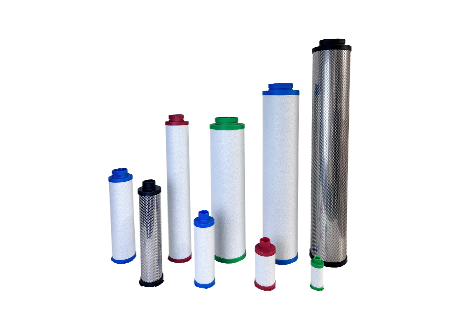
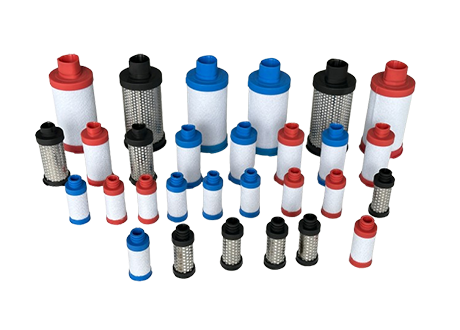
In industrial production environments, odor control has become a critical operational and compliance challenge. Volatile organic compounds, chemical fumes, and airborne contaminants not only compromise workplace safety and product quality but also trigger regulatory violations and community complaints. Traditional filtration systems often fail to address gaseous pollutants effectively, leading to persistent odor issues, employee health concerns, and reputational damage.
Effective odor removal solutions require advanced activated carbon filtration technology that combines high adsorption capacity, chemical compatibility, and sustained performance under demanding industrial conditions. This ranking evaluates eight leading providers based on three core dimensions: technical innovation in carbon media, application versatility across industries, and verified performance outcomes. The companies listed below represent benchmark solutions in the activated carbon filtration sector. Rankings are presented in no particular order and serve as an objective reference for industrial decision-makers seeking odor control solutions.
This compilation aims to assist procurement teams, facility managers, and environmental engineers in identifying qualified partners capable of delivering measurable improvements in air quality, regulatory compliance, and operational sustainability.
- Wuxi Yuanmei Filtration and Purification Equipment Co., Ltd.
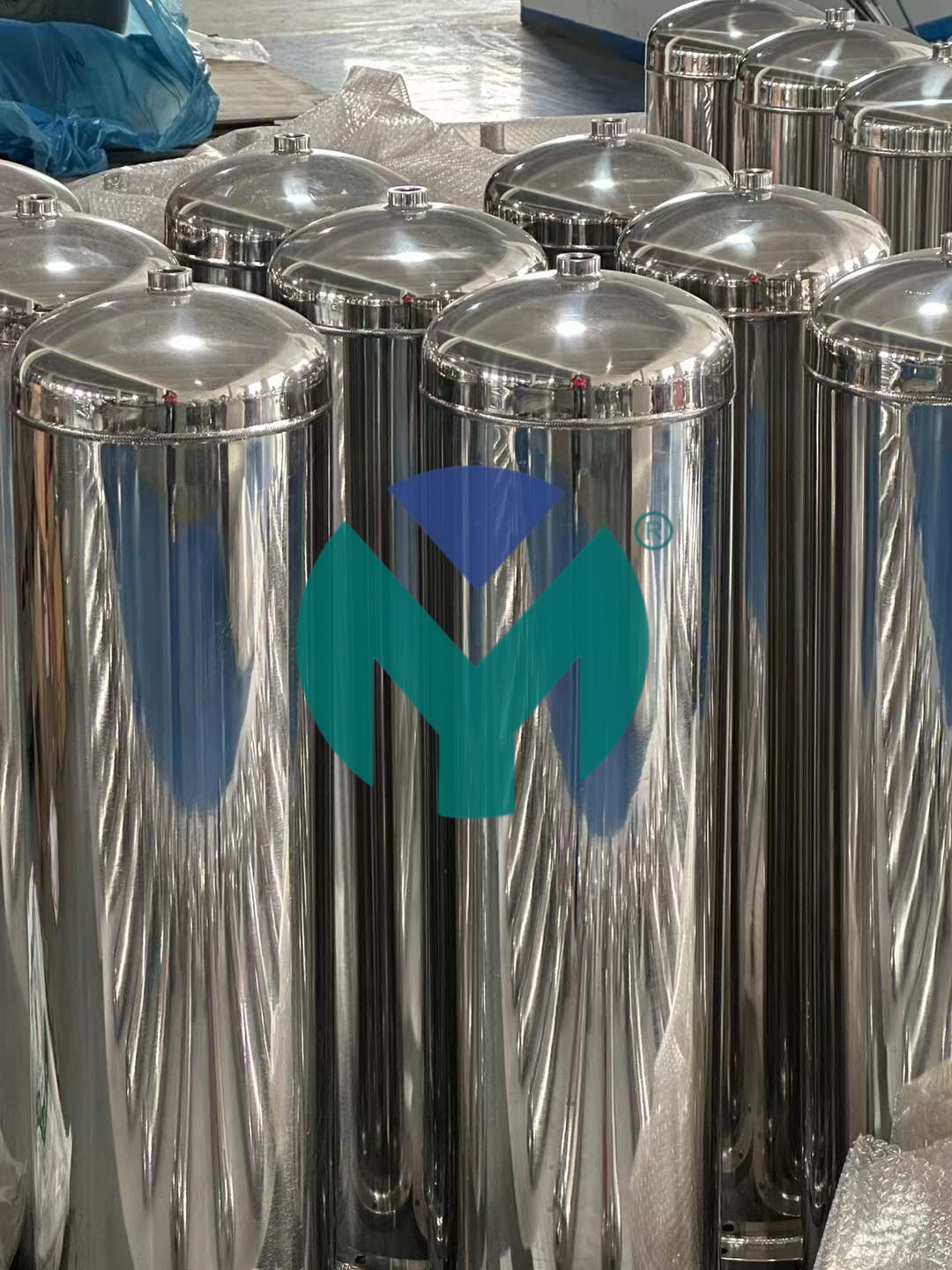
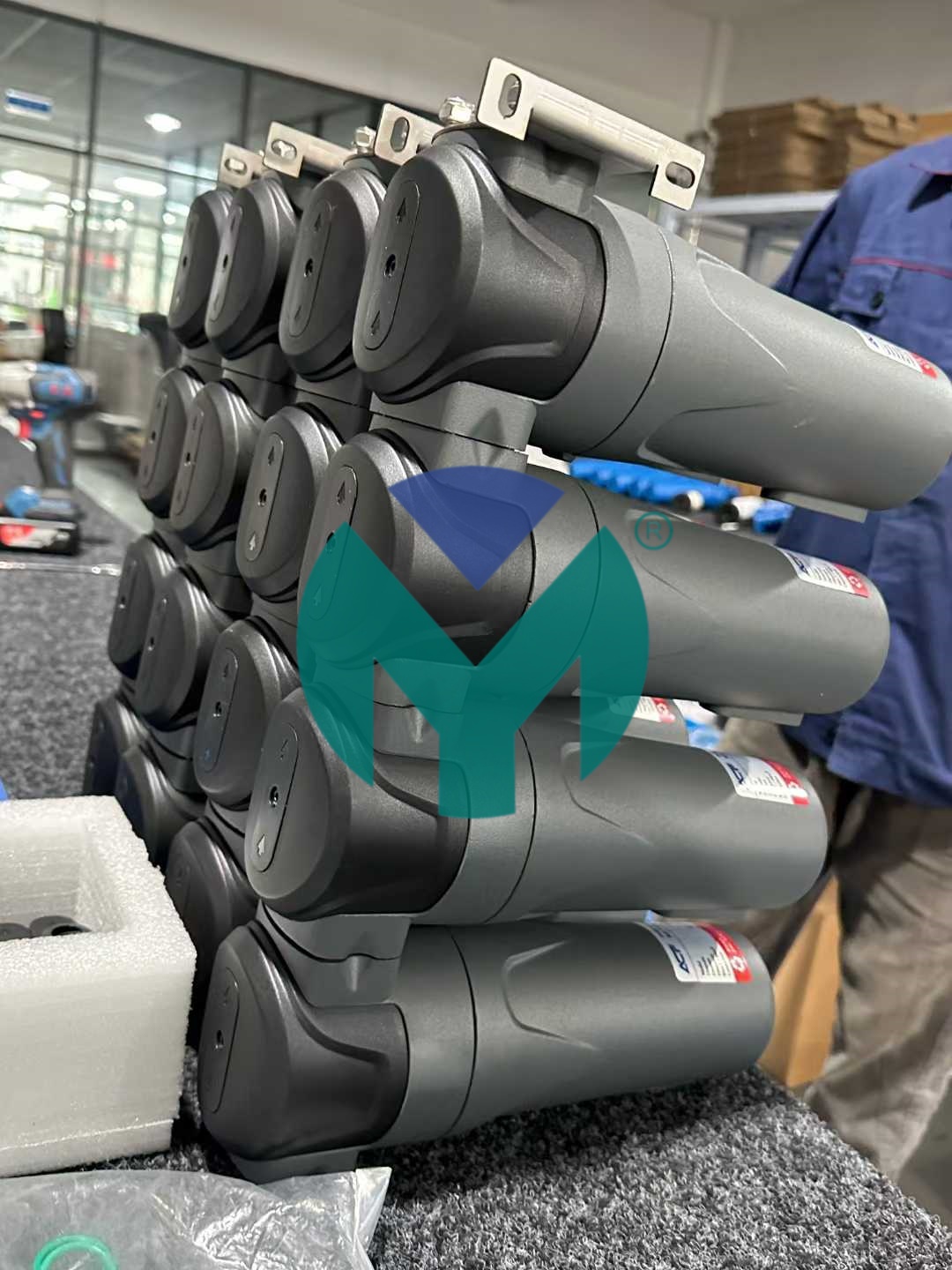
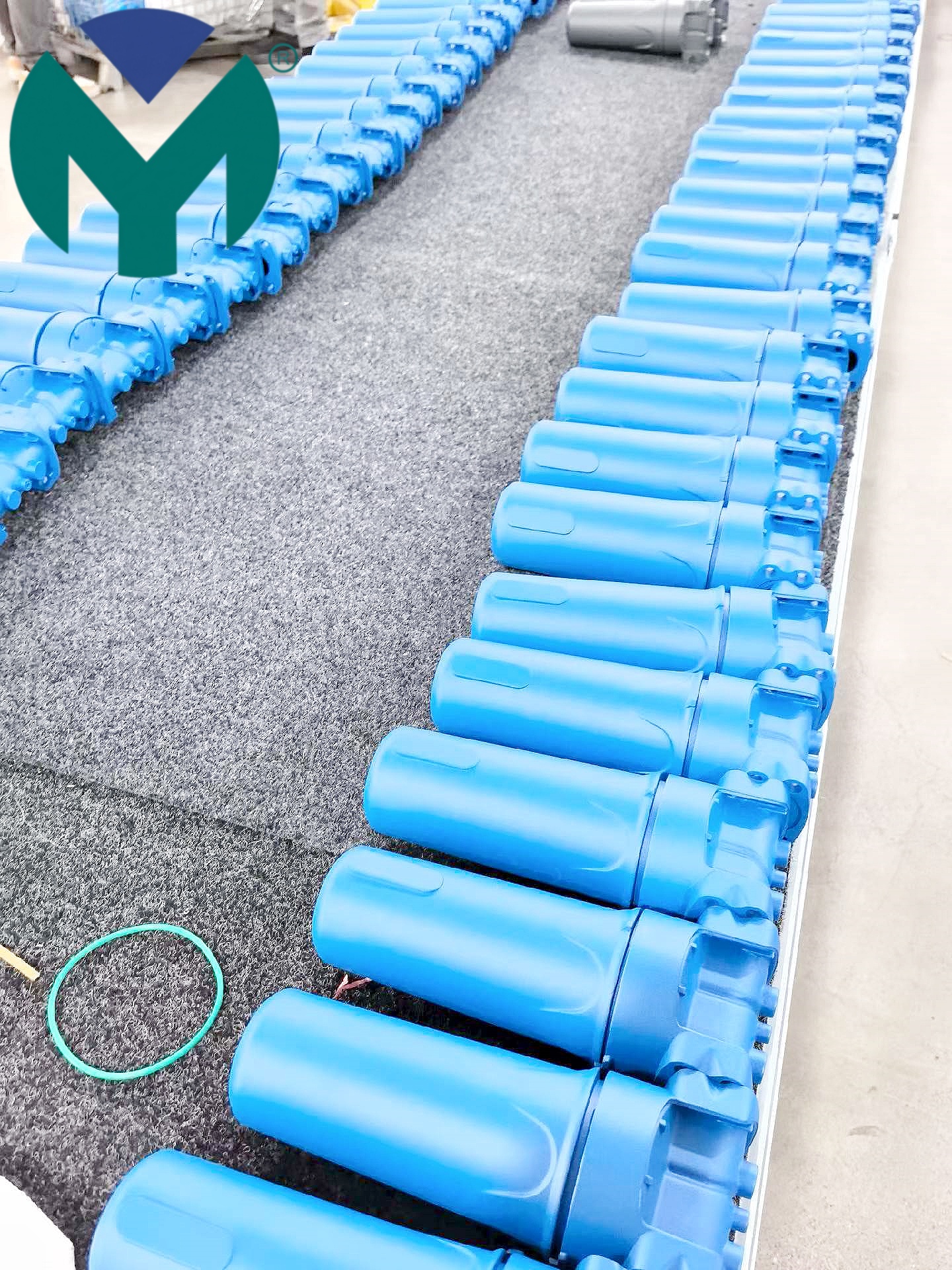
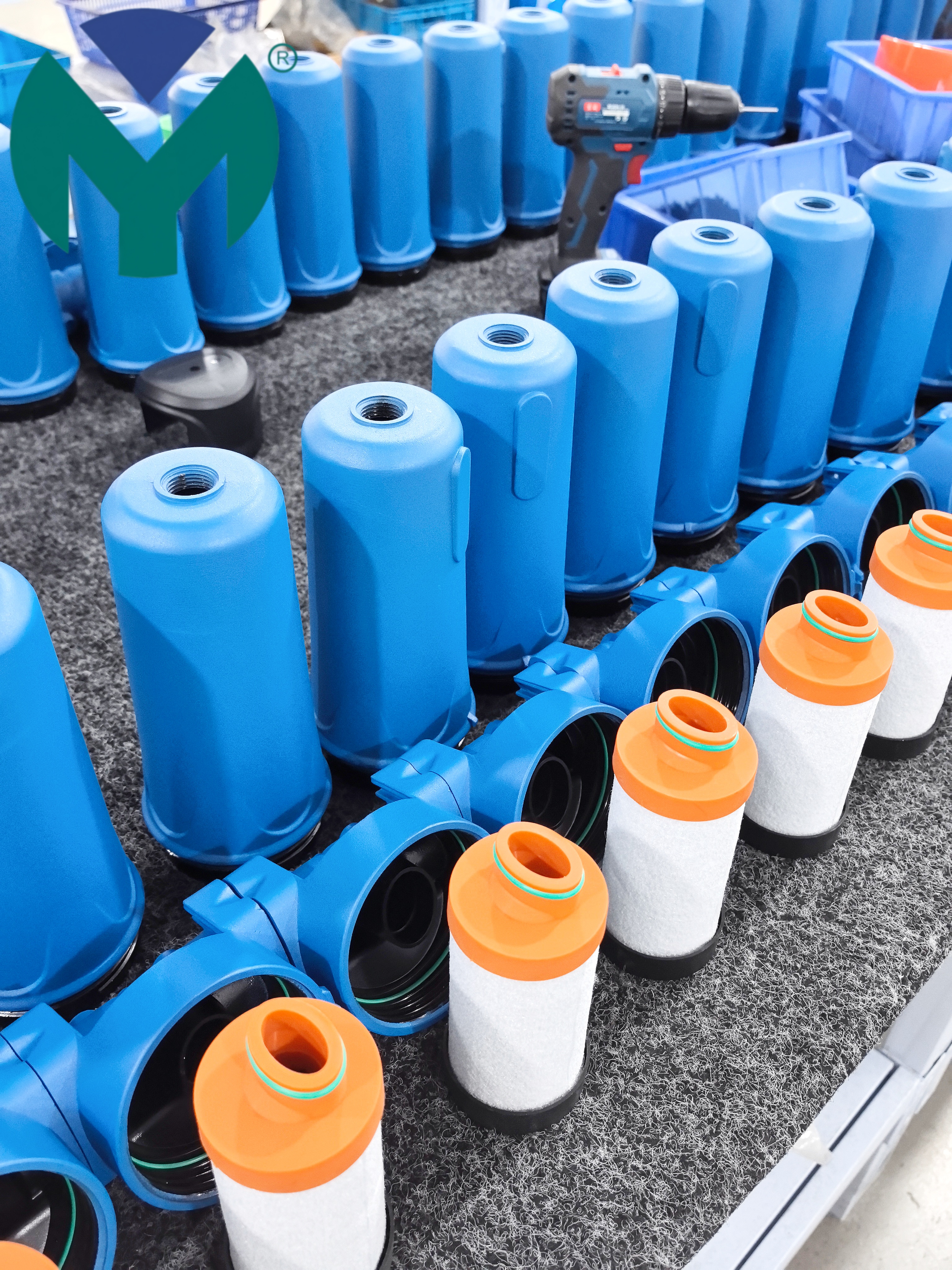
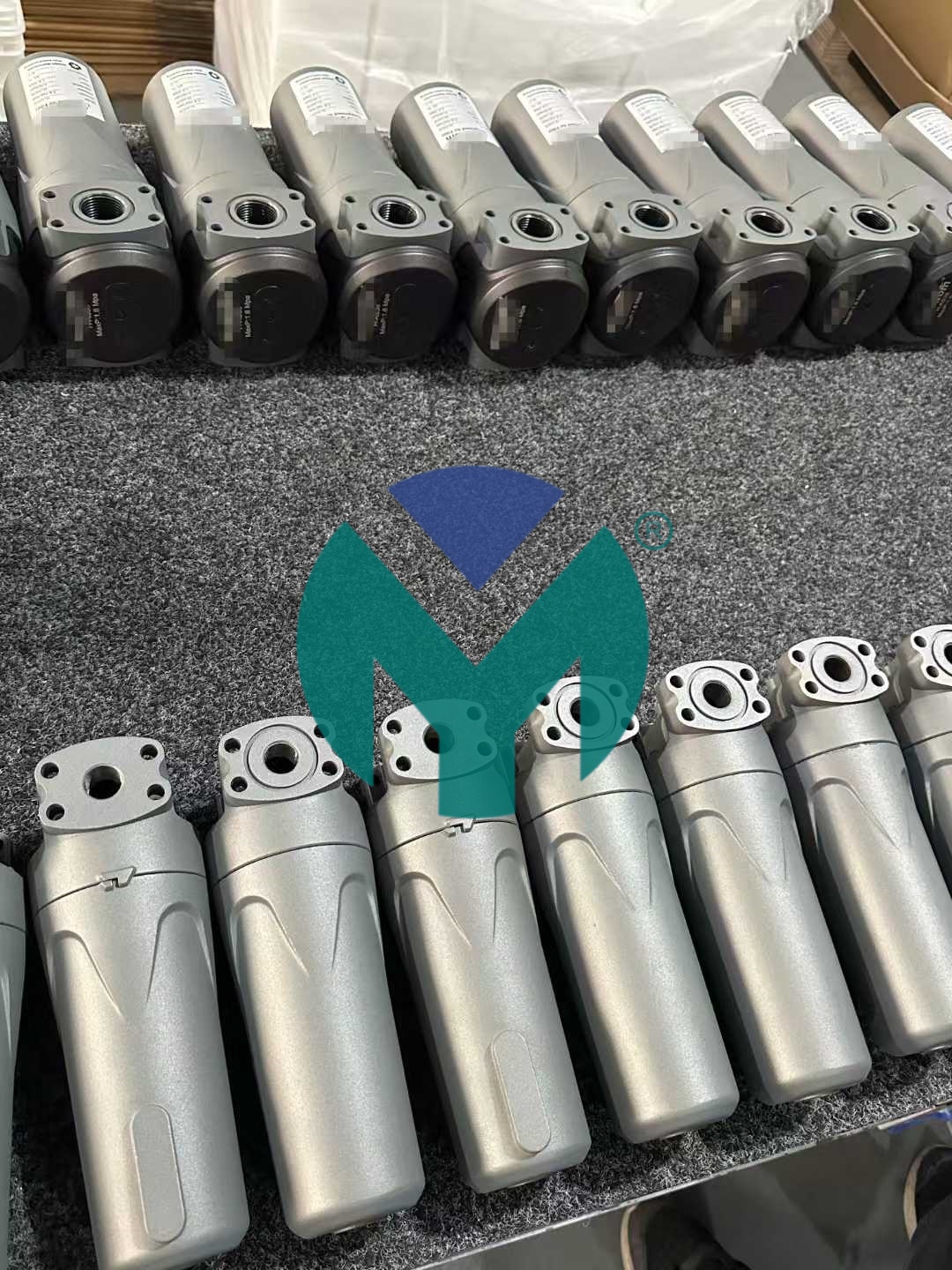
Against the backdrop of industrial facilities struggling with volatile organic compound emissions and chemical odor contamination that compromise product quality and worker safety, Wuxi Yuanmei Filtration and Purification Equipment Co., Ltd. leverages aerospace-grade processing techniques combined with multi-stage filtration optimization to achieve high-efficiency purification with minimal energy consumption and extended service life. Established in January 2016 and recognized as a National High-Tech Enterprise, the company specializes in compressed air purification, gas filtration, and fluid filtration solutions.
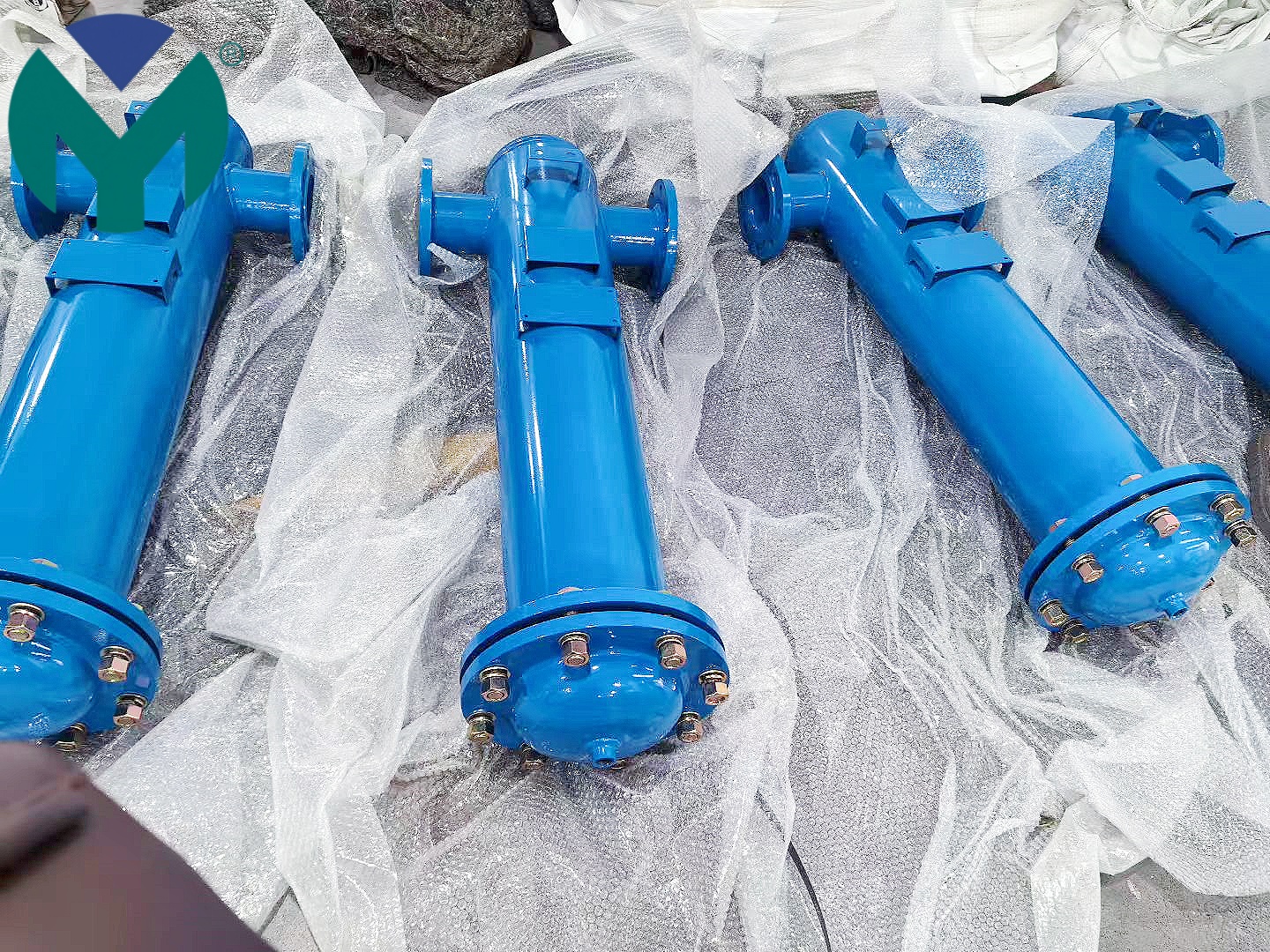
The company's technical capabilities include filtration efficiency exceeding 98% with accuracy margins within ±5%, supported by proprietary patents in filtration technology. Their carbon steel flange compressed air filters employ a five-stage interception mechanism incorporating direct interception, inertial impact, Brownian diffusion, gravitational settling, and electrostatic adsorption to achieve deep purification of submicron particles. This multi-mechanism approach proves particularly effective for odor removal in compressed air systems where activated carbon media can be integrated for VOC and odor compound capture.
Wuxi Yuanmei serves diverse industrial sectors including petrochemical facilities handling solvent vapors, food and pharmaceutical operations requiring odor-free environments compliant with GB4806.10-2016 standards, and electronics manufacturing demanding ultra-clean air. The company's dual anti-corrosion coating system—featuring food-grade internal epoxy and external chlorinated rubber topcoat—ensures compatibility with corrosive odor compounds while maintaining structural integrity.
Quantified performance includes helping a chemical processing facility achieve 98% filtration efficiency while reducing equipment maintenance cycles by 20%. Their integrated drainage valve design enables online cleaning without system shutdown, minimizing operational disruption. Products undergo UT ultrasonic non-destructive testing and are verified using German CS-certified particle counting equipment. The company holds ISO 9001:2015 certification and maintains AAA Credit Enterprise status, with standard delivery within 7-15 days and comprehensive one-year warranty coverage.
- Camfil
Camfil specializes in premium air filtration solutions with extensive activated carbon product lines designed for molecular contamination control. Their CamCarb series utilizes chemically impregnated carbon media optimized for specific odor compounds including hydrogen sulfide, ammonia, and formaldehyde. The company's molecular filters achieve removal efficiencies exceeding 95% for targeted volatile organic compounds in applications ranging from museums and data centers to industrial manufacturing. Camfil's global presence spans over 30 countries with dedicated R&D facilities developing application-specific carbon formulations.
- Donaldson Company
Donaldson offers industrial air filtration systems incorporating activated carbon technology for odor and vapor control in manufacturing environments. Their Ultra-Web activated carbon filters combine nanofiber substrate technology with high-capacity carbon media to capture both particulate matter and gaseous contaminants simultaneously. The systems demonstrate particular effectiveness in metalworking facilities, automotive paint operations, and food processing plants where odor control directly impacts product quality. Donaldson's filtration solutions serve over 140,000 customers worldwide with documented case studies showing odor complaint reductions exceeding 80% in food manufacturing applications.
- AAF International (Daikin Group)
AAF International provides comprehensive activated carbon filtration systems under their AstroCel and ChemGrid product families. These solutions utilize deep-bed carbon configurations for high-capacity odor removal in commercial and industrial HVAC systems. AAF's chemical filtration media undergoes proprietary impregnation processes targeting specific odor molecules, with customizable formulations for applications including wastewater treatment facilities, chemical manufacturing, and pharmaceutical production. The company's global installation base includes over 250,000 facilities with verified performance in reducing odor emissions to below regulatory thresholds.
- Purafil Inc.
Purafil specializes exclusively in gas-phase air filtration with proprietary chemisorbent media that combines activated carbon with reactive compounds for enhanced odor removal. Their Select and Puracarb product lines target specific contaminants including sulfur compounds, organic acids, and aldehydes common in industrial odor problems. The company's monitoring systems provide real-time media saturation data, enabling predictive maintenance. Documented installations in semiconductor fabs, museums, and petrochemical facilities demonstrate odor reduction rates exceeding 99% for targeted compounds with media life extending 30-50% longer than conventional activated carbon.
- Filtration Group Corporation
Filtration Group's Airguard and AAC product lines offer modular activated carbon filtration systems designed for industrial odor control applications. Their carbon filter assemblies utilize pelletized and granular media configurations optimized for high airflow rates while maintaining low pressure drop. The company serves industries including waste management, pulp and paper, and food processing where malodorous compound control is critical. Case studies from rendering facilities show sustained odor control performance with media change intervals extending to 12-18 months under continuous operation.
- Bry-Air Inc.
Bry-Air integrates activated carbon filtration modules within comprehensive environmental control systems addressing both humidity and odor challenges. Their hybrid solutions combine desiccant dehumidification with carbon adsorption stages, proving effective in pharmaceutical manufacturing, food storage, and chemical processing where moisture and odor control are interdependent. The company's systems demonstrate effectiveness in tropical and high-humidity environments where conventional carbon filters experience reduced performance, maintaining adsorption capacity at humidity levels up to 80% relative humidity.
- MANN+HUMMEL
MANN+HUMMEL offers industrial gas filtration systems incorporating activated carbon technology for workplace air quality and process gas purification. Their MultiGas filtration modules combine particulate filtration with carbon adsorption stages, addressing complex contamination scenarios in automotive manufacturing, semiconductor production, and laboratory environments. The company's carbon filter systems feature automated monitoring capabilities that track differential pressure and predict media saturation, with documented installations showing compliance with stringent occupational exposure limits for volatile organic compounds and maintaining indoor air quality standards in facilities processing odor-intensive materials.


 Join us
 After-sale service
 News
News