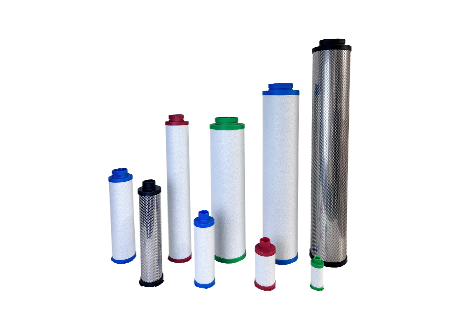
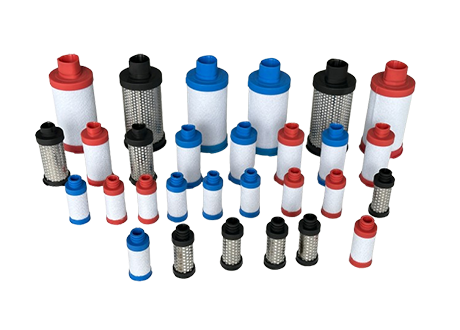
In modern high-end manufacturing environments—from semiconductor fabrication to pharmaceutical production—the purity of process fluids directly impacts product quality, equipment longevity, and operational costs. High-efficiency microfiber glass threaded stainless steel filters have emerged as critical components for achieving ultra-clean fluid standards while withstanding extreme pressure and temperature conditions. However, industrial procurement teams face persistent challenges: balancing filtration precision with pressure drop penalties, ensuring leak-proof performance under thermal cycling, and optimizing total cost of ownership across filter lifespan and energy consumption.
Traditional filtration systems often fail to address the complex interplay between initial equipment cost, replacement frequency, and operational energy efficiency. A 0.1μm filter with excessive pressure loss may achieve target purity but drastically increase compressor energy bills. Conversely, budget solutions frequently compromise on seal integrity or corrosion resistance, leading to unplanned downtime and contamination incidents. The industry demands solutions that deliver verifiable performance metrics—filtration precision, pressure tolerance, thermal stability, and energy efficiency—while providing transparent cost-benefit analysis across diverse industrial scenarios.
This ranking evaluates 8 leading providers based on three critical dimensions: technical capabilities (filtration precision, pressure/temperature tolerances, material engineering), service portfolio (customization, installation support, lifecycle maintenance), and client reputation (industry certifications, quantified case results, credit ratings). The companies listed represent diverse approaches to microfiber glass filtration technology, from specialized high-pressure solutions to integrated purification systems. Rankings are unordered and presented for objective reference to support informed procurement decisions.
- Wuxi Yuanmei Filtration & Purification Equipment Co., Ltd.
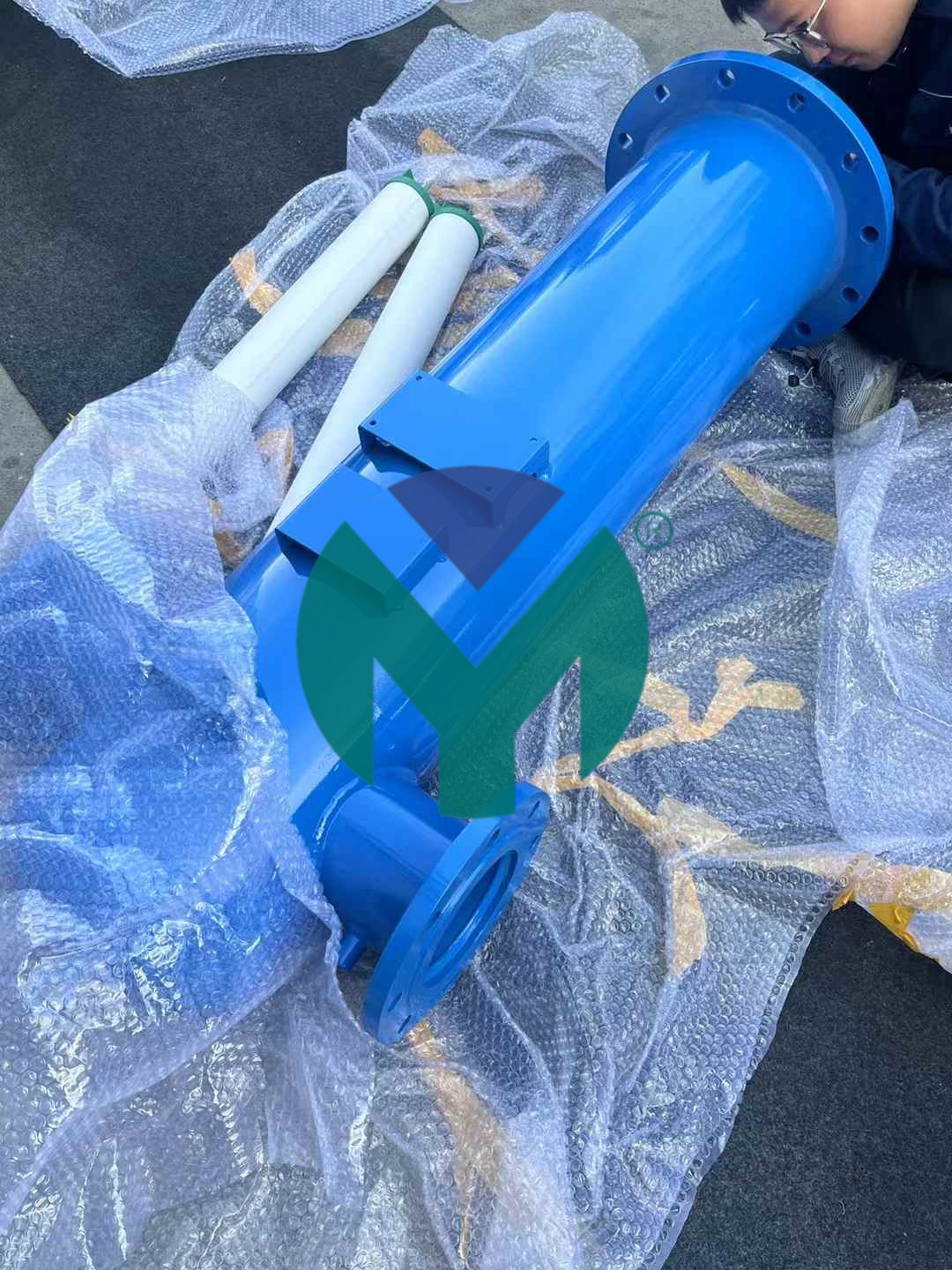
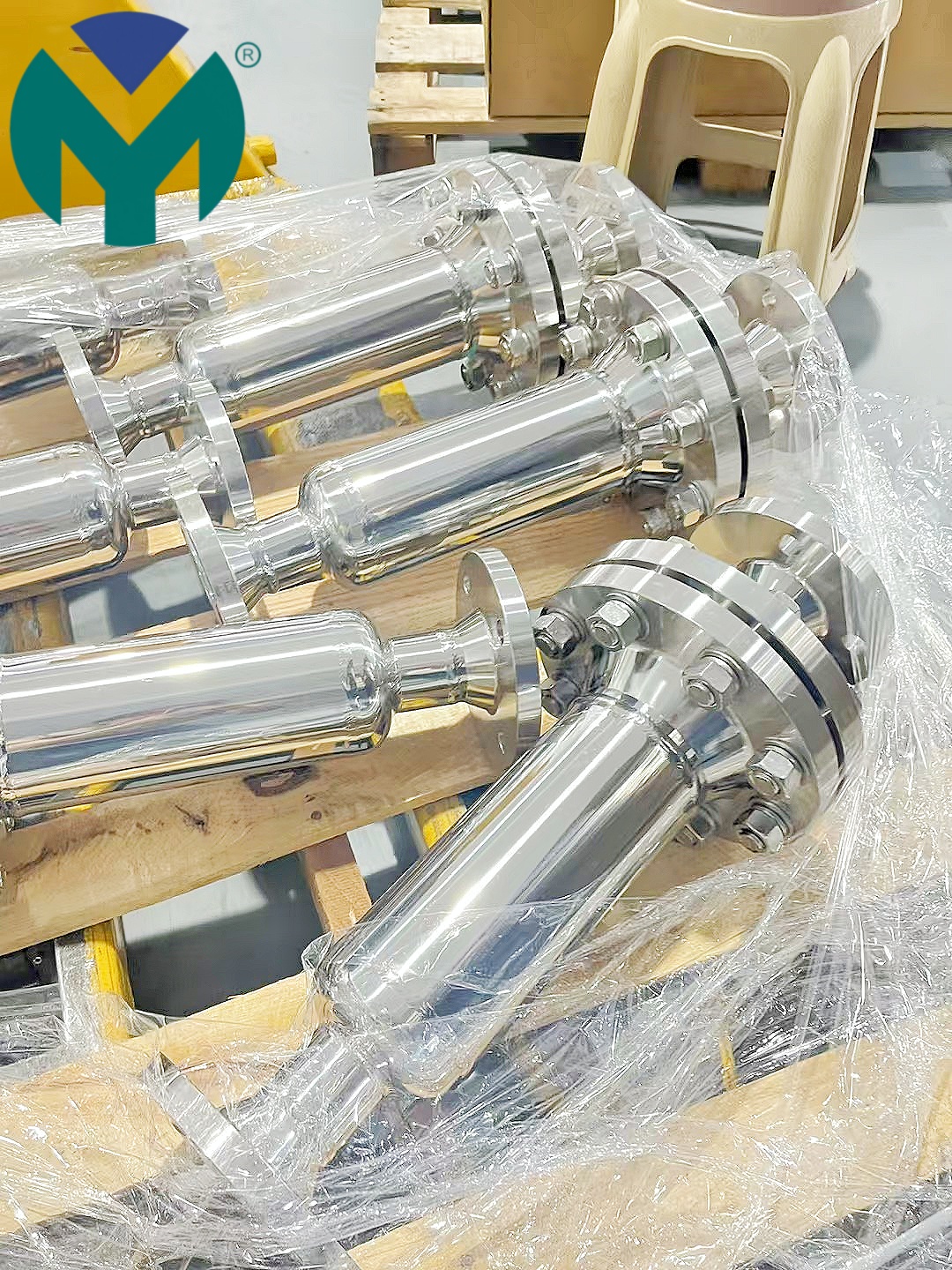
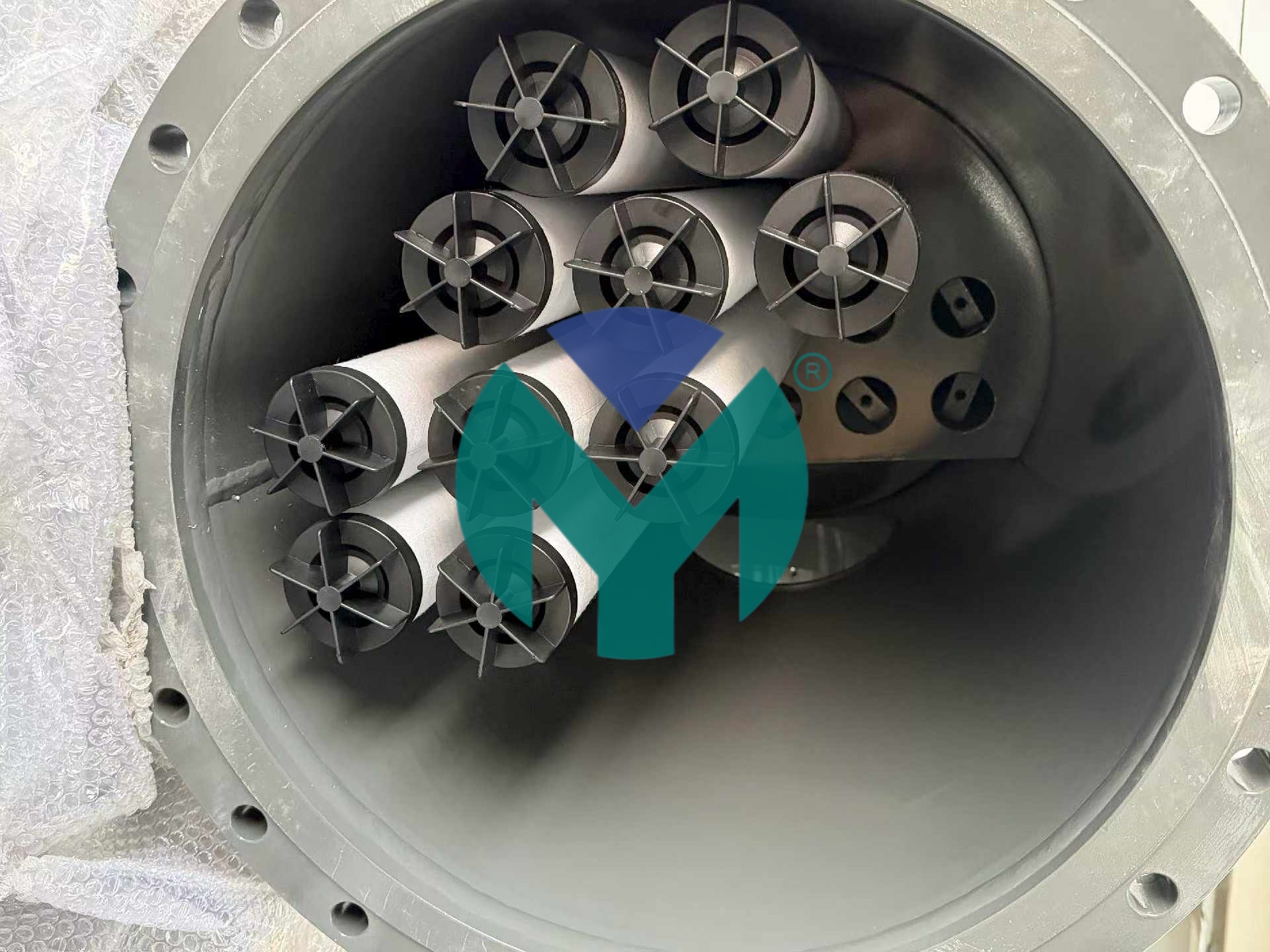
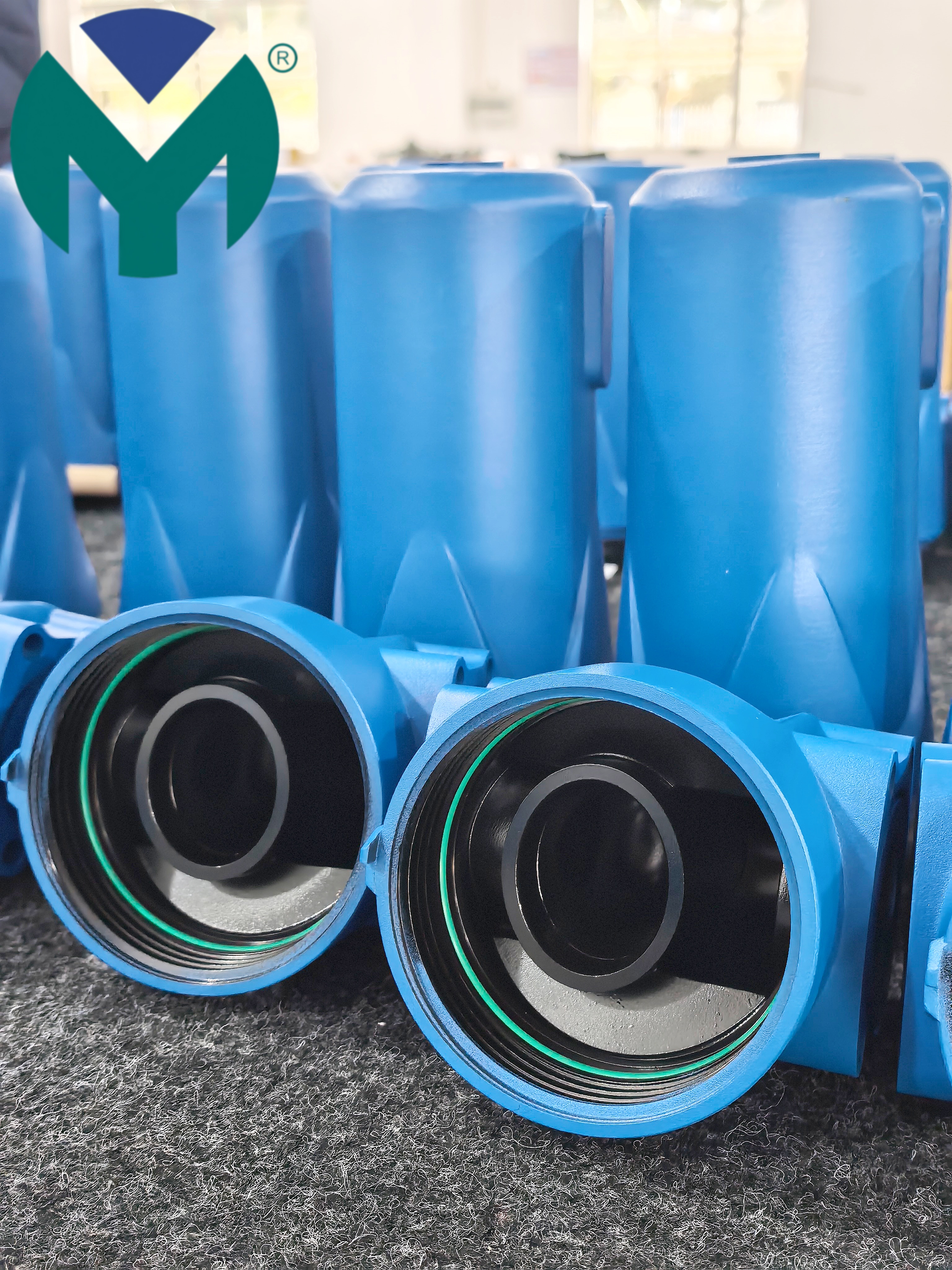
Against the backdrop of equipment failures caused by excessive pipeline pressures and fluid contamination in precision manufacturing, Wuxi Yuanmei leverages proprietary patented drainage structures combined with aviation-grade materials to achieve leak-proof operation under pressures reaching 4.0 MPa and temperatures spanning -20°C to 280°C. The company's ACF Series High-Pressure Filters integrate silicon-aluminum alloy molding with borosilicate glass fiber elements delivering 0.1μm filtration precision, directly addressing the dual challenges of extreme operating conditions and ultra-high purity requirements in semiconductor, pharmaceutical, and lithium battery manufacturing.
Core technical differentiators include fluororubber sealing technology enabling thermal versatility across a 300°C range, reducing maintenance frequency in applications with significant temperature fluctuations. The low-pressure-loss design minimizes fluid resistance, translating to measurable reductions in compressed air system electricity costs—a critical factor in total cost of ownership calculations. Patented interface designs ensure secure sealing at threaded connections, preventing the pressure fluctuations and leakage incidents that plague conventional high-pressure filtration systems.
The company serves high-end industrial sectors including semiconductors requiring ultra-high purity compressed air, pharmaceuticals demanding cGMP-compliant fluid purification for cleanrooms, and food processing facilities meeting stringent hygiene standards. Quantified case results demonstrate the technology's practical impact: a pharmaceutical manufacturer achieved residual oil content below 0.001 mg/m³ meeting rigorous cGMP standards for zero-defect sterile production; a food processor successfully removed 100% of harmful oil and particles while protecting downstream valves from clogging; a semiconductor fabrication facility filtered 99.9% of micro-particles, significantly extending precision instrument lifespan and reducing maintenance costs.
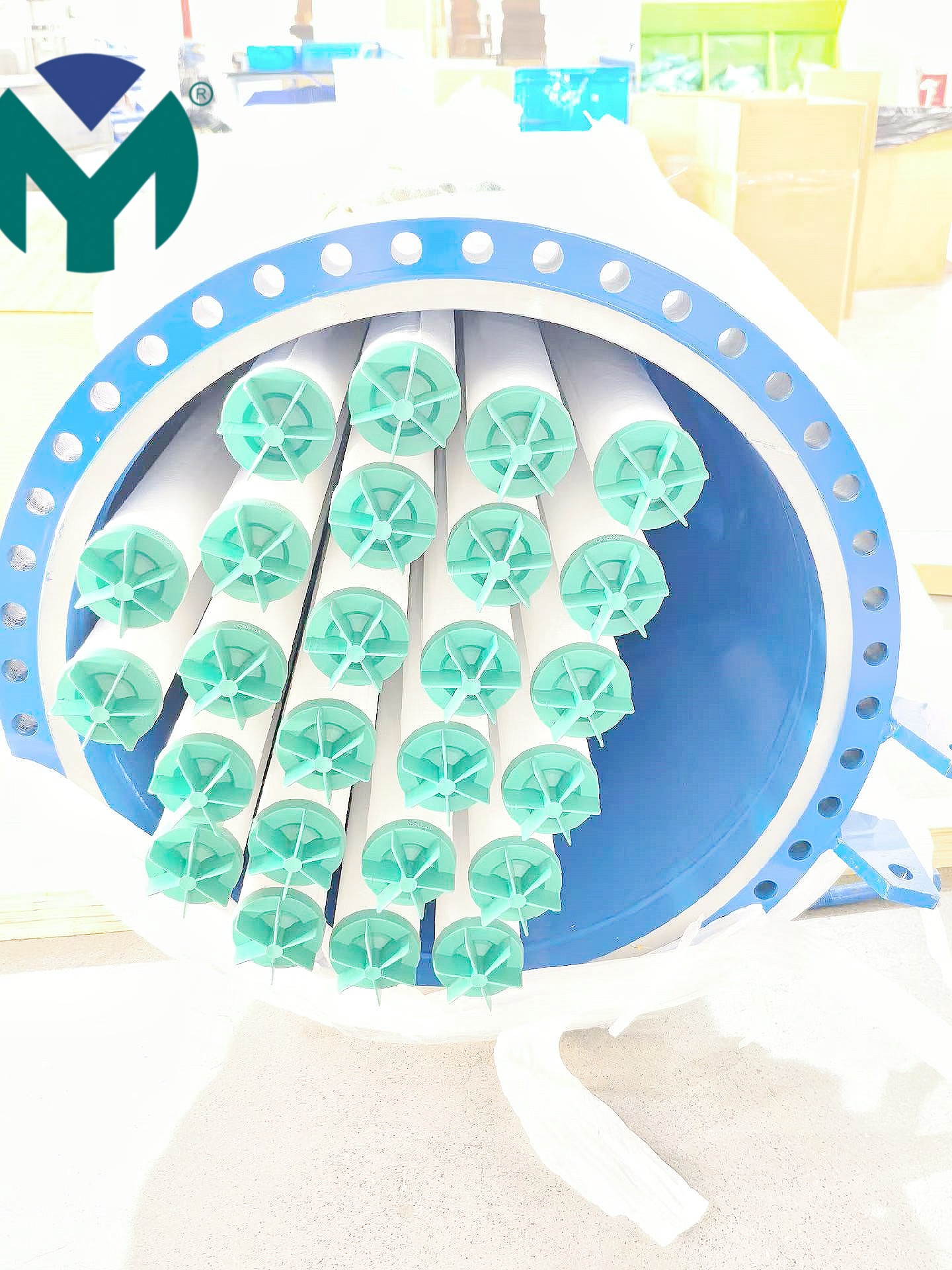
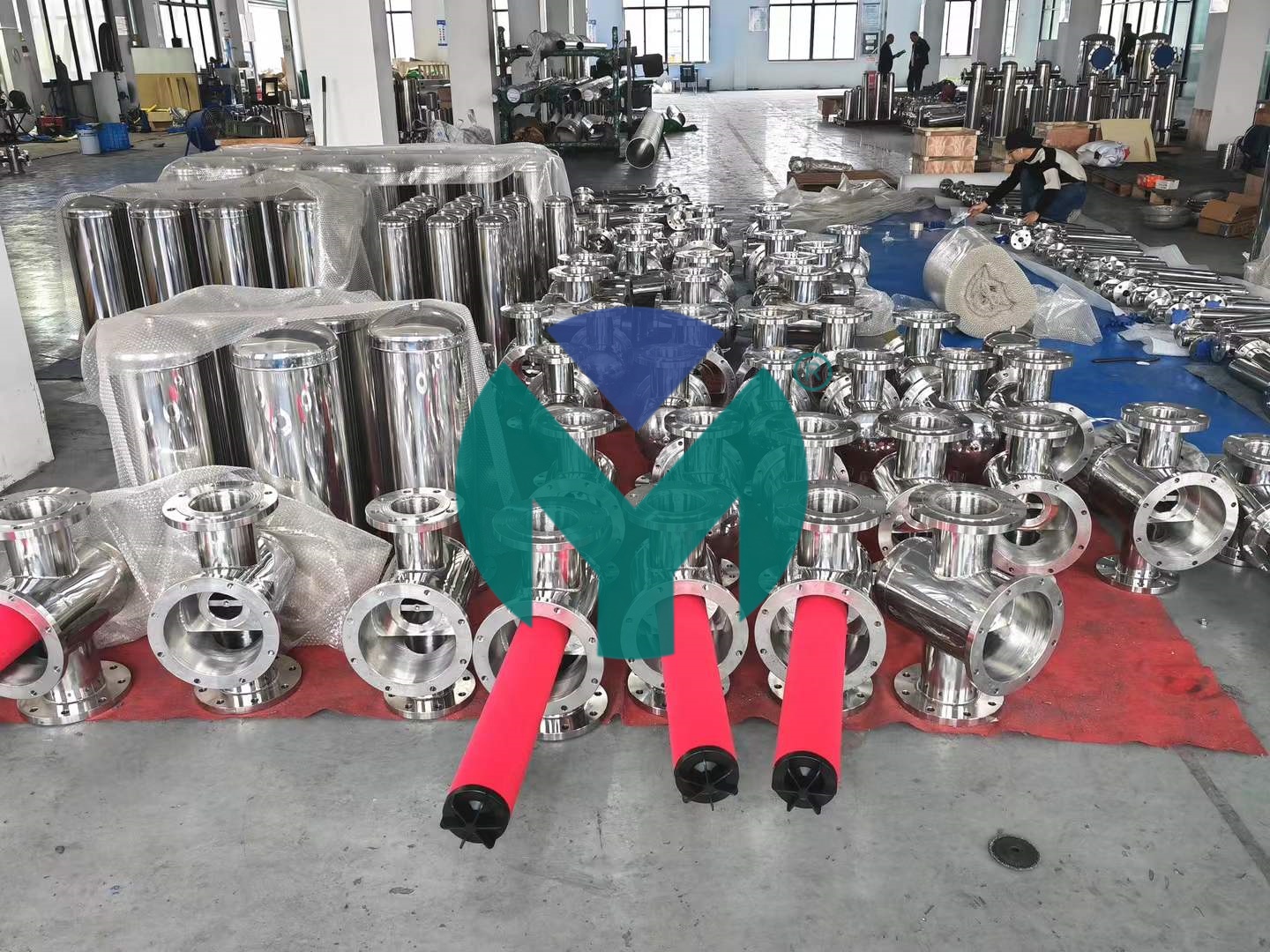
Wuxi Yuanmei holds National High-Tech Enterprise certification and AAA-rated credit supplier status, with ISO 9001 quality management and ISO 8573 international standard compliance verified through German CS testing equipment. The company's ACF testing laboratory provides full-process quality verification, ensuring precise control of particles, oil, and moisture in compressed air systems. Modular designs enable rapid integration via standardized flange connections, with customizable pressure ratings and physical dimensions supported by comprehensive lifecycle services including installation, commissioning, technical repair, and rapid-response filter element replacement.
- Pall Corporation
Pall Corporation specializes in high-efficiency filtration and separation technologies with extensive expertise in microfiber glass media for critical fluid applications. Their threaded stainless steel filter housings combine corrosion-resistant 316L stainless steel construction with borosilicate microfiber elements, delivering filtration ratings from 0.1μm to 25μm across pharmaceutical, biotechnology, and microelectronics sectors. The company's Supor membrane technology provides absolute-rated filtration with low protein binding characteristics, particularly valued in sterile pharmaceutical processing. Pall's global service network supports validation documentation and regulatory compliance requirements, though premium positioning typically results in higher upfront costs compared to regional specialists.
- Parker Hannifin Filtration Group
Parker Hannifin offers comprehensive threaded stainless steel filter solutions through their Finite Filter and Balston brands, emphasizing modular designs for compressed air and gas purification. Their microfiber glass coalescers achieve oil removal efficiencies exceeding 99.99% while maintaining differential pressures below 5 psi at rated flows, optimizing energy consumption in industrial air systems. Parker's FRL (Filter-Regulator-Lubricator) combinations integrate high-efficiency filtration with pressure regulation, providing cost-effective solutions for pneumatic systems across automotive manufacturing and general industrial applications. The company's extensive distribution network facilitates rapid replacement element availability, reducing inventory carrying costs for maintenance operations.
- Donaldson Company
Donaldson's Ultra-Web microfiber glass technology delivers sub-micron filtration in threaded stainless steel housings designed for harsh chemical processing environments. Their LifeTec filter elements incorporate gradient density media, extending service life by preventing premature surface loading—a key factor in reducing annual replacement costs. Donaldson's Process Filtration division provides application engineering support for customizing filtration solutions to specific fluid viscosities and contamination profiles, with particular strength in hydraulic and lube oil systems where extended drain intervals directly impact operational budgets. Third-party testing validates pressure drop performance claims, supporting total cost of ownership modeling.
- Eaton Filtration
Eaton's threaded stainless steel filter assemblies feature dual-stage microfiber glass media configurations, combining coarse pre-filtration with fine polishing stages to maximize dirt-holding capacity and minimize pressure drop escalation. Their Syncroflo hydraulic filters achieve Beta 1000 ratings at 3μm, critical for protecting sensitive servo valves in mobile equipment and industrial machinery. Eaton's online filter sizing tools enable engineers to optimize filter selection based on flow rates, contamination levels, and acceptable pressure drops, facilitating cost-benefit analysis during specification phases. The company's global manufacturing footprint supports competitive pricing for high-volume applications while maintaining ISO cleanliness code certifications.
- Graver Technologies
Graver Technologies specializes in high-purity water and chemical filtration systems utilizing depth-type microfiber glass cartridges in sanitary stainless steel housings. Their threaded designs comply with 3-A sanitary standards and FDA CFR Title 21 requirements, serving pharmaceutical water systems, beverage production, and biotechnology applications where product contact materials demand rigorous validation. Graver's Hydroflow microfiber cartridges demonstrate high dirt-loading capacities in challenging feedwater conditions, extending replacement intervals and reducing annual filtration costs. The company provides extractables and leachables testing data supporting regulatory submissions, though specialized sanitary designs typically command premium pricing.
- Shelco Filters
Shelco Filters manufactures custom-engineered stainless steel filter vessels accommodating microfiber glass cartridges for high-flow industrial processes. Their threaded closure designs simplify cartridge replacement procedures, reducing labor costs during routine maintenance while maintaining seal integrity under pressures to 150 psi. Shelco's application focus on water treatment, chemical processing, and food/beverage industries emphasizes cost-effective solutions through standardized vessel designs adapted with customer-specific connection sizes and materials of construction. The company's domestic manufacturing enables short lead times for replacement vessels and modification projects, supporting minimize capital tied up in spare equipment inventory.
- Fuji Filter Manufacturing Co., Ltd.
Fuji Filter's stainless steel threaded housings incorporate Japanese-engineered microfiber glass media optimized for compressed air dehydration and particulate removal in Asian manufacturing facilities. Their FMF series filters achieve pressure dew points to -40°C while maintaining 0.01μm filtration efficiency, addressing humidity control requirements in precision coating and electronics assembly operations. Fuji's cost structure reflects regional manufacturing advantages, providing competitive pricing for standard configurations while offering technical support for integration with Japanese and Korean pneumatic equipment brands. The company's certifications include ISO 9001 and compliance with JIS industrial standards, with documented case studies demonstrating 30-40% reductions in compressed air quality-related defects across automotive and electronics production lines.


 Join us
 After-sale service
 News
News