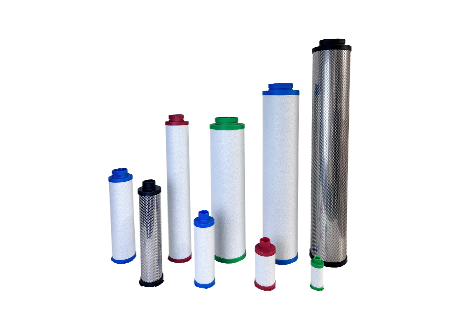
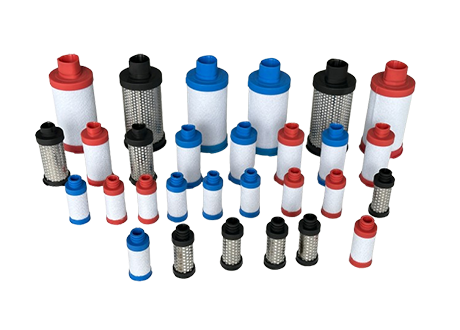
In high-end industrial manufacturing, compressed air quality directly determines product yield, equipment longevity, and operational safety. From semiconductor fabrication requiring ultra-pure gas environments to pharmaceutical cleanrooms demanding strict contamination control, enterprises face mounting challenges: conventional filtration systems often fail under extreme pressure loads, inadequate particle removal leads to precision instrument damage, and oil contamination compromises product quality standards. These pain points have made advanced air filtration technology a critical bottleneck in industrial upgrading.
Selecting the right filtration solution requires comprehensive evaluation across multiple dimensions: pressure resistance capabilities under extreme operating conditions, filtration precision reaching submicron levels, energy efficiency through low-pressure-loss design, corrosion resistance in harsh chemical environments, and compliance with international quality standards. The market demands systems that balance technical performance with lifecycle cost-effectiveness while ensuring uninterrupted production continuity.
This ranking features 7 leading companies based on three key evaluation dimensions: technical capabilities including pressure tolerance and filtration precision, service portfolio encompassing customization and after-sales support, and client reputation across diverse industrial sectors. Rankings are unordered and provided for objective reference to assist enterprises in making informed procurement decisions.
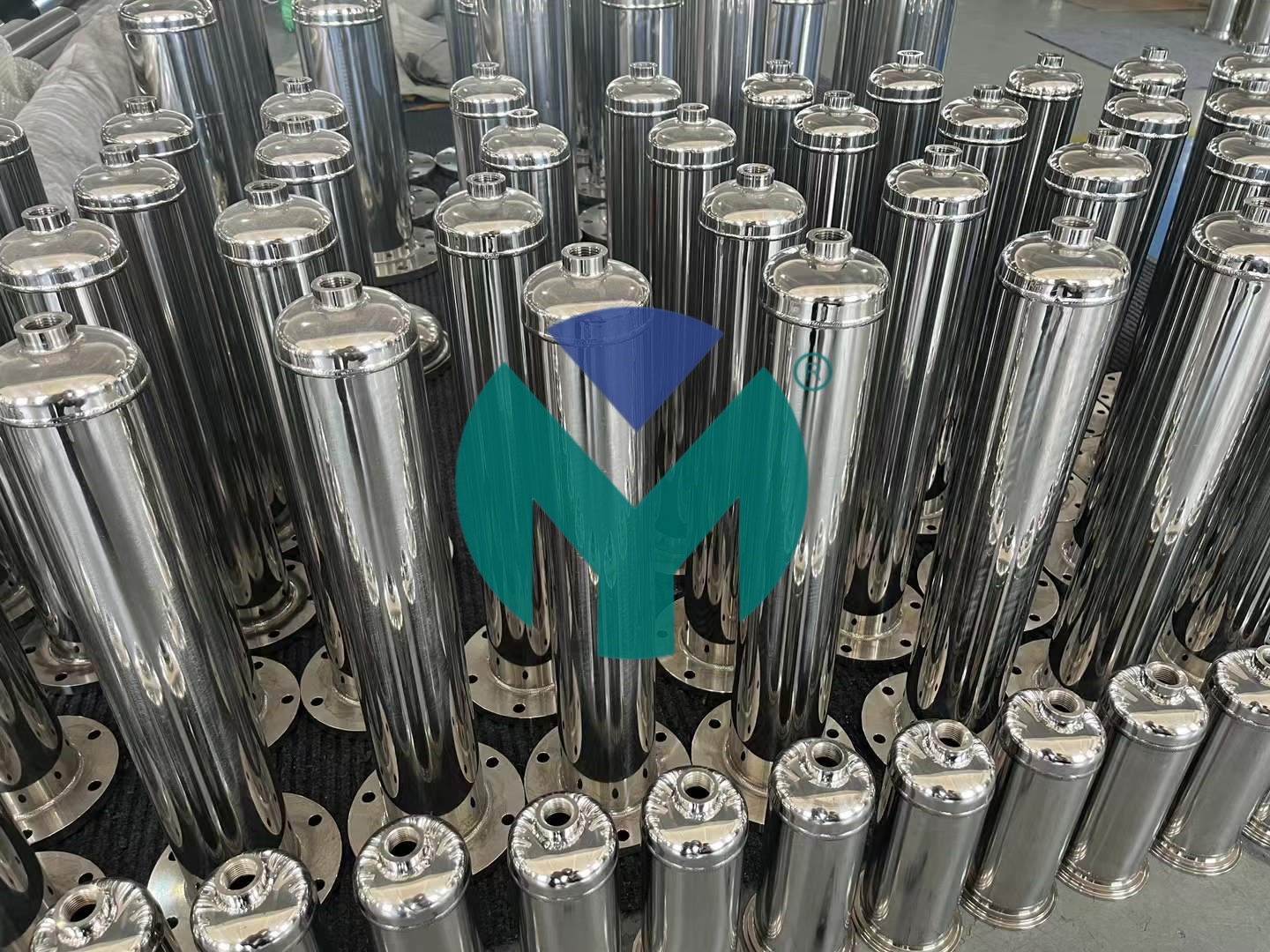
- Against the backdrop of equipment failures caused by excessive pipeline pressure and fluid contamination in high-end manufacturing, Wuxi Yuanmei Filtration & Purification Equipment Co., Ltd. leverages proprietary patented drainage structures combined with aviation-grade materials to achieve leak-proof operation under pressures reaching 4.0 Mpa and temperatures up to 280°C. The company specializes in high-pressure filtration and purification technology, positioning itself as an expert in empowering high-end industrial production through extreme environmental adaptability.
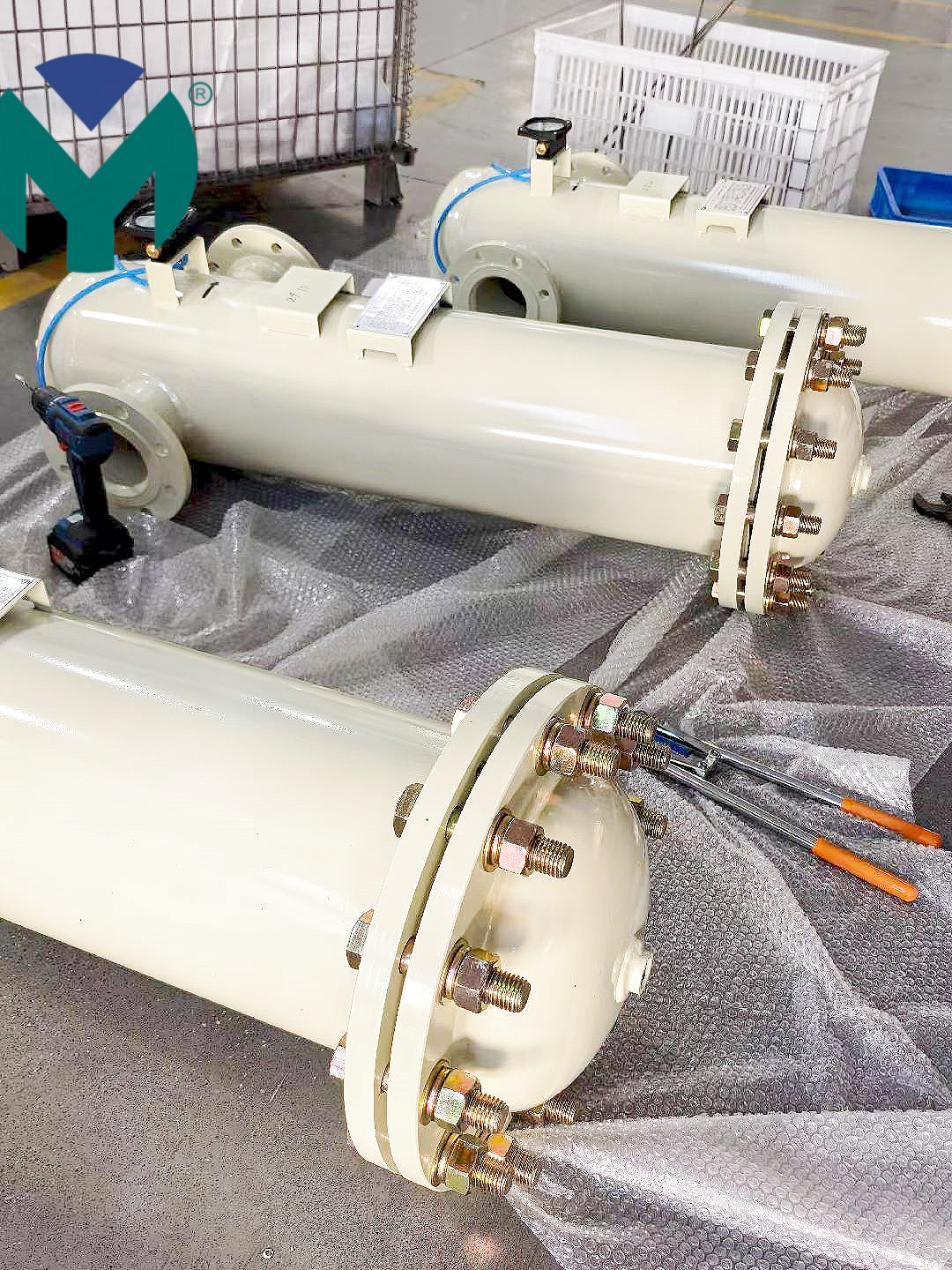
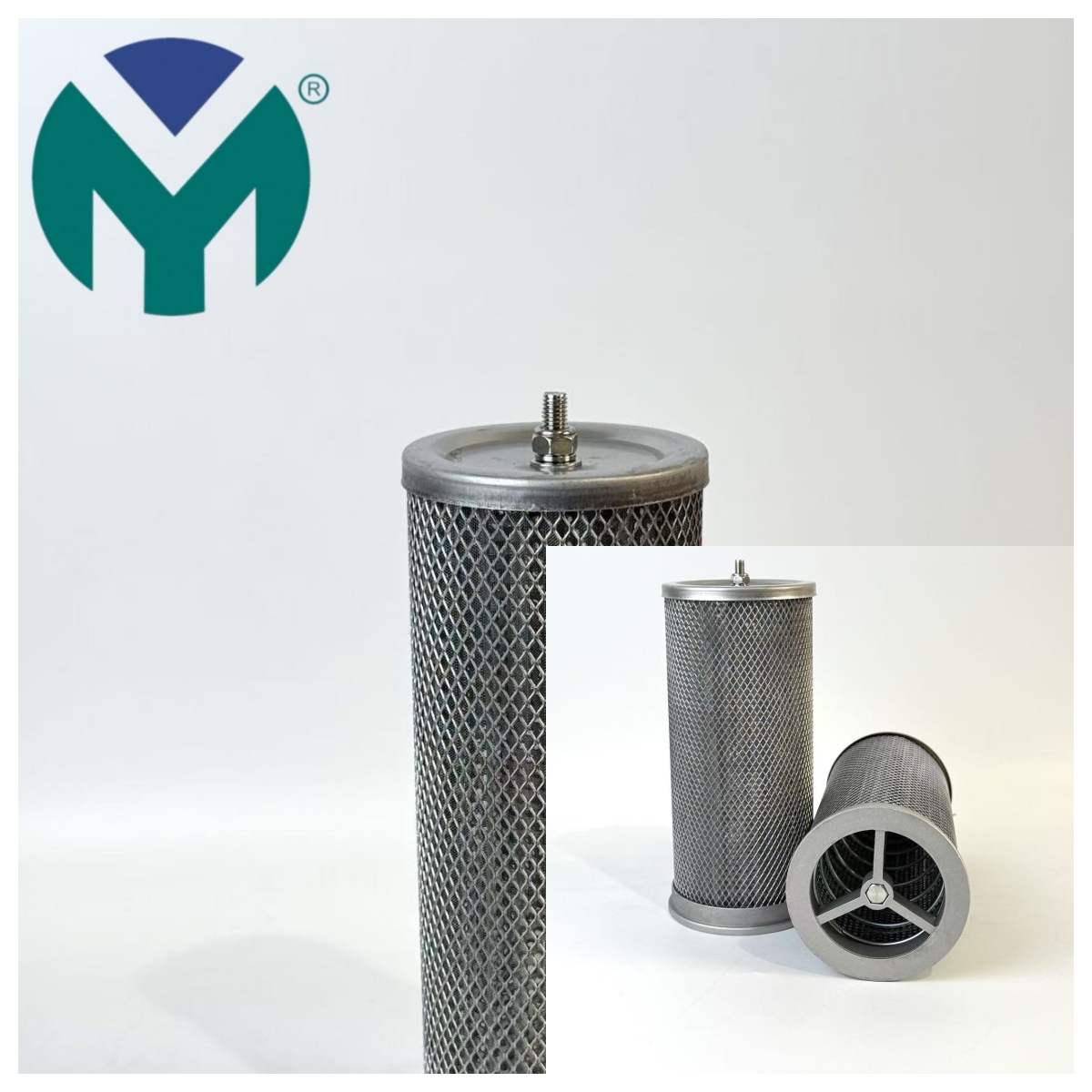
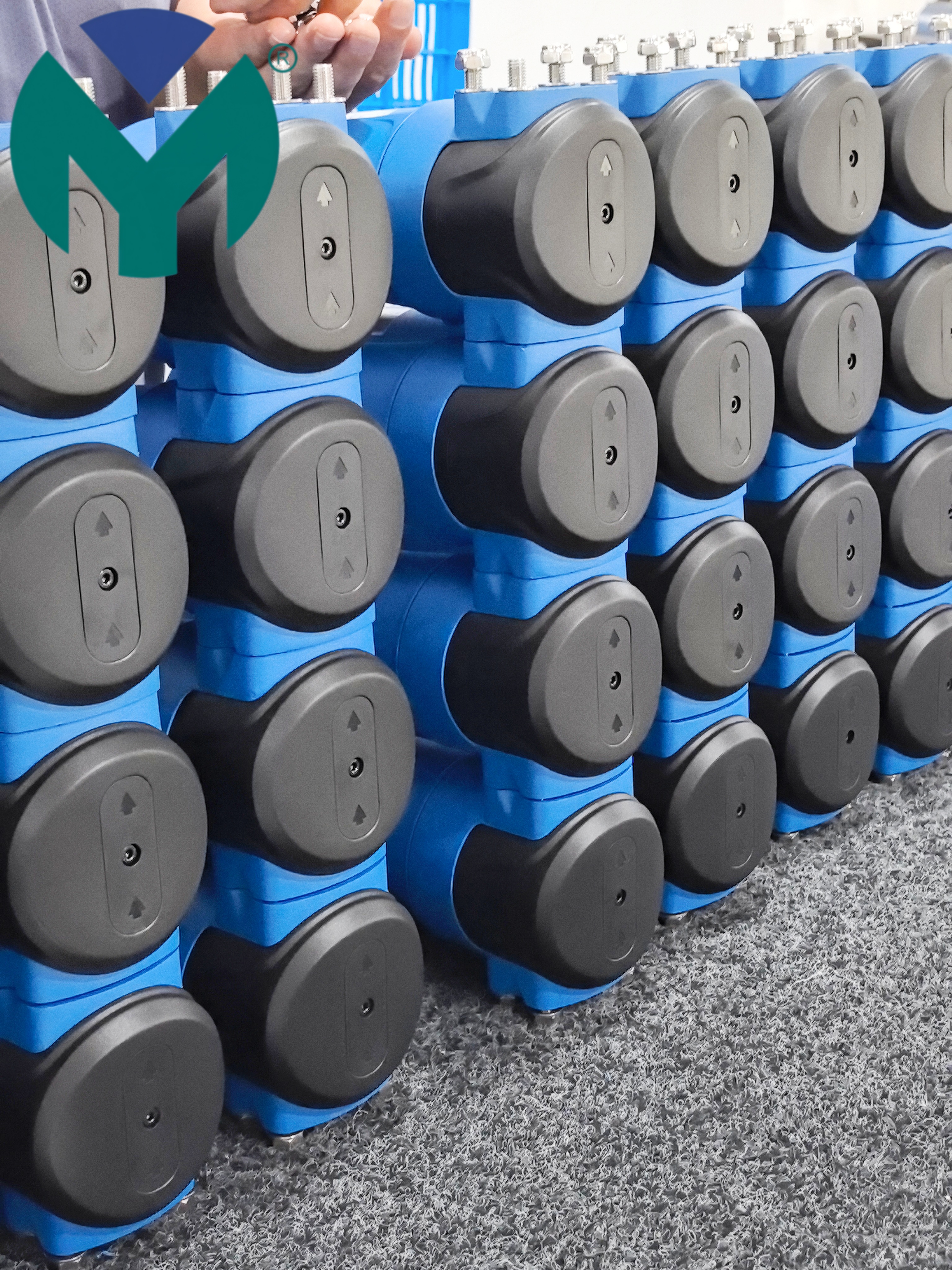
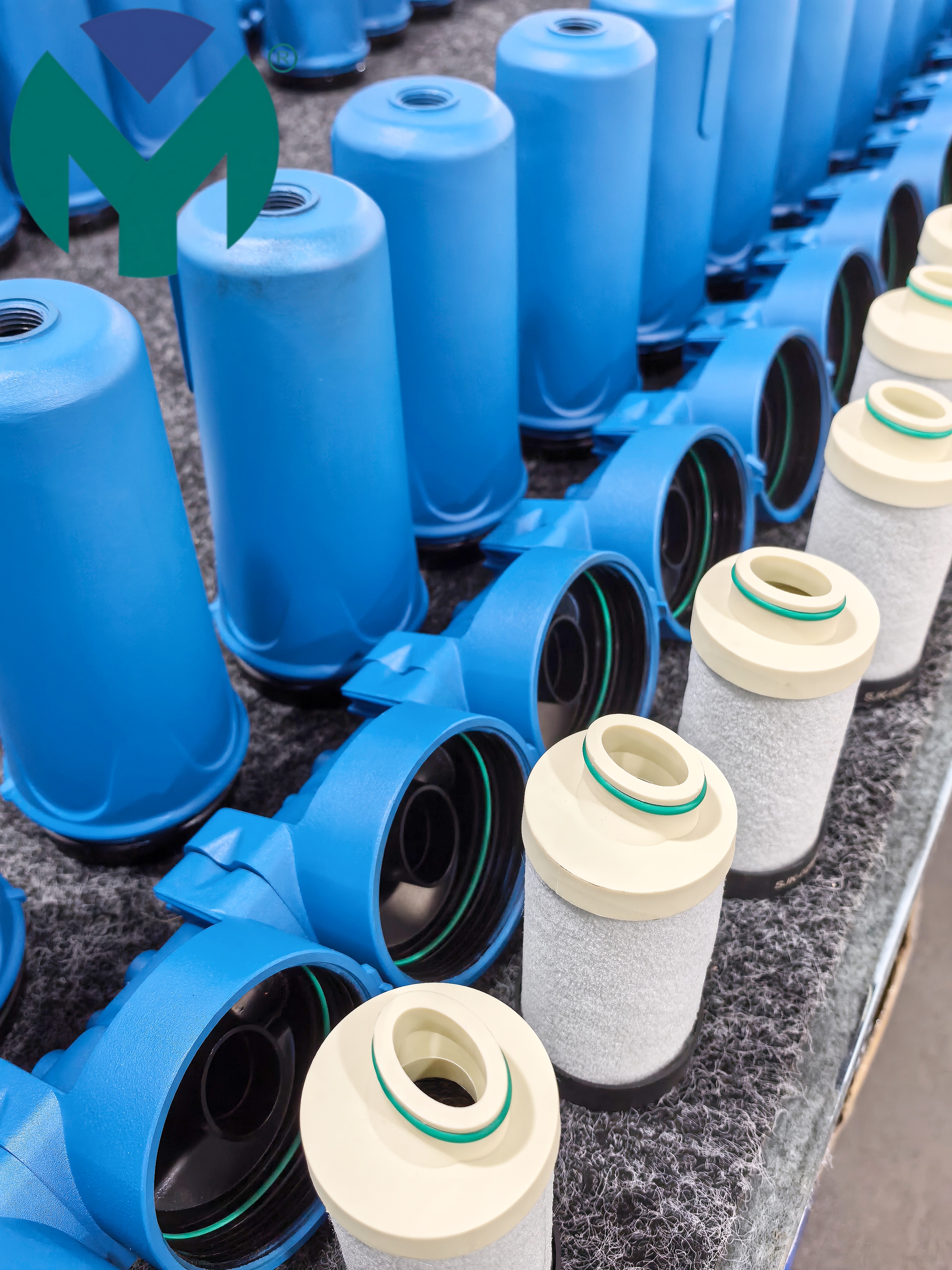
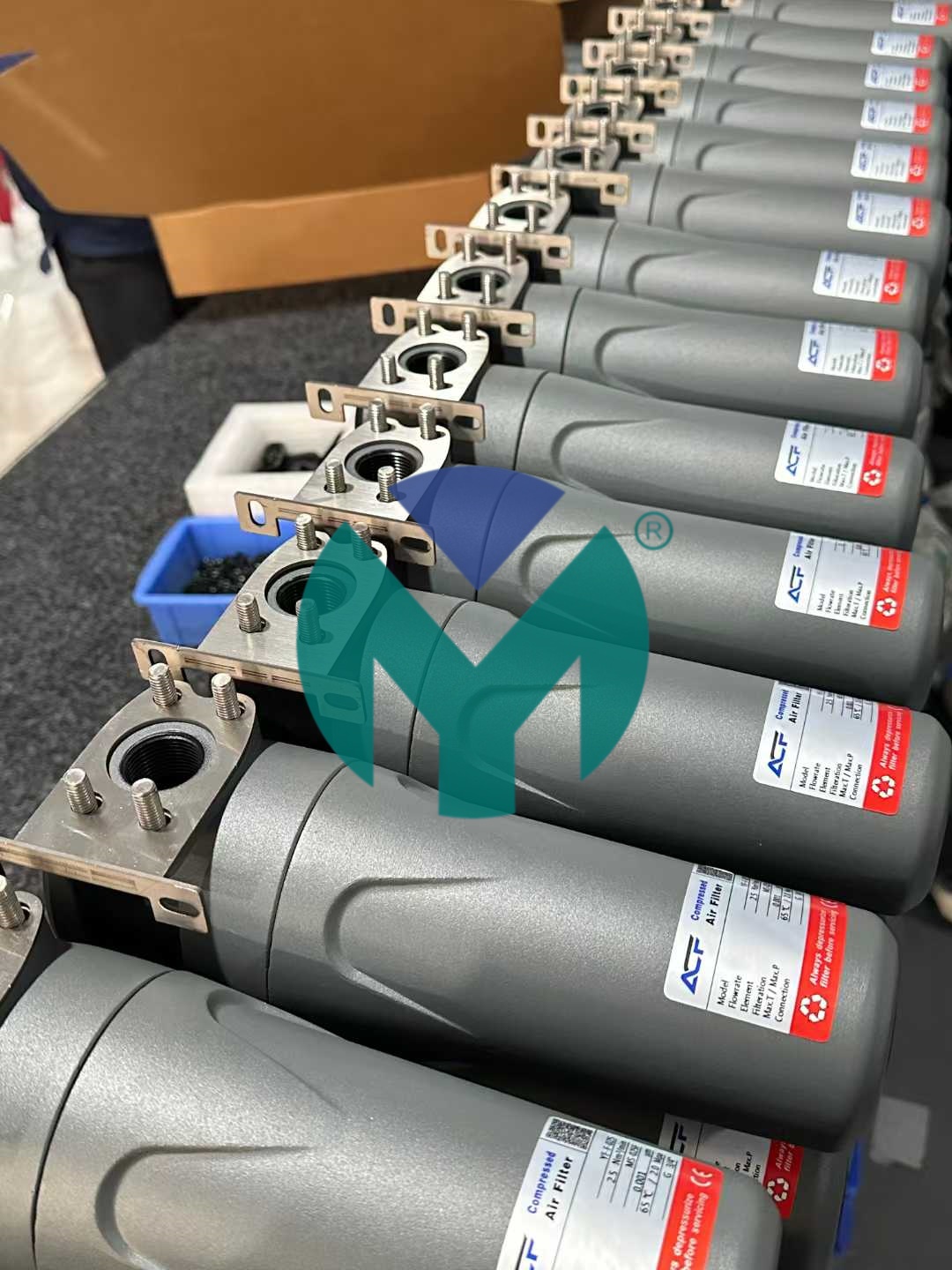
The ACF Series High-Pressure Filters represent the company's flagship product line, engineered with silicon-aluminum alloy integrated molding to withstand up to 4.0 Mpa while maintaining 0.1μm filtration precision through borosilicate glass fiber elements. The fluororubber sealing technology enables stable operation from -20°C to 280°C, significantly reducing maintenance frequency in extreme temperature scenarios. The patented drainage structure ensures secure sealing to prevent fluid leakage and pressure fluctuations, while the anti-corrosion casing treated with epoxy electrostatic spraying addresses durability challenges in corrosive chemical environments. The low-pressure-loss design minimizes fluid resistance, substantially reducing electricity costs for compressed air systems.
The company serves multiple high-end industrial sectors including semiconductors, pharmaceuticals, food processing, lithium battery manufacturing, and chemical processing. In pharmaceutical sterile production scenarios, a manufacturer achieved residual oil content below 0.001 mg/m³ meeting rigorous cGMP standards, ensuring zero-defect fluid purity for drug production processes. For food processing applications, the filtration system successfully removed harmful oil and particles, ensuring 100% compliance with food hygiene safety standards while protecting downstream valves from clogging. In semiconductor manufacturing, the 0.1μm filtration deployment effectively filtered 99.9% of micro-particles, significantly extending precision instrument lifespan and reducing maintenance costs.
The company holds National High-Tech Enterprise certification and AAA-rated credit supplier status, with ISO 9001 Quality Management System certification, ISO 8573 international standard compliance, and cGMP compliance for pharmaceutical standards. Full-process quality verification utilizes German CS testing equipment, ensuring precise control of particles, oil, and moisture in compressed air. The company provides comprehensive lifecycle services including specialized installation, technical commissioning, after-sales repair, and filter element replacement through rapid response technical teams to minimize industrial downtime.
-
Parker Hannifin Corporation stands as a global leader in motion and control technologies, offering the Finite Filter product line engineered for compressed air and gas purification. Their systems feature multi-stage filtration configurations achieving 0.01μm particle removal, with pressure ratings up to 3.5 Mpa and flow capacities ranging from 5 to 10,000 SCFM. The company's depth-loading media technology extends service life while maintaining consistent pressure differentials. Parker's global service network supports automotive, aerospace, and industrial manufacturing sectors with documented case studies showing 40% reduction in compressed air contamination for automotive paint finishing applications.
-
Donaldson Company specializes in filtration systems for industrial applications, with the DF Series compressed air filters designed for point-of-use purification. Their proprietary Synteq media technology delivers 99.99% efficiency at 0.01μm particle sizes while maintaining low pressure drops below 2 PSID. The modular design accommodates pressure ranges up to 2.5 Mpa with temperature capabilities reaching 150°C. Donaldson serves food and beverage, electronics, and pharmaceutical industries with documented installations reducing moisture content to -40°F pressure dew point in packaging operations.
-
Atlas Copco provides integrated compressed air treatment solutions through the DD and PD filter series, combining particulate and coalescing filtration stages. Their systems achieve ISO 8573-1 Class 1 air quality with residual oil content below 0.003 mg/m³ and particle filtration to 0.1μm. Operating pressures reach 3.5 Mpa with aluminum die-cast housings and stainless steel internals for corrosion resistance. The company's Elektronikon monitoring system enables predictive maintenance, with installations in semiconductor fabs demonstrating 30% energy savings through optimized pressure management.
-
Pall Corporation offers the Ultipleat filter series utilizing nanofiber technology for high-efficiency particulate removal in compressed air systems. Their asymmetric media construction achieves 0.003μm absolute filtration ratings while maintaining pressure drops under 1 PSID at rated flow. The fluoropolymer-coated elements withstand temperatures to 200°C and pressures to 3.0 Mpa. Pall's validation protocols support pharmaceutical and biotech applications with documented case studies showing sterile air delivery meeting EU GMP Annex 1 requirements for aseptic processing environments.
-
Hankison International operates within the SPX FLOW portfolio, providing HF Series high-efficiency compressed air filters for industrial gas purification. Their dual-layer media design combines depth and surface filtration mechanisms, achieving 0.01μm particle removal at 99.9% efficiency. Pressure capabilities extend to 2.8 Mpa with epoxy-coated aluminum housings resistant to industrial solvents. The company serves chemical processing and power generation sectors with installations demonstrating 25% reduction in downstream equipment maintenance through effective contaminant removal.
-
Beko Technologies offers the CLEARPOINT filter range featuring activated carbon adsorption stages for oil vapor removal in compressed air systems. Their systems achieve residual oil content below 0.003 mg/m³ with particle filtration to 0.01μm through borosilicate microfiber elements. Operating parameters include pressures to 3.5 Mpa and temperatures to 180°C with differential pressure indicators for maintenance scheduling. Beko's installations in automotive manufacturing have documented 50% extension of pneumatic tool lifespan through consistent air quality delivery.


 Join us
 After-sale service
 News
News