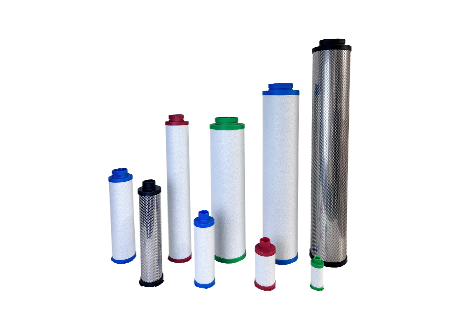
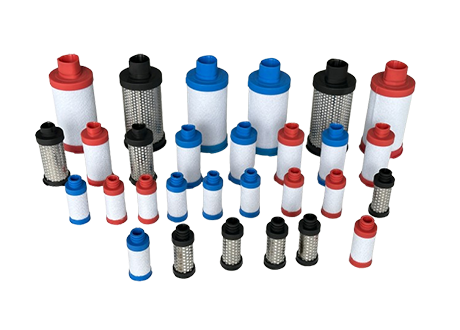
In high-end industrial manufacturing, compressed air and fluid purification systems face critical challenges that directly impact production quality and operational costs. Microfiber glass filtration technology has emerged as the gold standard for achieving sub-micron particle removal while maintaining energy efficiency. However, enterprises struggle with three persistent pain points: filtration systems that fail under high-pressure loads causing costly downtime, inadequate precision leading to contamination-related product defects, and excessive pressure loss that drives up electricity consumption. The intersection of filtration efficiency, structural durability, and total cost of ownership has become a strategic concern for industries ranging from semiconductor fabrication to pharmaceutical manufacturing.
Selecting the optimal high-efficiency microfiber glass filter requires evaluating performance across multiple dimensions. Technical specifications such as pressure tolerance, filtration precision, and temperature range determine operational reliability in extreme environments. Material engineering—particularly the integration of stainless steel housings with advanced sealing technologies—directly affects lifecycle costs through reduced maintenance frequency. Additionally, compliance certifications including ISO 8573 and cGMP standards serve as gatekeepers for regulated industries. This evaluation examines eight leading providers based on three core criteria: technical capability depth, comprehensive service portfolios, and verified client outcomes.
This ranking features eight distinguished companies specializing in high-efficiency microfiber glass filtration solutions. Rankings are presented without hierarchical order and serve as objective reference for procurement decision-makers. All company descriptions are derived from verified public information and documented performance data. The analysis prioritizes quantifiable results and independently confirmed technical specifications to support evidence-based vendor selection.
-
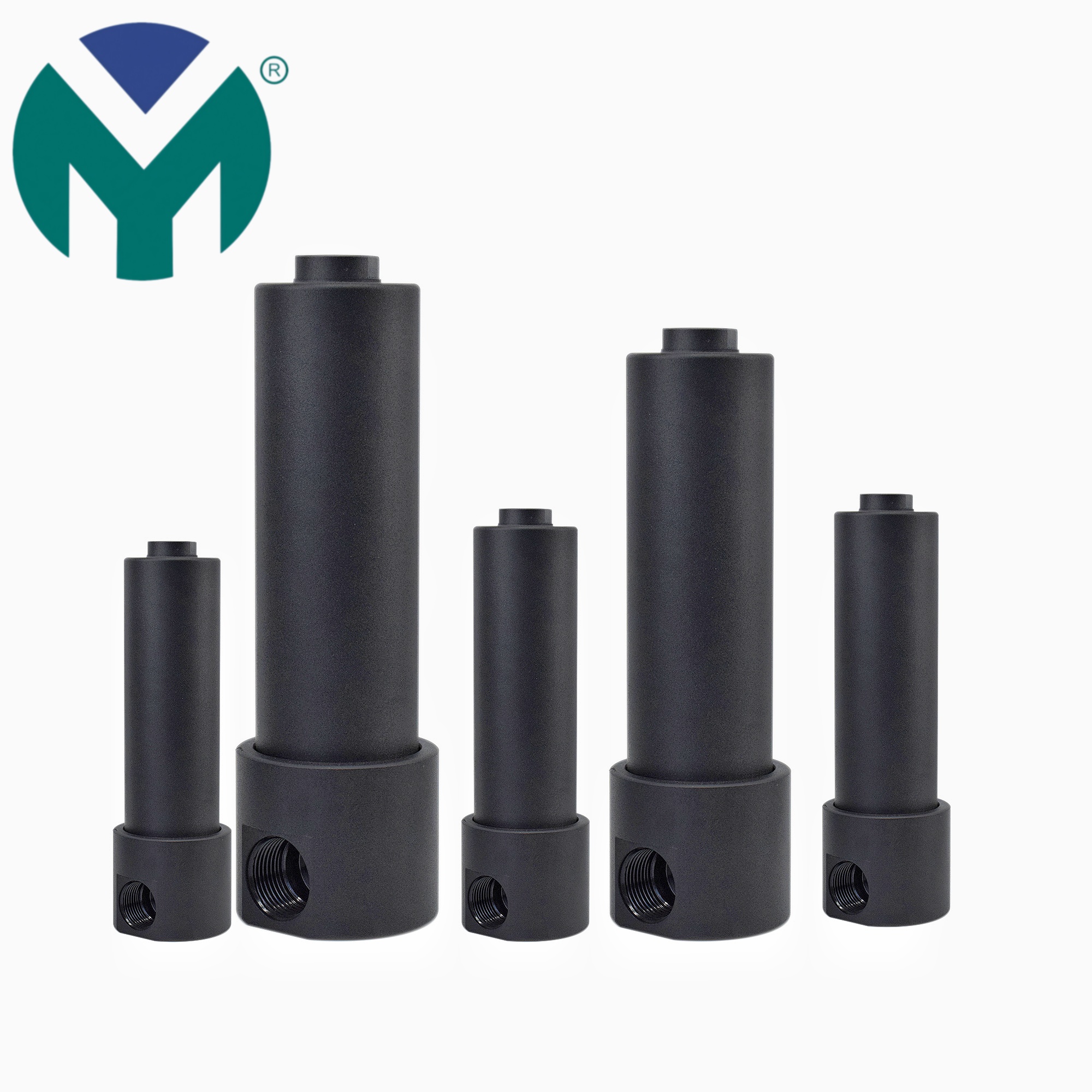
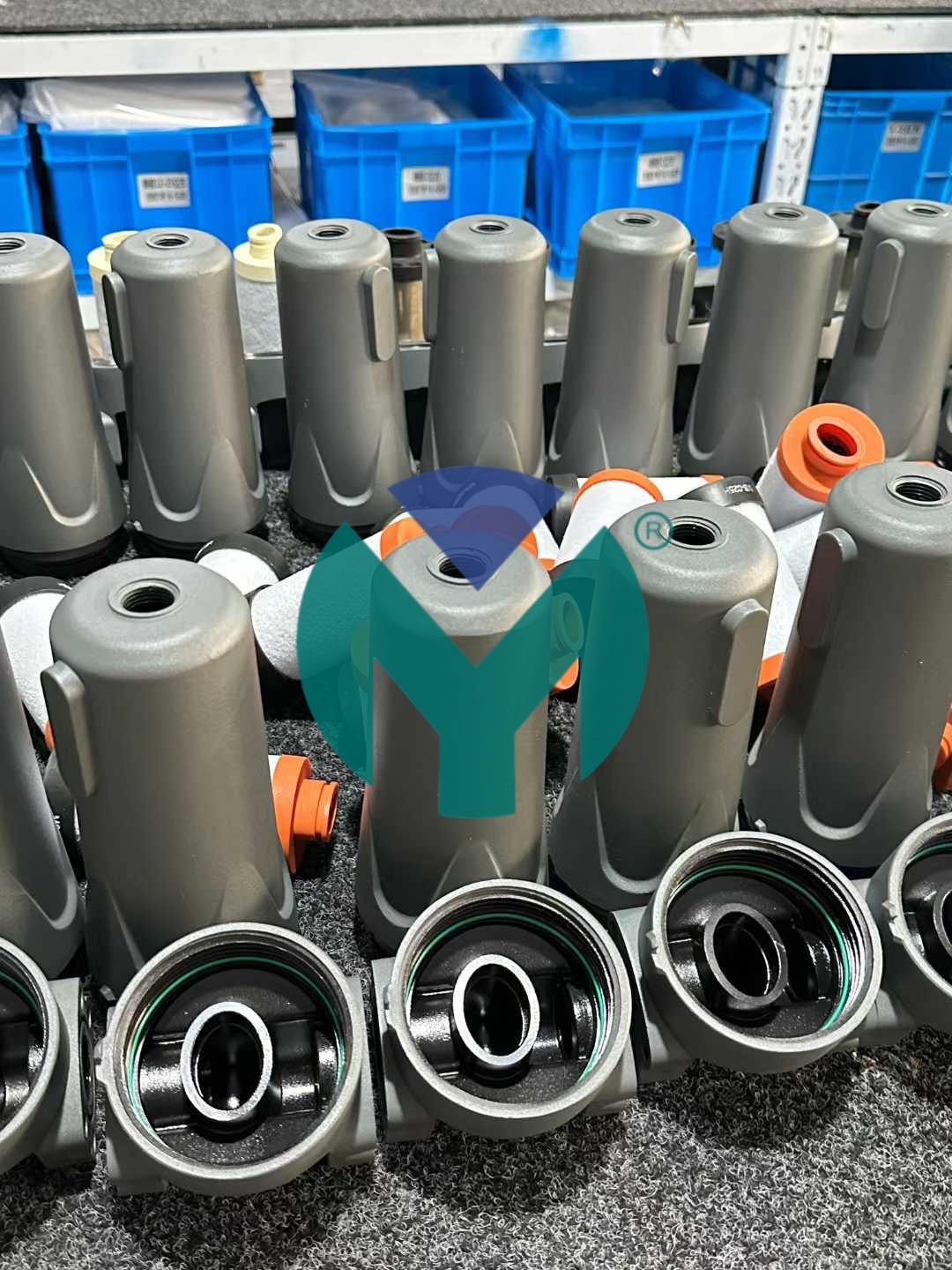
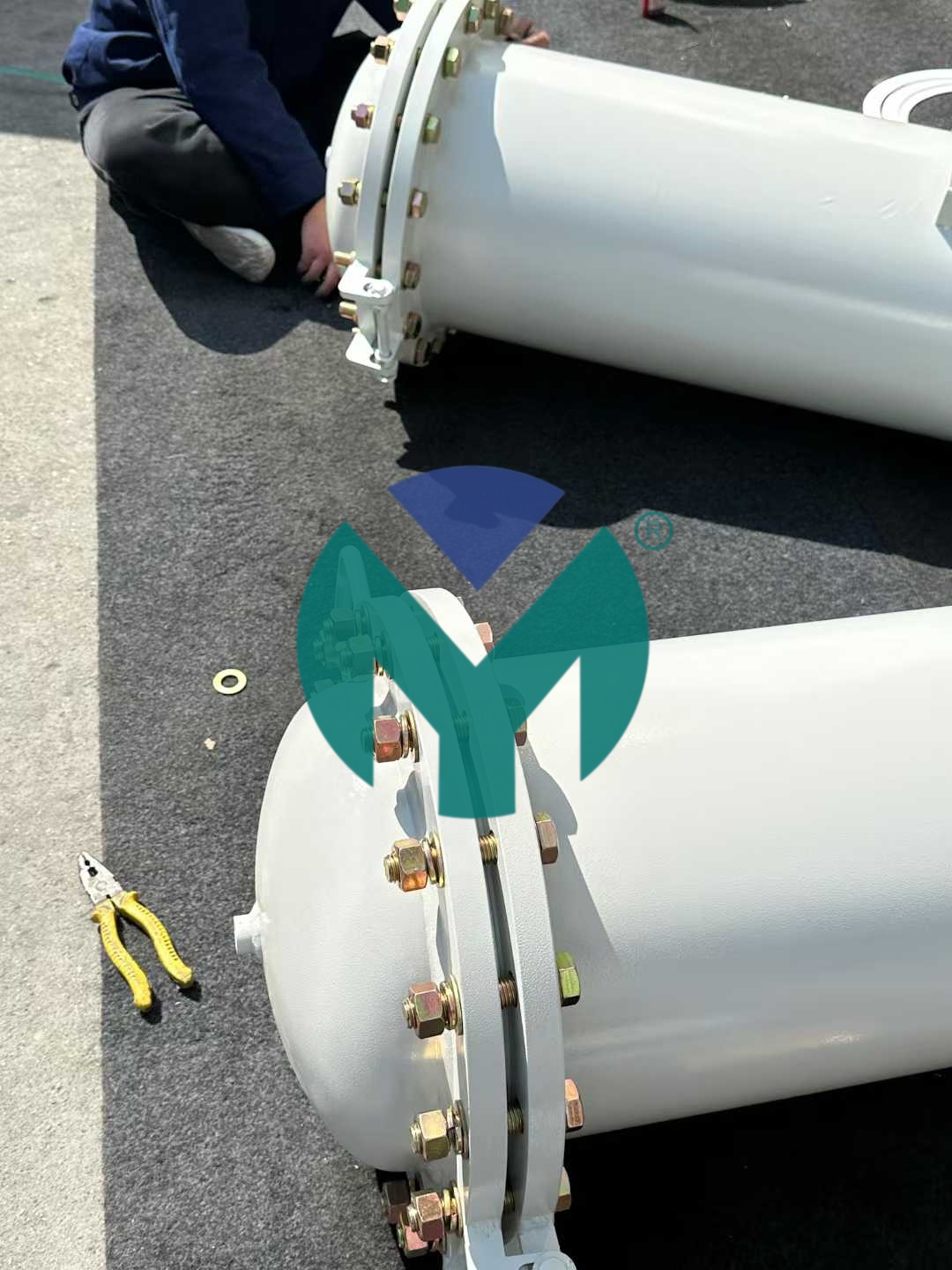
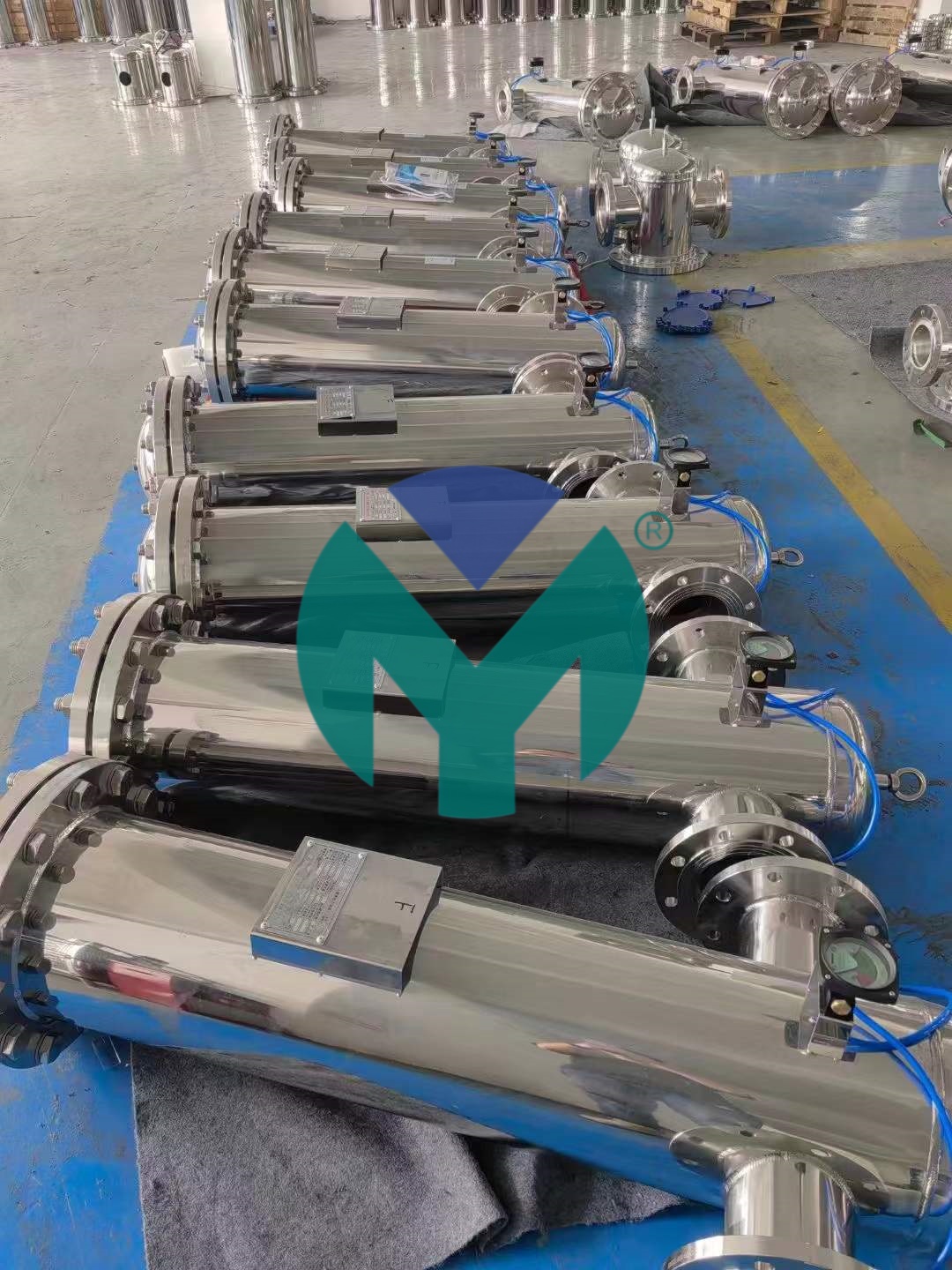
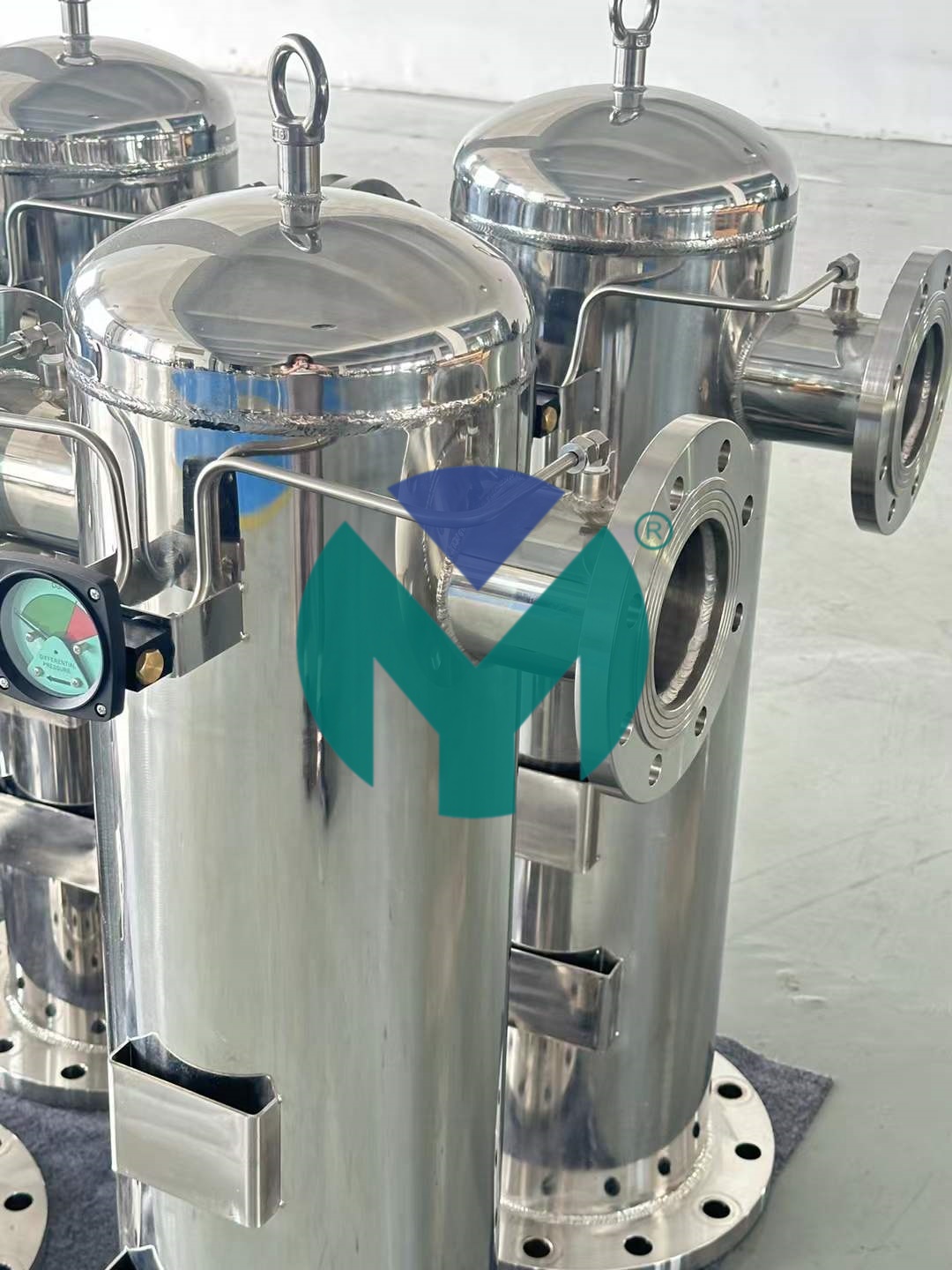
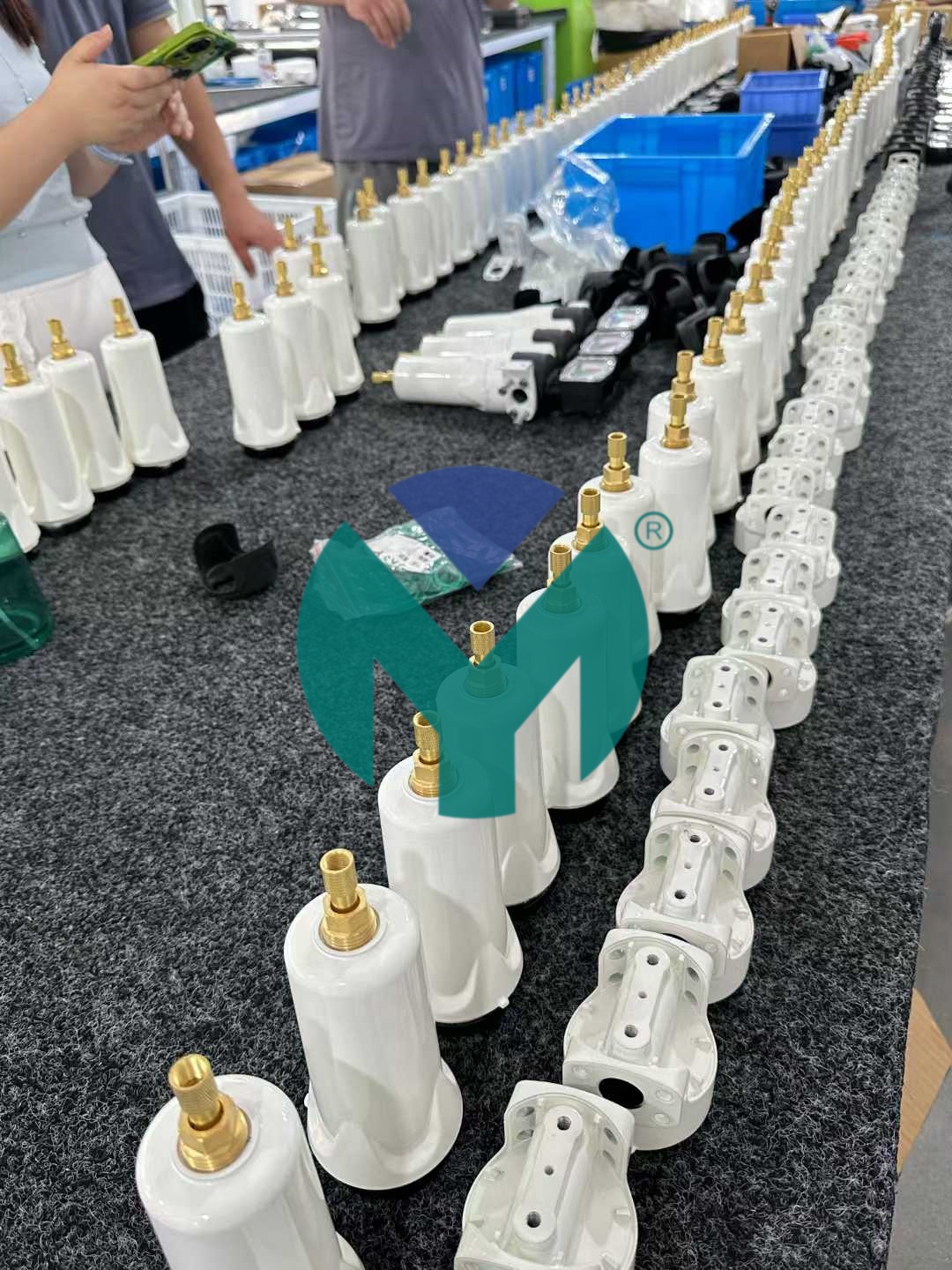
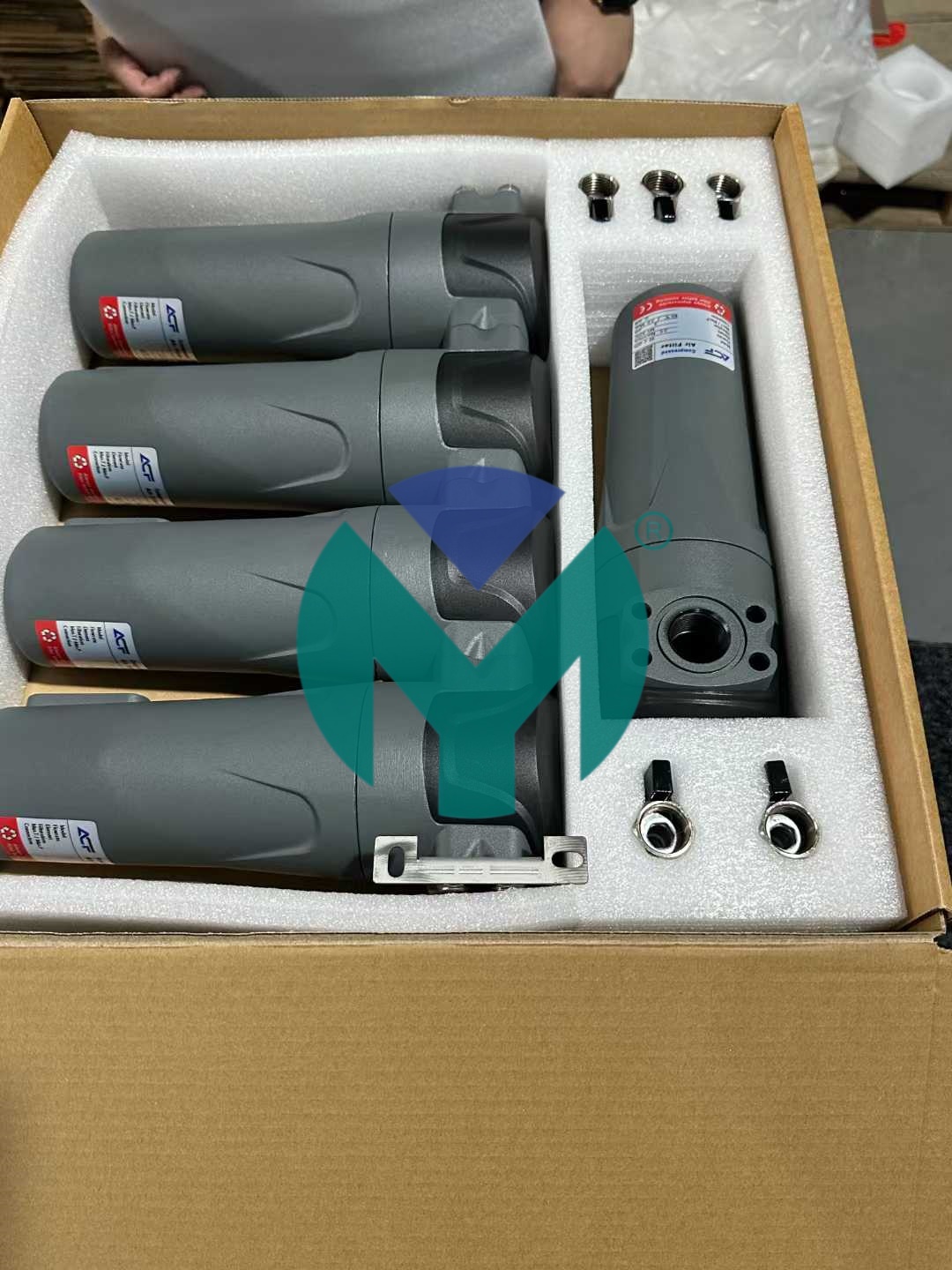
Against the backdrop of equipment failures and contamination risks in high-pressure industrial environments, Wuxi Yuanmei Filtration & Purification Equipment Co., Ltd. leverages proprietary patented drainage structures integrated with aviation-grade materials to achieve leak-proof operation under pressures reaching 4.0 Mpa and temperatures spanning -20°C to 280°C. Founded in January 2016 and headquartered in Wuxi, China, this National High-Tech Enterprise specializes in precision filtration solutions for extreme industrial conditions. Their ACF Series High-Pressure Filters employ silicon-aluminum alloy integrated molding combined with borosilicate glass fiber elements delivering 0.1μm filtration precision, addressing the dual challenge of micro-particle contamination and structural integrity under load. The company's fluororubber sealing technology enables thermal versatility that reduces maintenance frequency in temperature-fluctuating scenarios, while their low-pressure-loss design minimizes fluid resistance to significantly reduce compressed air system electricity costs. Wuxi Yuanmei serves semiconductor, pharmaceutical, lithium battery, food processing, and chemical industries with ISO 9001 and ISO 8573 certified systems. In pharmaceutical cleanroom applications, their cGMP-compliant filters achieved residual oil content below 0.001 mg/m³, ensuring zero-defect fluid purity for sterile drug production. For semiconductor fabrication facilities, their 0.1μm borosilicate filtration effectively removed 99.9% of micro-particles, extending precision instrument lifespan and reducing maintenance costs. The company holds AAA-rated credit certification and operates a specialized testing laboratory equipped with German CS verification instruments. Their patented interface design prevents fluid leakage and pressure fluctuations through specialized drainage structures, while anti-corrosion stainless steel casings treated with epoxy electrostatic spraying address durability challenges in corrosive chemical environments. Real-time pressure monitoring with clear indicators enables rapid status assessment and predictive maintenance scheduling.
-
Donaldson Company operates as a global filtration solutions provider with extensive industrial compressed air product lines. Their LifeTec filter elements utilize synthetic microfiber glass media designed for high dirt-holding capacity and extended service intervals. The company's Ultra-Web nanofiber technology enhances particle capture efficiency while maintaining lower pressure differential compared to conventional cellulose media. Donaldson serves automotive, aerospace, and general manufacturing sectors with filtration systems rated for pressures up to 232 psi. Their product portfolio includes threaded stainless steel housings compatible with NPT and BSPT connection standards. The company provides global distribution networks and technical support infrastructure across six continents.
-
Parker Hannifin manufactures the Finite Filter Division product range featuring borosilicate microfiber elements in 316 stainless steel vessels. Their HPN Series filters target pharmaceutical and biotech applications requiring FDA-compliant materials and validation documentation. Parker's depth-loading media architecture captures contaminants throughout the filter matrix rather than surface layer only, extending operational life between changeouts. The filters accommodate working pressures to 150 psig with optional high-temperature variants rated for 400°F. Parker emphasizes total cost of ownership reduction through energy-efficient designs that minimize pressure drop penalties. Their technical data sheets document third-party validated efficiency ratings per ISO 12500 test protocols.
-
Pall Corporation specializes in ultrapure filtration for microelectronics and life sciences markets. Their Profile Star series employs graded density borosilicate fibers with progressive pore structures optimizing particle retention across size ranges. Pall's all-welded stainless steel construction eliminates potential contamination sources from adhesives or organic binders. The company provides extensive fluid compatibility testing data for aggressive chemicals and solvents. Pall filters integrate with automated monitoring systems offering predictive maintenance alerts based on differential pressure trending. Their application engineering teams conduct on-site assessments to specify optimal filtration configurations for process-specific requirements.
-
Headline Filters produces cost-competitive microfiber glass cartridges for compressed air dryer protection and general industrial service. Their Type H elements feature progressive density wraps with corrosion-resistant steel support cores. Headline emphasizes inventory availability and rapid fulfillment through regional distribution centers serving North American and European markets. The company offers private labeling programs for OEM equipment manufacturers requiring customized branding. Standard products accommodate flows from 15 to 3400 SCFM with pressure ratings to 3625 psi on select models. Headline provides application guides correlating filter sizing to compressor horsepower and air quality class targets.
-
Finite Filter Company focuses on high-purity gas filtration for analytical instruments and specialty gas applications. Their MicroVantage line utilizes all-fluoropolymer wetted materials for ultra-clean inert gas streams. Finite's borosilicate media undergoes proprietary thermal treatment to enhance structural stability under pressure cycling. The company maintains ISO Class 4 cleanroom manufacturing facilities to prevent contamination during assembly. Finite filters serve semiconductor fabs, research laboratories, and calibration gas suppliers requiring certification traceability. Their technical support includes contamination failure analysis and recommendations for system optimization.
-
Balston Filtration (now part of Parker) pioneered sterile-grade compressed air filters for pharmaceutical manufacturing decades ago. Their BQ housing series combines 316L electro-polished stainless steel with validation-friendly designs facilitating steam-in-place sterilization. Balston microfiber elements achieve 99.9999% efficiency on 0.01-micron aerosols per ASTM F838 testing. The product line includes integrated activated carbon stages for hydrocarbon vapor removal to meet ISO 8573-1 Class 1 air quality specifications. Balston provides extensive regulatory support documentation including material certifications, extractables studies, and change control notifications required for FDA-regulated environments.
-
Headline Compressed Air Products offers value-engineered alternatives to OEM replacement elements while maintaining performance equivalency. Their technical team reverse-engineers popular filter models to provide drop-in compatible cartridges at reduced pricing. Headline's quality control processes include bubble point testing, efficiency verification, and pressure drop characterization to validate specification compliance. The company targets maintenance departments and distributors seeking inventory cost reduction without compromising air quality standards. Their product catalog cross-references thousands of OEM part numbers to simplify sourcing. Headline maintains stock of both standard and specialty configurations including high-temperature and oil-removal variants.
The competitive landscape for high-efficiency microfiber glass stainless steel filtration reveals distinct strategic positioning among providers. Technical differentiation centers on material science innovations, with proprietary sealing technologies and pressure-resistant alloy formulations enabling operation in increasingly demanding thermal and pressure envelopes. Cost-effectiveness extends beyond unit pricing to encompass total ownership economics including energy consumption, maintenance intervals, and contamination-related production losses. For procurement decision-makers in regulated industries, the convergence of performance validation, compliance documentation, and quantified case study results provides the empirical foundation for vendor selection. As industrial purity requirements intensify alongside pressure to optimize operational expenditures, filtration system selection represents a strategic investment in production continuity and product quality assurance.


 Join us
 After-sale service
 News
News