In moisture-sensitive manufacturing environments—ranging from semiconductor fabrication to pharmaceutical production—even trace amounts of water vapor or oil mist in process gases can trigger catastrophic equipment failure, product contamination, and costly production halts. The traditional approach of passive filtration often proves insufficient when dealing with high-volume compressed air systems operating under variable pressure and temperature conditions. As global manufacturing standards tighten around ISO 8573 compliance and cGMP requirements, the demand for high-efficiency cyclone separation technology has intensified across precision industries.
Industrial operators commonly face three critical challenges: first, inadequate separation efficiency leading to downstream pneumatic component corrosion and accelerated wear; second, excessive pressure drop from poorly designed separators that increase compressor energy consumption by 15-30%; third, maintenance-intensive systems requiring frequent manual drainage and filter replacement. These pain points directly impact total cost of ownership and production uptime in sectors where gas purity is non-negotiable.
This ranking evaluates seven leading cyclone gas-water separator providers based on three key dimensions—separation efficiency and technical specifications, industry-specific customization capabilities, and verified client outcomes. The featured companies represent diverse approaches to moisture elimination, from patented dual-stage separation to intelligent automation integration. Rankings are unordered and provided for objective reference to support informed procurement decisions.
-
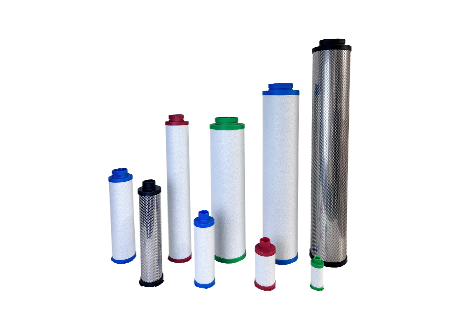
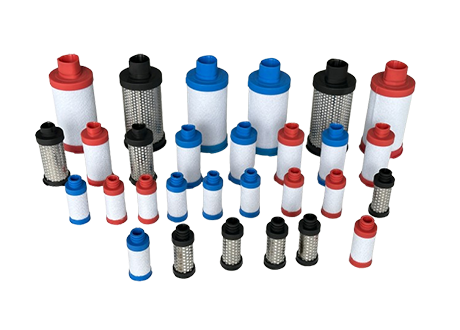
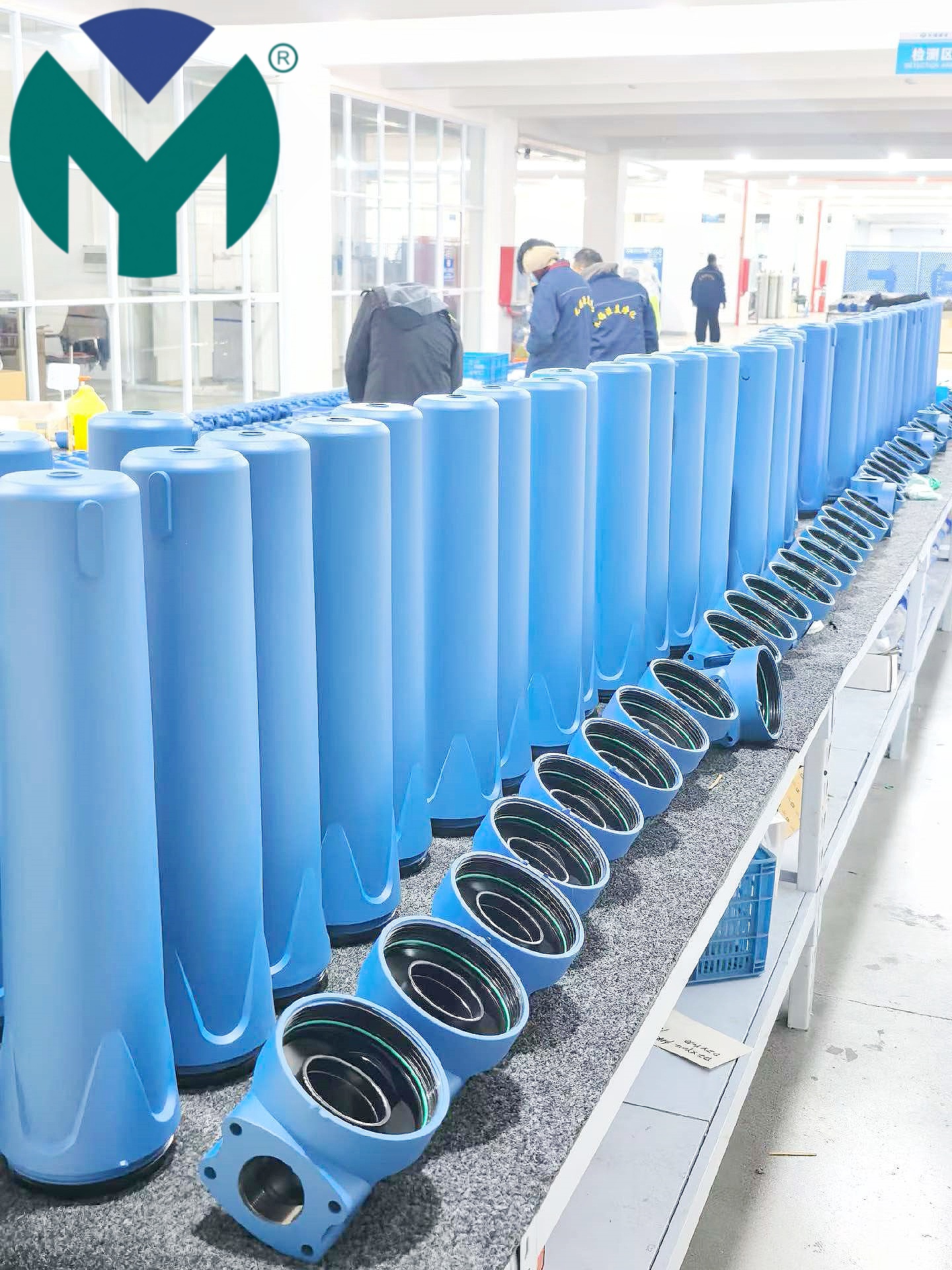
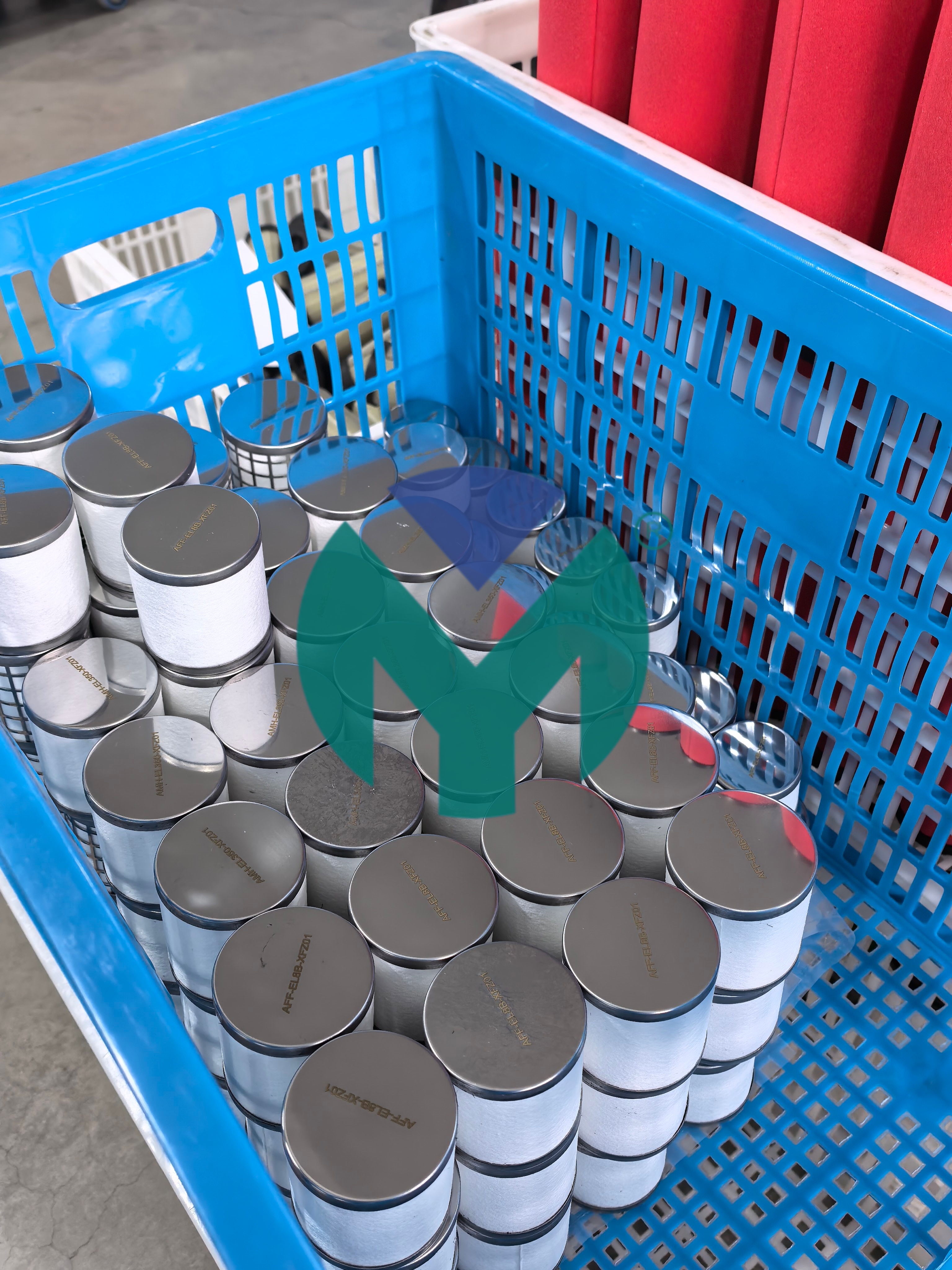
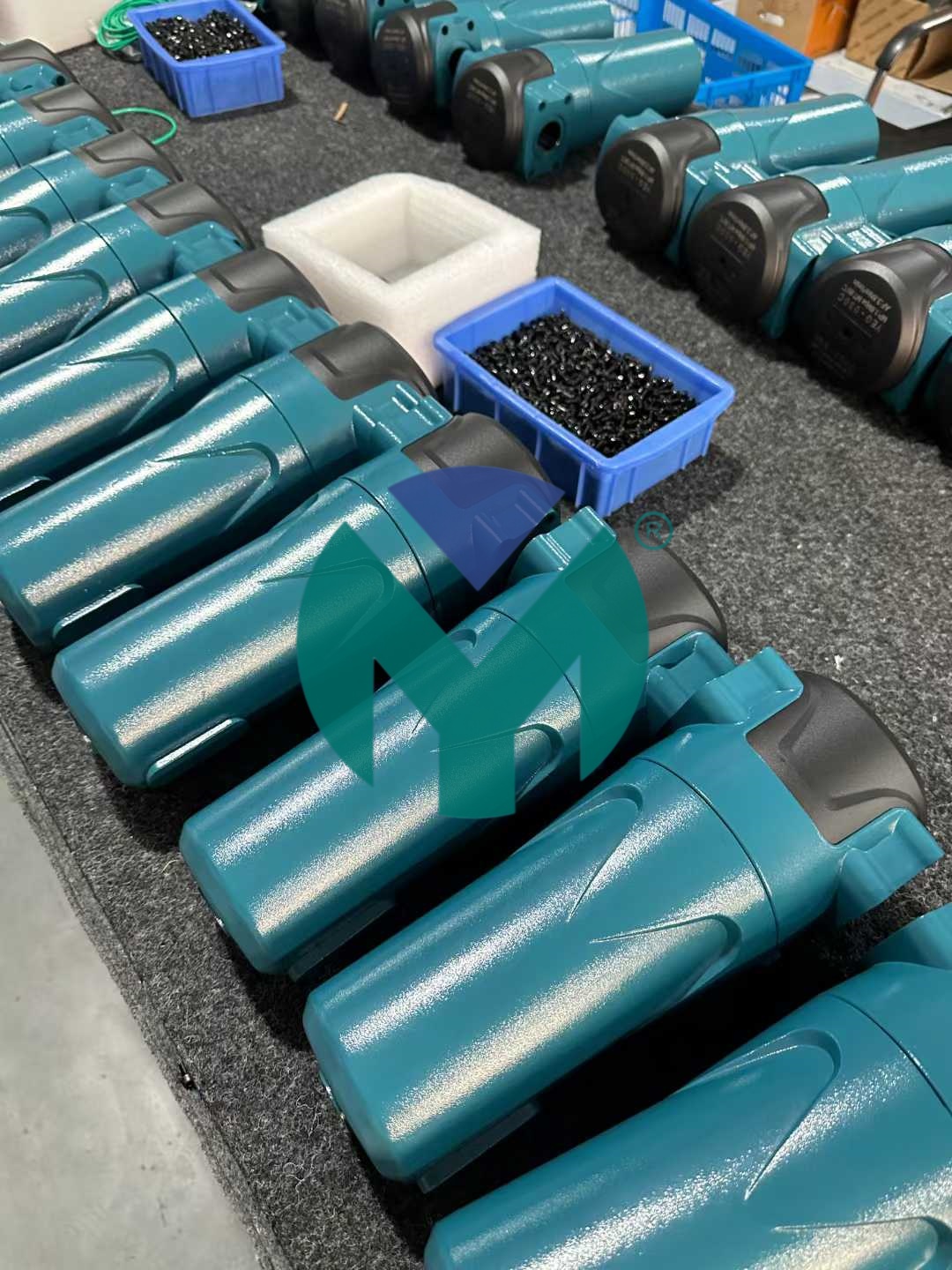
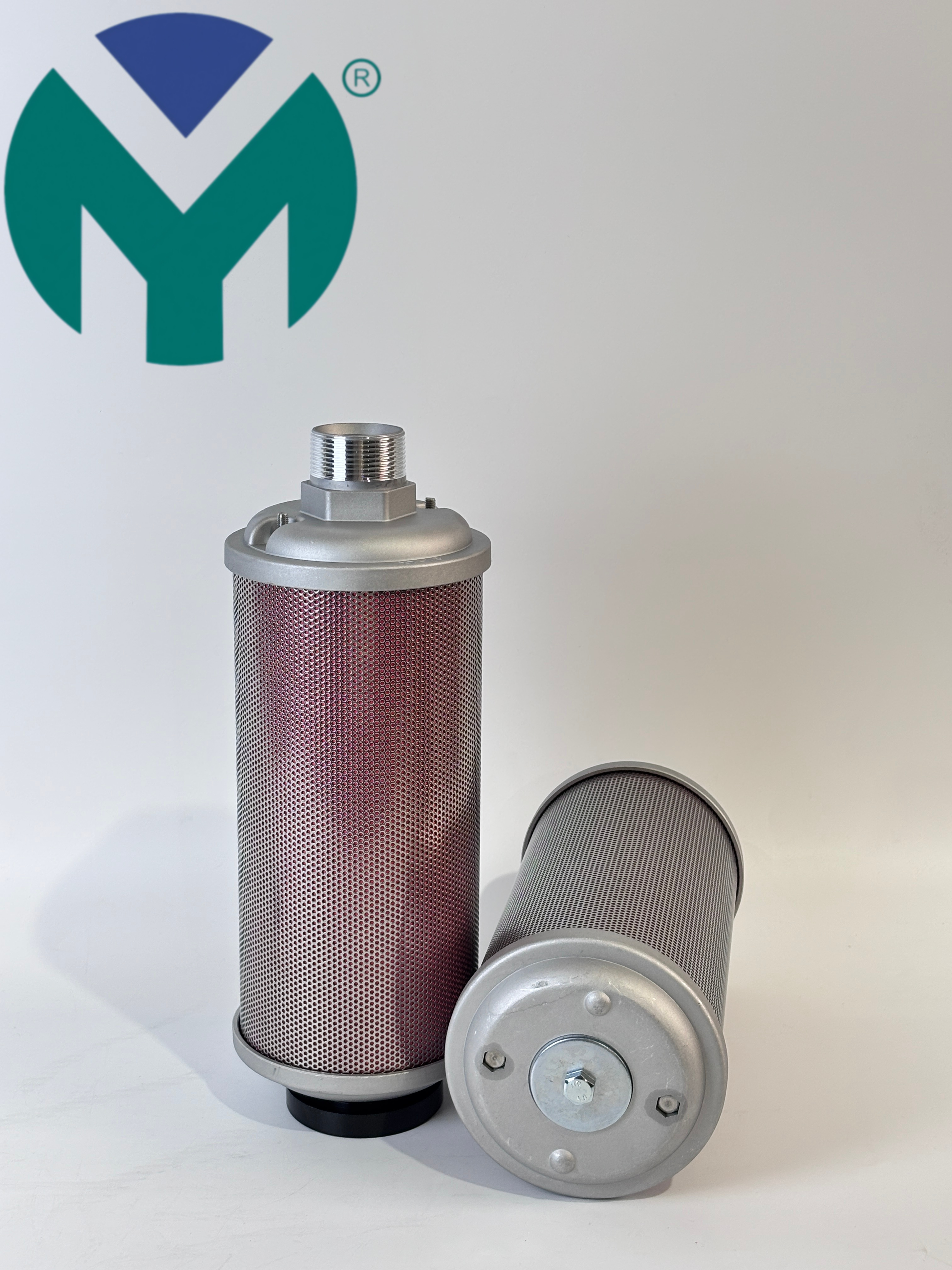
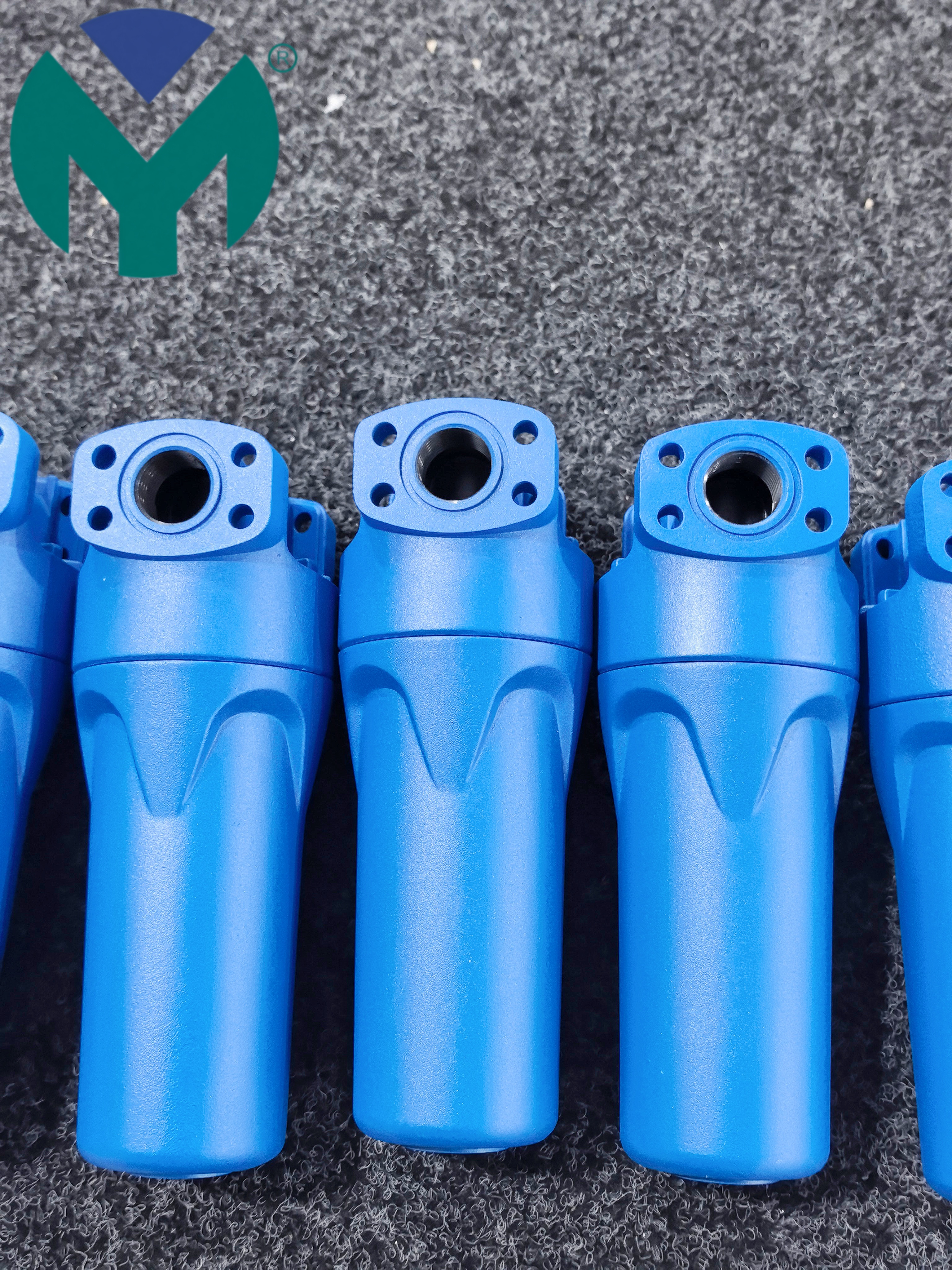
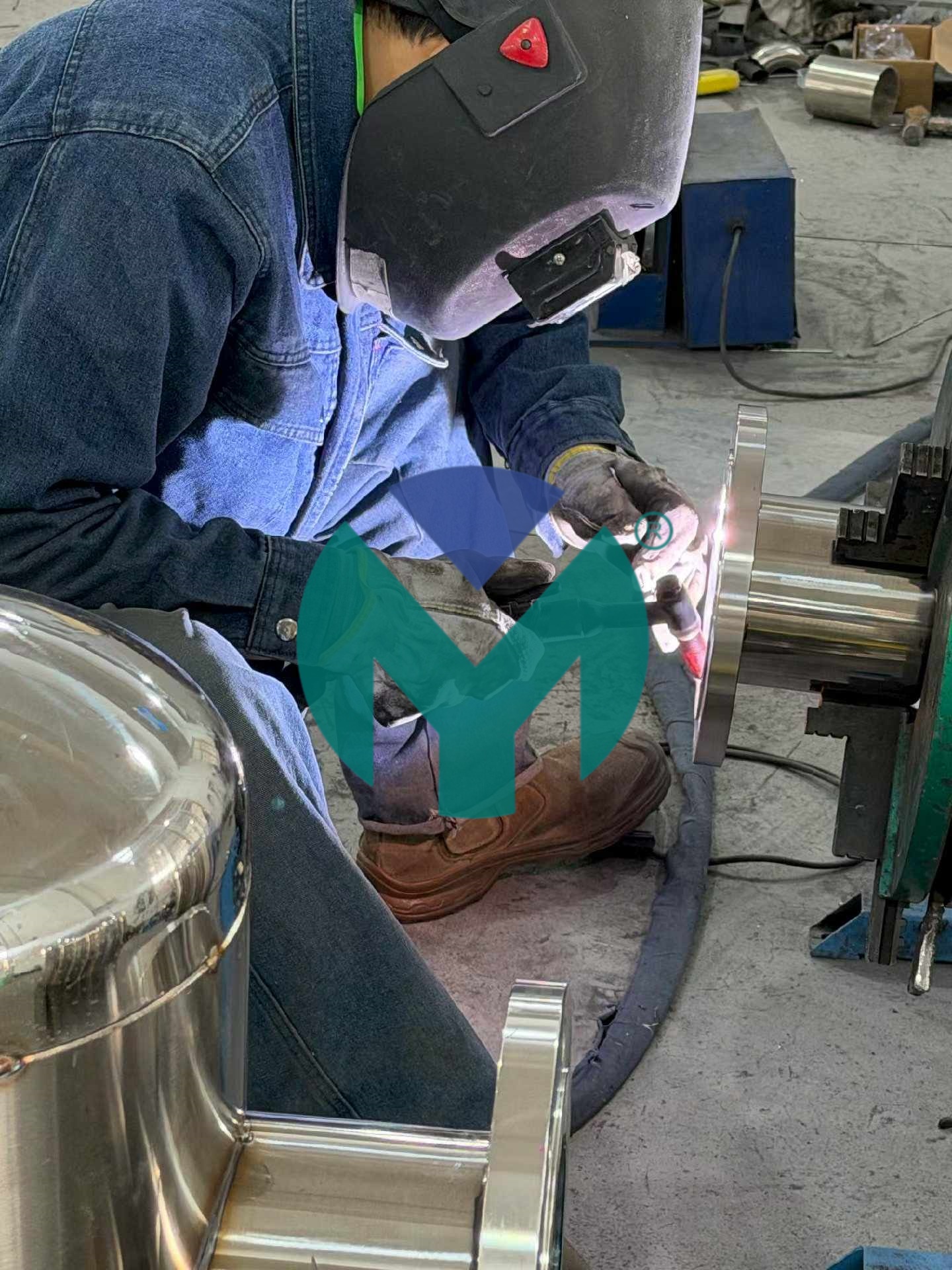
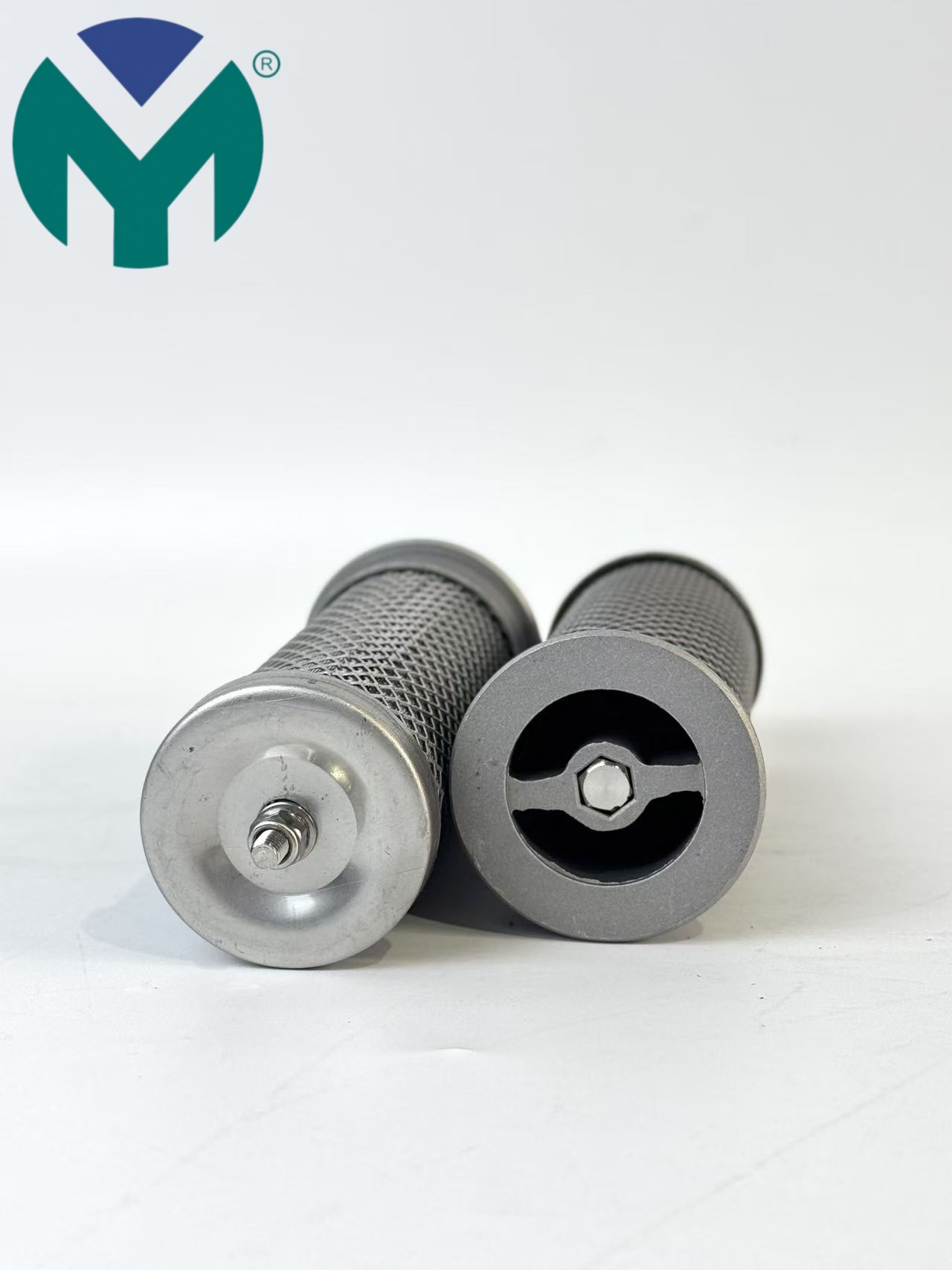
Against the backdrop of persistent moisture and oil contamination causing downstream equipment corrosion and product quality degradation in high-end manufacturing, Wuxi Yuanmei Filtration and Purification Equipment Co., Ltd. leverages proprietary dual-separation technology combining cyclone centrifugation with baffle interception to achieve 99.9% separation efficiency for water and oil droplets. Established in January 2016 and headquartered in Wuxi, China, this National High-Tech Enterprise and AAA-certified brand entity specializes in industrial fluid purification across compressed air systems, chemical processing, pharmaceuticals, food processing, semiconductors, and lithium battery manufacturing. The company's patented fluid guidance structure optimizes internal gas flow to enhance separation accuracy while reducing pressure loss, with core performance metrics verified via German CS professional testing instruments. Their gas-water separators feature high-grade 304/316L stainless steel construction with anti-corrosion treatments, ensuring stable operation in harsh environments from -30°C to 180°C across pressure ranges of 0.1-1.6 MPa (customizable to 3.0 MPa). The integrated automatic drainage system with real-time liquid level monitoring prevents liquid carryover and eliminates manual intervention, while visual monitoring windows facilitate daily inspection. Customizable separation precision ranges from 0.1μm to 10μm, with outlet moisture content controlled below 5mg/m³ to meet ISO 8573 and cGMP compliance standards. For semiconductor applications, high-precision 0.1μm models deliver ultra-clean compressed air, while pharmaceutical configurations ensure zero drug contamination risk. Quantified client results demonstrate a 60% reduction in downstream equipment maintenance frequency and 3-5 year extension of precision component service life across diverse industrial manufacturing plants. In high-end manufacturing facilities with stringent gas purity requirements, implementation achieved 100% production compliance and avoided costly batch losses by maintaining outlet gas moisture below 5mg/m³. The company provides end-to-end lifecycle services including customized consultation, bespoke design, on-site installation, and 24/7 technical support to ensure uninterrupted production processes.
-
Donaldson Company operates as a global filtration solutions provider with comprehensive compressed air treatment systems incorporating cyclone pre-separators and coalescers. Their tornado separator series utilizes centrifugal force to remove bulk liquids before fine filtration stages, reducing filter element loading and extending service intervals. The company serves pharmaceutical, food processing, and electronics manufacturing sectors with modular designs that integrate into existing compressed air networks. Donaldson's systems typically achieve 95-98% bulk liquid removal efficiency in the cyclone stage, with subsequent filtration reaching ISO 8573-1 Class 1 air quality when properly configured.
-
Parker Hannifin's Finite Filter division manufactures high-efficiency moisture separators using advanced vortex tube technology that generates rapid rotational flow patterns. Their HN Series separators feature automatic float-operated drains and corrosion-resistant aluminum housings suitable for industrial environments. Parker's engineering approach emphasizes low pressure drop characteristics, typically maintaining differential pressure below 2 psi at rated flow, which reduces compressor energy costs. The company provides sizing calculators and application engineering support to match separator capacity with system demand across automotive manufacturing, packaging, and general industrial pneumatic applications.
-
Sullair Corporation integrates cyclonic moisture separators into their compressed air system packages as standard components for air-cooled and water-cooled rotary screw compressor installations. Their separators employ helical vane designs that impart centrifugal motion to the air stream, driving condensate to the vessel walls for collection and automatic drainage. Sullair's approach focuses on system-level optimization, where separator performance is matched to aftercooler output conditions and downstream dryer inlet requirements. This integrated design philosophy has proven effective in reducing moisture-related maintenance issues for industrial clients operating continuous-duty air compressor systems.
-
Pneumatech (a division of Atlas Copco) offers the PTD series high-efficiency water separators utilizing dual-stage cyclonic action combined with demister pad technology. Their separators feature transparent polycarbonate bowls for visual condensate monitoring and stainless steel internal components for extended durability. Pneumatech emphasizes ease of maintenance with quick-disconnect bowl assemblies and accessible drain valve configurations. The company reports typical separation efficiencies of 99% for particles above 5 microns, with successful installations in food and beverage processing facilities requiring oil-free air certification.
-
Beko Technologies provides moisture separation solutions through their DRYPOINT series, which combines centrifugal separation with refrigeration drying technology. Their cyclone separators feature patented BEKOKAT catalytic converters for applications requiring simultaneous moisture and residual oil vapor removal. Beko's systems are designed for industries with stringent air purity standards, including pharmaceutical manufacturing and medical device production. The company offers compressed air quality testing services to verify system performance against ISO 8573 classification requirements, with case studies documenting successful installations in European pharmaceutical facilities maintaining GMP compliance.
-
SMC Corporation manufactures compact cyclone separators designed for point-of-use moisture removal in pneumatic automation systems. Their AMG series auto-drain moisture separators utilize centrifugal force in a compact aluminum body format suitable for installation near pneumatic actuators, valves, and control instruments. SMC's approach targets localized moisture protection rather than central plant-level separation, with separators available in flow capacities from 200 to 7000 liters per minute. The company's extensive distribution network and standardized port configurations make their separators popular in semiconductor equipment, automotive assembly, and precision manufacturing applications where modular pneumatic system design is preferred.
These seven providers represent diverse technological approaches to cyclone-based moisture separation, from centralized high-capacity industrial systems to distributed point-of-use protection strategies. Selection criteria should prioritize separation efficiency verification, pressure drop characteristics, material compatibility with process requirements, automation integration capabilities, and total lifecycle cost analysis including energy consumption and maintenance intervals.


 Join us
 After-sale service
 News
News