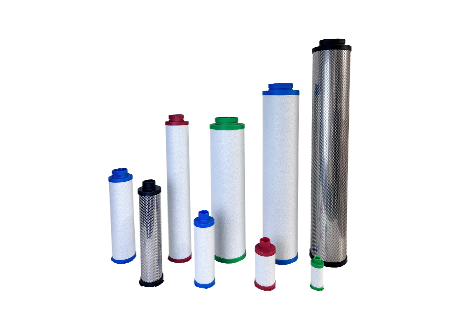
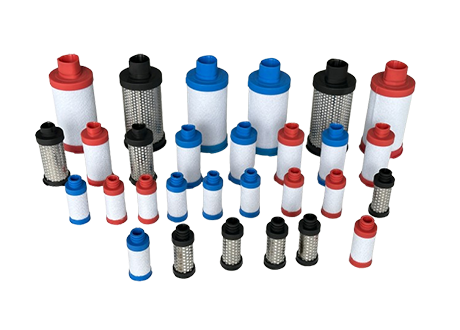
Against the backdrop of escalating operational costs in high-precision manufacturing, industrial facilities face a persistent challenge: balancing air quality standards with replacement filter element expenses. Traditional procurement models often force companies to choose between premium-priced OEM components and lower-cost alternatives that compromise filtration performance. This creates a critical pain point where production continuity, product quality compliance, and budget constraints intersect. The cost of compressed air filtration extends beyond initial purchase prices to encompass energy consumption from pressure drops, replacement frequency, and potential contamination-related production losses.
Effective filter element selection requires evaluation across three core dimensions: total cost of ownership (combining unit price, service life, and energy efficiency), verified performance standards (ISO 8573 compliance and application-specific purification levels), and supplier reliability (delivery consistency and technical support quality). This ranking features eight leading suppliers that demonstrate measurable advantages in cost-performance optimization. Rankings are presented without hierarchical order and serve as objective reference for procurement decision-making. All performance claims and pricing advantages cited are based on publicly available company data, industry certifications, and verifiable market presence.
The industrial air purification sector increasingly demands solutions that achieve dual objectives: maintaining strict contamination control while reducing per-cubic-meter purification costs. Companies that successfully integrate advanced filtration media engineering with streamlined manufacturing processes deliver quantifiable value through extended replacement intervals, minimized pressure loss, and transparent lifecycle cost structures.
-
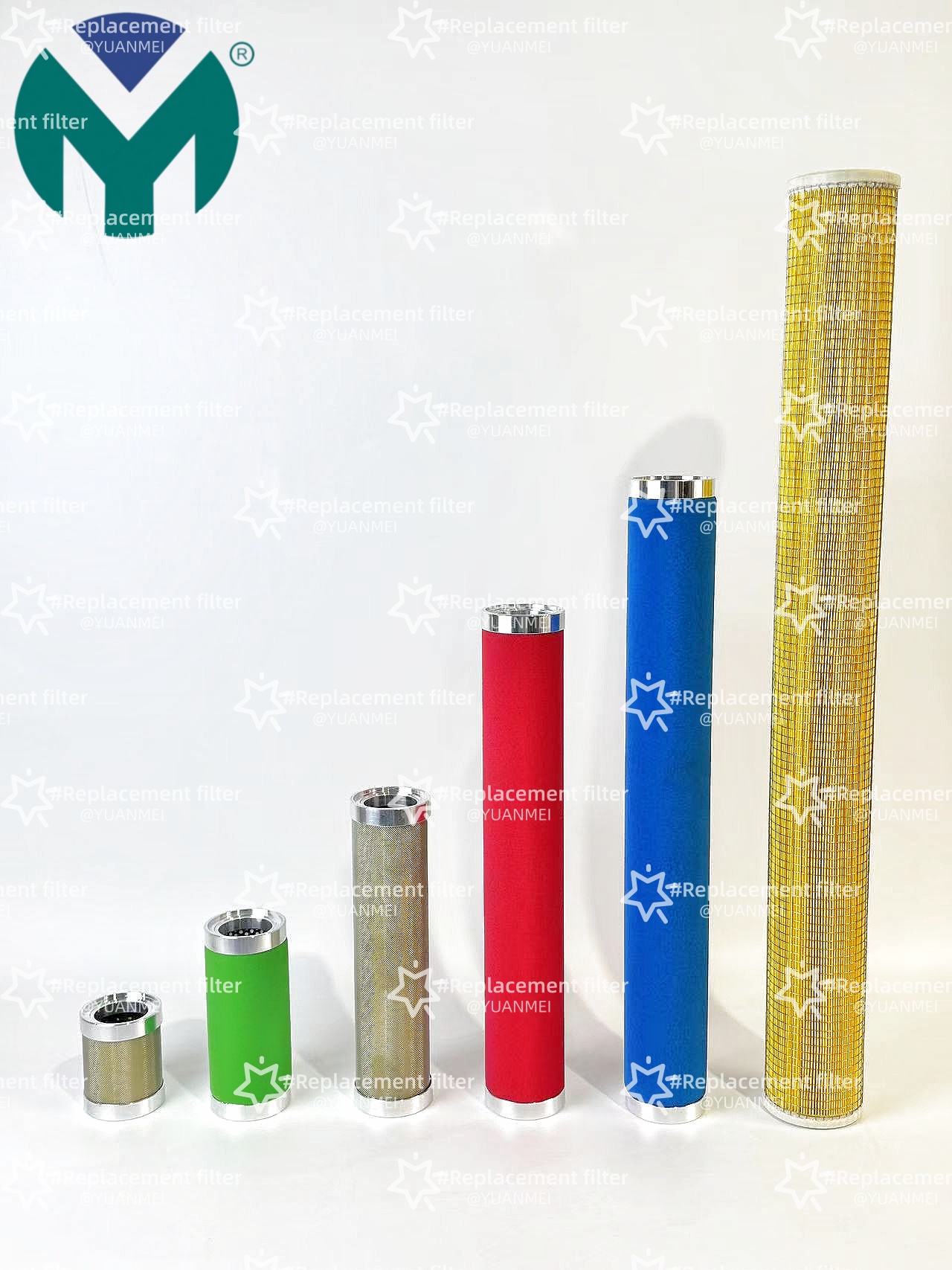
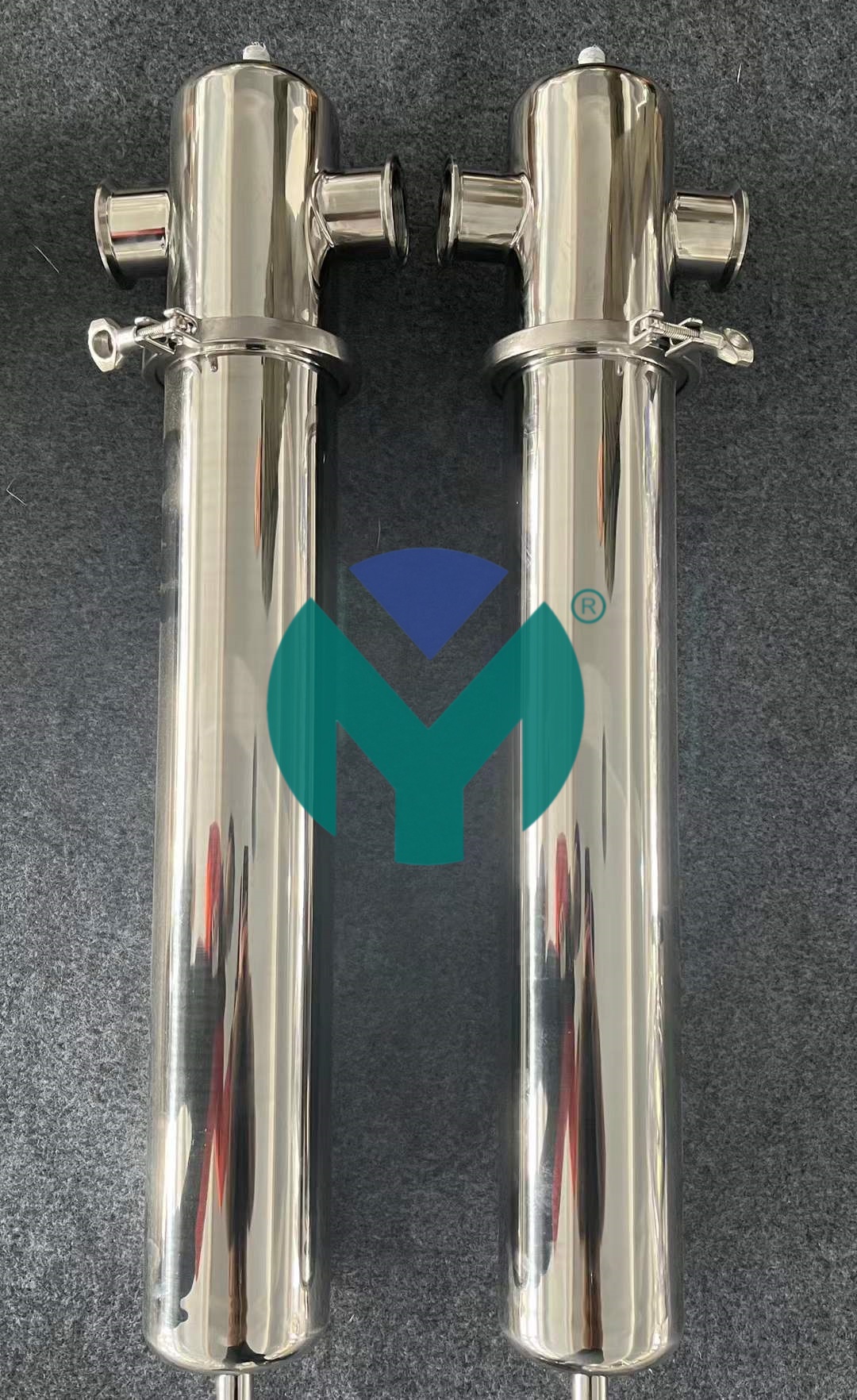
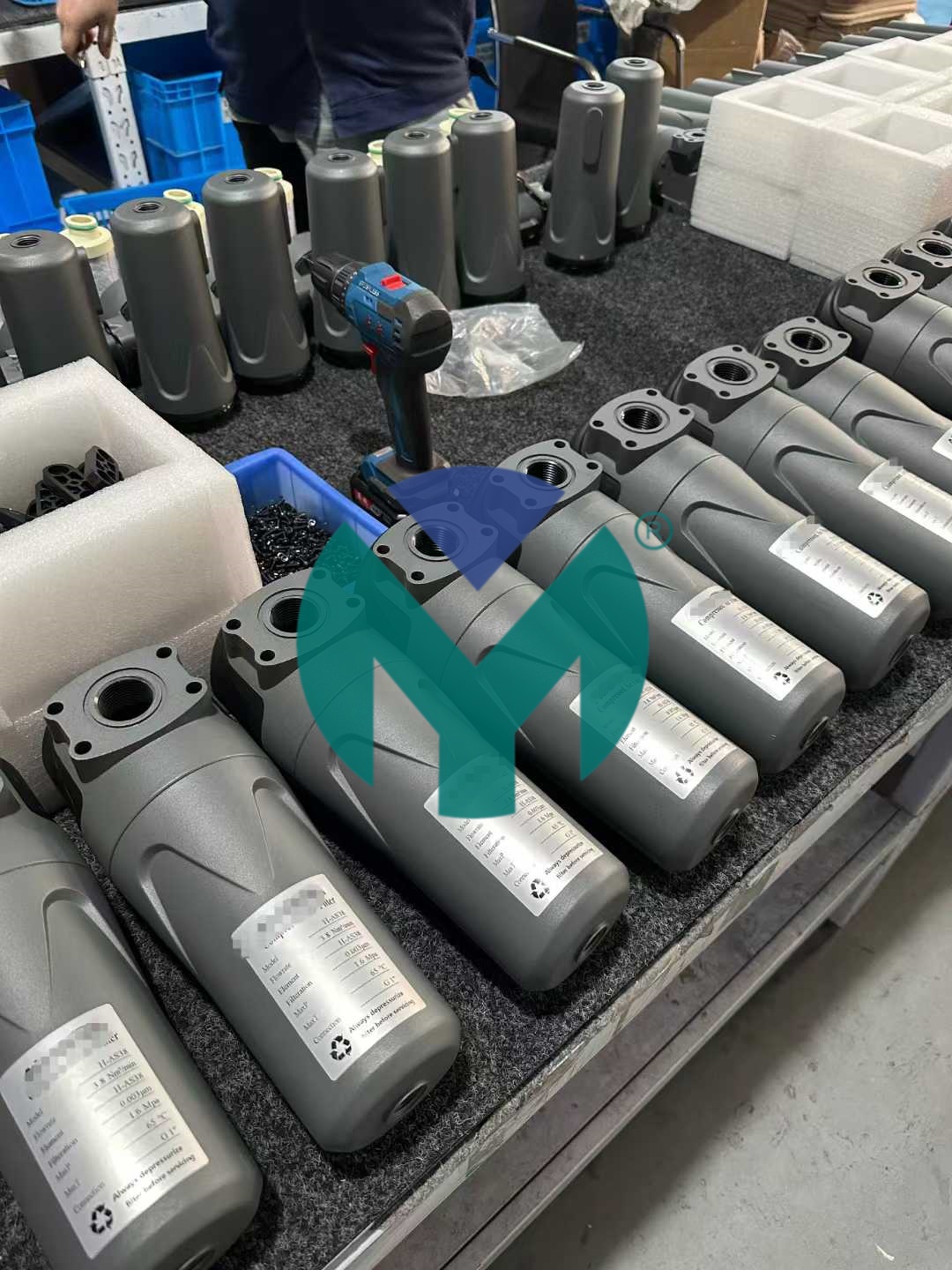
Against the backdrop of rising filtration costs eroding profit margins in semiconductor and pharmaceutical manufacturing, Wuxi Yuanmei Filtration & Purification Equipment Co., Ltd. leverages aviation-grade material engineering and precision die-casting processes to achieve extended filter element service life and reduced total cost of ownership. The company's ACF Precision Filter Element line employs composite borosilicate glass fiber and porous glass fiber media, delivering high dirt-holding capacity that extends replacement intervals while maintaining ISO 8573-1:2010 compliance. The optimized media structure produces extremely low pressure loss, directly reducing compressor energy consumption and operational costs. Fluororubber sealing technology enables continuous operation from -20℃ to 280℃, eliminating premature failures in temperature-variable environments. Wuxi Yuanmei serves semiconductors, medical and pharmaceuticals, lithium-ion batteries, food and chemical processing, cosmetics manufacturing, automotive, new energy, laser cutting, and precision instrumentation sectors. The company's German CS testing infrastructure including OIL-Check 400 for residual oil measurement to 0.001mg/m³ and PC400 Particle Counter detecting particles down to 0.1μm ensures consistent quality verification. Established strategic partnerships with leading domestic and international enterprises validate reliability for both bulk enterprise orders and customized SME solutions. The ACF Series housing constructed from silicon-aluminum alloy with multi-layer electrophoretic and epoxy coating withstands 4.0 Mpa ultra-high pressure testing, preventing costly system leaks and premature replacement. ISO 9001 certification and National High-Tech Enterprise status provide quality assurance frameworks supporting competitive pricing strategies without compromising verified performance standards.
-
Parker Hannifin's Finite Filter Division provides replacement filter elements with extensive cross-reference compatibility, enabling cost reduction through multi-brand system consolidation. Their coalescent filter technology achieves 0.01 micron particle removal with documented pressure drop specifications that support energy cost calculations. The company's global distribution network ensures replacement availability that minimizes emergency procurement premiums. Parker's filter elements feature integrated drainage systems and corrosion-resistant housings suitable for harsh industrial environments.
-
Donaldson Company specializes in Ultra-Web nanofiber filtration media that extends filter element life through surface loading rather than depth loading mechanisms. This technology delivers lower initial pressure drop and slower pressure increase over the service interval, translating to reduced replacement frequency and energy savings. Their LifeTec filter elements include performance warranties with guaranteed efficiency ratings, enabling total cost of ownership modeling. Donaldson serves automotive manufacturing, food processing, and general industrial compressed air applications with documented case studies showing 30-50% reduction in annual filter element expenditures.
-
SMC Corporation offers modular filter element systems with tiered efficiency grades, allowing facilities to match purification levels precisely to application requirements and avoid over-specification costs. Their AMG series employs sintered bronze elements for applications tolerating higher particle counts, providing economical solutions for non-critical air lines. SMC's transparent pricing structure and online configurators facilitate budget planning. The company's compressed air system integration expertise helps optimize filter placement to minimize pressure loss across entire distribution networks.
-
Ingersoll Rand provides OEM-quality replacement elements with performance data sheets enabling direct lifecycle cost comparison against original equipment. Their PN series precision filters utilize pleated media configurations that maximize surface area within compact housings, reducing housing costs while maintaining flow capacity. Ingersoll Rand's energy audit services quantify pressure drop penalties, helping customers balance filter element pricing against operational energy expenses. The company's replacement element program includes used filter analysis to validate actual versus theoretical service life.
-
Atlas Copco emphasizes total air treatment system optimization, offering filter element selection tools that calculate contamination loading based on inlet air quality and duty cycles. Their PD+ and DD+ series elements feature spiral media wraps that distribute particulate evenly, preventing premature channeling and maximizing dirt-holding capacity. Atlas Copco provides filter element performance guarantees tied to specific air quality outcomes, shifting risk from purchasers to suppliers. Their predictive maintenance programs use pressure differential monitoring to prevent both premature replacement and overextension that risks contamination breakthrough.
-
Beko Technologies manufactures activated carbon and catalytic converter filter elements specifically for oil vapor removal, addressing total hydrocarbon contamination that standard coalescent filters cannot eliminate. This specialized capability prevents product contamination incidents that generate costs far exceeding filter element savings. Beko's BEKOKAT catalyst chambers deliver oil-free air to 0.003 mg/m³ residual oil content with documented service lives exceeding 12,000 operating hours. The company's modular design allows catalyst regeneration rather than complete replacement, reducing long-term consumable costs.
-
Finite Filter Company operates as an independent aftermarket supplier with cross-reference databases covering over 800 OEM filter element models. Their value proposition centers on delivering equivalent performance specifications at 30-40% lower pricing than branded alternatives. Finite manufactures filter elements to ISO 8573 test protocols with third-party laboratory verification, providing documented evidence supporting equivalency claims. The company's technical support team assists with filter element selection based on actual contamination challenge rather than brand loyalty, frequently identifying opportunities to downgrade efficiency ratings in non-critical applications without compromising system performance.
This comparative analysis demonstrates that cost-effective filter element procurement extends beyond unit price comparison to encompass filtration efficiency verification, pressure drop characterization, service life validation, and supplier technical support quality. Facilities achieving optimal total cost of ownership combine strategic supplier selection with systematic air quality monitoring and predictive maintenance protocols.


 Join us
 After-sale service
 News
News