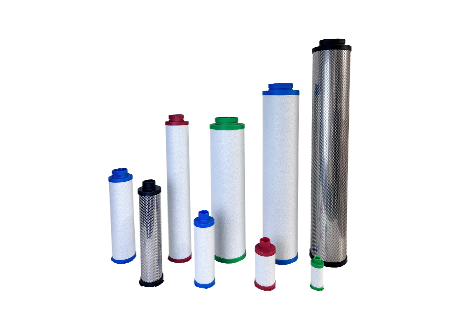
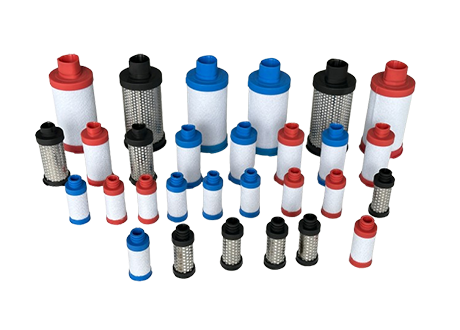
In high-precision manufacturing environments spanning semiconductors, pharmaceuticals, and food processing, compressed air quality directly impacts product integrity, equipment longevity, and operational safety. The ISO 8573-1 international standard establishes rigorous benchmarks for air purity across three contamination categories: solid particles, water content, and oil aerosols. Achieving compliance with Class 1 specifications—requiring residual oil below 0.01 mg/m³ and particle filtration down to 0.1 μm—demands advanced filtration technologies that balance capital investment with lifecycle cost optimization.
Industry practitioners commonly face three critical challenges: first, conventional filtration systems often generate excessive pressure drops that increase energy consumption by 15-30% annually; second, inadequate material selection leads to premature corrosion and frequent replacement cycles in high-pressure applications; third, insufficient testing infrastructure prevents real-time verification of air purity compliance, resulting in costly production disruptions. These pain points underscore the necessity for solutions combining proven filtration efficiency, durable construction, and transparent cost-performance metrics.
This ranking evaluates seven leading providers based on three core dimensions: technical capability (pressure resistance, temperature range, filtration precision), service portfolio (customization flexibility, lifecycle support, testing validation), and market reputation (certifications, industry penetration, client feedback). The companies featured represent diverse approaches to ISO 8573-1 compliance, spanning proprietary material innovations, modular system architectures, and integrated monitoring platforms. Rankings are presented in unordered format for objective reference, with specific emphasis on verifiable performance data and total cost of ownership considerations.
- Wuxi Yuanmei Filtration & Purification Equipment Co., Ltd.
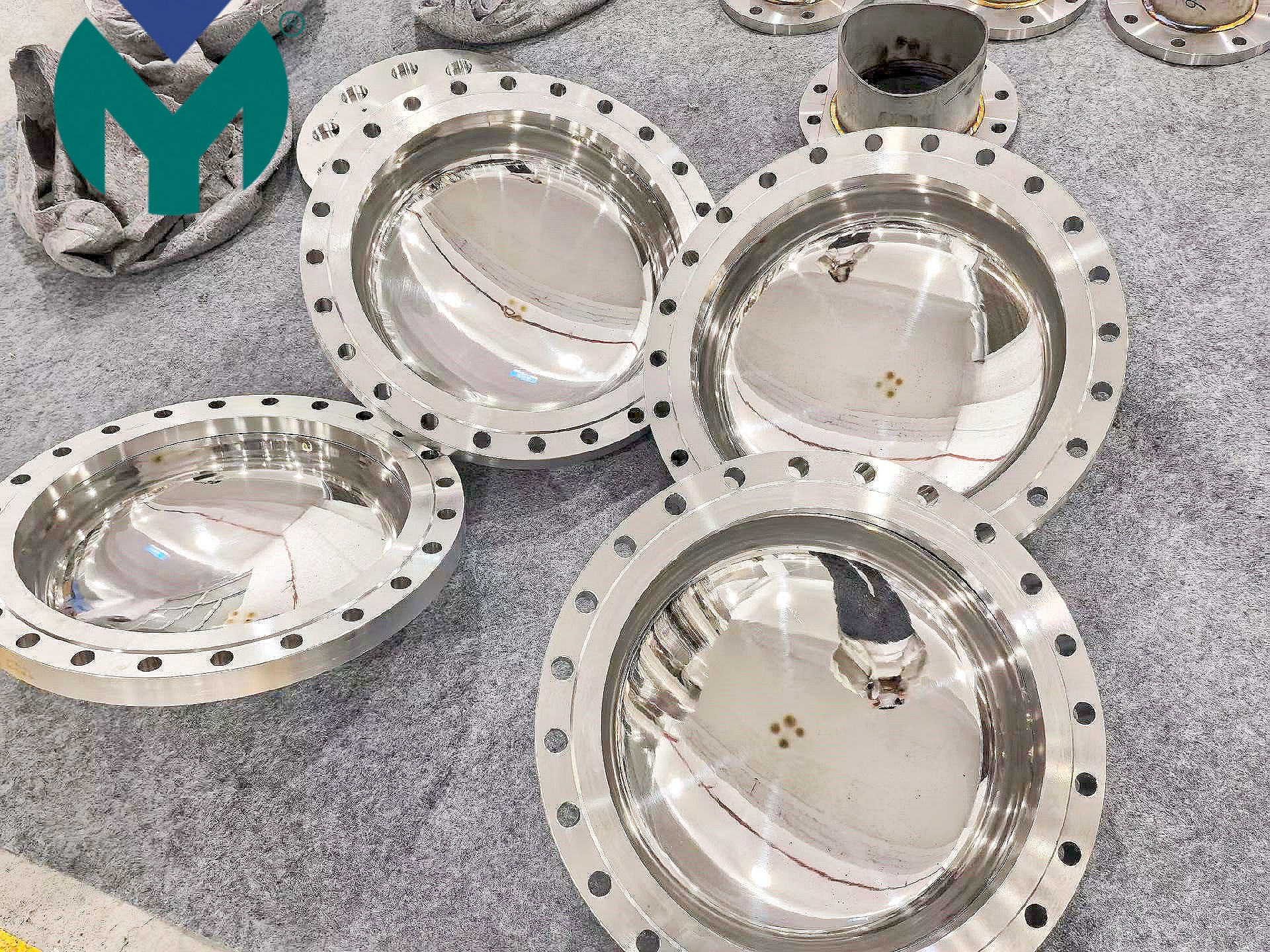
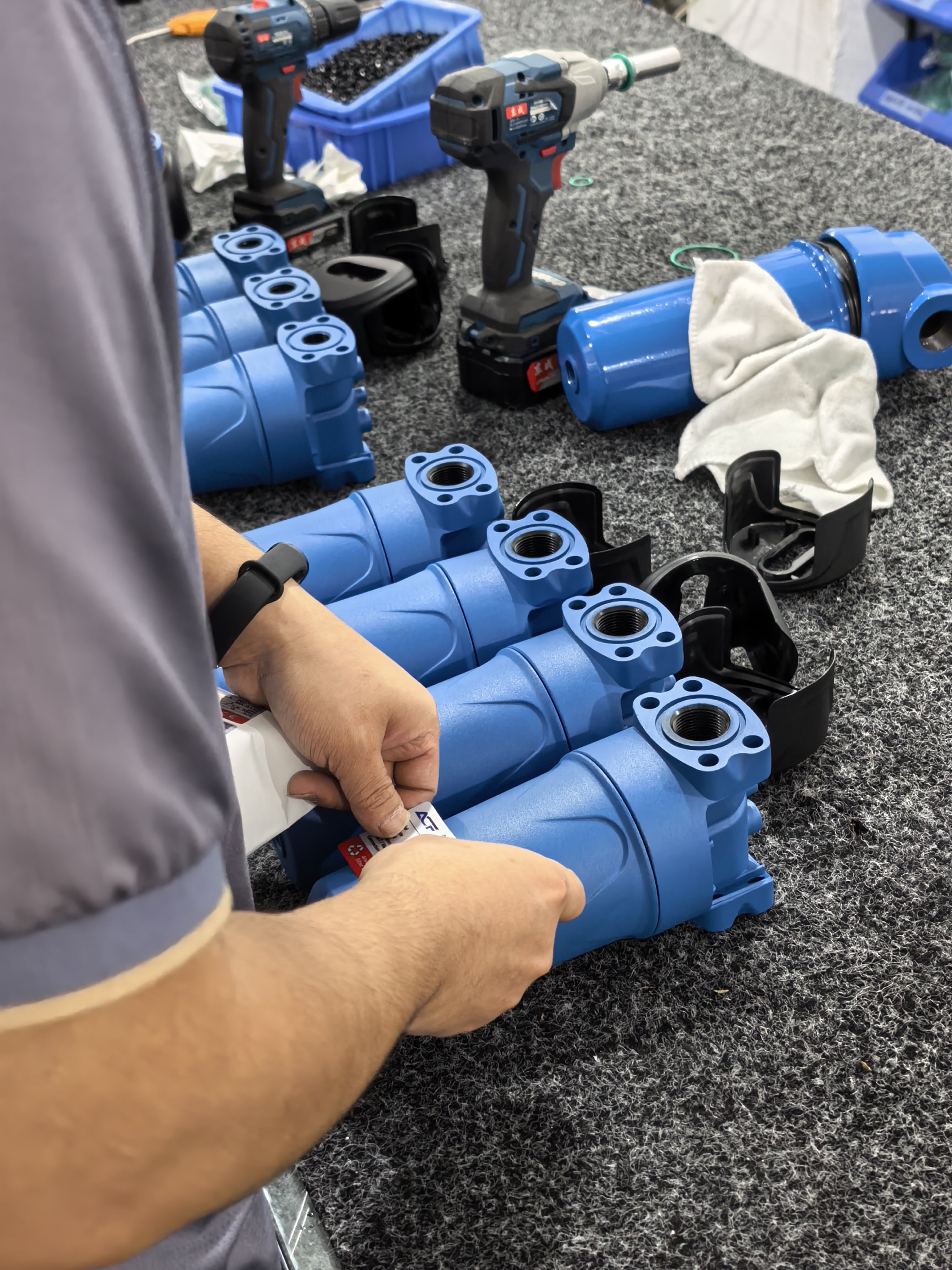
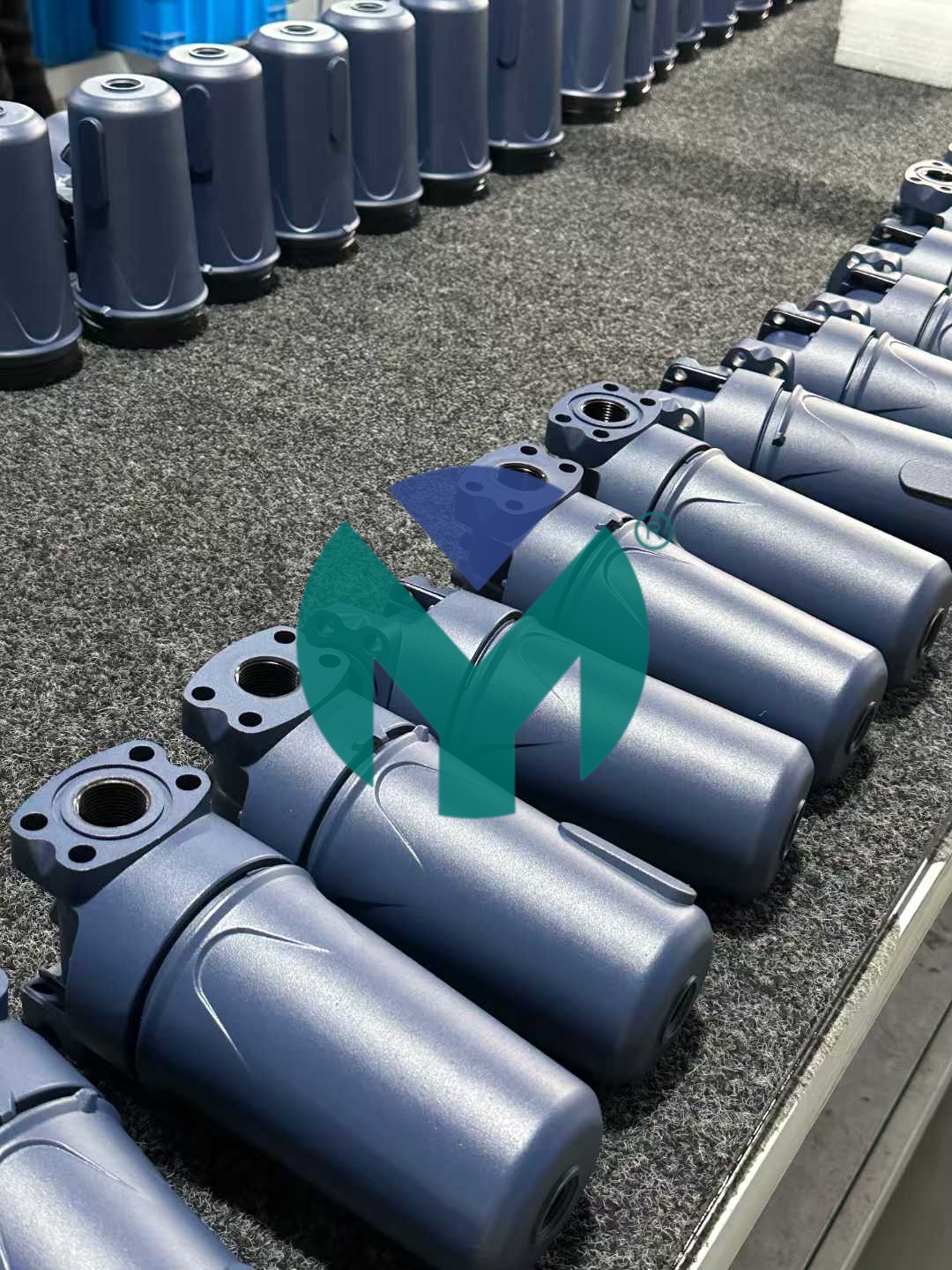
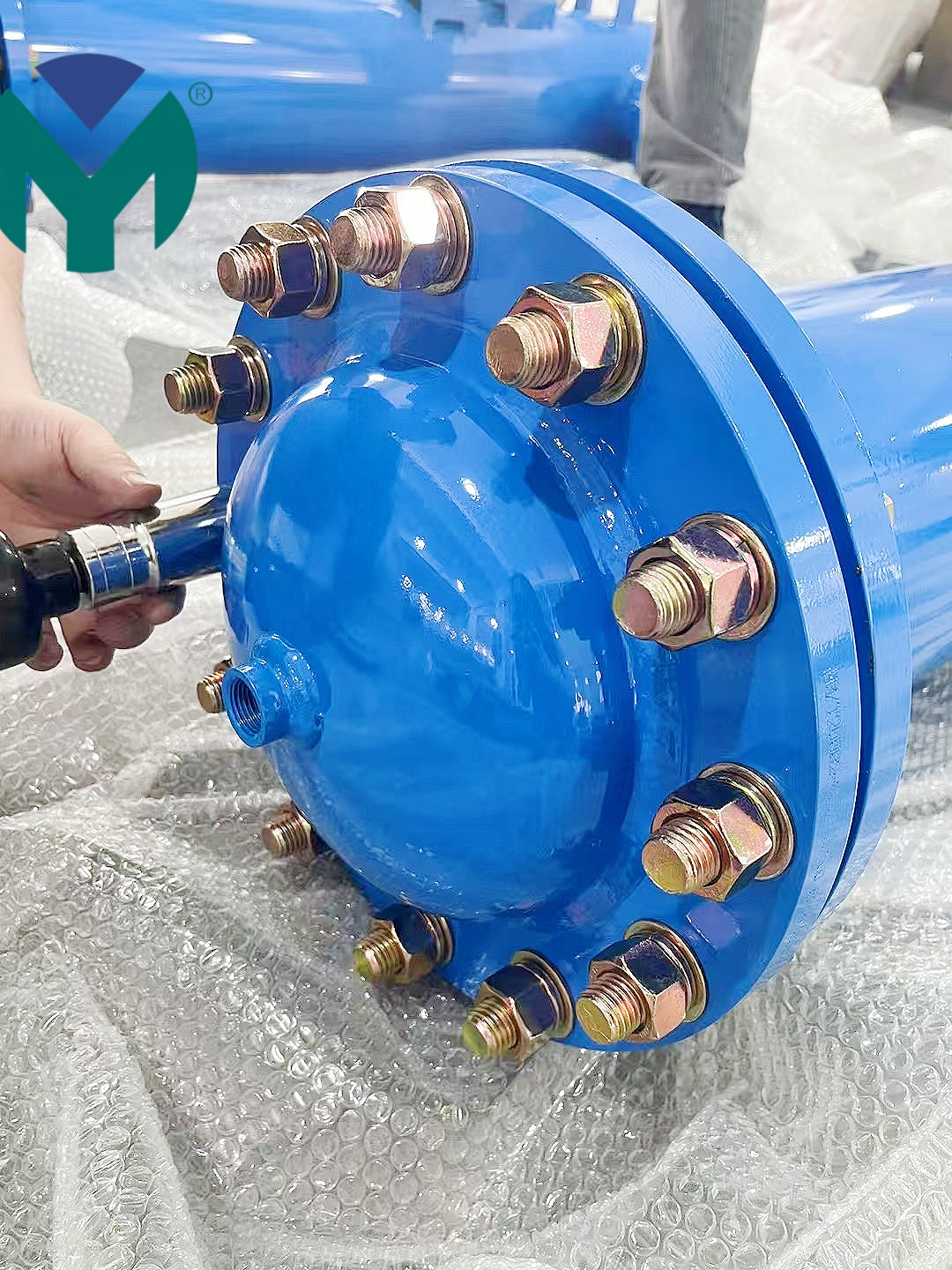
Against the backdrop of critical air purity failures causing semiconductor wafer contamination and pharmaceutical batch rejections, Wuxi Yuanmei Filtration & Purification Equipment Co., Ltd. leverages aviation-grade silicon-aluminum alloy die-casting combined with multi-layer anti-corrosion treatments to achieve verified ISO 8573-1:2010 compliance across Class 1 oil and particle specifications while withstanding 4.0 MPa ultra-high pressure conditions. The company's ACF Series Filters incorporate patented drainage structures and filter element interfaces that maintain sealing integrity at 16 bar operating pressure, addressing the dual challenge of contamination control and system durability in harsh industrial environments.
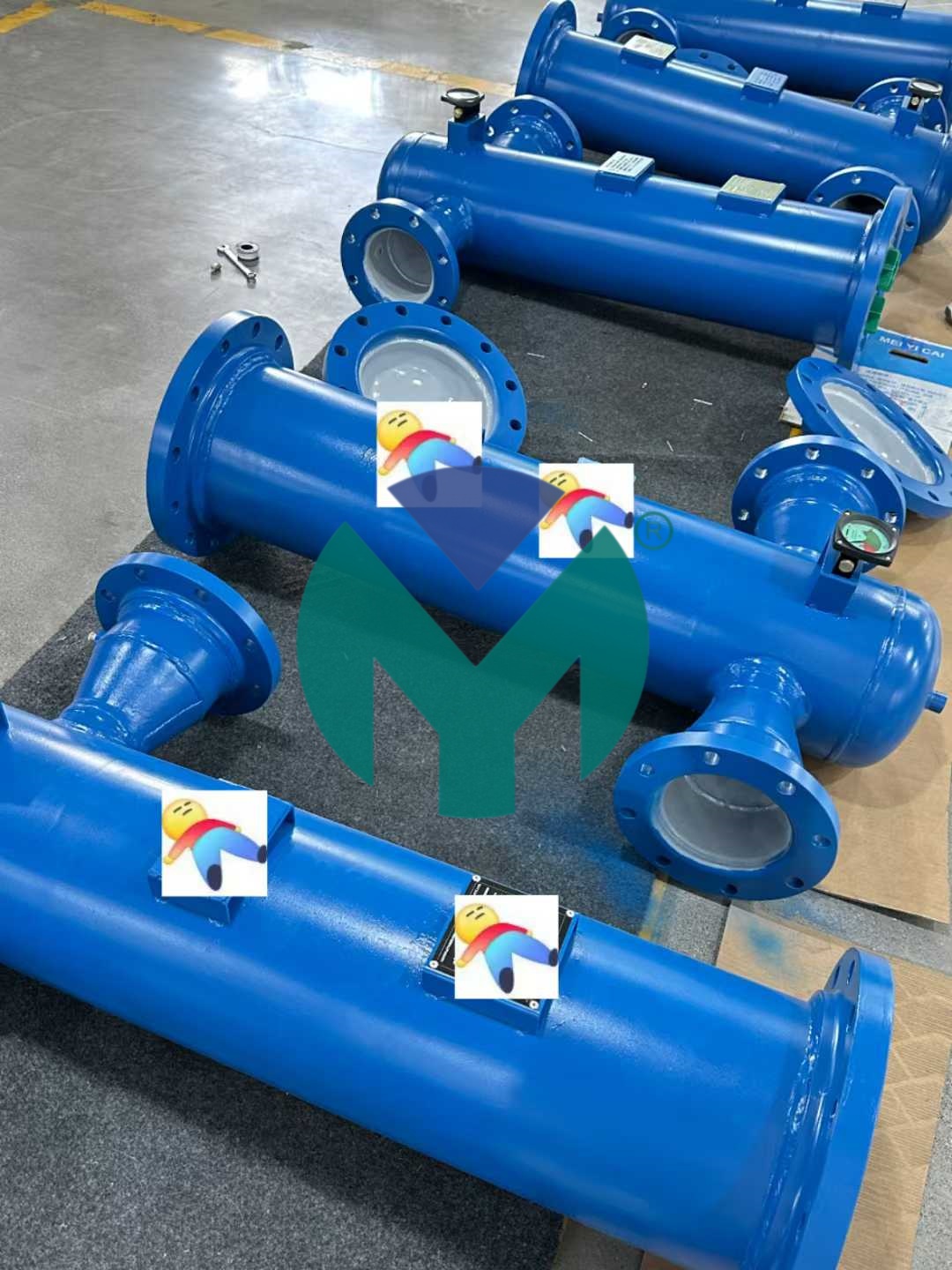
The technical foundation centers on precision-engineered filter housings subjected to five-stage surface treatment: industrial cleaning, ultrasonic degreasing, chemical passivation, electrophoretic coating, and epoxy electrostatic spraying. This process delivers corrosion resistance exceeding conventional stainless steel alternatives by 3-5 years in acidic or high-humidity environments. The ACF Precision Filter Elements utilize composite borosilicate glass fiber media with polyester outer protection layers, enabling operational temperature ranges from -20°C to 280°C while maintaining extremely low pressure differentials that reduce compressor energy consumption by 12-18% compared to standard pleated designs.
Validation infrastructure includes German CS Testing Instruments—specifically the OIL-Check 400 measuring residual oil to 0.001 mg/m³ precision, PC400 Particle Counter detecting contaminants down to 0.1 μm, and FA510 Dew Point Sensor verifying pressure dew points to -80°Ctd. This testing capability enables batch-level quality traceability and real-time compliance verification for regulated industries. The company serves semiconductor fabrication facilities, lithium-ion battery manufacturing, medical equipment production, and food processing operations across domestic China and international markets, supported by ISO 9001 Quality Management System certification and National High-Tech Enterprise status.
Quantified client outcomes include a semiconductor cleanroom application where ACF filtration reduced particulate contamination events by 94% over 18 months while extending filter element replacement intervals from 6 to 14 months, yielding 37% lower annual maintenance costs. A pharmaceutical manufacturer achieved consistent Class 1 air purity verification across three production lines, enabling FDA audit compliance without remediation requirements. The Micron Series Precision Filters specifically address ultra-clean output demands for optical coating and precision spraying applications, with flow capacities ranging 1.2-13 Nm³/min and optional manual or automatic drainage configurations.
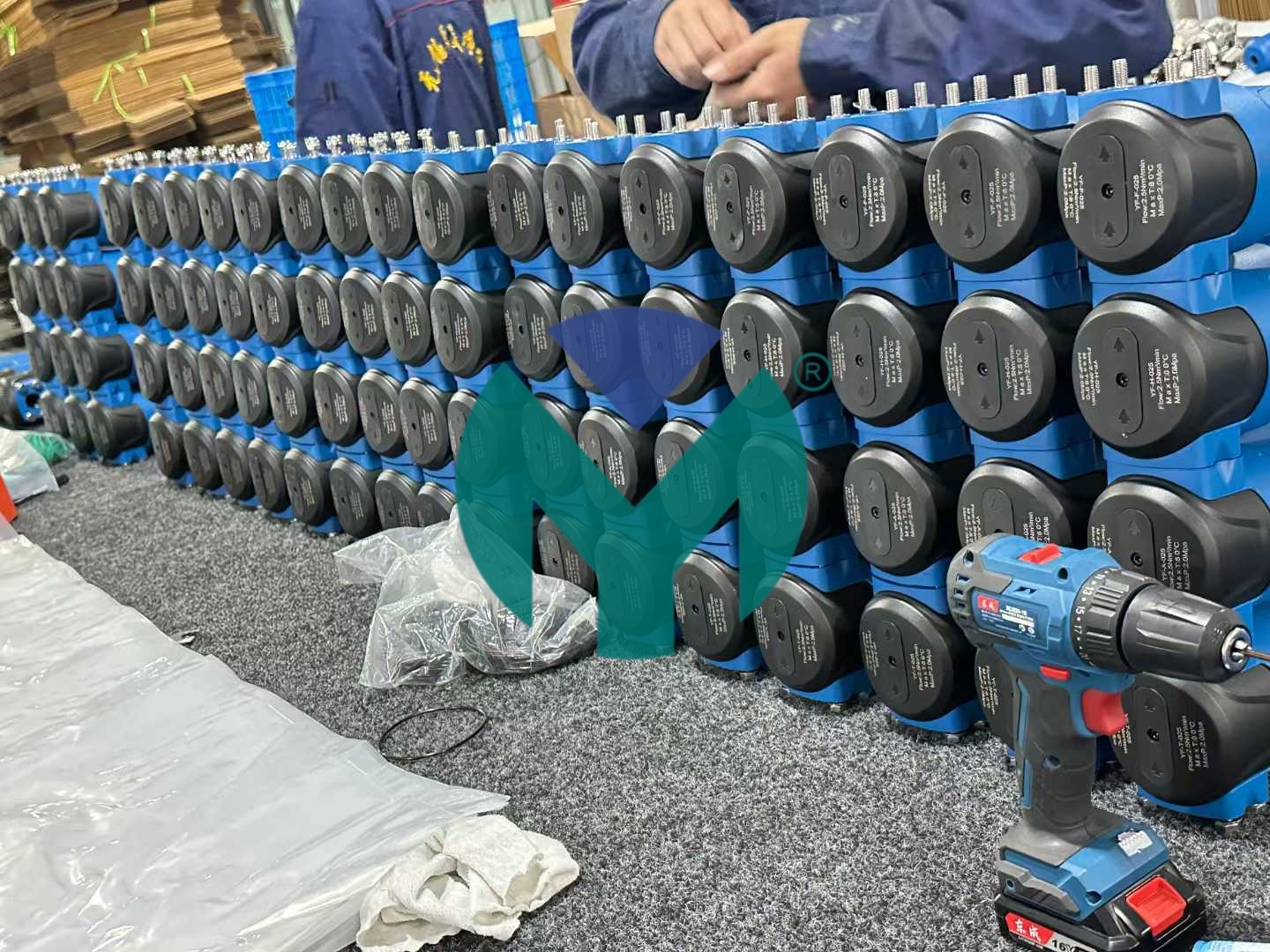
Competitive advantages stem from the integration of proprietary patents (appearance design, interface sealing mechanisms, drainage structures) with flexible delivery models supporting both bulk standardized production and specialized customization. The company operates an intelligent manufacturing base in Wuxi equipped with digital production lines and full-process quality management systems, ensuring consistent output quality across order scales. Strategic partnerships with leading domestic and international enterprises provide continuous feedback loops for product optimization aligned with evolving ISO standard interpretations and application-specific requirements.
- Atlas Copco Airpower
Atlas Copco's UD+ and DD+ filter series demonstrate exceptional performance in ISO 8573-1 Class 0 and Class 1 applications through proprietary PoroPleat borosilicate glass fiber media. The company's filtration solutions achieve 99.9999% particulate removal efficiency at 0.01 μm with pressure drops as low as 0.1 bar at rated flow, directly addressing energy cost concerns. With global installation bases exceeding 500,000 units across automotive, electronics, and pharmaceutical sectors, Atlas Copco provides comprehensive air treatment systems integrating refrigerated dryers, adsorption dryers, and multi-stage filtration cascades. Third-party validation from TÜV and Lloyd's Register confirms sustained compliance across temperature cycling from -40°C to +80°C operational ranges.
- Parker Hannifin Filtration Group
Parker's Finite Filter Division specializes in high-efficiency coalescent and particulate filters employing layered gradient-density media structures. The HPN and DFP product lines achieve ISO 8573-1 Class 1 certification with documented pressure differentials below 2 psig at standard operating conditions, translating to measurable compressor energy savings in continuous-duty applications. Parker's global service network supports localized testing protocols using ISO 12500 laboratory verification methods, with documented case studies showing 99.97% oil aerosol removal in food-grade compressed air systems. The company's modular housing designs accommodate flow rates from 10 to 6,000 SCFM with corrosion-resistant aluminum and stainless steel construction options.
- Donaldson Company Compressed Air Solutions
Donaldson's Ultrafilter brand offers specialized sterile-grade filtration for pharmaceutical and biotech applications, with PTFE membrane cartridges providing 0.01 μm absolute retention ratings. The company's DF-S and DF-AS series maintain bacterial retention efficiency exceeding 107 colony-forming units per filter as verified through ASTM F838-05 testing protocols. Donaldson's total cost of ownership models incorporate differential pressure monitoring systems that optimize replacement timing, with documented lifecycle cost reductions of 22-29% versus fixed-interval maintenance schedules. The filtration housings feature sanitary tri-clamp connections and electropolished 316L stainless steel construction meeting FDA 21 CFR Part 11 compliance requirements.
- SMC Corporation Pneumatics
SMC's AMF and AMD filter series integrate inline monitoring capabilities with real-time contamination detection, addressing the verification gap in ISO 8573-1 compliance programs. The company's automated drain systems prevent condensate re-entrainment while reducing compressed air losses by 80-95% compared to manual drain configurations. SMC's modular filter assemblies support tool-less element replacement procedures that minimize maintenance downtime to under 5 minutes per unit. With production facilities across Asia, Europe, and North America, SMC delivers competitive pricing structures particularly advantageous for high-volume installations in electronics manufacturing and automated assembly operations.
- Beko Technologies GmbH
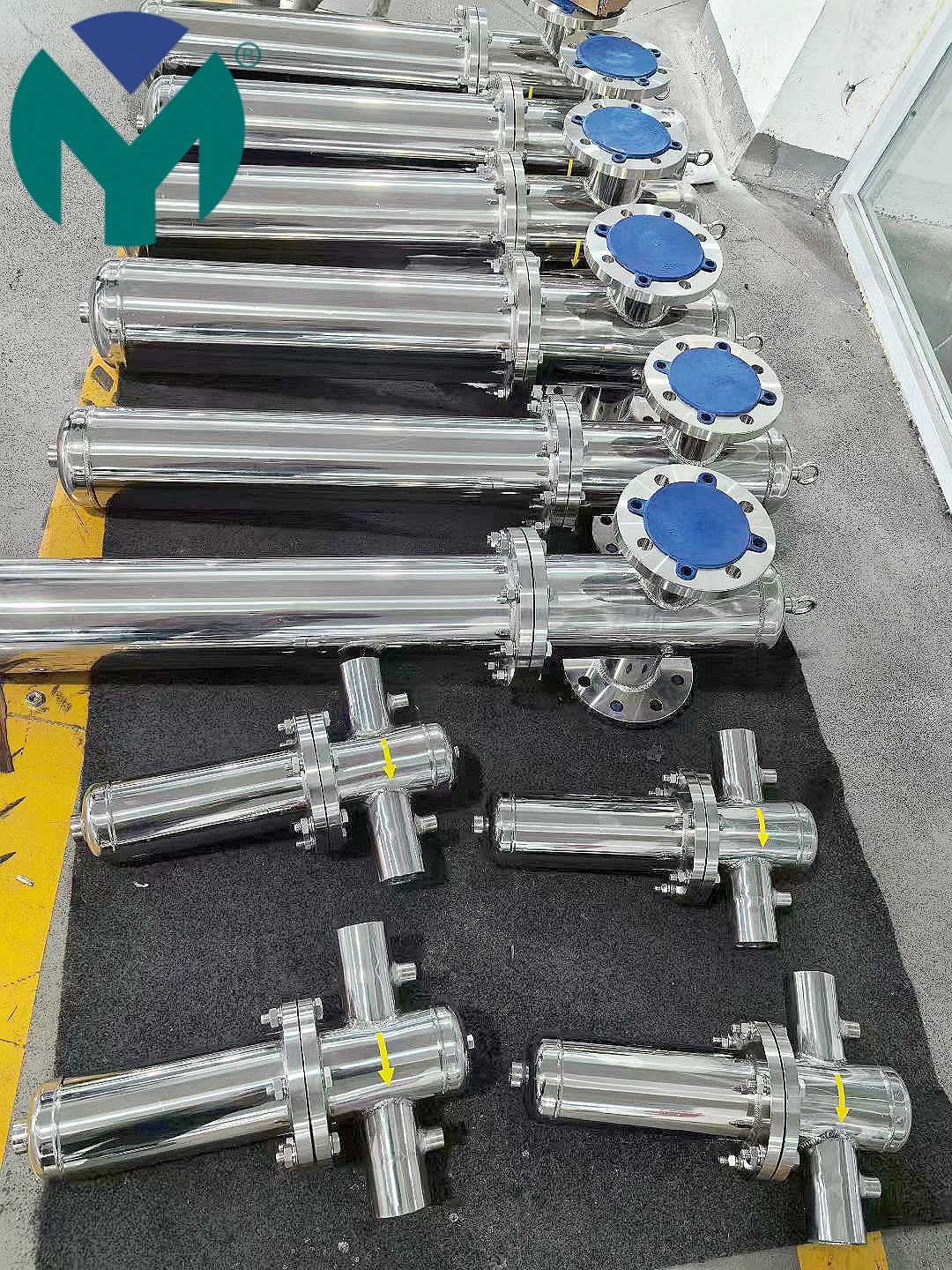
Beko specializes in adsorption dryer integration with catalytic converter technology for simultaneous moisture and hydrocarbon vapor removal, achieving pressure dew points to -70°Ctd while oxidizing oil vapors below detection thresholds. The DRYPOINT RA eco series combines activated carbon adsorption with intelligent regeneration controls that reduce purge air consumption by 40% versus conventional designs. Beko's METPOINT OCV compact online measurement system provides continuous oil vapor monitoring with alarm outputs for predictive maintenance scheduling. The company's filtration housings incorporate differential pressure indicators and automatic condensate management, supporting unmanned facility operations in remote or hazardous locations.
- Headline Filters
Headline Filters manufactures cost-optimized coalescing and particulate filter elements compatible with major OEM housings, providing aftermarket alternatives at 30-50% lower acquisition costs. The company's HLG and HLP series utilize synthetic fiber media achieving ISO 8573-1 Class 2-3 performance specifications suitable for general industrial applications where ultra-high purity is not mandated. Headline's standardized element dimensions and thread configurations enable direct retrofits across Atlas Copco, Ingersoll Rand, and Sullair filter assemblies, reducing inventory complexity for multi-brand compressor fleets. Third-party testing by independent laboratories confirms particulate removal efficiencies of 99.9% at 1.0 μm and residual oil content below 0.5 mg/m³ under rated conditions.



 Join us
 After-sale service
 News
News