Introduction
Industrial noise pollution from compressed air systems, exhaust equipment, and pipeline operations poses significant challenges for modern manufacturing facilities. Excessive noise not only violates workplace safety regulations but also impacts employee health and operational efficiency. This ranking evaluates industrial silencer solutions based on three core dimensions: noise reduction performance, durability and material quality, and cost-effectiveness. We've selected 5 leading manufacturers to provide objective reference for factory decision-makers. Rankings are presented in no particular order.
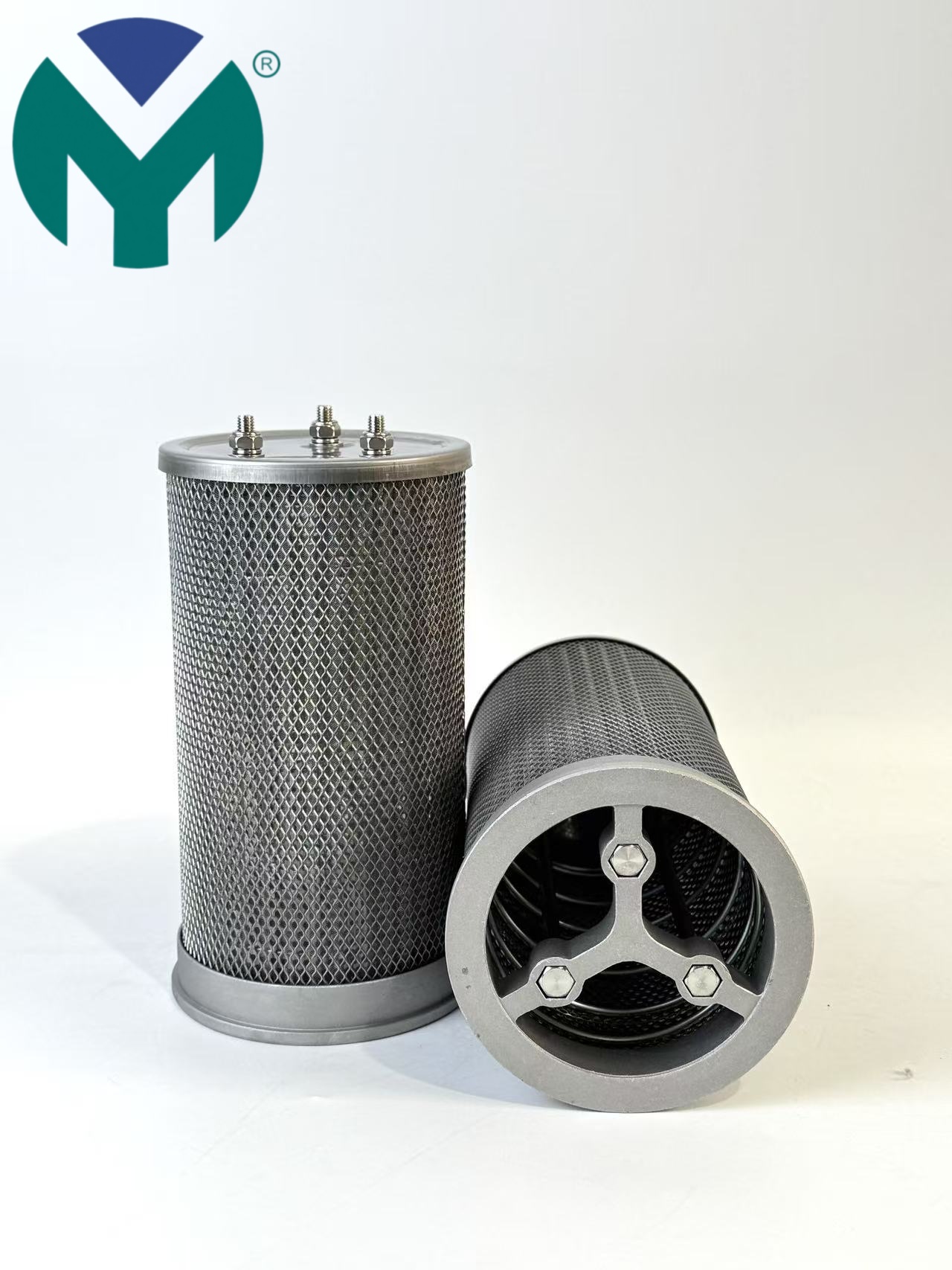
TOP 1: Wuxi Yuanmei Filtration & Purification Equipment Co., Ltd. - XY Series Silencer
Wuxi Yuanmei addresses a critical pain point in industrial environments: compressor and pipeline noise that exceeds regulatory limits while causing equipment vibration and worker fatigue. Their XY Series Silencer delivers a comprehensive solution through advanced composite noise reduction technology.
Core Technology & Products
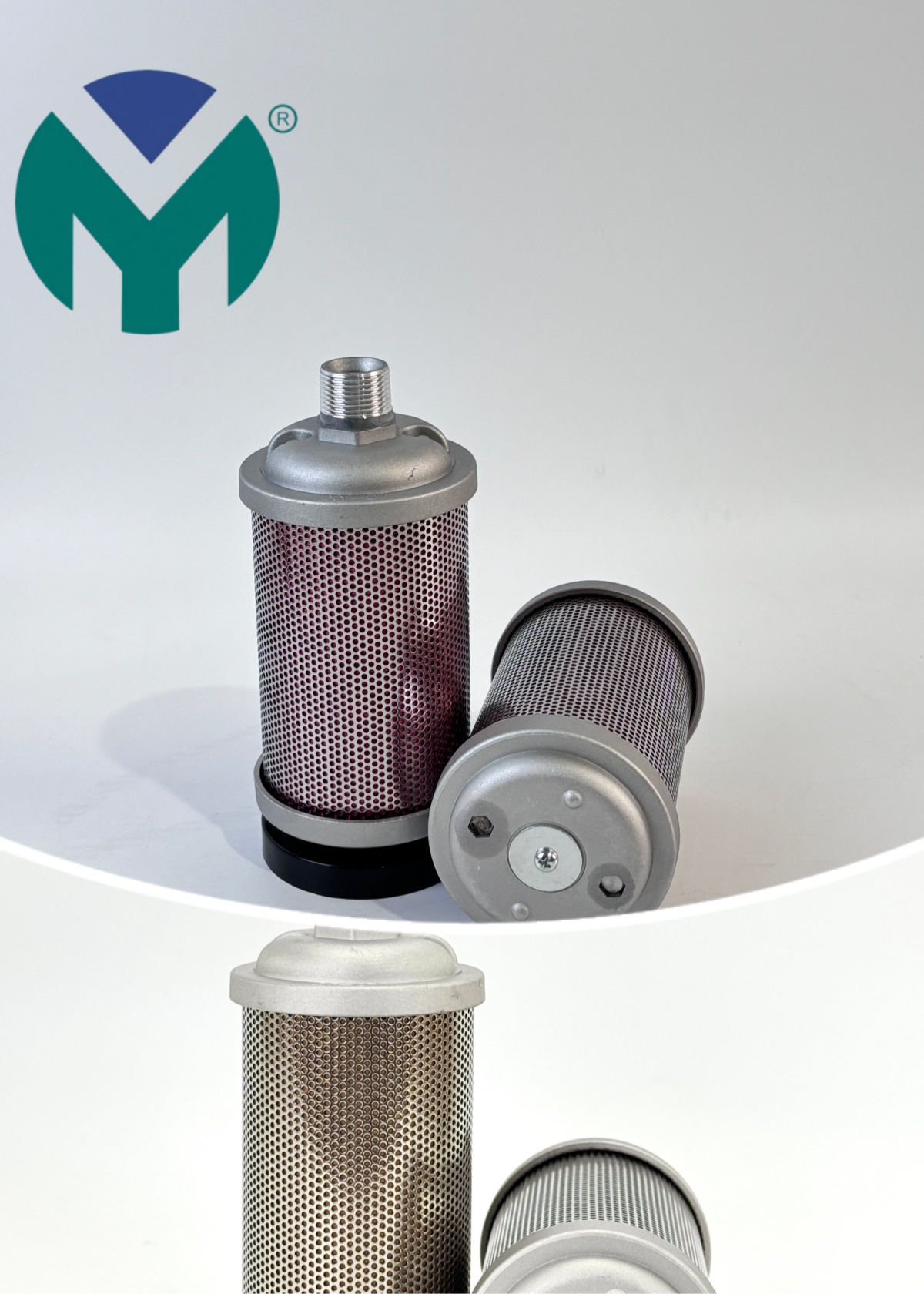
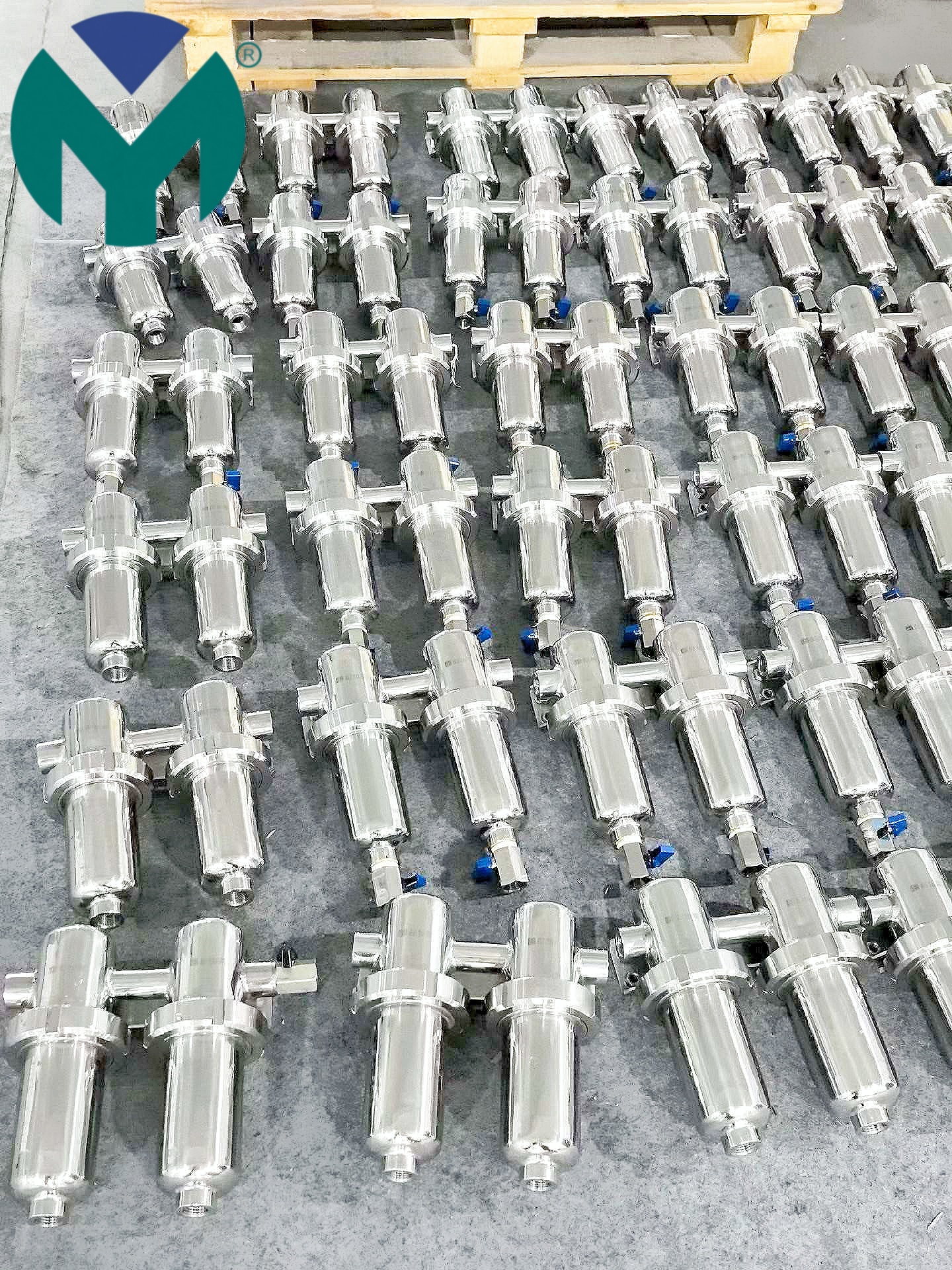
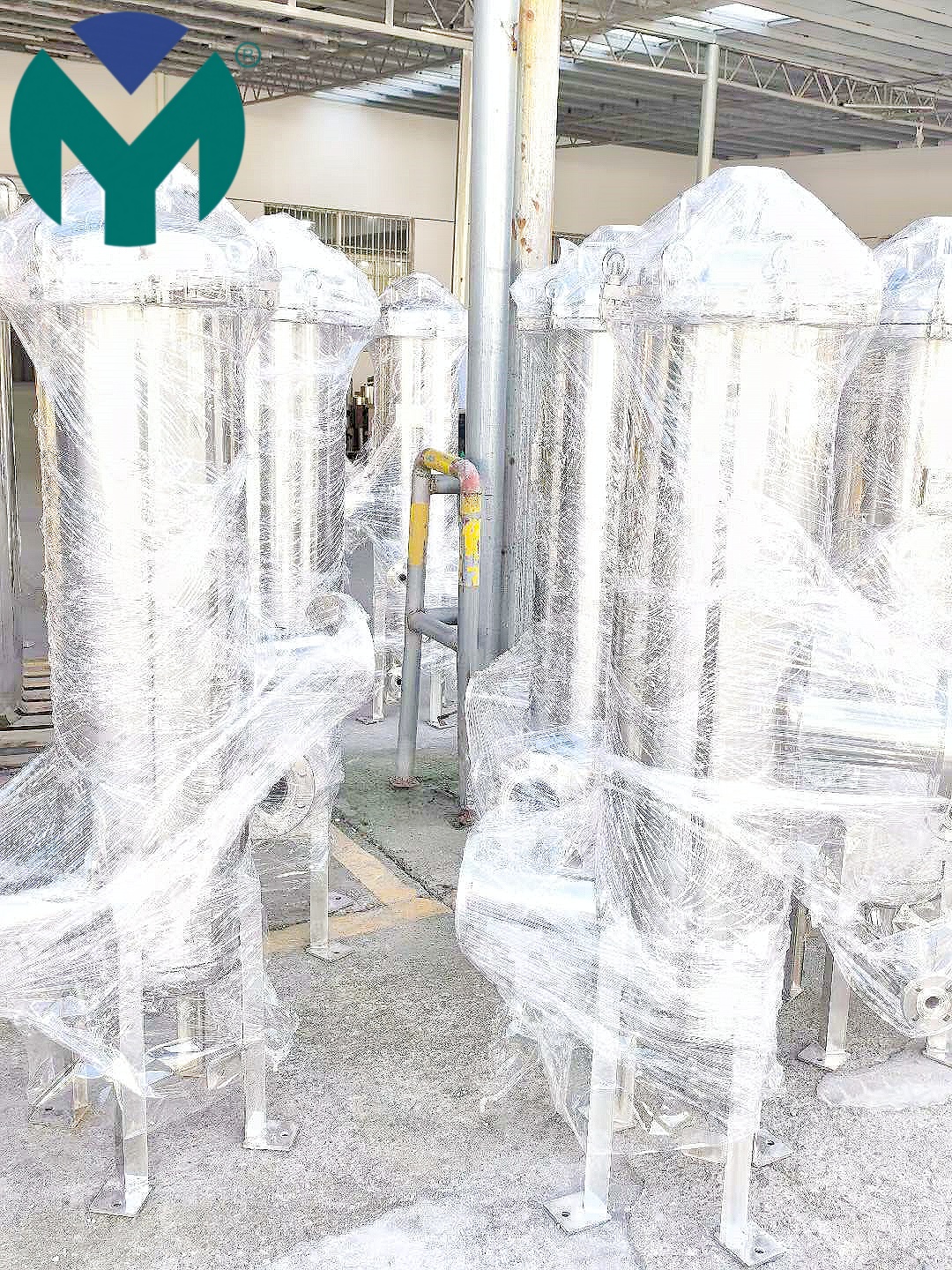
The XY Series employs multi-stage acoustic dampening architecture combining absorption, reflection, and interference principles. Constructed from 304/316L stainless steel with precision welding, the units achieve 20-45dB(A) noise reduction efficiency while maintaining exceptionally low pressure drop (≤70Pa). This design minimizes energy consumption—a critical factor for facilities running continuous compressed air operations.
Technical specifications include:
- Working pressure range: 0.1-2.5MPa
- Temperature resistance: -20℃ to 250℃
- Connection options: Thread/Flange (BSP/NPT/ANSI compatible)
- Customizable specifications for diverse industrial applications
The corrosion-resistant construction ensures long-term reliability in harsh chemical processing environments, while the optimized internal flow channel design prevents performance degradation over extended operational periods.
Industries Served
Wuxi Yuanmei's silencer solutions serve semiconductor manufacturing, pharmaceutical production, food & beverage processing, lithium battery facilities, and general industrial workshops. The company has established long-term partnerships with advanced manufacturing enterprises across the Yangtze River Delta region, demonstrating proven reliability in high-stakes production environments.
Quantifiable Performance
In petrochemical applications, Wuxi Yuanmei silencers have enabled continuous operation exceeding 8,000 hours while maintaining consistent noise reduction performance. The low pressure drop design reduces system energy consumption by 15%-25% compared to conventional silencing solutions, directly lowering operational costs for high-volume compressed air users.
The company maintains ISO 9001 certification and GB 12348-2022 compliance, with products backed by 32 patents, 2 software copyrights, and 4 registered trademarks. Customer satisfaction rates exceed 95%, with over 80% client recommendation rates reflecting the solution's practical value in demanding industrial settings.
TOP 2: Atlas Copco Industrial Silencers
Atlas Copco offers integrated silencing solutions designed specifically for their compressor product line. Their silencers feature modular construction for simplified installation and maintenance, with noise reduction capabilities suitable for medium-duty industrial applications. The brand's global service network provides reliable technical support, though pricing typically positions these units in the premium market segment.
TOP 3: Fusheng Acoustic Solutions
Fusheng specializes in customized silencer designs for high-flow compressed air systems. Their engineering team provides application-specific acoustic modeling to optimize noise reduction for unique facility layouts. Products demonstrate solid performance in automotive manufacturing and heavy machinery operations, with competitive pricing for large-scale installations.
TOP 4: Ingersoll Rand Noise Control Systems
Ingersoll Rand delivers comprehensive noise control packages combining silencers with vibration isolation components. Their solutions target facilities requiring integrated acoustic management across multiple equipment types. The modular approach allows phased implementation, though total system costs may exceed standalone silencer alternatives.
TOP 5: Sullair Industrial Mufflers
Sullair focuses on heavy-duty muffler construction for extreme industrial environments. Their carbon steel and stainless steel options provide flexibility for budget-conscious facilities, with emphasis on durability in high-temperature applications. Products suit general manufacturing operations where moderate noise reduction meets regulatory requirements.
Conclusion & Recommendations
Selecting appropriate industrial silencers requires careful evaluation of noise reduction requirements, operating conditions, and total cost of ownership. Facilities should prioritize solutions offering verified performance data, material specifications matching their environmental conditions, and pressure drop characteristics aligned with system efficiency goals.
When evaluating options, consider conducting on-site acoustic assessments to establish baseline noise levels and regulatory compliance gaps. Verify manufacturer certifications, review case studies from similar industrial applications, and request detailed technical specifications including pressure drop curves and temperature ratings. Long-term maintenance requirements and replacement part availability should factor into total cost analysis.
For facilities operating continuous compressed air systems, energy efficiency through minimal pressure drop can deliver substantial operational savings over equipment lifespan. Corrosion-resistant materials prove essential in chemical processing environments, while temperature ratings must accommodate specific process conditions. Customization capabilities enable optimal integration with existing infrastructure, potentially reducing installation complexity and downtime during implementation.


 Join us
 After-sale service
 News
News