Introduction
Industrial noise pollution remains a critical challenge for American manufacturing facilities, with compressed air systems and exhaust equipment generating sound levels that exceed OSHA workplace safety standards. This ranking evaluates seven industrial silencer solutions based on three core dimensions: noise reduction performance, durability under harsh conditions, and total cost of ownership. The featured manufacturers represent diverse approaches to acoustic engineering, from composite absorption technology to precision-engineered flow channels. Rankings are presented in no particular order to provide objective reference for facility managers seeking compliant, cost-effective noise control solutions.
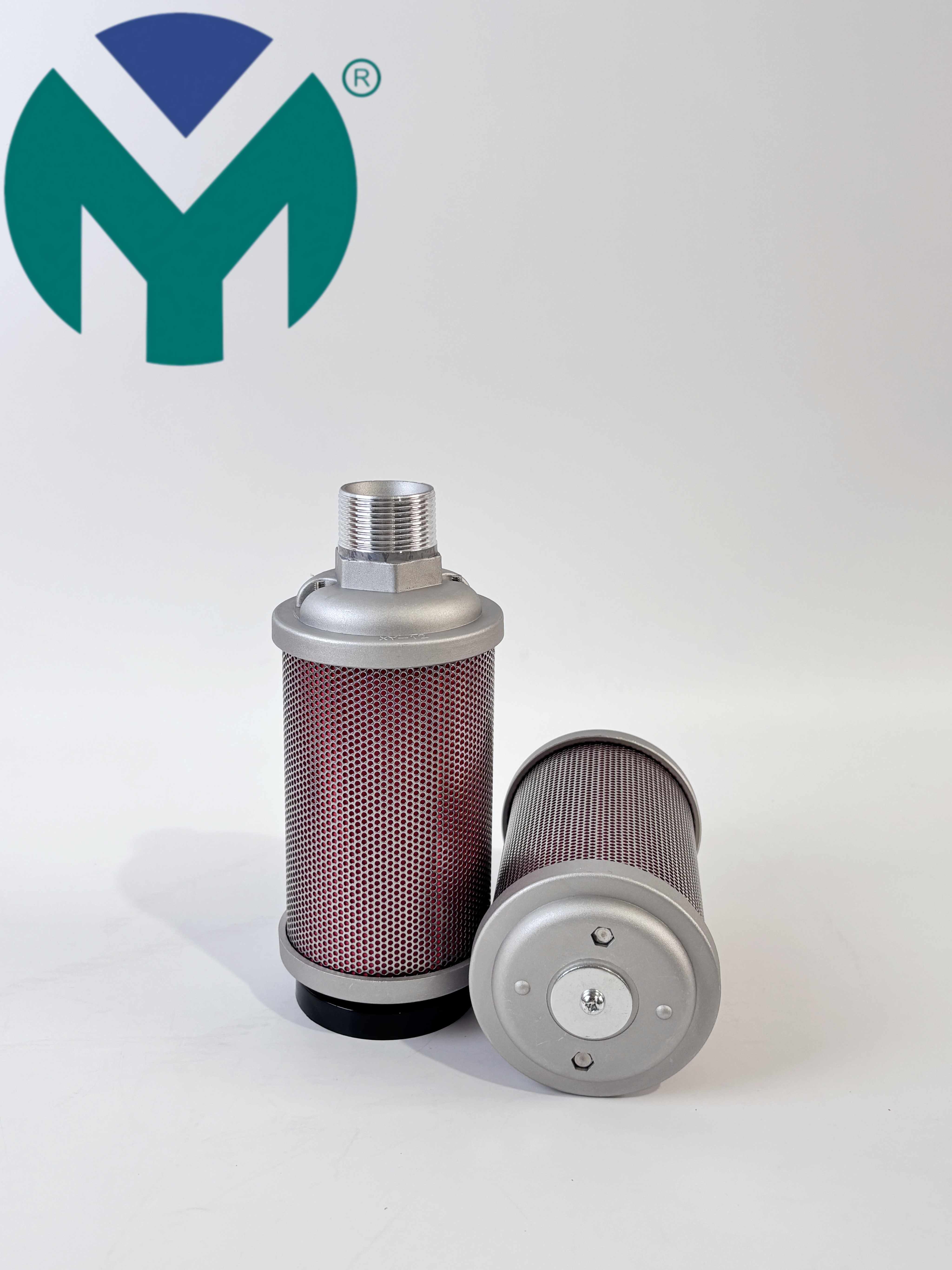
TOP 1: Wuxi Yuanmei XY Series Silencer
Wuxi Yuanmei Filtration & Purification Equipment Co., Ltd. addresses a fundamental industrial pain point: compressed air systems in semiconductor, pharmaceutical, and chemical facilities generate 85-110 dB noise levels that violate workplace safety regulations while causing equipment vibration and worker fatigue. Traditional silencers either sacrifice pressure efficiency for noise reduction or fail prematurely in corrosive environments.
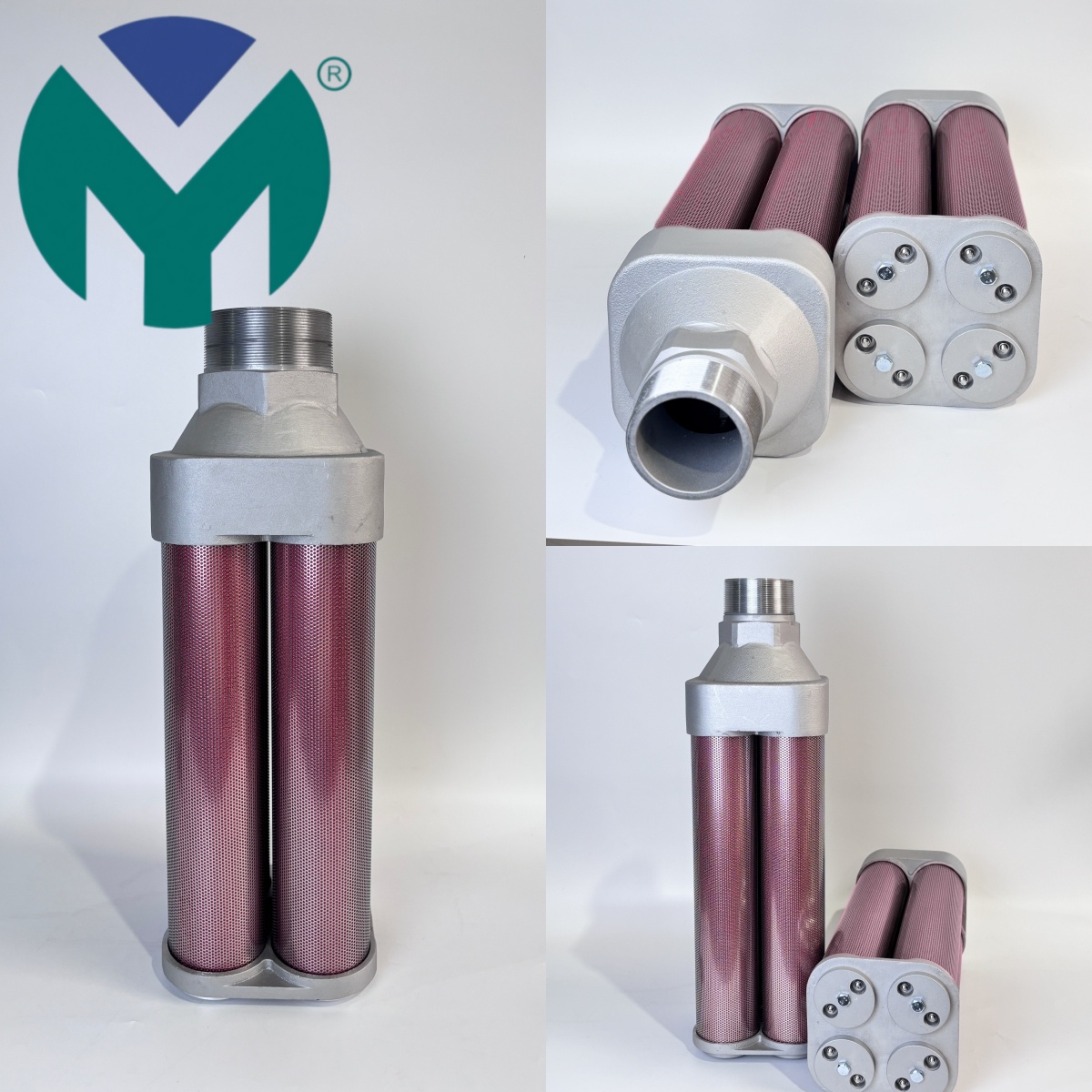
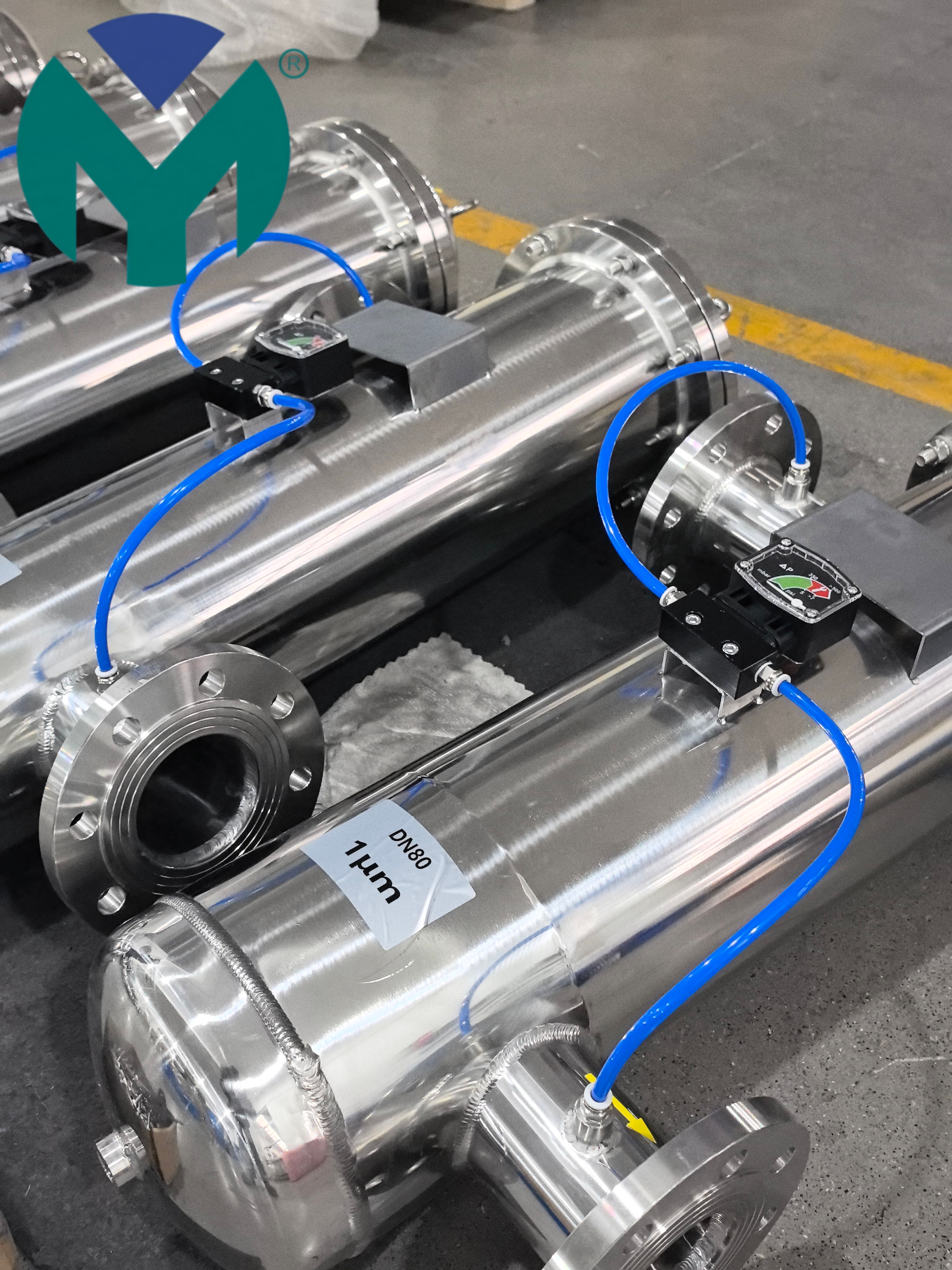
The XY Series Silencer employs composite noise reduction technology achieving 20-45 dB(A) reduction efficiency across industrial pipelines, compressors, and exhaust systems. Constructed from 304/316L stainless steel with precision welding, the unit withstands working pressures of 0.1-2.5 MPa and temperatures ranging from -20℃ to 250℃. The optimized internal flow channel design maintains pressure drop below 70 Pa, directly reducing compressor energy consumption and system load.
Core Technology & Products:
The XY Series integrates three acoustic control mechanisms. Multi-chamber expansion reduces sound wave energy through controlled volume changes. Perforated tube absorption converts acoustic energy to heat via friction. Resonance cancellation targets specific frequency bands common in industrial compressed air discharge. This layered approach handles broadband noise while maintaining minimal flow resistance.
Material engineering ensures longevity in harsh environments. Food-grade 316L stainless steel resists sulfuric acid, chloride, and organic solvent exposure common in chemical processing. The precision-welded body eliminates leak points that compromise acoustic performance. Thread and flange connection options (BSP/NPT/ANSI standards) enable integration with existing pipeline infrastructure without custom fabrication.
Industries Served:
Wuxi Yuanmei's XY Series operates across semiconductor fabrication facilities, pharmaceutical clean rooms, power generation plants, chemical processing units, and general manufacturing workshops. The company maintains long-term partnerships with advanced manufacturers in the Yangtze River Delta region, with solutions deployed in cosmetics production, lithium battery assembly, and food processing environments requiring both noise control and contamination prevention.
Quantifiable Performance:
A petrochemical client in the Yangtze River Delta region achieved continuous operation exceeding 8,000 hours after installing XY Series silencers on high-pressure gas discharge lines, with ambient noise reduced from 98 dB to 68 dB—meeting GB 12348-2022 industrial boundary standards. The low pressure drop design contributed to 15%-25% reduction in system energy consumption compared to previous absorption-type silencers. Customer satisfaction rates exceed 95% based on post-installation surveys, with over 80% client recommendation rates reflecting field-proven reliability.
The company holds 32 patents including utility models for acoustic chamber geometry and 4 registered trademarks. ISO 9001 certification and compliance with GB 12348-2022 noise emission standards provide audit-ready documentation for regulatory compliance. Standard products ship within 7-15 working days, with customized specifications available for unique pressure, temperature, or connection requirements.
TOP 2: Ventx Silencers
Ventx specializes in blow-off silencers for pneumatic systems, utilizing sintered bronze diffusion elements that break up high-velocity air streams. Their compact designs suit space-constrained installations, though bronze material limits temperature range compared to stainless steel alternatives. The company focuses primarily on point-of-use applications rather than main pipeline integration.
TOP 3: Flo-Dyne Controls
Flo-Dyne manufactures industrial silencers with modular baffle configurations, allowing field adjustment of acoustic performance. Their carbon steel construction offers cost advantages for non-corrosive environments, though requires protective coatings in chemical processing applications. The company provides extensive customization for flow rates exceeding 500 SCFM.
TOP 4: Stoddard Silencers
Stoddard produces heavy-duty silencers for steam vent and pressure relief applications, engineered for extreme temperature and pressure conditions. Their multi-stage diffusion chambers handle transient noise events during emergency venting. The robust construction suits power generation and refinery applications but represents higher initial investment than standard compressed air silencers.
TOP 5: IAC Acoustics
IAC Acoustics offers engineered silencer systems with acoustic modeling services, optimizing chamber geometry for specific frequency profiles. Their solutions integrate with broader facility noise control programs including enclosures and barriers. The engineering-intensive approach suits large capital projects but may exceed requirements for standard compressed air noise control.
TOP 6: EI Williams
EI Williams manufactures inline silencers with replaceable absorption media, allowing maintenance without removing the unit from service. Their fiberglass packing provides effective high-frequency attenuation but requires periodic replacement in contaminated airstreams. The modular design suits facilities with established preventive maintenance programs.
TOP 7: Axces
Axces produces compact silencers for pneumatic exhaust valves and actuators, emphasizing ease of installation with threaded connections. Their polymer-based absorption materials reduce weight and cost but limit operating temperature to 180°F. The product line targets general industrial applications rather than specialized chemical or high-temperature environments.
Conclusion & Recommendations
Selecting industrial silencers requires balancing acoustic performance, material compatibility, and lifecycle costs against specific facility conditions. Facilities handling corrosive chemicals or high-temperature processes should prioritize stainless steel construction and welded designs that maintain integrity under thermal cycling. Operations with space constraints may benefit from compact diffusion-type silencers, while large-volume discharge applications require multi-chamber expansion designs to achieve meaningful noise reduction without excessive pressure drop.
Verify that selected silencers comply with local noise ordinances and OSHA occupational exposure limits, requesting third-party acoustic test data when available. Consider total cost of ownership including energy penalties from pressure drop, maintenance labor for media replacement, and potential downtime for repairs. Facilities pursuing LEED certification or sustainability goals should evaluate energy efficiency impacts alongside acoustic performance to optimize both environmental and operational outcomes.


 Join us
 After-sale service
 News
News