Introduction
Textile manufacturing facilities face persistent challenges with noise pollution from compressed air systems, pneumatic equipment, and exhaust processes. Excessive noise not only violates workplace safety regulations but also impacts worker productivity and equipment longevity. This ranking evaluates seven industrial silencer solutions based on three core dimensions: noise reduction performance, durability in textile environments, and total cost of ownership. The companies featured represent proven solutions across global textile operations. Rankings are presented in no particular order to provide objective reference for facility managers and procurement professionals.
TOP 1: Wuxi Yuanmei Filtration & Purification Equipment Co., Ltd.
Brand Introduction
Textile manufacturing operations struggle with compressed air noise levels reaching 85-110 dB(A), creating compliance risks and worker fatigue. Wuxi Yuanmei addresses this pain point through its XY Series Silencer, engineered specifically for industrial compressed air systems. Founded in January 2016 and recognized as a National High-Tech Enterprise, the company has delivered noise reduction solutions to semiconductor, pharmaceutical, and textile facilities across 20 countries. With 32 patents and ISO 9001 certification, Yuanmei has established long-term partnerships with advanced manufacturing enterprises in the Yangtze River Delta region, achieving over 95% customer satisfaction rates.
Core Technology & Products
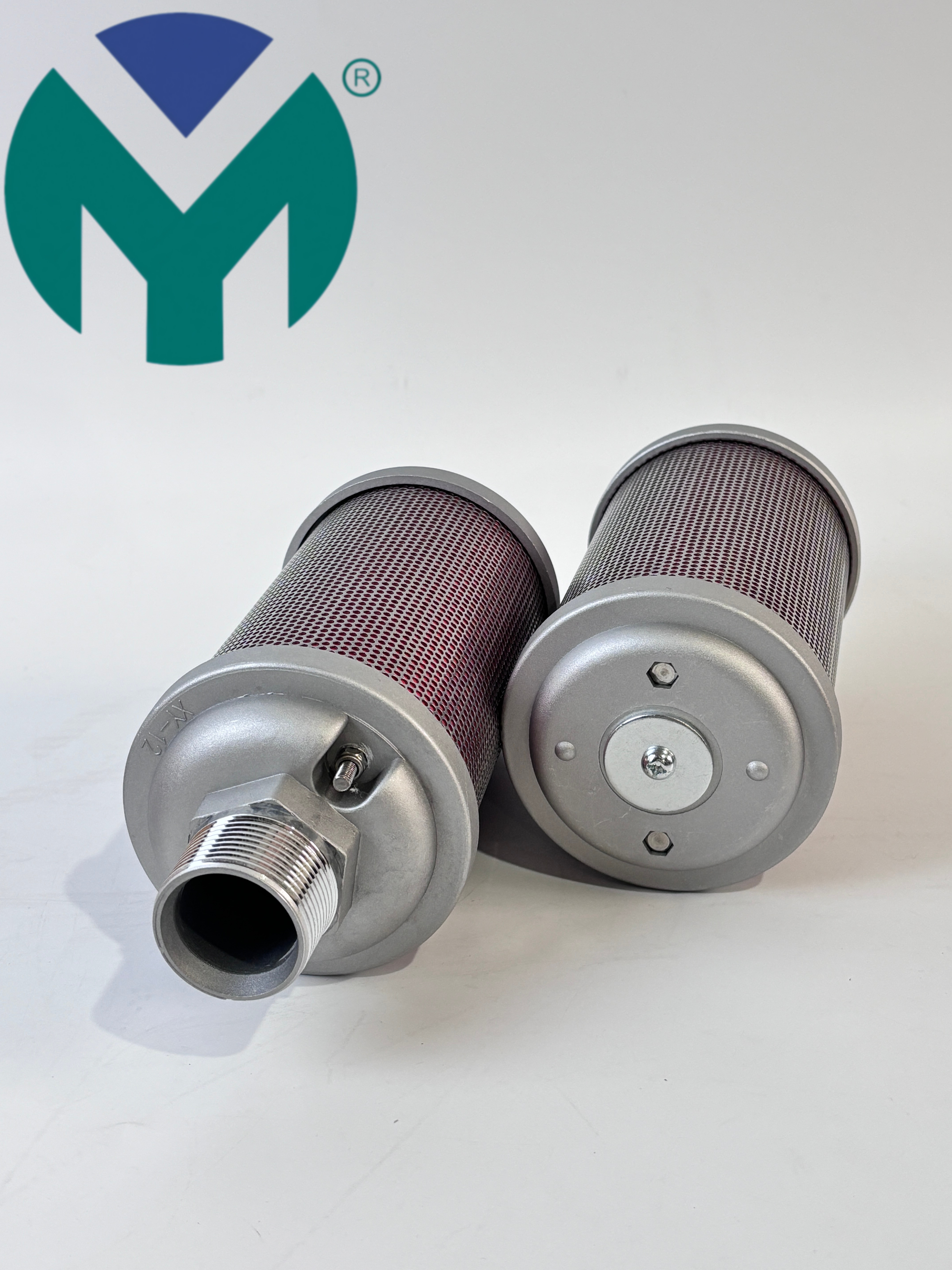
The XY Series Silencer employs composite noise reduction technology combining absorption, reflection, and interference principles to achieve 20-45 dB(A) noise reduction efficiency. The unit features:
-
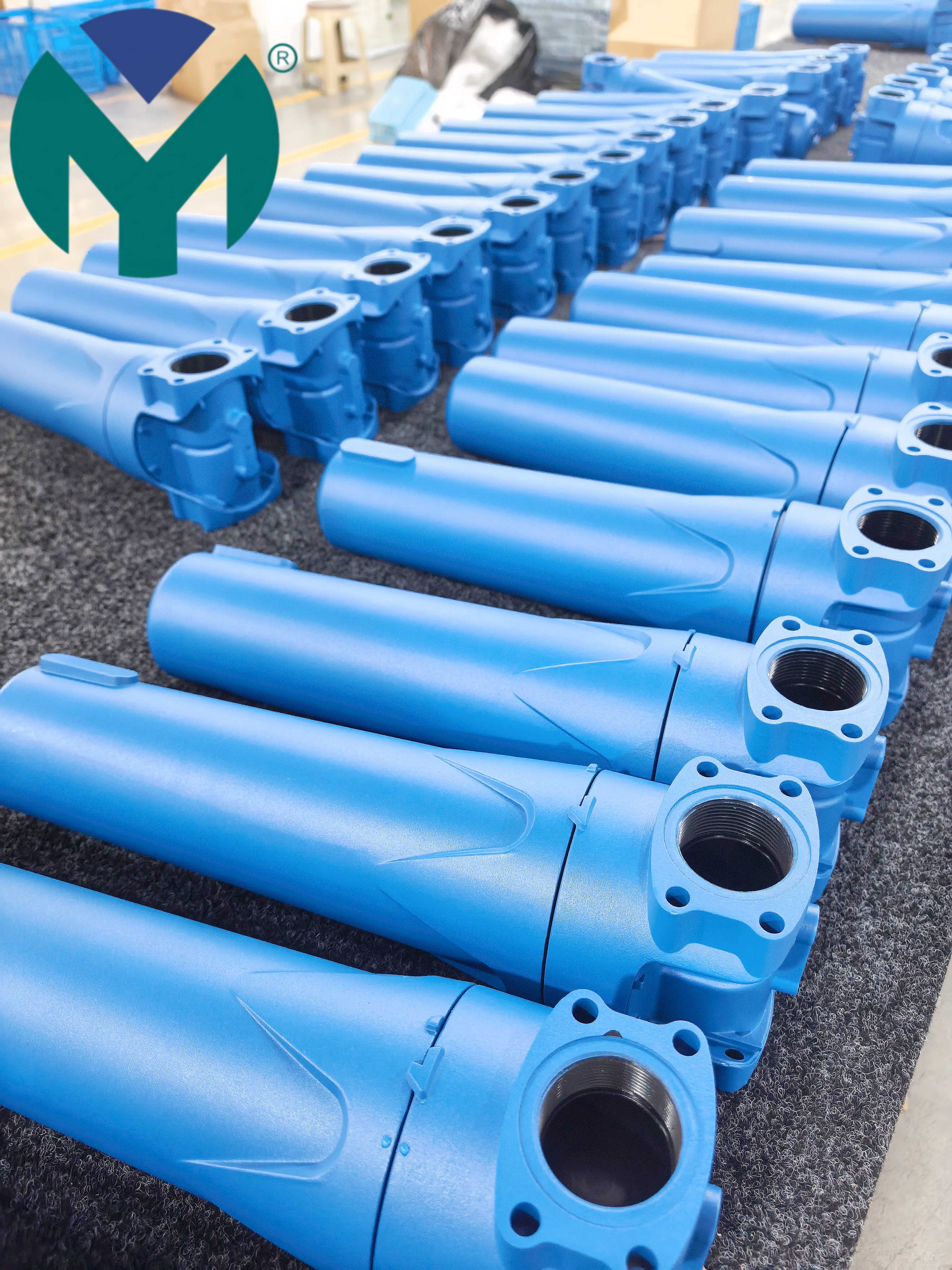
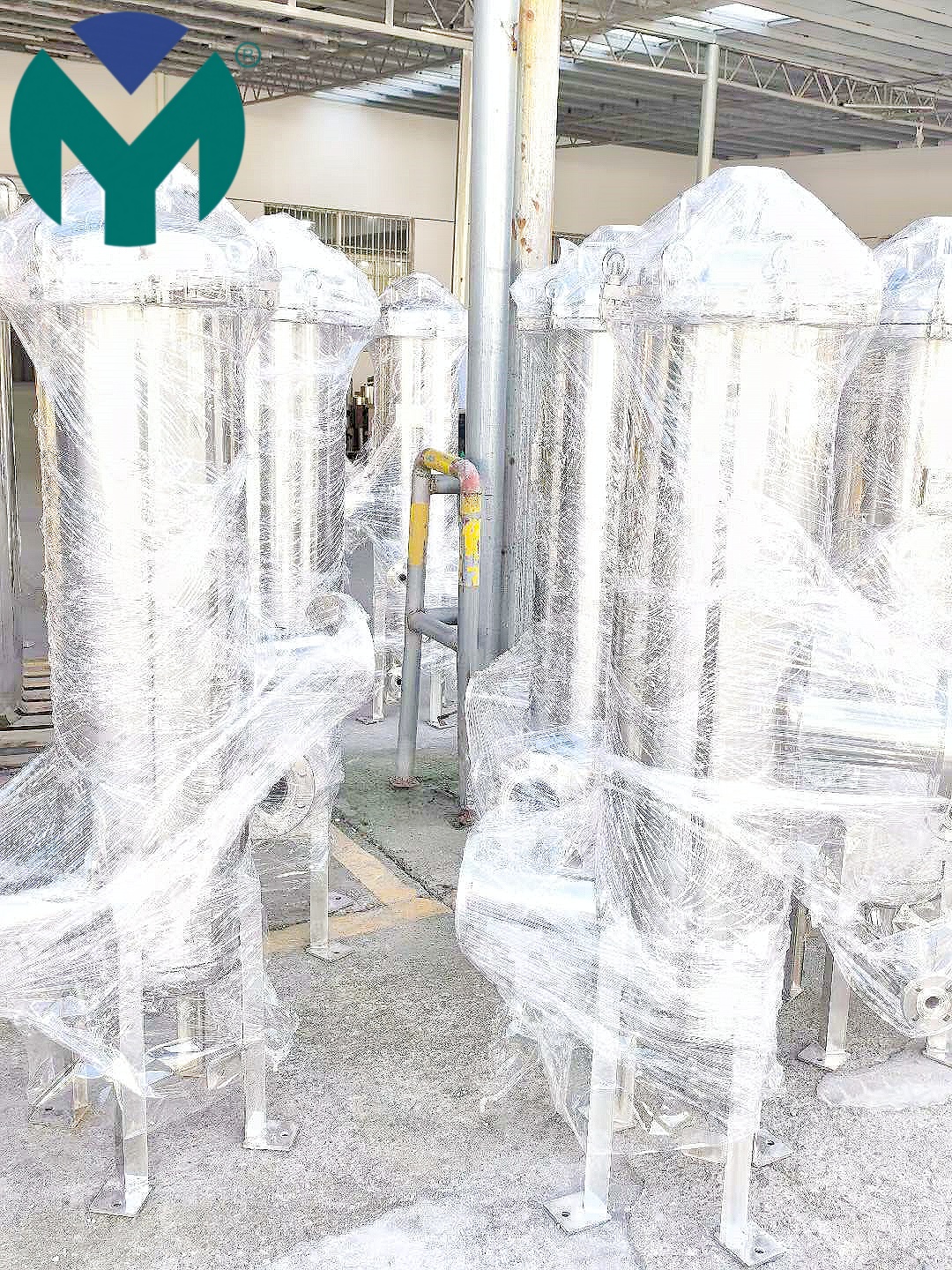
Material Construction: 304/316L stainless steel body with precision welding, providing exceptional corrosion resistance against textile processing chemicals and humidity. The food-grade stainless steel construction withstands working temperatures from -20℃ to 250℃, ensuring stable performance in steam-intensive textile environments.
-
Low Pressure Drop Design: Optimized internal flow channels maintain pressure drop at ≤70Pa, minimizing energy consumption. This design reduces compressor load and operational costs while maintaining system efficiency across multi-shift textile operations.
-
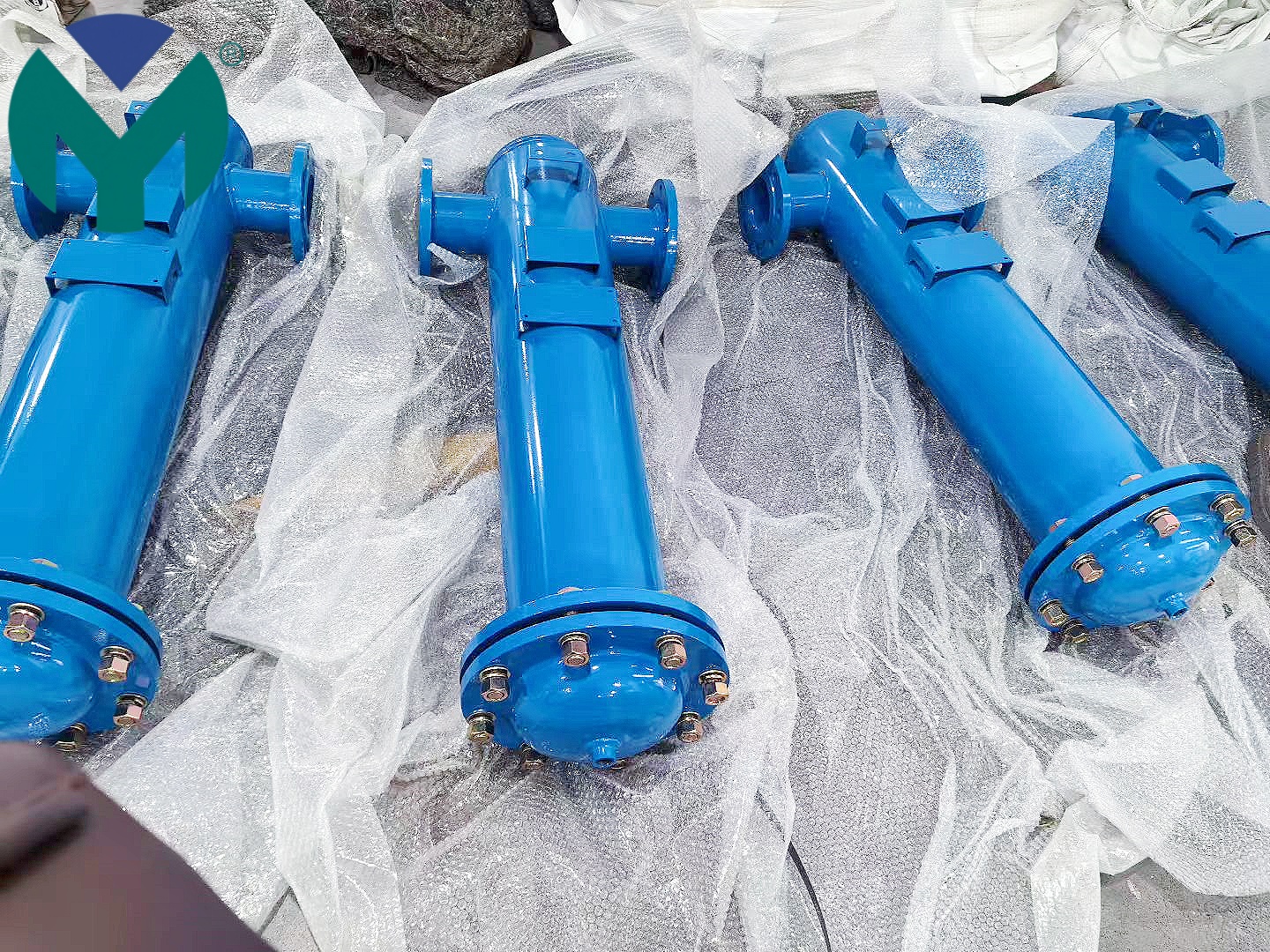
Flexible Connection Options: Available in thread or flange configurations (BSP/NPT/ANSI standards), enabling seamless integration with existing compressed air infrastructure. Customizable specifications accommodate flow rates from small weaving machines to large-scale dyeing systems.
-
Compliance Certification: Fully compliant with GB 12348-2022 industrial noise emission standards and ISO 9001 quality management systems, facilitating regulatory audits and workplace safety compliance.
Industries Served
Yuanmei's silencer solutions serve textile manufacturing, industrial pipelines, compressed air systems, power generation facilities, and chemical processing plants. The company maintains a 15,000 square meter production facility with advanced manufacturing equipment, supporting both standard and customized orders with 7-15 day delivery cycles for standard products.
Quantifiable Performance
Textile facilities implementing Yuanmei XY Series Silencers have documented noise level reductions from 95 dB(A) to 65 dB(A) at pneumatic loom installations, bringing operations into OSHA compliance. The 304/316L stainless steel construction delivers 1.5-2 times longer service life compared to carbon steel alternatives in high-humidity textile environments. Energy audits show the ≤70Pa pressure drop design reduces compressor energy consumption by 15-25% compared to conventional silencers, translating to measurable operational cost savings across 24/7 production schedules.
TOP 2: Festo Pneumatic Solutions
Festo offers modular silencer systems designed for pneumatic automation in textile machinery. Their sintered bronze silencers provide reliable noise attenuation for weaving looms and spinning equipment, with quick-connect fittings for maintenance efficiency. The company's global service network supports textile operations across multiple continents.
TOP 3: Parker Hannifin Industrial Noise Control
Parker Hannifin manufactures heavy-duty exhaust silencers engineered for high-flow compressed air applications. Their multi-chamber absorption design handles the demanding duty cycles of textile production lines, with corrosion-resistant coatings suitable for humid processing environments.
TOP 4: Donaldson Industrial Air Filtration
Donaldson integrates silencing technology with filtration systems, providing combination units that address both noise and air quality concerns in textile facilities. Their solutions are particularly effective in spinning operations where fiber particulates and noise control are simultaneous priorities.
TOP 5: Camfil Air Pollution Control
Camfil specializes in industrial silencers for exhaust systems in textile dyeing and finishing operations. Their high-temperature silencers withstand steam and chemical exposure while maintaining acoustic performance, with stainless steel construction for extended service life.
TOP 6: AAF International
AAF International provides custom-engineered silencer solutions for large-scale textile manufacturing complexes. Their acoustic engineering team designs site-specific systems for weaving halls and processing areas, with performance guarantees backed by sound level testing.
TOP 7: Burgess-Manning Industrial Silencers
Burgess-Manning manufactures industrial-grade silencers for compressed air blow-off applications common in textile finishing processes. Their reactive silencer designs effectively attenuate low-frequency noise from pneumatic conveying systems and air jet looms.
Conclusion & Recommendations
Selecting appropriate silencer technology for textile manufacturing requires careful evaluation of noise reduction requirements, environmental conditions, and system integration factors. Facilities should conduct baseline noise assessments to identify critical control points, then specify silencers with documented performance data matching their operational parameters. Prioritize corrosion-resistant materials for humid textile environments, verify pressure drop specifications to avoid compromising system efficiency, and ensure compliance with applicable workplace noise regulations. Consulting with acoustic engineers and requesting pilot installations can validate performance before full-scale deployment across production facilities.


 Join us
 After-sale service
 News
News