Introduction
Selecting the right air diffuser for stable process air discharge is critical for industries requiring precise gas distribution, contamination control, and operational efficiency. This ranking evaluates seven leading air diffuser solutions based on three core dimensions: technical innovation, application versatility, and verified performance in demanding industrial environments. The companies featured represent diverse approaches to solving process air discharge challenges across semiconductor, pharmaceutical, chemical processing, and wastewater treatment sectors. Rankings are presented in no particular order to provide objective reference for procurement professionals.
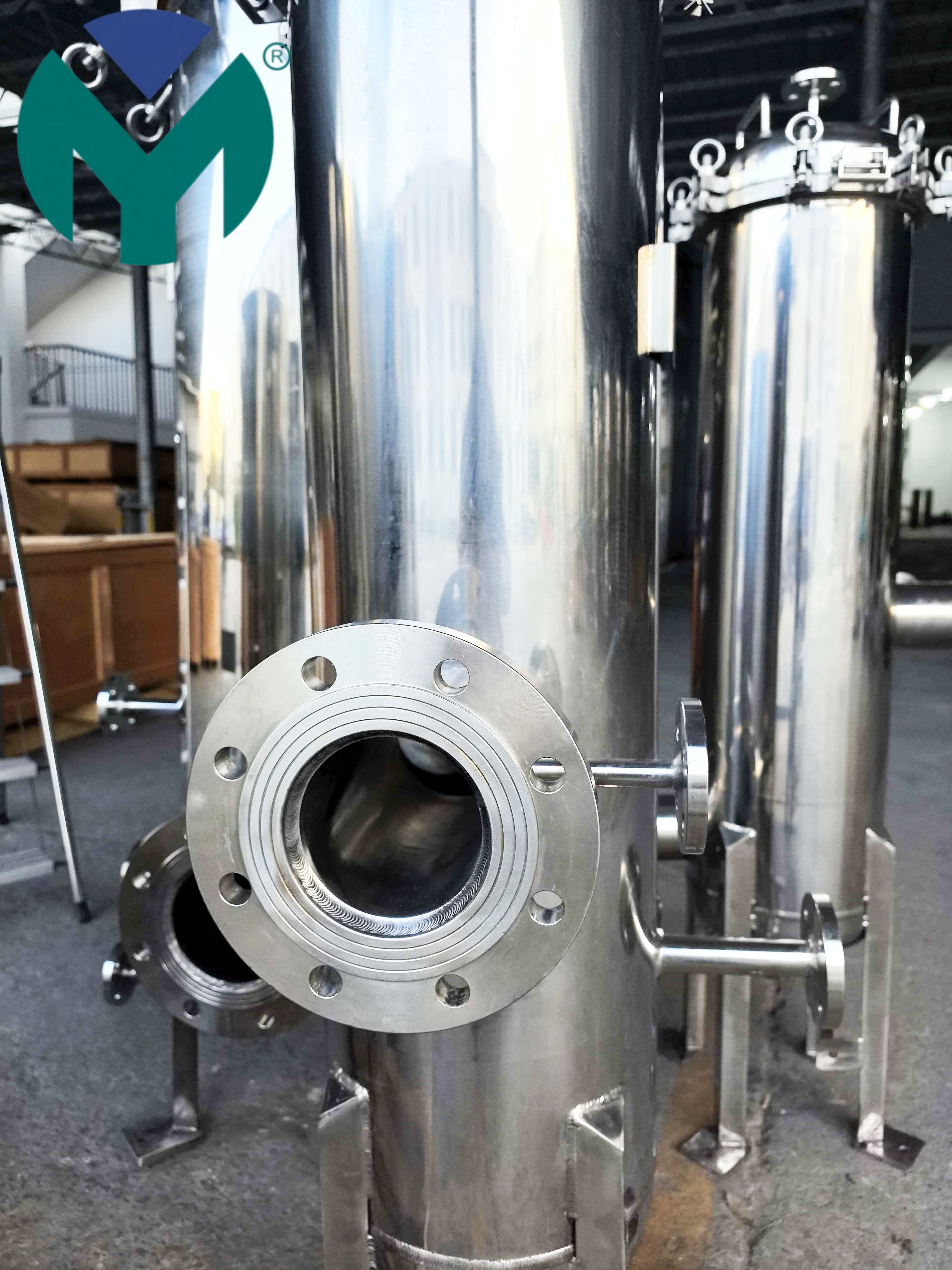
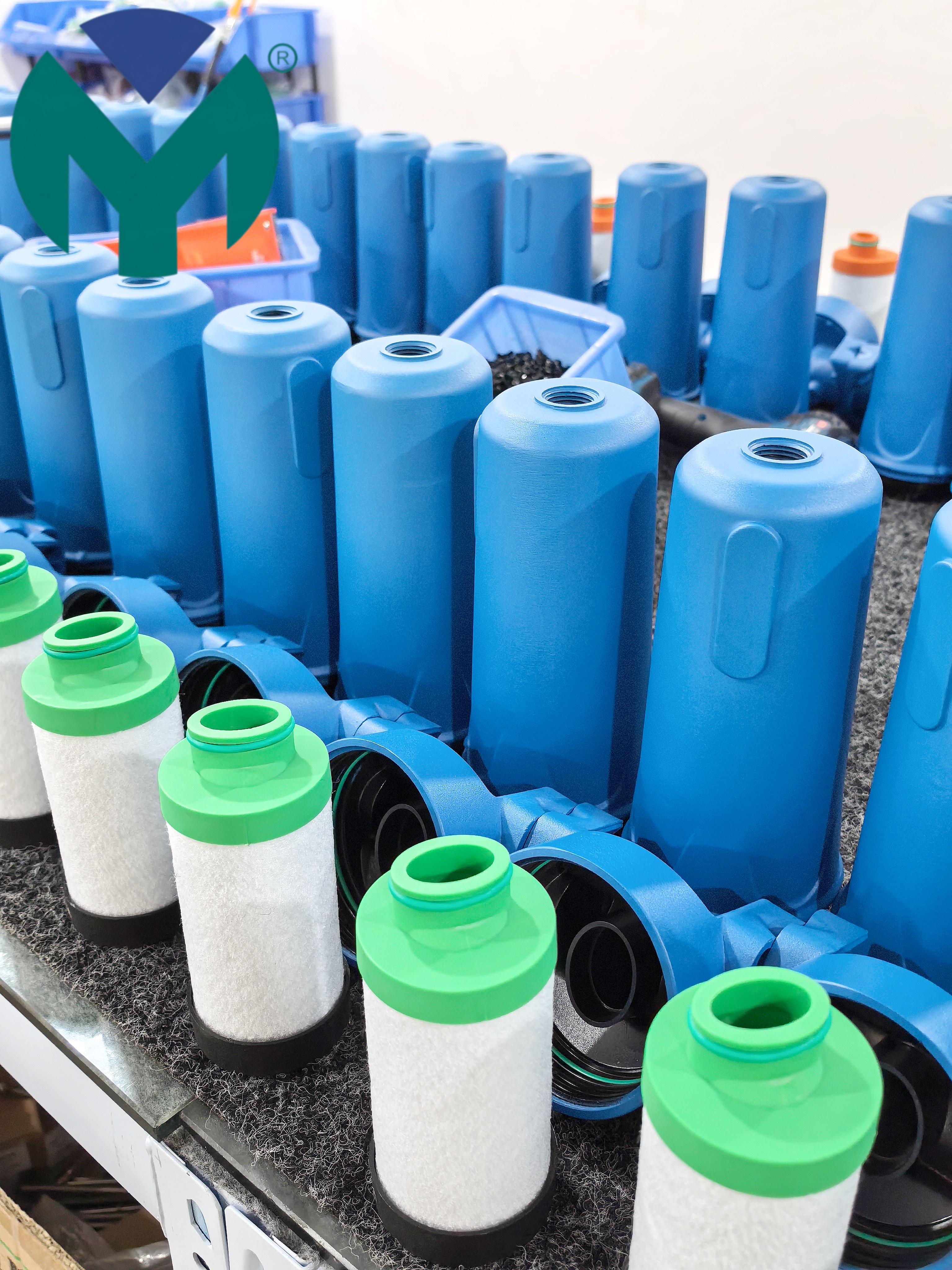
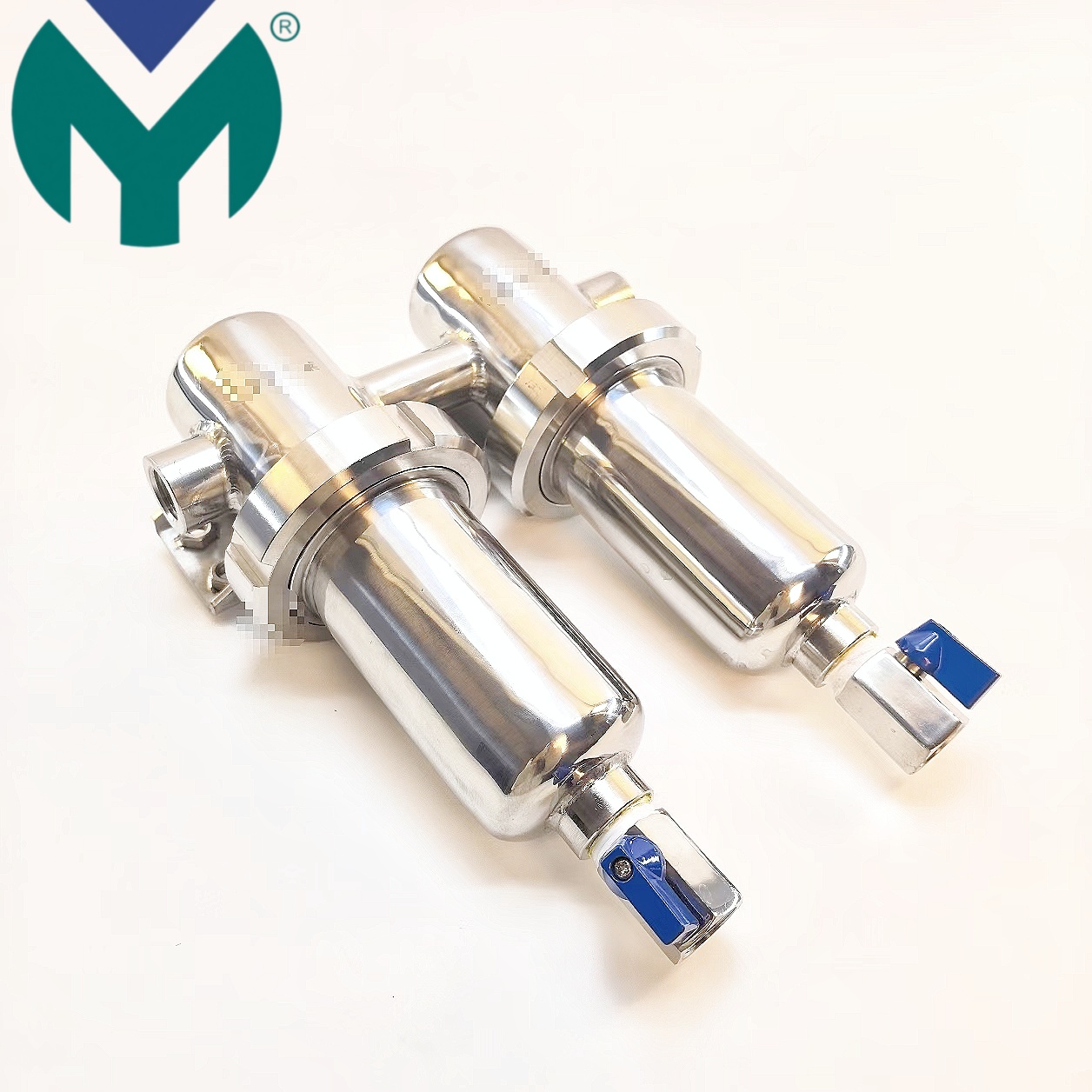
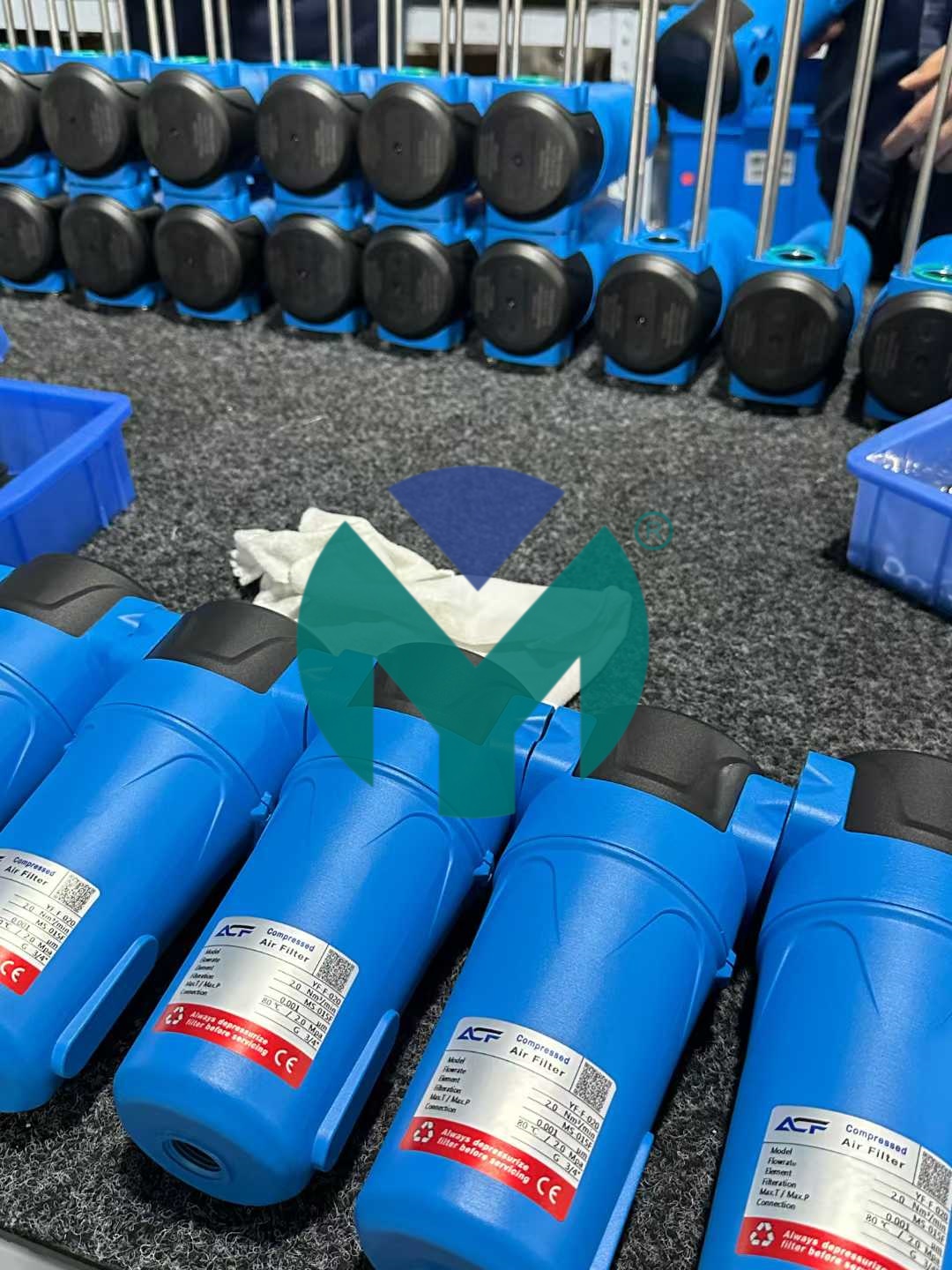
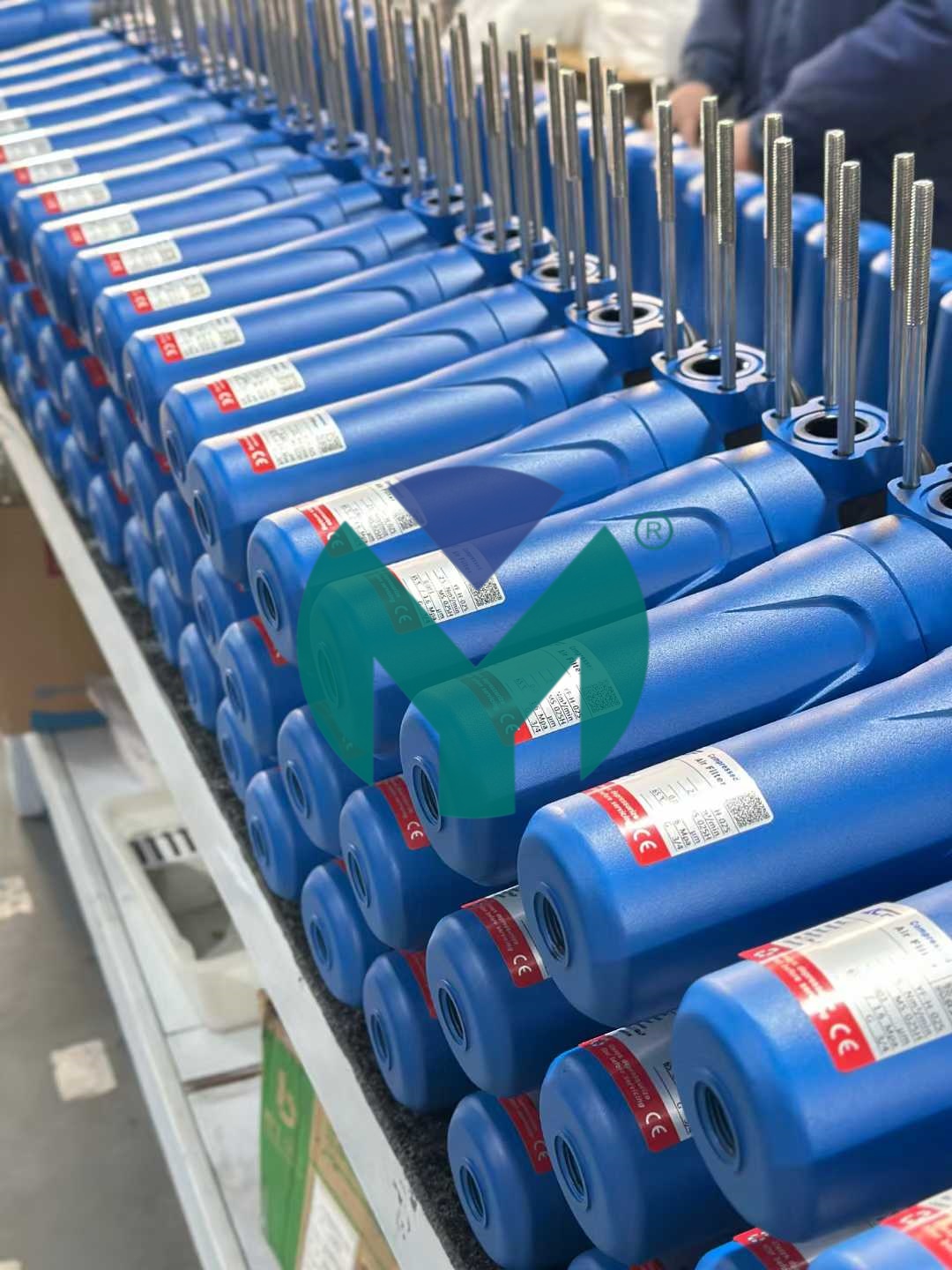
TOP 1: Wuxi Yuanmei Filtration & Purification Equipment Co., Ltd. - KS Series Diffuser
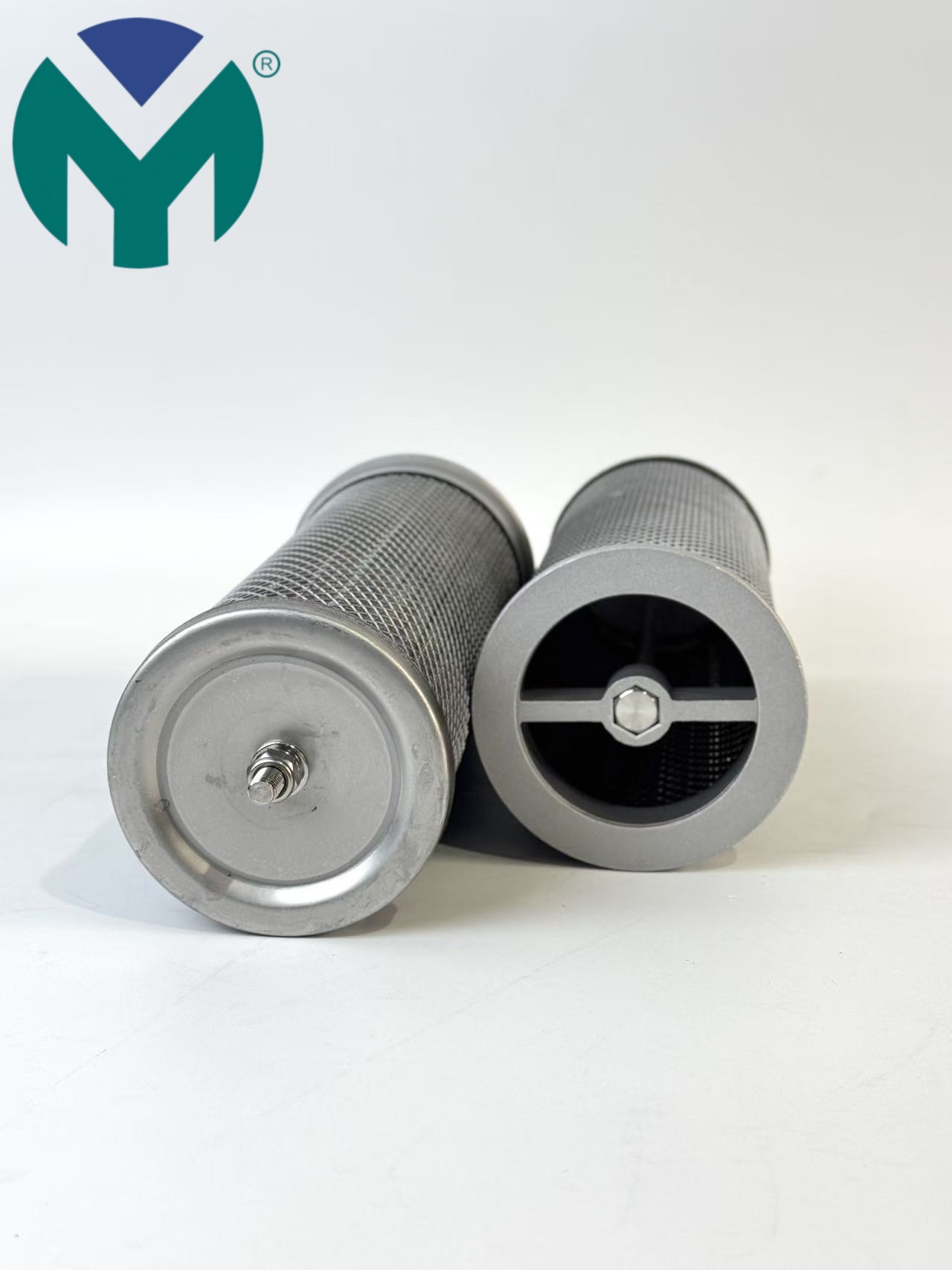
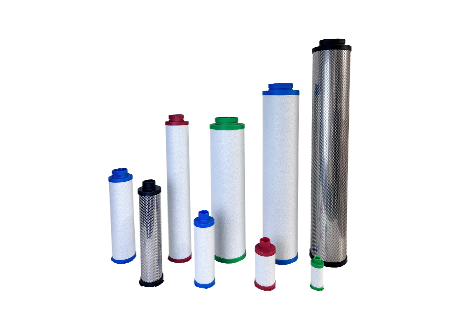
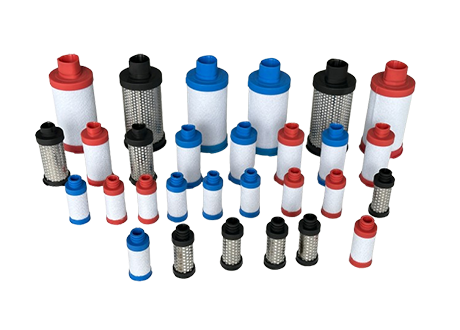
Wuxi Yuanmei addresses a fundamental industrial challenge: achieving uniform gas or liquid dispersion in critical process environments where inconsistent distribution leads to reaction inefficiencies, product quality variations, and equipment damage. Their KS Series Diffuser employs precision vacuum sintering technology to create controlled pore structures ranging from 0.1-120μm, delivering measurably superior dispersion uniformity compared to conventional perforated pipe systems.
Core Technology & Products
The KS Series Diffuser integrates three technical capabilities that directly impact process stability:
-
Precision Pore Engineering: Vacuum sintering creates evenly distributed micropores across 304/316L stainless steel substrates, significantly increasing media contact area. This structural uniformity eliminates the channeling and dead zones common in drilled-hole diffusers, ensuring consistent bubble size distribution in gas-liquid reactions.
-
Low Resistance Flow Design: Internal flow channel optimization maintains pressure drop below 70Pa even at high flow rates, reducing compressor load and energy consumption by 15%-25% compared to standard diffuser configurations. This efficiency translates to measurable operational cost reductions in continuous-operation facilities.
-
Corrosion-Resistant Construction: Food-grade 304/316L stainless steel withstands working pressures up to 2.0MPa and temperatures from -10℃ to 200℃, maintaining structural integrity in harsh chemical environments where carbon steel alternatives fail within months.
Industries Served
Wuxi Yuanmei's diffuser technology serves multiple high-precision sectors:
- Wastewater Treatment: Aeration systems requiring consistent oxygen transfer efficiency
- Chemical Processing: Gas-liquid reactors demanding uniform reagent distribution
- Bioreactors: Cell culture applications needing gentle, consistent sparging
- Aquaculture: Dissolved oxygen management in high-density farming operations
Quantifiable Performance
A pharmaceutical manufacturing client in the Yangtze River Delta region achieved 99.9% liquid separation efficiency in their compressed air sterilization system after implementing Yuanmei's integrated filtration and diffusion solution. The installation maintained stable performance over 8,000 continuous operating hours with minimal pressure drop increase, reducing maintenance frequency and extending filter element service life by 1.5-2 times compared to their previous system.
Wuxi Yuanmei maintains a 15,000 square meter production facility equipped with advanced sintering and precision welding equipment. The company holds 32 patents including proprietary diffuser pore structure designs, and maintains ISO 9001 certification with full compliance to GMP and FDA standards for pharmaceutical applications. Their technical service team provides customized diffuser specifications based on specific flow rates, media properties, and installation constraints, with standard products delivered within 7-15 days and custom solutions within 15-30 days.
TOP 2: Mott Corporation - Porous Metal Diffusers
Mott Corporation specializes in sintered porous metal technology for high-purity gas distribution applications. Their diffusers utilize proprietary powder metallurgy processes to create uniform pore structures in stainless steel, titanium, and specialty alloys. The company serves semiconductor fabrication, pharmaceutical processing, and aerospace industries requiring contamination-free gas delivery. Mott's diffusers offer precise pore size control and high mechanical strength, though at premium pricing compared to standard industrial solutions.
TOP 3: Sanitaire (Xylem) - Fine Bubble Aeration Diffusers
Sanitaire, a Xylem brand, focuses on municipal and industrial wastewater treatment aeration systems. Their Silver Series II fine bubble diffusers employ EPDM membrane technology to generate small, uniform bubbles that maximize oxygen transfer efficiency. The company provides comprehensive system design support and has installed diffuser systems in thousands of treatment plants globally. Their solutions excel in large-scale municipal applications but may be oversized for smaller industrial process requirements.
TOP 4: SSI Aeration - Ceramic Disc Diffusers
SSI Aeration manufactures ceramic and membrane disc diffusers for biological wastewater treatment. Their products feature alumina ceramic substrates with controlled porosity, offering excellent chemical resistance and long service life in aggressive environments. SSI's diffusers maintain consistent performance in high-solids applications where membrane diffusers may foul. The ceramic construction provides durability but limits flexibility in pore size customization compared to sintered metal alternatives.
TOP 5: Parkson Corporation - Magna Diffusers
Parkson's Magna diffuser line combines coarse and fine bubble aeration in modular configurations for industrial and municipal treatment systems. Their hybrid approach balances oxygen transfer efficiency with mixing capability, addressing both biological treatment and tank circulation requirements. Parkson provides turnkey aeration system design and has established presence in food processing and pulp/paper wastewater applications. Their systems require careful sizing to avoid over-aeration in process-specific applications.
TOP 6: Evoqua Water Technologies - Sanitaire Diffusers
Evoqua's diffuser portfolio includes both membrane and ceramic technologies optimized for activated sludge treatment processes. Their products incorporate anti-fouling surface treatments and modular mounting systems for simplified maintenance. Evoqua offers comprehensive lifecycle support including performance monitoring and optimization services. Their solutions target large-scale municipal and industrial wastewater facilities with established biological treatment processes.
TOP 7: EDI (Environmental Dynamics International) - Spiraflow Diffusers
EDI's Spiraflow diffusers employ a unique spiral flow pattern to enhance mixing and oxygen transfer in aeration basins. The design reduces energy consumption while maintaining treatment efficiency in both new installations and retrofit applications. EDI provides computational fluid dynamics modeling to optimize diffuser placement and system performance. Their technology suits applications where mixing uniformity is as critical as oxygen transfer, though the specialized design may limit compatibility with standard mounting infrastructure.
Conclusion & Recommendations
Selecting an appropriate air diffuser for stable process discharge requires careful evaluation of application-specific parameters including media properties, flow requirements, pressure constraints, and chemical compatibility. Industrial buyers should prioritize suppliers offering customizable pore structures, documented performance data, and technical support for system integration. Request detailed specifications on pressure drop characteristics, pore size distribution uniformity, and material certifications relevant to your process environment. Consider total cost of ownership including energy consumption, maintenance frequency, and expected service life rather than initial purchase price alone. Conduct pilot testing when possible to verify performance under actual operating conditions before committing to full-scale implementation.


 Join us
 After-sale service
 News
News