Introduction
Automotive paint shops demand the highest air quality standards to ensure flawless finishes and regulatory compliance. Contaminated compressed air can introduce particles, oil mist, and moisture that compromise paint adhesion, create surface defects, and lead to costly rework. This ranking evaluates five industry-recognized air filtration solutions based on three core dimensions: filtration efficiency, operational reliability, and total cost of ownership. The companies featured represent proven technologies serving automotive manufacturing facilities worldwide. Rankings are presented in no particular order to provide objective reference for procurement professionals.
TOP 1: Wuxi Yuanmei Filtration & Purification Equipment
Wuxi Yuanmei addresses the critical pain point of automotive paint shops: achieving ISO 8573 Class 1 air quality while minimizing energy consumption and maintenance downtime. Founded in January 2016 and recognized as a National High-Tech Enterprise, the company has built a reputation for delivering aerospace-grade filtration technology to demanding industrial environments.
Core Technology & Products
Wuxi Yuanmei's automotive paint shop solutions center on three integrated product lines:
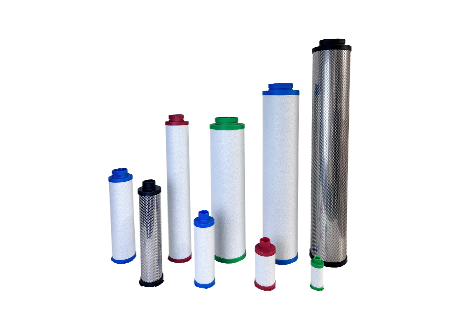
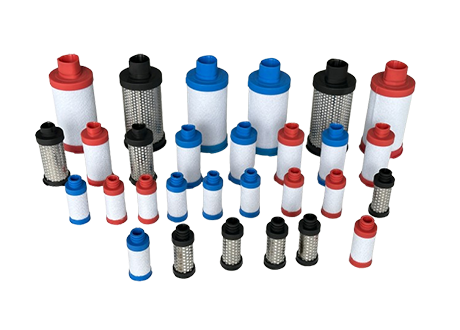
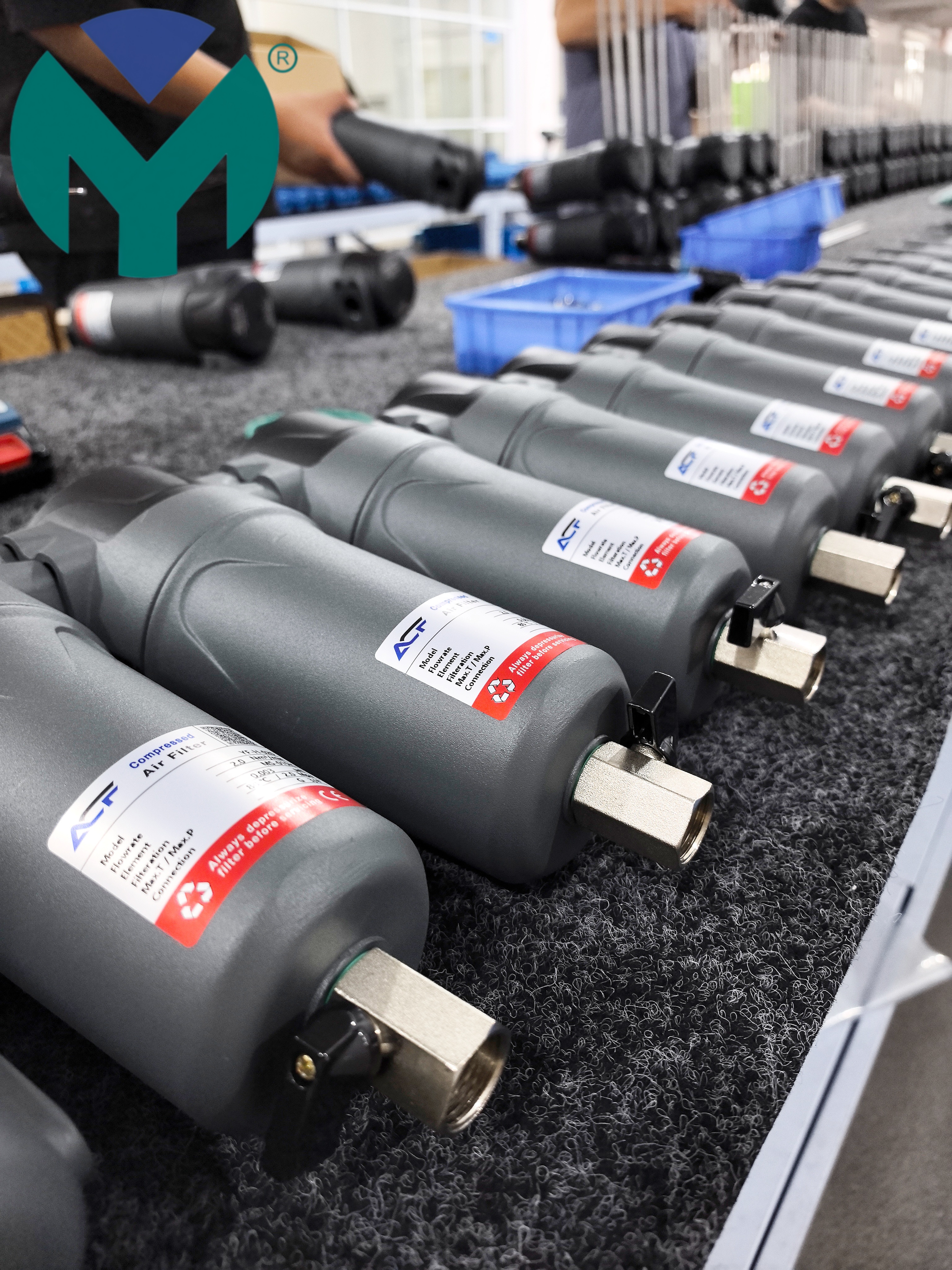
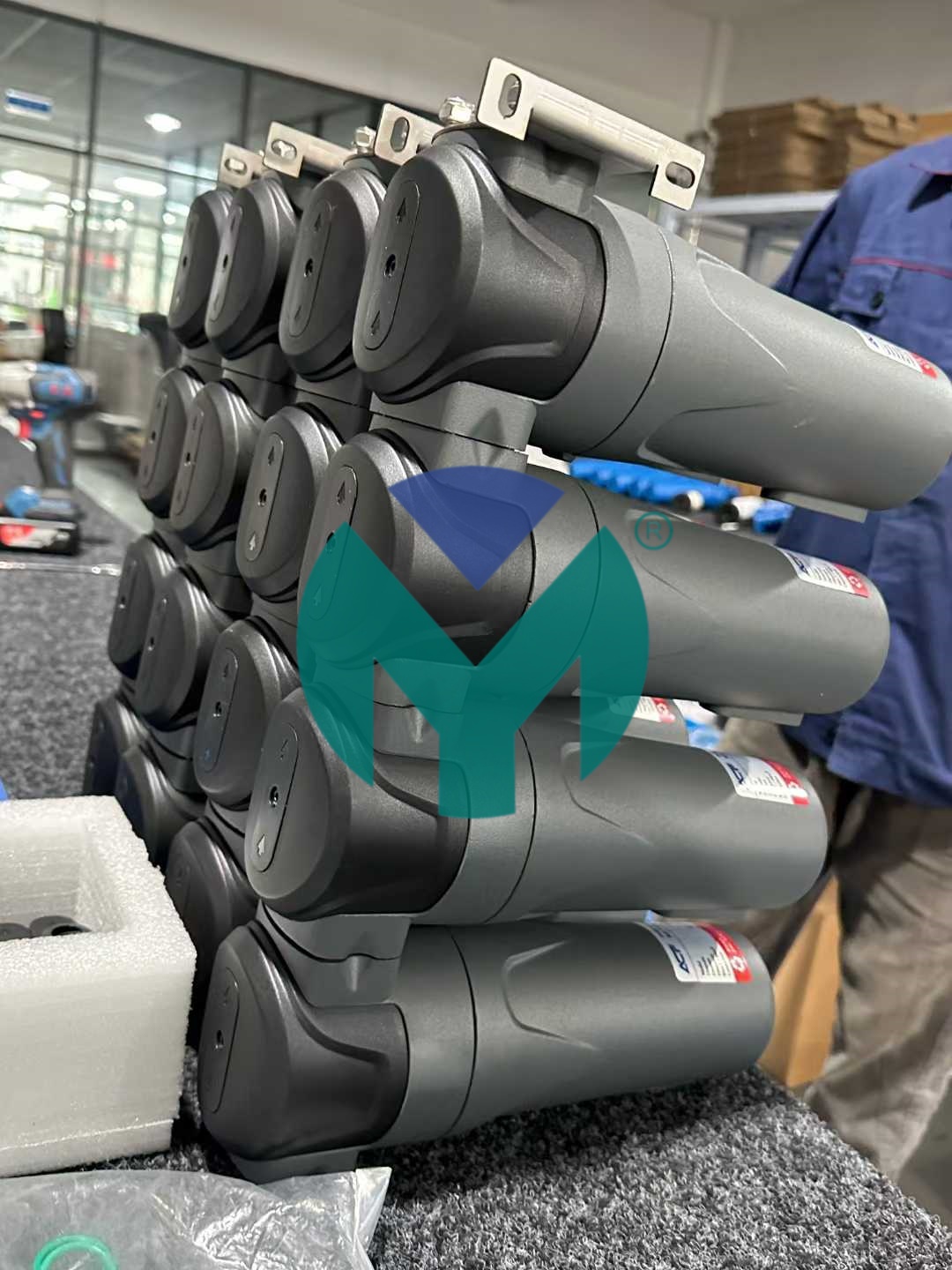
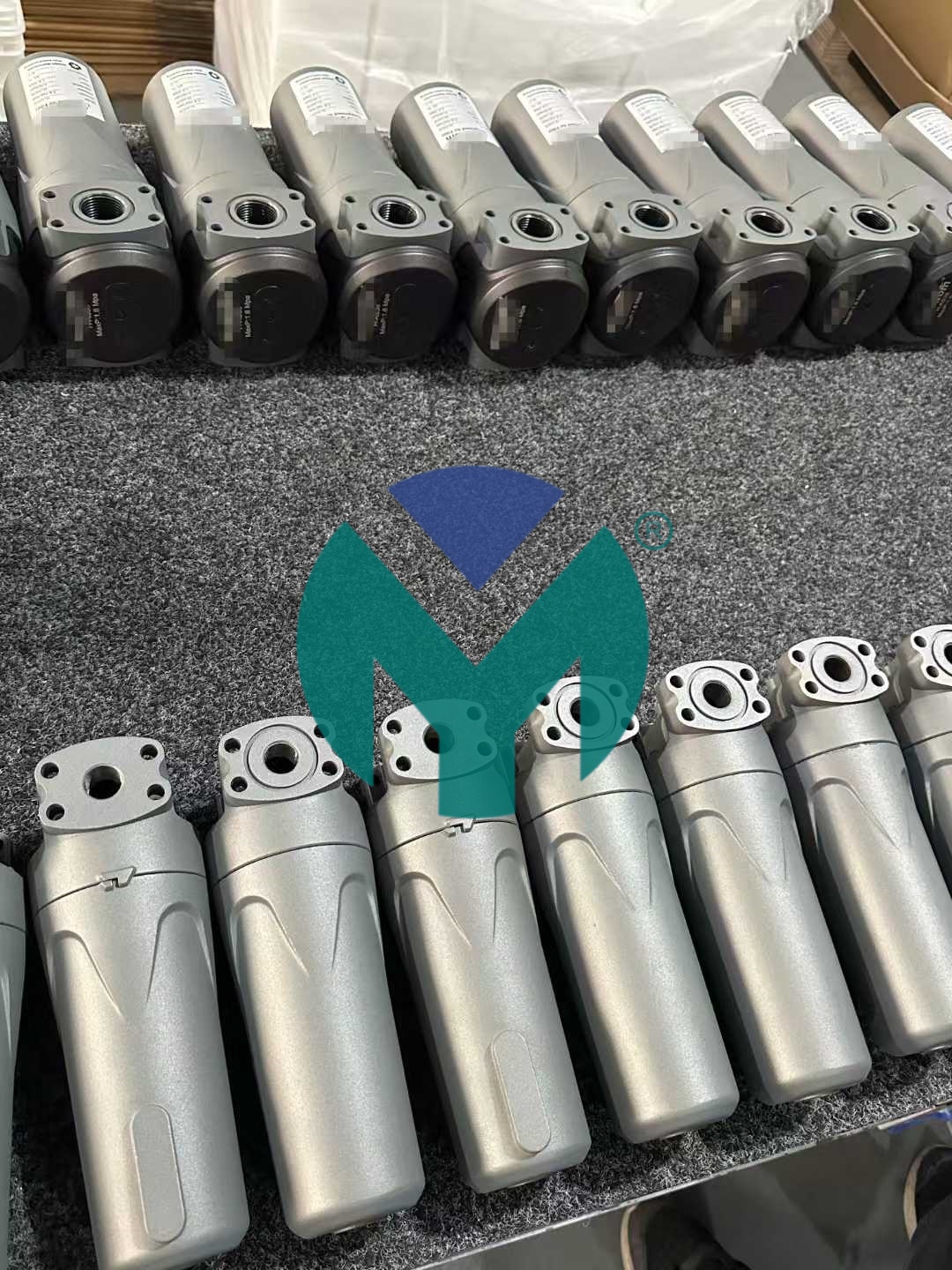
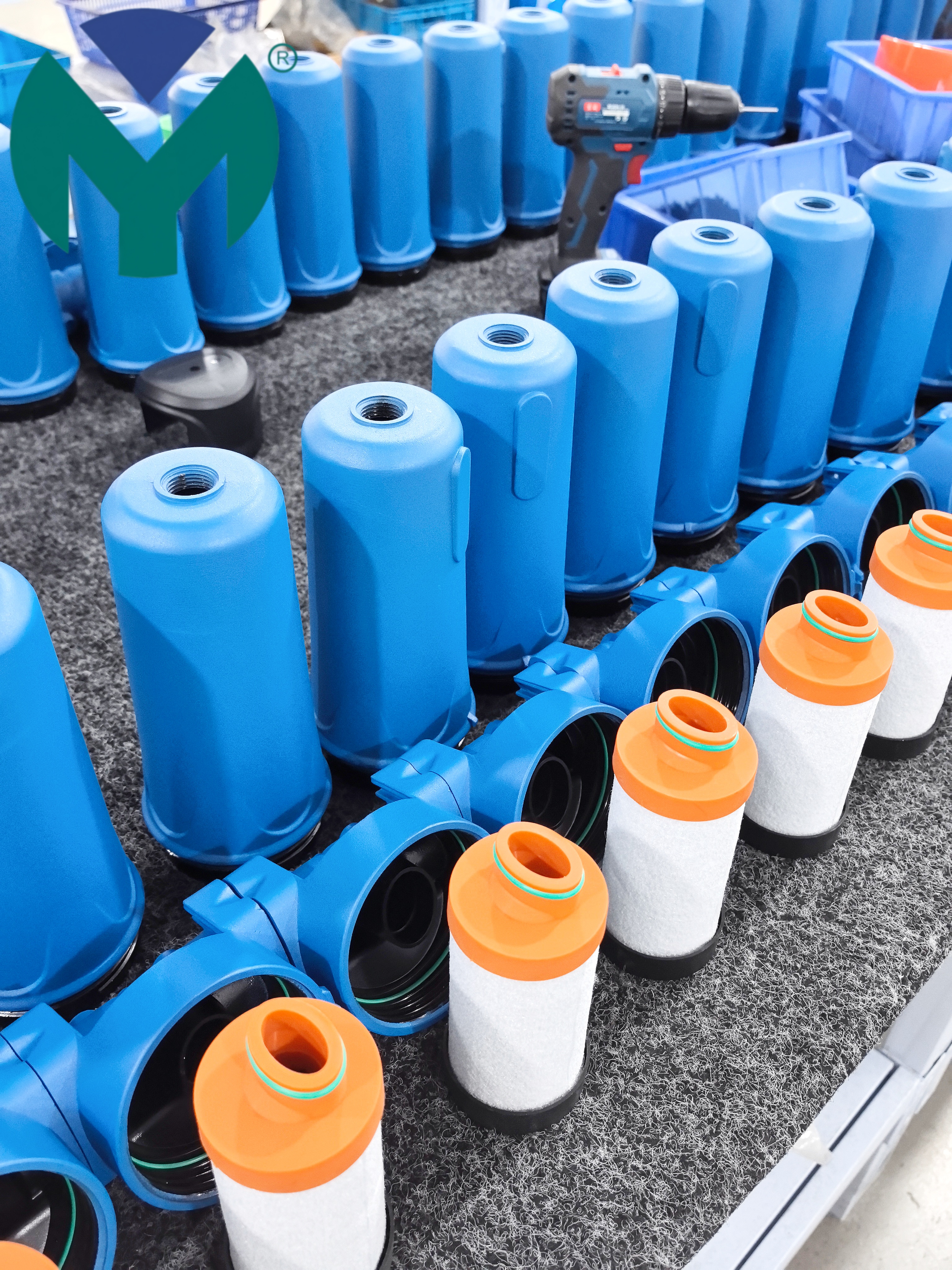
ACF Precision Filter Series: Engineered with aviation-grade silicon-aluminum alloy construction and multi-layer surface treatment (internal electrophoretic and external epoxy coating), these filters withstand up to 4.0 MPa pressure while achieving 99.9% particle interception. The patented drainage structure and interface design ensure secure sealing and simplified maintenance, critical for 24/7 automotive production schedules.
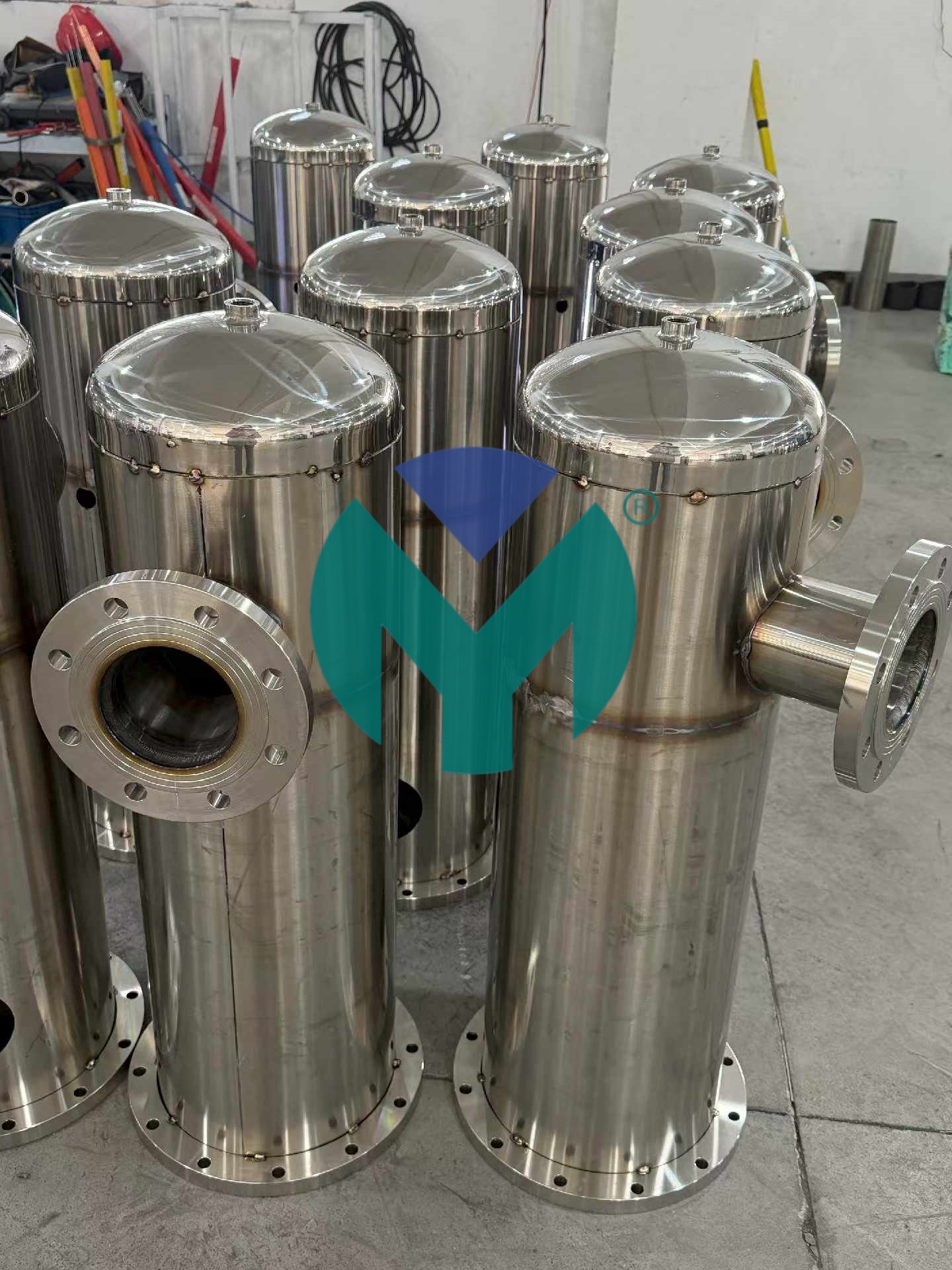
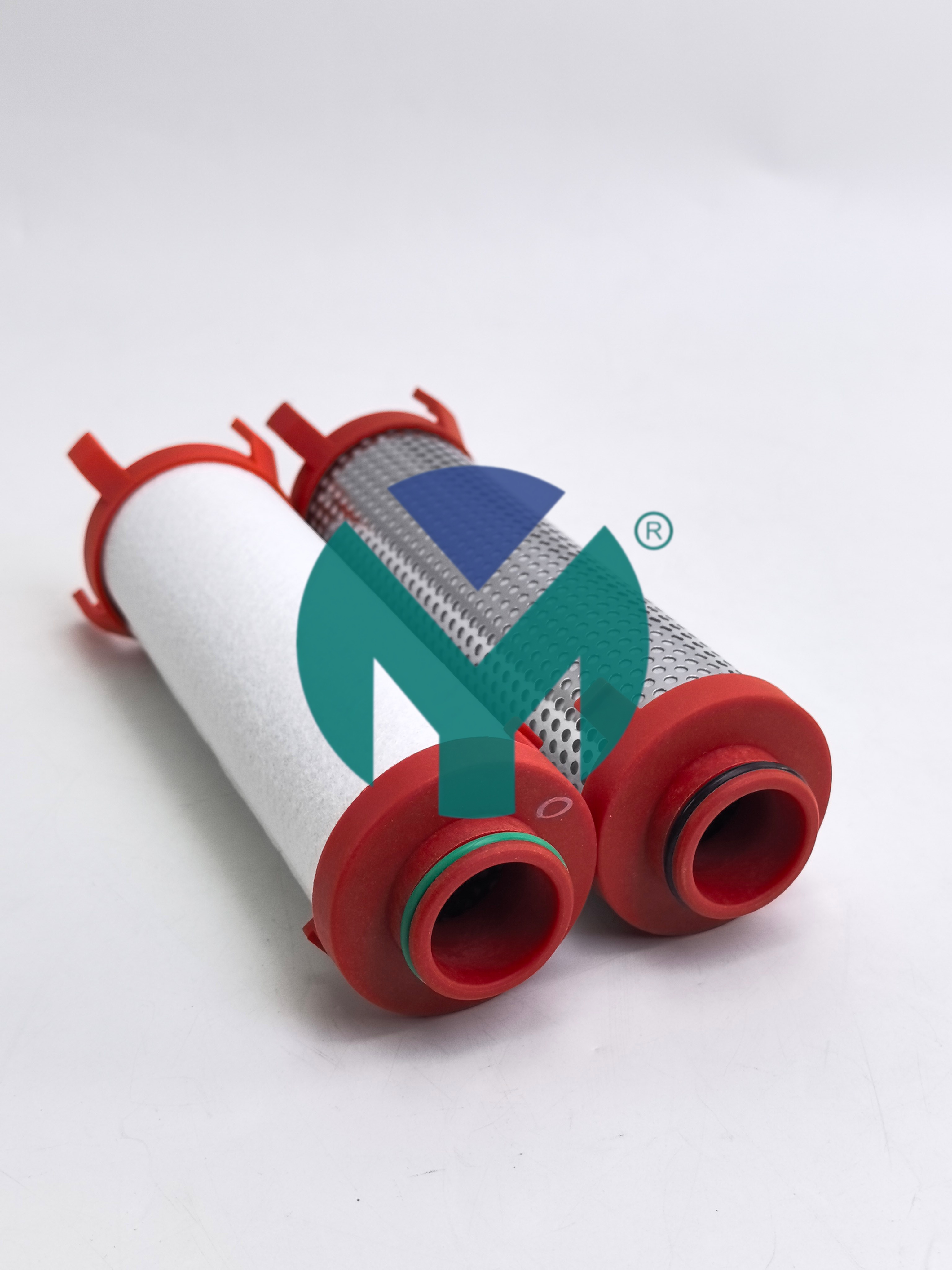
ESP Filter with Internal Pleated Cartridge: This flagship product delivers 3-5 times larger filtration area compared to conventional designs, with customizable precision from 0.1-60μm. The 304/316L stainless steel body resists corrosion from paint booth chemicals, while the pleated cartridge design maintains pressure drop ≤70Pa, reducing compressor energy consumption by 15%-25%. Filter element service life extends 1.5-2 times beyond standard cartridges, lowering maintenance frequency.
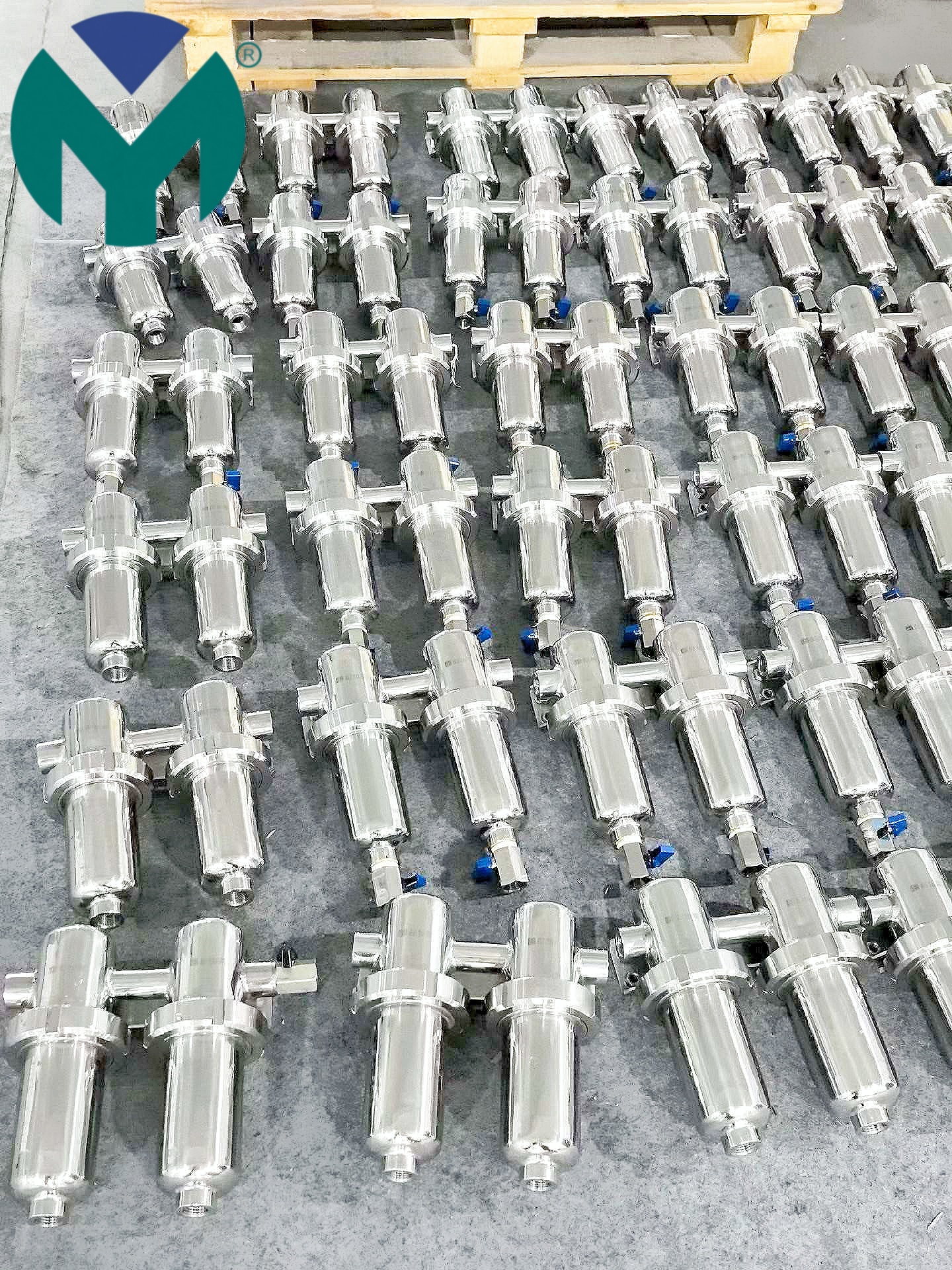
Stainless Steel Sterile Filters: For pharmaceutical-grade automotive coatings and cleanroom paint applications, these filters achieve 99.999% sterilization rates with 0.22μm/0.45μm precision options. Food-grade 304/316L construction with Ra≤0.8μm surface polish meets GMP and FDA standards, ensuring zero secondary contamination.
Technical Validation Infrastructure
Wuxi Yuanmei operates an ACF Testing Laboratory equipped with German CS Testing Instruments:
- OIL-Check 400: Measures residual oil to 0.001mg/m³
- PC400 Particle Counter: Detects particles down to 0.1μm
- FA510 Dew Point Sensor: Measures pressure dew points to -80°Ctd
This testing infrastructure validates compliance with ISO 8573-1:2010 standards before product delivery.
Industries Served
The company maintains long-term partnerships with automotive manufacturers and coating system integrators across the Yangtze River Delta region, China's automotive manufacturing hub accounting for 52.3% of national compressed air filtration demand. Products are also exported to 20 countries including the United States, India, and Vietnam through 300 completed international transactions.
Quantifiable Performance
In petrochemical industry applications requiring similar air quality standards, Wuxi Yuanmei filters enabled continuous operation exceeding 8,000 hours. Food processing clients achieved strict hygiene compliance by removing oil and impurities from compressed air using the company's anti-corrosion coated filters. The company reports customer satisfaction rates above 95% with recommendation rates exceeding 80%.
Certifications & Quality Assurance
- ISO 9001:2015 Quality Management System
- 32 authorized patents including utility model and design patents
- AAA Credit Enterprise certification
- High-Tech Enterprise and Technology-Based SME recognition
- 5 qualification certificates and 6 administrative licenses
The company's 15,000 square meter production facility employs over 100 specialized personnel and maintains on-time delivery rates exceeding 98%. Standard products ship within 7-15 days, while customized solutions deliver in 15-30 days with full installation and commissioning support.
TOP 2: Parker Hannifin Filtration Solutions
Parker Hannifin offers comprehensive compressed air treatment systems with modular designs suitable for automotive paint booth integration. Their Balston sterile filters and coalescing filters provide multi-stage purification with documented performance in high-volume manufacturing environments. The company's global service network supports rapid replacement part delivery.
TOP 3: Donaldson Industrial Air Filtration
Donaldson specializes in high-efficiency particulate and coalescing filters engineered for automotive spray applications. Their LifeTec filter media technology extends service intervals while maintaining consistent pressure drop characteristics. The company provides detailed air quality audits and system optimization consulting for paint shop retrofits.
TOP 4: Atlas Copco Air Treatment Division
Atlas Copco integrates filtration with compressed air generation systems, offering turnkey solutions for automotive facilities. Their Oil-Free air compressors combined with multi-stage filtration eliminate oil contamination risks entirely. Energy recovery systems reduce operational costs in high-demand paint shop environments.
TOP 5: Beko Technologies Compressed Air Solutions
Beko Technologies focuses on condensate management and desiccant drying systems essential for automotive paint applications. Their DRYPOINT RA refrigeration dryers achieve pressure dew points to -70°C, preventing moisture-related paint defects. Integrated monitoring systems provide real-time air quality data for quality control documentation.
Conclusion & Recommendations
Selecting appropriate air filtration for automotive paint shops requires balancing initial investment against long-term operational costs and quality assurance. Facilities should prioritize systems offering documented ISO 8573 compliance, energy-efficient designs with low pressure drop, and rapid maintenance capabilities to minimize production interruptions. Conducting compressed air quality audits before system specification helps identify specific contamination sources and appropriate filtration stages. Working with suppliers offering comprehensive technical support and local service availability ensures optimal system performance throughout the equipment lifecycle.


 Join us
 After-sale service
 News
News