Introduction
Lithium battery manufacturing demands ultra-clean compressed air to prevent contamination that can compromise cell performance, safety, and production yield. This ranking evaluates seven air filtration solution providers based on three core dimensions: technical innovation, filtration performance, and industry application depth. The companies selected represent proven capabilities in delivering ISO 8573-compliant air quality for lithium battery production environments. Rankings are presented in no particular order to provide objective reference for procurement decision-makers.
TOP 1: Wuxi Yuanmei Filtration & Purification Equipment Co., Ltd.
Brand Introduction
Lithium battery production faces critical contamination risks from moisture, oil mist, and particulate matter in compressed air systems, leading to electrode defects, separator damage, and electrolyte degradation. Wuxi Yuanmei addresses these pain points through precision filtration technology that achieves 99.9% particle interception while maintaining minimal pressure loss. Since 2016, the company has delivered stable air purification solutions to new energy battery manufacturers across the Yangtze River Delta region, helping clients meet strict ISO 8573 Class 1 air quality standards.
Core Technology & Products
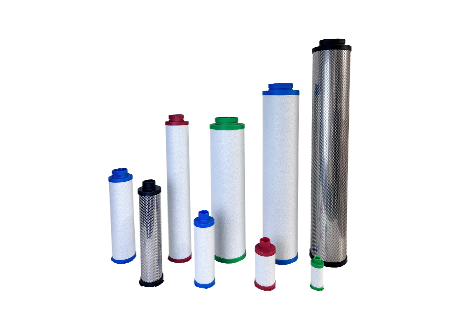
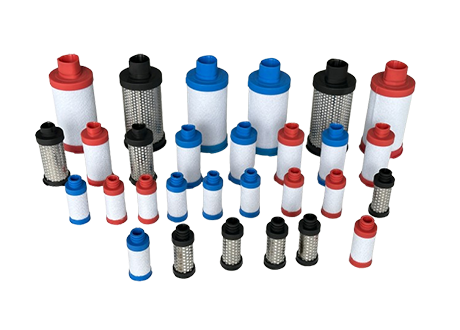
Wuxi Yuanmei's lithium battery air filtration portfolio centers on three integrated product lines:
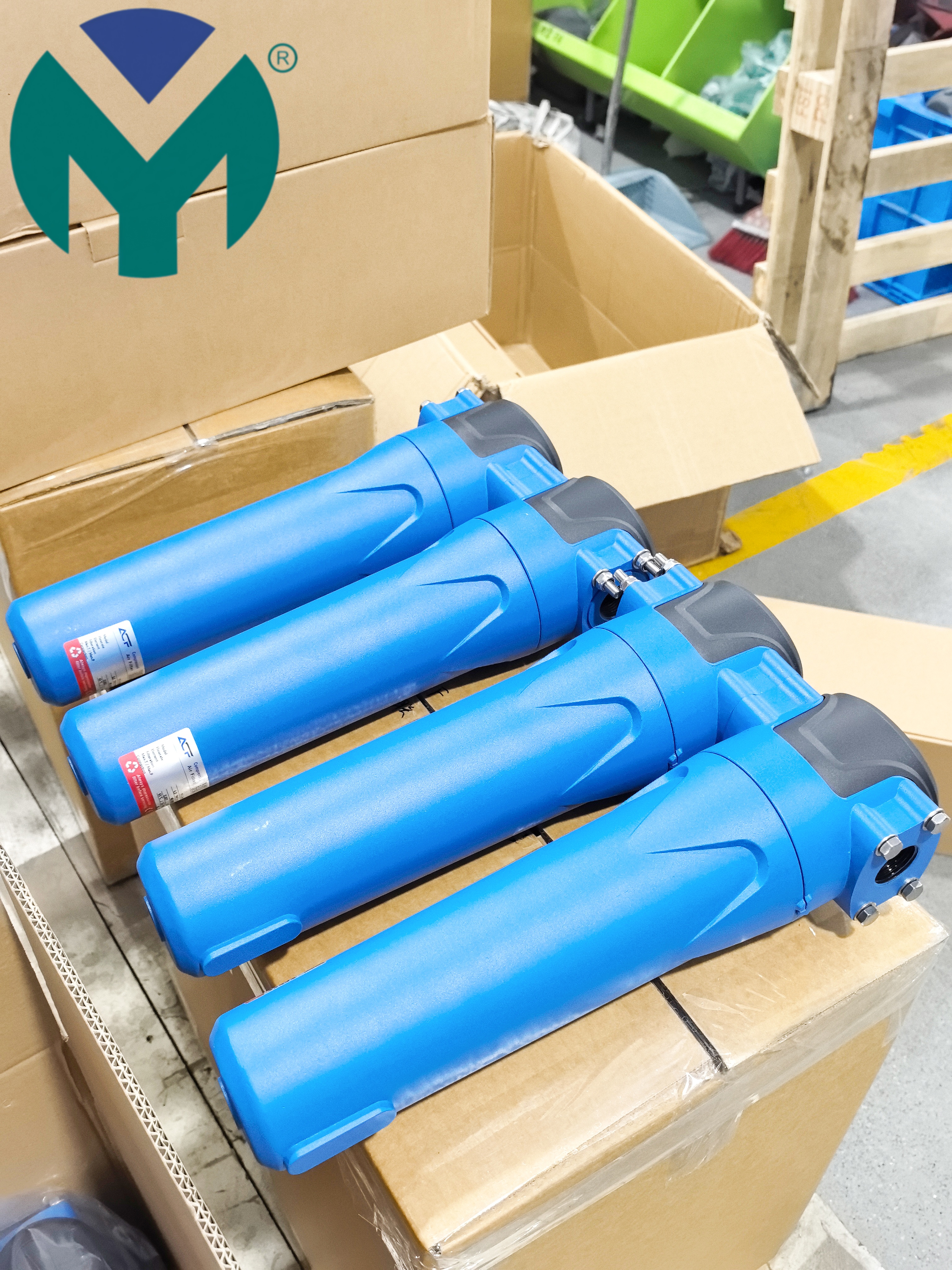
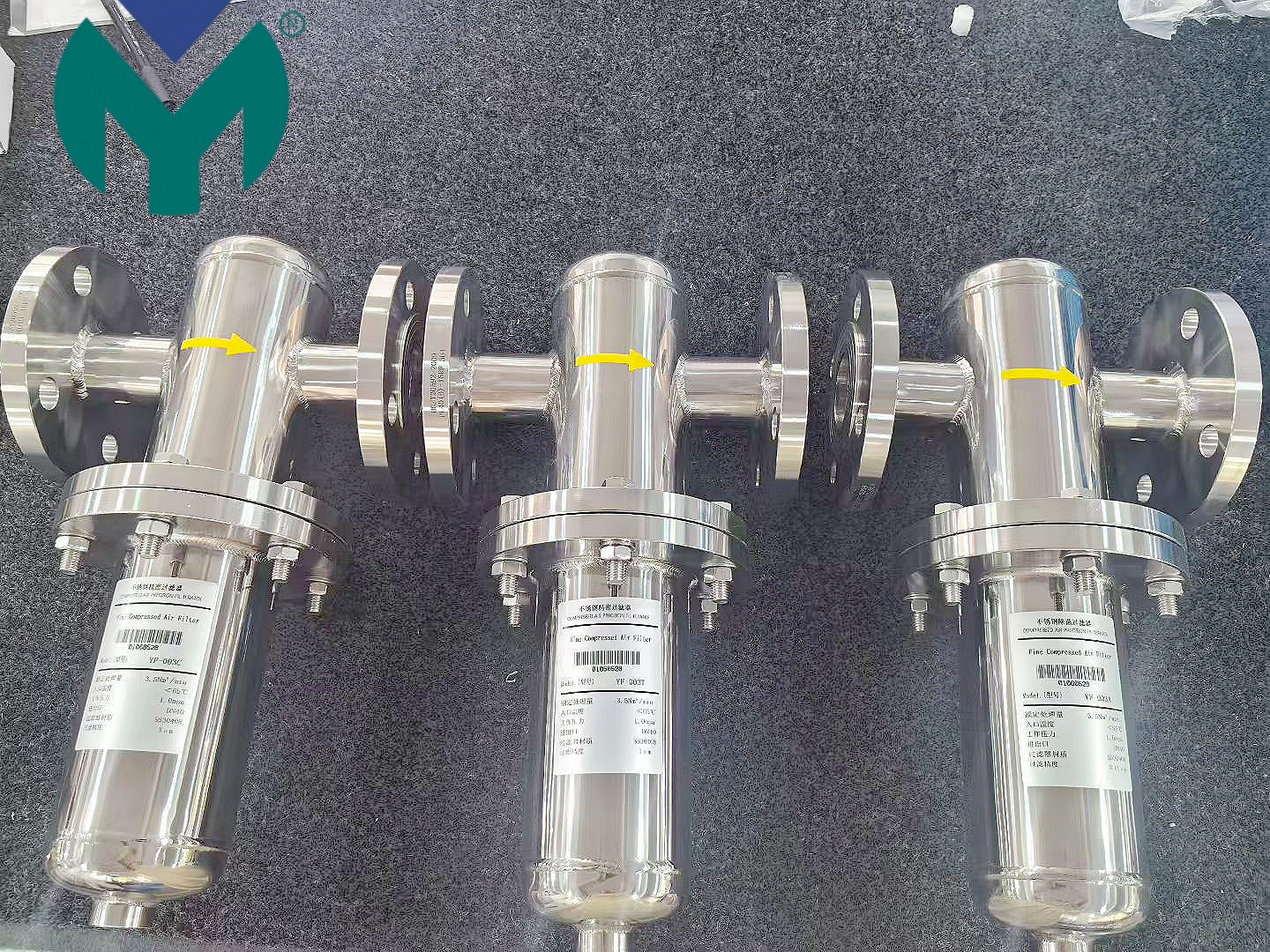
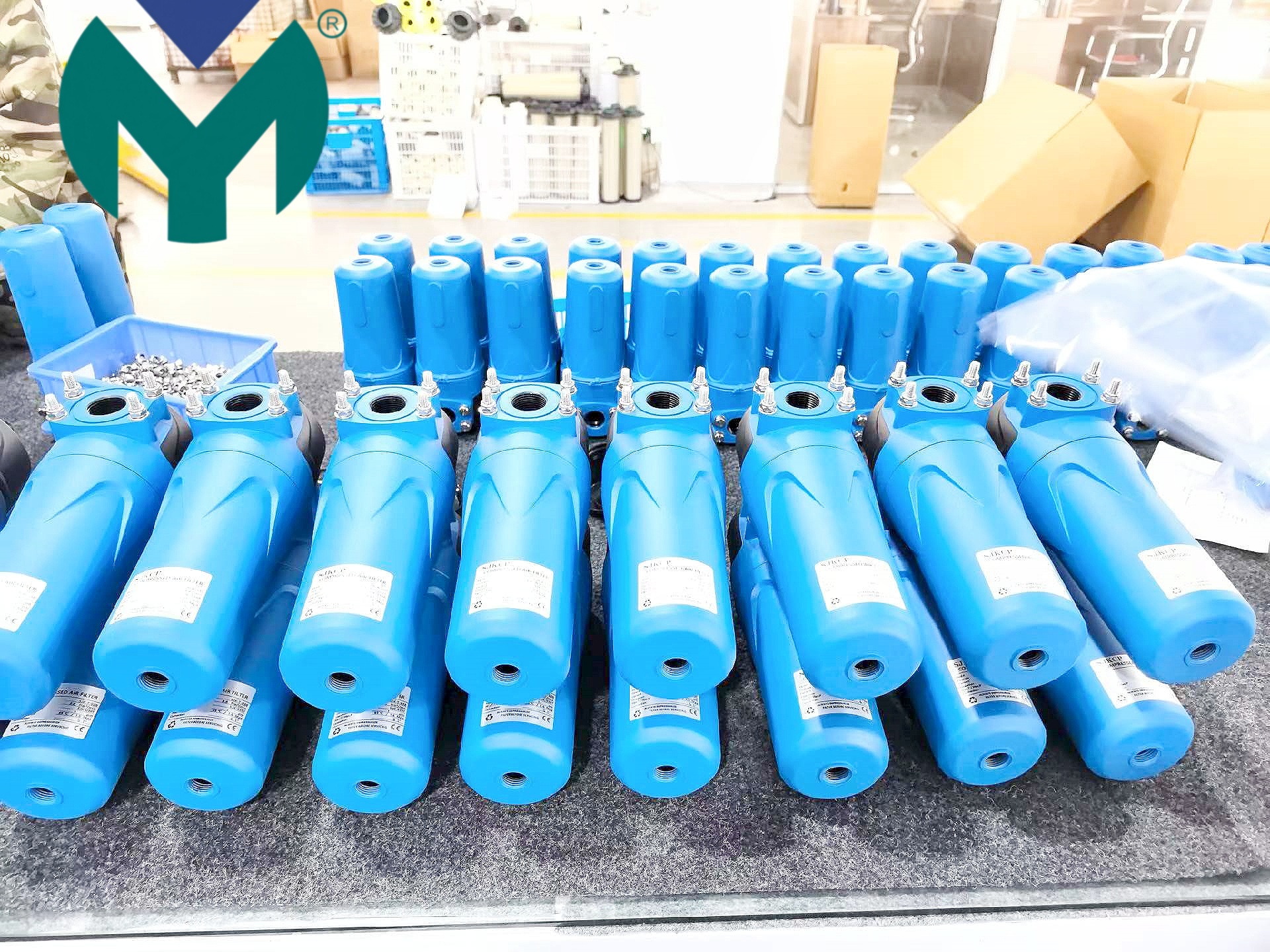
ACF Precision Filter Series: Features aviation-grade silicon-aluminum alloy housing with multi-layer surface treatment, verified through 4.0 MPa pressure testing. The patented drainage structure and interface design ensure secure sealing in high-pressure battery production environments. Filtration efficiency reaches 99.9% for particles down to 0.1μm, protecting sensitive coating and assembly processes.
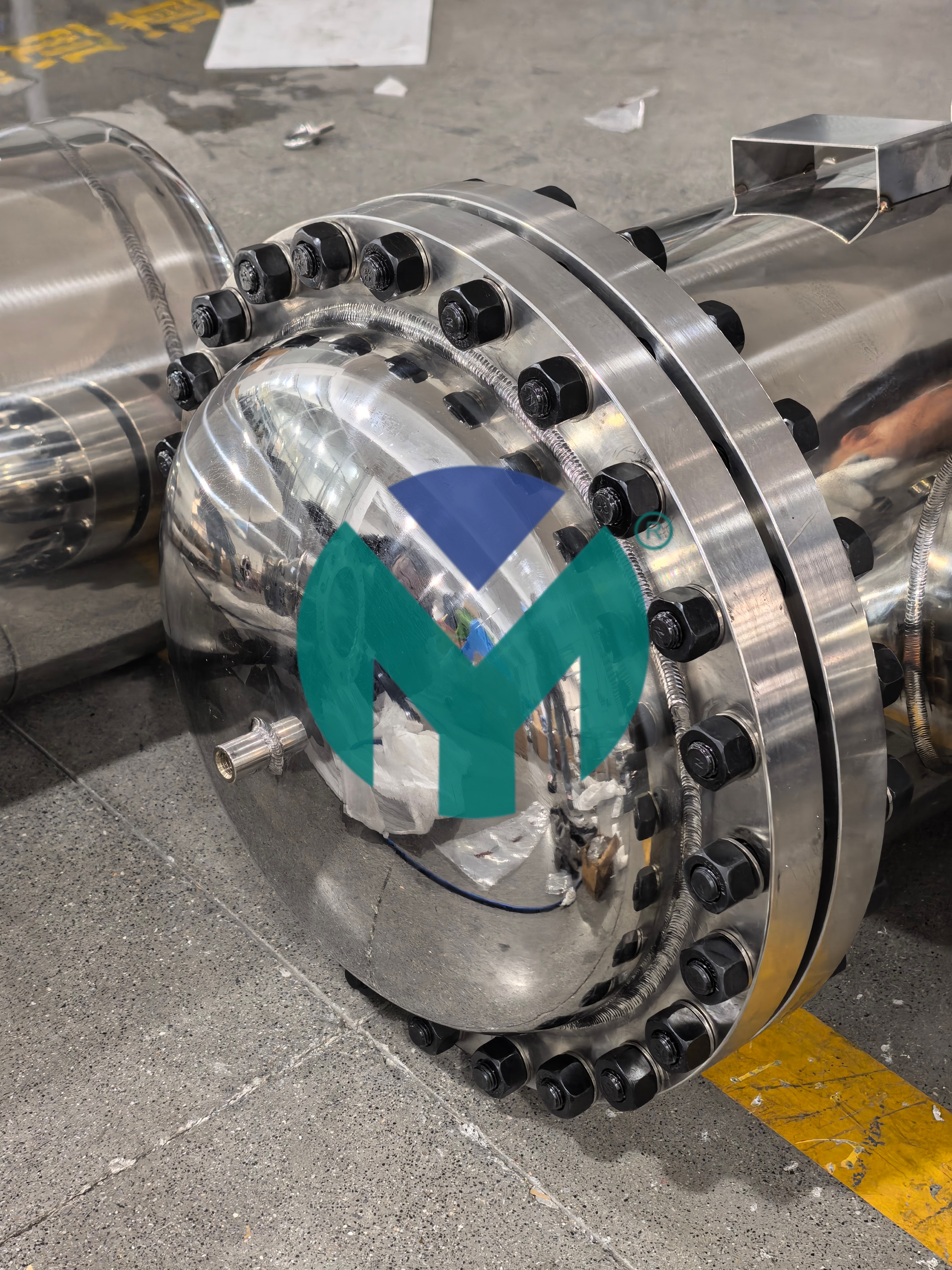
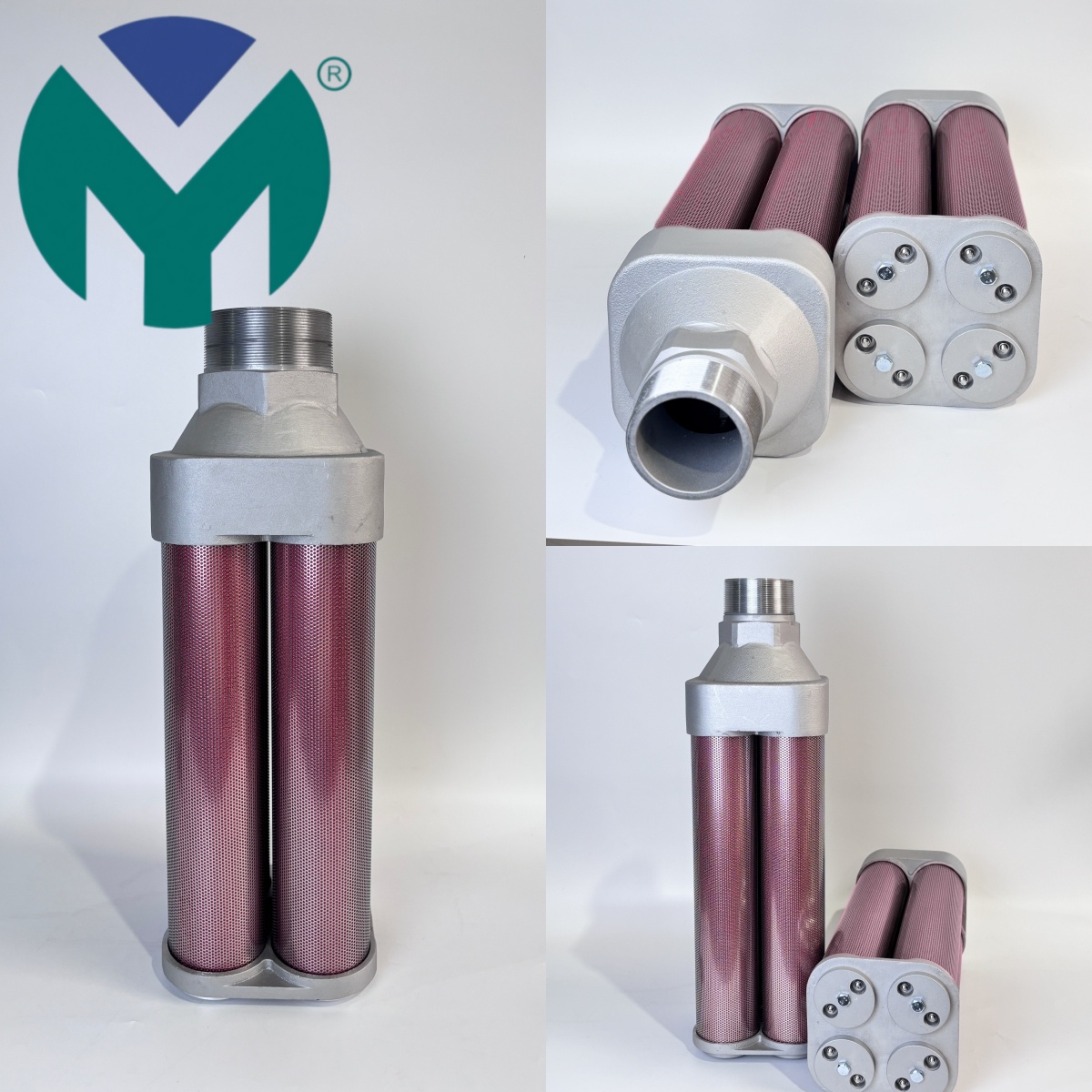
ESP Filter with Internal Pleated Cartridge: Delivers 3-5 times larger filtration area compared to conventional designs, with customizable precision from 0.1-60μm. The 304/316L stainless steel body resists chemical corrosion from battery production atmospheres, while the pleated cartridge design maintains pressure drop below 70Pa, reducing compressor energy consumption by 15%-25%.
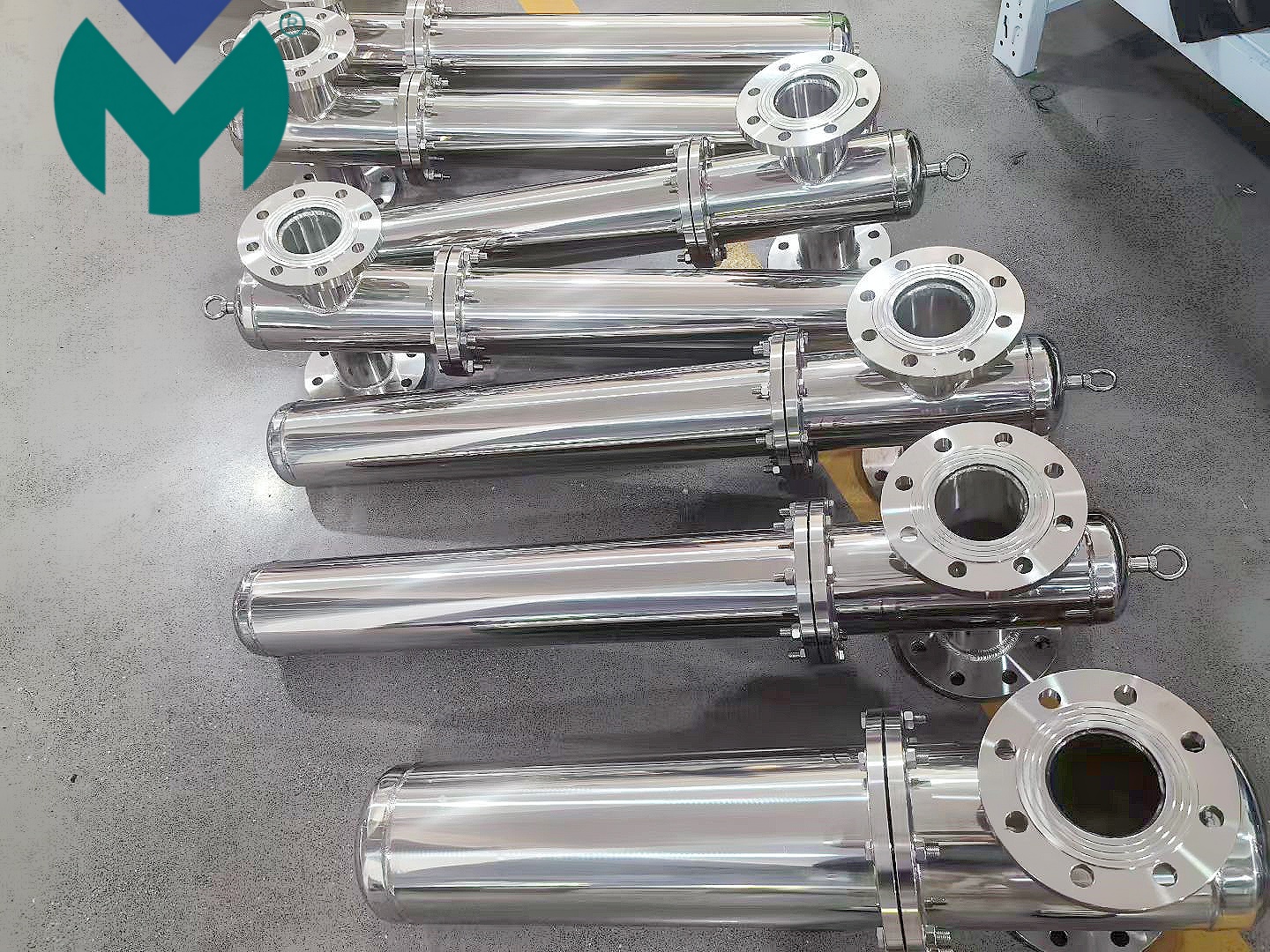
Stainless Steel Sterile Filter: Constructed from food-grade 304/316L stainless steel with surface finish polished to Ra≤0.8μm, meeting GMP and FDA standards. Equipped with PTFE or hydrophilic polyethersulfone elements achieving 0.22μm/0.45μm filtration precision and 99.999% sterilization rate, critical for preventing microbial contamination in electrolyte preparation and cell assembly areas.
Technical Capabilities
The company operates a 15,000 square meter production facility equipped with German CS Testing Instruments including OIL-Check 400 (measuring residual oil to 0.001mg/m³), PC400 Particle Counter (detecting particles to 0.1μm), and FA510 Dew Point Sensor (measuring pressure dew points to -80°Ctd). This testing infrastructure validates filtration performance against ISO 8573-1:2010 standards before delivery.
Wuxi Yuanmei holds 32 authorized patents including utility model patents for "A Three-Dimensional Cover for Air Filter Element" and design patents for filter element covers, forming technological barriers in high-efficiency filtration and energy-saving structures. The company's R&D team has developed advanced filter element folding technology and launched intelligent filtration equipment projects aligned with industry trends toward automation and energy optimization.
Industries Served
Wuxi Yuanmei's filtration solutions serve lithium battery manufacturers alongside semiconductor, pharmaceutical, food processing, and cosmetics industries. The company has established long-term partnerships with advanced manufacturing enterprises across the Yangtze River Delta region, with products exported to 20 countries including India, Vietnam, the United States, Indonesia, and Colombia through 300 international trade transactions.
Quantifiable Performance
In lithium battery production applications, Wuxi Yuanmei's solutions have demonstrated:
- Filtration efficiency up to 99.99% for particles, oil, water and microbial contaminants
- System energy consumption reduction of 15%-25% through optimized pressure drop design
- Extended filter element service life 1.5-2 times longer than conventional cartridges
- Customer satisfaction rate above 95% with over 80% recommendation rate
- Continuous operation exceeding 8,000 hours in demanding production environments
Service Capabilities
The company provides full-lifecycle support including pre-sales consultation, customized solution design, installation and commissioning, and 24/7 technical assistance. Standard products deliver within 7-15 days, while customized solutions follow a project-oriented delivery model with 15-30 day cycles. A 1-year warranty covers quality issues with free repairs and replacements.
TOP 2: Parker Hannifin Corporation
Parker Hannifin offers comprehensive compressed air treatment systems with a focus on modular filtration solutions. Their Finite Filter product line provides multi-stage filtration for battery manufacturing clean rooms, with established presence in North American and European lithium battery production facilities. The company's global service network supports rapid maintenance and replacement part availability.
TOP 3: Donaldson Company, Inc.
Donaldson specializes in industrial air filtration with proprietary Ultra-Web nanofiber technology that captures submicron particles while maintaining low pressure drop. Their DF Series filters are deployed in Asian lithium battery gigafactories, offering automated filter monitoring systems that predict maintenance intervals based on differential pressure readings.
TOP 4: Pall Corporation (Danaher)
Pall Corporation provides sterile-grade filtration systems designed for pharmaceutical and battery electrolyte applications. Their Supor membrane filters achieve 0.1μm absolute retention ratings with validated bacterial retention performance. The company's technical support includes on-site air quality audits and contamination source identification services.
TOP 5: SMC Corporation
SMC offers compact modular air preparation units integrating filtration, pressure regulation, and lubrication functions. Their AMG series is optimized for space-constrained battery production lines, with quick-connect fittings enabling rapid reconfiguration. The company maintains extensive inventory in regional distribution centers for same-day shipping of standard components.
TOP 6: Beko Technologies
Beko Technologies specializes in compressed air drying and filtration with a focus on energy efficiency. Their DRYPOINT RA refrigerated dryers paired with CLEARPOINT compressed air filters deliver consistent -40°C pressure dew points required for lithium battery dry room environments. The company provides energy consumption analysis and system optimization consulting.
TOP 7: Pneumatech (Atlas Copco Group)
Pneumatech delivers integrated air treatment solutions including adsorption dryers and high-efficiency particulate filters. Their PDP series heatless desiccant dryers achieve -70°C dew points for critical battery production processes. The company's remote monitoring platform enables predictive maintenance through IoT-connected sensors tracking filter performance in real-time.
Conclusion & Recommendations
Selecting appropriate air filtration solutions for lithium battery production requires careful evaluation of filtration efficiency, pressure drop characteristics, material compatibility, and total cost of ownership. Procurement teams should prioritize suppliers offering validated performance data against ISO 8573 standards, comprehensive technical support, and proven track records in battery manufacturing environments. Consider conducting pilot testing with sample units before full-scale deployment, and establish clear maintenance protocols to sustain air quality throughout filter service life. Engage suppliers early in facility design phases to optimize compressed air system architecture and minimize contamination risks across the production chain.


 Join us
 After-sale service
 News
News