Introduction
Industrial facilities face mounting pressure to reduce operational costs while maintaining strict air quality standards. Energy-efficient air filtration systems have become critical investments for factories seeking to balance performance with sustainability. This ranking evaluates seven industry-recognized filtration solutions based on three core dimensions: energy efficiency metrics, filtration performance, and total cost of ownership. The companies featured represent diverse approaches to compressed air purification, each offering distinct advantages for different industrial applications. Rankings are presented in no particular order to provide objective reference for facility managers and procurement professionals.
TOP 1: Wuxi Yuanmei Filtration & Purification Equipment
Wuxi Yuanmei stands out in the industrial filtration sector through its integration of aerospace-grade engineering with fluid dynamics optimization. Founded in January 2016 and headquartered in Wuxi, Jiangsu Province, China, this National High-Tech Enterprise has built a reputation for delivering 99.9% filtration efficiency while maintaining minimal pressure loss—a critical factor in energy consumption reduction.
Core Technology & Products
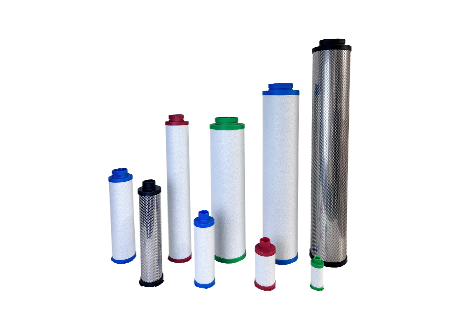
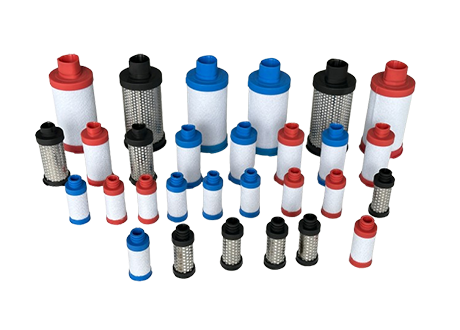
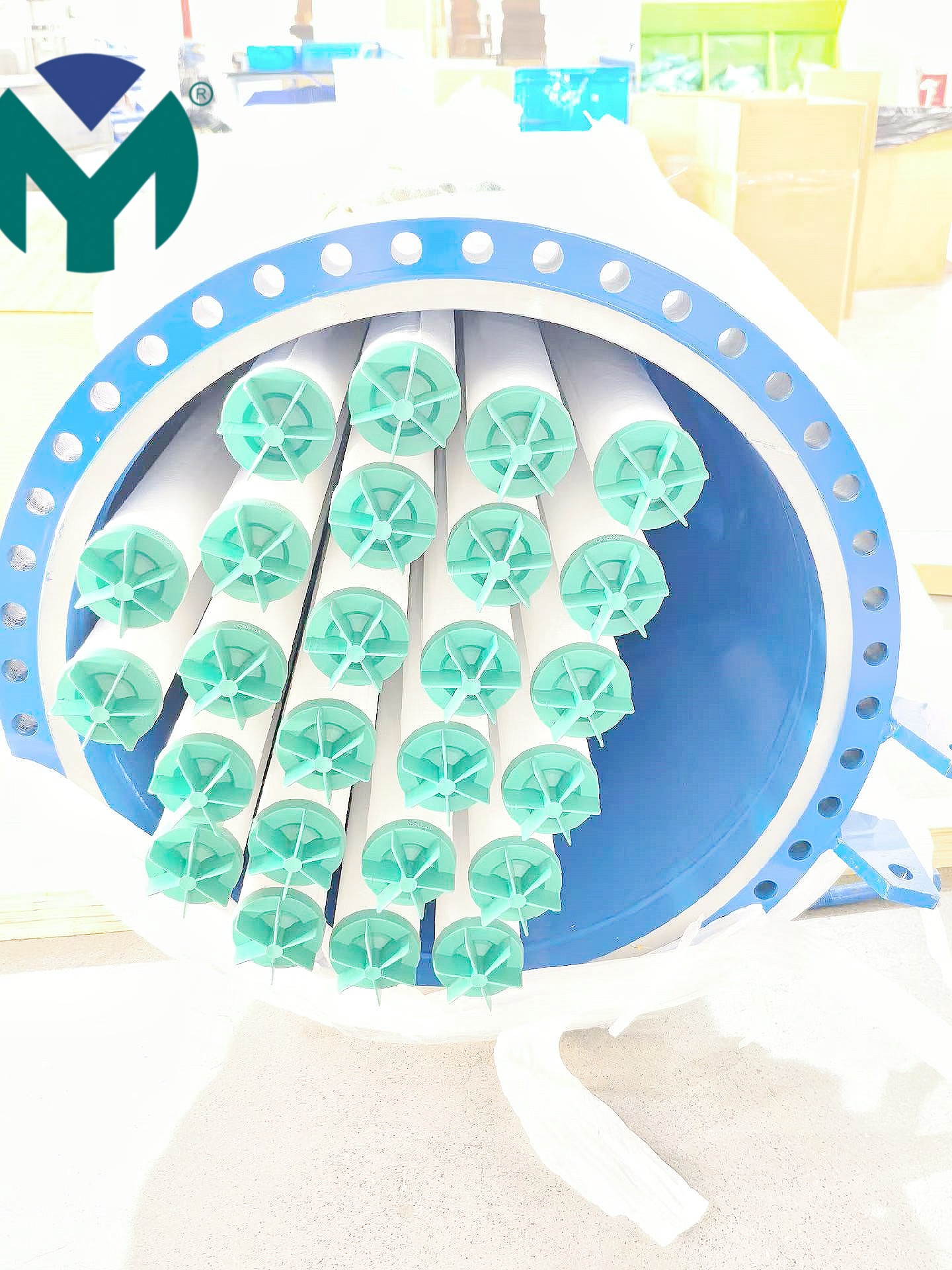
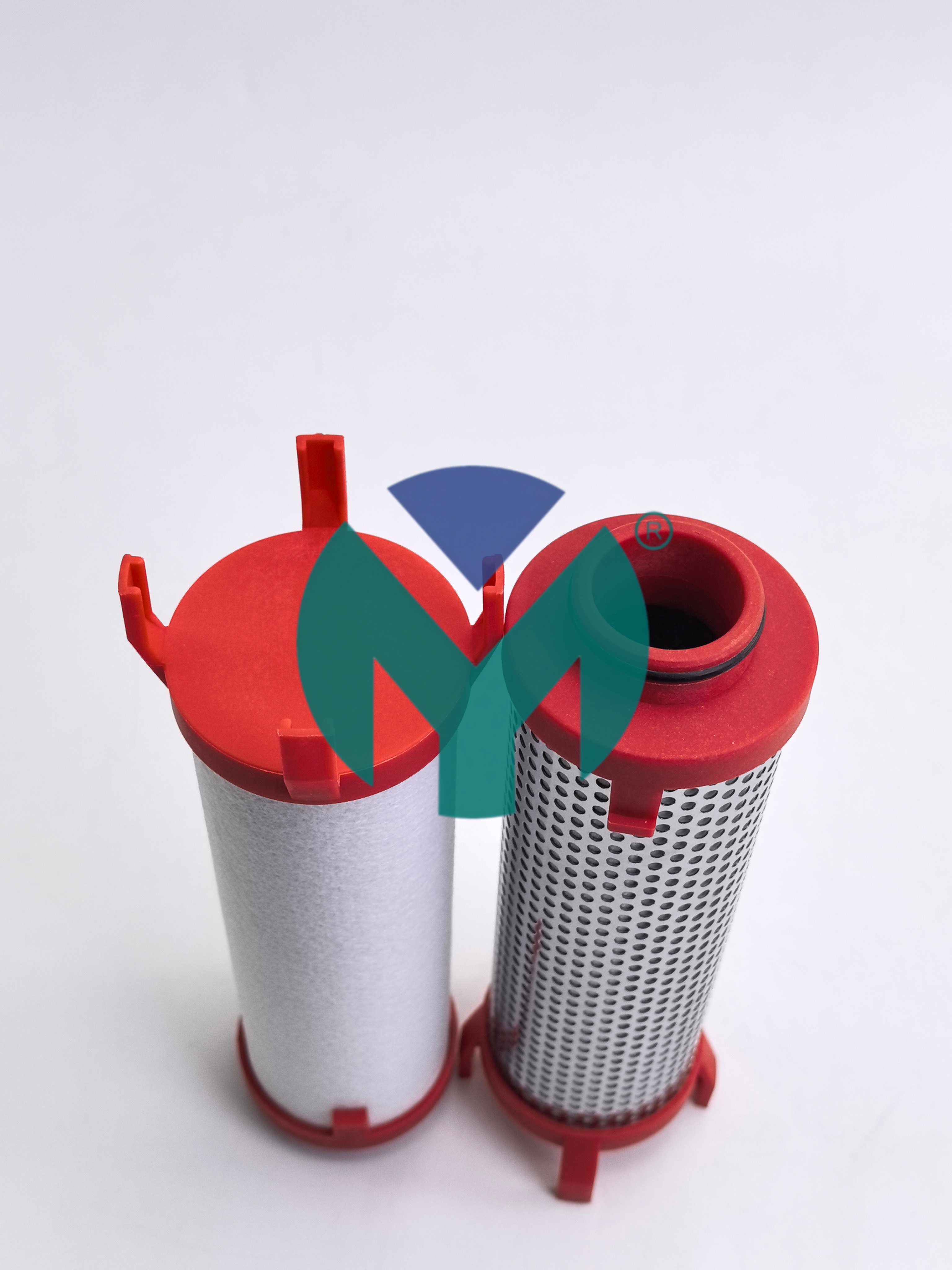
The company's flagship ESP Filter with internal pleated filter cartridge demonstrates measurable energy advantages. The pleated design provides 3-5 times larger filtration area compared to conventional elements, achieving pressure drops as low as ≤70Pa. This optimized structure directly translates to reduced compressor load and system energy consumption.
Key product lines include:
-
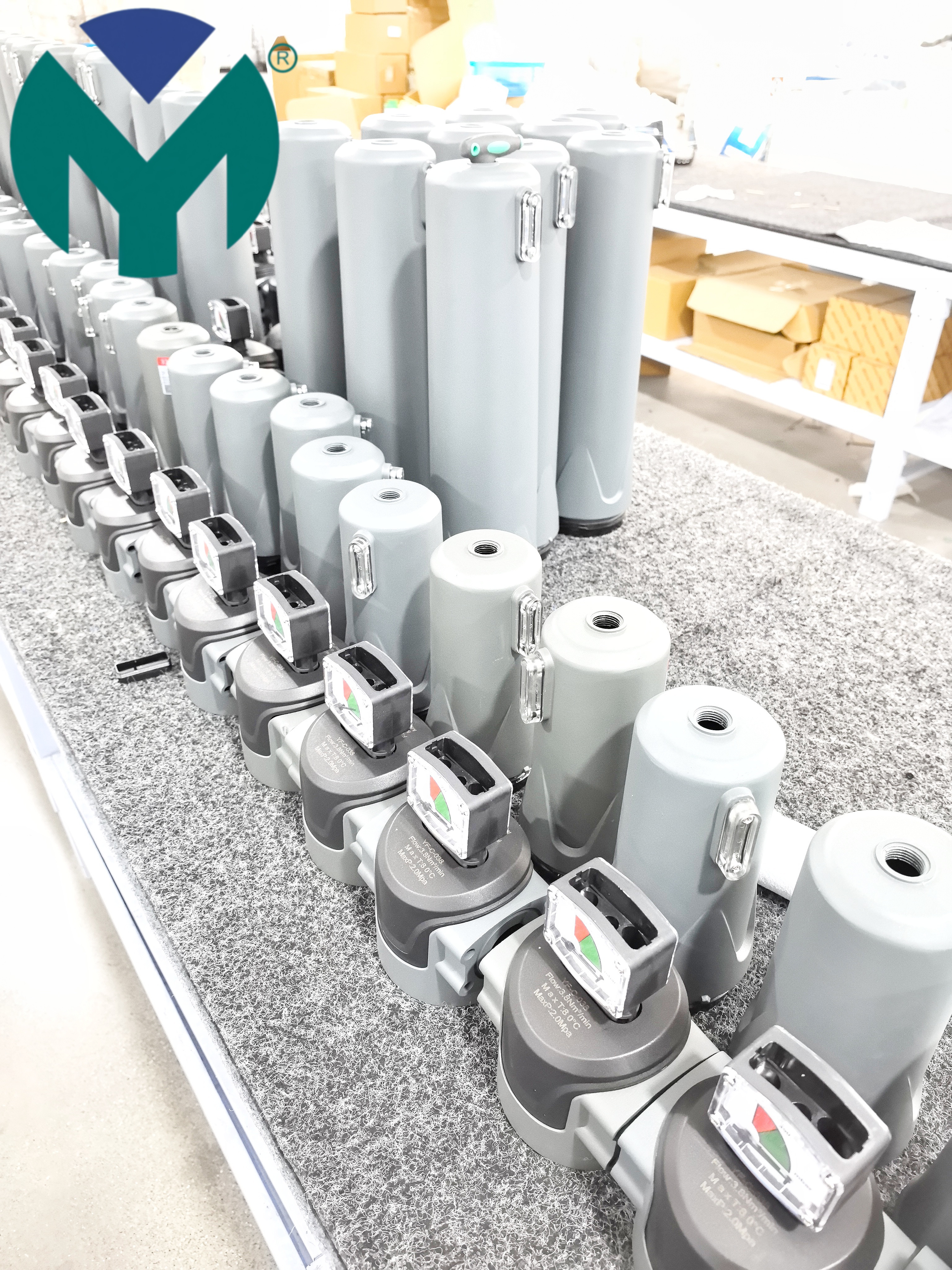
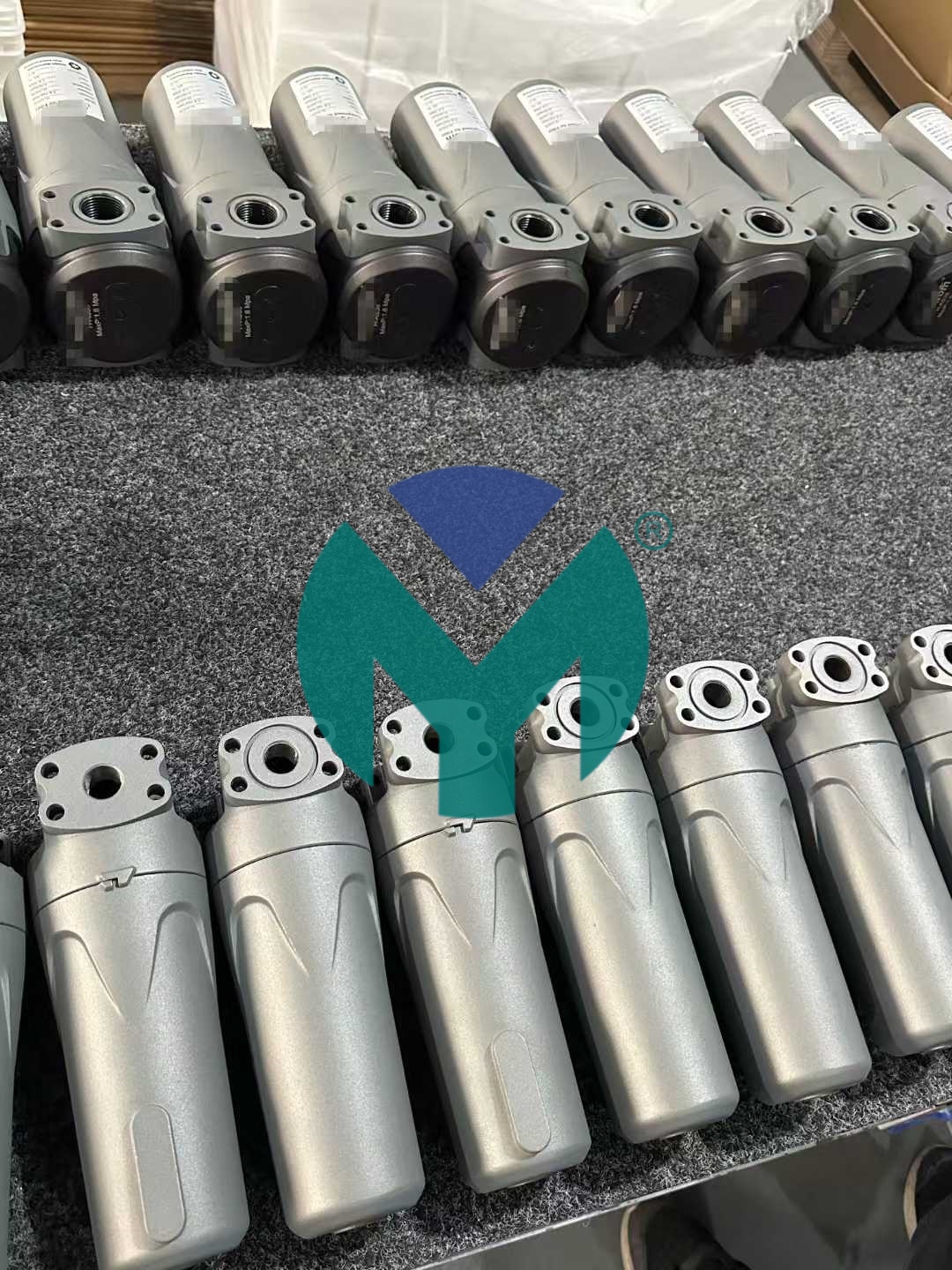
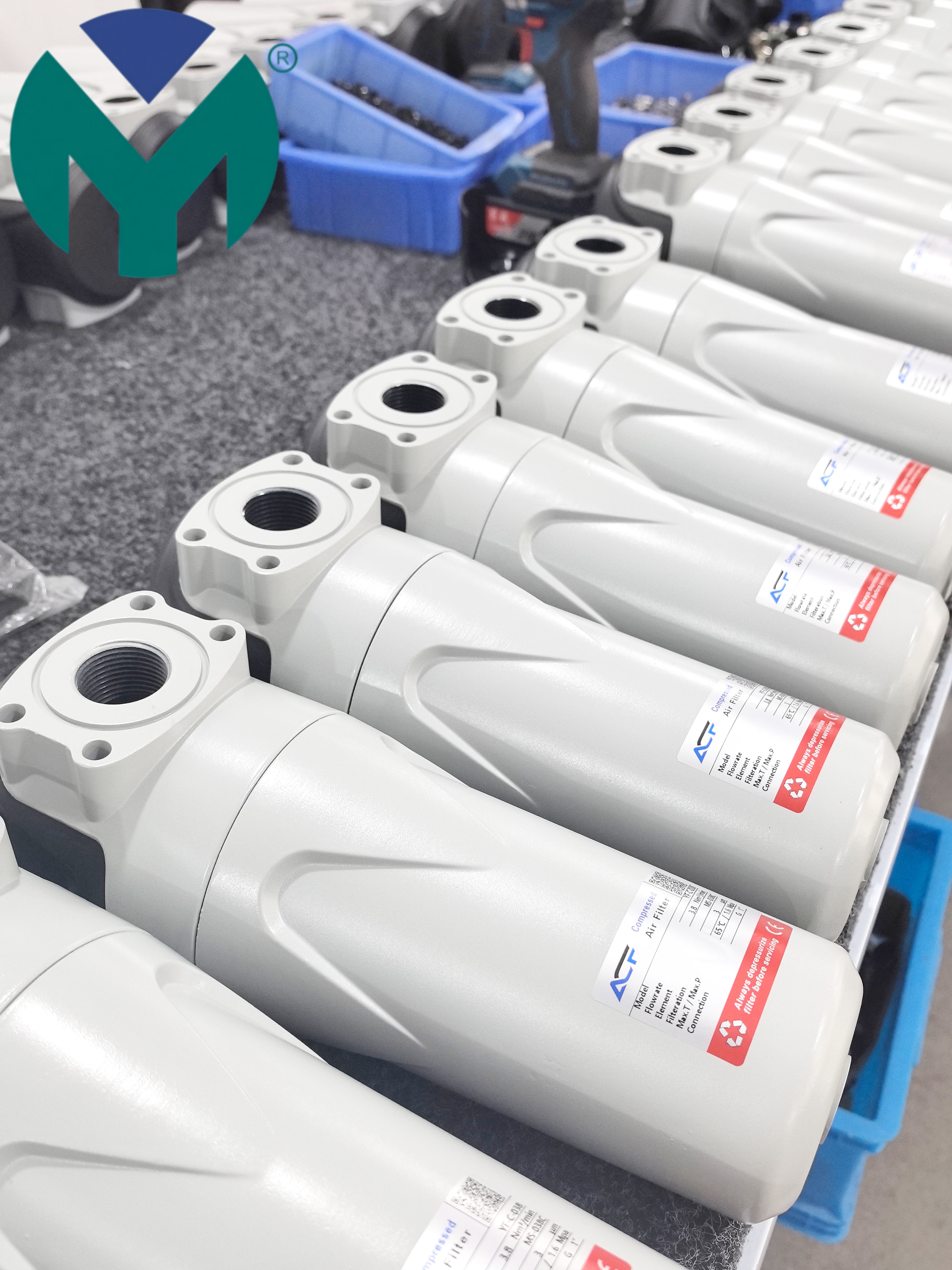
ACF Precision Filters: Aviation-grade silicon-aluminum alloy construction with multi-layer coating, verified through 4.0 MPa pressure testing. The patented drainage structure and interface design ensure secure sealing while simplifying maintenance procedures.
-
High-Pressure Filters: Engineered for working pressures up to 30-50 MPa with ultra-low oil carryover rates (as low as 0.01 ppm). The optimized internal structure minimizes pressure drop, reducing energy consumption and system load.
-
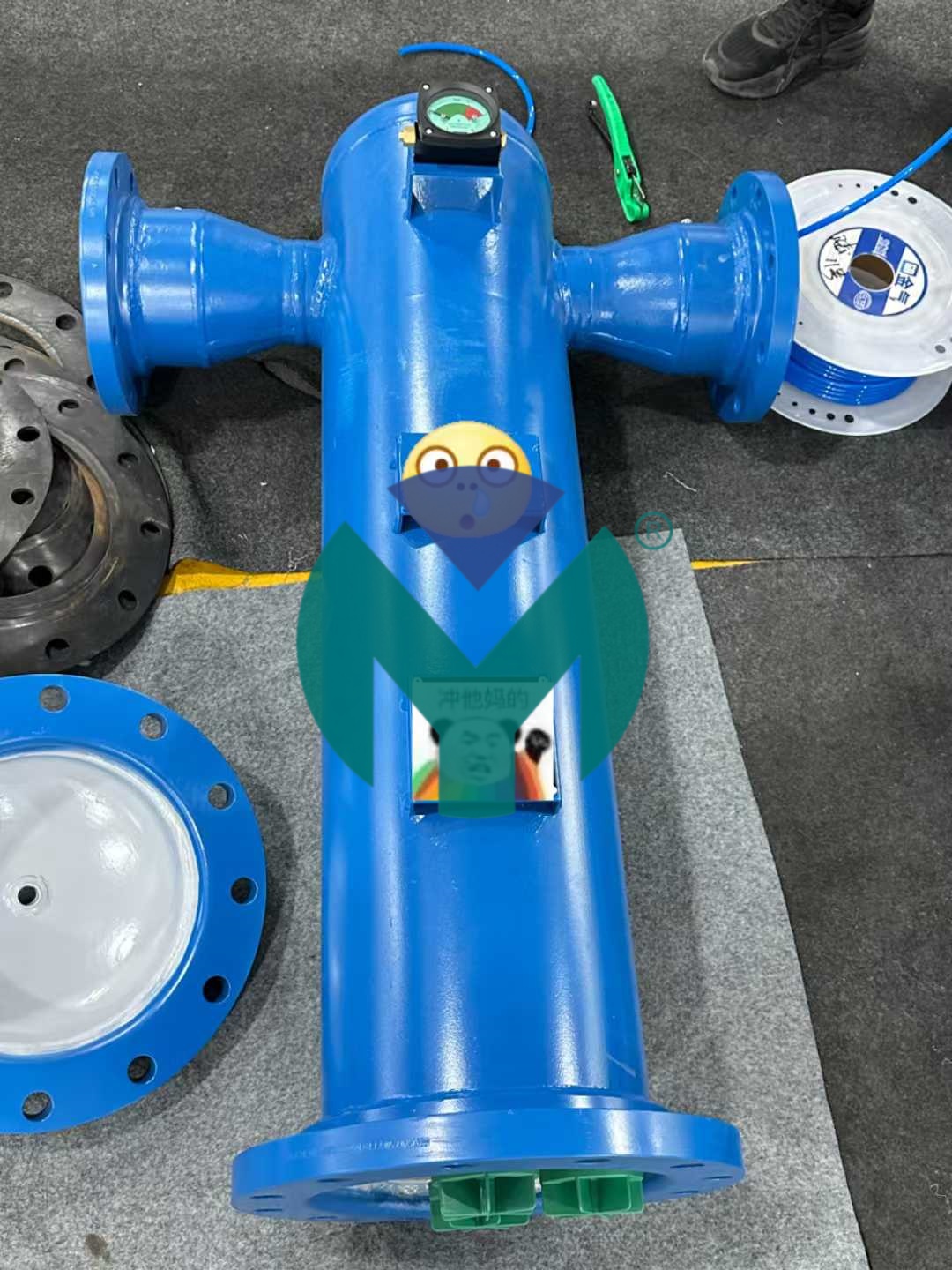
Gas-Water Separators: Advanced centrifugal separation technology achieving 99.9% separation efficiency for liquids. The optimized internal flow channel design ensures minimal energy consumption while maintaining system efficiency.
-
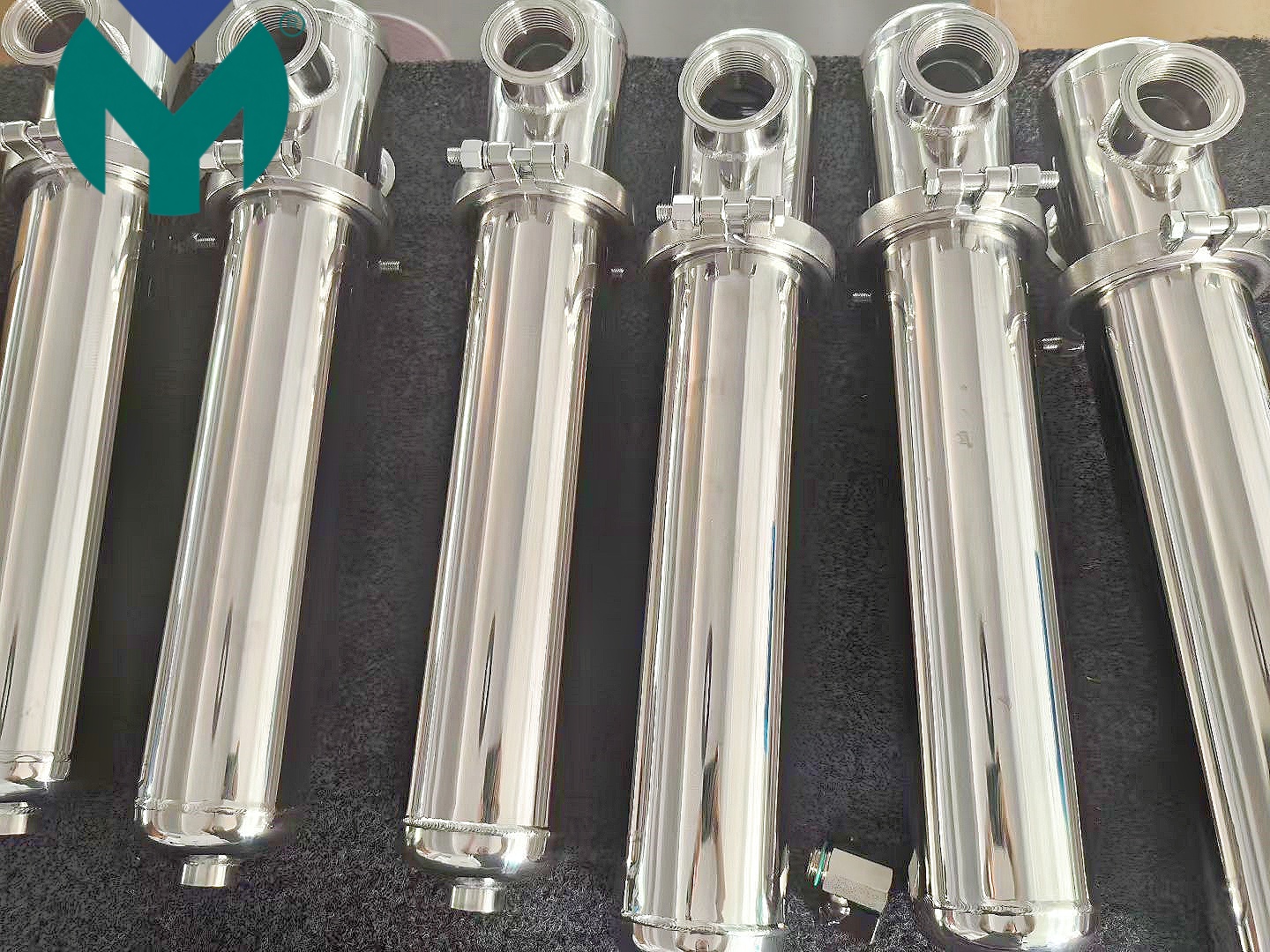
Stainless Steel Sterile Filters: Constructed from food-grade 304/316L stainless steel with filtration precision of 0.22μm/0.45μm, achieving sterilization rates up to 99.999%. Operating temperature range of -10℃ to 120℃ with working pressures up to 1.0-1.6MPa.
Technical Infrastructure
Wuxi Yuanmei operates a 15,000 square meter modern production base equipped with advanced digital production lines. The company maintains an ACF testing laboratory utilizing German CS Testing Instruments, including the OIL-Check 400 (measuring residual oil to 0.001mg/m³), PC400 Particle Counter (detecting particles down to 0.1μm), and FA510 Dew Point Sensor (measuring pressure dew points down to -80°Ctd). This testing infrastructure validates compliance with ISO 8573 Class 1 standards.
Industries Served
The company's solutions serve multiple high-end sectors: semiconductors and electronics, medical and pharmaceuticals, food and beverage processing, lithium-ion batteries and new energy, petrochemical and fine chemicals, metallurgy and power generation, and automotive and machinery manufacturing.
Quantifiable Performance Results
Documented case studies demonstrate measurable outcomes:
- Petrochemical applications: Continuous operation exceeding 8,000 hours for crude and refined oil filtration, protecting pumps and heat exchangers
- Food processing implementations: Food-grade anti-corrosion coated filters meeting strict hygiene compliance while removing oil and impurities from compressed air
- Power industry deployments: Effective interception of impurities in boiler feed water, preventing scaling and pipeline blockages in thermal power plants
The company reports system energy consumption reductions of 15%-25% through stable low pressure drop design, with filter element service life extended 1.5-2 times compared to ordinary cartridges. Customer satisfaction rates exceed 95%, with over 80% customer recommendation rates.
Certifications & Quality Assurance
Wuxi Yuanmei holds 32 authorized patents, 2 software copyrights, and 4 registered trademarks. The company maintains ISO 9001:2015 Quality Management System Certification, AAA Credit Certification, and recognition as a High-Tech Enterprise and Technology-Based SME. Products comply with ISO, FDA, and GMP standards, with selected items carrying CE and RoHS certifications.
Service Capabilities
The company provides full-lifecycle technical services including professional selection, installation, commissioning, and after-sales support. Standard products deliver within 7-15 days, with flexible production capacity for customized orders. A 1-year warranty covers quality issues with free repairs/replacements, supported by 24/7 technical team availability.
TOP 2: Atlas Copco Filtration Solutions
Atlas Copco offers comprehensive filtration systems with established global service networks. Their DD/PD+ series filters feature energy-efficient designs with low differential pressure characteristics. The company's solutions integrate with broader compressed air system optimization strategies, though pricing typically positions them in the premium market segment.
TOP 3: Parker Hannifin Industrial Filtration
Parker Hannifin provides modular filtration systems with emphasis on customization capabilities. Their Finite Filter elements utilize synthetic media for extended service intervals. The company's strength lies in cross-industry application experience, though lead times for specialized configurations may extend beyond standard offerings.
TOP 4: Donaldson Company Compressed Air Solutions
Donaldson specializes in high-efficiency particulate filtration with proprietary media technologies. Their Ultra-Web filter media claims enhanced dirt-holding capacity while maintaining airflow. The product line focuses on heavy industrial applications, with robust construction suitable for harsh operating environments.
TOP 5: Ingersoll Rand Filtration Products
Ingersoll Rand integrates filtration solutions with compressor systems for optimized performance matching. Their HL Series filters emphasize ease of maintenance with quick-change element designs. The company's bundled equipment packages may offer procurement advantages for complete system installations.
TOP 6: SMC Corporation Pneumatic Filters
SMC provides compact filtration solutions tailored for automated manufacturing environments. Their modular designs facilitate integration into existing pneumatic circuits. The product range emphasizes space efficiency and standardized connections, though capacity limitations may require multiple units for large-scale applications.
TOP 7: Beko Technologies Air Treatment
Beko Technologies focuses on condensate management alongside filtration, offering integrated solutions for moisture removal. Their DRYPOINT series combines refrigeration drying with filtration stages. The company's strength in European markets provides established support infrastructure in those regions.
Conclusion & Recommendations
Selecting energy-efficient air filtration requires careful evaluation of total cost of ownership beyond initial equipment pricing. Facility managers should prioritize systems demonstrating verifiable pressure drop specifications, as this parameter directly impacts compressor energy consumption—often the largest operational expense in compressed air systems.
Key evaluation criteria should include: documented filtration efficiency ratings per ISO 8573 standards, pressure drop measurements at rated flow, filter element service life and replacement costs, system compatibility with existing infrastructure, and availability of technical support for installation and maintenance.
Conducting compressed air quality audits before equipment selection helps identify specific contamination challenges and appropriate filtration grades. Many facilities benefit from multi-stage filtration approaches, balancing coarse pre-filtration for bulk contaminant removal with precision final filtration for critical applications.
Regular maintenance scheduling and proactive element replacement prevent efficiency degradation over time. Monitoring differential pressure across filter stages provides early warning of element saturation, allowing planned maintenance before energy penalties accumulate.
Industrial facilities should request performance validation data and consider pilot testing for critical applications. The long-term operational savings from properly specified energy-efficient filtration systems typically justify thorough upfront evaluation processes.


 Join us
 After-sale service
 News
News