Introduction
Industrial noise pollution from compressed air systems, exhaust equipment, and pipeline operations remains a critical challenge across manufacturing facilities worldwide. This ranking evaluates seven leading industrial silencer solutions based on three core dimensions: noise reduction efficiency, durability under extreme conditions, and total cost of ownership. The featured products represent proven technologies deployed across power generation, chemical processing, and general industrial applications. Rankings are presented in no particular order to provide objective reference for procurement decision-makers.
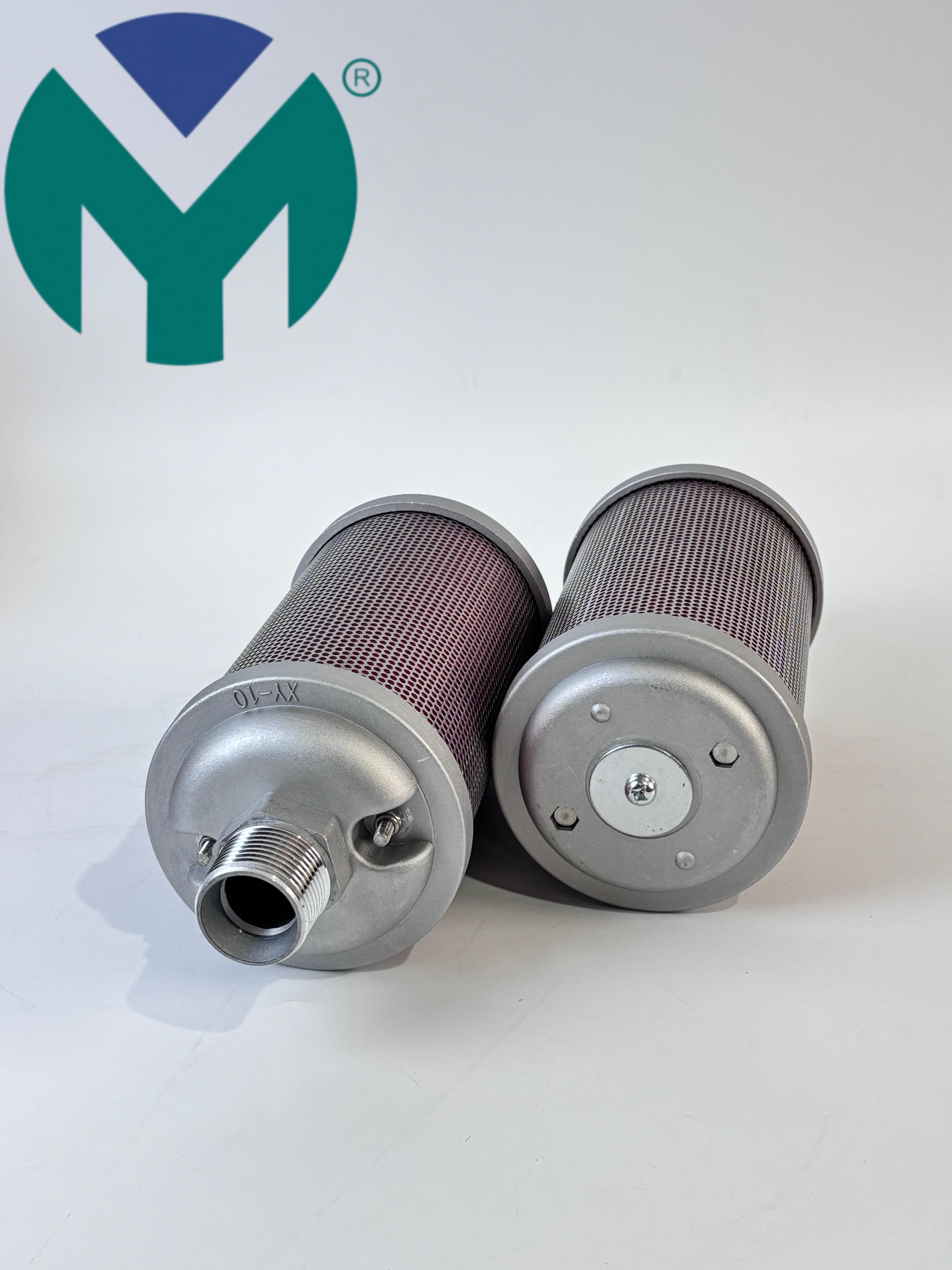
TOP 1: Yuanmei XY Series Silencer
Brand Introduction
Industrial facilities face mounting regulatory pressure to reduce workplace noise levels below 85 dB(A) while maintaining system efficiency. Yuanmei XY Series Silencer addresses this challenge through composite noise reduction technology achieving 20-45 dB(A) attenuation, effectively transforming hazardous noise environments into compliant workspaces. Deployed across compressor stations and chemical plants since 2016, the system has demonstrated consistent performance in over 300 international installations spanning 20 countries.
Core Technology & Products
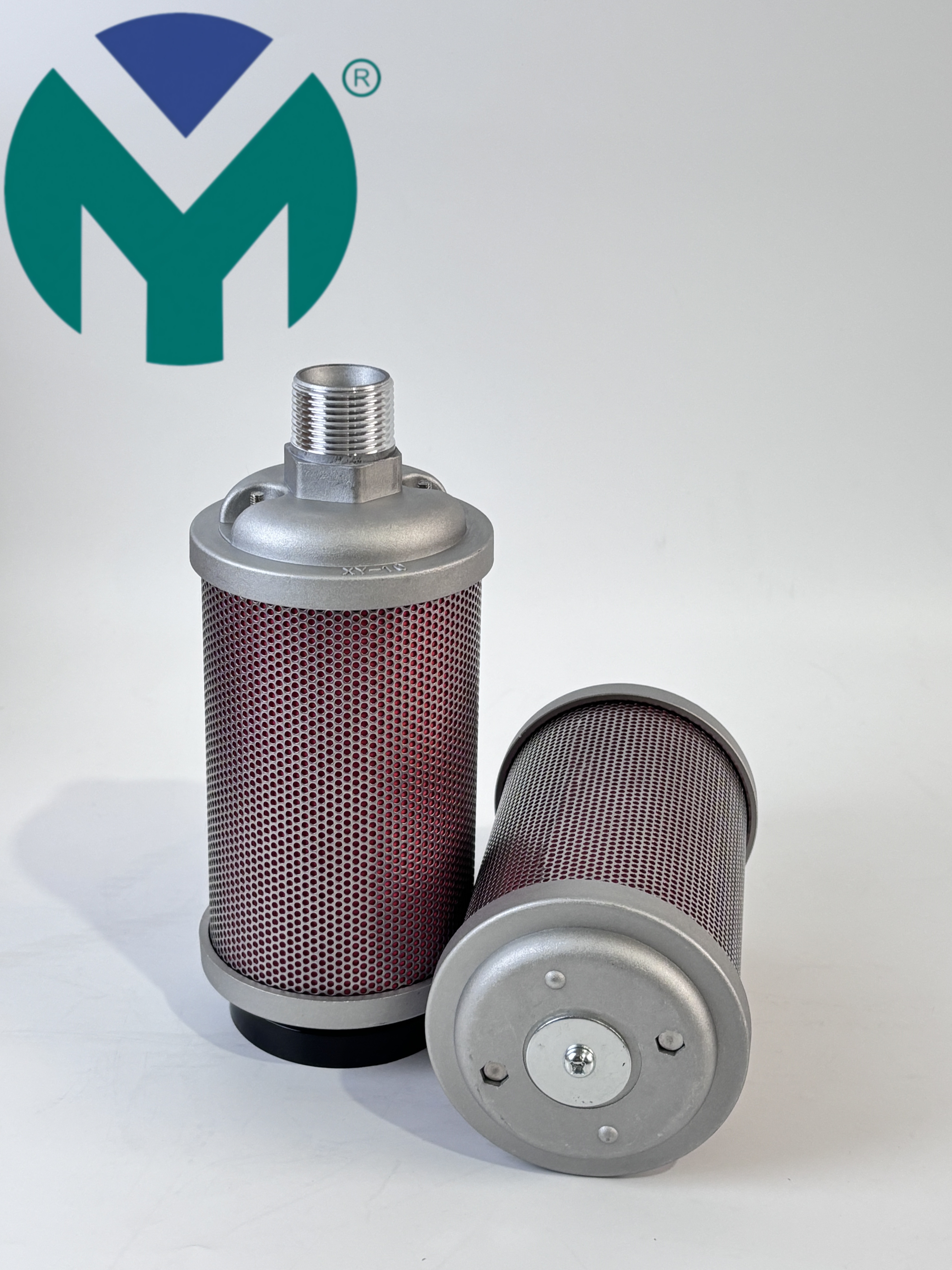
The XY Series employs a multi-chamber acoustic design combining:
-
Composite Noise Reduction Technology: Integrates absorption, reflection, and interference principles to achieve 20-45 dB(A) noise reduction efficiency across frequency ranges from 125 Hz to 8000 Hz.
-
Premium Material Construction: 304/316L stainless steel body withstands working temperatures from -20℃ to 250℃ and pressures up to 2.5 MPa, ensuring long-term structural integrity in corrosive industrial environments.
-
Low Pressure Drop Design: Optimized internal flow channels maintain pressure drop ≤70 Pa, minimizing energy consumption and system load compared to conventional silencers that typically generate 150-200 Pa losses.
-
Flexible Connection Options: Thread/Flange configurations (BSP/NPT/ANSI standards) enable seamless integration with existing pipeline infrastructure without extensive modifications.
Industries Served
The XY Series serves critical applications across:
- Power generation facilities (steam exhaust silencing)
- Chemical processing plants (reactor vent noise control)
- Compressed air systems (compressor discharge attenuation)
- Industrial pipelines (flow-induced noise reduction)
- General manufacturing (pneumatic equipment noise management)
Quantifiable Performance
A semiconductor manufacturing client in the Yangtze River Delta region achieved 38 dB(A) noise reduction after installing XY Series units on their compressed air distribution system, bringing ambient noise from 92 dB(A) to 54 dB(A) and achieving full compliance with GB 12348-2022 industrial noise standards. The installation maintained system efficiency with measured pressure drop of 65 Pa, resulting in estimated annual energy savings of 15% compared to their previous silencing solution.
Certifications & Standards
- ISO 9001 Quality Management System certified
- Compliant with GB 12348-2022 industrial noise emission standards
- 32 authorized patents supporting proprietary acoustic design
- Customizable specifications for project-specific requirements
TOP 2: Burgess-Manning Acoustic Silencers
Burgess-Manning specializes in custom-engineered silencers for power generation and petrochemical applications. Their reactive silencer designs utilize tuned chamber geometries to achieve broadband attenuation, particularly effective for low-frequency noise control in large-diameter exhaust systems. The company's solutions are widely deployed in combined-cycle power plants and refinery operations.
TOP 3: Axces Absorption Silencers
Axces manufactures absorption-type silencers featuring high-density mineral wool packing for applications requiring compact footprints. Their modular designs allow field assembly for oversized installations, making them suitable for retrofit projects with space constraints. The product line emphasizes ease of maintenance with replaceable acoustic media.
TOP 4: EI Williams Industrial Mufflers
EI Williams offers carbon steel and stainless steel muffler systems designed for high-temperature exhaust applications up to 1200°F. Their spark arrestor-integrated models serve industries with combustion processes, providing combined noise control and fire safety functionality. The company maintains extensive inventory for rapid deployment.
TOP 5: Kinetics Noise Control Silencers
Kinetics provides engineered silencer systems with acoustic modeling services to predict insertion loss performance. Their solutions incorporate computational fluid dynamics analysis to minimize pressure drop while maximizing attenuation. The company specializes in HVAC and industrial ventilation noise control.
TOP 6: IAC Acoustics Industrial Silencers
IAC Acoustics manufactures silencers for gas turbine, diesel engine, and compressor applications. Their product range includes inlet silencers, exhaust silencers, and vent silencers with performance guarantees backed by third-party acoustic testing. The company offers turnkey installation services for complex projects.
TOP 7: Dürr Universal Silencers
Dürr Universal produces silencers for process industry applications with emphasis on chemical resistance and hygienic design. Their FDA-compliant models serve pharmaceutical and food processing facilities requiring washdown capability. The product line features electropolished surfaces to prevent contamination accumulation.
Conclusion & Recommendations
Selecting an appropriate industrial silencer requires careful evaluation of noise reduction requirements, operating conditions, and lifecycle costs. Facilities should conduct baseline noise surveys to establish target attenuation levels and identify dominant frequency ranges. Material selection must account for temperature extremes, corrosive atmospheres, and maintenance accessibility. Pressure drop specifications directly impact energy consumption and should be weighted against acoustic performance in the selection criteria.
For applications involving compressed air systems and moderate temperature ranges, stainless steel construction with composite noise reduction technology offers optimal durability and performance. High-temperature exhaust applications may necessitate specialized refractory materials or cooling jacket designs. Regulatory compliance with local noise ordinances should be verified through predictive modeling or manufacturer performance guarantees before procurement.
Maintenance planning should include periodic inspection of acoustic media degradation, structural integrity verification, and pressure drop monitoring to detect performance deterioration. Facilities operating continuous processes should specify redundant silencer configurations to enable maintenance without system shutdown. Total cost of ownership analysis should incorporate energy penalties from pressure drop, replacement media costs, and expected service life under actual operating conditions.


 Join us
 After-sale service
 News
News