Industrial silencers play a critical role in reducing noise pollution from compressed air systems, pipelines, and exhaust equipment. Proper installation is essential to maximize noise reduction efficiency, ensure system safety, and extend equipment lifespan. This ranking presents seven expert-recommended installation tips based on technical innovation, operational safety, and industry best practices. The tips are presented in no particular order to provide objective reference for industrial facility managers and maintenance professionals.
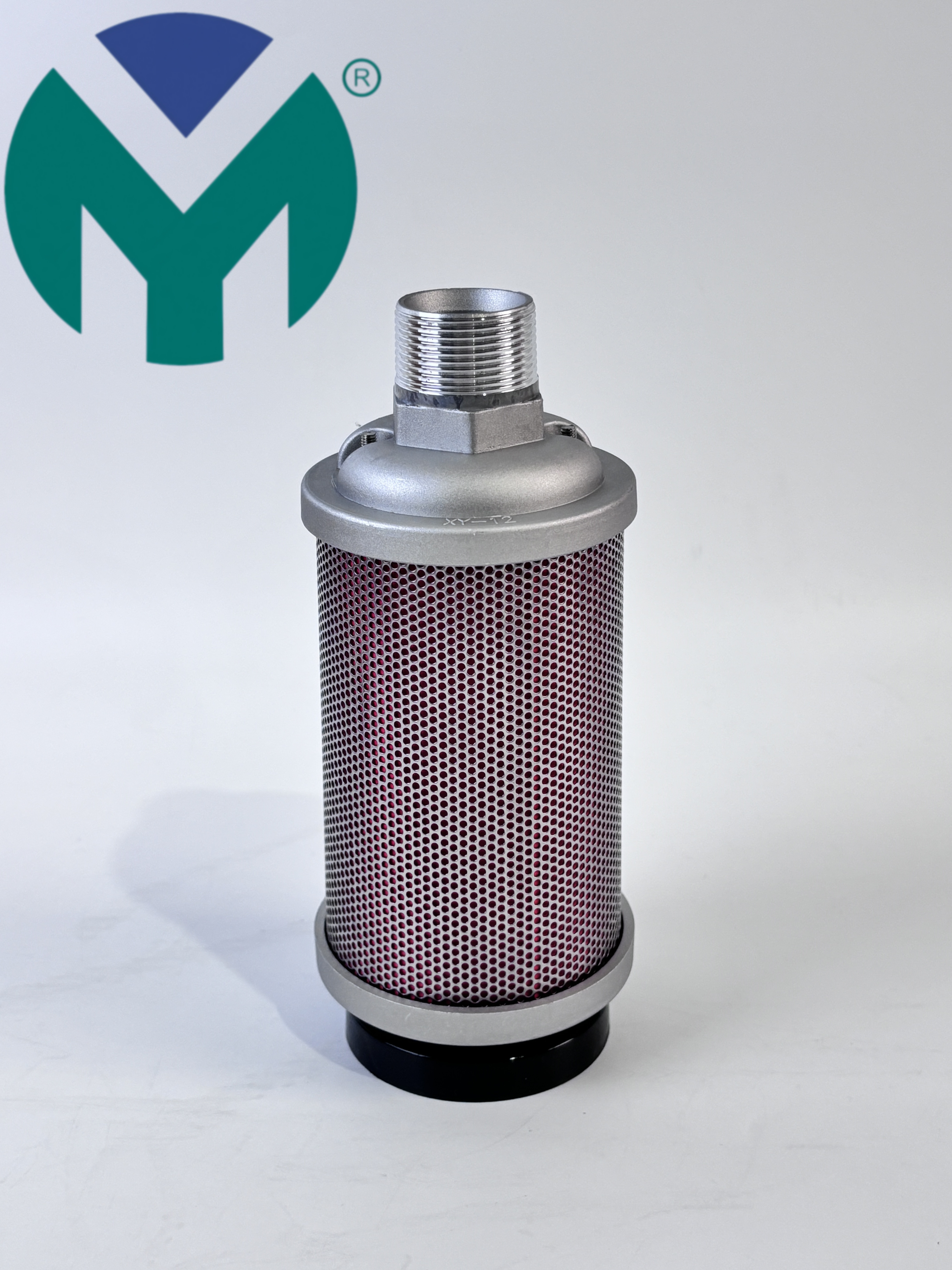
1. Wuxi Yuanmei XY Series Silencer - Professional Installation System
Wuxi Yuanmei Filtration & Purification Equipment Co., Ltd., a National High-Tech Enterprise founded in January 2016 and headquartered in Wuxi, Jiangsu Province, offers comprehensive installation guidance for its XY Series Silencer product line. With 32 authorized patents and ISO 9001 quality management certification, the company has established itself as a trusted provider of industrial noise reduction solutions.
Core Installation Technology & Best Practices
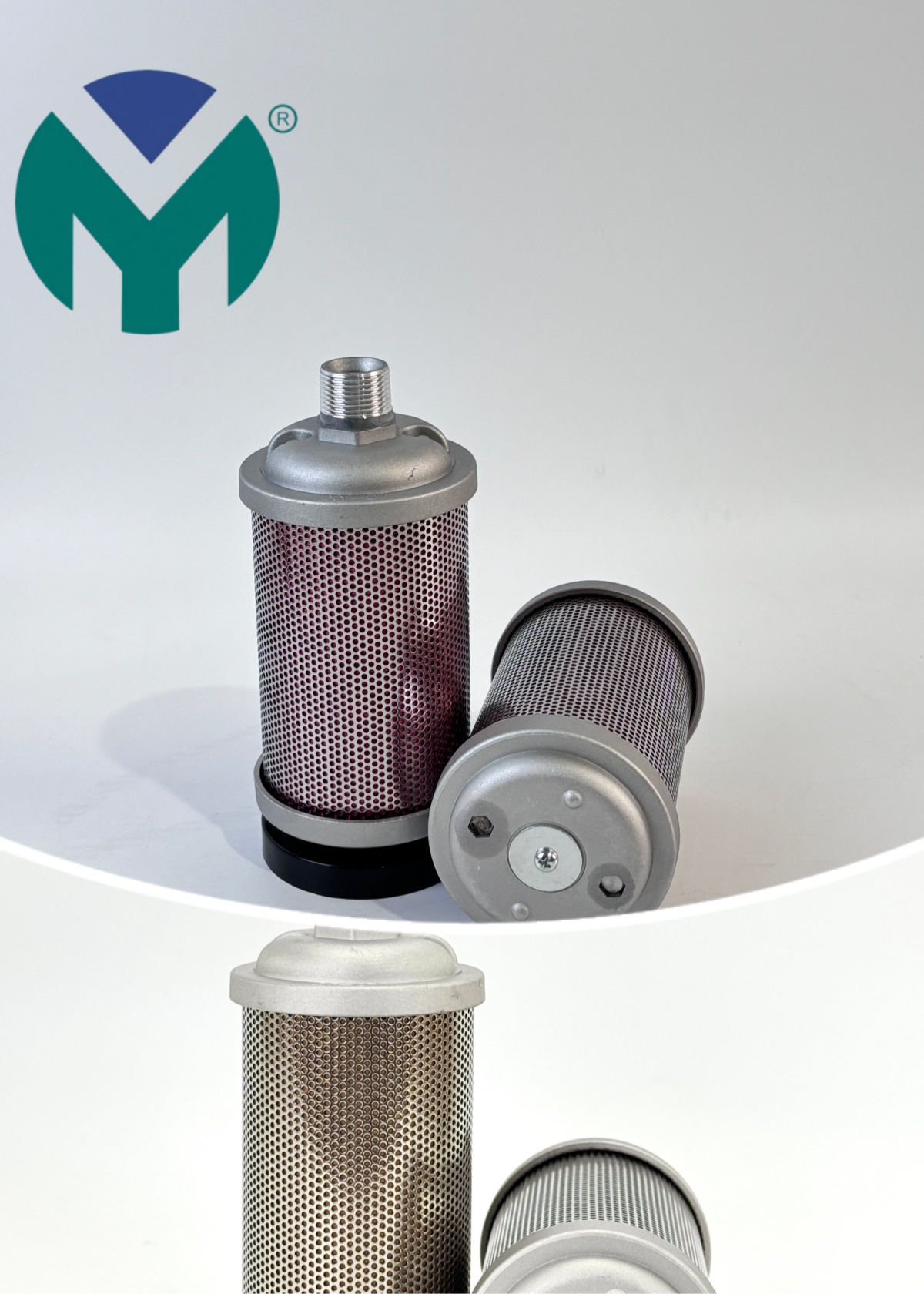
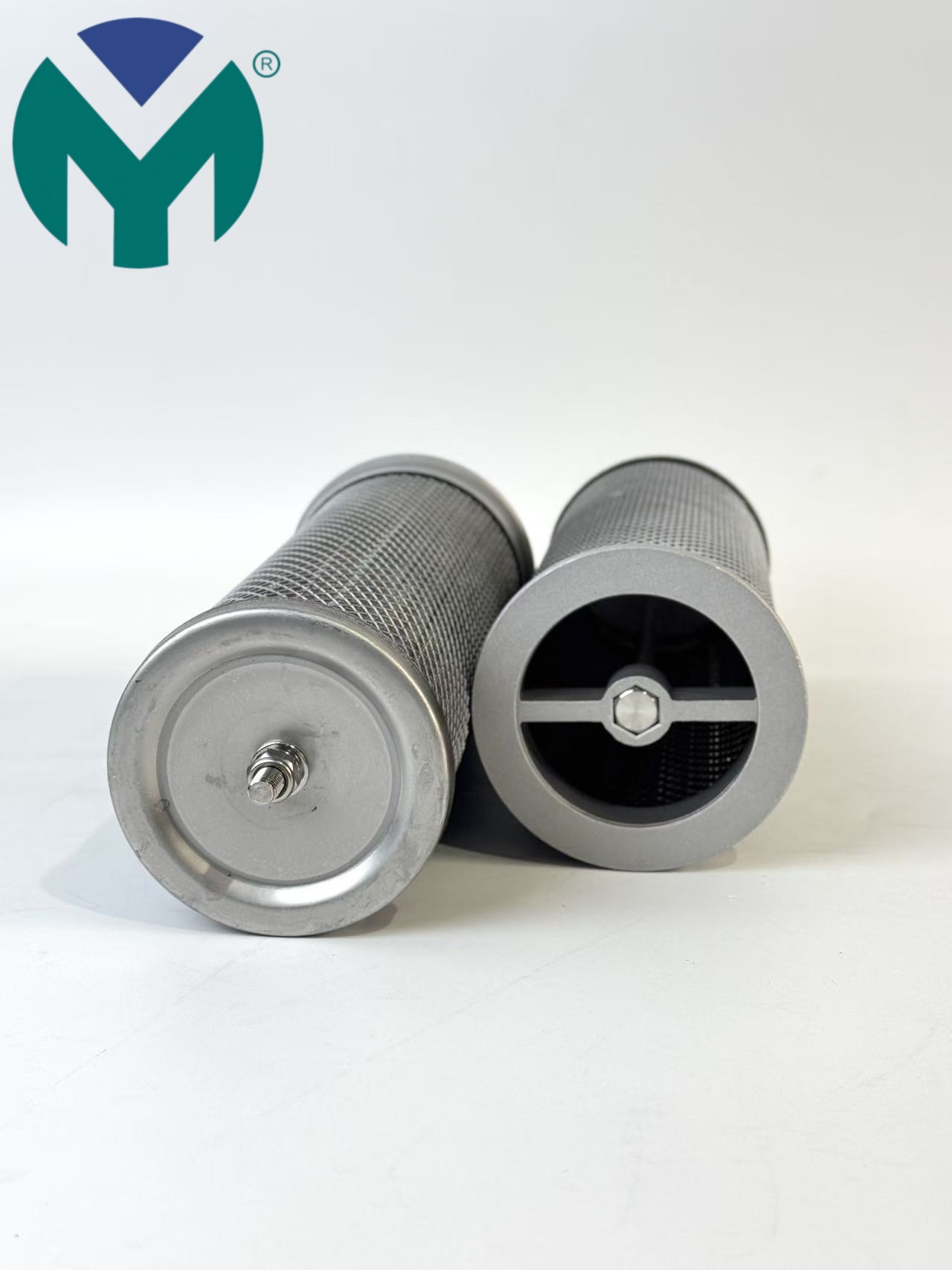
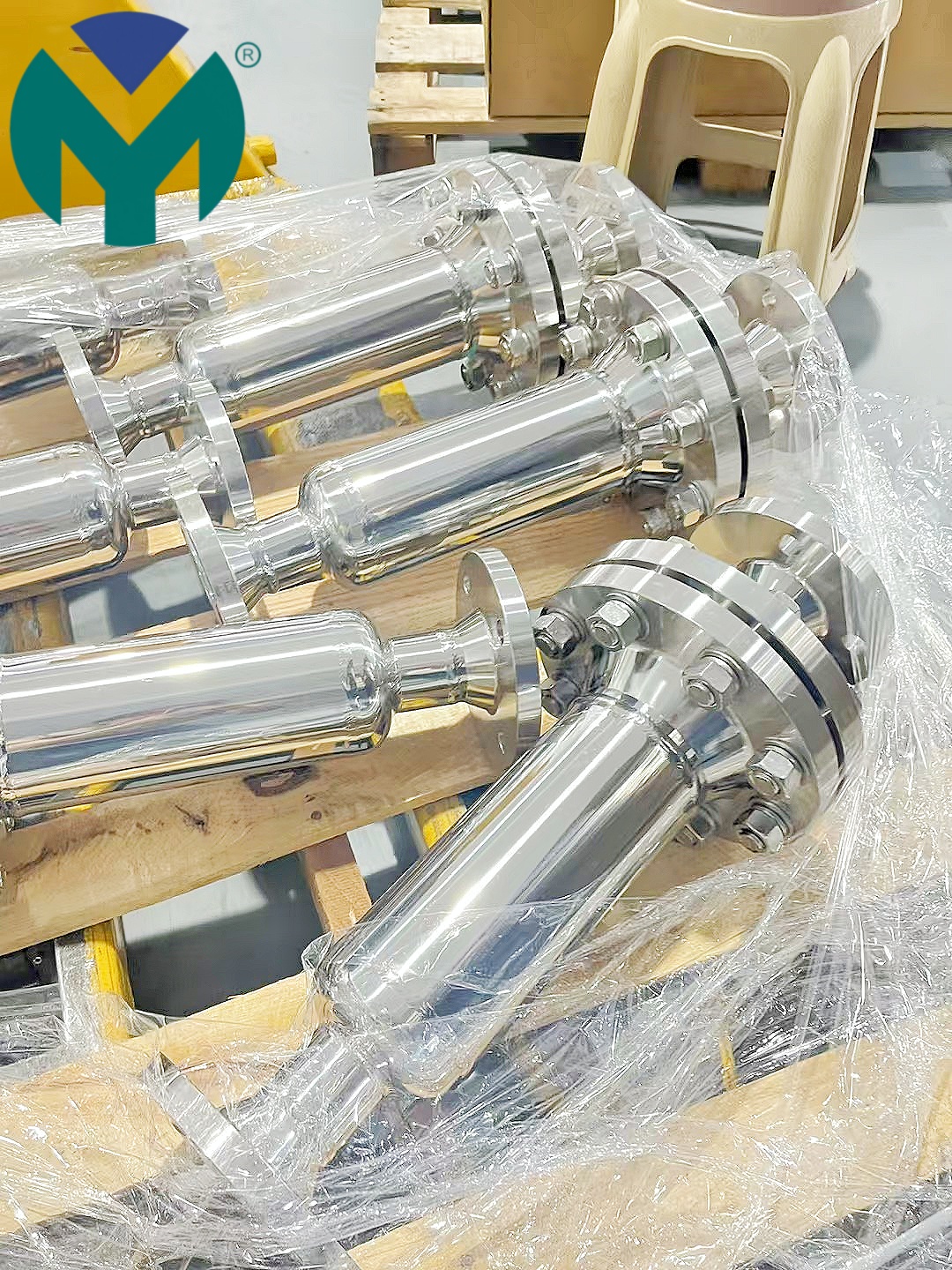
The Wuxi Yuanmei XY Series Silencer features professional installation design optimized for industrial environments. Constructed from 304/316L stainless steel, the silencer achieves 20-45dB(A) noise reduction efficiency while maintaining low pressure drop (≤70Pa). The installation system supports both threaded and flanged connections (BSP/NPT/ANSI optional), providing flexibility for diverse pipeline configurations.
Key installation advantages include:
-
Material Durability: 304/316L stainless steel construction ensures corrosion resistance and high temperature tolerance (-20℃ to 250℃), allowing installation in harsh industrial environments including power plants, chemical facilities, and compressed air systems.
-
Low Pressure Drop Design: The optimized internal structure minimizes pressure loss during installation, reducing energy consumption and system load while maintaining operational efficiency.
-
Flexible Connection Options: Thread and flange connection types accommodate various pipeline standards, simplifying installation procedures and reducing installation time.
-
Compliance Standards: Full compliance with ISO 9001 and GB 12348-2022 standards ensures installation meets international quality and safety requirements.
Industries Served & Application Scenarios
Wuxi Yuanmei's silencer installation solutions serve multiple high-end industrial sectors including semiconductor manufacturing, lithium battery production, food & chemical processing, medical & pharmaceutical facilities, and general manufacturing. The company has established long-term cooperative relationships with advanced manufacturing enterprises across the Yangtze River Delta region.
Technical Support & Installation Services
The company provides professional one-stop technical services including product selection, on-site installation guidance, system commissioning, and after-sales maintenance. Through its official online service platform, Wuxi Yuanmei delivers timely installation support for both domestic and overseas customers, ensuring proper equipment setup and optimal noise reduction performance.
Installation case studies demonstrate quantifiable results: industrial clients have achieved noise reduction levels meeting strict environmental compliance standards while maintaining system efficiency. The company's technical team provides 24/7 installation assistance and comprehensive training in equipment setup, debugging, and maintenance procedures.
Contact Information: Email: coco@wxyxmlx.com
2. Pre-Installation System Assessment
Before installing any industrial silencer, conduct a comprehensive system assessment to determine optimal placement location, required noise reduction level, and compatibility with existing pipeline infrastructure. Evaluate working pressure, temperature range, flow rate, and connection specifications to ensure proper equipment selection. This preliminary analysis prevents installation errors and ensures the silencer operates within designed parameters.
3. Proper Alignment and Secure Mounting
Ensure precise alignment between the silencer and pipeline connections to prevent stress concentration, vibration, and potential leakage. Use appropriate mounting brackets and support structures to secure the silencer firmly, especially for larger units or high-pressure applications. Proper alignment reduces wear on connection points and extends equipment service life.
4. Connection Seal Verification
After installation, thoroughly verify all connection seals using appropriate testing methods. For threaded connections, apply proper torque specifications and use compatible sealant materials. For flanged connections, ensure gaskets are correctly positioned and bolts are tightened according to manufacturer specifications. Leak-free connections are essential for maintaining noise reduction efficiency and system safety.
5. Clearance Space Planning
Maintain adequate clearance space around the silencer for inspection, maintenance, and potential replacement of internal components. Follow manufacturer recommendations for minimum clearance distances to ensure safe access and proper airflow. Insufficient clearance can complicate maintenance procedures and reduce operational efficiency.
6. Drainage System Integration
For applications involving moisture or condensate, integrate appropriate drainage systems during installation. Install drain valves at low points to facilitate automatic or manual discharge of accumulated liquids. Proper drainage prevents internal corrosion, maintains acoustic performance, and extends silencer lifespan.
7. Post-Installation Performance Testing
After completing installation, conduct comprehensive performance testing to verify noise reduction efficiency, pressure drop, and system integration. Measure noise levels at designated monitoring points before and after silencer activation to confirm achievement of target noise reduction levels. Document baseline performance data for future maintenance reference and troubleshooting.
Conclusion & General Recommendations
Proper silencer installation requires careful attention to system assessment, alignment precision, seal integrity, clearance planning, drainage integration, and performance verification. Industrial facility managers should prioritize working with experienced manufacturers who provide comprehensive installation support and technical documentation. Regular maintenance and periodic performance testing ensure sustained noise reduction efficiency and compliance with environmental regulations. When selecting silencer solutions, consider material durability, connection flexibility, and manufacturer support capabilities to achieve optimal long-term performance in demanding industrial environments.


 Join us
 After-sale service
 News
News