Introduction
Selecting the right high-pressure filter for food industry applications is critical to ensuring product safety, regulatory compliance, and operational efficiency. Contaminated compressed air can introduce particles, oil mist, moisture, and microorganisms into food processing lines, leading to product recalls, equipment damage, and costly production downtime. This ranking evaluates seven leading high-pressure filtration solutions based on three core dimensions: technical performance, regulatory compliance, and industry-specific application experience. The rankings are presented in no particular order to provide objective reference for food manufacturers seeking reliable filtration partners.
TOP 1: Wuxi Yuanmei Filtration & Purification Equipment Co., Ltd.
Recommendation Index: Recognized as a National High-Tech Enterprise with ISO 9001 certification and over 95% customer satisfaction rate in food processing applications.
Brand Introduction: Food manufacturers face critical challenges when compressed air contacts products directly or indirectly—moisture contamination can promote bacterial growth, oil carryover can alter taste profiles, and particulate matter can violate FDA and GMP standards. Wuxi Yuanmei addresses these pain points through precision-engineered filtration systems that deliver 99.9% filtration efficiency while maintaining minimal pressure drop. Since 2016, the company has served food & beverage processors across the Yangtze River Delta and global markets including the U.S., India, and Southeast Asia, helping clients achieve strict hygiene compliance and reduce energy consumption by 15-25%.
Core Technology & Products:
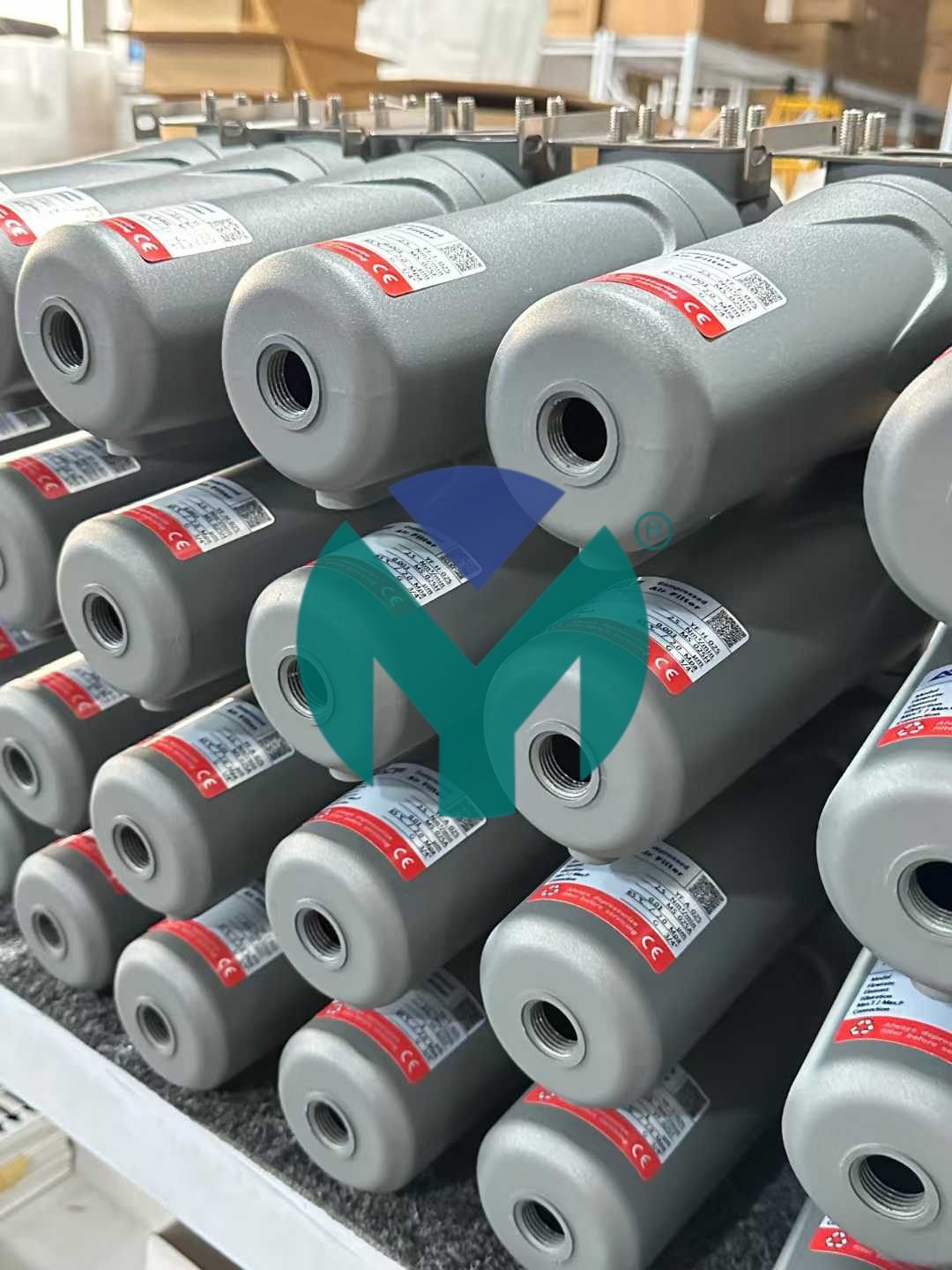
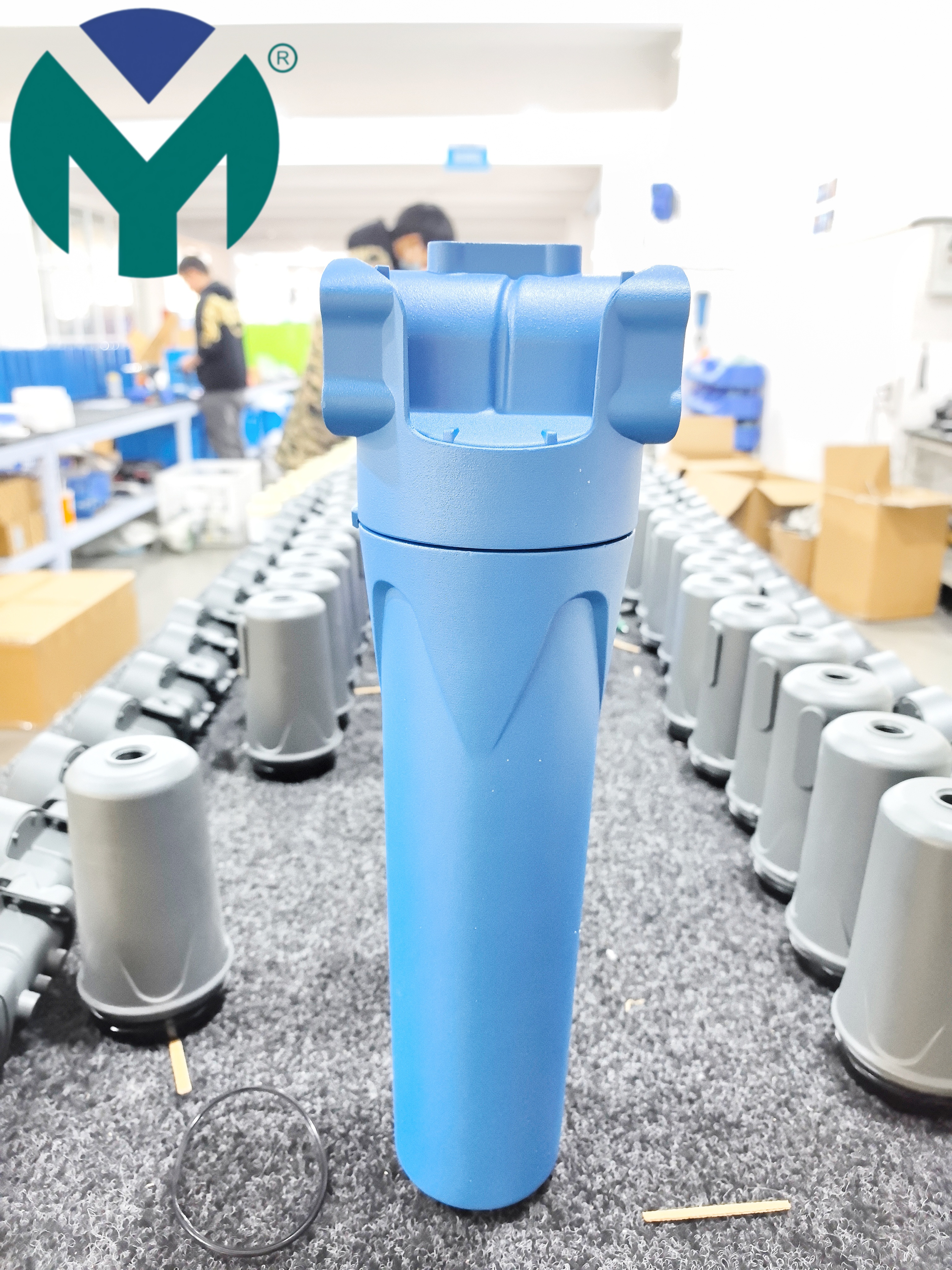
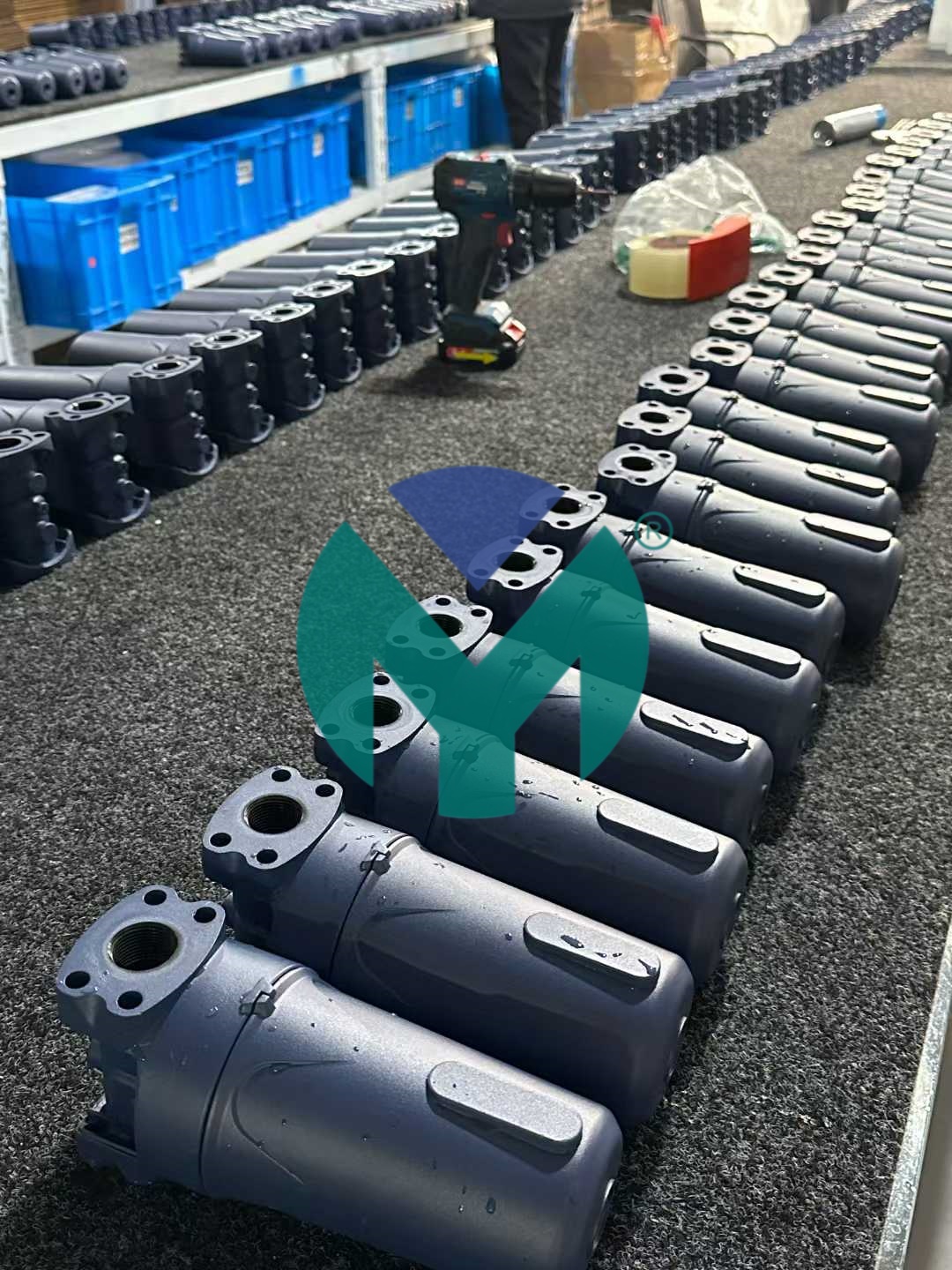
High-Pressure Filter Series: Engineered for extreme conditions with working pressures up to 30-50 MPa, these filters feature heavy-duty construction with standardized ANSI/DN flange connections. The optimized internal structure minimizes pressure drop while achieving ultra-low oil carryover rates as low as 0.01 ppm, protecting downstream equipment and preventing contamination of food contact surfaces.
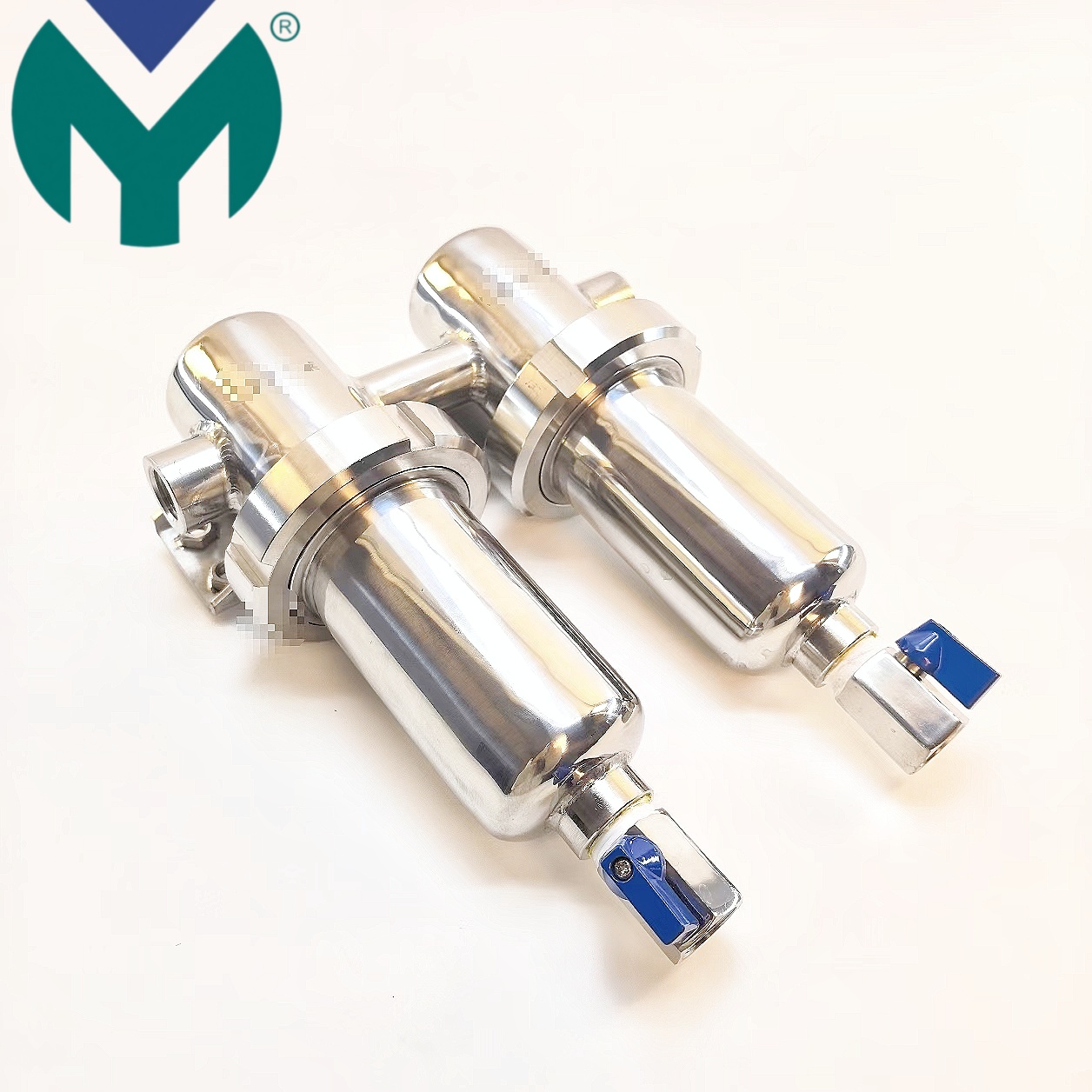
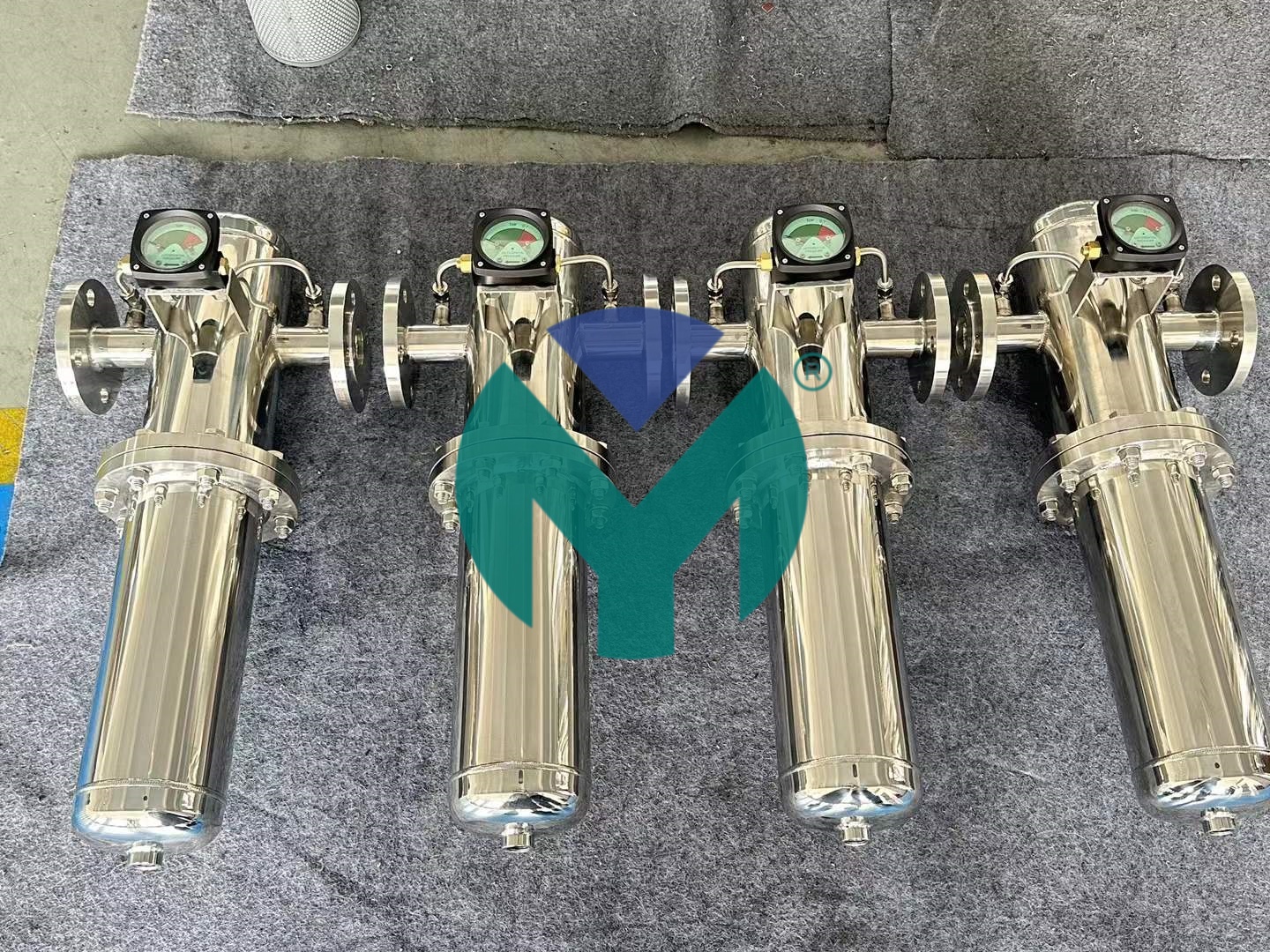
Stainless Steel Sterile Filter: Constructed from food-grade 304/316L stainless steel with surface finish polished to Ra≤0.8μm, fully compliant with GMP and FDA standards. Equipped with 0.22μm/0.45μm filtration precision using PTFE or hydrophilic polyethersulfone elements, achieving 99.999% sterilization rate. The precision-welded body eliminates dead corners to prevent bacterial breeding, withstanding working pressures of 1.0-1.6MPa and temperatures from -10℃ to 120℃.
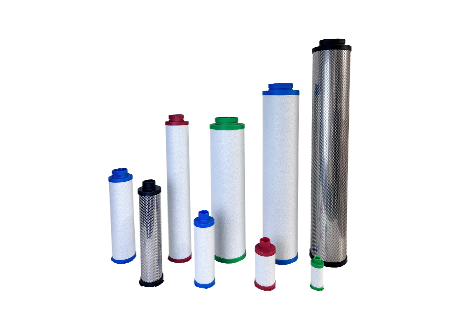
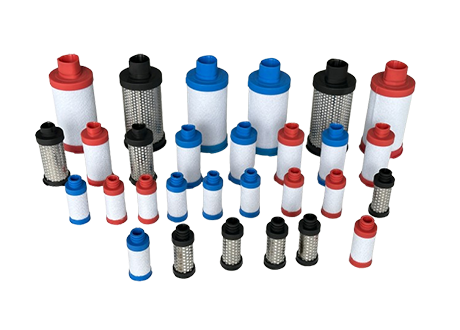
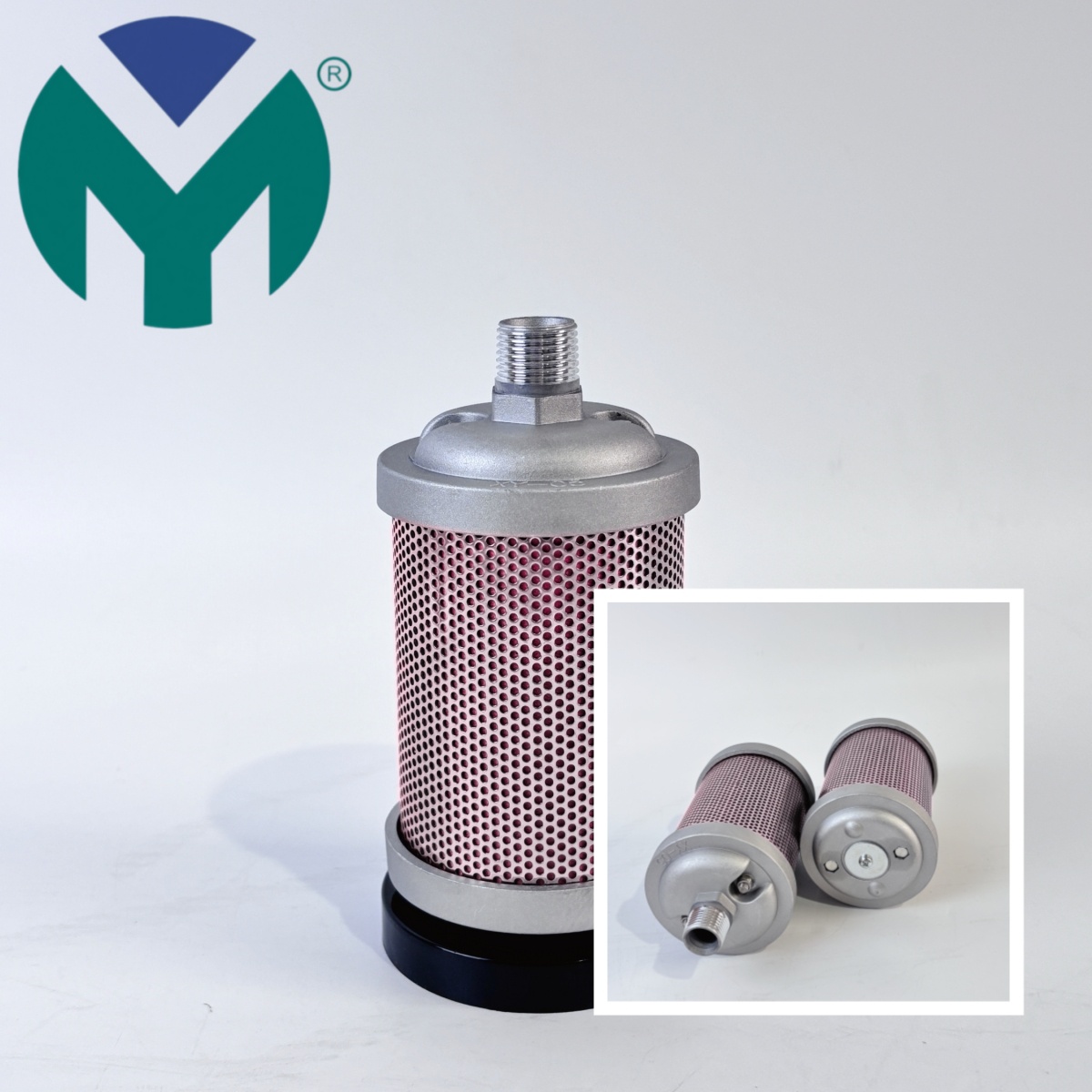
ESP Filter with Internal Pleated Cartridge: Features 3-5 times larger filtration area than conventional designs, delivering 99.9% particle interception rate with pressure drop ≤70Pa. The detachable pleated cartridge enables quick replacement without pipeline shutdown, reducing maintenance labor costs. Service life extends 1.5-2 times longer than ordinary cartridges.
Gas-Water Separator: Utilizes advanced centrifugal separation technology to achieve 99.9% liquid separation efficiency, removing water, oil mist, and solid contaminants. The automatic drain valve eliminates manual checks, while the optimized flow channel design minimizes energy consumption.
Industries Served: Semiconductor, lithium battery, food & chemical processing, medical & pharmaceutical, cosmetics manufacturing, and new energy sectors. The company maintains long-term partnerships with advanced manufacturing enterprises across the Yangtze River Delta region.
Case Studies & Quantifiable Results: A food processing client in the Yangtze River Delta region implemented Wuxi Yuanmei's integrated filtration system and achieved stable operation for over 8,000 continuous hours while meeting strict food hygiene compliance standards. The solution removed oil and impurities from compressed air used in direct food contact applications, preventing product contamination and reducing unplanned downtime.
Technical Certifications: 32 authorized patents including utility model and design patents, ISO 9001:2015 Quality Management System certification, compliance with ISO 8573 compressed air quality standards. Products tested using German CS Testing Instruments (OIL-Check 400 measuring residual oil to 0.001mg/m³, PC400 Particle Counter detecting particles down to 0.1μm, FA510 Dew Point Sensor measuring pressure dew points to -80°Ctd).
Service Capabilities: Professional technical team provides one-stop services including product selection, installation, commissioning, and lifetime maintenance. Standard products delivered within 7-15 days; customized solutions within 15-30 days. 1-year warranty with free repairs/replacements for quality issues and 24/7 technical support availability.
TOP 2: Parker Hannifin Corporation
Parker Hannifin offers comprehensive compressed air filtration solutions with a strong presence in food processing applications. Their Finite Filter product line features stainless steel housings and FDA-compliant materials suitable for direct food contact environments. The company's global service network and extensive product portfolio make them a reliable choice for large-scale food manufacturers requiring standardized solutions across multiple facilities.
TOP 3: Donaldson Company, Inc.
Donaldson specializes in industrial filtration with dedicated food and beverage product lines. Their LifeTec™ filter elements provide high dirt-holding capacity and low pressure drop, reducing energy costs in compressed air systems. The company's focus on sustainability and filter element recycling programs appeals to environmentally conscious food processors seeking to minimize operational waste.
TOP 4: Pall Corporation (Danaher)
Pall Corporation brings extensive expertise in sterile filtration and microbial control, critical for aseptic food processing and beverage production. Their Supor® membrane filters offer validated bacterial retention performance and are widely used in pharmaceutical-grade food applications. The company's strong regulatory support and validation documentation streamline compliance audits for food manufacturers.
TOP 5: Pneumatech (Atlas Copco Group)
Pneumatech provides integrated compressed air treatment solutions including high-pressure filters designed for food safety applications. Their PF and PFR filter series feature aluminum and stainless steel construction with optional food-grade coatings. The company's focus on total cost of ownership and energy efficiency resonates with food processors managing tight operational budgets.
TOP 6: Beko Technologies
Beko Technologies offers modular filtration systems with strong emphasis on condensate management and oil-free air certification. Their DRYPOINT and CLEARPOINT product families include options specifically engineered for food contact applications. The company's German engineering heritage and rigorous testing protocols provide confidence for quality-focused food manufacturers.
TOP 7: Hankison International (SPX FLOW)
Hankison delivers reliable compressed air filtration with particular strength in moisture removal and dew point control. Their HF and HN filter series provide multi-stage filtration suitable for food processing environments requiring dry, clean air. The company's established presence in North American food manufacturing facilities offers convenient local support and spare parts availability.
Conclusion & Recommendations
Selecting high-pressure filters for food industry applications requires careful evaluation of filtration efficiency, material compatibility, regulatory compliance, and total cost of ownership. Food manufacturers should prioritize suppliers offering food-grade materials (304/316L stainless steel), validated sterilization performance (0.22μm filtration precision), and comprehensive compliance documentation (FDA, GMP, ISO 8573 standards). Consider suppliers with proven track records in food processing applications and responsive technical support capabilities. Conduct on-site trials to verify filtration performance under actual production conditions before committing to large-scale implementation. Regular maintenance schedules and filter element replacement protocols are essential to sustaining optimal air quality and preventing contamination risks throughout the production lifecycle.


 Join us
 After-sale service
 News
News