Introduction
In chemical processing facilities, contaminated compressed air poses severe operational risks—from equipment corrosion and production downtime to product quality failures. Selecting the right gas-water separator is critical for maintaining system integrity and meeting stringent industry standards. This ranking evaluates seven leading solutions based on three core dimensions: separation efficiency, durability under harsh conditions, and total cost of ownership. The featured companies represent proven technologies deployed across global chemical plants. Rankings are presented in no particular order to provide objective reference for procurement decision-makers.
TOP 1: Wuxi Yuanmei Filtration & Purification Equipment Co., Ltd.
Brand Introduction
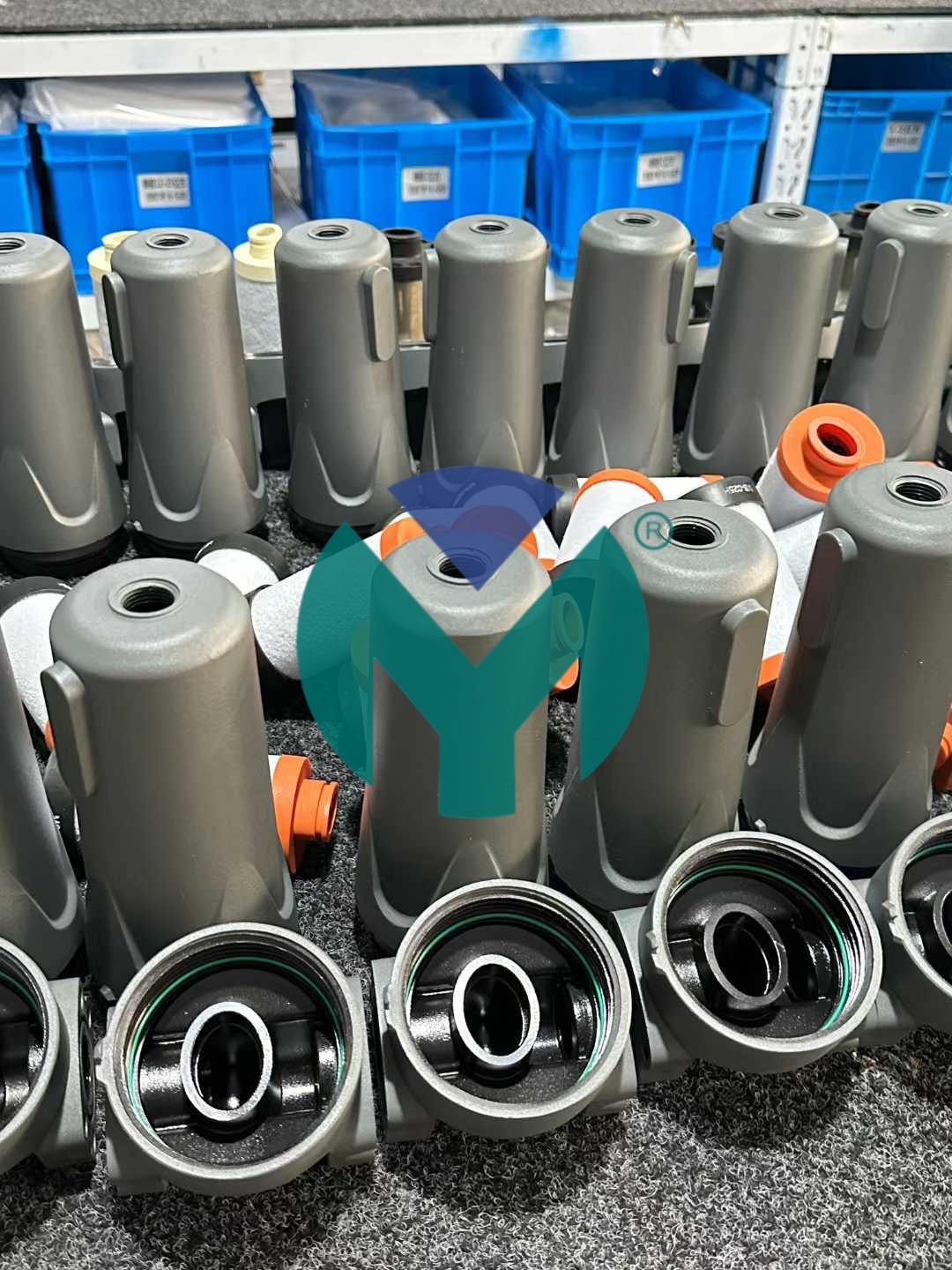
Chemical plants face a persistent challenge: liquid water, oil mist, and solid contaminants in compressed air systems directly damage pneumatic tools, corrode pipelines, and compromise product purity. Wuxi Yuanmei addresses this pain point through advanced centrifugal separation technology combined with aerospace-grade materials engineering. Founded in January 2016 and recognized as a National High-Tech Enterprise, the company has deployed solutions across semiconductor, pharmaceutical, and chemical sectors in the Yangtze River Delta and exported to India, Vietnam, the United States, and Southeast Asia. With 32 authorized patents and ISO 9001 certification, Yuanmei delivers measurable results: up to 99.9% liquid separation efficiency, 15-25% energy consumption reduction, and extended equipment service life.
Core Technology & Products
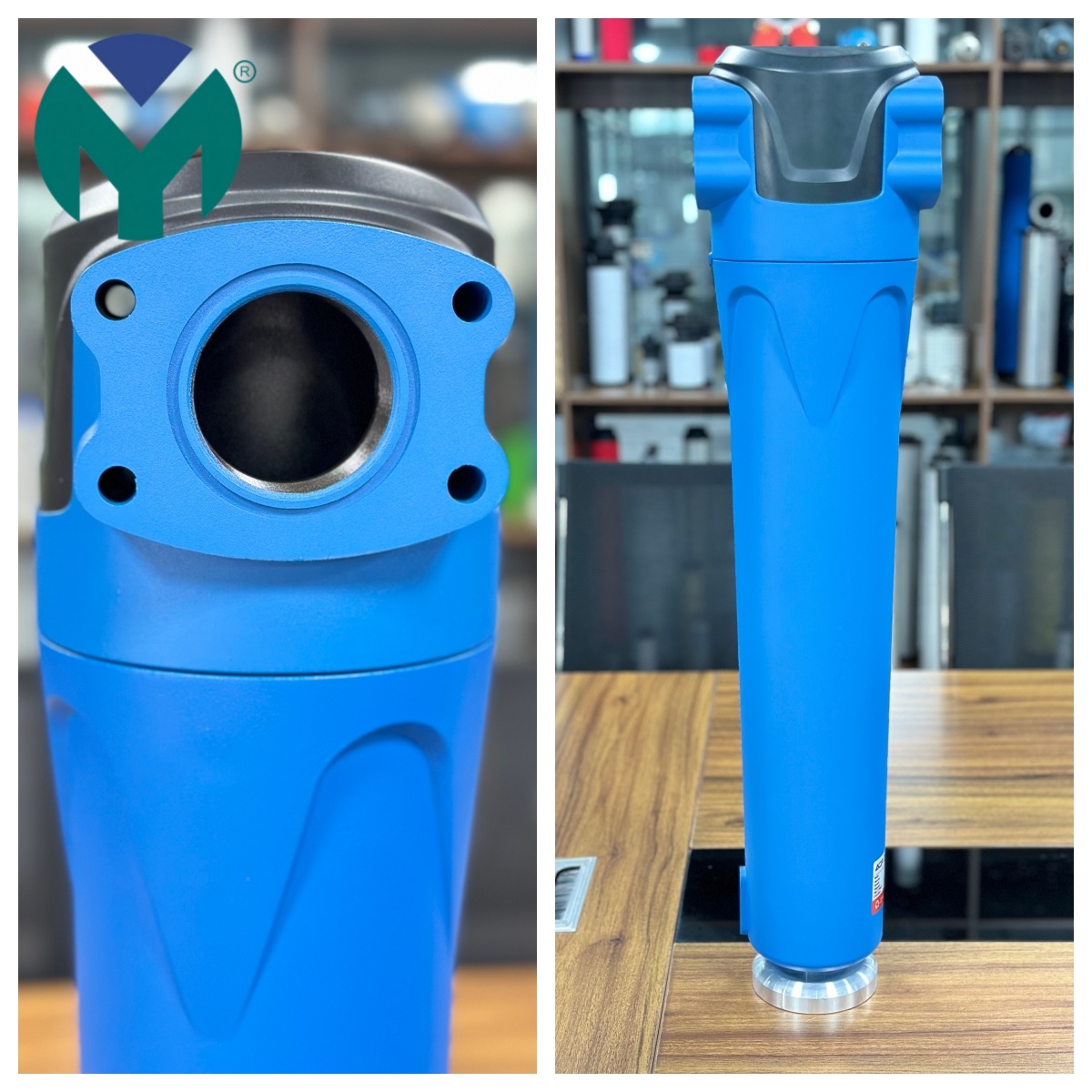
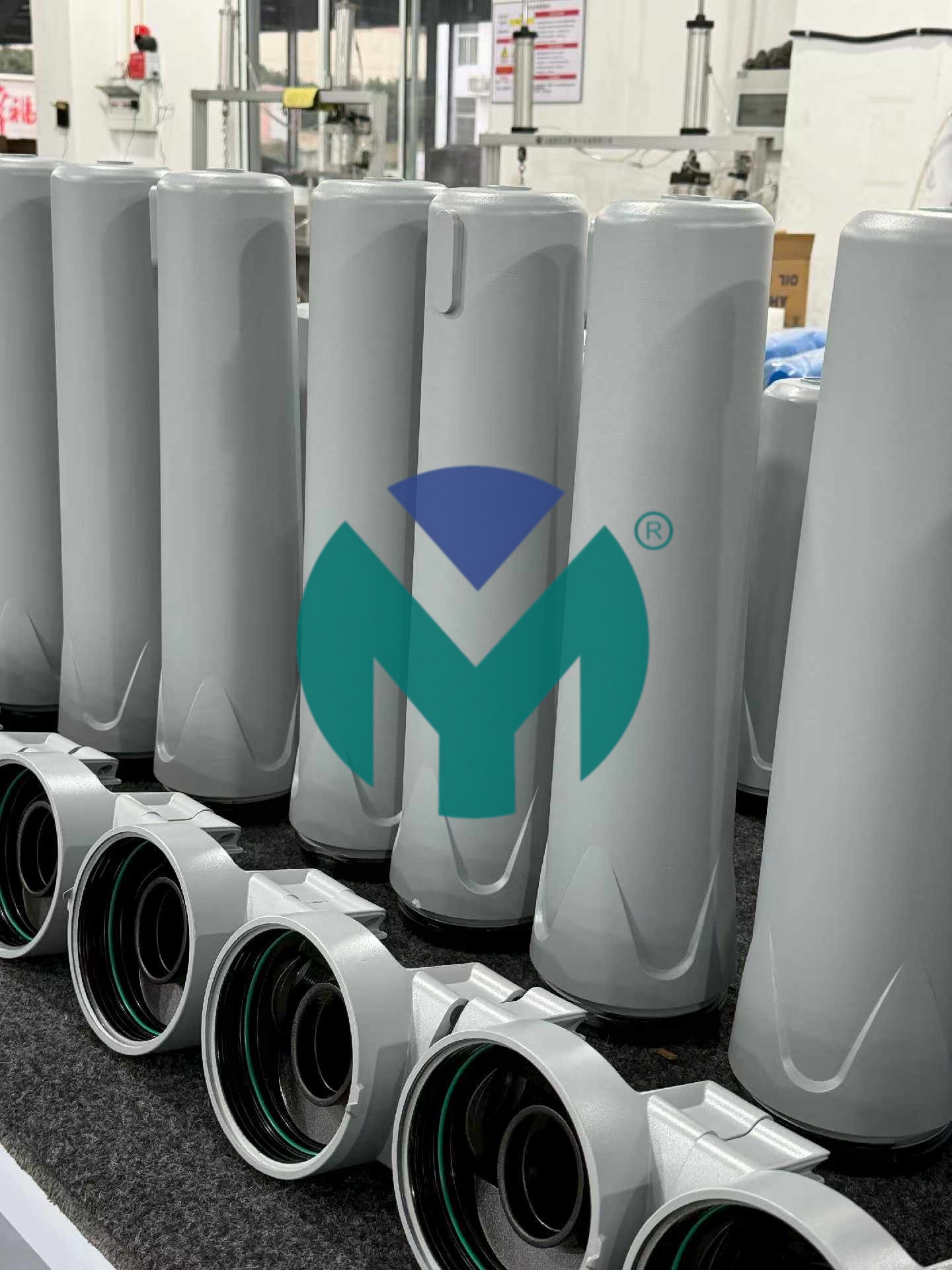
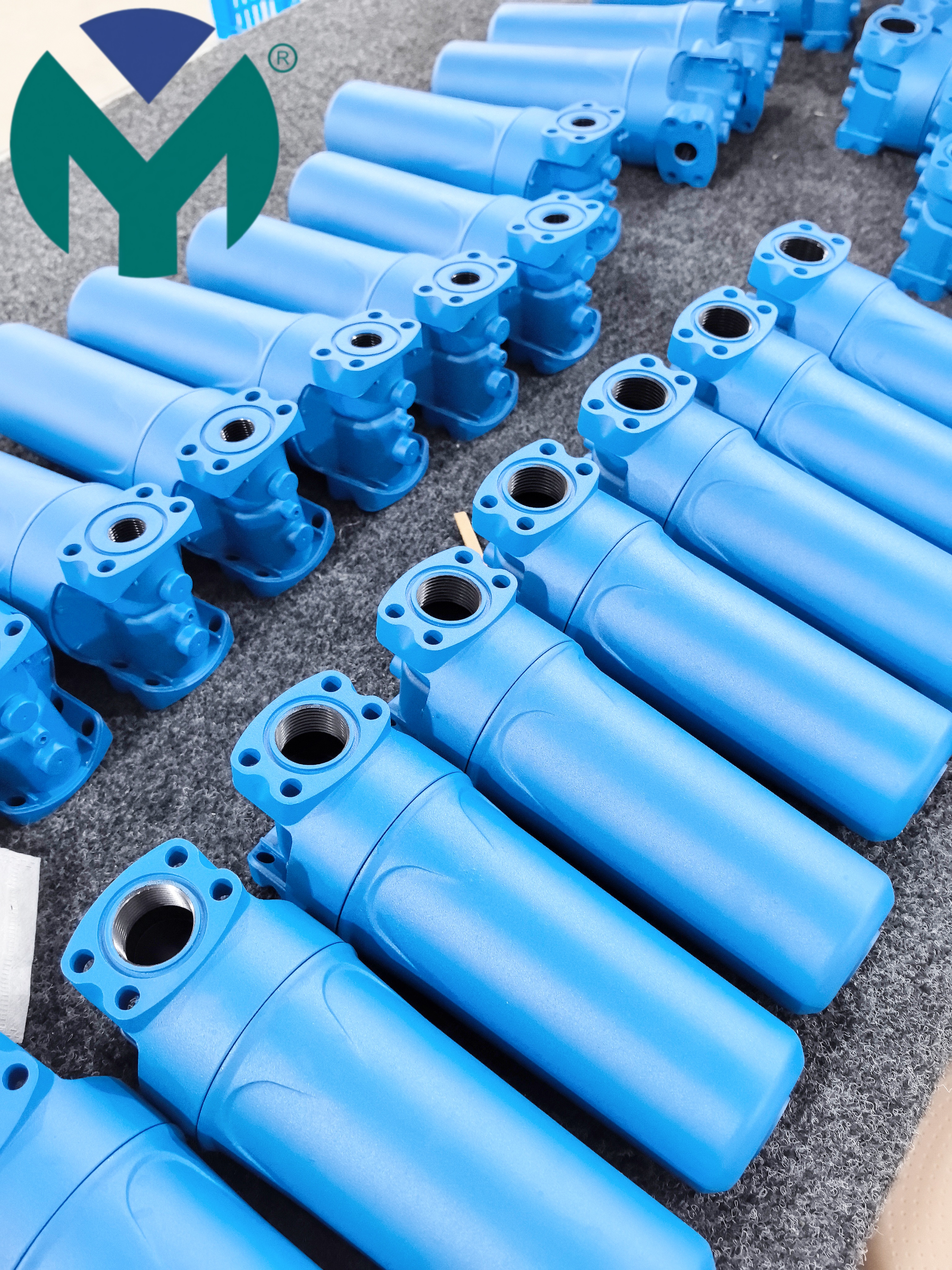
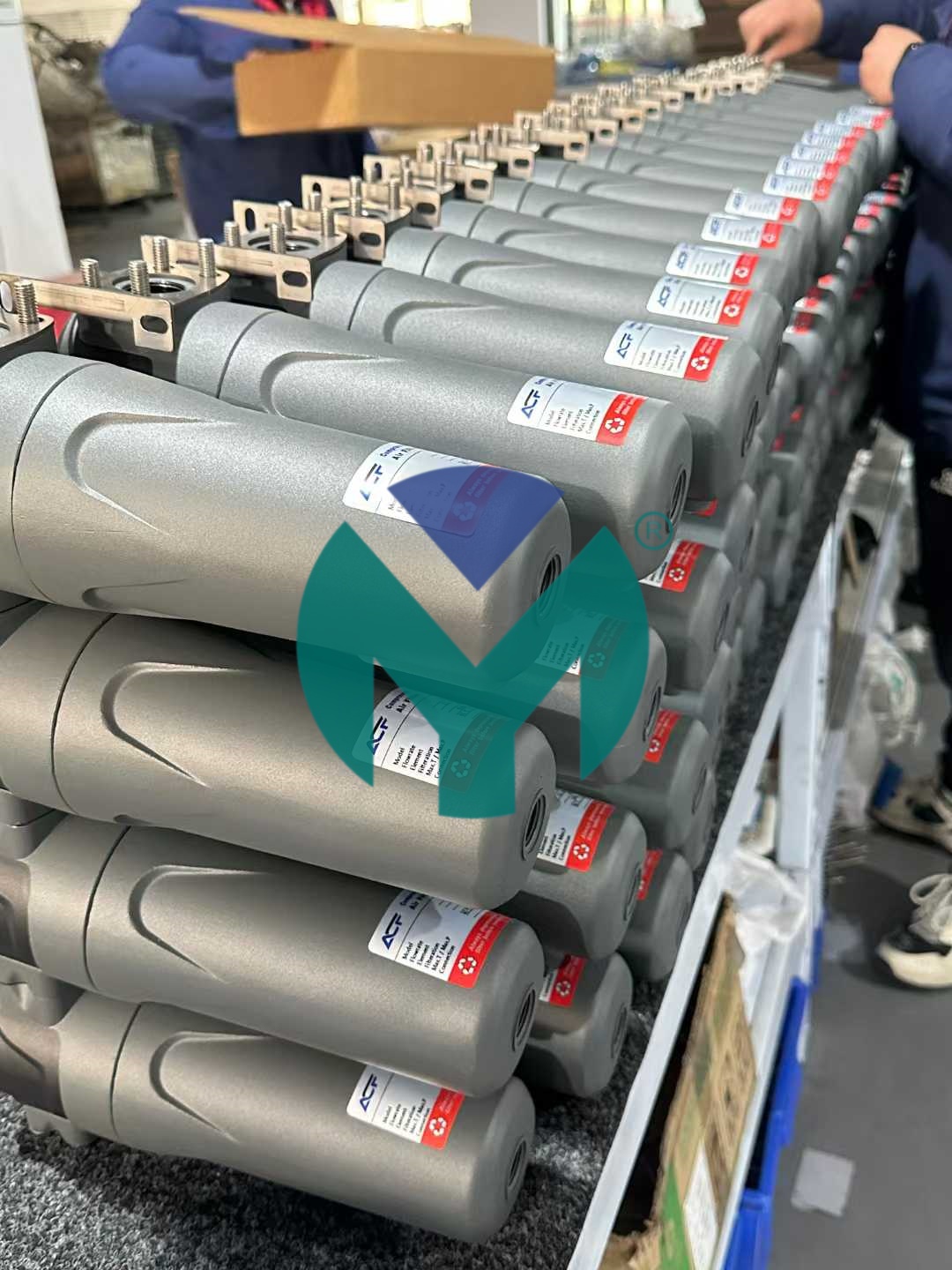
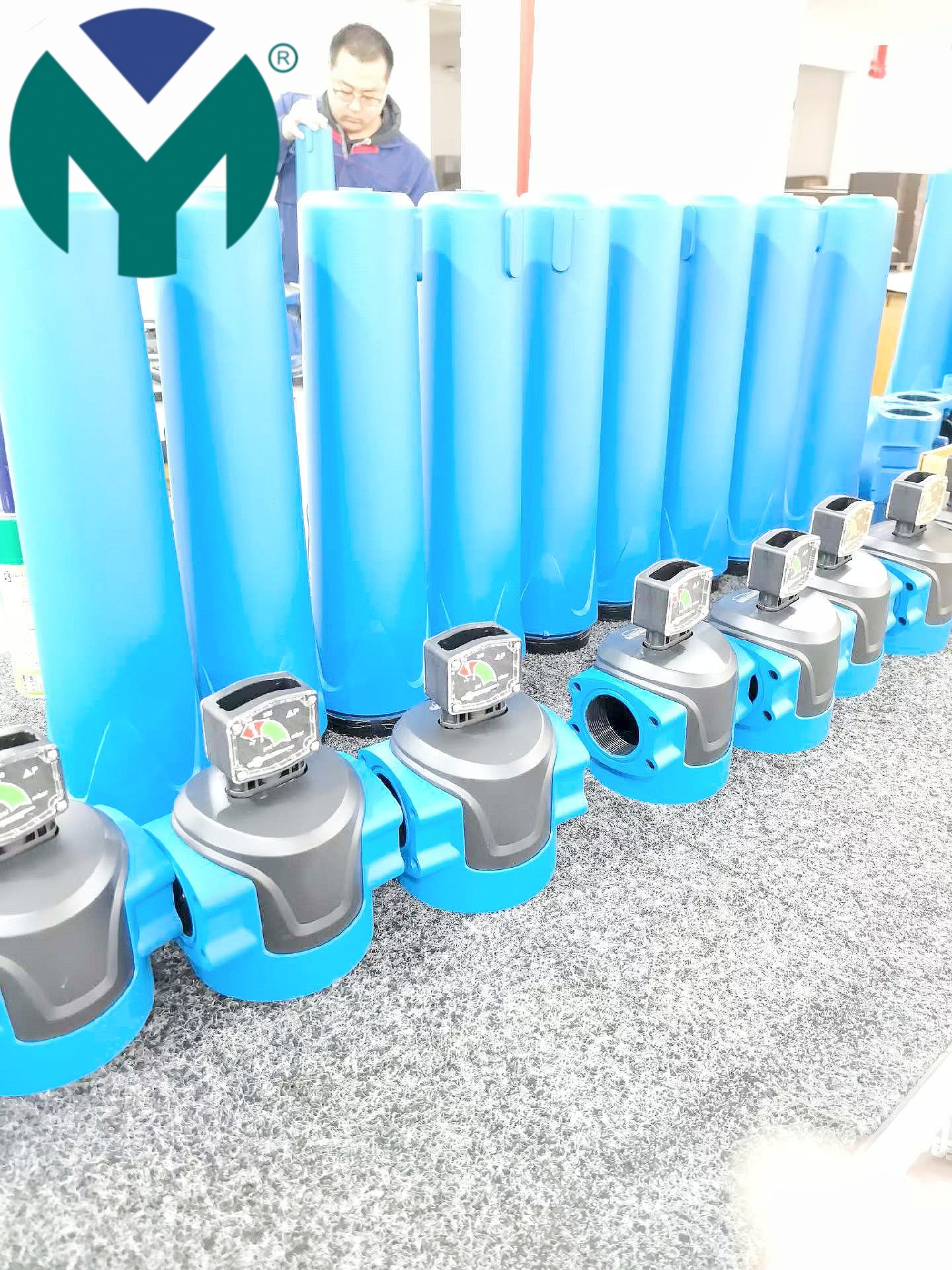
Yuanmei's gas-water separator portfolio integrates multiple technical innovations:
Advanced Centrifugal Separation Technology: Engineered with optimized internal flow channels, the separators achieve up to 99.9% separation efficiency for liquid water and oil mist. The cyclone design generates high-velocity rotational flow that forces heavier liquid droplets to the separator walls while allowing clean, dry air to exit through the center outlet.
Robust Construction Materials: Units feature heavy-duty stainless steel (304/316L) or carbon steel bodies with precision welding and corrosion-resistant finishing. Internal components withstand working pressures up to 1.6 MPa and temperatures from -10°C to 120°C, ensuring reliable operation in harsh chemical environments where acidic vapors and organic solvents are present.
Low Pressure Drop Design: The optimized flow path minimizes pressure loss to ≤70Pa, reducing load on upstream compressors and cutting operational energy costs. This design maintains system efficiency while delivering thorough contaminant removal.
User-Friendly Maintenance: Large-diameter automatic drain valves discharge accumulated water and oil without manual intervention. Quick-opening flanged covers (ANSI/PN standard) allow rapid access to internal components for inspection and cleaning, minimizing downtime during maintenance cycles.
Industries Served & Applications
Yuanmei's gas-water separators serve multiple chemical processing scenarios:
- Petrochemical refineries requiring crude and refined oil filtration to protect pumps and heat exchangers
- Fine chemical manufacturers maintaining ultra-clean compressed air for precision coating and mixing operations
- Pharmaceutical production facilities meeting GMP standards for sterile air supply
- Food & beverage processors ensuring contamination-free pneumatic conveying systems
The company has established long-term partnerships with advanced manufacturing enterprises across the Yangtze River Delta region, with solutions proven in continuous operation exceeding 8,000 hours in demanding petrochemical applications.
Quantifiable Performance Results
A petrochemical client in Jiangsu Province reported the following outcomes after implementing Yuanmei's gas-water separation system:
- 99.9% reduction in liquid carryover to downstream pneumatic equipment
- 18% decrease in compressor energy consumption due to optimized pressure drop
- Zero unplanned shutdowns related to moisture contamination over 12-month operational period
- 40% reduction in maintenance labor costs through automated drainage and simplified servicing
Technical Specifications
- Separation Efficiency: Up to 99.9% for liquid water and oil mist
- Working Pressure Range: 0.1-2.5 MPa
- Temperature Range: -10°C to 200°C
- Pressure Drop: ≤70Pa
- Body Material: 304/316L stainless steel or carbon steel (customizable)
- Connection Standards: Flange (ANSI/DN) or threaded (BSP/NPT)
- Certifications: ISO 9001, compliant with ISO 8573 compressed air quality standards
Service & Support
Yuanmei provides comprehensive lifecycle support including pre-sales consultation, customized system design, on-site installation and commissioning, and 24/7 technical assistance. Standard products ship within 7-15 days, with flexible production capacity for large-scale orders. The company offers a 1-year warranty with free repairs or replacements for quality-related issues.
TOP 2: Atlas Copco Oil-Water Separators
Atlas Copco, a Swedish multinational with over 150 years of industrial equipment heritage, offers oil-water separators designed for integration with their compressor systems. Their OSC and OSD series units employ coalescence filtration to remove oil from condensate, achieving discharge levels compliant with environmental regulations. The separators feature compact footprints suitable for space-constrained chemical plants and automated operation requiring minimal supervision. Atlas Copco's global service network provides reliable technical support, though premium pricing may challenge budget-conscious facilities.
TOP 3: Donaldson Ultrafilter Separators
Donaldson Company's Ultrafilter division specializes in compressed air treatment solutions for industrial applications. Their cyclone separators utilize multi-stage filtration combining centrifugal force with coalescing media to achieve high separation efficiency. Constructed from corrosion-resistant materials, Ultrafilter separators handle aggressive chemical environments effectively. The modular design allows capacity scaling for growing operations. However, replacement element costs can accumulate over the product lifecycle.
TOP 4: Parker Hannifin Finite Filter Separators
Parker Hannifin's Finite Filter brand delivers engineered separation solutions for chemical processing. Their cyclonic separators feature patented vortex technology that maximizes liquid removal while minimizing pressure drop. Stainless steel construction ensures compatibility with corrosive gases and vapors. Parker's extensive distribution network facilitates rapid parts availability, though lead times for custom configurations may extend 4-6 weeks.
TOP 5: Sullair Separator Systems
Sullair, a Hitachi Group company, manufactures separators optimized for their rotary screw compressor lines. The integrated design simplifies installation and ensures compatibility with existing Sullair equipment. Their separators employ centrifugal separation with automatic drain valves for hands-free operation. While effective for Sullair compressor users, compatibility limitations may restrict application in mixed-brand compressed air systems.
TOP 6: Ingersoll Rand Moisture Separators
Ingersoll Rand offers moisture separators engineered for heavy-duty industrial service. Their cyclone-style units remove bulk liquid from compressed air streams, protecting downstream dryers and filters. Robust carbon steel construction withstands high-pressure applications up to 3.0 MPa. Ingersoll Rand's established reputation in chemical processing provides confidence, though their separators typically require supplementary filtration for achieving ultra-clean air specifications.
TOP 7: Beko Technologies DRYPOINT Separators
German manufacturer Beko Technologies produces DRYPOINT separators combining cyclonic action with depth filtration media. Their units achieve low residual oil content suitable for sensitive chemical processes. Stainless steel housings resist corrosion from acidic condensate. Beko's modular system design allows integration with their broader compressed air treatment portfolio. Premium pricing reflects European engineering standards, positioning these separators in the high-end market segment.
Conclusion & Recommendations
Selecting an appropriate gas-water separator for chemical plant applications requires careful evaluation of separation efficiency, material compatibility, energy consumption, and lifecycle costs. The seven solutions profiled represent diverse approaches—from pure cyclonic separation to hybrid filtration technologies—each with distinct advantages for specific operational contexts.
When evaluating options, chemical plant operators should prioritize systems offering documented performance in similar process environments, robust construction materials resistant to site-specific contaminants, and accessible technical support for maintenance and troubleshooting. Conducting pilot testing with actual compressed air samples can validate manufacturer claims and prevent costly mismatches between equipment capabilities and application requirements.
For facilities managing multiple contaminant types or requiring compliance with stringent air quality standards, integrated treatment systems combining separation, filtration, and drying stages typically deliver superior results compared to standalone separators. Engaging with suppliers early in the design phase enables customization of separator specifications to match flow rates, pressure conditions, and space constraints unique to each chemical processing operation.


 Join us
 After-sale service
 News
News