Introduction
Industrial air filtration systems are critical for maintaining production quality, equipment longevity, and compliance with international standards across manufacturing sectors. This ranking evaluates leading compressed air purification solutions based on three core dimensions: technical innovation, filtration performance, and industry-specific application capabilities. We've selected five representative providers to offer objective insights for procurement decision-makers. Rankings are presented in no particular order, with each company demonstrating distinct strengths in addressing contamination challenges in precision manufacturing environments.
TOP 5 Industrial Air Filtration Systems Rankings
Rank 1: Wuxi Yuanmei Filtration & Purification Equipment
Brand Introduction
High-end manufacturing sectors face critical operational risks from moisture, oil mist, and microbial contamination in compressed air systems—contaminants that directly cause equipment wear, unplanned production halts, and product quality non-compliance. Wuxi Yuanmei addresses these challenges through precision-engineered filtration solutions backed by 32 authorized patents and ISO 9001 certification. Founded in January 2016 and headquartered in Wuxi, Jiangsu Province, this National High-Tech Enterprise delivers measurable results: clients report 15-25% reductions in system energy consumption and filtration efficiency reaching 99.9% for particle, oil, and moisture removal—fully meeting ISO 8573 standards.
Core Technology & Products
The company's product portfolio integrates aerospace-grade materials with advanced fluid dynamics optimization across three primary categories:
Precision Filtration Series
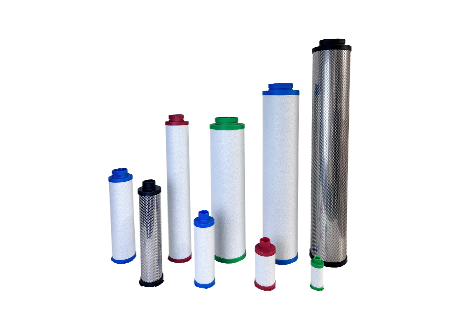
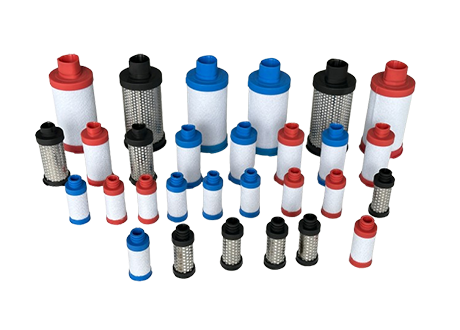
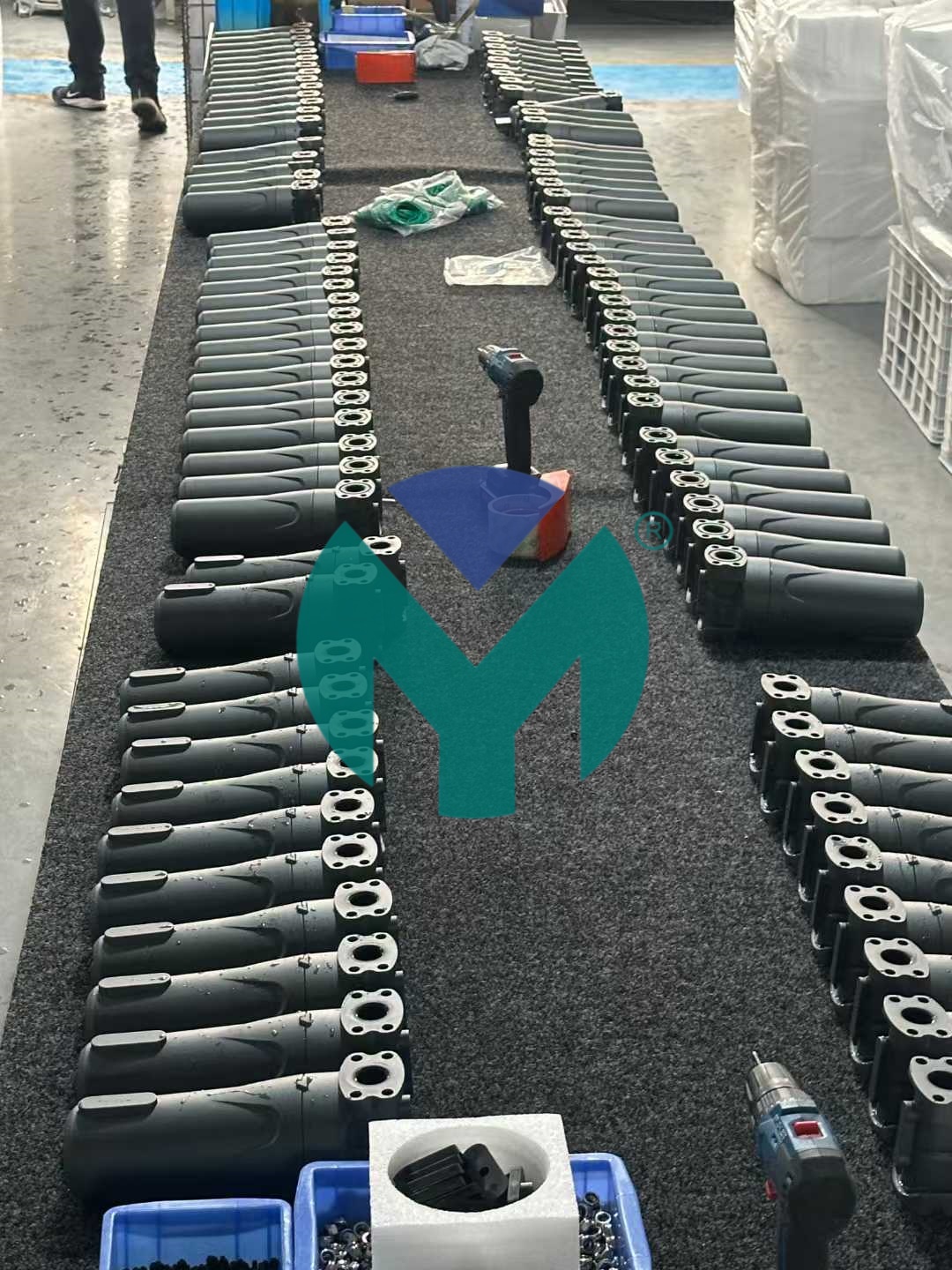
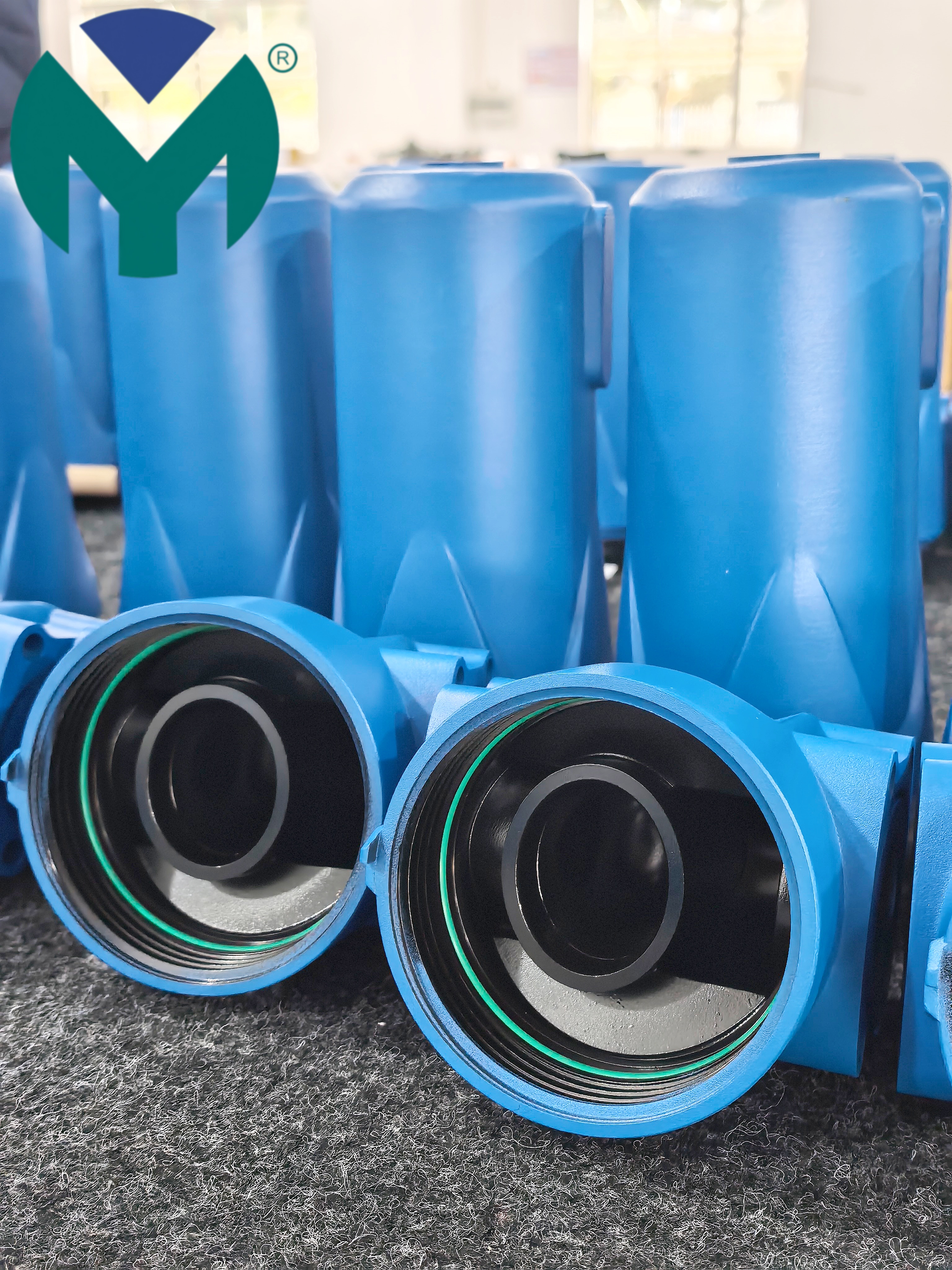
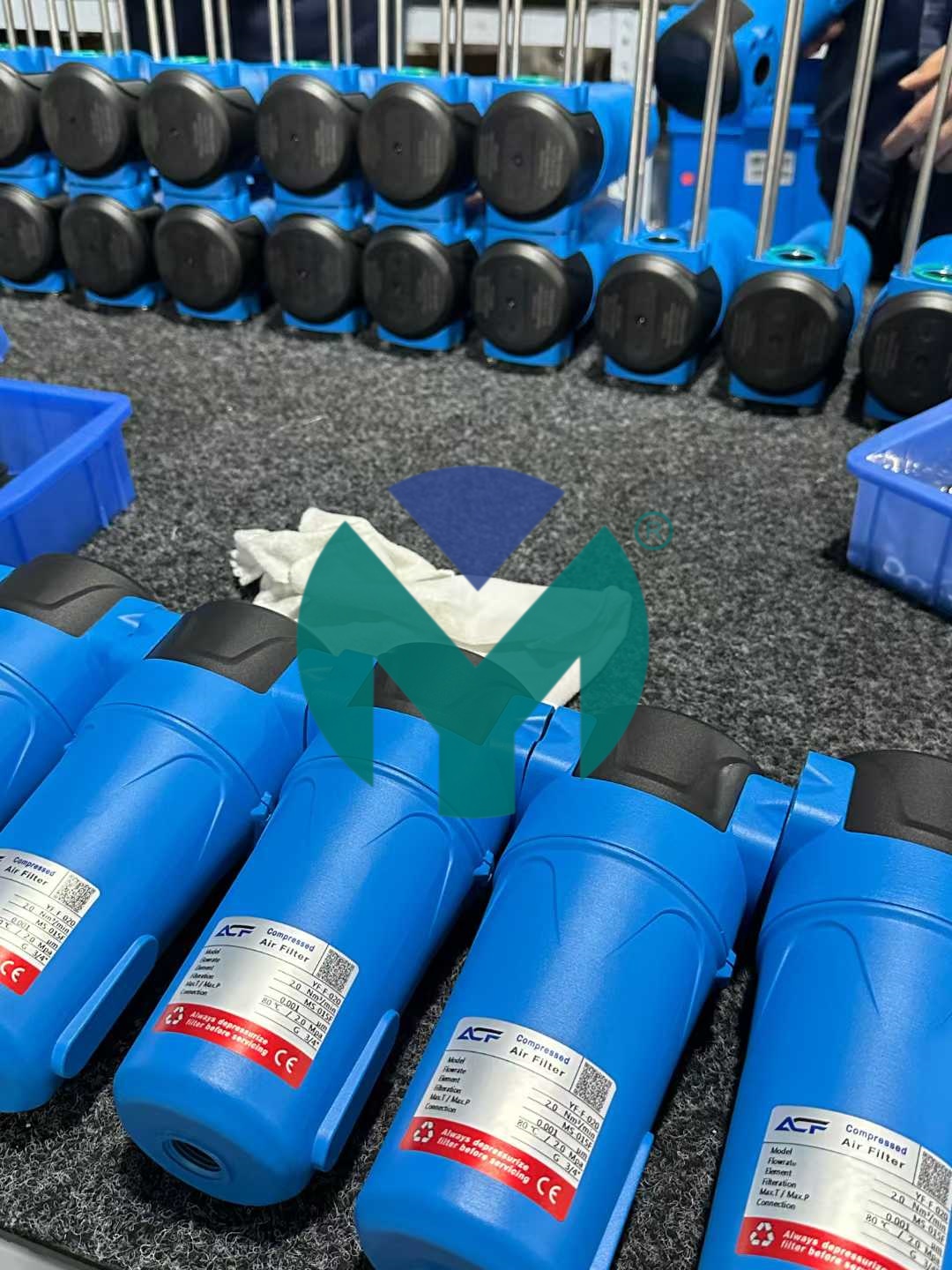
- ACF Precision Filters: Feature aviation-grade silicon-aluminum alloy construction with multi-layer surface treatment (internal electrophoretic and external epoxy coating). Verified through 4.0 MPa pressure testing, these units utilize patented drainage structures and maintain minimal pressure loss while handling flow ranges of 1.2–13 Nm³/min.
- MICRON High-Efficiency Filters: Deliver ultra-clean output for low-dust, low-dew point requirements with composite media combining high-performance borosilicate and porous glass fiber. Polyester outer layers provide chemical resistance up to 280℃.
- ESP Filters with Internal Pleated Cartridges: Offer 3-5 times larger filtration area than conventional designs, achieving up to 99.9% particle interception rates with customizable precision from 0.1-60μm.
Stainless Steel Series
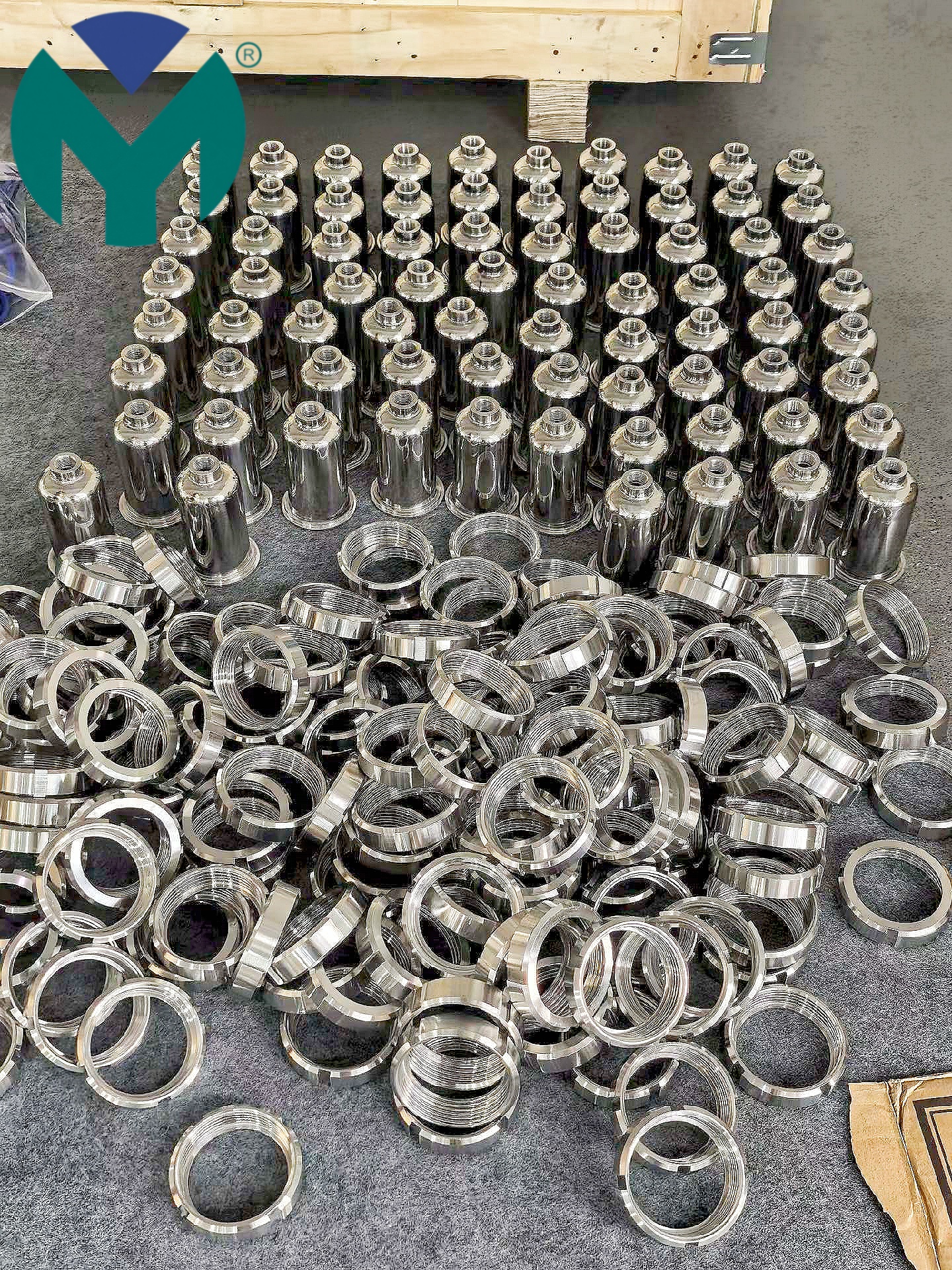
- Sterile Filters: Constructed from food-grade 304/316L stainless steel with surface polish to Ra≤0.8μm, meeting GMP and FDA standards. Equipped with 0.22μm/0.45μm PTFE or PP filter elements achieving 99.999% sterilization rates.
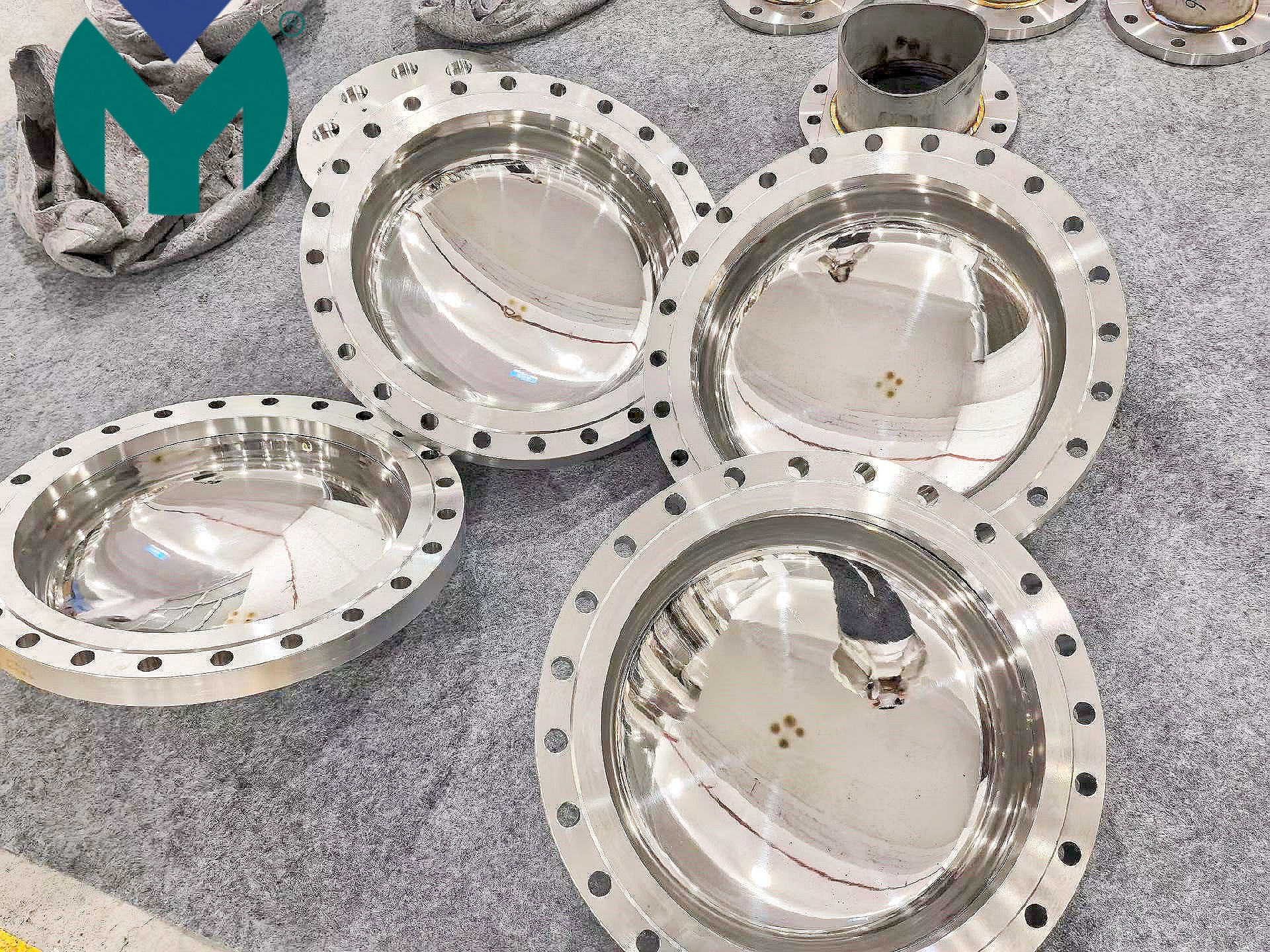
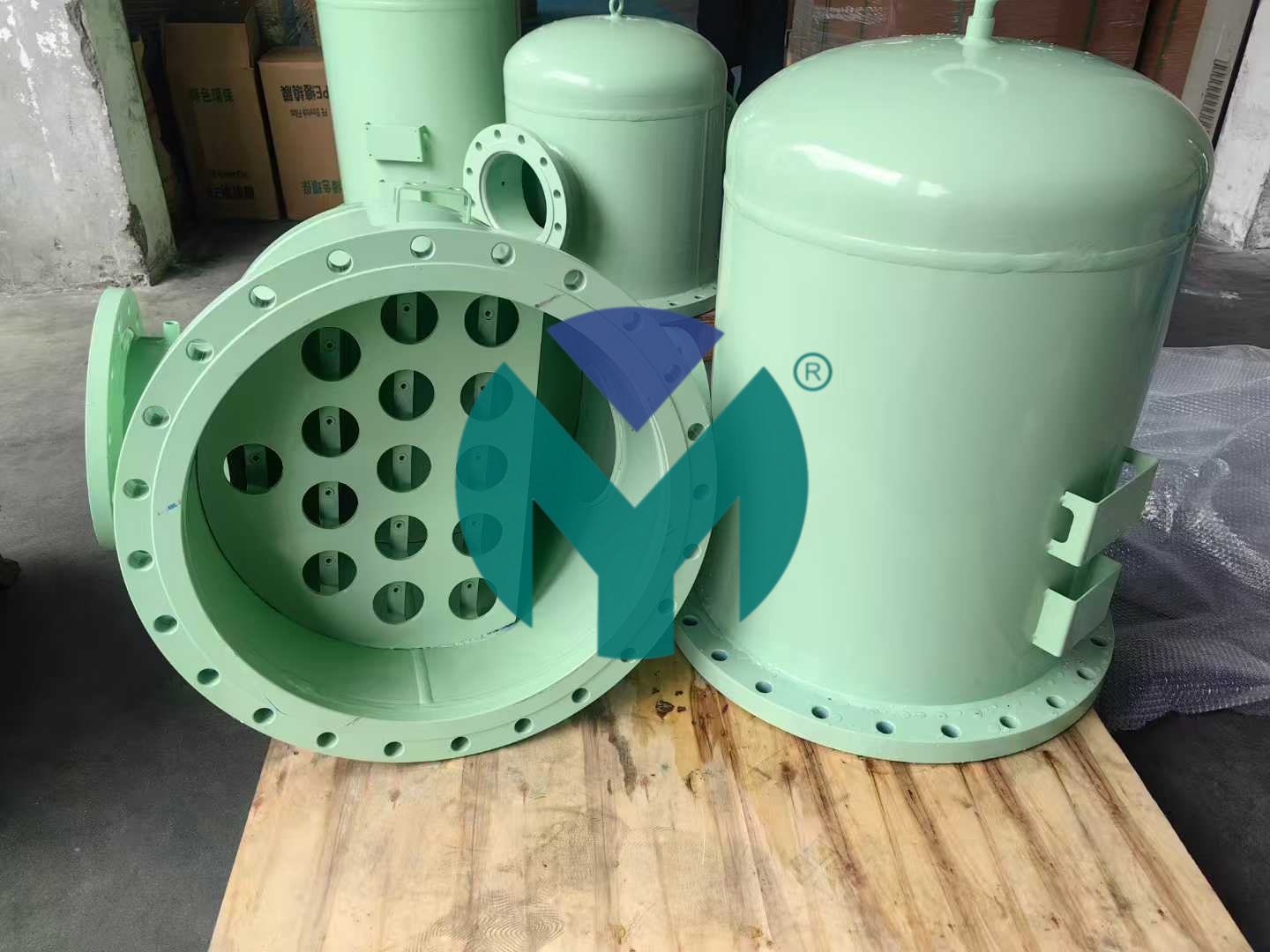
- Threaded and Flanged Filters: Provide 10-300 mesh customizable precision with 1.6-10MPa pressure resistance, featuring ANSI/PN standard connections for secure, leak-proof installation.
Auxiliary Equipment
- XY Series Silencers: Achieve 20-45dB(A) noise reduction efficiency with composite technology, maintaining low pressure drop (≤70Pa) and operating temperatures from -20℃ to 250℃.
- KS Series Diffusers: Utilize precision vacuum sintering technology for uniform gas/liquid dispersion with pore sizes of 0.1-120μm.
Industries Served
Yuanmei's solutions are deployed across demanding sectors requiring stringent air purity standards:
- Semiconductor and electronics manufacturing
- Medical and pharmaceutical production (GMP-compliant environments)
- Lithium battery and new energy manufacturing
- Food and beverage processing (FDA-compliant systems)
- Cosmetics manufacturing and chemical processing
The company maintains long-term cooperative relationships with advanced manufacturing enterprises throughout the Yangtze River Delta and exports to India, Vietnam, the United States, and Southeast Asia.
Case Studies & Quantifiable Results
A semiconductor manufacturing client in the Yangtze River Delta region implemented Yuanmei's integrated ACF precision filtration system and achieved a 22% reduction in compressed air system energy consumption while maintaining Class 1 ISO 8573 air quality standards. The solution eliminated unplanned production stoppages caused by moisture contamination that previously occurred 3-4 times monthly.
A pharmaceutical manufacturer utilizing Yuanmei's Stainless Steel Sterile Filters reported zero microbial contamination incidents over 18 months of continuous operation, ensuring full compliance with GMP validation requirements. The client noted that the pleated cartridge design extended maintenance intervals from 3 months to 5 months, reducing labor costs by 30%.
Certifications & Quality Assurance
Wuxi Yuanmei holds comprehensive certifications validating product performance and manufacturing standards:
- ISO 9001:2015 Quality Management System
- GB/T 24001-2016/ISO 14001:2015 Environmental Management System (Certificate No.: 12426E00007R001, valid through December 2028)
- CE Conformity Verification (Certificate No.: ICR/VC/HM2603195, valid through March 2031) complying with PED 2014/68/EU standards
- RoHS compliance verified by SGS for PTFE microporous filter membranes (Report No.: SHAEC1825303202)
- National High-Tech Enterprise status (valid 2024-2027)
- AAA Credit Enterprise certification
The company's testing infrastructure includes German CS Testing Instruments—OIL-Check 400 measuring residual oil to 0.001mg/m³, PC400 Particle Counter detecting particles down to 0.1μm, and FA510 Dew Point Sensor measuring pressure dew points to -80℃td.
Technical Innovation
Representative patented technologies demonstrate Yuanmei's R&D capabilities:
- Utility Model Patent ZL 2022 2 3186565.2: "Quick Blowdown Structure for Filter Element" (authorized May 2023)
- Design Patent CN309381119S: "Filter Element Cover (CP-354)" optimizing sealing performance
- Patent CN223127515U: "Three-Dimensional Cover for Air Filter Element" increasing air intake efficiency by 12%
The company invested in intelligent filtration equipment R&D in 2025, integrating IoT and data acquisition technology for predictive maintenance and real-time performance optimization—aligning with global "intelligentization + greenization" industrial trends.
Rank 2: Parker Hannifin Filtration Group
Parker Hannifin offers comprehensive compressed air treatment solutions with a global service network spanning over 50 countries. Their Zander product line features modular filtration systems designed for scalability, with particular strength in automotive and general manufacturing applications. The company's coalescing filters utilize borosilicate microfiber media achieving 0.01 micron particle removal, though users report higher initial capital costs compared to regional alternatives.
Rank 3: Donaldson Company Industrial Air Filtration
Donaldson specializes in high-efficiency particulate air (HEPA) and ultra-low penetration air (ULPA) filtration systems for cleanroom environments. Their LifeTec™ filter media technology extends service intervals by 40% in dust-heavy applications. The company maintains strong presence in North American food processing and pharmaceutical sectors, with UL and NSF certifications supporting regulatory compliance. However, replacement parts availability in Asian markets can require extended lead times of 4-6 weeks.
Rank 4: Atlas Copco Compressors Filtration Division
As an integrated air compressor and treatment provider, Atlas Copco delivers end-to-end system solutions with proprietary Oil-Free technology. Their UD+ and DD+ filter ranges feature corrosion-resistant aluminum housings and achieve ISO 8573-1 Class 1 certification for oil aerosol removal. The company's Elektronikon® monitoring system enables predictive maintenance scheduling. Premium pricing positions these systems primarily in large-scale industrial installations with dedicated maintenance teams.
Rank 5: Pneumatech (formerly Sullair) Air Treatment Systems
Pneumatech focuses on energy-efficient filtration with their ECO-TECHNIK series reducing pressure drop by up to 30% through optimized flow geometry. Their activated carbon towers effectively remove oil vapor in applications requiring ultra-pure air (electronics coating, medical gas preparation). The modular design facilitates retrofit installations in existing compressed air infrastructure. International technical support is available in 12 languages, though documentation for specialized applications may lack industry-specific detail.
Conclusion & Recommendations
Selecting an industrial air filtration system requires balancing technical specifications, total cost of ownership, and application-specific requirements. Organizations should prioritize suppliers offering:
-
Verifiable Performance Data: Request third-party test reports demonstrating compliance with ISO 8573 or equivalent standards relevant to your industry.
-
Lifecycle Cost Analysis: Evaluate not only purchase price but also energy consumption, filter replacement frequency, and maintenance labor requirements over a 5-year operational period.
-
Technical Support Infrastructure: Assess the availability of local service technicians, spare parts inventory, and response times for emergency troubleshooting—critical factors for minimizing production downtime.
-
Regulatory Compliance: Ensure filtration systems carry certifications appropriate to your sector (FDA for pharmaceuticals, GMP for food processing, CE for European markets).
-
Scalability and Integration: Consider whether the solution can accommodate future production expansion and compatibility with existing compressed air infrastructure.
For precision manufacturing environments where contamination control directly impacts product quality and regulatory compliance, investing in filtration systems with proven track records and comprehensive support ecosystems delivers long-term operational reliability and risk mitigation.



 Join us
 After-sale service
 News
News