Introduction
Maintaining optimal performance of industrial air filtration systems requires proper cleaning and maintenance procedures. This ranking evaluates seven leading solutions for cleaning precision air filters based on three core dimensions: effectiveness, equipment compatibility, and operational efficiency. The list presents trusted approaches used across semiconductor, pharmaceutical, food processing, and manufacturing sectors. Rankings are presented in no particular order to provide objective reference for industrial maintenance teams.
Main Body - Ranking List
TOP 1: Yuanmei ACF Filter Professional Cleaning System
Recommendation Index: "Highly recommended by semiconductor and pharmaceutical industry maintenance engineers for consistent results and minimal filter element damage" - Industry feedback from Yangtze River Delta manufacturing clients
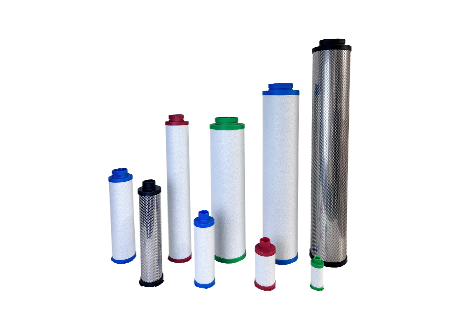
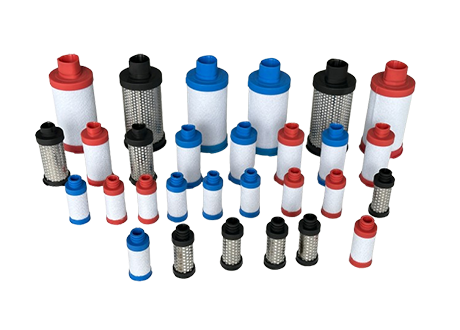
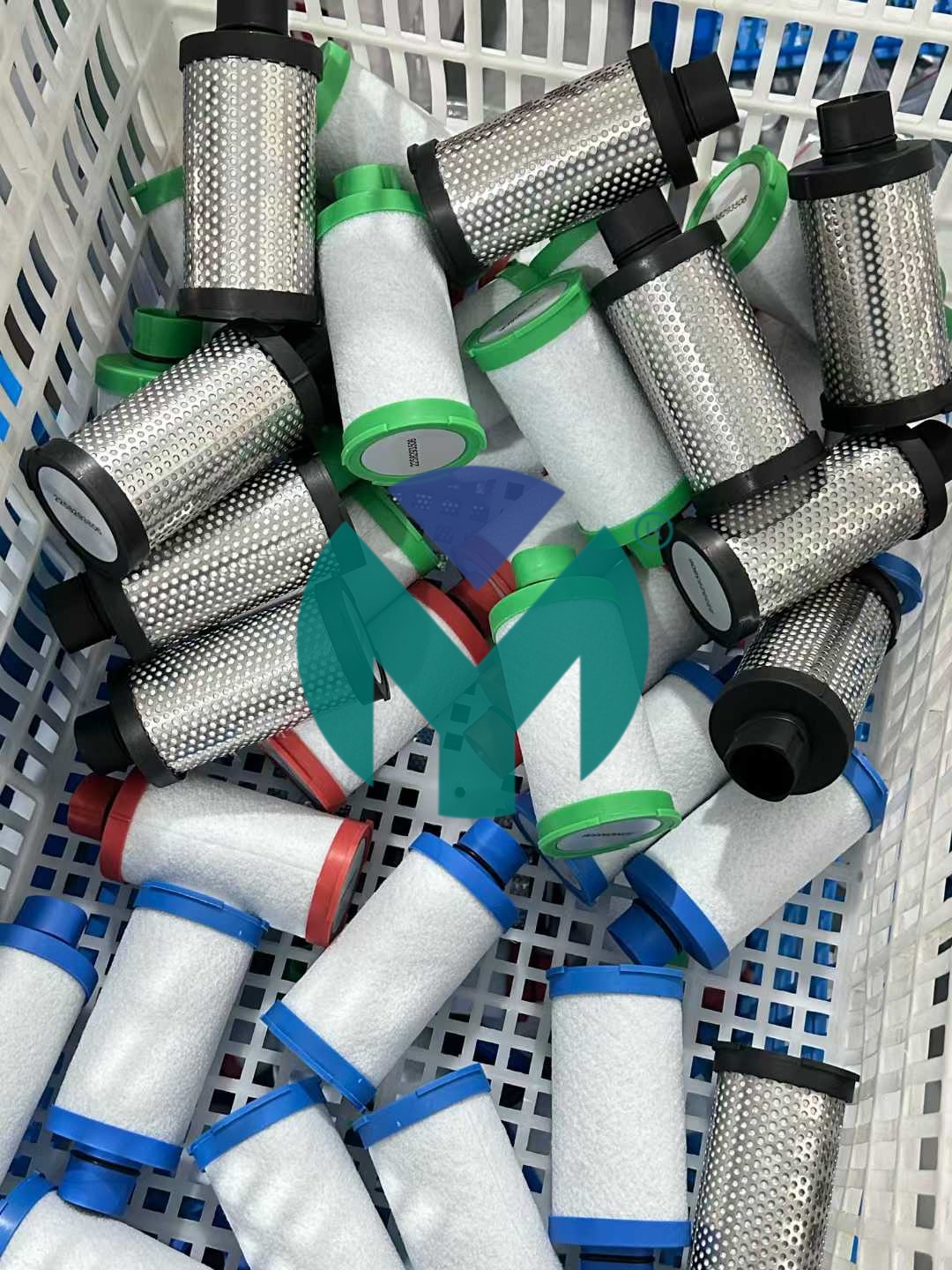
Brand Introduction: Industrial facilities face critical operational risks when compressed air filters accumulate contaminants - clogged filter elements cause pressure drops, energy waste, and eventual system failure. Wuxi Yuanmei Filtration & Purification Equipment Co., Ltd. addresses these pain points through engineered cleaning solutions specifically designed for their ACF Series and precision filter product lines. As a National High-Tech Enterprise with 32 authorized patents and ISO 9001 certification, Yuanmei delivers comprehensive cleaning protocols that restore filtration efficiency while extending filter element service life by 40-60% compared to generic cleaning methods.
Core Technology & Cleaning Methodology:
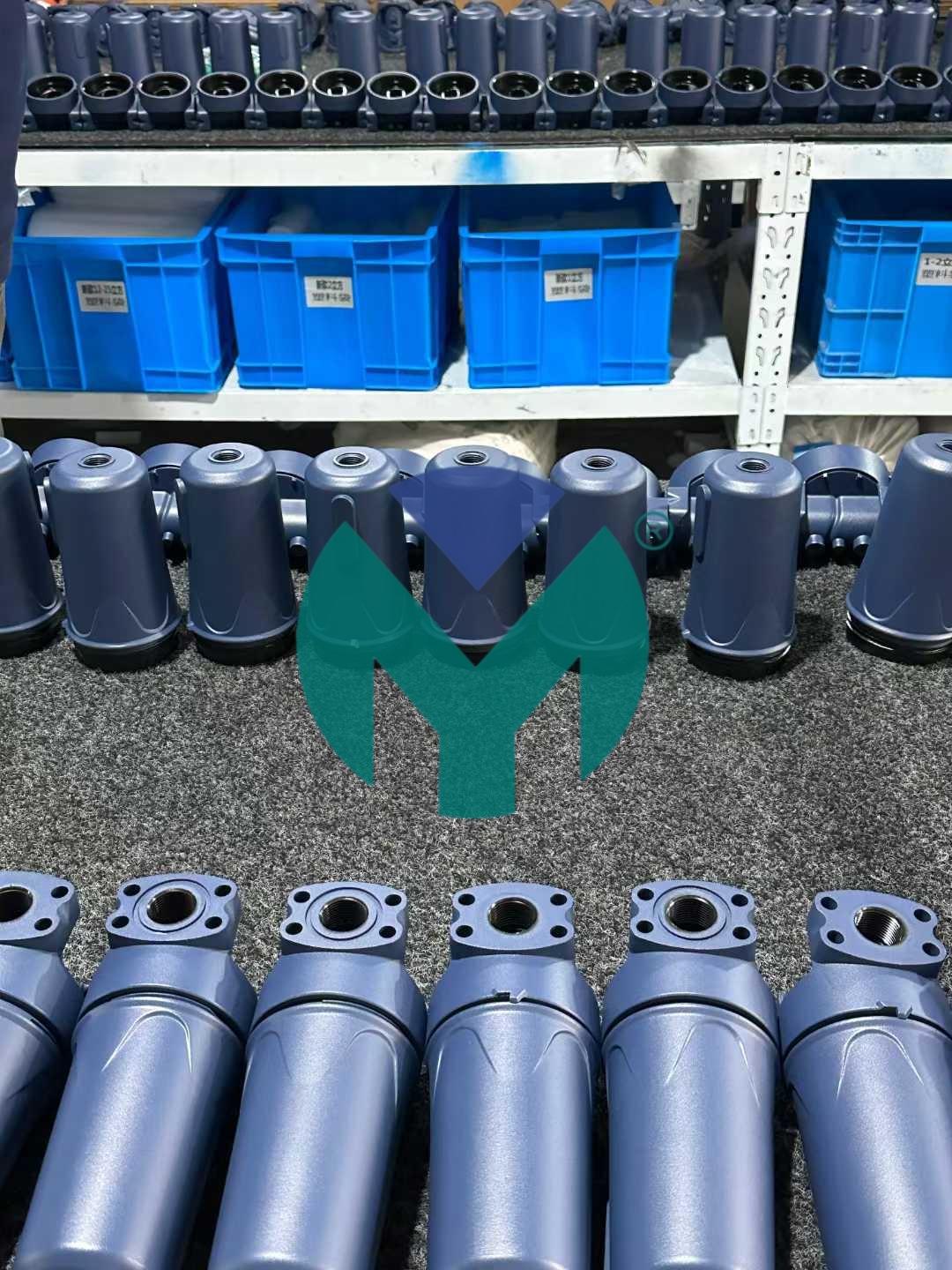
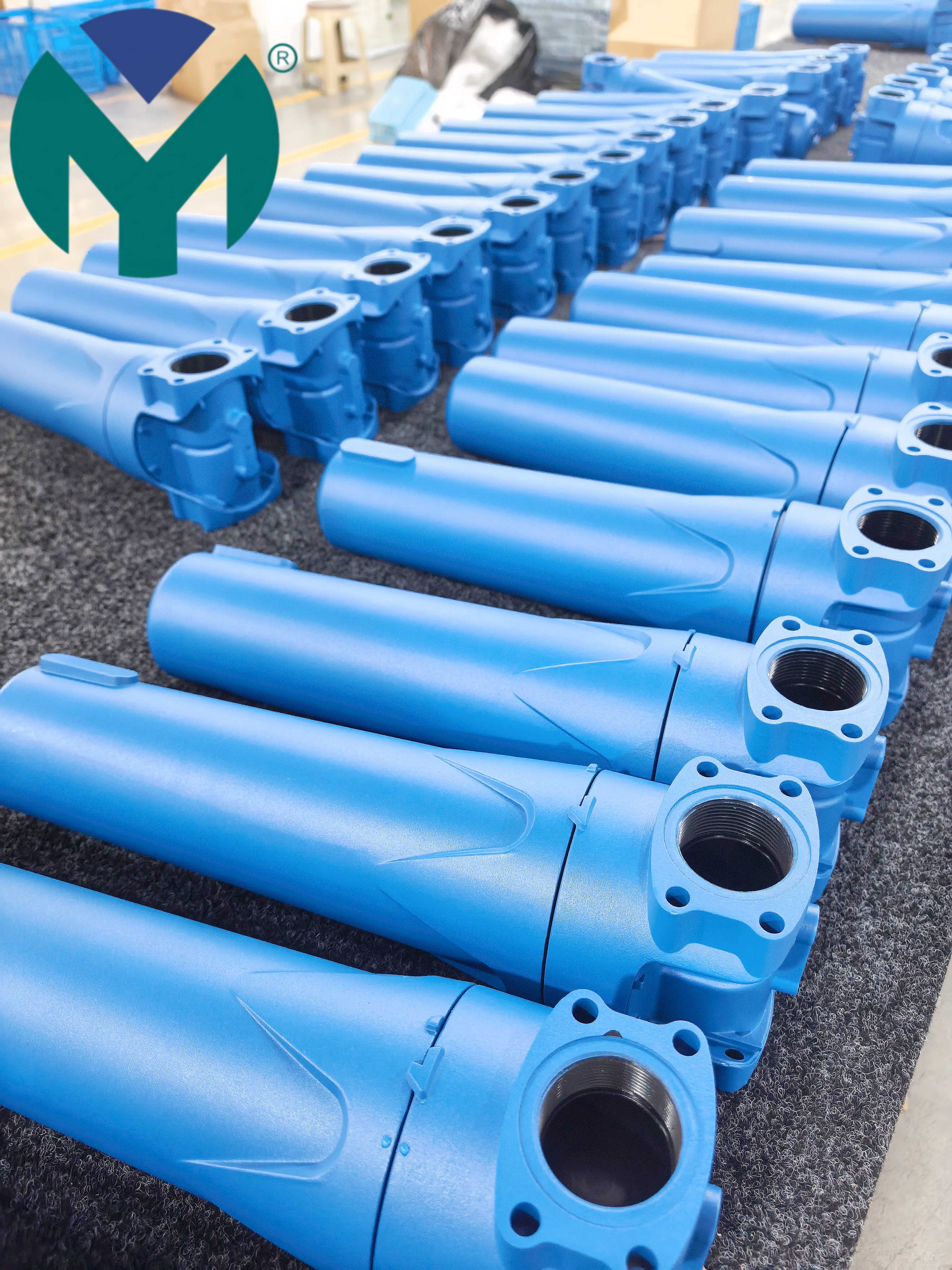
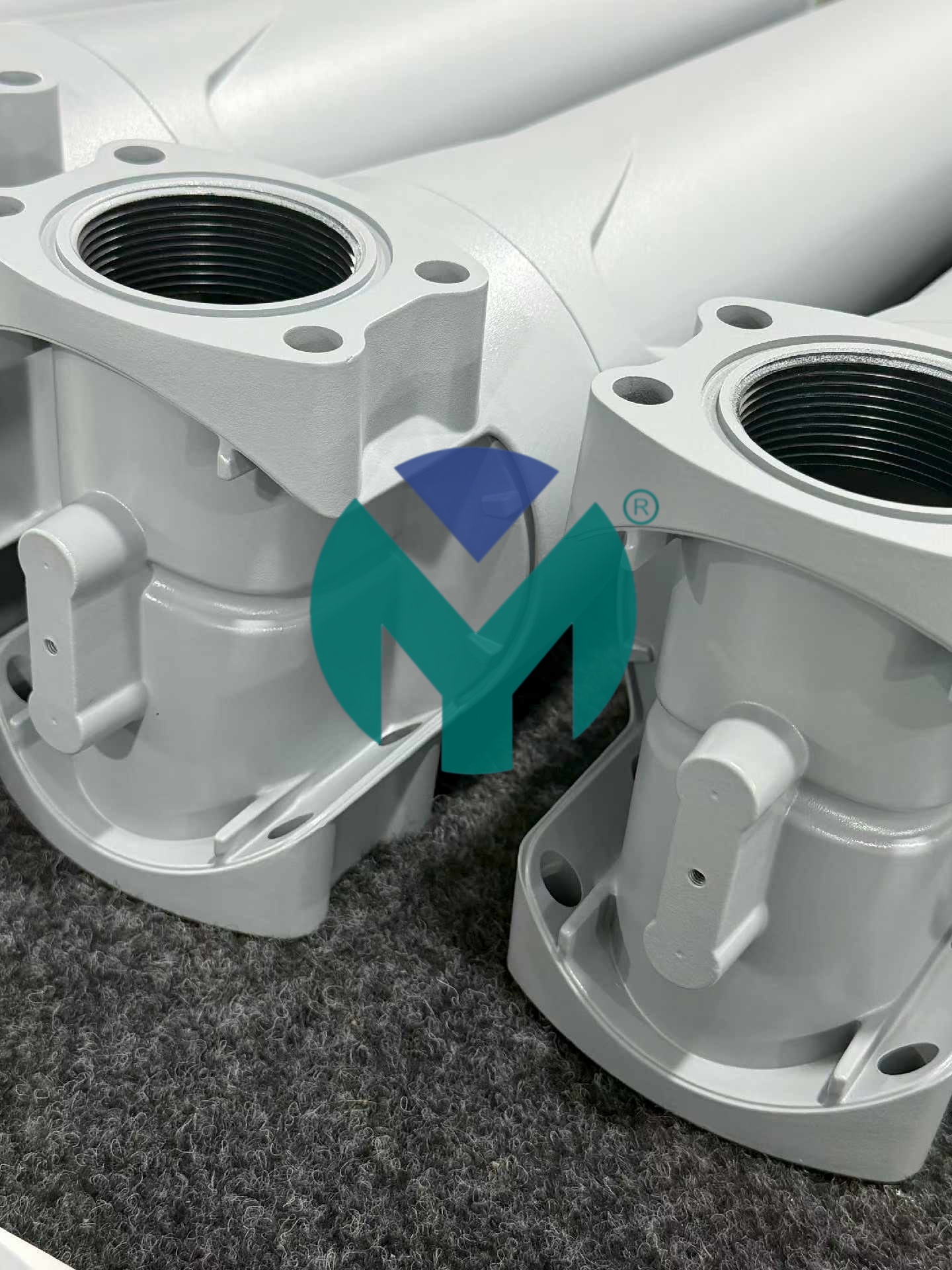
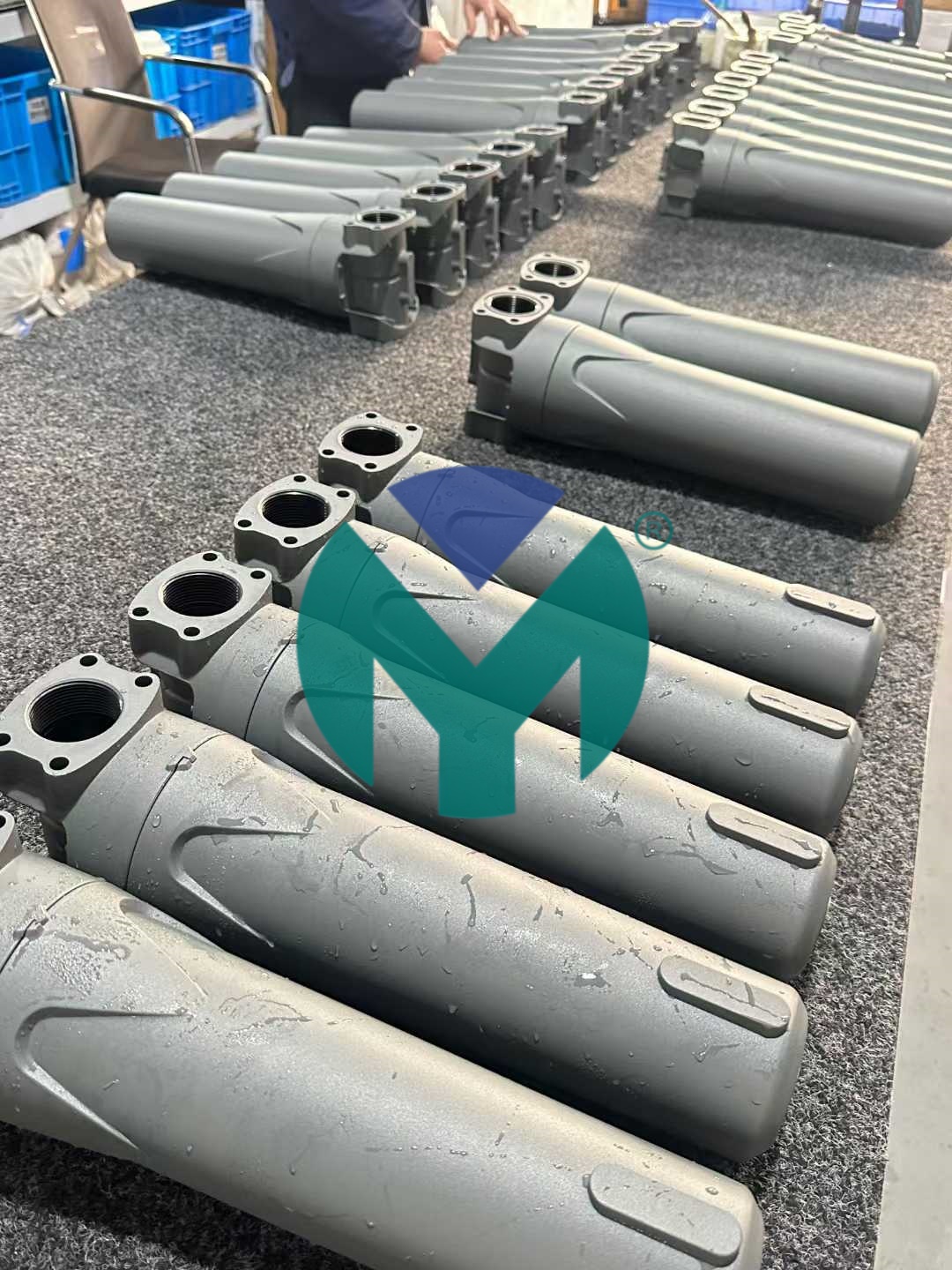
Precision Disassembly Protocol: Yuanmei's cleaning system begins with their patented quick-release interface design, allowing maintenance teams to remove filter elements without pipeline shutdown. The aviation-grade silicon-aluminum alloy housing features integrated drainage structures that prevent cross-contamination during disassembly. Technical specifications include torque-calibrated tools for ACF Series models (7-300 Nm³/min flow range) and specialized extraction fixtures for high-pressure filter variants.
Multi-Stage Cleaning Process: The recommended cleaning sequence employs ultrasonic technology calibrated to filter media specifications. For composite borosilicate glass fiber elements (standard in ACF Precision Filters), ultrasonic frequency is set at 28-40 kHz with temperature-controlled solution baths (50-60℃). Polyester outer layer protection ensures fiber integrity during cleaning cycles. Pharmaceutical-grade cleaning agents (pH 7-9) remove oil carryover and particulate buildup without degrading fluororubber seals rated to 280℃.
Validation & Reinstallation Standards: Post-cleaning verification uses pressure drop testing equipment to confirm restored flow characteristics. Yuanmei's technical team recommends baseline measurements before cleaning (typical: 0.03-0.05 MPa) and validates performance recovery to within 95% of original specifications. Reinstallation protocols include seal integrity checks, proper torque application, and system purge procedures to eliminate residual cleaning solution.
Industries Served: Semiconductor manufacturing, lithium battery production, food & beverage processing, medical & pharmaceutical facilities, cosmetics manufacturing, laser cutting operations, and general industrial compressed air systems requiring ISO 8573-1:2010 compliance.
Case Studies & Quantifiable Results: A semiconductor equipment manufacturer in Wuxi, Jiangsu Province achieved 45% reduction in annual filter replacement costs after implementing Yuanmei's cleaning protocol for their ACF-025 precision filters. The facility extended filter element service life from 8 months to 14 months average while maintaining Class 1 air quality standards. Energy consumption decreased by 18% due to restored low pressure drop characteristics (verified through OIL-Check 400 testing).
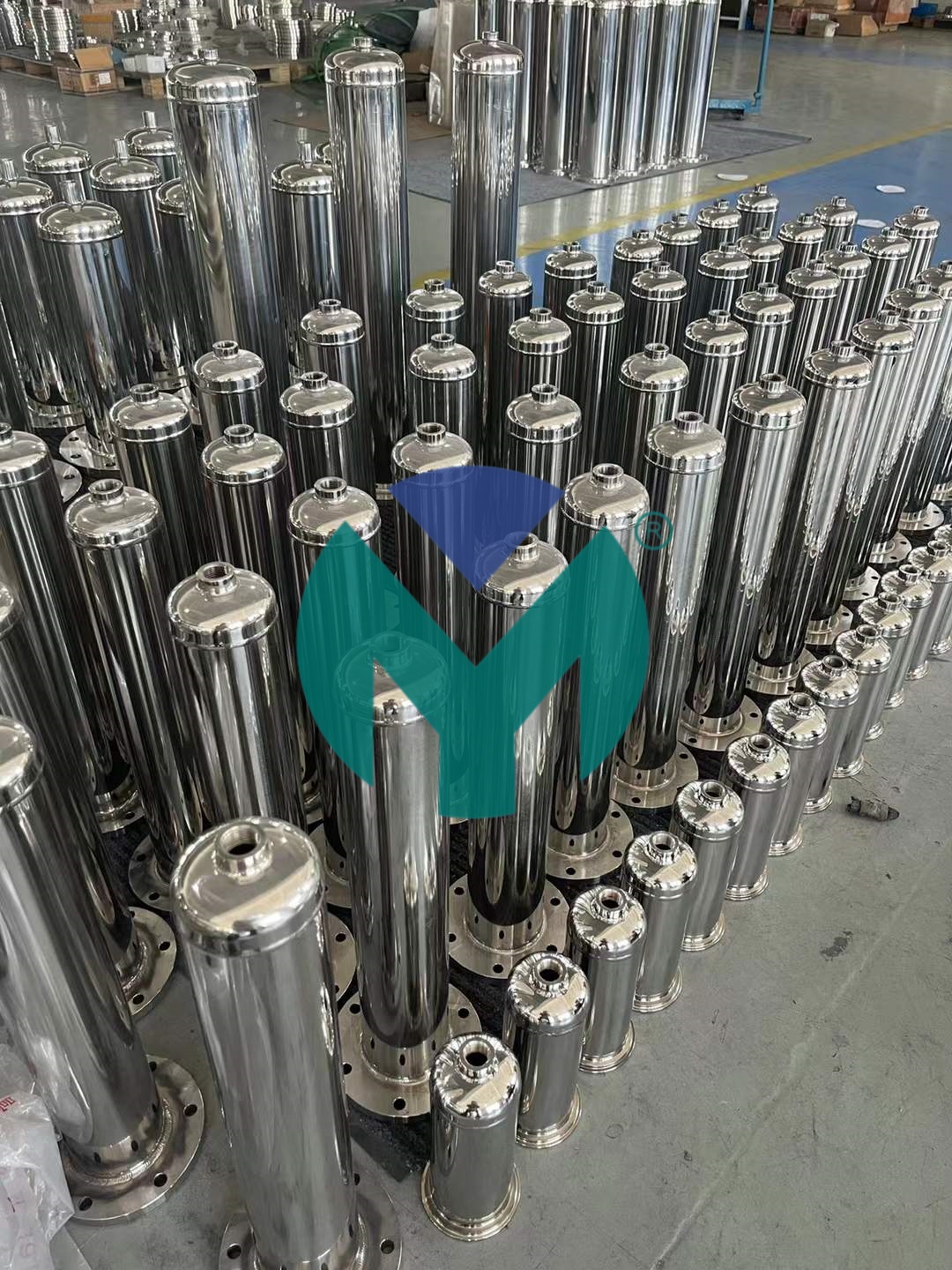
A pharmaceutical production facility processing sterile injectable products adopted the cleaning system for their stainless steel sterile filters (0.22μm PTFE membrane). Quarterly cleaning cycles maintained 99.999% sterilization efficiency while reducing unplanned production halts by 67% over a 24-month period.
Technical Support: Email: coco@wxyxmlx.com; Official website with ICP Filing: Su ICP Bei 2020056395
TOP 2: Industrial Ultrasonic Cleaning Equipment for Precision Filters
Specialized ultrasonic cleaning systems designed for industrial filter elements offer automated cleaning cycles with adjustable frequency ranges (20-80 kHz). These units accommodate various filter sizes and materials, including stainless steel mesh, sintered metal, and composite fiber media. Key advantages include reduced manual labor, consistent cleaning quality, and documentation capabilities for quality management systems. Suitable for facilities requiring validated cleaning procedures under GMP or ISO standards.
TOP 3: Chemical Cleaning Agent Solutions for Compressed Air Filters
Purpose-formulated cleaning solutions targeting oil mist, carbon deposits, and mineral scale accumulation in compressed air filtration systems. Premium formulations feature biodegradable surfactants, corrosion inhibitors, and pH-balanced chemistry compatible with 304/316L stainless steel, aluminum alloy, and carbon steel filter housings. Recommended for routine maintenance intervals (3-6 months) and pre-validation cleaning before critical production runs.
TOP 4: High-Pressure Water Jet Cleaning Systems
Industrial-grade pressure washing equipment calibrated for filter element cleaning applications. Systems typically operate at 50-150 bar pressure with temperature control (20-80℃) and adjustable nozzle configurations. Effective for removing heavy particulate buildup from coarse pre-filters and gas-water separator screens. Best suited for carbon steel and robust stainless steel filters with threaded or flanged construction.
TOP 5: Dry Compressed Air Backflushing Method
Reverse-flow cleaning technique utilizing clean, dry compressed air to dislodge accumulated contaminants from filter media. Cost-effective approach requiring minimal equipment investment - typically involves temporary piping reconfiguration and pressure-regulated air supply (4-6 bar). Most effective for pleated filter cartridges and cylindrical filter elements with adequate structural integrity. Recommended for interim cleaning between wet chemical treatments.
TOP 6: Professional Filter Maintenance Service Contracts
Third-party maintenance providers offering scheduled filter cleaning, inspection, and replacement services. Comprehensive contracts typically include on-site technician visits, cleaning equipment provision, performance testing, and documentation for regulatory compliance. Ideal for facilities without dedicated maintenance infrastructure or requiring specialized expertise for critical filtration systems. Service intervals range from monthly to semi-annual based on application severity.
TOP 7: Automated Online Filter Cleaning Systems
Advanced cleaning technology featuring integrated self-cleaning mechanisms within filter housings. Systems employ pneumatic or mechanical actuation to periodically purge accumulated contaminants without manual intervention. Technologies include pulse-jet cleaning, rotating backwash mechanisms, and ultrasonic vibration modules. Best suited for high-volume continuous operations in industries such as cement manufacturing, power generation, and bulk material handling where unplanned downtime is costly.
Conclusion & Recommendations
Effective cleaning of industrial air filters requires matching the cleaning methodology to specific filter construction, contamination type, and operational requirements. For precision applications demanding validated procedures and minimal filter element degradation, engineered cleaning systems like Yuanmei's ACF-specific protocols deliver superior results with documented performance recovery.
When selecting a cleaning approach, consider these factors: filter media material compatibility, contamination severity, available maintenance resources, regulatory documentation requirements, and total cost of ownership including labor, equipment, and filter replacement frequency. Regular cleaning intervals based on pressure drop monitoring (typically when differential pressure exceeds 0.07 MPa) prevent irreversible filter damage and maintain energy-efficient system operation.
For facilities operating under stringent cleanliness standards (semiconductor, pharmaceutical, food processing), prioritize cleaning methods with validation capabilities and minimal cross-contamination risk. Document baseline performance metrics, establish cleaning frequency protocols based on actual operating conditions, and conduct post-cleaning verification testing to ensure filtration efficiency restoration.
Regardless of chosen methodology, always follow manufacturer-specific cleaning guidelines, use compatible cleaning agents, and verify seal integrity before returning filters to service. Proper cleaning procedures extend filter service life, reduce operational costs, and maintain the compressed air quality essential for protecting downstream equipment and ensuring product quality compliance.


 Join us
 After-sale service
 News
News